To measure for a Stainless Steel Sliding Door, start by clearing the doorway and gathering accurate tools like a tape measure and spirit level. Measure the rough opening width and height at multiple points, note any flooring or threshold variations, and record the track position. Precise documentation prevents installation errors and ensures that the door fits seamlessly.
1. Preparing for Accurate Measurement
Accurate preparation is essential before measuring for a stainless steel sliding door. Proper planning prevents misorders and ensures the door fits perfectly, whether it’s for a residential living room, office entry, or a hotel lobby. A miscalculated measurement can lead to uneven panels, track friction, or costly rework, so taking time to organize everything beforehand is critical.
1.1 Gathering Necessary Tools (Tape Measure, Spirit Level, Notepad)
Start by collecting the tools needed for precise measurement:
-
Tape Measure – Metal tapes are best for stability over wider openings.
-
Spirit Level – Ensures that both the doorway and floor are level, which is vital for smooth sliding operation.
-
Notepad or digital device – Record every dimension carefully and note any unusual conditions such as uneven floors, wall protrusions, or ceiling height variations.
-
Laser Measure – Optional for larger openings or multi-panel doors to verify accuracy quickly.
When preparing for installation of high-traffic Разсуўныя дзверы з нержавеючай сталі, contractors often double-check measurements using both tape and laser tools to avoid ordering panels that don’t fit the space correctly. Recording these details clearly ensures the door operates smoothly and aligns with the track system.
1.2 Clearing the Doorway and Checking Obstructions
Before taking any measurements, make sure the doorway and surrounding area are fully accessible:
-
Remove furniture, rugs, or any items that could block the doorway.
-
Inspect walls, baseboards, and moldings for obstacles that might interfere with frame or track placement.
-
Check for electrical outlets, light switches, or pipes that could require adjustment of the track or panel position.
-
For top-hung or automatic systems, make sure the ceiling or header space is free from obstructions.
For example, when replacing a Разсуўныя дзверы з нержавеючай сталі з PVD-пакрыццём in a coastal apartment, contractors had to account for a protruding molding that would have blocked the door track. By clearing the space and noting the obstruction, they adjusted the track position by a few millimeters, ensuring smooth operation without any friction.
Taking photos of the doorway from multiple angles helps reference measurements later, which is especially useful when planning for multi-panel doors or automatic sliding systems. This simple step reduces errors and ensures the selected door aligns perfectly with both frame and wall.
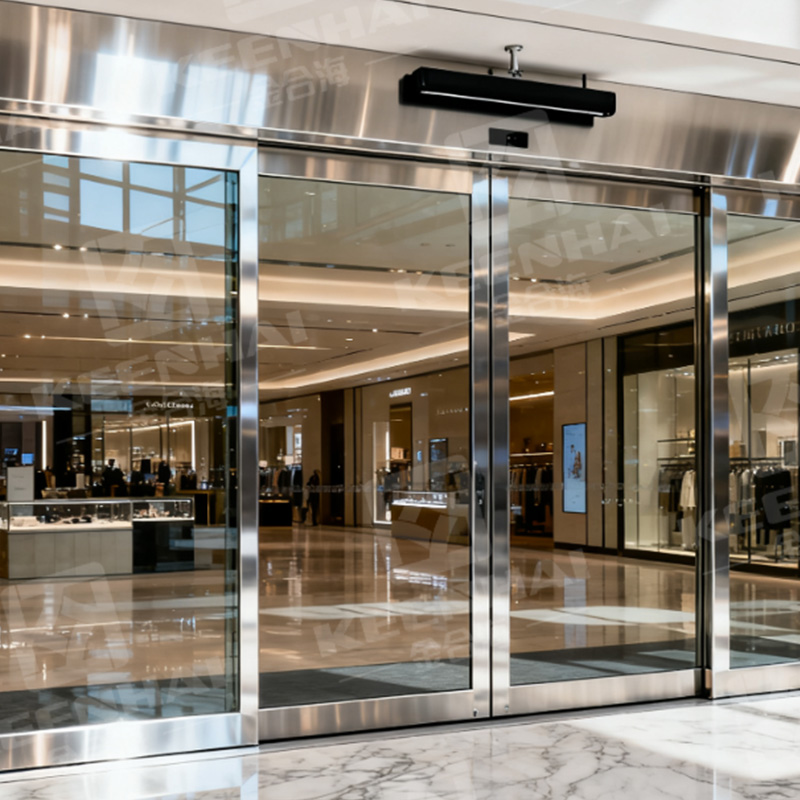
2. Measuring Door Width
Measuring the door width accurately is crucial to ensure the sliding door fits perfectly within the opening. Even small miscalculations can cause panels to stick, tracks to bind, or gaps to appear, especially in multi-panel or automatic systems.
2.1 Measuring the Rough Opening Width
-
Measure the width at three points: top, middle, and bottom of the rough opening. This captures any irregularities or wall unevenness.
-
Record the smallest measurement. Using the narrowest width ensures the door will slide freely without rubbing against the frame.
-
Check the level of the floor along the width. Uneven floors may require shimming or minor adjustments when installing the track system.
In commercial settings, such as office entrances or retail storefronts, the rough opening often differs by a few millimeters between the top and bottom. Contractors document these differences to guarantee that the Разсуўныя дзверы з нержавеючай сталі operate smoothly and align properly with the frame.
2.2 Accounting for Frame and Track Clearance
-
Determine the total frame width and subtract it from the rough opening width to find the panel space.
-
Add necessary track clearance to allow smooth movement, typically 5–10mm on each side depending on door weight and panel type.
-
Double-check if the door system includes additional components, such as soft-close mechanisms or automatic sensors, which may require extra clearance.
In a recent residential installation using a Разсуўныя дзверы з нержавеючай сталі з PVD-пакрыццём, contractors measured the rough opening and allowed 8mm per side for track clearance. This adjustment avoided rubbing against the wall and ensured the automatic system operated reliably.
Accurate width measurement, combined with proper clearance calculation, guarantees that the sliding door functions flawlessly and maintains its longevity, whether it’s for a single-panel door or a multi-panel commercial installation.

3. Measuring Door Height
Accurately measuring door height is as important as width, especially for Разсуўныя дзверы з нержавеючай сталі, to ensure panels glide smoothly and automatic systems function without interference. Height miscalculations can cause scraping against the floor, misalignment with tracks, or difficulty in installation.
3.1 Determining Floor-to-Header Height
-
Measure from the finished floor to the bottom of the header at three points: left, center, and right. This accounts for any ceiling or wall irregularities.
-
Record the shortest measurement to avoid panel obstruction at the top.
-
Check for any structural beams, ceiling slopes, or decorative moldings that could reduce usable height.
In hotel lobbies or commercial entrances, contractors often find that decorative ceilings reduce the effective height by several centimeters. This step ensures that Hotel Automatic Stainless Steel Sliding Doors can be installed without trimming panels or modifying the track.
3.2 Considering Flooring or Threshold Variations
-
Inspect flooring for uneven spots, ramps, or transitions that affect panel clearance.
-
Measure the highest point of the floor along the door width to ensure the sliding door has sufficient vertical space.
-
Allow for floor expansion or carpeting thickness if applicable, typically 3–5mm extra per panel.
-
Note any thresholds or water barriers that may require adjusting the bottom track height.
For instance, in a residential installation using a Разсуўныя дзверы з нержавеючай сталі з PVD-пакрыццём, the contractor measured the floor-to-header height and added 4mm per panel for carpeting and underlay, preventing rubbing and ensuring smooth operation.
Precise height measurement combined with proper consideration of flooring and threshold variations guarantees that the sliding door operates flawlessly, prevents damage to panels, and maintains the long-term performance of the system.
4. Assessing Wall and Structural Constraints
Before finalizing measurements for a sliding door installation, evaluating the wall and surrounding structure is essential. Ignoring these factors can lead to installation challenges, misaligned tracks, or even structural damage.
4.1 Checking Wall Thickness and Support for Tracks
-
Measure wall thickness at multiple points to confirm it can support the weight of the door panels and track system.
-
Verify that studs or reinforcements are properly aligned to bear the load. For heavier systems like Аўтаматычныя разсуўныя дзверы з нержавеючай сталі, a minimum stud depth of 90mm is often recommended.
-
Inspect for cavities, old wiring, or insulation that could affect anchor placement. Adding backing plates or reinforcing boards can prevent track sagging and ensure smooth sliding.
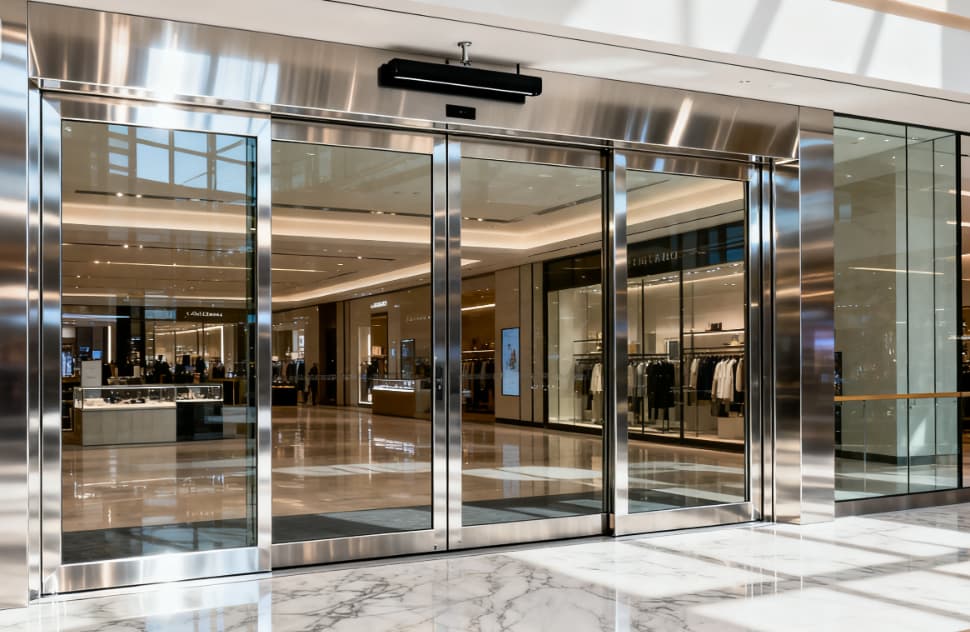
In shopping mall installations, contractors often encounter walls thinner than expected. Measuring beforehand prevents last-minute modifications, especially when installing multi-panel commercial sliding doors.
4.2 Identifying Potential Obstacles (Light Switches, Moldings, Pipes)
-
Scan the wall for protruding elements such as electrical outlets, light switches, baseboards, or decorative moldings.
-
Locate plumbing or heating pipes hidden within walls using a stud finder or pipe detector.
-
Mark all obstacles clearly on the notepad and plan track placement accordingly. A clearance of 10–15mm from obstructions is usually sufficient to avoid interference.
-
Adjust measurements if necessary to maintain panel alignment and smooth operation.
For example, in a recent residential project with a Разсуўныя дзверы з нержавеючай сталі з PVD-пакрыццём, contractors found a slightly protruding water pipe and moved the track 12mm outward, allowing the door to glide without scraping while keeping the design flush with the wall.
Thorough assessment of walls and structural constraints ensures that the sliding door fits perfectly, operates smoothly, and avoids costly on-site adjustments.
5. Recording Measurements and Selecting Door Specifications
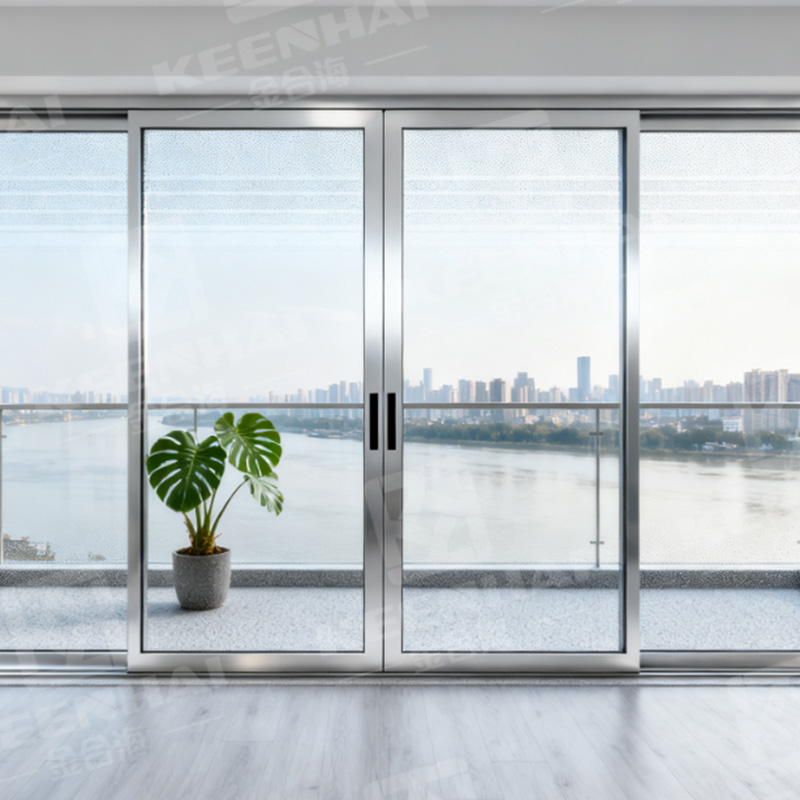
Accurate measurement recording is the final step before ordering or installing a Рассоўныя дзверы з нержавеючай сталі. Without precise documentation, even minor errors in width, height, or track placement can lead to installation issues or operational problems.
5.1 Documenting Width, Height, and Track Placement
-
Record all width measurements: rough opening width, frame allowances, and track clearance.
-
Capture height data at multiple points, noting floor-to-header measurements and any flooring variations.
-
Mark the exact track location on your notes or diagrams, including any offsets required for molding, threshold, or piping.
-
Include notes on wall reinforcements or areas requiring special anchoring to ensure smooth operation, particularly for heavier systems like Аўтаматычныя разсуўныя дзверы з нержавеючай сталі.
Keeping a consistent record prevents confusion during panel fabrication and allows the installer to double-check all dimensions before cutting or adjusting tracks, reducing errors and extra costs.
5.2 Deciding on Single vs Multi-Panel Doors and Hardware Options
-
Determine whether the space and user needs call for a single-panel or multi-panel door. Multi-panel setups often require additional track length and reinforced rollers.
-
Select hardware based on panel weight, door width, and desired soft-close or automated functions.
-
Note material or finish preferences, such as PVD coating for coastal environments, to avoid corrosion and maintain appearance.
-
Confirm any custom specifications like frameless designs or tempered glass thickness to match project requirements.
Thorough documentation combined with deliberate hardware and panel choices ensures that the final sliding door installation aligns perfectly with design expectations and operates smoothly from day one.
Measuring accurately for a Рассоўныя дзверы з нержавеючай сталі is essential to ensure smooth operation and a perfect fit. Taking careful notes of width, height, track placement, and structural constraints reduces installation errors and avoids costly adjustments. By following a detailed measurement process, you guarantee that your door system, whether standard, multi-panel, or Automatic Stainless Steel Sliding Door, performs flawlessly while maintaining its aesthetic and functional integrity.