Choosing the best stainless steel swing doors starts with understanding your project’s traffic and usage frequency. High-traffic areas benefit from durable double swing doors with reinforced hinges, while low-traffic spaces can opt for single doors with sleek, minimalist frames. Material quality, such as 304 or 316 stainless steel, combined with tempered or laminated glass, ensures corrosion resistance and long-term performance. By aligning your door choice with both operational demands and architectural style, you can deliver entrances that look elegant, function reliably, and require minimal maintenance over time.
1. Define Your Project Requirements
Choosing the right door system starts with understanding what your project actually needs. I always ask clients to walk through the space, visualize daily traffic, and check how people interact with the entry. Once you do that, you can immediately tell whether premium stainless steel swing door systems fit your environment or if another configuration works better. The clearer your requirements are from the beginning, the fewer revisions you’ll deal with later.
1.1 Assess Traffic Level and Usage Frequency
The flow of people defines how durable the door structure must be. For instance, a residential hallway barely sees 30–50 openings per day, while a hotel lobby easily reaches 500+ movements during peak hours. When the space has this kind of intensity, you need a door system that takes the workload without bending, rattling, or loosening over time.
To make decisions faster, consider the difference in opening frequency based on project types:
| Project Type | Typical Daily Door Cycles | Recommended Door Type |
|---|---|---|
| Private residences | 20–80 cycles | Single swing stainless steel door |
| Retail stores | 150–300 cycles | Reinforced swing glass system |
| Hotels & public buildings | 300–600+ cycles | Double swing stainless steel glass doors |
You can see why hotels usually prefer a double-leaf configuration. The wider opening makes luggage movement smoother, the entry looks more premium, and the traffic doesn’t bottleneck. If you decide your project falls into this high-frequency category, a double swing stainless steel glass door, such as those used in modern hotel lobbies, fits naturally into the requirement.
1.2 Determine Door Size and Opening Direction
Door dimensions influence not only accessibility but also how the room feels. Before finalizing the size, measure the clear opening width, existing wall structure, and furniture layout around the doorway. Most clients misjudge the swing arc, so I usually guide them through these quick steps:
-
Measure the full structural opening—width and height—without rounding numbers.
-
Stand in the room and test the natural movement direction. The door should never block walkways when opened.
-
Decide whether you need a single or double configuration based on how users enter the space.
-
For commercial settings, keep at least 900–1100 mm of clear opening to comply with comfortable daily movement.
If you’re working on a tight corridor or a minimalist interior, a single swing stainless steel glass door keeps the space clean while still delivering a premium look.
When the layout gets complicated—such as L-shaped corridors or spaces requiring two-way movement—designers often choose a double-acting swing direction. This reduces collision points and makes heavy circulation areas feel smoother.
1.3 Evaluate Aesthetic and Architectural Style Compatibility
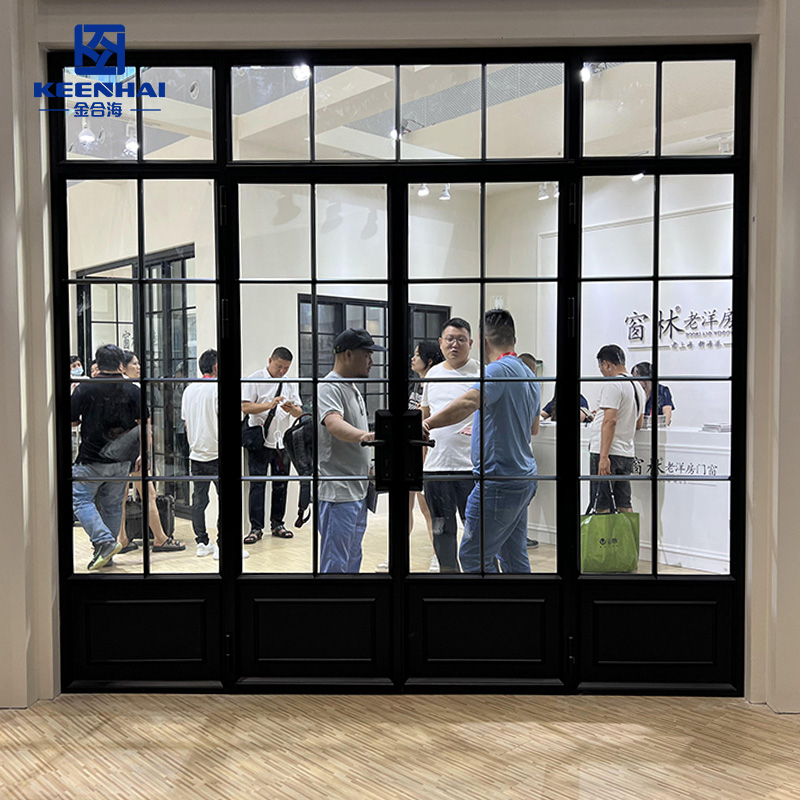
Door design must match the visual tone of the project. Modern interiors with clean edges usually prefer thin steel frames with low-reflection finishes, while boutique hotels lean toward warmer tones like champagne gold or brushed bronze. I always evaluate three specific elements:
-
Glass selection
Clear tempered glass maximizes visibility, while tinted or frosted glass helps maintain privacy. -
Frame color and finish
Brushed stainless steel feels architectural; mirror-polished finishes work better in luxury retail or hotel entrances. -
Surrounding architectural language
A minimal Japanese-inspired apartment needs slim profiles; an industrial loft accepts bolder steel framing.
If your project includes a formal reception area or a premium storefront, a high-end glass entrance creates an immediate sense of openness.
2. Choose the Right Stainless Steel Grade
Selecting the proper stainless steel grade is crucial for both longevity and performance of your swing doors. The right grade ensures your doors withstand environmental stress, heavy use, and aesthetic wear while maintaining a sleek finish. In most commercial and residential projects, premium stainless steel swing doors are the backbone of both durability and elegance, seamlessly integrating into modern architectural designs.
2.1 304 vs 316 for Indoor and Outdoor Environments
Choosing between 304 and 316 stainless steel depends largely on exposure conditions:
-
304 Stainless Steel – Ideal for indoor environments with moderate humidity. It offers excellent corrosion resistance and is highly resistant to oxidation in non-extreme conditions. Its polished finish maintains a sophisticated look for high-traffic areas like offices, hotels, and lobbies.
-
316 Stainless Steel – Preferred for outdoor or high-moisture environments. Its addition of molybdenum increases resistance to chlorides and saltwater, making it perfect for coastal buildings or outdoor patios.
| Stainless Steel Grade | Typical Usage | Corrosion Resistance | Cost Consideration |
|---|---|---|---|
| 304 | Indoor | Moderate | Lower |
| 316 | Outdoor | High | Higher |
In mixed-use projects, pairing 316 for exterior doors མཉམ་དུ 304 inside balances performance and budget. This approach is often seen in high-end hotels and commercial complexes.
2.2 Corrosion Resistance and Durability Considerations
Corrosion resistance is influenced by both steel grade and environmental conditions. Humidity, air pollutants, and salinity all affect long-term durability. For example:
-
Coastal locations can accelerate rust and pitting on 304 steel, making དངས་ལྕགས་316། the practical choice.
-
In urban indoor settings, 304 grade resists common indoor air contaminants and maintains its finish for decades with minimal upkeep.
For projects with heavy foot traffic or frequent cleaning, consider finishes like brushed or satin stainless steel that resist scratches while enhancing durability.
2.3 Matching Steel Grade to Climate and Moisture Levels
To ensure maximum lifespan and cost-efficiency, match the steel grade to the specific climate:
-
Identify average humidity and rainfall levels.
-
Determine exposure to direct sunlight or salt air, especially for coastal or rooftop entrances.
-
Choose 304 for moderate indoor climates and 316 for harsh outdoor environments.
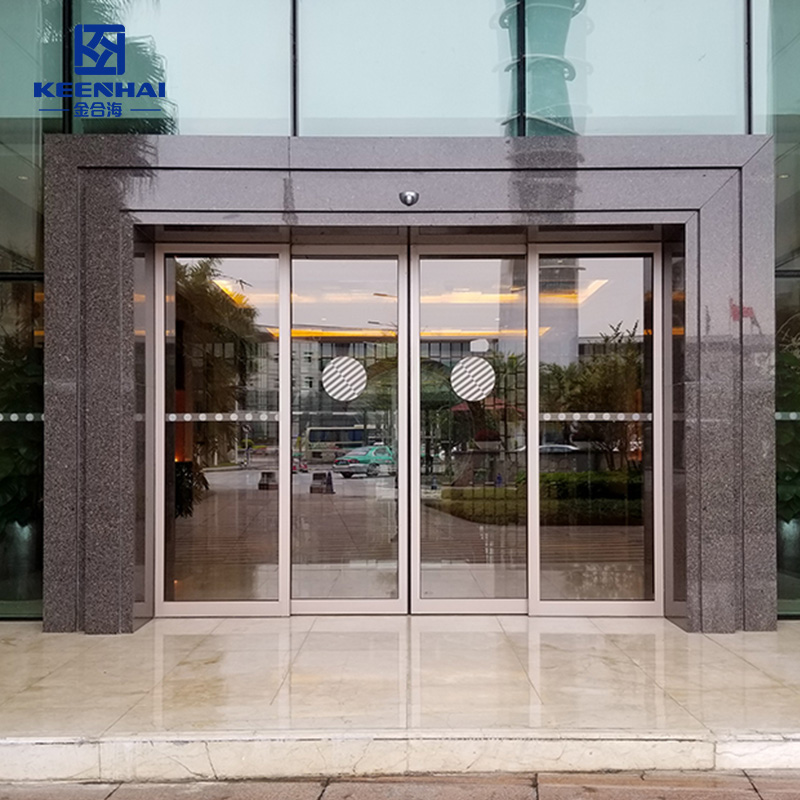
In addition, in large-scale commercial entrances or hotel lobbies, integrating Double Swing Stainless Steel Glass Door for high-traffic zones ensures smooth operation while the material resists wear and corrosion naturally. Using this method prevents premature maintenance costs while offering a polished, modern aesthetic.
3. Select the Appropriate Glass and Panel Options
Choosing the right glass and panel options is just as critical as selecting the correct stainless steel grade. The glass impacts safety, aesthetics, energy efficiency, and the overall functionality of your swing doors. Integrating premium glass swing door designs ensures both durability and visual appeal for commercial or residential projects.
3.1 Tempered, Laminated, or Insulated Glass
Different glass types serve distinct purposes:
-
Tempered Glass – Offers high impact resistance and shatters into small, harmless pieces if broken. Ideal for high-traffic entrances or public buildings.
-
Laminated Glass – Combines two or more layers with a polymer interlayer. Provides enhanced safety and soundproofing, making it suitable for hotel lobbies and office buildings.
-
Insulated Glass – Consists of two or more glass panes separated by a gas-filled space. Delivers thermal efficiency and energy savings, perfect for climate-sensitive projects.
Many modern projects use stainless steel swing doors མཉམ་དུ tempered laminated glass to balance safety and aesthetics.
3.2 Transparency Level and Privacy Requirements
Transparency levels affect both visual appeal and functional privacy:
-
Clear Glass – Maximizes daylight and visibility, ideal for commercial entrances or retail storefronts.
-
Frosted or Tinted Glass – Provides privacy while maintaining a clean, modern look. Often used in offices, conference rooms, or boutique hotels.
-
Custom Etched or Decorative Panels – Allow brand logos or artistic patterns without compromising structural integrity.
When designing a high-traffic commercial entrance, consider 1. glass clarity vs. privacy needs and 2. ambient lighting effects to choose the optimal option.
3.3 Choosing Panel Thickness Based on Function
Panel thickness directly affects safety, durability, and sound insulation:
-
8–10 mm – Standard thickness for residential or low-traffic applications.
-
12–15 mm – Recommended for commercial doors with high foot traffic or heavy use.
-
Above 15 mm – Specialized installations like security entrances or hurricane-prone areas.
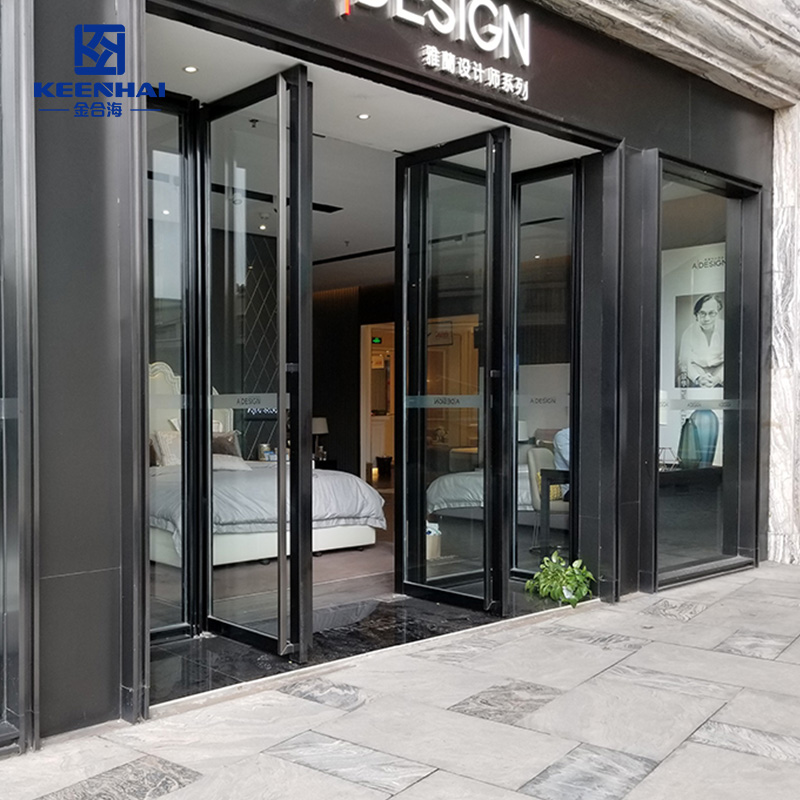
A luxury hotel entrance may install a Hotel Stainless Steel Glass Swing Door མཉམ་དུ 12 mm laminated glass to ensure both safety and elegance while accommodating high daily traffic.
4. Evaluate Hardware and Structural Components
Selecting the right hardware and ensuring a strong structural setup is essential for the longevity and performance of stainless steel swing doors. Every element—from hinges to locking mechanisms—directly affects daily operation, security, and user experience. Ensuring compatibility with the door’s design and your building’s requirements is key to achieving smooth functionality and a polished appearance.
4.1 Hinges, Handles, and Locking Systems
High-quality hinges are critical to prevent sagging or misalignment over time. For heavy traffic entrances, ball-bearing hinges provide smooth operation and durability. Handles should match the style of the door and building, whether modern brushed stainless steel or custom-designed pieces. Locking systems range from standard mechanical locks to advanced electronic or access-controlled mechanisms. When integrating automation, check that all hardware components are rated to withstand frequent daily use without compromising performance.
4.2 Frame Construction and Reinforcement Needs
The frame supports the entire door structure and determines its ability to withstand wind loads, heavy usage, and impact. Strong stainless steel frames resist corrosion and maintain alignment over time, particularly when paired with reinforced panels. Buildings with large entrances may require additional crossbars or reinforcements to prevent flexing. Stainless steel swing doors with robust frames often combine aesthetic appeal with high structural integrity, ensuring doors remain stable and safe for years.
4.3 Compatibility with Access Control or Automation
Modern commercial projects frequently integrate access control systems or automated swing doors for convenience and security. Ensure hinges, frames, and locking hardware are compatible with sensors, push plates, or motorized operators. Doors intended for heavy use, like hotels or office lobbies, often combine Hotel Stainless Steel Glass Swing Doors with automated control systems to improve traffic flow while maintaining safety standards. Proper planning here avoids costly retrofits and ensures consistent operation.
5. Compare Door Configurations and Operating Styles
Choosing the right configuration and operation style ensures that stainless steel swing doors meet both functional and aesthetic needs. From traffic flow to space limitations, every decision impacts user convenience and long-term performance.
5.1 Single vs Double Swing Stainless Steel Doors
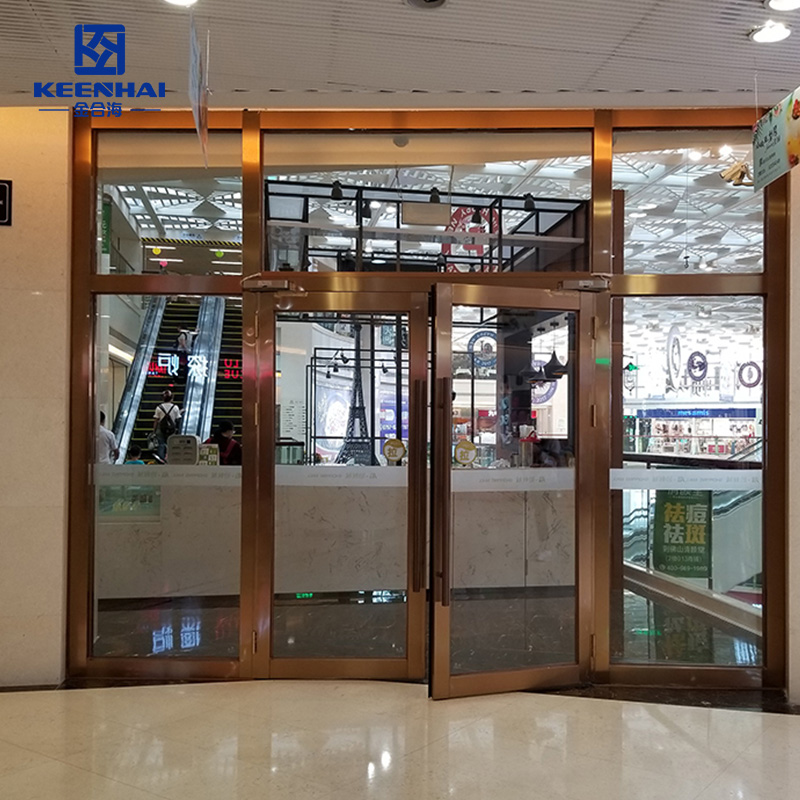
Single swing doors are ideal for moderate traffic areas where space is limited and cost efficiency is a priority. They are simpler to install, easier to maintain, and provide a sleek look suitable for modern office entrances. Double swing doors, on the other hand, offer maximum accessibility and smooth traffic flow in high-traffic environments like hotels or shopping centers. These doors distribute weight more evenly across hinges and reduce wear on individual components. For example, Double Swing Stainless Steel Glass Doors are often used in hospitality projects where frequent entry and exit require durable, reliable solutions.
5.2 Full-Glass vs Frame-Glass Designs
Full-glass swing doors provide a contemporary, open feel and maximize natural light, making them perfect for retail stores or commercial lobbies. Frame-glass doors, with reinforced stainless steel borders, offer additional structural strength and protection against impact, making them suitable for areas with high security requirements or heavy usage. When selecting between these options, consider the balance between visual transparency, durability, and maintenance requirements to fit your project’s priorities.
5.3 Space Constraints and Clearance Requirements
Swing doors require sufficient clearance for full operation, typically 90 degrees or more. Single doors generally need less space, while double doors require careful planning to ensure both panels open freely without obstructing walkways or furniture. In smaller commercial projects, strategic placement of door swings, consideration of corridor widths, and alignment with wall finishes are essential to avoid operational issues. Incorporating sturdy hinges and reinforced frames helps ensure consistent door performance even in tight layouts.