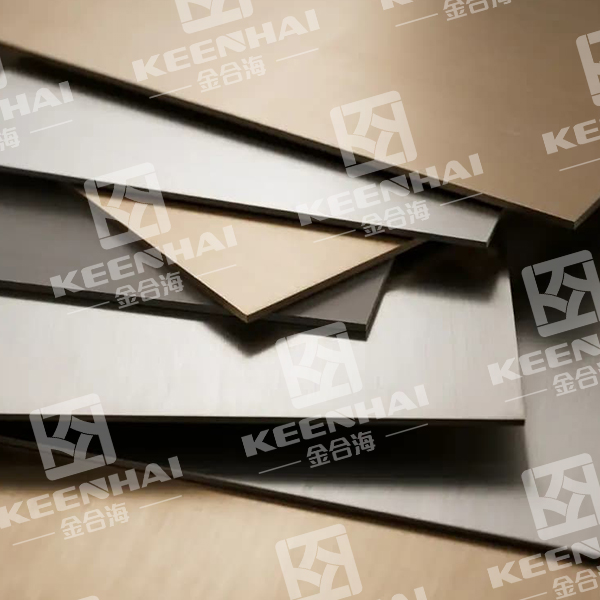
For outdoor applications, 316 stainless steel outperforms 304 in corrosion resistance, especially near oceans or humid climates. While 304 is adequate for standard weather exposure, 316 resists salt, acid rain, and frequent moisture, reducing maintenance costs and extending service life. Proper finishing, such as brushed or powder-coated surfaces, also improves UV resistance and aesthetic longevity. Selecting the correct grade ensures the door maintains its structural integrity, looks premium, and performs reliably in heavy-traffic commercial entrances or residential exterior doors.
1.Key Considerations for Outdoor Swing Doors
When selecting stainless steel swing doors for outdoor use, it’s crucial to evaluate environmental exposure, material resilience, and operational demands. Outdoor doors must perform reliably under varied conditions while maintaining aesthetic appeal.
1.1 Exposure to Weather and UV Radiation
Outdoor doors endure direct sunlight, rain, snow, and wind, all of which influence durability. UV rays can fade finishes or weaken protective coatings, and heavy rain combined with temperature fluctuations may accelerate corrosion if the steel grade or finish isn’t suitable. To ensure longevity:
-
Choose UV-resistant powder-coated or brushed stainless steel surfaces.
-
Install protective overhangs or weather strips to reduce direct water exposure.
-
For coastal or high-wind areas, confirm wind load ratings for doors taller than 2 meters.
These measures reduce maintenance needs and keep doors operational even under harsh environmental conditions.
1.2 Resistance to Corrosion and Rust
Stainless steel grade selection directly impacts corrosion resistance. 316-grade stainless steel outperforms 304-grade in humid or salty environments, such as near the sea or in industrial zones. If multiple outdoor doors are planned, comparing corrosion resistance and expected lifespan is essential.
| Βαθμός ανοξείδωτου χάλυβα | Αντοχή στη διάβρωση | Best Use Environment | Average Lifespan |
|---|---|---|---|
| 304 | Moderate | Indoor / Mild Outdoor | 10–15 years |
| 316 | High | Coastal / Industrial | 20+ years |
In urban high-pollution zones, additional protective coatings can further extend door life. High-traffic locations, such as office entrances or hotel lobbies, also benefit from reinforced materials to prevent surface dents and maintain a polished look.
1.3 High-Traffic Durability Requirements
Outdoor doors often handle frequent use, so durability and operational smoothness are non-negotiable. To accommodate high traffic:
-
Install heavy-duty hinges rated for thousands of cycles.
-
Use reinforced frame construction to prevent sagging over time.
-
Opt for impact-resistant glass or single or double swing glass doors depending on traffic volume.
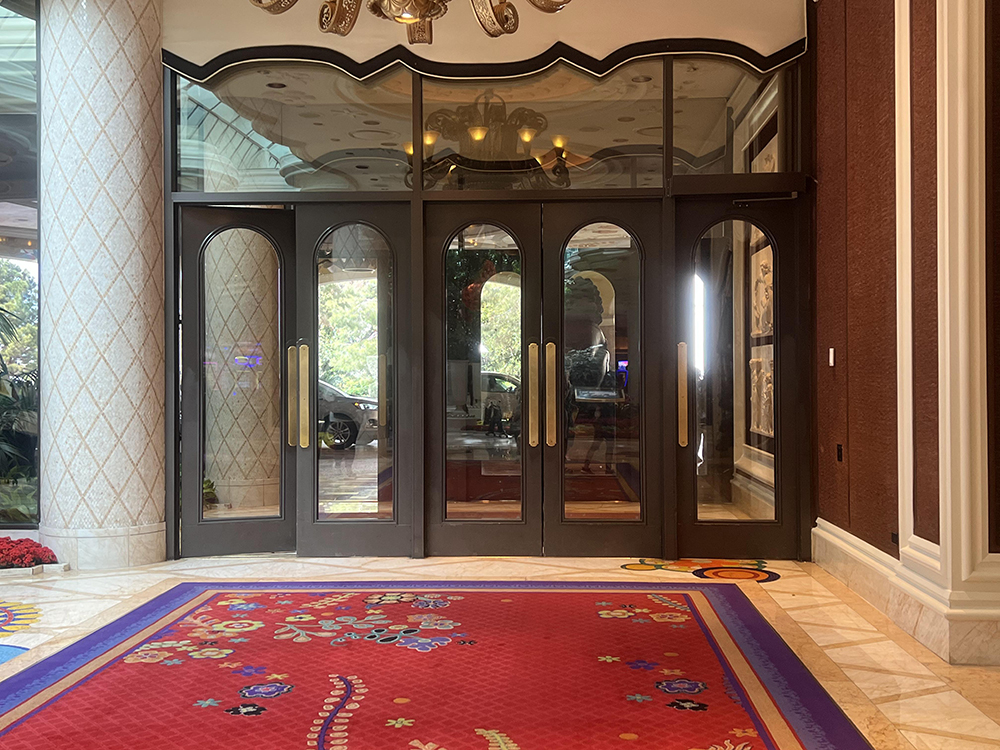
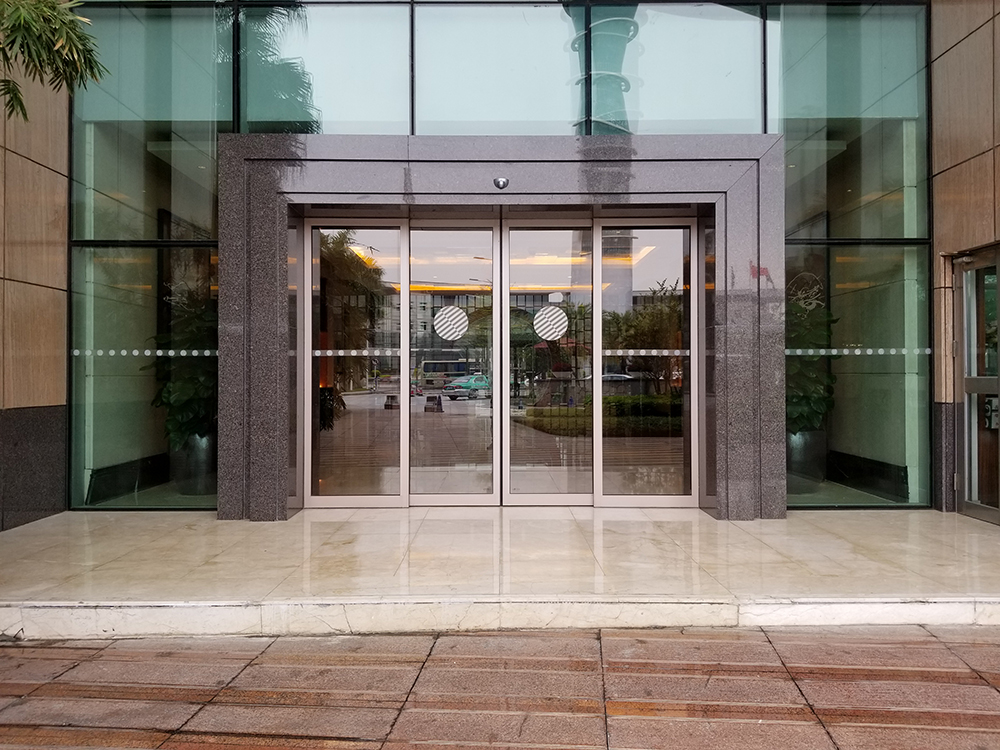
Ensuring proper installation and regular inspection of hardware minimizes repair costs and downtime. For example, a hotel lobby using a Πόρτα ταλάντευσης από ανοξείδωτο χάλυβα ξενοδοχείου benefits from both high corrosion resistance and hinge durability, maintaining both appearance and safety under heavy daily use.
2.Choosing the Right Stainless Steel Grade
Selecting the appropriate stainless steel grade is crucial for outdoor swing doors to ensure long-term durability and minimal maintenance. Not all stainless steel behaves the same under sun, rain, or salty air, so understanding material performance is essential.
2.1 304 vs 316 Stainless Steel for Outdoor Environments
304 stainless steel is widely used for moderate outdoor conditions due to its good corrosion resistance and polished appearance, making it suitable for urban or sheltered areas. However, in more challenging environments, 316 stainless steel offers superior resistance to rust and pitting, especially in coastal, high-humidity, or industrial zones.
| Βαθμός ανοξείδωτου χάλυβα | Αντοχή στη διάβρωση | Τυπική περίπτωση χρήσης | Maintenance Frequency |
|---|---|---|---|
| 304 | Moderate | Urban / Mild Outdoor | Annual cleaning |
| 316 | High | Coastal / Industrial | Bi-annual cleaning |
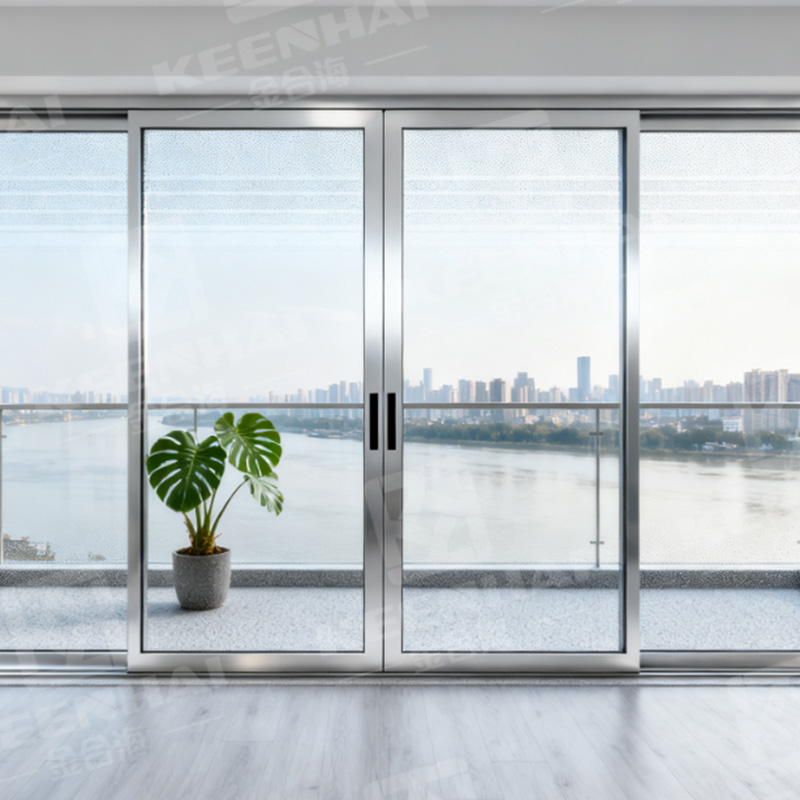
316 stainless steel’s higher nickel and molybdenum content makes it ideal for entrances exposed to salt spray, acid rain, or frequent water contact. For example, hotel or resort lobbies facing the sea often prefer Hotel Stainless Steel Glass Swing Doors for long-term reliability without discoloration or corrosion.
2.2 Matching Steel Grade to Coastal or Humid Conditions
When planning for high-moisture or coastal installations, it’s important to:
-
Select 316 stainless steel for its enhanced rust resistance.
-
Ensure all door hardware, including hinges and handles, is also corrosion-resistant.
-
Apply a protective sealant on weld points or edges where water can accumulate.
-
Schedule regular inspections and cleaning to prevent salt or dirt buildup.
In humid regions, using 304 stainless steel may lead to surface stains over time, increasing maintenance costs and potentially affecting appearance. Reinforcing doors with quality gaskets and weather stripping can further protect against moisture ingress while preserving smooth operation.
By carefully aligning steel grade with the environmental challenges of your site, you can maximize the lifespan and functionality of outdoor doors while reducing long-term upkeep. For premium outdoor installations, consider using stainless-steel swing systems that balance strength and corrosion resistance to maintain both aesthetics and performance.
3.Glass and Panel Options for Outdoor Use
Choosing the right glass and panel configuration is essential for outdoor swing doors, as it directly affects safety, energy efficiency, and privacy. Not all glass types perform equally under sunlight, wind, or impact, so careful selection can prevent long-term issues.
3.1 Tempered and Laminated Glass for Safety
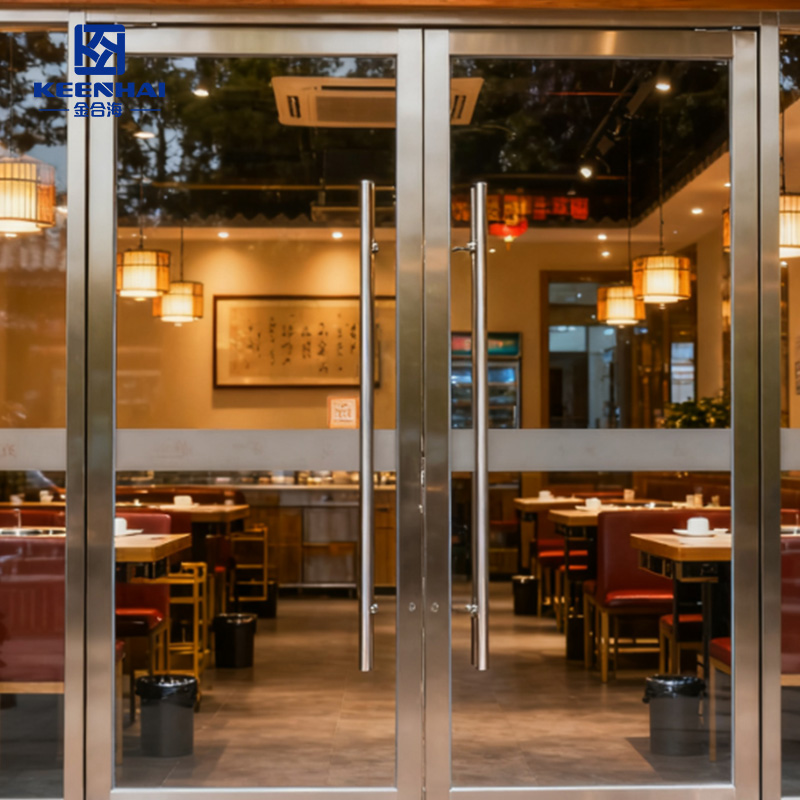
For outdoor installations, σκληρυμένο γυαλί is a must for its high strength and shatter-resistance, breaking into small, blunt pieces rather than sharp shards. Laminated glass adds another layer of protection, holding fragments together and reducing the risk of injury. Many premium swing systems combine both types for maximum security and durability.
Key considerations for safety glass:
-
Thickness – 10–12mm is standard for high-traffic doors, while 15–19mm is suitable for larger openings or commercial entrances.
-
Impact resistance rating – Ensure compliance with local building codes.
-
UV protection layer – Helps prevent discoloration and heat buildup inside the building.
For high-end outdoor projects, stainless steel swing doors with tempered or laminated glass deliver long-lasting performance and a modern aesthetic.
3.2 Transparency, Frosting, and Privacy Options
Glass doors for outdoor use can be customized to control visibility and light transmission:
-
Clear glass maximizes natural light and offers unobstructed views, ideal for commercial storefronts or scenic locations.
-
Frosted or sandblasted panels provide privacy while still allowing ambient light to pass through.
-
Tinted or reflective coatings reduce glare and solar heat gain, enhancing energy efficiency.
Selecting the right transparency level depends on the building’s function, the surrounding environment, and user comfort requirements.
3.3 Panel Thickness and Insulation Considerations
Panel thickness not only impacts structural integrity but also thermal and acoustic insulation:
-
Standard thickness for outdoor doors ranges from 12mm to 19mm, balancing weight and strength.
-
Insulated panels with double or triple-glass units improve temperature control in extreme climates, reducing energy costs.
-
Edge sealing and framing are critical to prevent water infiltration and warping over time.
For coastal or humid areas, pairing high-grade 316 stainless steel frames with insulated tempered glass ensures minimal maintenance and longevity. Such doors perform exceptionally well under continuous exposure to moisture, wind, and temperature fluctuations.
4.Hardware and Structural Components
Selecting the right hardware and ensuring proper structural support is critical for outdoor swing doors. The combination of robust hinges, durable handles, secure locks, and reinforced frames ensures long-lasting performance under harsh weather conditions and high-traffic usage.
4.1 Weather-Resistant Hinges, Handles, and Locks
Outdoor doors face constant exposure to rain, sun, and temperature fluctuations, so choosing weather-resistant hardware is essential.
-
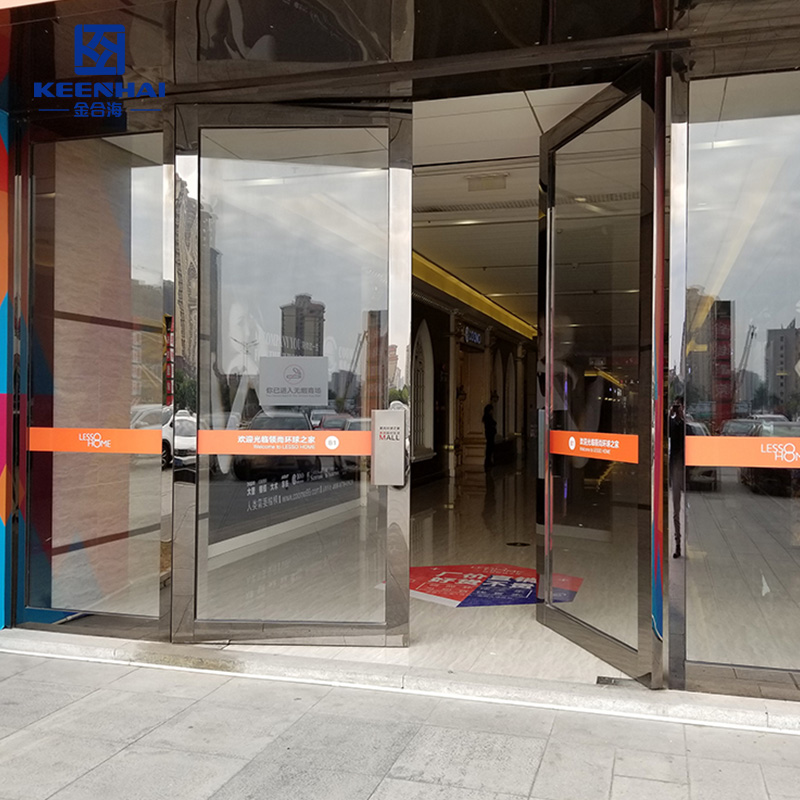
Hinges – Opt for stainless steel or brass hinges with anti-corrosion coatings. Heavy-duty pivot hinges support large glass panels and reduce wear over time.
-
Handles – Ergonomically designed handles made from marine-grade stainless steel resist rust and maintain their finish even in coastal climates.
-
Locks and Latches – Multi-point locking systems enhance security while minimizing frame stress. Look for options with corrosion-resistant internals and tamper-proof designs.
High-quality hardware can extend door life by years, especially in high-traffic outdoor areas like hotel entrances or commercial lobbies.
4.2 Frame Reinforcement for Wind and Impact Resistance
The frame must support both the weight of the glass panels and environmental forces:
-
Material choice – 304 or 316 stainless steel frames are standard for outdoor installations; 316 is ideal for coastal or highly humid conditions.
-
Reinforcement – Incorporate internal steel cores or cross-bracing to prevent sagging or twisting under wind loads.
-
Sealing and drainage – Properly sealed frames prevent water infiltration and reduce the risk of corrosion at connection points.
| Frame Component | Recommended Material | Purpose |
|---|---|---|
| Main frame | 316 από ανοξείδωτο χάλυβα | Corrosion resistance in coastal environments |
| Internal reinforcement | Galvanized steel | Structural rigidity against wind load |
| Weatherstripping | EPDM or silicone | Seal against moisture and dust |
Reinforced frames combined with premium hardware ensure that stainless steel swing doors perform reliably even in the most exposed settings.
4.3 Compatibility with Outdoor Access Control Systems
Modern outdoor swing doors often integrate with access control or automation systems:
-
Electronic locks – Compatible with keycards, PIN codes, or mobile apps, offering flexible control for commercial or hospitality entrances.
-
Door closers and automatic operators – Adjustable closing speed and power prevent damage in high-traffic scenarios.
-
Sensor integration – Motion sensors, safety edges, and alarm systems enhance user safety and reduce liability.
Ensuring hardware compatibility with these systems from the start avoids retrofitting issues and ensures smooth operation over the door’s lifespan.
5.Installation and Site Preparation
Proper installation and site preparation are essential to ensure outdoor swing doors function reliably over the years, especially under heavy weather exposure and high traffic conditions. Skipping critical steps can lead to premature wear, water infiltration, or alignment issues.
5.1 Foundation and Door Frame Requirements
Outdoor swing doors require a solid foundation and correctly aligned frame to perform optimally. Key considerations include:
-
Level surface – Ensure the foundation is perfectly level and reinforced to handle the door weight and repeated use. Uneven surfaces can cause misalignment and hinge stress.
-
Frame anchoring – Use corrosion-resistant anchors and bolts to secure the door frame firmly to the structure. Stainless steel or galvanized fasteners are ideal for outdoor use.
-
Tolerance allowance – Leave precise gaps around the door frame (typically 5–10 mm) to accommodate expansion and contraction due to temperature changes without compromising weather sealing.
5.2 Professional vs DIY Installation Considerations
Choosing between professional installation and DIY depends on your project scope and skill level:
-
Professional installation – Experts can ensure perfect alignment, handle complex multi-panel doors, and integrate access control or automatic operators seamlessly. This minimizes the risk of damage to stainless steel swing doors during setup.
-
DIY installation – Suitable for smaller single-panel doors with basic hardware. Requires careful measurement, leveling, and step-by-step adherence to manufacturer instructions. Incorrect DIY installation often leads to uneven closing, increased wear, and warranty issues.
-
Cost vs reliability – While DIY saves labor costs, professional installation guarantees longevity and functionality, often justifying the investment for commercial or high-traffic settings.
5.3 Ensuring Proper Drainage and Weatherproofing
Outdoor doors must be prepared to handle rain, snow, and wind:
-
Threshold and sill design – Install sloped sills to channel water away from the door and prevent pooling at the base.
-
Sealing – Use high-quality weatherstripping, silicone seals, and drip edges to minimize water intrusion while maintaining smooth door operation.
-
Regular inspection – Check seals, drainage channels, and frame integrity annually, especially after severe weather events, to prevent long-term damage.
By following these steps, you ensure that your outdoor swing doors remain functional, secure, and visually appealing for years, even in challenging climates. Proper site preparation combined with robust construction prevents common failures and preserves the door’s aesthetic and operational integrity.