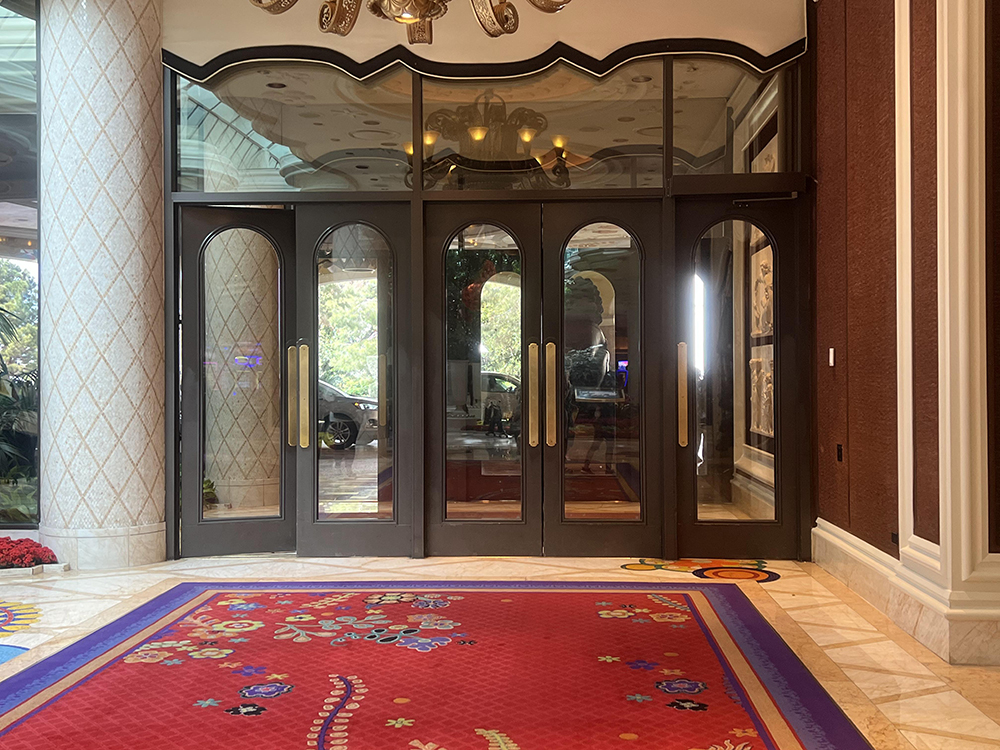
When it comes to design and customization, stainless steel doors allow for slimmer profiles, larger glass panels, and premium finishes such as brushed or Gold PVD. Aluminum is limited in profile strength and tends to require thicker frames for equivalent structural performance. In high-end commercial or residential projects, stainless steel ensures both visual elegance and structural integrity over years of daily use, outperforming aluminum in practical and aesthetic terms.
1. Material Strength and Structural Performance
When evaluating entrance doors, Stainless Steel Glass Door clearly outperforms aluminum in structural strength. In commercial buildings like office towers and high-traffic retail entrances, the frame must endure constant use without warping or compromising door alignment. Stainless steel maintains its rigidity, keeping glass panels perfectly seated even under repeated stress, while aluminum frames tend to flex under heavy loads.
1.1 Load-Bearing Capacity Comparison
Load-bearing capacity is critical for large glass panels or double swing doors. Stainless steel can handle higher weights without deformation. Aluminum, although lightweight, loses stiffness as the panel height increases, which can cause noticeable bending in tall installations. The table below compares standard doors used in commercial and residential projects:
| Karakterizaĵo | Stainless Steel Glass Door | Aluminum Glass Door |
|---|---|---|
| Maximum Glass Panel Height | 3.0 m | 2.2 m |
| Maximum Glass Weight | 250 kg | 180 kg |
| Yield Strength | 250–300 MPa | 70–150 MPa |
| Recommended for High-Traffic Areas | Yes | Limited |
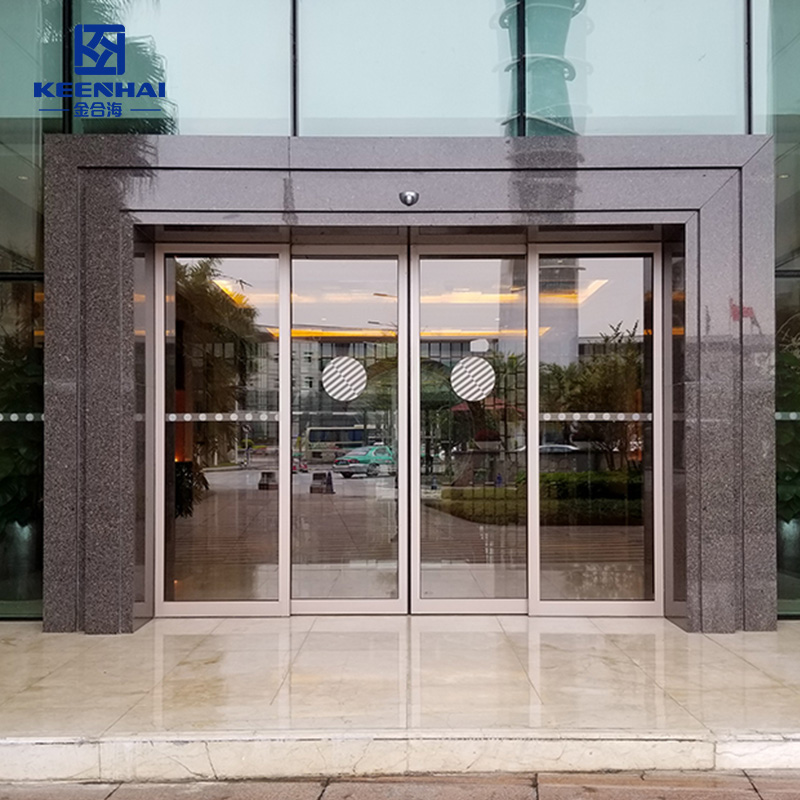
In real-life scenarios, a Glass Entrance Door installed at a corporate lobby demonstrates how stainless steel frames maintain alignment even when hundreds of people pass through daily. Aluminum doors of similar size often require reinforcement to achieve the same reliability.
1.2 Resistance to Impact and Daily Wear
Doors experience daily knocks, swings, and bumps. Stainless steel frames absorb impact without permanent dents, which ensures the hinges and locking mechanisms operate smoothly over years. In contrast, aluminum doors show scratches and slight bending over time, especially near handles and pivot points.
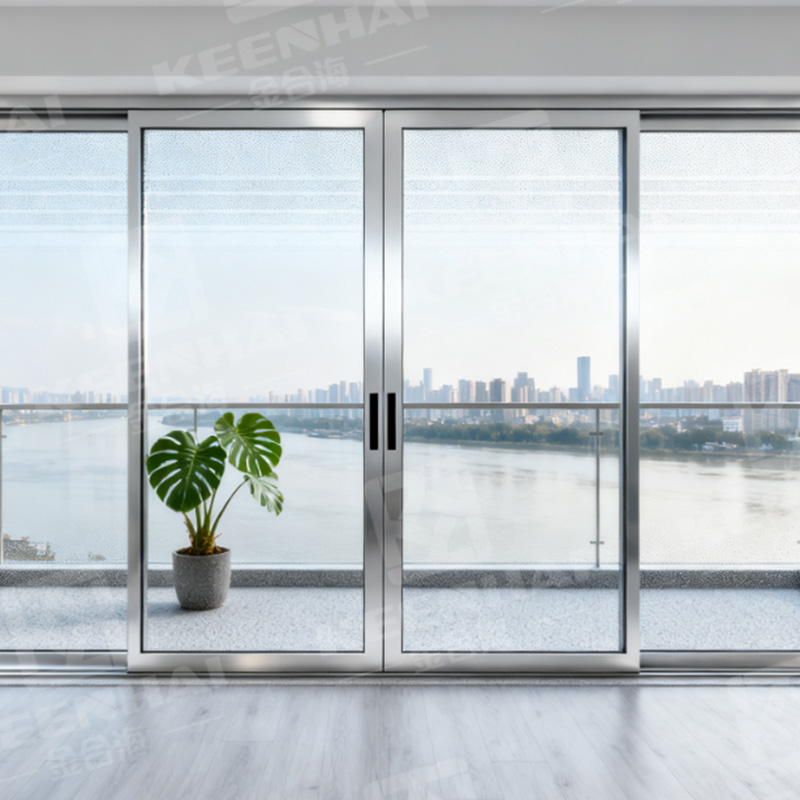
For balconies or outdoor areas exposed to wind pressure, a Balkona Neoksidebla Ŝtalo Vitra Pordo demonstrates excellent resistance against gusts that would slightly warp aluminum frames. The sturdiness reduces maintenance frequency and prevents rattling sounds when the door closes.
1.3 Frame Stability Over Long-Term Use
Long-term stability depends on the material’s resistance to fatigue and environmental factors. Stainless steel frames maintain their structural integrity even after years of temperature changes, daily use, and accidental impacts. Aluminum frames, while corrosion-resistant, experience gradual sagging or misalignment if frequently used in heavy traffic areas.
Installation Tip:
-
Ensure all anchor points are tightly fixed to the floor and wall.
-
Use quality hinges rated for high weight, especially for double swing setups like Duobla Svinga Neoksidebla Ŝtala Vitra Pordo.
-
Verify vertical and horizontal alignment before glass panel insertion to prevent long-term strain.
Real-world projects show stainless steel doors in airport terminals and high-end office buildings maintaining perfect alignment after years of continuous use, while aluminum counterparts often need periodic adjustment.
2. Corrosion Resistance and Environmental Durability
Doors installed in coastal or humid regions face constant exposure to salt, moisture, and airborne pollutants. Stainless steel doors retain their corrosion resistance even under high chloride concentrations, while aluminum may develop surface oxidation faster, which affects both aesthetics and long-term performance. In real-life installations along seaside apartments or hotel balconies, Balkona Neoksidebla Ŝtalo Vitra Pordo demonstrates remarkable stability against rust, maintaining clean edges and smooth sliding operation after years of exposure.
2.1 Performance in Humid or Coastal Environments
Humidity accelerates material degradation, and coastal salt can erode metals over time. Stainless steel alloys like 304 and 316 resist pitting and corrosion far better than aluminum in these environments. Aluminum doors, while lightweight, often require protective coatings or frequent repainting in tropical climates. For designers specifying entrance doors in coastal hotels or seaside residences, using stainless steel ensures lower maintenance and longer-lasting structural integrity.
Installation consideration:
-
Apply silicone seals to prevent water ingress at frame-to-glass joints.
-
Ensure hinge hardware is corrosion-resistant.
-
Inspect the door frame every 12 months for minor surface oxidation.
2.2 Oxidation Behavior: Stainless Steel vs. Aluminum
Stainless steel naturally forms a passive chromium oxide layer that prevents deep rusting, even when scratched. Aluminum forms an oxide layer too, but it is softer and can flake under impact, exposing fresh metal. In practice, aluminum doors installed in coastal resorts often develop visible white oxide streaks within 2–3 years, while stainless steel frames maintain a polished, uniform appearance. The difference in environmental durability directly affects both longevity and aesthetic consistency, which is why architects often specify Stainless Steel Glass Door in high-exposure areas over aluminum.
2.3 Maintenance Requirements for Longevity
Maintenance schedules differ significantly between the two materials. Stainless steel doors require simple periodic cleaning with mild detergents to remove dirt and salt deposits. Aluminum doors, in contrast, need both cleaning and occasional repainting to maintain corrosion resistance. For commercial-grade glass entrances:
-
Wipe frames weekly in high-salt or high-humidity zones.
-
Inspect seals and gaskets quarterly to prevent water damage.
-
Lubricate moving parts twice a year to avoid squeaks or binding.
In high-end commercial projects like office lobbies or hotel entrances, stainless steel doors retain their original look for decades, whereas aluminum alternatives often show early wear, reducing perceived quality and increasing maintenance costs.
3. Design Flexibility and Aesthetic Differences
Modern interiors demand more than just functional doors. Stainless Steel Glass Door frames provide a balance of durability and style, allowing architects to pair heavy glass panels with sleek metal lines. In commercial lobbies, high-rise offices, or retail environments, these doors maintain structural integrity while offering contemporary aesthetics. Compared with aluminum frames, stainless steel enables thinner profiles without sacrificing strength, giving designers more freedom in minimalistic layouts or expansive glass installations.
3.1 Surface Finish Options and Visual Appearance
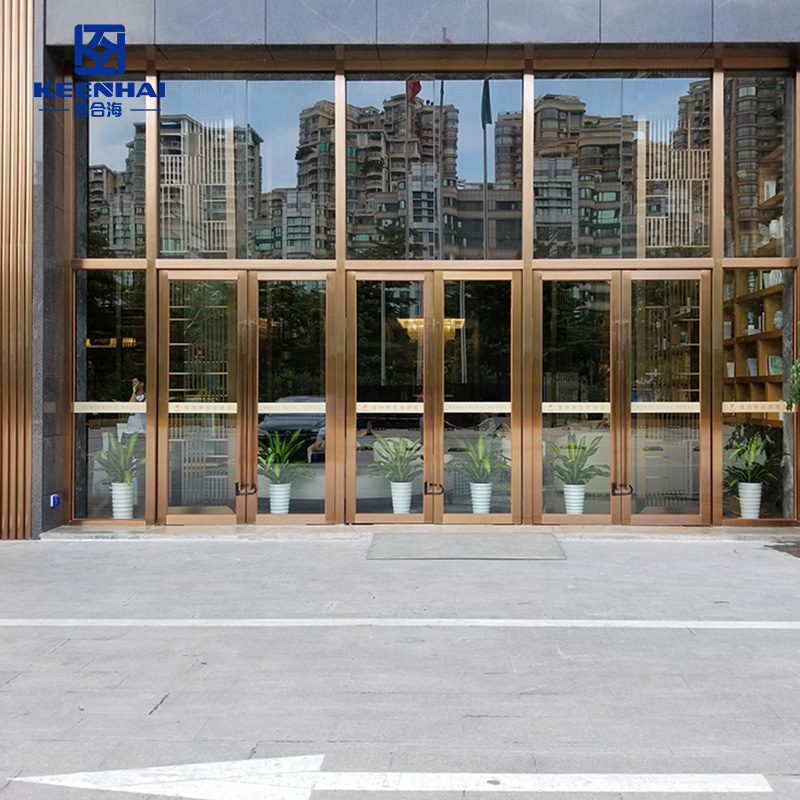
Stainless steel doors come in brushed, mirror-polished, or matte finishes, each affecting the visual perception of space. Aluminum doors can be powder-coated, but color fading and micro-scratches appear faster, especially in high-traffic entrances. For luxury hotel lobbies or boutique stores, Ora PVD Neoksidebla Ŝtala Vitra Pordo offers a rich, golden hue that retains color stability over time. Designers can combine textured stainless steel with clear, frosted, or tinted glass to match lighting schemes and interior materials, creating a cohesive visual impact.
3.2 Customization Capabilities for Modern Interiors
Customization is key for modern spaces. Stainless steel frames can accommodate:
-
Unique glass shapes, including curved or angled panels.
-
Integrated handles and lock systems tailored to design aesthetics.
-
Variable frame widths and profiles without compromising load-bearing capacity.
In high-rise residential projects, Balkona Neoksidebla Ŝtalo Vitra Pordo demonstrates how outdoor exposure can coexist with bespoke finishes and large glazing areas. Aluminum frames often require design compromises, whereas stainless steel supports both strength and architectural creativity seamlessly.
3.3 Glass Compatibility and Frame Profile Styles
Stainless steel frames offer superior compatibility with a wide range of glass types: tempered, laminated, frosted, or insulated. This versatility allows designers to optimize both thermal performance kaj safety. Aluminum frames, by contrast, are limited in panel height and weight, constraining design choices in commercial or luxury projects. For malls or office building entrances with large double doors, Duobla Svinga Neoksidebla Ŝtala Vitra Pordo provides robust frame profiles that support heavy glass while ensuring smooth bi-directional traffic flow.
Frame profile selection also affects aesthetic perception. Stainless steel enables slim yet strong profiles, emphasizing transparency and modernity, whereas aluminum often appears bulkier when scaled for comparable glass sizes.
4. Cost, Installation, and Lifecycle Value
When evaluating entrance doors, stainless steel glass doors may come with a higher upfront price compared to aluminum, but the investment pays off over time. Commercial lobbies, high-traffic retail stores, and corporate entrances benefit from minimal maintenance and long-term durability. Aluminum frames might save initial cost, yet frequent touch-ups and reinforcement increase total expenditure. Balcony stainless steel glass doors in seaside apartments showcase how strong materials reduce maintenance costs over a decade, making them economically sensible despite higher initial pricing.
4.1 Material and Production Cost Comparison
| Materialo | Average Cost per Door | Longevity | Maintenance Frequency |
|---|---|---|---|
| Stainless Steel Glass Door | $1,200 – $2,500 | 20–30 years | Low (annual cleaning) |
| Aluminum Glass Door | $800 – $1,500 | 10–15 years | Medium (cleaning + repainting) |
High-end projects like hotel lobbies often justify Gold PVD stainless steel glass doors despite premium production costs because they retain visual appeal and structural integrity for decades. Conversely, aluminum frames require careful cost-benefit evaluation if used in heavy-use entrances.
4.2 Installation Complexity and Labor Requirements
Installation varies by door type and design:
-
Measure and pre-align the frame carefully; stainless steel frames tolerate less error due to higher rigidity.
-
Secure anchor points into concrete or reinforced structures; heavy doors may need additional support brackets.
-
Insert glass panels and adjust hinges for precise closing and bi-directional swing if applicable.
Double swing stainless steel glass doors require precise hinge calibration to manage weight and maintain smooth operation for high-traffic areas. Aluminum installations often finish faster, but heavier or taller panels demand reinforcement, which offsets initial labor savings.
4.3 Long-Term Value and Replacement Considerations
The lifecycle value of stainless steel doors surpasses aluminum in high-use and exposed environments. Strong frames maintain alignment, resist corrosion, and reduce the frequency of repairs or replacement. For corporate or retail entrances, this ensures a consistent appearance and smooth operation. Aluminum doors, although cheaper initially, may show bending or paint degradation over time, increasing total cost of ownership. Investing in quality materials upfront delivers long-term economic and functional benefits, especially when combined with professional installation and routine maintenance.
5. Best Use Cases for Each Door Type
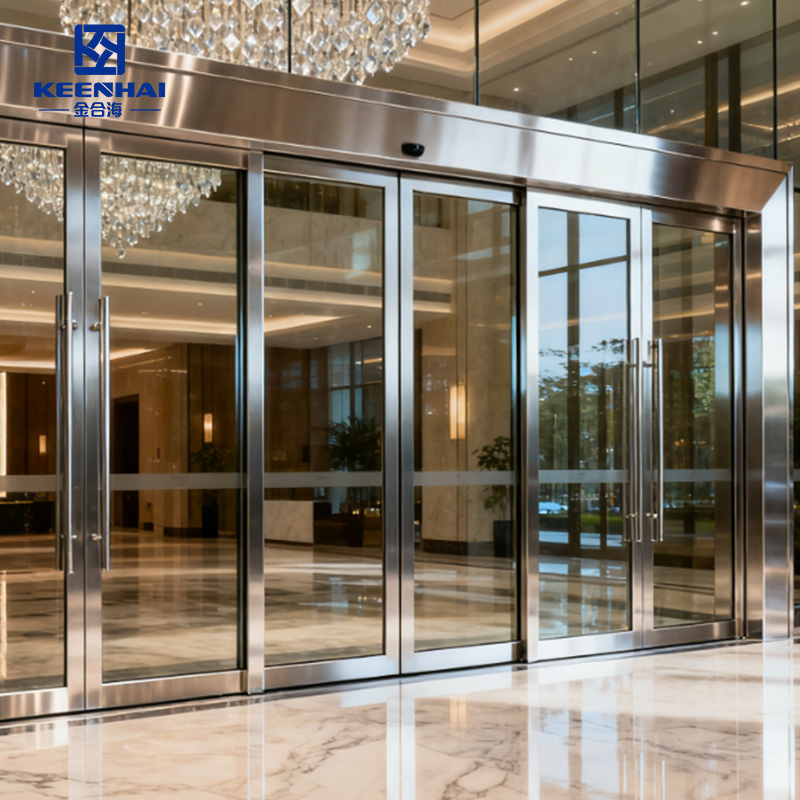
Choosing the right door material depends on usage, traffic, and environmental conditions. Stainless steel glass doors excel in high-traffic commercial spaces, providing unmatched strength and durability. In corporate lobbies, upscale retail stores, or office building main entrances, they maintain alignment, resist scratches, and handle heavy glass panels without bending. Aluminum doors, while lighter and more cost-effective, perform best in low-traffic areas or where weight restrictions are critical, such as small residential units or interior partitions.
5.1 When Stainless Steel Glass Doors Are the Better Fit
Stainless steel glass doors are ideal for:
-
High-traffic commercial entrances, including malls and office towers.
-
Exposed outdoor installations like balconies or seaside hotels, where resistance to wind, humidity, and salt is crucial.
-
Luxury environments demanding both structural integrity and visual appeal, e.g., Ora PVD Neoksidebla Ŝtala Vitra Pordo for hotel lobbies or flagship retail stores.
Real-world applications show that these doors maintain smooth operation and aesthetic consistency even after thousands of daily uses, outperforming aluminum alternatives in both performance and perception of quality.
5.2 When Aluminum Glass Doors Offer Greater Advantages
Aluminum glass doors shine in scenarios where lightness, quick installation, and moderate cost are priorities. Residential interior partitions, small offices, and low-traffic retail spaces benefit from aluminum frames. The lighter weight simplifies handling and installation, and powder-coated finishes offer basic corrosion resistance. While aluminum doesn’t match stainless steel in long-term durability or high-load capacity, it provides flexibility for projects with budget constraints or temporary structures.
5.3 Suitability Based on Commercial vs. Residential Needs
| Scenario | Recommended Door Material | Key Advantages |
|---|---|---|
| High-traffic commercial lobby | Stainless Steel Glass Door | Strength, durability, low maintenance, luxury appearance |
| Hotel balcony or seaside property | Balkona Neoksidebla Ŝtalo Vitra Pordo | Wind resistance, corrosion-proof, aesthetic stability |
| Residential interior partitions | Aluminum Glass Door | Lightweight, cost-effective, easy installation |
| Bi-directional mall entrance | Duobla Svinga Neoksidebla Ŝtala Vitra Pordo | Smooth traffic flow, heavy glass support, robust hinges |
The choice depends on balancing structural performance, environmental exposure, and expected usage. Glass entrance doors for large office or retail complexes often integrate stainless steel frames to provide uniform aesthetics, durability, and reduced maintenance, making them the preferred option over aluminum for long-term investments.