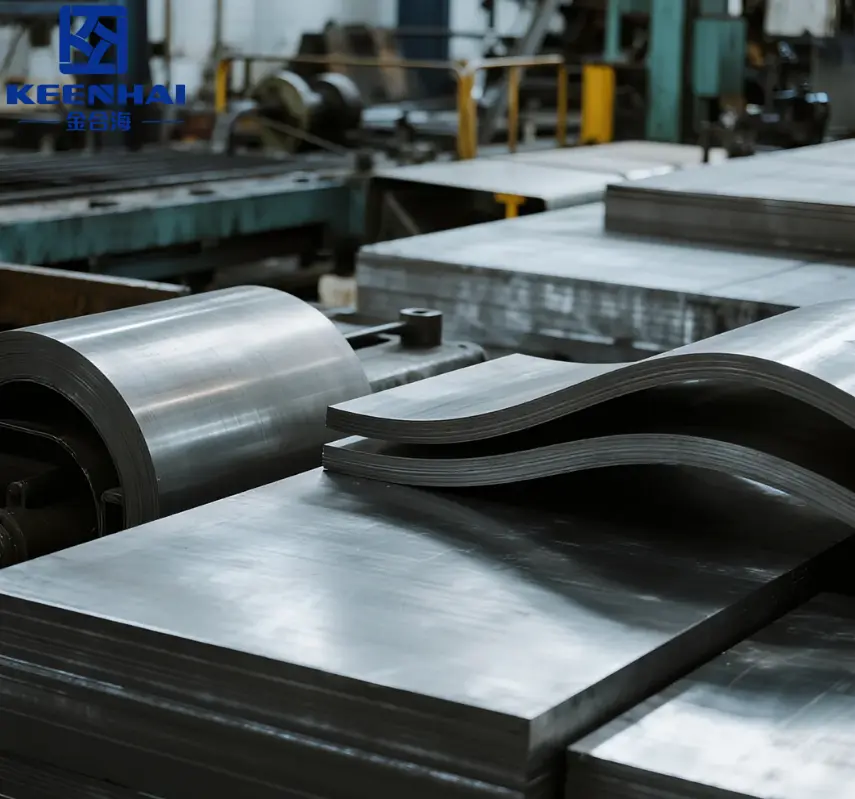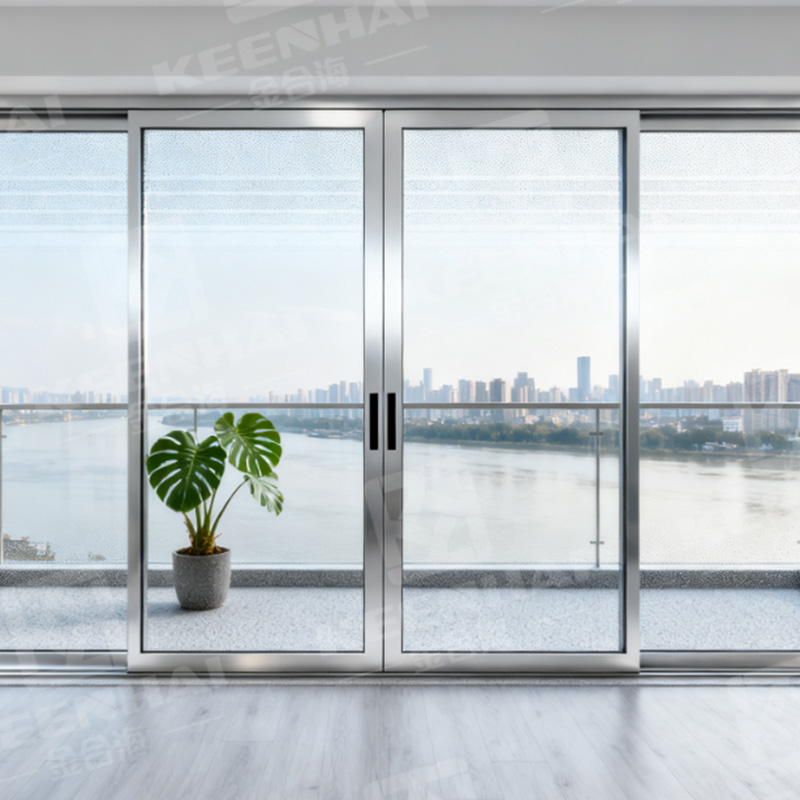
When considering price, stainless steel often appears more affordable initially, particularly grades like 201 or 430, but its shorter service life in aggressive conditions can increase total ownership costs. Inox steel, although higher upfront, minimizes replacement frequency, cleaning cycles, and potential structural failures. For industrial or high-moisture environments, investing in Inox steel yields better value over time, while stainless steel suits low-stress projects where maintenance access is easy and initial budget constraints are tight.
1.Overview of Inox Steel and Stainless Steel
Inox steel and stainless steel are often used interchangeably, but they have distinct chemical compositions and performance characteristics that influence their suitability for different projects. Inox steel, widely known for its corrosion resistance and alloy consistency, excels in environments with moderate moisture exposure, while rozsdamentes acél offers a broader range of corrosion, heat, and wear resistance options, making it ideal for high-demand applications. For instance, stainless steel variants such as Rozsdamentes acéllemez provide uniform thickness and smooth surface finishes, allowing architects to use them for high-traffic commercial facades without compromising longevity.
1.1 Key Material Differences
The main distinction lies in the alloying elements and the resulting mechanical and chemical properties. Inox steel typically contains higher chromium content but may have lower nickel percentages compared to common stainless steel grades, giving it slightly less ductility but excellent surface durability. The following table summarizes key mechanical and corrosion performance comparisons for commonly used inox and stainless steel types:
| Material Type | Typical Composition | Korrózióállóság | Tensile Strength (MPa) | Typical Thickness (mm) | Common Applications |
|---|---|---|---|---|---|
| Inox Steel (201, 301) | Cr 16–18%, Ni 3–5%, Mn 5–7% | Moderate | 520–650 | 0.5–5 | Kitchen panels, indoor cladding |
| Stainless Steel (304, 316) | Cr 18–20%, Ni 8–10%, Mo 2–3% | High (316 excels in salt exposure) | 580–750 | 0.5–10 | Exterior facades, handrails, structural panels |
This comparison helps project planners decide based on stress loads, environmental exposure, and maintenance expectations. Projects requiring a higher resistance to saline environments, like coastal resorts or chemical plants, will benefit more from 316 stainless steel, whereas indoor commercial fit-outs can achieve cost efficiency using 201 inox steel.
1.2 Typical Applications and Use Cases
In practice, both inox and stainless steel find applications in architectural, structural, and decorative projects. For example, a city library renovation installed stainless steel metal plates on interior stair balustrades, ensuring both aesthetic consistency and resistance to wear from high pedestrian traffic. Similarly, SS Steel Plate is often selected for industrial storage racks where mechanical impact and abrasion are key considerations. The choice often follows a straightforward workflow:
-
Assess environmental exposure – humidity, chemicals, and potential abrasion.
-
Evaluate structural requirements – tensile strength, load-bearing capacity, and flexibility.
-
Select material variant – choose inox or stainless steel grade suited for the project’s durability and aesthetic needs.
-
Plan surface finishing – polishing, coating, or protective layers to optimize lifespan.
By following these steps, designers and engineers ensure that the selected material meets both structural and functional requirements while maintaining long-term durability and minimal maintenance needs. High-quality inox and stainless steel provide consistent alloy composition and surface finish, reducing the risk of corrosion or deformation over time.
2. Advantages and Limitations
When evaluating Inox steel and stainless steel, understanding their respective advantages and limitations is crucial for choosing the right material for a project. Inox steel provides exceptional tensile strength and reliable durability, particularly for load-bearing applications, while certain stainless steel grades excel in corrosion resistance and aesthetic versatility, making them suitable for environments exposed to moisture or chemicals. Choosing between these materials depends on balancing structural requirements, environmental exposure, and long-term maintenance expectations. Designers often consider panel thickness, alloy composition, and surface finish to optimize both performance and cost efficiency.
2.1 Inox Steel: Strengths and Weaknesses
Inox steel combines high load-bearing capacity with stable mechanical properties, ensuring structural reliability over decades. Its resistance to bending and deformation under heavy loads makes it ideal for industrial mezzanines, staircases, and architectural frameworks. However, Inox can develop surface pitting if exposed to salt-laden coastal air or industrial chemicals, so protective coatings or low-nickel alloy variants may be necessary for such scenarios. While Inox often comes at a higher cost than standard stainless steel, the trade-off is reduced long-term maintenance and replacement needs.
2.2 Stainless Steel: Strengths and Weaknesses
Stainless steel is valued for its corrosion resistance across indoor and outdoor environments, making it a common choice for commercial kitchens, decorative panels, and outdoor architectural features. Grades such as 304 and 316 resist humidity, salt exposure, and temperature fluctuations, while more economical options like 201 or 430 may require additional surface care in harsh conditions. Limitations include lower tensile strength in certain grades, making them less suitable for high-load applications, and surface scratching under frequent contact, necessitating careful handling. To maintain performance, engineers typically:
-
Select the appropriate stainless steel grade based on expected stress, exposure, and intended lifespan.
-
Apply polishing, protective coatings, or passivation to extend surface integrity.
-
Implement regular cleaning routines to prevent micro-corrosion and preserve finish quality.
Key Performance Comparison of Inox Steel vs Stainless Steel
| Property | Inox Steel | Stainless Steel (304/316) | Stainless Steel (201/430) |
|---|---|---|---|
| Tensile Strength | Magas | Moderate | Low to Moderate |
| Korrózióállóság | Moderate indoors, needs coating outdoors | Excellent in most conditions | Moderate, prone to surface wear |
| Abrasion Resistance | Magas | Moderate | Moderate |
| Költség | Higher | Moderate | Lower |
| Maintenance | Minimal indoors | Routine cleaning recommended | Frequent cleaning required |
This comparison clearly shows that Inox steel excels in structural reliability, while stainless steel provides excellent corrosion protection and versatility in design applications, allowing architects and engineers to make informed decisions that align with both functional and aesthetic goals.
3. Cost and Pricing Insights
Understanding the cost dynamics between Inox steel and stainless steel is essential for budgeting projects accurately. Material pricing depends on alloy composition, grade, thickness, and market fluctuations, so designers must consider both upfront costs and long-term maintenance expenses to make informed decisions. High-quality suppliers offer consistent alloy quality, reducing the risk of hidden costs from replacements or early corrosion.
3.1 Average Price per Kilogram / Unit
Inox steel generally carries a higher price per kilogram due to its stronger mechanical properties and reliability for structural applications. Standard stainless steel grades such as 304 or 316 fall in a moderate range, whereas economical options like 201 or 430 provide cost savings for decorative or light-duty projects. Prices often fluctuate depending on regional supply, market demand, and processing methods, so planning for potential variations is crucial.
3.2 Price Variation Across Grades and Alloys
Different grades and alloy compositions directly impact pricing:
-
Low-nickel Inox steel alloys command premium rates for their high tensile strength and long-term durability.
-
Stainless steel 316 resists coastal corrosion effectively, which adds to its cost.
-
Economical 201 or 430 grades are more budget-friendly but require additional maintenance and protective treatment to ensure longevity.
| Anyag | Typical Price Range (USD/kg) | Key Notes |
|---|---|---|
| Inox Steel | 4.5 – 7.5 | High strength, moderate corrosion resistance |
| Stainless Steel 304 | 3.0 – 5.0 | Excellent corrosion resistance, moderate strength |
| Stainless Steel 316 | 3.5 – 5.5 | Superior corrosion resistance, ideal for coastal environments |
| Stainless Steel 201/430 | 2.0 – 3.5 | Budget-friendly, requires more maintenance |
3.3 Cost Implications for Small vs Large Projects
For small-scale projects, selecting premium Inox steel may increase upfront costs, but it reduces the likelihood of replacements or maintenance interventions. For large-scale projects, using a mix of stainless steel grades strategically can optimize budgets without compromising performance. Engineers often follow these steps to balance costs:
-
Assess structural load and environmental exposure.
-
Allocate high-performance alloys like Inox or 316 stainless for critical areas.
-
Use lower-cost stainless steel grades for non-structural or decorative sections.
This strategic allocation ensures that the project maintains structural integrity, visual appeal, and cost efficiency simultaneously, allowing stakeholders to maximize value while minimizing unexpected expenses.
4. Performance Comparison in Real Conditions
When materials are exposed to real-world conditions, performance differences between Inox steel and stainless steel become pronounced. Understanding these differences is critical for architects, engineers, and project managers to select the right material for structural, industrial, or decorative applications.
4.1 Corrosion and Oxidation Resistance
Inox steel generally demonstrates higher corrosion resistance due to its optimized alloying, especially in environments with fluctuating humidity or intermittent exposure to moisture. Stainless steel grades 304 and 316 are also corrosion-resistant, but prolonged exposure to coastal salt spray or industrial pollutants can gradually reduce their protective oxide layer. To maximize lifespan:
-
Identify the dominant environmental stressors (salt, moisture, acid rain).
-
Select the material grade accordingly, prioritizing Inox steel for critical load-bearing structures and stainless steel for moderate conditions.
-
Consider surface treatments or coatings that enhance corrosion resistance further.
4.2 Mechanical Strength and Wear Resistance
Mechanical strength differs across steel types and grades. Inox steel maintains superior tensile strength and impact resistance, making it ideal for structural applications where load and wear are critical. Stainless steel, particularly 201 or 430, is less resistant to scratches, dents, or repeated mechanical stress but performs well in decorative or light-duty applications. Steps to evaluate wear performance include:
-
Testing tensile strength and hardness under simulated load conditions.
-
Assessing scratch and abrasion resistance through controlled trials.
-
Comparing long-term deformation rates in high-traffic or high-load environments.
4.3 Heat and Chemical Durability
High-temperature exposure and chemical contact reveal further distinctions. Inox steel retains its structural integrity at elevated temperatures up to 600°C and resists oxidation in mildly acidic or alkaline environments. Stainless steel 316 tolerates heat moderately well and resists common chemicals, while grades like 201 may show discoloration or corrosion when exposed to industrial chemicals. For industrial planning:
-
Identify expected temperature ranges and chemical exposures.
-
Match alloy selection to environmental tolerance thresholds.
-
Implement protective coatings or thermal barriers where necessary.
Across all these real-world conditions, strategic material selection reduces maintenance, prevents early failures, and ensures that the project meets both safety and aesthetic requirements. When a project requires high-strength panels for coastal or industrial applications, it is sometimes appropriate to consider specialized options like SS Steel Plate or Metal Stainless Steel Sheet, depending on structural demands and exposure scenarios.
5. Value Analysis and Decision Factors
When selecting between Inox steel and stainless steel, the key decision drivers are long-term performance, maintenance requirements, and cost efficiency. Evaluating these factors helps designers and engineers balance structural integrity with budget constraints, while ensuring materials meet project-specific demands.
5.1 Long-Term Maintenance and Lifespan
Inox steel generally offers lower maintenance needs due to its enhanced corrosion resistance and wear durability, reducing the frequency of cleaning, recoating, or polishing. Stainless steel requires more regular upkeep, especially in humid or chemically active environments, to prevent surface pitting or discoloration. For both materials:
-
Inspect surfaces periodically for early signs of corrosion or scratches.
-
Apply protective coatings or polished finishes where heavy contact or environmental exposure occurs.
-
Schedule maintenance cycles based on exposure levels to extend lifespan efficiently.
5.2 Performance-to-Cost Ratio by Application
Evaluating the performance-to-cost ratio involves comparing initial investment against expected service life. While Inox steel may carry higher upfront costs, its superior mechanical strength and resistance to harsh conditions often translate to lower total ownership costs. Stainless steel provides cost-effective solutions for moderate environments or decorative projects, but frequent maintenance can increase lifecycle costs. A comparative view can be summarized as:
| Anyag | Initial Cost | Maintenance Frequency | Expected Lifespan | Ideal Application |
|---|---|---|---|---|
| Inox Steel | Magas | Alacsony | 20+ years | Heavy-duty, coastal, industrial structures |
| Stainless Steel 316 | Közepes | Közepes | 15–20 years | Moderate exposure, decorative, commercial use |
| Stainless Steel 201/430 | Alacsony | Magas | 10–15 years | Indoor, low-stress applications |
5.3 Matching Material Choice to Project Requirements
Selecting the right material depends on:
-
Environmental exposure: moisture, chemicals, temperature.
-
Structural demands: load-bearing, abrasion, or repeated stress.
-
Aesthetic or design priorities: polished, mirror-finish, or textured surfaces.
For large-scale industrial projects requiring consistent alloy quality and reliability, sourcing materials from reputable suppliers like pvdstainlesssteel ensures optimal performance and minimized risk of premature failure. Their high-quality stainless steel offerings provide a practical solution for both structural and decorative requirements, naturally combining durability with cost-effectiveness.