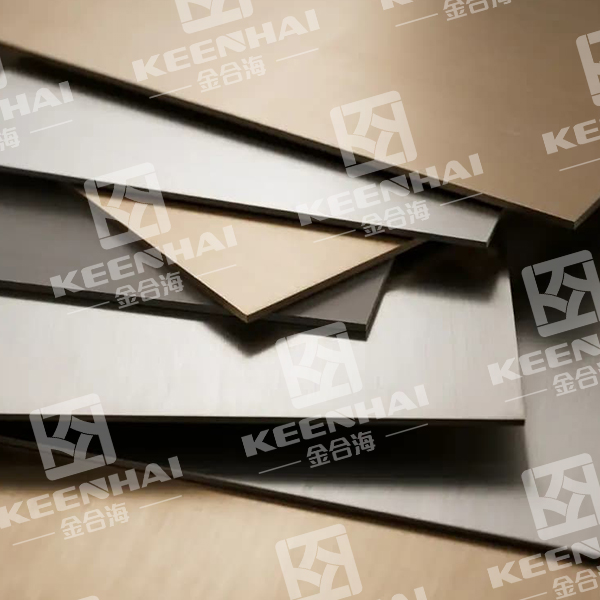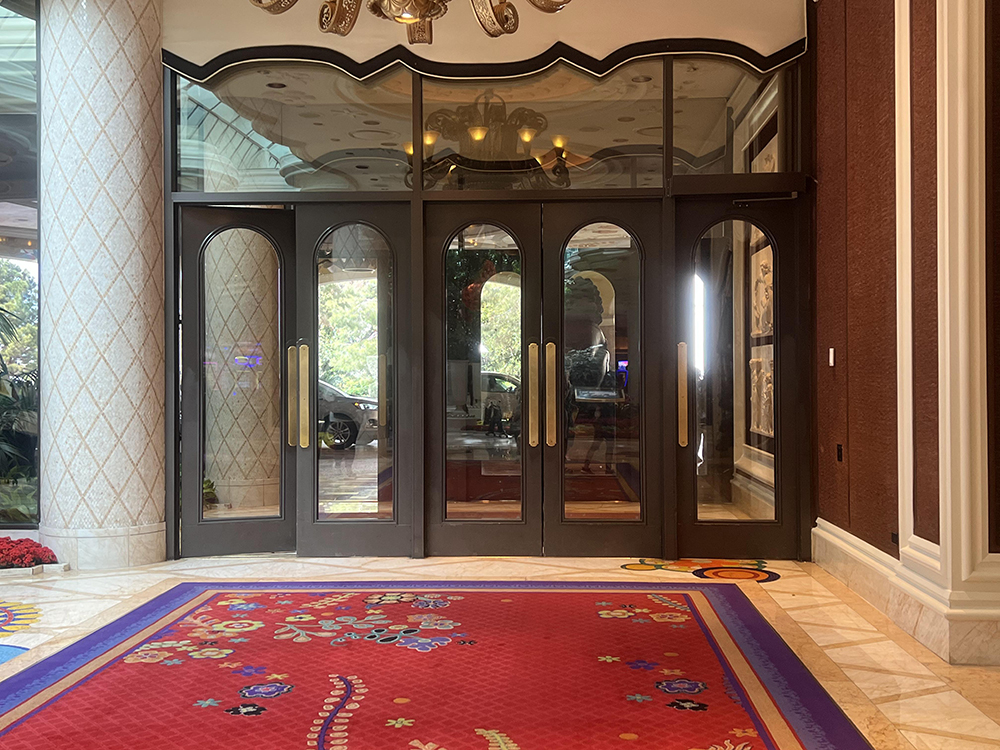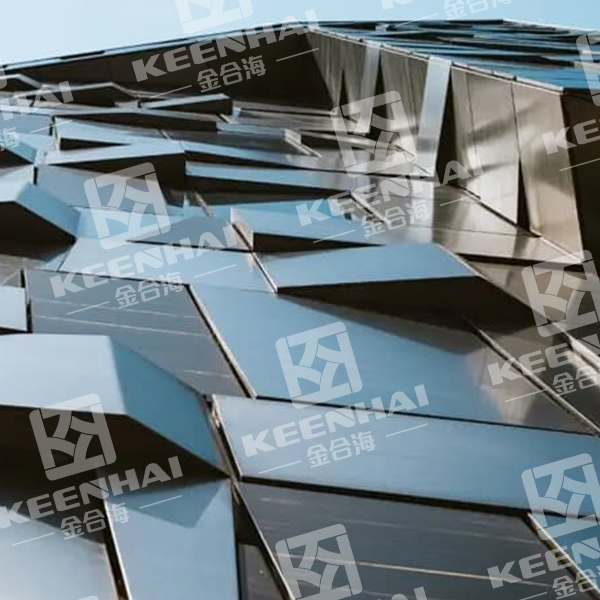
The 2026 price range for PVD stainless steel sheets depends on material grade, thickness, and surface finish. Standard 304 sheets with hairline finishes start around $35–$45 per m², while thicker or premium coated sheets can reach $70 per m². Custom dimensions, protective coatings, and precise fabrication add extra cost, but they ensure durability, aesthetic consistency, and lower long-term maintenance expenses.
1. Key Factors That Determine PVD Stainless Steel Sheet Prices in 2026
In 2026, the price of a PVD stainless steel sheet is influenced by multiple factors, including material grade, dimensions, surface finish, and market conditions. Buyers in commercial projects, such as hotel lobbies, airport lounges, and high-end retail stores, prioritize both aesthetic quality and durability. Using PVD stainless steel sheet ensures long-lasting color stability and resistance to scratches, which is critical for areas with high foot traffic and frequent cleaning.
For example, in a recent luxury hotel renovation, designers selected gold PVD sheets for elevator interiors. The decision was based on both the visual impact and the material’s ability to withstand constant use without discoloration, demonstrating how material choice directly affects project costs.
1.1 Grade and Base Material Cost Differences
Material grade accounts for the majority of price variation. Common grades used in 2026 include 304, 316L, and sometimes 201, depending on project requirements. High-grade 316L is preferred in coastal or high-humidity environments due to superior corrosion resistance, while 304 is typically sufficient for indoor applications.
Here’s a comparison to highlight cost implications:
| Base Grade | Korrózióállóság | Typical Application | Relative Cost (2026) |
|---|---|---|---|
| 304 | Standard | Indoor walls, retail fixtures | Közepes |
| 316L | Magas | Coastal areas, bathrooms, exterior trims | Magas |
| 201 | Alacsony | Budget projects, temporary panels | Alacsony |
In practice, choosing 316L over 304 in a coastal resort lobby added roughly 25% to material costs but prevented potential staining and replacement costs over time.
1.2 Thickness and Sheet Size Pricing Impact
Sheet thickness and dimensions significantly influence the total price. Thicker sheets increase raw material usage and require more labor for handling and coating. Standard decorative applications typically use 0.8–1.2 mm, whereas high-traffic areas such as elevator walls or retail display panels often require thicker sheets to prevent dents.
Large-format panels for seamless wall installations require careful transport and handling, which adds additional cost. For instance, a luxury boutique in Dubai Mall requested panels up to 2.4 meters in height, requiring reinforced frames and extended fabrication time. These logistical considerations are a substantial part of the final price.
1.3 PVD Coating Type, Color, and Surface Finish Cost Variations
The type of PVD coating, its color, and surface finish all affect pricing. Popular colors in 2026 include gold, black, rose gold, and bronze. Dark metallic finishes such as black cost more due to higher purity targets needed to avoid streaking.
Surface finish also plays a key role:
-
Mirror finish: high reflectivity, labor-intensive polishing
-
Hairline finish: subtle linear texture, moderate cost
-
Bead-blast or etched: decorative patterns, higher fabrication effort
For example, a jewelry store in Bangkok opted for etched bronze PVD panels to achieve depth and reflection control. Combining etching with a bead-blast layer increased costs, but the visual effect justified the investment.
1.4 Market Demand, Supply Chain, and Raw Material Price Trends
Global nickel and chromium prices directly affect stainless steel costs. Rising nickel prices push up the base material cost for all grades, including 304 and 316L. At the same time, peak construction seasons and high-demand projects drive up lead times, which impacts pricing.
Supply chain disruptions, such as shipping delays, also influence the final cost. Buyers now often schedule orders earlier to lock in material prices and ensure timely delivery. When projects require structural components like stainless steel metal plate for walls or partitions, these factors determine both the unit price and the overall budget.
2. PVD Stainless Steel Sheet Price Range in 2026
Understanding the price range of PVD stainless steel sheet in 2026 is essential for buyers who need accurate budgeting for commercial or high-end interior projects. Prices vary depending on thickness, color, surface finish, and order volume. Below we break down each factor to give a detailed overview with real-world context.
2.1 Standard Thickness Price Range per Square Meter
The thickness of the sheet directly affects both material cost and fabrication labor. Standard decorative applications use 0.8–1.2 mm, while thicker sheets up to 2.0 mm are preferred for high-traffic or structural areas.
-
0.8 mm sheets typically cost between $65–$75 per square meter, suitable for indoor wall panels or decorative ceilings.
-
1.0 mm sheets range from $80–$95 per square meter, balancing durability and cost.
-
1.2 mm sheets go up to $100–$120 per square meter, recommended for elevator interiors or high-contact areas.
-
2.0 mm sheets can exceed $150 per square meter, primarily used in areas that require extra strength and dent resistance.
For installers managing large wall panel projects, the extra cost of thicker sheets is justified because:
-
Thicker sheets reduce the risk of denting during installation and long-term use
-
Handling larger sheets requires fewer joins, providing a cleaner visual finish
-
Coating consistency improves when sheets are thicker, minimizing color variation
2.2 Price Range for Popular Colors (Gold, Black, Rose Gold, Bronze)
Color selection affects cost due to the chemical composition and PVD coating process. Among the most requested colors in 2026:
-
Gold PVD sheet: $85–$130 per square meter, premium projects often use mirror or hairline finishes
-
Black PVD sheet: $95–$140 per square meter, higher cost due to precise metal deposition to avoid streaking
-
Rose Gold PVD sheet: $90–$135 per square meter, popular in boutique retail stores and luxury interiors
-
Bronze PVD sheet: $80–$125 per square meter, often combined with textured finishes for visual depth
In a recent commercial renovation in Singapore, the project manager chose gold PVD sheets for elevator walls. The team noticed that minor color inconsistencies appeared in cheaper sheets, reinforcing that selecting the correct price range ensures both durability and visual uniformity.
2.3 Mirror, Hairline, Bead-Blast, and Etched Finish Price Comparison
Surface finish significantly impacts labor and cost. For clarity, here’s a practical comparison of finishes and their typical price range:
| Surface Finish | Description | Typical Price Range per m² (2026) | Common Use Cases |
|---|---|---|---|
| Mirror | Highly reflective, polished to perfection | $100–$150 | Elevator interiors, decorative columns |
| Hairline | Subtle linear texture, moderate reflection | $85–$120 | Wall panels, cabinets, retail displays |
| Bead-Blast | Matte, textured finish, smooth non-reflective | $90–$130 | Feature walls, ceilings, high-touch areas |
| Etched | Patterned surface, requires masking and treatment | $110–$160 | Luxury retail, hotels, artistic installations |
Each finish requires additional steps during fabrication:
-
Surface preparation to remove any imperfections
-
Polishing or blasting according to finish type
-
PVD coating application with careful monitoring of color consistency
-
Post-treatment inspection for scratches, streaks, or pattern misalignment
These steps explain why etched and mirror finishes consistently occupy the higher end of the price spectrum. Using stainless steel metal plate for structural subpanels under high-end finishes ensures uniformity and avoids warping.
2.4 Bulk Order and Wholesale Price Benchmarks
Ordering in bulk or through wholesale channels can reduce per-square-meter costs significantly. Pricing advantages typically follow these patterns:
-
Small orders (<50 m²): Premium unit pricing due to handling and smaller batch coating
-
Medium orders (50–200 m²): Discounts of 5–10% are common, depending on supplier capacity
-
Large orders (>200 m²): 10–20% discounts achievable, often including free cutting and packaging services
For a luxury hotel chain renovating multiple floors, ordering in bulk allowed the procurement team to lower the average material cost by roughly $15 per m², while also consolidating shipping and reducing fabrication time.
High-demand colors like black and rose gold may still have premium pricing even in bulk orders because of limited coating capacity and higher process sensitivity.
3. How Specifications Affect Final Cost
The final cost of a PVD stainless steel sheet project is heavily influenced by specific material and fabrication specifications. Buyers often underestimate how minor changes in thickness, size, or protective features can alter budgets. Understanding these details allows contractors and designers to plan accurately and avoid unexpected expenses.
3.1 Thickness Selection and Its Cost-Performance Ratio
Thickness not only determines durability but also directly impacts cost-efficiency. Standard decorative sheets (0.8–1.2 mm) provide a good balance of performance and price, while thicker sheets (1.5–2.0 mm) improve dent resistance and longevity but increase material cost substantially.
In practice:
-
0.8 mm: Lowest cost, suitable for low-traffic interior panels
-
1.0 mm: Optimal for general commercial walls and ceilings
-
1.2 mm: Recommended for elevator interiors and high-contact surfaces
-
1.5–2.0 mm: Used in structural or frequently handled surfaces
A mid-size boutique project in Kuala Lumpur found that upgrading from 1.0 mm to 1.2 mm added about $12 per m² but eliminated dents and scratches during installation, which saved labor costs for repairs. This demonstrates that choosing the right thickness enhances long-term value.
3.2 Custom Sizes, Cutting, and Fabrication Fee Structure
Custom dimensions affect both fabrication and price. Oversized panels reduce seams but increase cutting complexity and handling risk. Fabrication fees are usually structured as:
-
Cutting fee: Charged per sheet depending on size complexity
-
Edge finishing: Polished, rounded, or chamfered edges cost extra
-
Bending or shaping: Any three-dimensional modification adds labor time
-
Handling: Large panels may require cranes or specialized lifting tools
For example, a Dubai retail store ordered panels 2.4 m high and 1.2 m wide. The supplier added $15–$20 per m² for handling and cutting precision. If the client had chosen standard sizes, the cost could have dropped by roughly 10–15%, but the visual effect would have been compromised.
In projects requiring structural subcomponents, stainless steel metal plate is often used for underlying support, which keeps panels flat and prevents warping under load. The metal plate also reduces damage during handling.
3.3 Anti-Fingerprint, Anti-Scratch, and Protective Film Add-On Costs
Protective features influence pricing more than many buyers anticipate. Anti-fingerprint coatings, anti-scratch layers, and temporary protective films add both material and labor costs:
-
Anti-fingerprint coating: $3–$5 per m², essential for elevator buttons, handrails, and high-touch walls
-
Anti-scratch layer: $4–$6 per m², commonly applied to panels in commercial kitchens, retail counters, and hotel lobbies
-
Protective film: $1–$2 per m², added during shipping and installation to prevent scratches and contamination
Steps to implement these protections:
-
Clean surface thoroughly to remove dust or oil
-
Apply anti-fingerprint coating evenly, using automated or manual spraying
-
Apply anti-scratch layer if required, ensuring no bubbles or streaks
-
Cover panels with temporary protective film before shipping or installation
Installing these features can increase project cost by up to 10–15%, but the investment prevents repair or replacement costs, especially in high-traffic commercial spaces.
3.4 Tolerance Requirements and Precision Processing Charges
Tight tolerance requirements and precision processing significantly affect price. Projects needing panels that fit flush with minimal gaps require exact cutting, edge finishing, and quality control checks.
Costs increase when:
-
Tolerances are less than ±0.2 mm, requiring laser cutting or CNC processing
-
Surface finish must remain uniform with no color variation
-
Multiple sheets need exact alignment across walls or ceilings
For high-end installations, such as luxury retail stores or boutique hotels, paying extra for precision processing ensures the aesthetic is flawless and prevents costly on-site adjustments. Designers often combine stainless steel metal plate sub-panels to achieve both structural stability and tight tolerance alignment, which reduces visible seams and ensures consistent PVD coating results.
4. Price Differences Across Application Scenarios
The cost of PVD stainless steel sheet varies depending on its application. Different scenarios—from interior wall panels to elevators and retail fixtures—have unique material, coating, and fabrication requirements. Understanding these differences helps buyers make informed decisions while avoiding unexpected expenses.
In 2026, high-end commercial and residential projects increasingly demand durable finishes and precise fabrication, making application-specific pricing a key consideration.
4.1 Pricing for Interior Wall Panels and Decorative Projects
Interior wall panels and decorative installations prioritize aesthetics, color uniformity, and seamless finishing. Price factors include panel size, surface finish, and installation complexity.
For example, in a luxury hotel lobby renovation in Singapore:
-
Panel size: Large-format sheets up to 2.5 m high require precise cutting and handling, increasing unit cost by $10–$15 per m²
-
Felületkezelés: Hairline or mirror finishes add labor cost due to polishing or coating checks
-
Seam management: Minimal gaps require exact alignment and trimming, adding installation time
Decorative projects often use PVD stainless steel sheet to maintain long-term visual impact and durability. Using premium finishes ensures reduced maintenance and fewer replacements over time.
4.2 Elevator, Door, and Cabinet Applications: Cost Considerations
Elevators, doors, and cabinets demand thicker sheets and higher-quality coatings due to frequent use. The main cost drivers include:
-
Sheet thickness: 1.2–2.0 mm for scratch resistance and structural integrity
-
PVD coating quality: Gold, black, or bronze coatings require stricter control to prevent streaking
-
Edge and corner finishing: Rounded or chamfered edges for safety and aesthetics add $5–$10 per m²
-
Protective layers: Anti-fingerprint and anti-scratch coatings increase material cost slightly but reduce maintenance
A high-rise office project in Kuala Lumpur installed gold PVD sheets in elevator interiors. Upgrading to 1.5 mm thickness and premium coatings increased the cost by $20 per m², but it ensured durability in heavy-use areas. These panels are often sourced from trusted suppliers like pvdstainlesssteel to guarantee consistent quality.
4.3 Furniture and Retail Fixtures: Material and Finish Cost Drivers
Retail stores and furniture projects demand precise finishes and visually appealing panels to maintain brand image. Pricing considerations include:
-
Panel dimensions: Custom shapes and sizes increase cutting and fabrication fees
-
Finish type: Mirror, hairline, or bead-blast finishes require different labor and time
-
Coating and color selection: Dark metallic or reflective coatings may cost 15–25% more than standard gold or bronze
Installation steps for retail fixtures often involve:
-
Layout planning: Determine panel positions and alignment with surrounding surfaces
-
Cutting and edge finishing: Ensure exact fit with cabinets or furniture frames
-
PVD coating inspection: Check uniformity and color consistency before installation
-
Final mounting: Use adhesive or mechanical fixing to secure panels safely
These steps explain why luxury retail applications often incur higher costs per square meter compared to simple decorative walls.
4.4 Commercial-Grade vs. Residential-Grade Price Differences
Commercial-grade sheets are engineered for durability, high-traffic areas, and longer lifecycle, while residential-grade sheets prioritize cost-effectiveness and moderate durability. Key differences include:
-
Thickness and grade: Commercial-grade uses 316L or high-quality 304, while residential-grade may use standard 304
-
Coating and finish: Commercial projects demand anti-fingerprint, anti-scratch, and multiple protective layers
-
Fabrication tolerance: Tighter tolerances in commercial applications require more precise cutting and finishing
For instance, installing commercial-grade PVD stainless steel panels in an office building lobby costs $25–$35 per m² more than residential-grade panels of the same size, but it reduces long-term maintenance and replacement risks.
In contrast, residential applications—like kitchen cabinets or home decorative walls—can often achieve satisfactory results with standard finishes and moderate thickness, saving 15–20% on material costs.