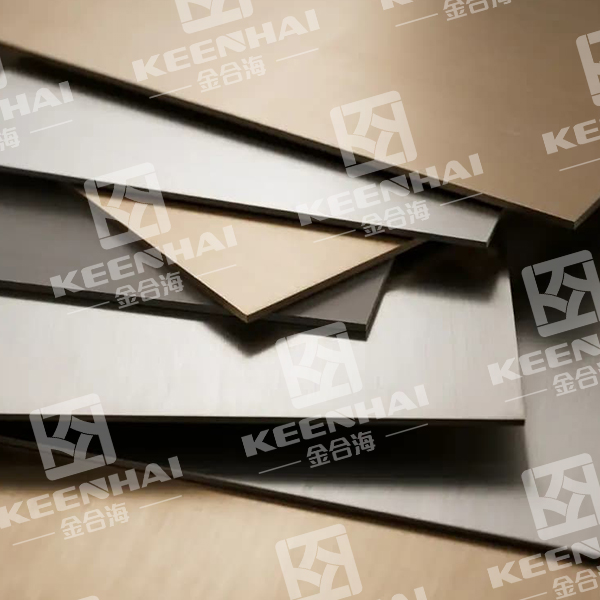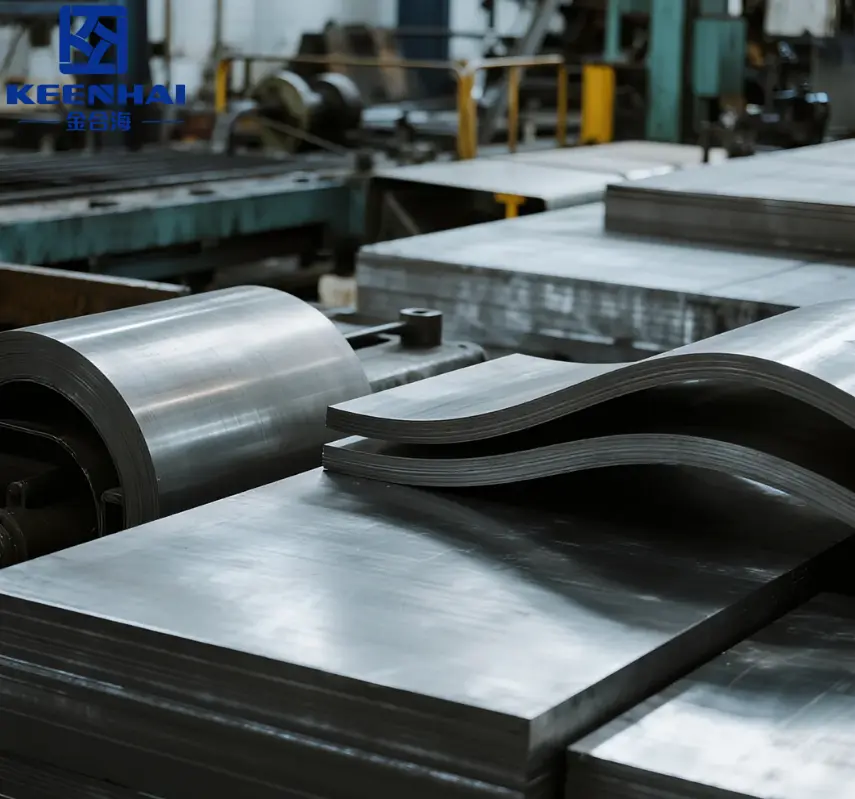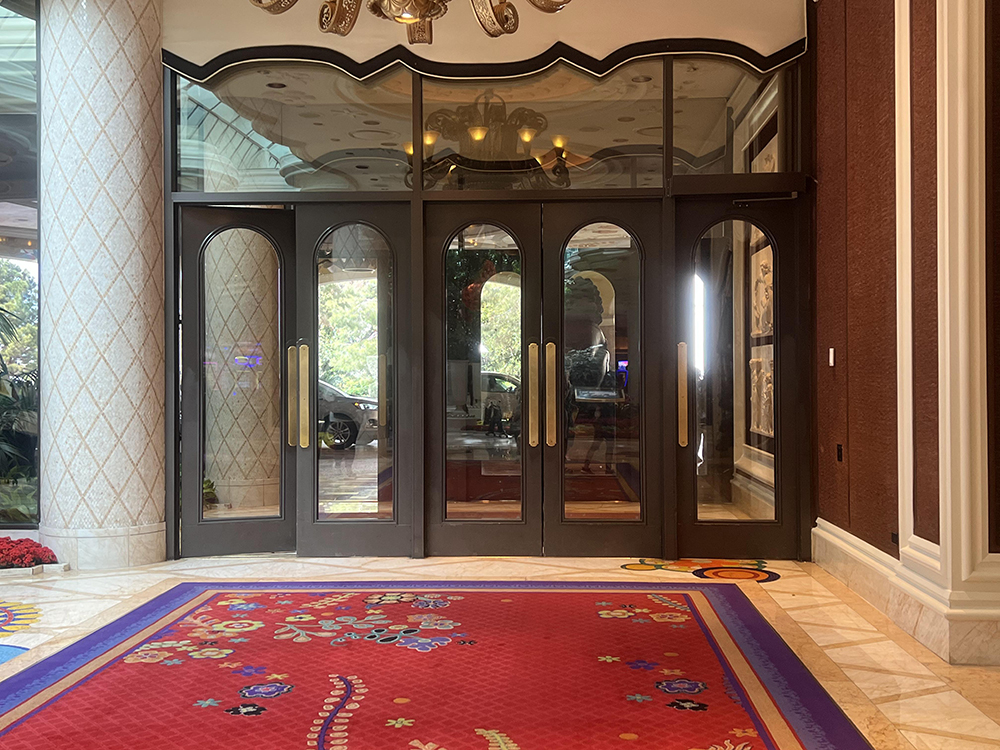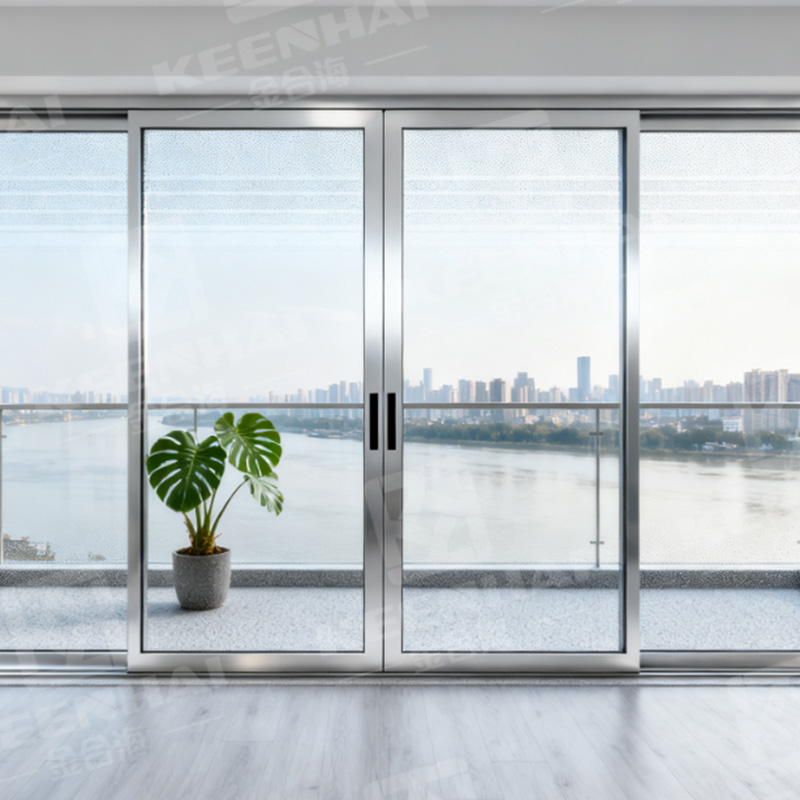
Stainless steel exterior walls support sustainability and cost-efficiency simultaneously, offering recyclable material benefits and reducing material waste over decades. Their integration with insulation systems and natural reflectivity lowers energy consumption, while the long lifecycle ensures fewer replacements and long-term environmental advantages for both developers and property owners.
1. Durability and Longevity
Rozsdamentes acél külső falak are renowned for their exceptional durability and ability to maintain performance under extreme conditions. By combining corrosion resistance, impact strength, and minimal wear over decades, these walls provide long-term structural reliability for modern commercial and residential buildings. For instance, urban high-rises in coastal regions frequently utilize stainless steel exterior walls to withstand salty sea air while retaining their sleek appearance.
1.1 Corrosion Resistance in Harsh Environments
Stainless steel panels resist rust, oxidation, and chemical corrosion, making them ideal for environments with high humidity, coastal salt exposure, or industrial pollution. Buildings near oceans or heavy industrial zones experience less material degradation when clad with rozsdamentes acél burkolatú homlokzat compared to painted aluminum or traditional steel panels.
| Material Type | Corrosion Resistance (Salt Spray Test) | Typical Lifespan |
|---|---|---|
| Rozsdamentes acél fém burkolat homlokzat | 1000+ hours | 50+ years |
| Painted Aluminum Panels | 300–500 hours | 15–20 years |
| Regular Steel Panels | 50–100 hours | 5–10 years |
This table clearly shows why stainless steel outperforms alternatives, especially in coastal or urban environments, providing decades of maintenance-free service.
1.2 Impact and Wear Resistance
Stainless steel exterior walls handle physical impacts and abrasive wear exceptionally well, making them suitable for high-traffic or urban areas prone to accidental damage. Pedestrian zones, busy commercial streets, and public transport terminals often feature stainless steel external walls for their ability to withstand knocks, scratches, and vandalism without compromising aesthetics.
Practical considerations for maximizing impact resistance include:
-
Choosing a thicker gauge panel appropriate for the building height and exposure level.
-
Installing panels with anti-vibration fasteners to absorb minor impacts.
-
Using modular panel systems that allow damaged sections to be replaced individually without dismantling the entire façade.
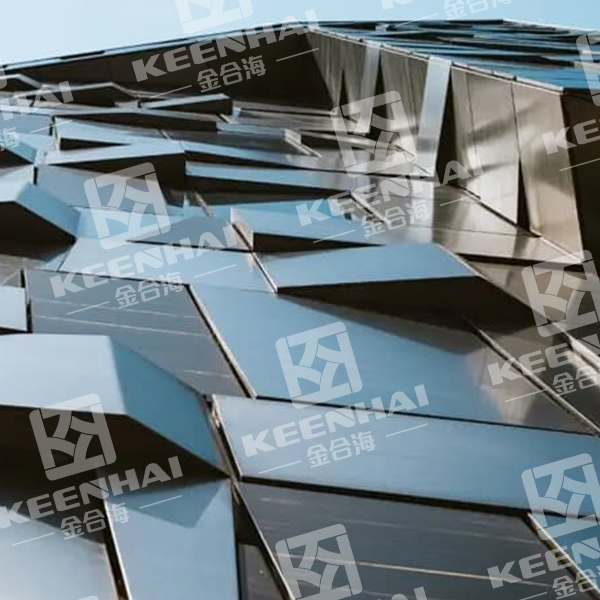
Projects like the waterfront shopping mall in Miami and office towers in Singapore demonstrate how stainless steel external cladding preserves a building’s modern look even after years of daily wear, emphasizing long-term value.
2. Low Maintenance and Cleaning Efficiency
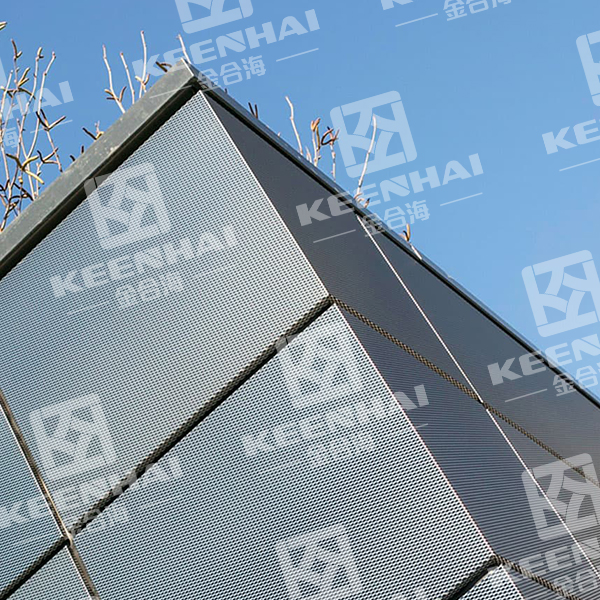
Rozsdamentes acél külső falak are not only durable but also extremely low-maintenance, reducing long-term building upkeep costs. Unlike painted metals or traditional façades that require frequent refinishing, stainless steel maintains its appearance with minimal effort. Urban commercial buildings, hospitals, and high-rise office towers benefit from this property, as cleaning routines are straightforward and infrequent, allowing facility managers to allocate resources elsewhere.
2.1 Easy-to-Clean Surface Properties
The smooth, non-porous surface of stainless steel walls resists dirt, grime, and biological growth, making cleaning remarkably simple. Even in areas exposed to heavy pollution or coastal salt spray, regular water rinsing and mild detergent are usually sufficient. For large-scale installations:
-
Use a soft bristle brush or microfiber cloth to remove surface dust.
-
Apply a mild pH-neutral cleaning solution for persistent stains.
-
Rinse thoroughly with clean water to prevent residue buildup.
-
Dry surfaces with a soft cloth to avoid water spots and streaks.
Projects like the downtown Tokyo commercial complex and Dubai Marina offices show that walls coated with stainless steel panels retain a pristine look over years with just quarterly cleaning, minimizing labor and chemical use while sustaining aesthetic appeal.
2.2 Minimal Upkeep Costs Over Time
Over a building’s lifecycle, stainless steel exterior walls drastically reduce repair and maintenance expenses. Unlike aluminum or painted steel, which may need recoating or corrosion repair every 5–10 years, stainless steel typically remains maintenance-free for 30–50 years depending on environmental conditions.
| Material Type | Typical Maintenance Frequency | Estimated 20-Year Cost per m² |
|---|---|---|
| Rozsdamentes acél külső fal | Every 2–3 years (cleaning only) | $15–$20 |
| Painted Aluminum Panels | Every 5 years (recoating) | $50–$60 |
| Traditional Steel Panels | Every 2–3 years (repainting + repairs) | $45–$55 |
This table highlights how stainless steel walls save both time and money, providing predictable upkeep schedules and minimizing unexpected repairs. By combining durability with minimal maintenance, stainless steel façades deliver excellent long-term ROI for developers and building owners alike.
3. Aesthetic Appeal and Design Flexibility
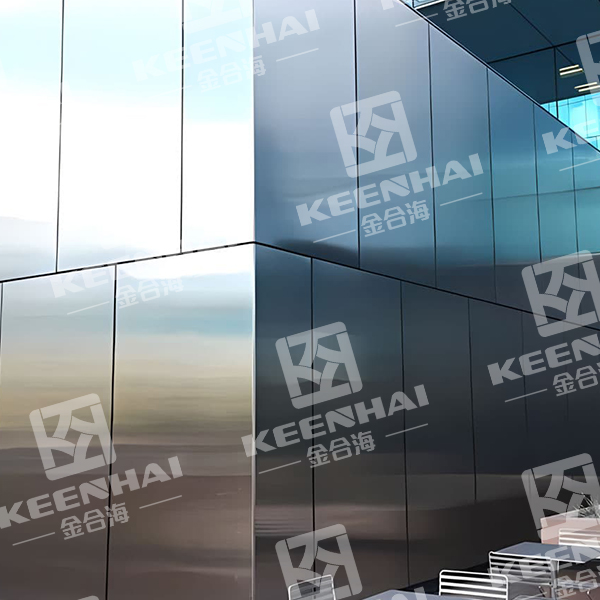
Rozsdamentes acél külső falak provide architects and designers with unmatched flexibility in achieving modern, high-end finishes. Their reflective and polished surfaces enhance natural light, create striking visual effects, and maintain a contemporary look over decades. For example, luxury hotels in Singapore and office towers in New York have adopted stainless steel panels to create sleek façades that resist fading while projecting a premium image. The material’s uniform surface and adaptability allow for both flat and textured finishes, enabling seamless integration into various design styles without sacrificing performance.
3.1 Modern Architectural Finishes
Modern architectural designs increasingly favor stainless steel due to its clean lines and polished aesthetics. Unlike concrete or painted metals that may discolor over time, stainless steel maintains its luster even under harsh UV exposure or heavy rainfall. Designers can choose from brushed, mirror, or matte finishes, offering versatility for corporate buildings, residential towers, or cultural centers. Typical installation steps to ensure aesthetic perfection include:
-
Precisely measuring façade dimensions and planning panel layout to avoid visible seams.
-
Selecting the appropriate surface finish for the building’s style and light reflection needs.
-
Installing panels with concealed fasteners for a smooth, uninterrupted surface.
This approach is visible in projects like the Marina Bay Sands façade and Tokyo urban high-rises, where stainless steel creates a sense of sophistication and timeless appeal.
3.2 Customizable Panels and Patterns
Stainless steel panels allow extensive customization, including perforations, embossed patterns, or geometric designs, without compromising structural integrity. Architects can integrate ventilation, shading, or decorative motifs directly into the panels, tailoring façades to both functional and aesthetic needs. Steps to implement customized panels effectively:
-
Work with a fabricator to design patterns that meet both visual and structural requirements.
-
Choose panel thickness and support structures to ensure durability under wind and impact loads.
-
Apply protective coatings if necessary to maintain the finish in high-pollution or coastal environments.
Commercial buildings in Dubai and Berlin demonstrate how stainless steel external walls can combine artistic design with high durability, allowing creative expression while preserving longevity and reducing maintenance requirements.
4. Energy Efficiency and Thermal Performance
Rozsdamentes acél külső falak contribute significantly to a building’s energy efficiency by reflecting solar radiation, reducing heat absorption, and supporting insulation integration. Their reflective surface lowers internal temperatures, which reduces reliance on air conditioning systems, especially in hot urban environments. For instance, studies in Dubai and Los Angeles office towers show that buildings with stainless steel façades experience up to a 20% reduction in cooling loads compared to conventional cladding. Additionally, stainless steel panels are fully compatible with various insulation systems, allowing architects to design high-performance building envelopes that meet or exceed green building standards.
4.1 Reflective Properties for Heat Reduction
The reflective properties of stainless steel façades play a key role in thermal performance, particularly in areas exposed to intense sunlight. By bouncing infrared and visible light away from the building, stainless steel exterior walls reduce surface heat gain, which can significantly lower indoor temperatures. Typical implementation steps include:
-
Select a polished, brushed, or mirrored finish based on solar exposure and aesthetic goals.
-
Orient panels strategically to maximize sunlight reflection during peak hours.
-
Ensure panels are installed with slight air gaps to enhance natural convective cooling.
Commercial high-rises in Abu Dhabi and Singapore demonstrate that reflective stainless steel panels not only maintain cooler interiors but also reduce HVAC energy consumption, which lowers operational costs while promoting sustainable design.
4.2 Compatibility with Insulation Systems
Stainless steel panels integrate seamlessly with modern insulation materials, such as mineral wool, rigid foam boards, or spray-applied insulation. This allows for optimized thermal performance without compromising façade aesthetics or structural integrity. For effective installation:
-
Layer the insulation material evenly across the substrate to avoid thermal bridges.
-
Attach stainless steel panels using clips or brackets designed to preserve insulation continuity.
-
Seal joints and panel edges carefully to prevent air leaks, moisture penetration, and heat loss.
Case studies from Tokyo office buildings and European residential towers reveal that combining stainless steel external cladding with high-quality insulation achieves U-values as low as 0.25 W/m²·K, which aligns with stringent energy efficiency requirements and significantly reduces long-term energy costs.
5. Sustainability and Environmental Benefits
Rozsdamentes acél külső falak offer significant environmental advantages due to their recyclability, durability, and minimal maintenance needs. Using high-quality stainless steel reduces the demand for replacement materials, which in turn lowers the overall environmental footprint of a building. For example, most stainless steel panels can be recycled at the end of their service life without losing structural integrity or aesthetic quality. Integrating stainless steel external cladding in construction projects also supports green building certifications, demonstrating commitment to sustainability while maintaining a premium appearance.
5.1 Recyclable Material Advantages
One of the strongest sustainability benefits of stainless steel is its full recyclability. Unlike composite materials or traditional metals that degrade after multiple uses, stainless steel retains its properties when melted down and reformed into new panels. Key points for maximizing recyclability include:
-
Separate stainless steel panels from other building materials during demolition.
-
Work with certified recycling facilities that recover alloys and minimize contamination.
-
Document recycling percentages to support environmental reporting and green building credits.
Studies indicate that over 90% of stainless steel used in exterior walls can be recycled, making it one of the most eco-friendly façade options. This is particularly relevant for projects aiming for LEED or BREEAM certification, as using recyclable materials directly contributes to sustainability points.
5.2 Long Lifecycle Reducing Material Waste
Stainless steel panels are designed for long-term performance, often exceeding 50 years without losing structural strength or aesthetic quality. This extended lifecycle minimizes the need for replacements, reducing both material waste and labor costs over time. To optimize lifespan and reduce waste:
-
Use corrosion-resistant grades suitable for the local climate to prevent premature deterioration.
-
Maintain panels with simple cleaning routines rather than frequent repairs.
-
Combine panels with durable insulation and support systems to protect the façade from environmental stresses.
Real-world examples from European and North American office towers show that buildings using stainless steel exterior walls generate significantly less construction waste compared to those with aluminum or painted steel façades. Over decades, this translates into a measurable reduction in environmental impact while maintaining high building performance and aesthetic appeal.