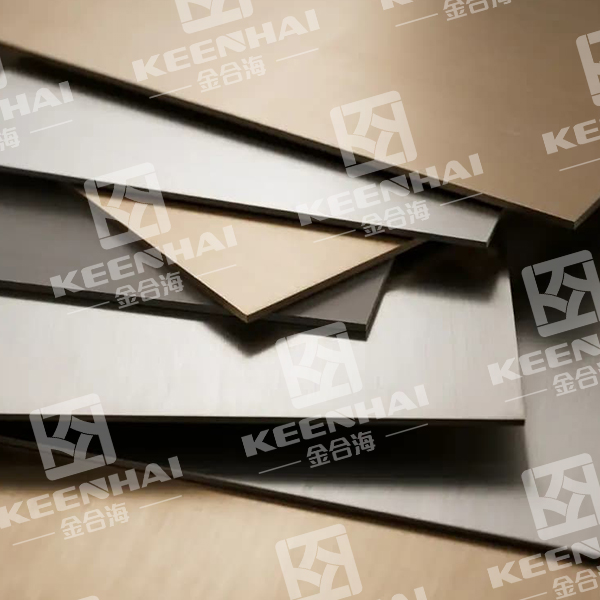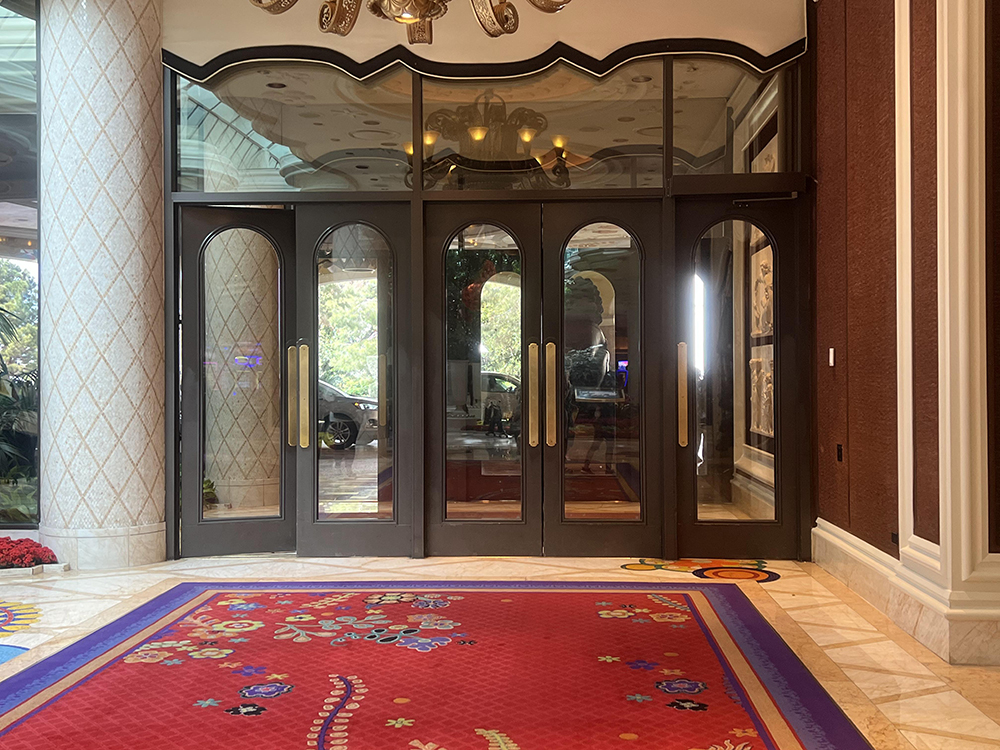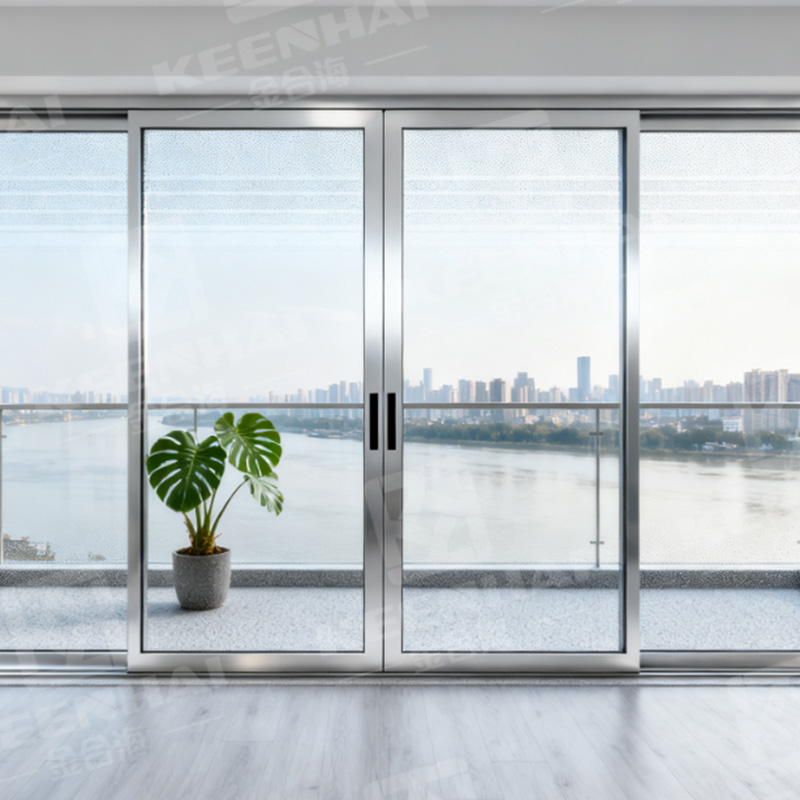
Budgeting for elevator doors involves evaluating raw material, manufacturing, and installation costs. Material thickness, grade, and custom patterns directly affect price. Installation costs depend on shaft dimensions, guide rails, and labor hours. By mapping these factors early, you can prevent overpaying for unnecessary features and reduce future maintenance expenses. A custom stainless steel elevator door panel allows you to balance budget with high-end design, delivering long-term value while enhancing the visual appeal of commercial or residential spaces.
1. Key Factors to Consider Before Buying
When investing in a Lyftuhurð úr ryðfríu stáli, it’s crucial to understand the main factors that impact performance, cost, and longevity. Selecting the right material, surface finish, and door type ensures your installation not only meets aesthetic demands but also withstands heavy daily usage. Below, we break down the most critical considerations.
1.1 Material Grade: 304 vs 316 Stainless Steel
The material grade determines corrosion resistance, strength, and price. 304 ryðfríu stáli is excellent for indoor applications with moderate humidity, while 316 ryðfríu stáli includes additional molybdenum for superior resistance to marine or high-humidity environments.
Here’s a concise comparison:
| Eiginleiki | 304 Stainless Steel | 316 Stainless Steel | Practical Implication |
|---|---|---|---|
| Chromium (Cr) | 18–20% | 16–18% | Corrosion protection; similar for indoor use |
| Nickel (Ni) | 8–10,5% | 10–14% | Higher Ni in 316 enhances corrosion resistance, slightly increasing cost |
| Molybdenum (Mo) | 0% | 2–3% | Improves pitting resistance in coastal or humid environments |
| Typical Application | Indoor, low humidity | Coastal, spa, or high-traffic elevators | 316 preferred where moisture or salt exposure is high |
| Average Material Cost Difference | Baseline | +30–50% | 316 costs more upfront but reduces long-term replacement and maintenance costs |
In a busy hotel lobby near the coastline, a premium 316 stainless steel elevator door ensures minimal corrosion and fewer replacements, whereas 304 works perfectly for a downtown office building with controlled indoor climate.
1.2 Surface Finish Options: Brushed, Mirror, Etched
Surface finish affects both aesthetics and maintenance. The three most common finishes are:
-
Brushed Finish – Provides subtle texture, hides fingerprints, and is easier to maintain in high-traffic areas.
-
Mirror Finish – Reflective, luxurious look, ideal for premium environments like luxury hotels or corporate lobbies, but requires regular cleaning.
-
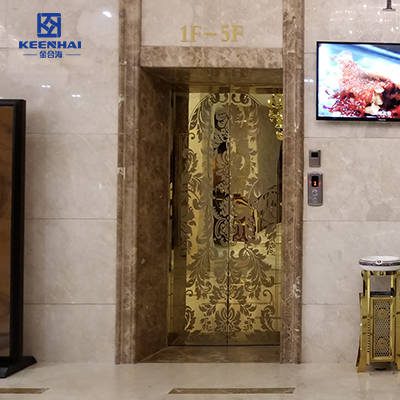
Etched or Patterned Finish – Custom designs for branding or artistic effect; slightly higher fabrication cost due to specialized etching processes.
For a Glass Entrance Door combined with stainless steel frames, a brushed finish is recommended to reduce smudges and maintenance frequency, while mirror finishes work better in upscale lobby designs for visual impact.
1.3 Door Type: Single vs Double Leaf, Sliding vs Swing
The functional type of your elevator door affects space, accessibility, and cost:
-
Single Leaf Doors – Standard, cost-effective, suitable for most residential and small commercial lifts.
-
Double Leaf Doors – Wider openings for freight or high-traffic areas, slightly higher material and installation costs.
-
Sliding Doors – Space-efficient, ideal for tight shafts, widely used in modern buildings.
-
Swing Doors – Less common, require clearance, generally selected for architectural or aesthetic reasons.
Installation Consideration:
-
Measure the shaft width and ceiling height accurately.
-
Confirm compatibility with existing guide rails and frame.
-
Choose door automation based on traffic volume (manual vs automatic).
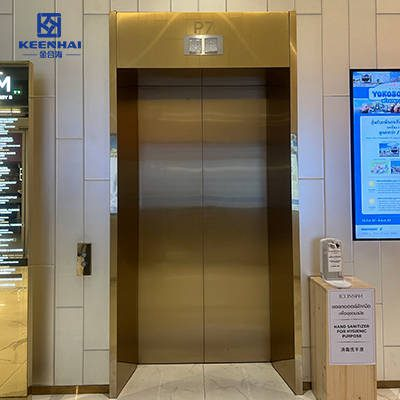
A corporate high-rise may use a custom stainless steel elevator door panel in double leaf sliding style to allow smooth traffic flow during peak hours while maintaining a polished aesthetic.
2. Size and Dimension Requirements
Choosing the right dimensions for a stainless steel elevator door is critical to ensure smooth operation, safety, and aesthetic alignment with the building interior. Door size and shaft compatibility directly impact installation complexity and long-term usability.
2.1 Standard vs Custom Door Sizes
Most commercial elevators follow standard door sizes ranging from 700mm to 1200mm in width og 2000mm to 2400mm in height. These standard dimensions simplify manufacturing, reduce cost, and fit most pre-fabricated shafts.
For buildings with unique architectural layouts, custom doors are often required. Custom sizing allows precise fitting, accommodates wider passenger flow, or integrates with non-standard floor designs. Custom doors may slightly increase fabrication cost by 15–30%, but they prevent later issues such as rubbing or misalignment.
When ordering custom doors, consider:
-
Measure shaft width and height accurately with a laser or tape measure.
-
Verify ceiling clearance to allow smooth sliding or swinging.
-
Confirm door leaf overlap to maintain airtightness and safety compliance.
2.2 Shaft and Frame Compatibility
Even with the correct door dimensions, compatibility with the elevator shaft and frame is crucial. Minor mismatches can cause friction, noise, or even mechanical failure. Key factors include:
-
Frame width vs. door panel width – Ensure there’s at least 5–10mm tolerance on each side.
-
Guide rail alignment – Misaligned rails increase wear and reduce lifespan.
-
Reinforcement requirements – High-traffic areas may require thicker frames or additional bracing.
For installations where a Lyftuhurð úr ryðfríu stáli, endurbætt model is used in digital planning, confirming exact shaft dimensions in the model helps reduce on-site adjustments.
2.3 Clearance and Opening Mechanisms
Door type determines clearance needs and movement mechanics:
-
Sliding doors – Require lateral space inside the shaft, usually an extra 50–100mm for smooth operation.
-
Swing doors – Need front and rear clearance; typically 1200–1500mm in front for full swing.
-
Double leaf doors – Must account for synchronized movement; precision in hinge or sliding track installation is critical.
Installation process to ensure proper clearance:
-
Measure and mark the top, bottom, and side clearances.
-
Align guide rails and frames using a spirit level.
-
Test the full opening and closing cycle before final mounting.
-
Adjust rollers or hinges incrementally to prevent friction or sticking.
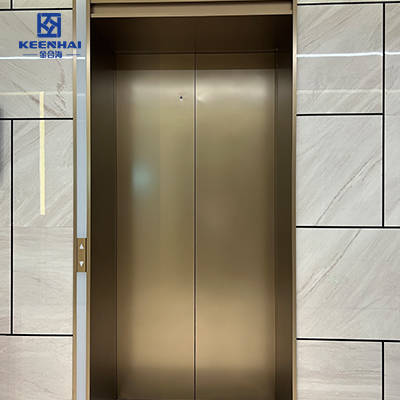
Proper dimension planning not only prevents installation errors but also ensures the Glass Entrance Door or other mixed-door systems operate smoothly alongside the elevator.
3. Cost and Budget Planning
Planning the budget for an elevator door project involves more than just buying the panels. Costs accumulate from raw materials, manufacturing complexity, customization, and on-site installation. Understanding each component helps avoid unexpected expenses and ensures long-term value.
3.1 Raw Material Cost Breakdown
The main factor in the overall budget is the cost of stainless steel sheets. Prices fluctuate based on grade, thickness, and global metal markets:
| Material Grade | Typical Price per Ton | Notes |
|---|---|---|
| 304 Stainless Steel | $2,500–$3,000 | Suitable for standard indoor applications |
| 316 Stainless Steel | $3,200–$4,500 | Offers better corrosion resistance, especially in humid or coastal areas |
Each additional millimeter adds approximately $200–$400 per ton, depending on steel grade. Choosing the correct thickness for the building environment prevents overpaying for unnecessary material while ensuring durability.
3.2 Manufacturing and Customization Costs
Manufacturing costs include cutting, bending, welding, and finishing. Custom designs like grooves, patterns, or etching add another layer of expense:
-
Cutting and Shaping: Laser cutting for precise dimensions costs $80–$150 per panel, depending on size.
-
Bending and Welding: Complex panels with double leaves or curved frames increase labor costs by 20–40%.
-
Surface Finishing: Mirror or etched finishes cost $50–$120 extra per panel compared to brushed surfaces.
Using a custom high-quality stainless steel elevator door panel can help integrate branding or architectural themes seamlessly without sacrificing longevity.
3.3 Installation and Labor Expenses
Installation costs vary based on building type, door weight, and complexity:
-
Pre-installation Preparation: Measure shaft, verify frame alignment, and inspect guide rails.
-
Labor Costs: Skilled technicians charge $60–$120 per hour, typically 2–5 hours per door for standard installations.
-
On-site Adjustments: Fine-tuning rollers, hinges, or automation systems can add $50–$200, depending on precision requirements.
High-traffic commercial buildings may require temporary scaffolding or lift equipment, which can add $150–$300 to total installation expenses. Ensuring proper budgeting at this stage prevents delays and extra charges.
4. Maintenance and Longevity Considerations
Ensuring that an elevator door remains functional and visually appealing over time requires careful attention to maintenance practices and environmental factors. Different stainless steel grades behave differently under varying humidity, salt exposure, and indoor traffic.
4.1 Corrosion Resistance in Different Environments
304 stainless steel performs well in dry indoor environments, resisting staining and light corrosion. In humid areas or near coastal buildings, 316 stainless steel offers superior protection thanks to its molybdenum content, which significantly reduces pitting and rust formation.
For high-traffic commercial or hotel elevators, investing in a premium stainless steel elevator door ensures long-term durability and reduces the risk of costly replacements. Coastal regions may require additional protective coatings to maintain surface integrity.
4.2 Cleaning and Upkeep Requirements
Proper cleaning extends the lifespan of stainless steel doors:
-
Routine Wipe Down: Use a microfiber cloth and mild detergent once per week to remove fingerprints and dust.
-
Deep Cleaning: Apply a stainless steel cleaner once per quarter, following the grain direction to avoid micro-scratches.
-
Avoid Harsh Chemicals: Chlorides or acidic cleaners can accelerate corrosion, especially on 304 steel.
For glass panel integrations, such as Glass Entrance Door components in elevator systems, a separate weekly cleaning routine ensures transparency and prevents grime build-up.
4.3 Expected Lifespan and Replacement Frequency
A well-maintained stainless steel elevator door can last 15–25 years, depending on grade and environmental exposure:
-
304 Stainless Steel: Ideal for indoor, dry environments. Expected replacement cycle: 18–22 years.
-
316 Stainless Steel: Best for humid, coastal, or high-salt exposure areas. Expected replacement cycle: 20–25 years.
-
High-traffic Areas: Doors may need mechanical part replacements, such as rollers or hinges, every 5–8 years, even if the steel panels remain intact.
Proactive maintenance, proper cleaning, and choosing the right material grade dramatically reduce total lifecycle costs while preserving aesthetic appeal.
5. Design and Aesthetic Options
Elevator doors are not just functional—they set the tone for a building’s interior. Thoughtful design choices can enhance the lobby’s visual appeal while maintaining durability and user convenience.
5.1 Panel Patterns, Grooves, and Etching Designs
Modern stainless steel elevator doors offer a wide range of surface customization. Designers often select:
-
Grooves and Linear Patterns: Adds depth and texture without affecting structural integrity.
-
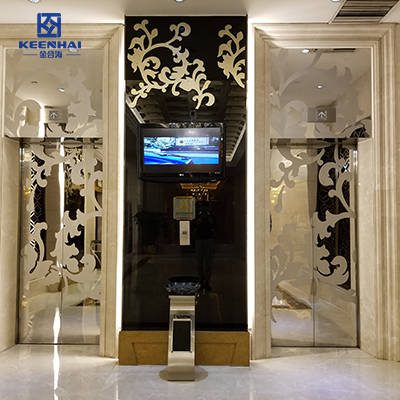
Etched or Engraved Panels: Custom branding, logos, or decorative motifs enhance the luxury feel.
-
Combination Techniques: Brushed surfaces combined with etched patterns create contrast and a premium finish.
Using a custom stainless steel elevator door panel allows architects to match building aesthetics precisely while ensuring corrosion resistance and easy maintenance.
5.2 Integration with Lobby or Building Theme
Matching the elevator doors with the overall building theme is crucial. Consider:
-
Color Consistency: Brushed, mirror, or matte finishes coordinate with wall panels, flooring, and lighting.
-
Material Harmony: Pairing stainless steel with wood, glass, or stone trims creates a cohesive visual narrative.
-
Functional Design: Ensure grooves or patterns do not interfere with automated door sensors or handle placement.
Careful planning ensures the doors contribute to a unified interior design while remaining highly functional for daily traffic.
5.3 Glass and Mixed-Material Door Variants
For modern high-end buildings, combining stainless steel with glass or other materials is increasingly popular:
-
Partial Glass Inserts: Improves visibility and adds a sense of openness.
-
Full Glass Panels: Often reinforced with stainless steel frames for strength.
-
Mixed-Material Combinations: Integrating brushed steel with tempered glass or decorative laminates balances aesthetics and durability.
In this context, using Glass Entrance Door panels or mixed-material variants ensures safety, visual appeal, and long-term performance.
Choosing the right elevator door in 2025 requires balancing material grade, design, budget, and long-term maintenance. By evaluating 304 vs 316 stainless steel, surface finishes, and mixed-material options, you can select a solution that fits both functionality and aesthetics. For a high-quality, durable, and visually appealing solution, explore our full range of stainless steel elevator doors to find the perfect fit for your project.