Customization and precise installation make stainless steel elevator doors for commercial elevator systems a strategic choice. Adjustable sizes, patterned or PVD-coated finishes, and coordination with cab interiors ensure the doors enhance building design. Reliable integration with high-traffic elevators ensures safety, operational efficiency, and long-term durability, meeting the demands of modern commercial projects while keeping both staff and visitors satisfied.
1. Design Requirements for Commercial Elevator Systems
Commercial elevator systems demand carefully engineered elevator doors that balance durability, safety, and aesthetic integration. In high-traffic environments such as office towers, hotels, and retail centers, elevator doors must withstand thousands of daily cycles while complementing the building’s interior design. Choosing high-quality materials and finishes ensures reliable operation and reduces long-term maintenance costs, while proper integration with the elevator control system guarantees smooth and safe performance.
1.1 Load Capacity and Traffic Flow Considerations
Elevator doors in commercial buildings must be designed according to expected traffic patterns and load requirements. High-rise offices and hotels can see 2,000–5,000 door cycles per day, with peak periods during morning rush hours or shift changes. To accommodate this, designers often consider:
-
Panel reinforcement and structural thickness to prevent warping under continuous use.
-
Door opening speed and synchronization with elevator cabins to avoid bottlenecks.
-
Choice of material grade, such as 304 or 316 stainless steel, which offers superior impact resistance.
For buildings with exceptionally high traffic, stainless steel elevator doors with reinforced panels are commonly specified, reducing wear while maintaining a premium look over years of operation.
1.2 Alignment with Building Architecture and Interior Design
Elevator doors must harmonize with the overall interior design of commercial spaces. Architects typically assess:
-
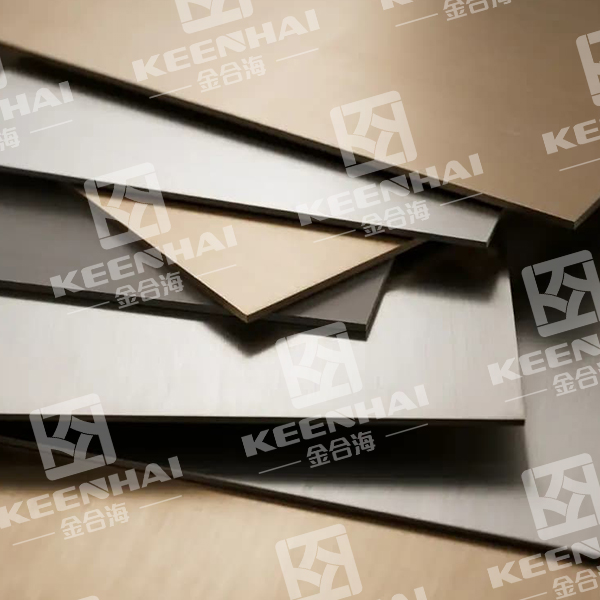
Finish selection (brushed, mirror, or anti-fingerprint) to match lobby decor.
-
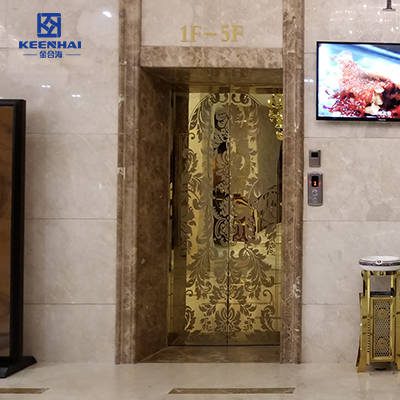
Door color and pattern options, including etched or PVD-coated designs.
-
Proportion and scale relative to surrounding walls and cab interiors, ensuring visual consistency.
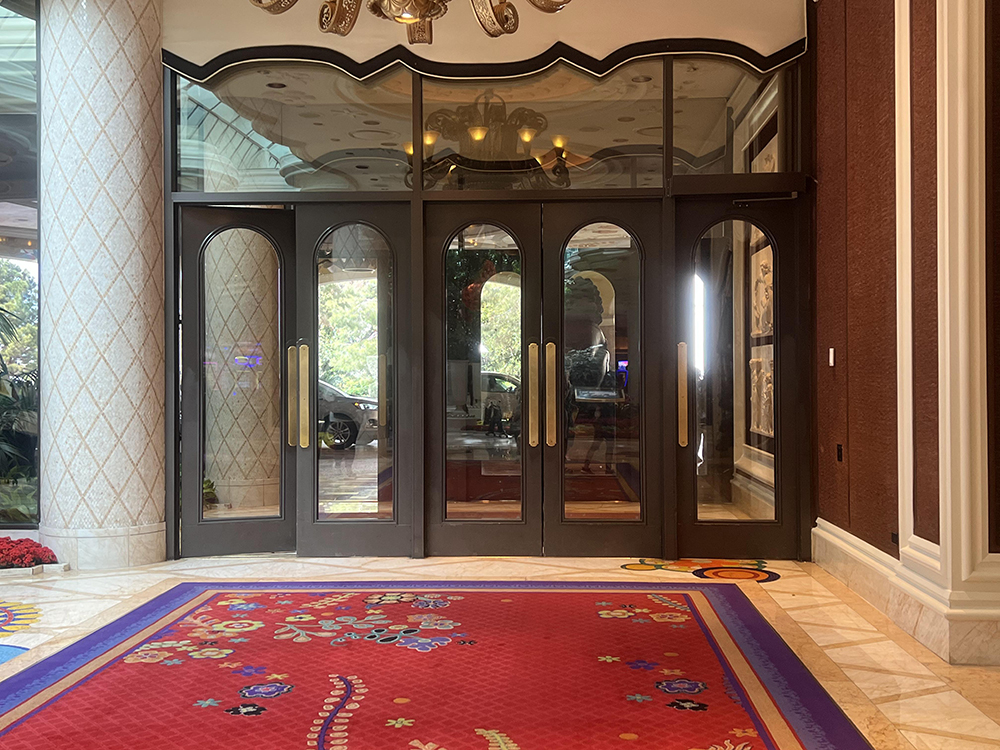
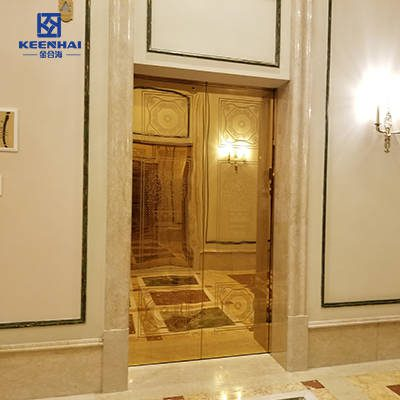
In luxury hotels, for example, elevator doors often integrate seamlessly with marble cladding, lighting accents, and stainless steel lift entrances, enhancing both passenger experience and the perceived quality of the building. Proper alignment of doors and frames also prevents operational misalignment that can occur over time.
1.3 Door Safety Features and Operational Standards
Safety is critical for commercial elevator doors. Modern doors incorporate multiple redundant mechanisms to ensure passenger protection and compliance with building codes:
-
Infrared or sensor-based door detection to prevent closing on passengers or objects.
-
Emergency release mechanisms that allow doors to be opened manually in case of power failure.
-
Fire-rated materials and seals in buildings requiring enhanced fire safety compliance.
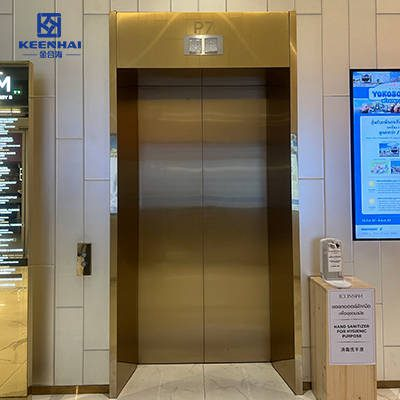
Additionally, integrating doors with stainless steel elevator entrances ensures compatibility with advanced control systems and smooth operation across all floors. These systems are tested for over 1,000,000 cycles to simulate decades of heavy usage, guaranteeing long-term reliability and occupant safety.
2. Material Selection and Surface Finishes
Selecting the right materials and finishes for stainless steel elevator doors is critical for both durability and aesthetics in commercial elevator systems. High-traffic environments demand materials that resist scratches, dents, and corrosion while maintaining a sleek, professional look. The correct choice of stainless steel grade and finish ensures long-term reliability, reduces maintenance costs, and complements the building’s interior design.
2.1 Common Stainless Steel Grades for Commercial Elevators
For commercial applications, 304 and 316 stainless steel are the most frequently specified grades.
-
304 Stainless Steel: Offers excellent corrosion resistance and is suitable for standard office buildings or retail centers where high durability is needed without extreme environmental exposure.
-
316 Stainless Steel: Contains molybdenum, providing higher resistance to chlorides and harsh environments, making it ideal for coastal locations or high-humidity areas.
| Stainless Steel Grade | Typical Use Case | 耐食性 | Strength |
|---|---|---|---|
| 304 | Offices, Retail | High | 中くらい |
| 316 | Coastal Hotels, Waterfront Malls | Very High | High |
Choosing the correct grade ensures doors withstand heavy use and maintain operational integrity for decades. Stainless steel elevator doors are often pre-finished to match these grades, ensuring both aesthetic quality and structural strength.
2.2 Brushed, Mirror, and Anti-Fingerprint Finishes
Surface finish is as important as material grade, especially in commercial settings with high visibility and frequent handling. Common finishes include:
-
Brushed Finish: Subtle texture that hides scratches and fingerprints, ideal for office towers and hotel lobbies.
-
Mirror Finish: Polished surface providing a premium aesthetic, commonly used in luxury hotels or high-end commercial complexes.
-
Anti-Fingerprint Finish: Coated surfaces that resist smudges, reducing maintenance in areas like hospitals or high-traffic retail centers.
Using finishes strategically helps enhance durability while maintaining visual appeal, reducing the need for frequent cleaning. Many architects integrate these finishes with stainless steel lift entrances to create cohesive elevator cores that look consistent across all floors.
2.3 Material Longevity and Maintenance Considerations
Long-term performance is critical in commercial elevators. To maximize lifespan:
-
Regular Cleaning: Use mild detergents and soft cloths to prevent abrasive damage.
-
Periodic Inspection: Check panel alignment and finish condition every 6–12 months.
-
Preventive Measures: Reinforce edges and corners in high-traffic locations to avoid early wear.
By combining correct stainless steel grades, suitable surface finishes, and proactive maintenance, commercial elevator doors can last 20+ years with minimal degradation, ensuring safety, reliability, and a consistently polished appearance.
3. Customization and Configuration Options
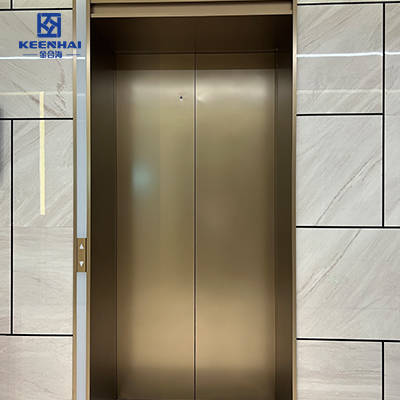
Commercial elevator doors are no longer just functional elements; they are an integral part of the building’s design language. Tailoring stainless steel elevator doors to specific project needs ensures both operational performance and visual appeal. Customization extends to size, reinforcement, surface patterns, and seamless integration with elevator cabs and frames, allowing architects and designers to achieve a cohesive look while meeting heavy-duty operational demands.
3.1 Door Size, Thickness, and Reinforcement
Door dimensions and structural reinforcement are critical in commercial elevators due to high traffic loads. Key considerations include:
-
Size Specifications: Standard widths range from 36–48 inches, while heights are typically 80–96 inches for passenger elevators. Custom sizes can accommodate oversized freight or luxury hotel elevators.
-
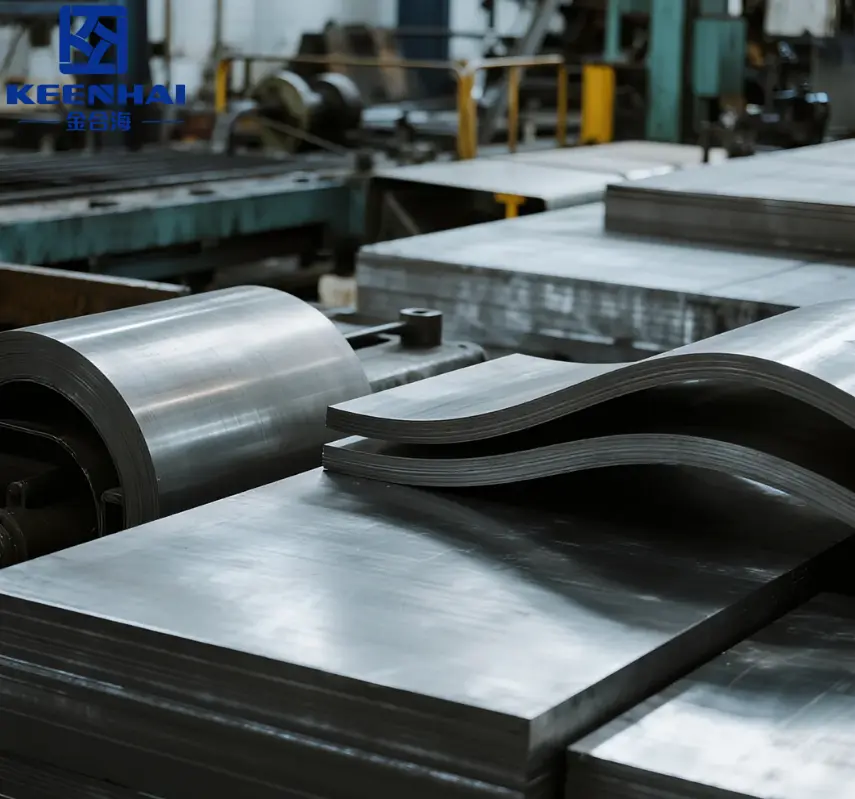
Material Thickness: Commercial doors commonly use 1.2–2.0 mm thick stainless steel panels, balancing strength with smooth operation.
-
Reinforcement Methods: Reinforcing edges and adding internal cross-braces prevents warping over millions of open-close cycles.
Using reinforced doors ensures reliable performance under continuous use. Many projects select stainless steel elevator doors designed specifically for high-traffic commercial environments to maintain longevity and reduce maintenance costs.
3.2 Patterned, Etched, and PVD-Coated Design Options
Design flexibility allows elevator doors to align with branding or interior aesthetics. Popular customization includes:
-
Patterned Panels: Embossed or laser-cut designs that add texture without compromising structural integrity.
-
Etched Finishes: Provide subtle patterns or corporate logos, offering a premium look for high-end projects.
-
PVD-Coated Surfaces: Provide color variety and anti-corrosion benefits, ideal for modern commercial buildings.
These finishes are often coordinated with stainless steel lift entrances to maintain consistency across elevator banks, enhancing the overall visual experience for passengers.
3.3 Matching Doors with Elevator Cab Interiors and Frames
Seamless integration of doors with cab interiors and surrounding frames is essential for both function and style. Steps include:
-
Cab Interior Assessment: Analyze materials, color palettes, and lighting to choose complementary door finishes.
-
Frame Coordination: Ensure door panels align precisely with frames to prevent misalignment and operational issues.
-
Prototype Mockups: Test sample panels in real environments to verify aesthetic harmony and functionality.
By carefully matching doors with cab interiors and structural frames, architects create a cohesive experience that reflects the building’s design vision while maintaining durable, high-performance operation.
4. Performance and Durability in High-Traffic Environments
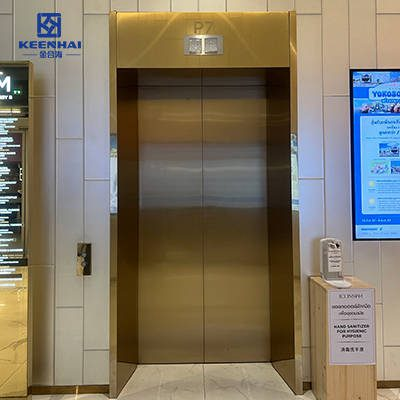
Elevator doors in commercial settings must deliver consistent performance while enduring heavy daily use. High-rise office buildings, hotels, and shopping centers require doors that resist physical damage, maintain smooth operation, and allow for efficient cleaning. Performance and durability directly impact operational costs, passenger experience, and the long-term aesthetics of the elevator system.
4.1 Resistance to Scratches, Dents, and Daily Impact
Doors are constantly exposed to luggage, carts, and high passenger traffic. To ensure durability:
-
Use high-grade stainless steel, such as 304 or 316, which provides superior resistance to corrosion, scratches, and dents.
-
Reinforced edges and internal cross-bracing reduce the risk of warping or deformation under impact.
-
Surface finishing treatments, including brushed or anti-fingerprint coatings, minimize visible wear over time.
Commercial projects frequently specify stainless steel elevator doors with reinforced high-traffic panels, ensuring both structural integrity and a polished, professional appearance.
4.2 Continuous Operation and Cycle Stability
Elevator doors in high-traffic areas must withstand thousands of cycles per week without operational degradation. Performance considerations include:
-
Durable hinge and roller systems to maintain smooth motion.
-
Consistent opening and closing speed, preventing jams and ensuring timely passenger flow.
-
Long-term testing, often simulating over 1,000,000 cycles, to verify structural and mechanical stability.
Choosing doors with proven cycle stability guarantees reliability for both passengers and building management, while reducing maintenance interventions.
4.3 Cleaning Efficiency and Maintenance Protocols
Maintaining appearance and hygiene is essential in commercial environments. Best practices include:
-
Routine cleaning with non-abrasive detergents to avoid scratching the finish.
-
Monthly inspections of rollers, sensors, and seals to ensure continuous safe operation.
-
Preventive refinishing for high-traffic areas to maintain uniform aesthetics and minimize long-term wear.
By combining robust materials, engineered reinforcement, and proper maintenance, commercial elevator doors retain their structural integrity, look pristine over time, and provide a reliable user experience for years.
5. Integration and Installation in Commercial Elevator Projects
Successful commercial elevator projects rely on seamless integration and precise installation of elevator doors. Coordinating door selection, mechanical compatibility, and on-site installation ensures smooth operations, aesthetic consistency, and adherence to building schedules. Proper integration also reduces downtime and long-term maintenance needs, enhancing both functionality and user experience.
5.1 Compatibility with Major Elevator Brands and Control Systems
To ensure operational reliability, stainless steel elevator doors must align with elevator cab mechanics, sensors, and control systems from major brands:
-
Check technical specifications of the elevator system, including door drive type, opening speed, and sensor positions.
-
Verify communication protocols for automated doors, ensuring proper interface with building management and safety systems.
-
Adjust reinforcement and panel thickness based on cab size and weight distribution for smooth operation.
Doors like stainless steel lift entrances are pre-engineered to integrate with common commercial elevator brands, minimizing installation issues and ensuring consistent passenger experience.
5.2 Installation Coordination in New Construction and Renovation Projects
Installation must consider both project type and site conditions:
-
New Construction: Coordinate with structural engineers to ensure precise alignment with shafts and cab frames. Pre-measured door panels reduce installation errors and save time.
-
Renovation: Assess existing shafts and clearances. Retrofit panels may require slight adjustments to maintain seamless operation and visual harmony.
-
On-Site Alignment Checks: Measure opening widths, vertical levels, and frame tolerances to guarantee smooth door movement.
Properly coordinated installation reduces downtime and avoids operational issues, ensuring high-traffic commercial environments remain fully functional.
5.3 Supply Scope for Single Buildings and Multi-Project Deployments
For commercial projects, elevator door supply can range from single-building deployments to multi-building portfolios:
-
Single Building Projects: Provide tailored door panels, reinforcement, and finishes according to project-specific design and traffic needs.
-
Large-Scale Deployments: Coordinate bulk manufacturing, standardized specifications, and logistics to multiple sites while maintaining consistent quality.
-
Custom Delivery Planning: Schedule deliveries in phases to align with construction milestones, minimizing storage issues and reducing on-site handling risks.
Leveraging stainless steel elevator doors with coordinated supply chains ensures timely installation, uniform quality, and scalable deployment across multiple commercial sites.
投資する stainless steel elevator doors for commercial elevator systems ensures a perfect balance of durability, design, and operational reliability. From high-traffic office towers to luxury hotels, these doors withstand millions of cycles while maintaining a polished, professional appearance. Careful material selection, customization options, and precise integration with elevator mechanisms guarantee long-term performance and a seamless user experience, making them a smart choice for modern commercial projects.