1. Understanding Stainless Steel Grades for Elevator Doors
Selecting the right material grade is crucial when investing in premium elevator door panels. Different stainless steel grades impact durability, corrosion resistance, and long-term maintenance. Buildings with high traffic, coastal environments, or modern architectural demands require precise material choices to ensure the elevator doors remain functional and visually appealing for decades.
1.1 Overview of 304 Stainless Steel Grade
304 stainless steel is the industry standard for elevator doors due to its excellent corrosion resistance និង cost efficiency. Its composition—roughly 18% chromium and 8% nickel—offers strong resistance against oxidation in most indoor environments. Architects often choose 304 for commercial buildings with moderate usage because it withstands daily wear and tear while maintaining a clean, polished look.
-
Key benefits of 304 Stainless Steel:
-
High tensile strength suitable for heavy doors.
-
Easily fabricated and welded for custom designs.
-
Resistant to staining and mild chemical exposure.
-
In modern installations, 304 is frequently combined with coatings or finishes like brushed or mirror polish to enhance aesthetics while retaining durability. This grade remains a reliable choice for buildings where cost-to-performance balance is a priority.
1.2 Overview of 316 Stainless Steel Grade
For environments with high humidity, salt exposure, or industrial conditions, 316 stainless steel becomes the preferred option. This grade includes molybdenum (2–3%), which significantly improves resistance to pitting and corrosion. Many luxury projects now implement 316 stainless steel to ensure long-term structural integrity and a pristine finish, especially in coastal hotels or waterfront commercial towers.
-
Advantages of 316 Stainless Steel for elevator applications:
-
Exceptional resistance to saltwater and chemical exposure.
-
Superior longevity in high-traffic areas.
-
Compatible with premium finishes, including anti-fingerprint coatings.
-
Using modern elevator door solutions made of 316 stainless steel ensures that even in challenging conditions, elevator entrances remain visually striking while requiring minimal maintenance.
1.3 Differences in Corrosion Resistance and Durability
The performance gap between 304 and 316 becomes significant when considering extreme or corrosive environments. The following table highlights key differences to help designers and facility managers make informed decisions:
| លក្ខណៈ | 304 Stainless Steel | 316 Stainless Steel |
|---|---|---|
| Chromium Content | 18% | 16–18% |
| Nickel Content | 8% | 10–14% |
| Molybdenum | 0% | 2–3% (enhanced corrosion resistance) |
| Ideal Environment | Indoor, moderate traffic | Coastal, high humidity, industrial |
| Corrosion Resistance | High | Very high |
| ការចំណាយ | Lower | Higher |
| ការថែទាំ | Moderate | Minimal |
Understanding these differences allows architects and engineers to specify the correct material for each elevator location, whether it’s a high-rise office, a luxury residential building, or a public transportation hub. The choice directly affects maintenance schedules, long-term durability, and visual appeal.
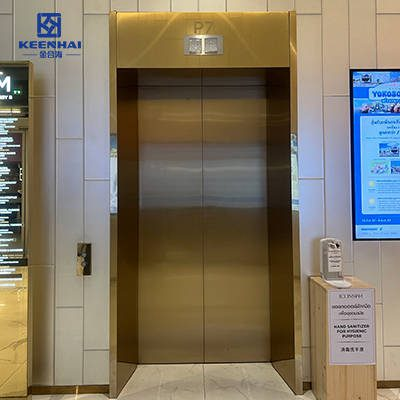
2. Material Properties and Performance Metrics
When choosing premium elevator door panels, understanding the core material properties ensures durability, aesthetics, and long-term performance. Modern stainless steel elevator doors rely on precise engineering to balance strength, surface resilience, and maintenance efficiency.
2.1 Strength and Hardness Ratings
Strength and hardness are critical for high-traffic elevator environments. Stainless steel used in elevator doors is tested for:
-
Tensile Strength: Determines the door’s ability to withstand pulling forces without deforming. Most commercial-grade 304 and 316 panels have tensile strengths ranging 515–620 MPa, ensuring structural stability.
-
Hardness (Rockwell Scale): Indicates scratch and dent resistance. 304 typically scores B70–B90, while 316 scores B80–B95, making it slightly more resilient under heavy use.
-
Impact Resistance: Ensures doors can endure accidental collisions without cracking or warping.
High-strength materials also reduce long-term maintenance, as doors maintain their shape and alignment over years of operation. Many modern installations now specify stainless steel elevator doors for both structural strength and premium aesthetic appeal.
2.2 Surface Finish Variations and Scratch Resistance
The visual and tactile finish of elevator doors significantly affects user perception and long-term durability. Popular finishes include:
-
Brushed/Hairline: Offers subtle texture, concealing minor scratches and fingerprints.
-
Mirror-Polish: High-gloss reflective surface ideal for luxury lobbies, though more sensitive to scratches.
-
Etched or Patterned: Adds unique aesthetics and improves scratch concealment.
Surface hardness and scratch resistance are often tested with the Mohs scale or controlled abrasion tests to ensure the doors maintain a pristine look even in high-traffic areas. Specifying premium coatings during fabrication can further enhance resistance without compromising visual appeal.
2.3 Anti-Fingerprint and Anti-Corrosion Coatings
Modern stainless steel doors increasingly feature protective coatings to reduce cleaning frequency and maintain visual quality:
-
Anti-Fingerprint (AFP) Coatings: Minimize visible smudges from daily use. AFP coatings use hydrophobic and oleophobic layers to repel oils and fingerprints, keeping doors looking clean longer.
-
Anti-Corrosion Treatments: Especially for 316 stainless steel, coatings improve resistance to moisture, cleaning chemicals, and coastal salt air.
-
Application Process:
-
Surface preparation and degreasing.
-
Primer or base layer application for adhesion.
-
Protective coating layer and curing under controlled conditions.
-
These enhancements extend the functional life of the door while preserving the original finish, making them ideal for commercial buildings, hotels, and high-traffic public spaces. Coatings also integrate seamlessly with stainless steel glass door designs when used in mixed-material installations, enhancing both aesthetics and functionality.
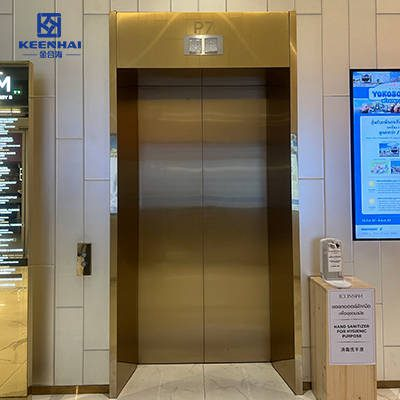
3. Manufacturing Standards and Certification
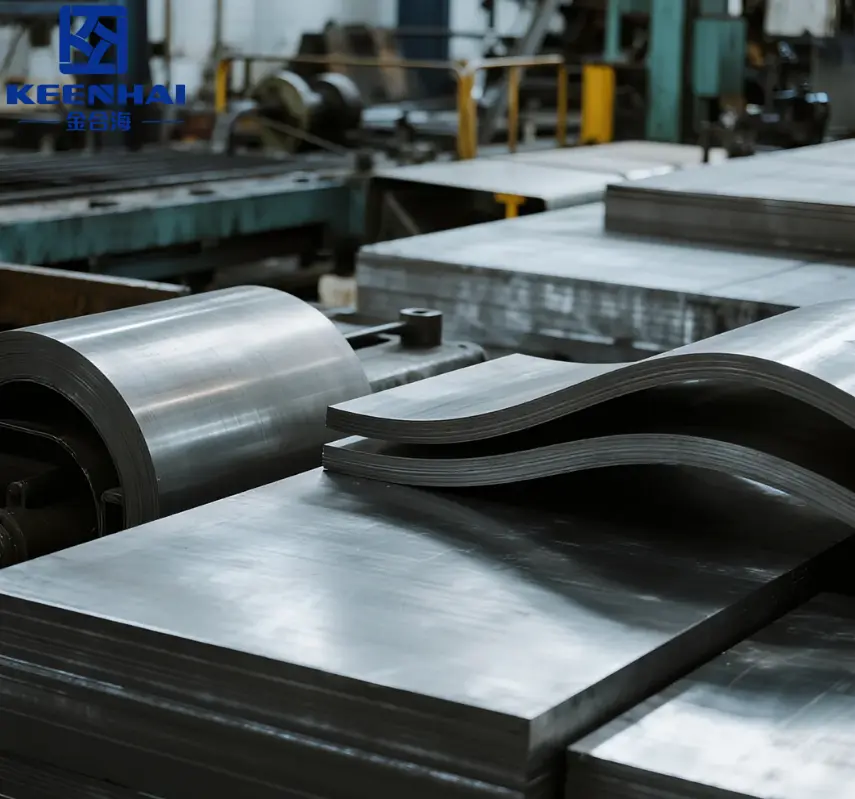
Ensuring that stainless steel elevator doors meet strict manufacturing standards is essential for safety, durability, and visual consistency. Premium elevator panels go through rigorous testing and certification to comply with international norms while maintaining a flawless finish for high-traffic environments.
3.1 ISO and ASTM Compliance for Elevator Panels
Modern elevator doors are designed to meet ISO 9001 និង ASTM A240/A276 standards, which define material composition, mechanical performance, and corrosion resistance. Compliance guarantees that:
-
Material Consistency: Each batch of stainless steel maintains uniform chemical and mechanical properties.
-
Performance Verification: Tensile strength, hardness, and impact resistance meet global benchmarks.
-
Documentation: Certificates accompany each shipment, providing traceability and assurance for architects, contractors, and building owners.
Buildings requiring premium elevator door panels—from commercial towers to luxury hotels—benefit from these certifications, ensuring doors perform flawlessly under daily stress.
3.2 Welding, Bending, and Fabrication Quality Checks
Precision in fabrication directly affects both performance and aesthetics. Critical steps include:
-
Welding Inspection: Ensures seams are smooth, continuous, and free from cracks. Advanced laser and TIG welding techniques provide both strength and a visually clean joint.
-
Bending and Forming: Maintains exact panel dimensions and angles, preventing misalignment during installation.
-
Dimensional Tolerance Checks: Panels are measured against strict tolerances, typically ±0.5 mm, to ensure consistent fit and operation.
Incorporating these quality checks early reduces post-installation adjustments and ensures long-lasting smooth operation. Many modern projects specify stainless steel elevator doors because of this precision fabrication.
3.3 Quality Control Processes in Production
A robust quality control (QC) system is essential for high-end elevator panels. Standard QC procedures involve:
-
Incoming Material Inspection: Verifying chemical composition, thickness, and surface finish.
-
In-Process Checks: Monitoring welding quality, bending accuracy, and surface finishing.
-
Final Inspection: Each door undergoes:
-
Visual assessment for scratches or dents.
-
Functional testing for smooth opening/closing cycles.
-
Coating adhesion and corrosion resistance verification.
-
These steps ensure that only doors meeting strict standards leave the factory, minimizing maintenance costs and maximizing operational lifespan. QC is especially critical when integrating glass panels into mixed-material doors, ensuring perfect alignment and durability.
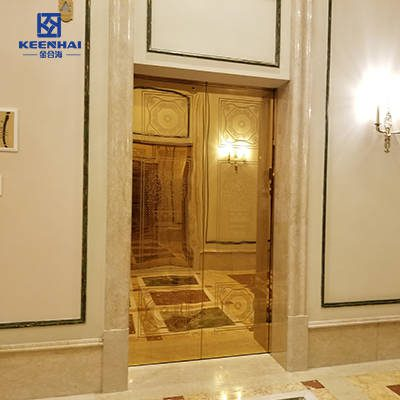
4. Cost vs Quality Considerations
Choosing the right stainless steel elevator door requires balancing initial investment with long-term performance. A well-informed decision ensures durability, lower maintenance, and aesthetic appeal for years, whether for a busy office tower or a high-end residential complex.
4.1 Price Differences Between 304 and 316 Grades
Material selection is a major factor in cost. 304 ដែកអ៊ីណុក is more affordable and widely used, offering excellent corrosion resistance for indoor environments. 316 ដែកអ៊ីណុក, on the other hand, provides enhanced resistance to chlorides and coastal corrosion but comes at a higher price.
| លក្ខណៈ | 304 Stainless Steel | 316 Stainless Steel |
|---|---|---|
| Corrosion Resistance | High | Very High |
| Suitable Environment | Indoor, Moderate Humidity | Coastal, Industrial, High Humidity |
| Price per sq. meter (approx.) | $50–$70 | $80–$110 |
| Maintenance Frequency | Moderate | Low |
Investors often choose premium elevator door panels in 316 grade for high-traffic or coastal projects to reduce long-term upkeep. Even though upfront costs are higher, the reduced risk of corrosion and wear justifies the investment.
4.2 Long-Term Value: Maintenance and Replacement
Long-term considerations go beyond material cost:
-
Cleaning Requirements: 316-grade doors require less frequent polishing and are less prone to fingerprint marks.
-
Replacement Frequency: Doors in corrosive environments (like near seawater or chemical plants) may need 304 panels replaced within 5–7 years, while 316 doors can last 10–15 years with minimal maintenance.
-
Operational Longevity: Smooth operation reduces wear on rollers and rails, which keeps maintenance costs low.
Buildings that choose modern elevator door solutions benefit from these long-term savings and maintain a high-end appearance without frequent intervention.
4.3 Selecting the Right Grade for Different Environments
Matching the stainless steel grade to its environment ensures both performance and cost efficiency:
-
Indoor Commercial Buildings: 304-grade is usually sufficient; it handles everyday wear and moderate humidity well.
-
Coastal or High-Humidity Areas: 316-grade is recommended to prevent pitting and corrosion.
-
Industrial Zones or Chemical Exposure: 316-grade with anti-fingerprint and anti-corrosion coatings is ideal for longevity.
When planning for a project, carefully evaluate the following factors to ensure your investment in stainless steel elevator doors delivers maximum value:
-
Expected Traffic Volume – Assess how many people will use the elevator daily. Higher traffic demands doors that resist wear, scratches, and mechanical strain.
-
Environmental Exposure – Consider humidity, coastal air, or industrial chemicals. These conditions can accelerate corrosion, making higher-grade materials like 316 stainless steel more suitable.
-
Maintenance Capabilities – Review the building’s cleaning schedules, staff availability, and accessibility for repairs. Proper upkeep ensures the doors maintain their aesthetic appeal and functionality over time.
By carefully addressing these three points, you can optimize durability, reduce long-term costs, and maintain a premium look for your elevator installations.
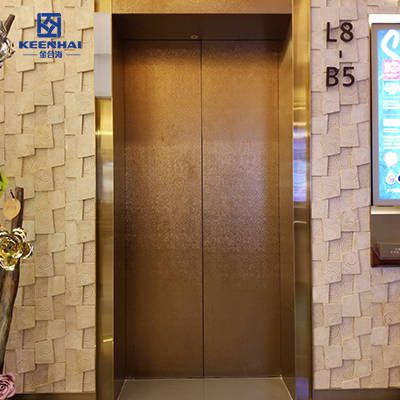
5. Choosing the Right Elevator Door for Your Project
Selecting the ideal elevator door goes beyond picking a material—it requires aligning grade, design, and operational needs with the building’s usage and aesthetic goals. A thoughtful choice ensures long-term performance, durability, and visual appeal.
5.1 Matching Grade with Building Usage and Traffic
-
High-Traffic Areas: For commercial buildings, hospitals, or transport hubs, prioritize 316 ដែកអ៊ីណុក due to its superior corrosion resistance and mechanical strength.
-
Moderate-Traffic Spaces: Office or residential buildings can often use 304 ដែកអ៊ីណុក, which balances durability and cost.
-
Specialized Environments: Locations near coastal areas or chemical exposure require materials with extra resistance to rust and wear. Choosing the right grade ensures the doors remain flawless and safe for years.
5.2 Architectural Integration and Surface Design
-
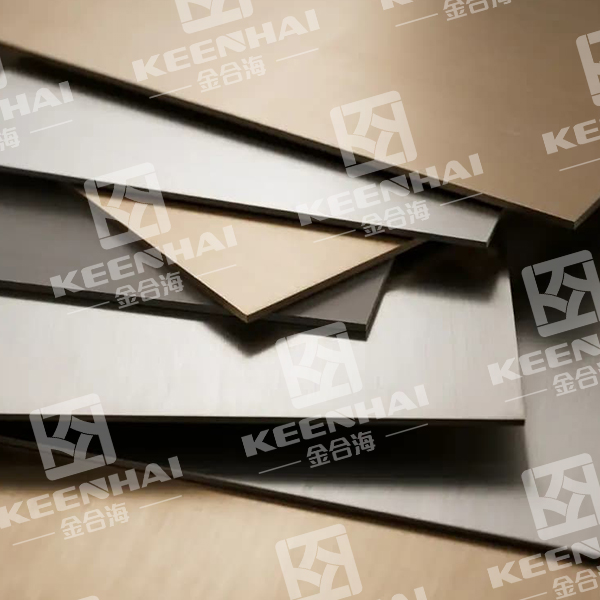
Evaluate how the elevator door complements the lobby or corridor design. Minimalist brushed panels, mirror-finish reflective doors, ឬ custom-etched patterns can reinforce the building’s identity.
-
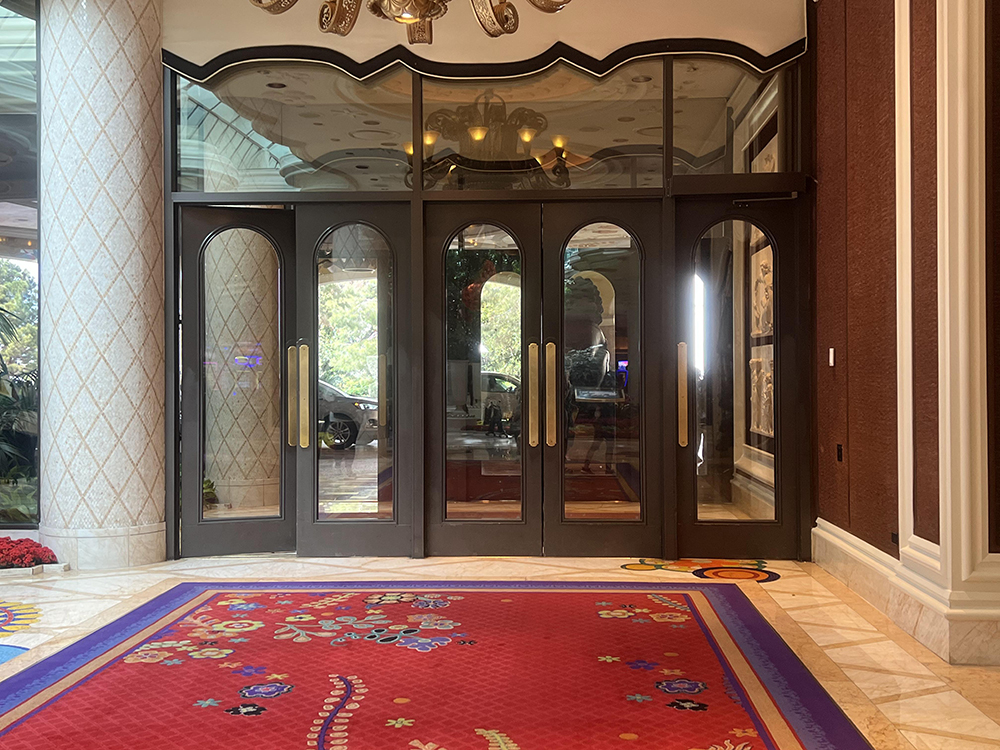
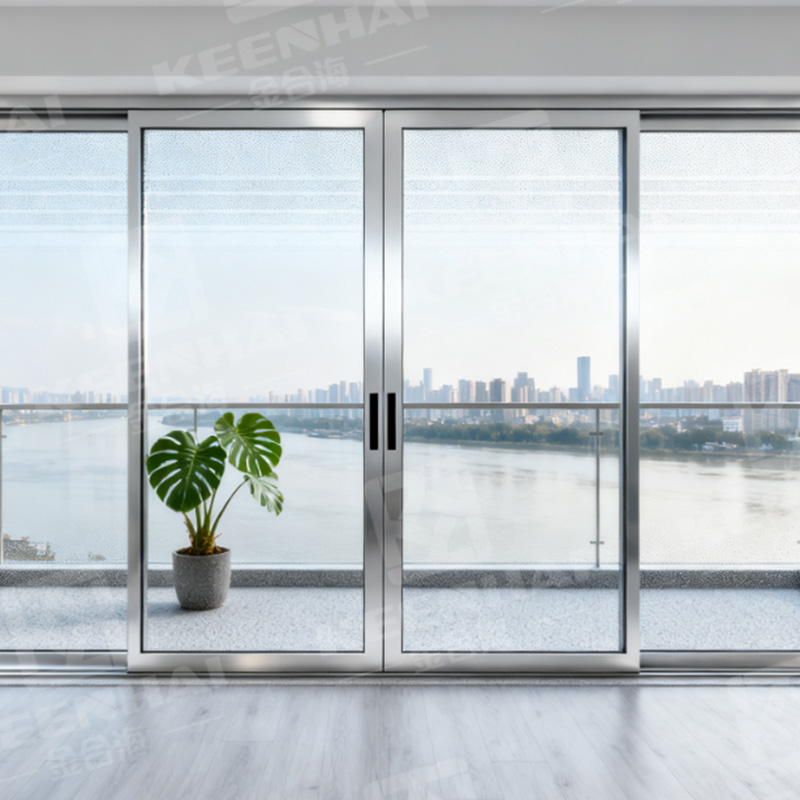
Incorporate mixed-material doors like stainless steel + glass for visual depth and modern appeal. This approach allows natural light flow while maintaining the durability of premium elevator door panels (Glass Entrance Door example).
-
Ensure panel heights, grooves, and edges align with surrounding finishes to avoid visual clashes and promote a seamless integration.
5.3 Balancing Budget, Aesthetics, and Longevity
-
Define a cost-to-value ratio for materials and finishes; higher-grade options reduce replacement frequency but increase upfront costs.
-
Factor in long-term maintenance: anti-fingerprint and anti-scratch coatings lower cleaning requirements and preserve aesthetics.
-
Select a combination that meets operational needs, enhances visual appeal, and ensures durability, creating an investment that holds value throughout the building’s lifespan.