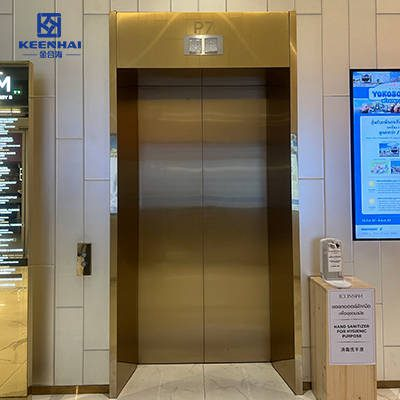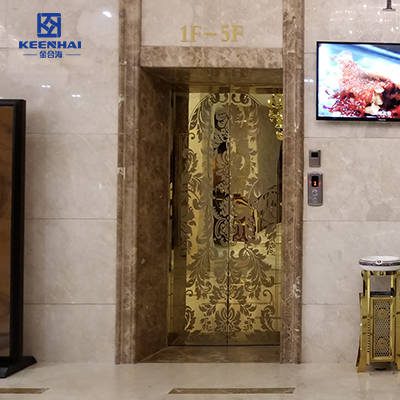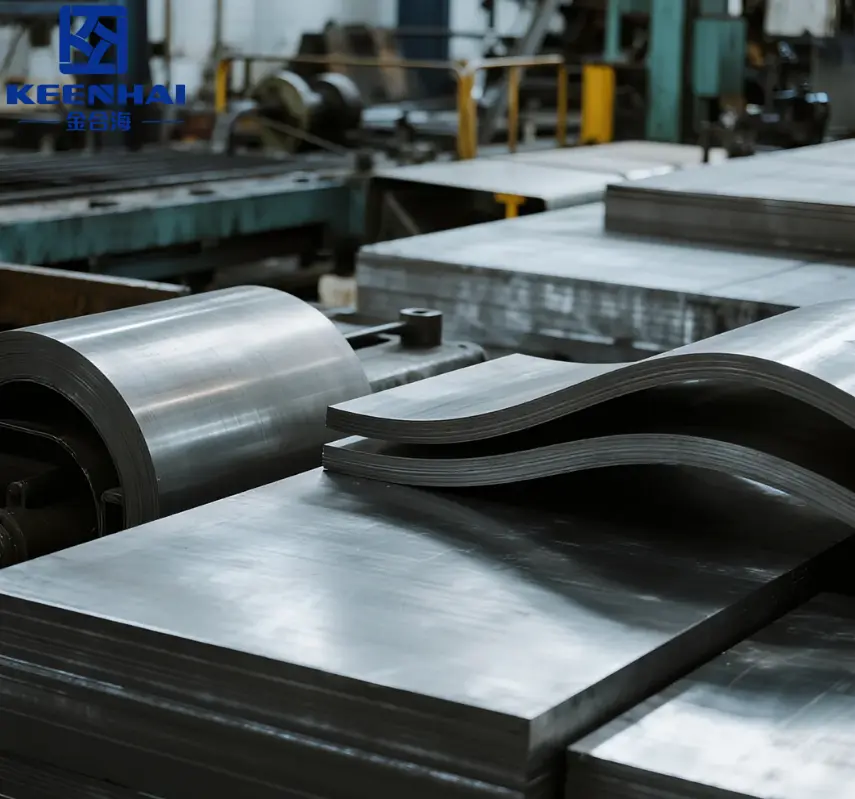
To choose a reliable decorative stainless steel panel manufacturer, start by verifying their material sourcing and production capabilities. Check if they offer consistent finishes such as PVD, embossed, or hairline, and confirm quality control processes are documented. Look for experience in projects similar to yours, including references and export records. Clear communication and detailed quotations are essential to ensure the panels meet design specifications and arrive on schedule without unexpected delays.
1. Buyer Background (Who Needs Decorative Stainless Steel Panels)
Decorative stainless steel panels have become an essential choice for a wide range of industries due to their durability, aesthetic appeal, and versatility. High-quality stainless panels provide both functionality and design flexibility, making them ideal for projects that demand a modern, polished look while ensuring long-term performance. Understanding who typically sources these panels can help buyers make informed decisions and align with manufacturers that meet their specific needs.
1.1 Commercial & Architectural Project Buyers
Commercial and architectural buyers are often the largest consumers of decorative stainless steel panels. This group includes architects, facade consultants, interior designers, and contractors responsible for high-profile projects such as hotels, airports, shopping malls, and office buildings.
Key considerations for this audience include:
-
Design consistency across large areas: When a project requires hundreds of square meters of stainless panels, surface finish uniformity becomes critical to maintain visual appeal.
-
Durability and maintenance: Public spaces experience heavy traffic, so panels must resist scratches, stains, and corrosion.
-
Material certifications and traceability: Architects and consultants often demand proof of stainless steel grade and compliance with international standards.
For example, in a recent airport terminal renovation, designers specified decorative stainless steel panels for wall cladding and ceiling accents. They chose panels with a PVD finish to ensure a consistent metallic tone throughout the project, which helped maintain a premium look even in high-traffic zones.
1.2 Wholesale & Distribution Buyers
Wholesale distributors and importers represent another major segment of buyers. These professionals purchase decorative stainless steel products in bulk to supply local contractors, retail stores, or brand owners. Their main focus is on volume, variety, and reliability of supply.
Key traits of wholesale buyers include:
-
Bulk procurement needs: They often request minimum order quantities (MOQ) tailored to regional demand, ensuring cost efficiency.
-
Product range diversity: Offering multiple finishes such as hairline, embossed, or mirror allows distributors to meet various client preferences.
-
Lead time and logistics management: Timely delivery is crucial for resellers who coordinate with multiple construction projects simultaneously.
| Buyer Type | Main Requirements | Example Use Case |
|---|---|---|
| Architects & Designers | Surface uniformity, certified stainless steel grade, long-term durability | Facade panels for a luxury hotel lobby |
| Contractors & Fit-Out Firms | Large area supply, easy installation, consistent finish | Interior wall cladding in a shopping mall |
| Wholesale & Distribution Buyers | Bulk orders, multiple finishes, reliable shipping | Supplying regional building material stores |
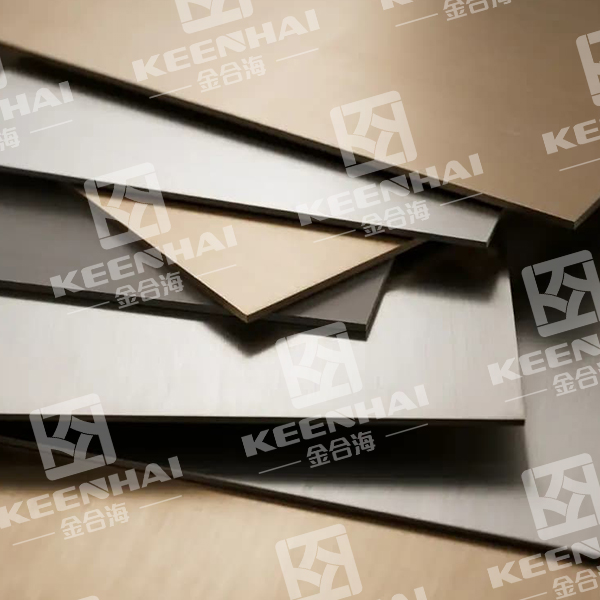
Distributors sourcing Metal Stainless Steel Sheet for various construction projects rely on suppliers with stable inventory and consistent quality. This ensures that their clients receive panels that match specifications without delays or defects.
2. Manufacturer vs Trader vs Workshop (Key Differences Explained)
When sourcing decorative stainless steel panels, understanding the type of supplier is crucial. The differences between a direct manufacturer, a trading company, and a small workshop can significantly impact quality, delivery timelines, and customization options. Selecting the right partner ensures your project runs smoothly and meets design expectations.
2.1 Decorative Stainless Steel Manufacturer
А decorative stainless steel manufacturer operates its own production lines and controls every stage of fabrication. This direct involvement ensures consistent quality, material traceability, and the ability to handle complex custom orders.
Key advantages include:
-
In-house material sourcing: Manufacturers maintain relationships with certified stainless steel suppliers, guaranteeing authentic grades such as 304 or 316.
-
Full control over surface finishing: From PVD coatings to embossed and hairline patterns, manufacturers ensure uniformity and durability across large projects.
-
Comprehensive quality control: They implement strict checks including thickness measurements, coating adhesion tests, and surface inspections before shipment.
-
Customization capabilities: Large-scale and intricate designs can be handled efficiently, including cut-to-size panels or patterned finishes.
For instance, a recent office building project required custom mirror-finish panels for both interior walls and elevator cladding. The manufacturer provided step-by-step consultation:
-
Evaluated the project layout and wall dimensions.
-
Selected the correct stainless steel grade to balance aesthetics and durability.
-
Applied PVD finishing with precise color matching.
-
Conducted final inspection and delivered pre-packed panels ready for installation.
This approach ensured consistent surface quality and on-time delivery, which is difficult for traders or workshops to match.
2.2 Trading Company / Export Trader
Trading companies act as intermediaries, sourcing panels from multiple factories rather than producing them directly. While communication can be faster, quality control relies heavily on the original manufacturers, which introduces variability.
Characteristics of trading companies include:
-
No direct production control: They often coordinate between several suppliers, which can lead to inconsistent finishes or dimensions.
-
Limited technical support: Complex or customized projects may require additional consultation or multiple revisions.
-
Flexibility in small orders: Traders can consolidate multiple product types, making them suitable for projects with moderate volume and shorter lead times.
For example, a trading company supplied decorative panels for a boutique hotel. The panels arrived on schedule, but the PVD color variance required minor onsite adjustments. This highlights the trade-off between convenience and precise quality assurance.
2.3 Small Workshop or Local Fabricator
Small workshops or local fabricators typically operate with manual or semi-automatic processes. They are ideal for small-scale projects, prototype testing, or simple finishes, but limitations exist in both quality consistency and scalability.
Key points:
-
Limited finishing options: Complex PVD or embossed patterns may not be available.
-
Batch size constraints: Workshops can usually handle small orders but struggle with large-volume production.
-
Minimal export experience: Shipping, documentation, and certifications may be insufficient for international projects.
A real-life case involved a local restaurant requiring wall cladding for a 50 m² space. The workshop produced the panels quickly and at low cost, but surface uniformity differed slightly between batches, which required selective placement during installation.
3. Core Manufacturing Capabilities to Check
When evaluating a supplier for decorative stainless steel panels, understanding their core manufacturing capabilities is critical. Buyers must ensure the manufacturer can consistently deliver high-quality panels that meet both aesthetic and functional requirements. Key areas to assess include material sourcing, surface finishing, and quality control.
3.1 Material Sourcing
Reliable suppliers maintain strong relationships with certified stainless steel producers, ensuring authenticity and traceability of raw materials. The choice of stainless steel grade, such as 304 or 316, directly impacts corrosion resistance, durability, and suitability for both indoor and outdoor applications.
Critical points to verify:
-
Certified suppliers: Confirm the factory sources materials from ISO or SGS-approved mills.
-
Inventory stability: Ensure the manufacturer has sufficient stock to meet your project volume without delays.
-
Material testing: Request mill certificates or third-party testing reports for thickness, tensile strength, and composition.
For example, a high-rise hotel exterior project required large-format panels with uniform 316 stainless steel. The manufacturer sourced Дат баспас болоттон жасалган барак with guaranteed composition, allowing the architects to achieve both design precision and long-term durability.
3.2 Surface Finishing Capabilities
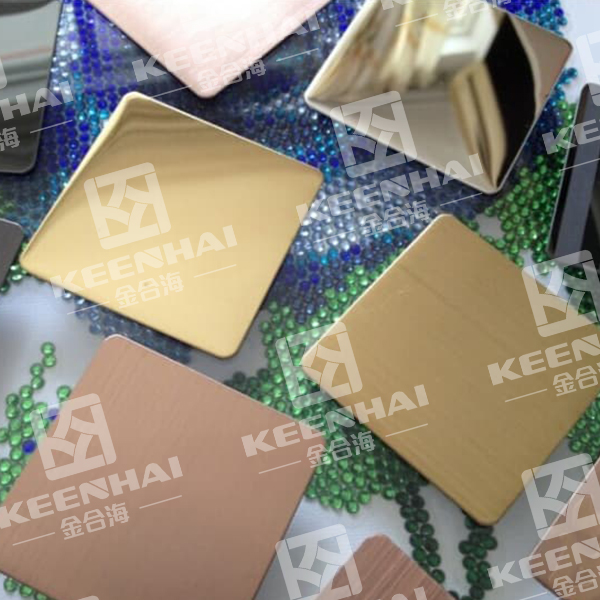
Surface finishing is what separates an ordinary panel from a visually striking one. Manufacturers should offer a variety of finishes while maintaining color uniformity and texture consistency.
Common finishing methods and checks:
-
PVD coating: Ensure even deposition and scratch resistance for high-traffic areas.
-
Embossed patterns: Check for repeatable designs and precise alignment.
-
Hairline and mirror finishes: Confirm anti-fingerprint treatment and gloss consistency.
Typical verification process includes:
-
Producing sample panels to evaluate finish quality.
-
Measuring color and gloss uniformity across batches.
-
Inspecting edges and corners for defects.
A commercial mall project leveraged SS Steel Plate with a brushed PVD finish. The manufacturer provided detailed step-by-step finishing logs, enabling designers to match panels across multiple floors seamlessly.
3.3 Quality Control Processes
Even premium materials and advanced finishes are ineffective without robust quality control. Leading manufacturers implement multi-stage inspections to ensure panels meet specifications.
Essential quality control measures:
-
Incoming material inspection: Verify chemical composition, thickness, and surface condition.
-
In-process monitoring: Track cutting, bending, and finishing to prevent defects.
-
Final inspection: Conduct visual surface checks, dimensional verification, and coating adhesion tests.
-
Documentation: Maintain inspection reports for traceability and client verification.
For instance, a public infrastructure project required panels with precise embossed patterns for a facade. The manufacturer applied strict QC steps:
-
Pre-production verification of raw stainless steel sheets.
-
Monitoring embossing depth and alignment during production.
-
Final surface review with gloss and color measurement.
-
Packaging and labeling each panel with batch numbers for easy installation.
This rigorous approach ensures that each panel performs consistently, reduces onsite adjustments, and supports long-term project integrity.

4. Customization & MOQ Expectations
When sourcing decorative stainless steel panels, understanding the customization capabilities and minimum order requirements of a supplier is critical. Projects vary in scale and design complexity, so choosing a manufacturer that can adapt to specific needs ensures both aesthetic success and timely delivery.
4.1Standard vs Fully Customized Panel Sizes and Finishes
Suppliers typically offer two approaches: standard panels and fully customized solutions. Standard panels come in fixed dimensions and common finishes such as brushed, hairline, or mirror. Customized panels, on the other hand, allow precise sizing, unique finishes, or patterned embossing to match specific architectural visions.
For example, a luxury hotel lobby required large-format panels with a golden PVD finish and intricate embossed patterns. The manufacturer followed these steps:
-
Reviewed architectural drawings to determine exact panel dimensions.
-
Selected stainless steel grade appropriate for high-traffic areas.
-
Applied the requested PVD finish, ensuring color uniformity across all panels.
-
Conducted a mock-up test to confirm embossing accuracy before full production.
This level of customization ensures the panels align perfectly with design expectations, reducing installation adjustments and maintaining a polished final appearance.
4.2Minimum Order Quantities (MOQ) for Custom Orders
Custom orders often come with minimum order quantities (MOQ) to justify the production setup and specialized finishing processes. Typical MOQs range from 50 to 500 square meters, depending on panel complexity and finishing method.
Smaller batches are sometimes possible, but they may incur higher unit costs due to setup and material wastage. Wholesale buyers and distributors often negotiate MOQs to align with regional demand without compromising cost-efficiency.
4.3Lead Times for Prototype and Full Production
Lead times vary between standard and customized panels. For custom projects, manufacturers usually follow this process:
-
Prototype stage: 7–14 days to produce a sample panel for approval.
-
Full production: 2–6 weeks depending on order size, complexity, and surface finish.
-
Quality inspection and packaging: 2–3 days for batch verification and secure shipment preparation.
For instance, an airport renovation project required mirror-finish stainless panels. The manufacturer produced a prototype panel for color approval in 10 days, followed by full-scale production within 4 weeks, ensuring the installation schedule remained on track.
4.4Flexibility in Adjustments for Project-Specific Requirements
Top-tier manufacturers provide flexible solutions to accommodate project-specific constraints. Adjustments can include:
-
Modifying panel thickness to match structural requirements.
-
Altering finishing techniques to enhance durability or aesthetic appeal.
-
Re-cutting or re-polishing panels if minor dimensional discrepancies arise onsite.
For a commercial office project, the manufacturer adjusted the panel layout after initial delivery to fit unique ceiling angles. This step-by-step responsiveness minimized installation delays and ensured the final visual alignment of all decorative stainless steel panels.
5. How to Get an Accurate Quotation (Next Step)
Obtaining an accurate quotation for decorative stainless steel panels requires a structured approach. Clear specifications, detailed breakdowns, and verification of supplier reliability help prevent misunderstandings, hidden costs, and delays.
5.1 Providing Detailed Project Specifications
Before requesting a quote, provide manufacturers with precise project details:
-
Dimensions: Include length, width, thickness, and any special cutouts or angles.
-
Surface finishes: Specify hairline, mirror, PVD, or embossed patterns.
-
Quantities: Indicate total panels and batch requirements.
For example, in a shopping mall ceiling renovation, submitting a detailed layout with exact panel sizes allowed the supplier to calculate material requirements accurately and avoid costly adjustments onsite. Providing these specifications upfront ensures quotes reflect real project needs rather than rough estimates.
5.2 Requesting Detailed Breakdown
A reliable quote should include a transparent cost breakdown covering:
-
Material costs, including stainless steel grade and finishing type.
-
Labor for cutting, bending, and surface finishing.
-
Shipping and packaging fees.
-
Optional services like onsite adjustments or special packaging.
This breakdown allows you to compare quotes objectively, avoiding situations where low initial prices lead to unexpected surcharges later.
5.3 Comparing Quotes from Multiple Reliable Manufacturers
To make an informed decision, request quotations from at least three verified manufacturers. Compare not just total cost, but also:
-
Consistency of material specifications.
-
Included services such as quality inspection and packaging.
-
Supplier responsiveness and communication clarity.
During this stage, it’s helpful to identify suppliers like pvdstainlesssteel, who provide detailed documentation, material traceability, and project-specific guidance.
5.4 Confirming Lead Times, Warranties, and After-Sales Support
Finally, verify the supplier’s commitment to delivery schedules, warranty terms, and post-delivery support. Ask specifically:
-
Expected production and delivery timelines for prototypes and full batches.
-
Warranty coverage for surface finishes, corrosion resistance, and structural performance.
-
Availability of technical support for installation or onsite adjustments.
For instance, a corporate office project required mirror-finish decorative panels. By confirming lead times and warranty coverage in advance, the project manager avoided delays and ensured any minor onsite issues could be addressed promptly by the supplier.