Calculating a Stainless Steel Glass Door price in 2025 involves multiple factors: size, stainless steel grade, glass type, hardware quality, and optional finishes. Installation and delivery fees add to the total, while custom designs or premium PVD coatings can increase costs significantly. Accurately measuring your opening and choosing materials wisely helps you estimate a realistic final cost and ensures your investment delivers both durability and style.
1. Key Factors That Influence Stainless Steel Glass Door Price
A well-made Дат баспас болоттон жасалган айнек эшик can cost anywhere from a few hundred dollars to several thousand, depending on how it’s built. The price doesn’t come from the “steel + glass” combination alone—what really changes the cost is the configuration behind it: the size, the stainless-steel grade, the glass specification, and the hardware system. The more demanding your project is—like a hotel lobby, a high-traffic store entrance, or a custom residential upgrade—the higher the structural requirements, and naturally, the higher the final price.
1.1 Door Size and Opening Configuration
The size of the door is one of the biggest pricing drivers. A wide, tall entrance door uses more steel, thicker glass, and heavier hinges, which instantly increases material and installation costs. For example, a typical residential opening might be 900–1000 mm wide, while a commercial glass entrance door often pushes 1200–1600 mm with oversized height for a more dramatic look. Once the structure scales up, the entire hardware system—from hinges to pivot plates—must scale with it.
To make the cost difference easier to understand, here is a quick comparison of common configurations:
| Opening Type | Typical Width | Typical Glass Thickness | Cost Influence |
|---|---|---|---|
| Single Swing Door | 900–1100 mm | 10–12 mm | Lower cost due to lighter hardware |
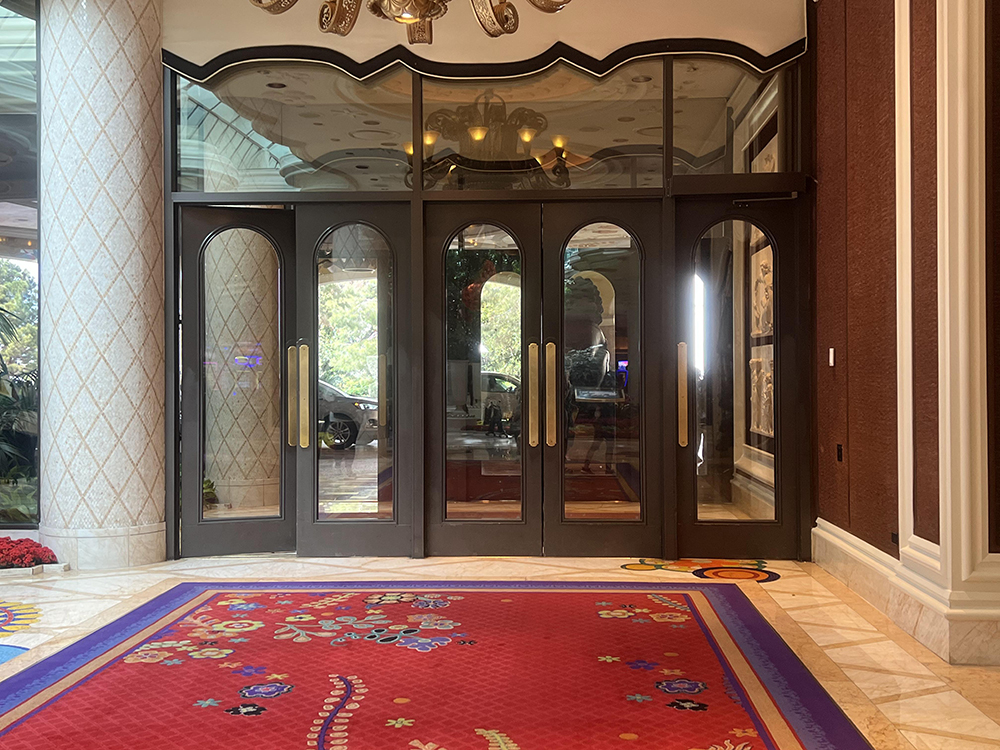
| Double Swing Дат баспас болоттон жасалган айнек эшик | 1500–1800 mm | 12 mm+ | Higher cost from double hardware + center lock |
| Oversized Commercial Entrance | 1200–1600 mm | 12–15 mm | Highest cost due to custom hardware and reinforced steel frame |
When the opening becomes wide enough for a Double Swing Дат баспас болоттон жасалган айнек эшик, you’re also paying for the extra locking system, reinforced frame structure, and more complex installation requirements.
1.2 Stainless Steel Grade and Thickness
The stainless-steel grade affects both durability and price. Grade 304 is the common choice for most interior or semi-outdoor areas, while grade 316 is used for coastal climates or high-humidity environments because it resists corrosion better. The thicker the steel frame, the higher the cost—but you also get better rigidity and smoother movement when the door swings.
One example where the material premium becomes obvious is with Gold PVD Stainless Steel Glass Door models. PVD-coated frames not only require higher-grade steel underneath but also go through a vacuum coating process that adds extra cost. The upside is that you get a long-lasting color and strong scratch resistance, which is why malls and luxury stores prefer this finish.
1.3 Glass Type (Tempered, Laminated, Frosted)
Glass specification directly affects safety and price. Tempered glass is the standard choice for most projects, but laminated glass is becoming more popular in commercial entrances because it holds together even when broken. If you want privacy or a softer aesthetic, frosted glass adds a small cost premium due to the additional surface treatment.
A real example:
A boutique store I worked with replaced its regular tempered panels with laminated frosted glass for a quieter and more premium entrance. The laminated structure improved sound insulation by around 30%, and the frosted finish created a much cleaner storefront look. The upgrade cost roughly 20–25% more than basic tempered glass, but the result matched the store’s brand image perfectly.
1.4 Hardware Quality and Locking System
Hardware is one of the easiest areas to underestimate. A high-traffic entrance needs heavier-duty hinges, smooth closers, and a stable pivot system so the door doesn’t sag or lose alignment over time. On top of that, a secure locking system—floor locks, vertical rod locks, or a built-in handle lock—adds to the overall cost.
To help you picture the difference, imagine a busy hotel revolving door zone. Even though it uses swinging side doors, the hardware works all day long, so the spec is closer to commercial-grade than household-grade. When the hardware level increases, so does the price, but it drastically reduces long-term maintenance.
1.5 Surface Finish and Optional Treatments
Finishes such as mirror polish, brushed texture, PVD gold, rose gold, or titanium black each come with a different cost level. A mirror finish takes more polishing time, while PVD colors require advanced vacuum coating. For high-end retail spaces, these finishes are not just aesthetic; they help the entire storefront look consistent with the brand.
Some projects add optional treatments such as:
-
Anti-fingerprint coating for high-traffic entrances
-
Anti-scratch PVD layer for commercial buildings
-
Custom color matching to pair with interior design themes
These add-ons don’t always appear on the surface, but they quietly increase the cost.
2. Average Stainless Steel Glass Door Prices in 2025
Below I give realistic price bands for 2025 and explain what drives them. These ranges reflect typical material choices, glass specs, hardware level, and installation complexity you’ll see on mid-market to premium projects. Use these numbers to set realistic budgets—don’t treat them as exact quotes, but as reliable planning figures.
| Product / Scenario | Typical 2025 Price Range (USD) | What pushes the price up |
|---|---|---|
| Single swing door (basic residential) | $500 – $1,200 | standard 10–12 mm tempered glass, Grade 304 frame |
| Single swing door (premium) | $1,200 – $3,000+ | thicker glass, Grade 316, better hardware, special finish |
| Double swing door (standard) | $1,500 – $3,500 | two leaves, extra locking, heavier frame |
| Double swing (commercial/premium) | $4,000 – $8,000+ | reinforced frame, automatic closers, high-end finishes |
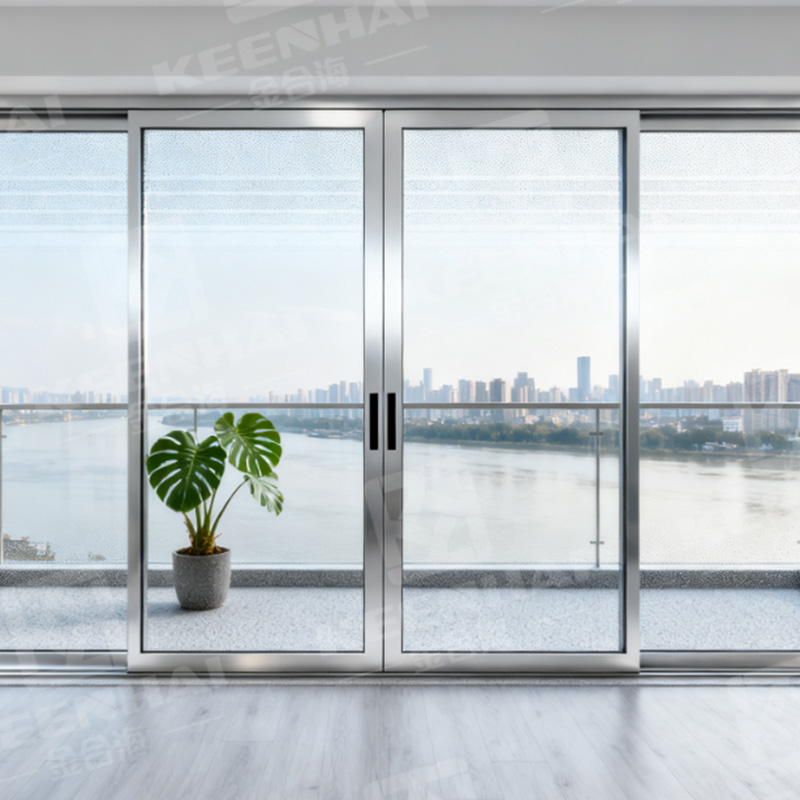
| Sliding stainless-steel glass door (residential) | $1,200 – $3,500 | track system, rollers, thicker panels |
| Sliding (commercial/large-span) | $3,000 – $10,000+ | heavy-duty tracks, pocketing, motorized operation |
| Installation (typical single door) | $150 – $600 | depends on site prep and local labor rates |
| Installation (commercial/complex) | $500 – $2,500+ | structural reinforcement, scaffolding, custom work |
2.1 Single Door Cost Range
A single swing door represents the most common, straightforward option. Expect the major cost buckets to be materials, glass, and hardware.
-
Entry-level / basic: $500–$1,200. This covers a standard 10–12 mm tempered glass panel, Grade 304 frame, and basic hinges/handle.
-
Mid-range: $1,200–$2,500. You get thicker glass, better hinges, and a nicer finish (brushed or mirror polish).
-
High-end: $2,500+. You pay for Grade 316 stainless, PVD finishes, laminated or laminated-tempered glass, and premium locks.
If you want to estimate a finished price quickly:
-
Start with base product cost (from the table).
-
Add 10–25% for upgraded glass or steel grade.
-
Add installation and delivery (see section on installation).
That gives a practical ballpark before you request formal quotes.
2.2 Double Door Cost Range
Double leaves increase cost in predictable ways: two panels, two sets of hardware, and a more complex frame. Plan for at least 1.5–2× the single-door price for comparable material levels.
-
Standard double: $1,500–$3,500. Typical for residential or small retail.
-
Commercial/premium double: $4,000–$8,000+. This includes reinforced thresholds, center drops/bolts, and stronger pivot systems.
-
Hidden costs to watch: center floor locks, alignment/alignment plates, and extra weatherproofing add $150–$700.
Important point: If your project asks for a dramatic entrance (taller leaf height or oversized width), the structural steelwork and installation time can escalate costs sharply—sometimes by 30–50% compared with normal double doors.
2.3 Sliding vs Hinged Price Differences
Sliding systems look sleek, but they shift cost from traditional hinges to tracks, rollers, and sometimes motors. Sliding doors usually cost more upfront but can save floor-space and create wider clear openings.
Key differences to budget for:
-
Hardware complexity: sliding tracks and heavy-duty rollers cost more than standard hinges.
-
Installation precision: tracks need level, straight support—poor installation causes noise and wear.
-
Motorization (optional): motorized sliders add $800–$4,000 depending on scale.
Practical guidance:
-
For residential sliders, expect an extra $200–$800 over a comparable hinged unit.
-
For large commercial sliding systems, the premium can jump to several thousand dollars because of heavy tracks and possible automation.
2.4 Residential vs Commercial Price Breakdown
The same door concept costs different amounts based on use-case. Commercial projects demand durability and compliance; residential projects favor aesthetics and moderate duty cycles.
-
Residential: $800–$3,000 typical for finished installations. Homeowners choose nicer finishes (PVD, brushed), moderate glass options, and simpler locks.
-
Commercial: $2,000–$10,000+. Commercial sites need reinforced frames, high-cycle hinges/closers, ADA compliance, and sometimes fire-rated elements. These requirements push both product and labor costs up.
Practical cost drivers to check before you buy:
-
Site prep: If installers must cut concrete, add temporary protection, or build a header, budget an extra $300–$1,500.
-
Permits / inspections: Some commercial builds need permits—factor local fees.
-
Delivery & handling: Large glass panels need special crates and handling, often $100–$600 extra.
3. Additional Costs to Consider
Below I expand each item with concrete numbers, clear steps where relevant, and practical advice you can use when requesting quotes. These extra costs often decide whether a project stays on budget, so read them carefully.
3.1 Installation Labor and On-Site Adjustments
Installation labor often equals 20–40% of the total installed price for a stainless steel glass door because installers must handle heavy panels, align precision hardware, and adapt to real site conditions. Typical labor rates and time:
-
Labor rates: $50–$120 per hour for skilled installers in most U.S. markets; urban areas push rates higher.
-
Time estimates:
-
Standard single door: 2–6 hours on-site (including fine adjustments).
-
Double door or oversized unit: 6–14 hours (more alignment and testing).
-
-
On-site adjustments that add time/cost: removing old frames, repairing or building a supporting header, leveling floors, cutting or finishing trim, and installing thresholds or weather seals. Each of these tasks can add $100–$800 depending on difficulty.
-
Hidden labor drivers to ask about: extra carpentry, patching concrete, and electrical work for motorized or sensor systems.
Actionable checklist for installation quotes:
-
Ask vendors to itemize labor hours and hourly rates.
-
Request explicit line items for site prep, frame modification, жана final alignment/testing.
-
Confirm whether installers include clean-up and disposal of old materials.
3.2 Delivery and Handling Fees
Large glass panels and stainless frames need careful handling; mistakes cost far more than proper shipping.
| Delivery / Handling Item | Typical Range (USD) | Why it matters |
|---|---|---|
| Standard local delivery (small panels) | $50–$200 | Basic trucking and doorstep drop |
| Crating & special packaging | $100–$600 | Protects glass in transit |
| Oversized/fragile handling | $300–$1,200 | Requires cranes, forklifts, or white-glove carriers |
| Short-haul rigging / lift gate | $150–$500 | For buildings without loading docks |
Practical tips:
-
Schedule a site survey if your opening requires hoists, scaffolding, or upper-floor delivery—this avoids surprise crane fees.
-
When vendors quote “free delivery,” check the fine print: they often exclude crating or inside placement. Insist on written delivery terms.
3.3 Custom Design or Non-Standard Sizing Costs
Custom sizes and unique design features increase price because fabricators change cut lists, create special tooling, and spend more engineering time.
-
Typical premium: expect +20% to +100% over catalog prices for custom work; extreme custom (unusual radii, nonstandard hardware pockets, integrated lighting) can exceed that.
-
Lead time impact: custom parts add 2–6 extra weeks to production. If you rush production, expect expedited fees (often +15–30%).
-
Design costs to verify: shop drawings, engineering stamps, mockups, and color matching—each may be billed separately ($100–$600 per item).
When to accept custom vs. standard:
-
Choose custom when the opening or aesthetic truly requires it (e.g., storefront branding or historic retrofits).
-
Choose standard sizes when you want tight budgets and faster delivery.
3.4 Maintenance and Replacement Parts Cost
Plan ongoing expenses so the door stays reliable and beautiful.
-
Routine maintenance (annual): lubricate pivots/rollers, tighten fasteners, check seals — $50–$300 if you hire a pro; do it yourself to save cost.
-
Common replacement parts and prices: seals $20–$150; rollers $40–$250; closer mechanisms $80–$400; lock cylinders $50–$300.
-
Glass or major part replacement: glass panel breakage usually costs $300–$1,500+ depending on size and glass type; replacing a damaged frame or PVD panel can run $500–$2,500.
-
Warranty and service contracts: consider a 1–3 year service agreement—costs vary, but they often save money when doors serve high-traffic sites.
Maintenance steps you can do quarterly:
-
Clean tracks and weep holes.
-
Check and tighten visible fasteners.
-
Lubricate pivot points and rollers.
-
Inspect seals and weatherstripping for wear.
Don’t let “hidden” extras surprise your budget. Always ask suppliers for an itemized quote that separates product price, installation labor, delivery & handling, custom charges, and warranty/service fees. When comparing bids, normalize by asking for the same scope and the same deliverables—that way you compare apples to apples, not toasters to refrigerators.
4. How to Calculate the Total Project Cost
Below I walk you step-by-step through the practical math and decisions you need to produce a reliable budget. Get the measurements and material choices right first, and the rest becomes simple arithmetic.
4.1 Measuring Your Opening Correctly
Accurate measurements cut expensive surprises. Measure three times, record everything, and note tolerances.
-
Tools you need: tape measure (5–8 m), laser distance meter, straight edge, level, notepad or phone for photos.
-
Key dimensions to record:
-
Width: measure at top, middle, and bottom — use the smallest measurement as the working width.
-
Height: measure left, center, and right — again, use the smallest.
-
Depth (reveal): distance from finished interior face to finished exterior face; this decides frame depth.
-
Clearance & obstructions: note thresholds, steps, HVAC grills, or trim that affect installation.
-
-
Allow tolerances: give the fabricator +/- 3–6 mm for field adjustments on standard sizes; for oversized units allow +/- 6–12 mm depending on shipping and site conditions.
-
Special cases to flag: uneven floors, sloped thresholds, or walls with plaster/lath — these require on-site shimming and often add labor.
Практикалык кеңеш: take clear photos of the opening from three angles and send them with your RFQ—sellers price more accurately when they can see the site.
4.2 Choosing Materials for Your Budget
Material choices determine both the upfront price and lifecycle cost. Pick the lowest-cost material that still meets your site demands. Below is a concise comparison to help you decide quickly.
| Material / Option | Typical Price Impact | Best For |
|---|---|---|
| Grade 304 stainless (standard) | Base price | Indoor, moderate humidity |
| Grade 316 stainless (corrosion resistant) | +15–30% | Coastal, high humidity, long durability |
| PVD finish (gold/rose/black) | +20–50% | High-end retail & branding |
| Tempered glass (standard) | Base price | Most residential & standard commercial |
| Laminated glass | +15–30% | Security, acoustic control, storefronts |
| Frosted/etched finish | +5–15% | Privacy and softened light |
How to balance cost vs. need:
-
If your site faces sea air or chemicals, choose Grade 316—it prevents replacement headaches later.
-
If the door is a brand element (hotel, boutique), budget for PVD because finish replacement costs far exceed the initial coating price.
-
For noise-sensitive locations, pick laminated glass—it pays back in perceived quality.
4.3 Estimating Final Costs Using Realistic Price Models
Don’t rely on single-line quotes—build a simple model you can tweak. Follow these steps to get a practical “final cost” estimate you can trust.
-
Base product cost: use the mid or high end from your vendor quotes (so you don’t underbudget).
-
Add material upgrades: apply percentage premiums from section 4.2 (for example, +20% for Grade 316).
-
Add installation labor & site work: use the local labor ranges you collected (e.g., $50–$120/hr × estimated hours).
-
Add delivery & special handling: crate, lift, or white-glove charges go here.
-
Add contingency: include 10–20% contingency for surprises on custom or complex jobs.
-
Sum and sanity-check: compare your result against the price bands you saw earlier; if your final number falls far outside market ranges, recheck assumptions.
Example calculation (compact):
-
Base single door: $1,200
-
Grade 316 upgrade: +20% → +$240 → $1,440
-
Premium laminated glass: +25% → +$360 → $1,800
-
Installation (6 hours @ $90/hr): $540 → $2,340
-
Delivery & handling: $250 → $2,590
-
Contingency (12%): $311 → Final estimate = $2,901
Final note: always ask vendors to itemize exactly how they calculated each line. That way you can compare apples to apples when you get multiple quotes. If you want, I can build a downloadable spreadsheet template that plugs your site numbers into this model—tell me the currency and I’ll prepare it.