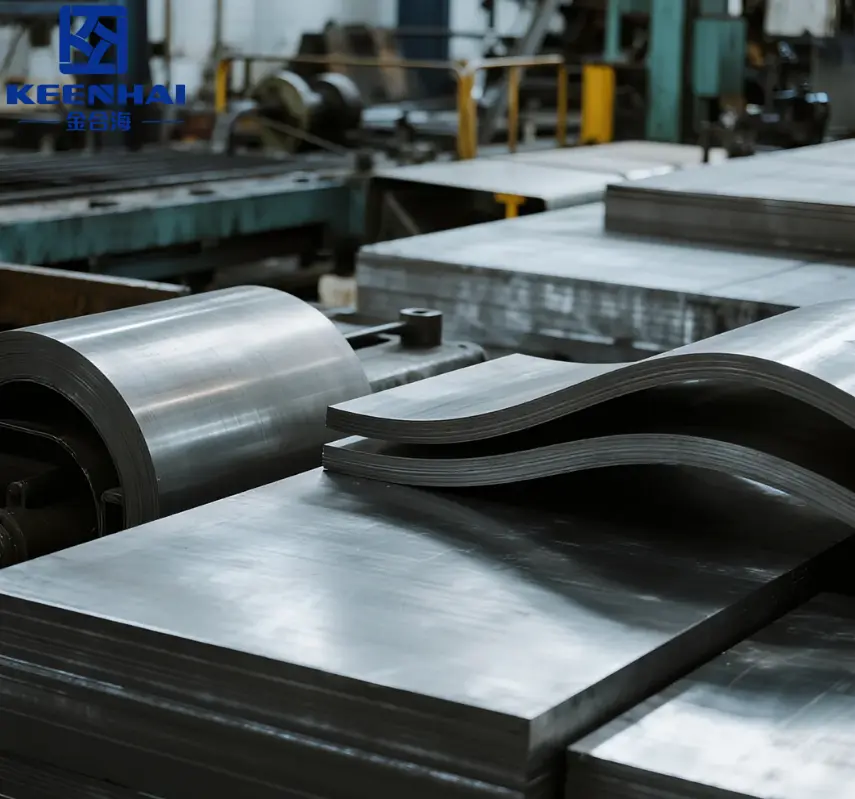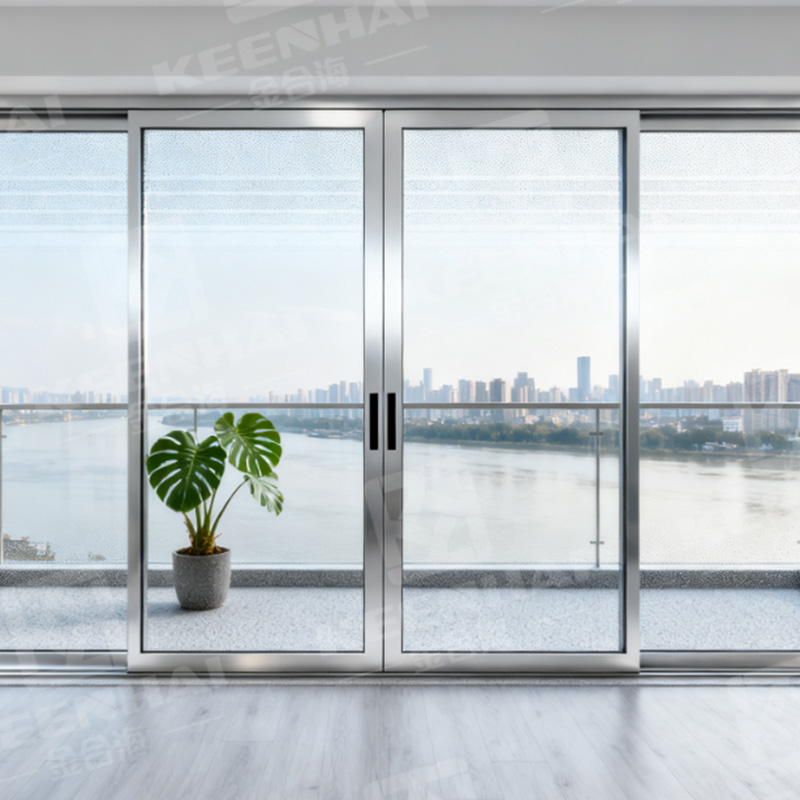
Inox material is a type of stainless steel alloy primarily composed of iron, chromium, and often nickel or molybdenum. Its key feature is the formation of a protective chromium oxide layer that prevents rust and corrosion, making it suitable for both indoor and outdoor applications. Many architects and industrial designers use high-quality stainless steel sheets for building cladding, structural supports, and decorative panels because the material combines strength, longevity, and a visually polished finish.
1. Definition of Inox Material
Inox material is a type of corrosion-resistant steel alloy that maintains its appearance and structural integrity even under harsh environmental conditions. It is widely used in both interior and exterior construction where durability and long-term performance are crucial. For example, architects often specify high-quality зэвэрдэггүй ган хуудас for exterior cladding of commercial buildings or luxury retail façades because it resists oxidation and preserves a sleek metallic finish for decades.
In practical applications, Inox is often chosen for areas exposed to water, humidity, or frequent cleaning, such as restaurant kitchens, elevator doors, and handrails. The material’s natural rust-resistance and polished surface make it a preferred choice for projects that combine functional performance with aesthetic appeal.
1.1 Meaning of the Term “Inox”
The term “Inox” comes from the French word “inoxydable,” meaning non-oxidizing. It highlights the material’s key feature: resistance to rust and corrosion. In everyday construction scenarios, specifying Inox for exterior panels or decorative metal features ensures that these surfaces retain their metallic luster and smoothness even after years of exposure to rain, sunlight, or coastal air.
For instance, in a high-end shopping mall, designers often use Inox panels for entrance canopies and escalator finishes because the material handles heavy foot traffic while maintaining its polished look without the need for protective coatings.
1.2 Chemical Basis of Stainless Steel Composition
Inox achieves its corrosion resistance through a precise combination of chromium, nickel, and other alloying elements. Chromium forms a passive oxide layer on the surface, preventing oxygen and moisture from reaching the underlying steel. Nickel stabilizes the austenitic structure, enhancing toughness and resistance to temperature fluctuations. Some Inox alloys include molybdenum to increase resistance to pitting in chloride-rich environments, making them suitable for coastal or industrial applications.
| Alloying Element | Typical Range (%) | Primary Effect |
|---|---|---|
| Chromium | 10.5–20 | Forms protective passive layer, prevents rust |
| Никель | 8–14 | Stabilizes austenitic structure, improves toughness |
| Molybdenum | 2–3 | Increases resistance to pitting in chloride environments |
| Carbon | 0.03–0.08 | Adjusts strength and hardness |
This composition explains why Inox is preferred for both structural and decorative applications, from kitchen countertops and sinks to exterior cladding and stair railings.
1.3 Difference Between Inox and Ordinary Steel
Unlike ordinary carbon steel, Inox naturally resists corrosion without additional coatings or paints. Ordinary steel tends to rust and discolor quickly when exposed to moisture or air, requiring galvanization, painting, or regular maintenance. In contrast, Inox forms a self-healing protective layer, so minor scratches or abrasions do not compromise its performance.
In real-world projects, using Inox for stair railings, handrails, or façade panels ensures a uniform finish over decades, while ordinary steel would develop visible rust and require frequent replacement or refinishing. Its combination of strength, durability, and consistent appearance makes Inox the default choice for architects and engineers focused on longevity and low maintenance.
2. Core Properties That Define Inox
Inox steel distinguishes itself through a combination of properties that ensure long-term durability and reliable performance in both structural and decorative applications. Its superior resistance to corrosion, high mechanical strength, and tolerance to heat and wear make it ideal for demanding environments. For example, in contemporary commercial kitchens or high-traffic building façades, designers frequently rely on зэвэрдэггүй ган хуудас for wall panels and countertops because it withstands cleaning chemicals, moisture, and physical contact without losing its polished finish.
Engineers also appreciate Inox for its stability in public installations. Stair railings, elevator doors, and exterior cladding can maintain a consistent appearance for decades when made from high-quality Inox materials, even in areas exposed to rain or constant touch.
2.1 Corrosion and Oxidation Resistance Mechanism
The key to Inox’s longevity is its self-healing chromium oxide layer, which forms immediately upon exposure to air. Even if the surface gets scratched, this passive layer regenerates, protecting the underlying metal from rust. Corrosion resistance varies slightly depending on the alloy composition, with higher chromium, nickel, or molybdenum content increasing resistance in harsh environments.
In coastal or humid locations, using SS steel plate for balcony railings or exterior accents ensures the metal remains free from pitting or discoloration, while ordinary steel would quickly show rust stains. This property makes Inox particularly valuable for outdoor structures where aesthetic consistency is crucial.
2.2 Mechanical Strength and Hardness Characteristics
Inox combines high tensile strength with surface hardness, allowing it to serve both structural and decorative purposes. Typical austenitic stainless steel grades reach tensile strengths of 520–750 MPa, whereas martensitic grades can exceed 1,200 MPa, enabling use in heavy-duty applications like load-bearing stair components or thin decorative panels.
| Property | Austenitic Inox | Martensitic Inox | Ferritic Inox |
|---|---|---|---|
| Tensile Strength (MPa) | 520–750 | 800–1,200 | 450–600 |
| Rockwell Hardness (HRC) | 20–35 | 40–55 | 20–30 |
| Elongation (%) | 40–60 | 10–20 | 20–35 |
This combination of properties explains why Inox is commonly used in both commercial kitchen countertops болон architectural metalwork, from elevator frames to exterior cladding.
2.3 Heat, Moisture, and Wear Performance
Inox alloys tolerate extreme temperatures, from -196°C up to 870°C, depending on the grade, without losing structural integrity. This makes them suitable for areas near ovens, boilers, or sun-exposed façades. Moisture performance is equally strong; even after repeated exposure to cleaning agents or humid air, surfaces retain a smooth, uniform finish.
High-traffic areas also benefit from Inox’s wear resistance. For example, metal stainless steel sheet used in shopping mall railings or industrial workstations shows minimal scratching or deformation over years of use. To ensure optimal performance during installation:
-
Choose the appropriate Inox grade for the environment.
-
Use proper mounting techniques to avoid unnecessary surface stress.
-
Clean with mild detergents and avoid abrasive pads.
-
Inspect periodically for minor surface defects to allow the self-healing oxide layer to form properly.
These steps guarantee that Inox maintains both aesthetic appeal and long-term durability, even in the most demanding settings.
3. Common Inox Grades and Their Identifying Features
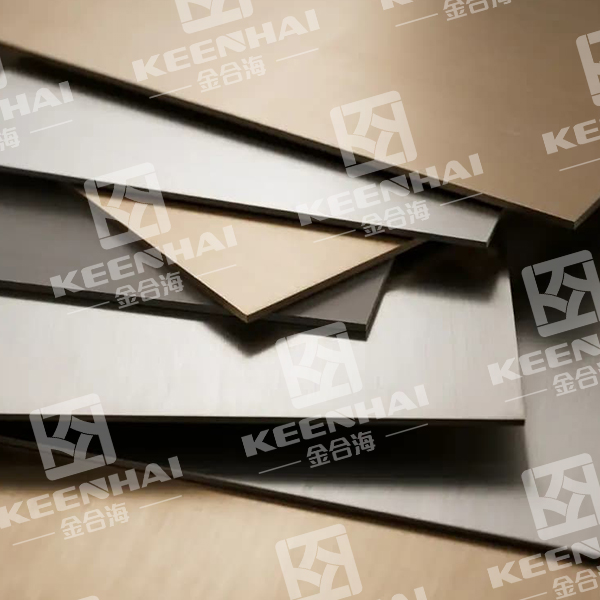
Inox steel comes in several distinct grades, each engineered for specific performance characteristics. Choosing the correct grade ensures optimal corrosion resistance, strength, and longevity for a given application. For instance, architects often select stainless steel metal plate for exterior cladding due to its predictable resistance to weathering, while industrial designers prefer metal stainless steel sheet for equipment exposed to high wear or chemical contact.
Understanding these grades helps engineers, designers, and installers match the right Inox alloy to the environmental and operational requirements of each project, whether it’s a commercial kitchen, hospital fixtures, or high-rise building façade.
3.1 Austenitic Grades (e.g., 304, 316)
Austenitic Inox is the most common grade, notable for its excellent corrosion resistance and high ductility. Grades like 304 and 316 contain significant chromium and nickel content, with 316 including molybdenum for enhanced resistance in chloride-rich environments, such as coastal buildings or marine applications.
Key features of austenitic grades:
-
Non-magnetic in the annealed state
-
High tensile strength (520–750 MPa)
-
Exceptional ductility and formability
-
Retains polished or brushed finish even after prolonged exposure to moisture
For installations, common steps to optimize performance include:
-
Select the appropriate thickness and finish for the environment.
-
Cut and shape panels using precise machinery to avoid surface contamination.
-
Assemble with stainless fasteners to maintain corrosion integrity.
-
Clean surfaces with mild detergents to preserve the oxide layer.
Austenitic Inox is widely used in kitchen countertops, elevator interiors, and decorative panels, where stainless steel metal plate ensures both visual appeal and resistance to corrosion.
3.2 Ferritic and Martensitic Grades
Ferritic and martensitic grades differ significantly from austenitic Inox in structure and properties.
-
Ferritic Inox contains lower nickel content, is magnetic, and offers moderate corrosion resistance with good thermal conductivity. It’s suitable for decorative trim, automotive parts, and architectural panels.
-
Martensitic Inox is hardenable by heat treatment, providing high strength and wear resistance, though corrosion resistance is lower than austenitic grades. It’s often used in industrial tools, knife blades, and structural components subject to mechanical stress.
These grades are less ductile than austenitic steel but excel where rigidity and wear resistance are critical.
3.3 How to Identify Inox Grade Numbers
Identifying the correct Inox grade involves examining its composition, mechanical properties, and finish. Key steps include:
-
Check the grade number stamped on the product, which indicates chromium, nickel, and other alloying content.
-
Observe the magnetic behavior: austenitic grades are generally non-magnetic, while ferritic and martensitic grades are magnetic.
-
Consider the environment: high-chloride areas may require 316 or higher-performance alloys.
-
Conduct small chemical or spark tests if precise verification is needed in industrial applications.
Using the correct grade ensures that SS steel plate and other Inox products perform as intended, maintaining both structural integrity and surface appearance over years of use. Engineers and installers often pair these identification steps with routine inspections to detect any early signs of surface or mechanical wear.
4. How Inox Material Is Manufactured
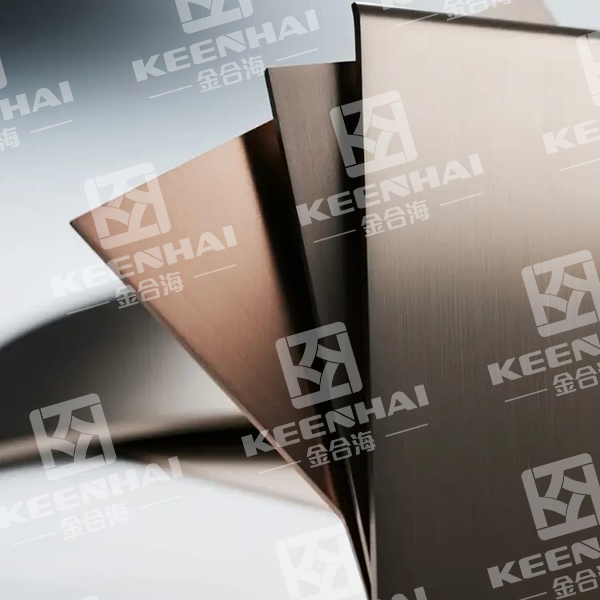
The production of Inox is a carefully controlled process that ensures consistent quality, mechanical strength, and corrosion resistance. Every stage, from alloying to final finishing, influences the final performance characteristics of the material. For instance, architects specifying façade panels or interior design elements must understand the differences between a rough-rolled sheet and a polished, mirror-finished Inox surface to select the right product for both durability and aesthetics.
Manufacturers rely on precise metallurgical controls, temperature monitoring, and quality inspections to guarantee that зэвэрдэггүй ган хуудас maintains uniform thickness, surface integrity, and resistance to environmental factors.
4.1 Alloying and Melting Process
The foundation of Inox begins with the precise combination of iron with chromium, nickel, and other elements. Chromium is critical for corrosion resistance, while nickel improves ductility and toughness. Molybdenum may be added for enhanced chloride resistance in coastal environments.
The typical process includes:
-
Batching raw materials according to the specific grade formula.
-
Melting in electric arc or induction furnaces, ensuring uniform temperature throughout the molten alloy.
-
Degassing and refining to remove impurities and achieve the correct chemical composition.
-
Casting the molten steel into semi-finished forms such as billets, slabs, or blooms, which will undergo rolling.
By controlling the alloying ratios and melting conditions, manufacturers ensure the resulting Inox exhibits the expected corrosion resistance, mechanical properties, and thermal performance.
4.2 Hot Rolling, Cold Rolling, and Finishing
After casting, the semi-finished Inox is shaped through hot and cold rolling processes:
-
Hot Rolling: The slab is heated above 1,100°C and passed through rollers to reduce thickness and refine the grain structure. This step enhances ductility and toughness.
-
Cold Rolling: Performed at or near room temperature to achieve precise thickness, surface smoothness, and dimensional accuracy.
-
Annealing and Pickling: Heat treatment followed by acid cleaning removes scale and restores corrosion resistance, leaving the material ready for final finishing.
For many architectural or industrial applications, cold-rolled Inox offers a uniform surface suitable for high-quality decorative finishes without compromising mechanical strength.
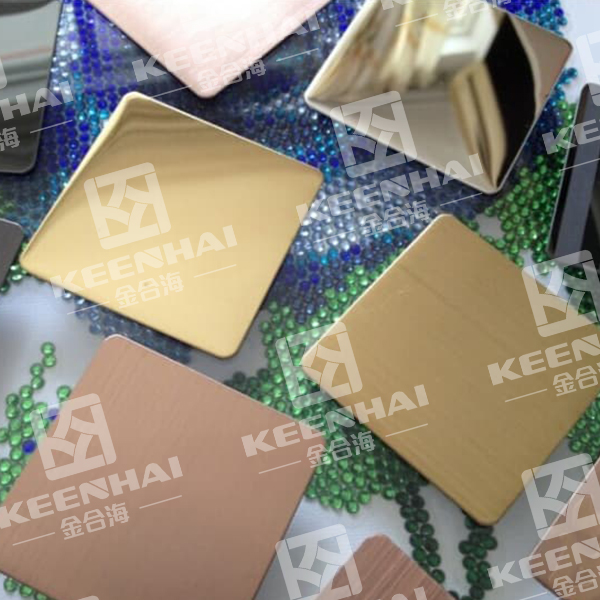
4.3 Surface Treatment Types (Brushed, Mirror, Etched, PVD, etc.)
Surface treatments provide both aesthetic appeal and additional functional benefits:
-
Brushed Finish: Achieved by sanding the surface with fine abrasives, creating a linear texture that hides fingerprints and minor scratches.
-
Mirror Finish: Polished to a high sheen, ideal for reflective decorative panels and elevators.
-
Etched or Patterned Finishes: Chemical or mechanical etching adds design elements while retaining corrosion resistance.
-
PVD Coating: Physical vapor deposition applies a thin metallic or colored coating that enhances wear resistance, color consistency, and corrosion protection.
Many designers prefer зэвэрдэггүй ган хуудас for these finishes because it can be cut, formed, and treated without compromising the integrity of the underlying alloy. For example, high-end kitchen backsplashes often use brushed or mirror Inox panels to combine functionality with visual appeal.
5. Where Inox Is Typically Used
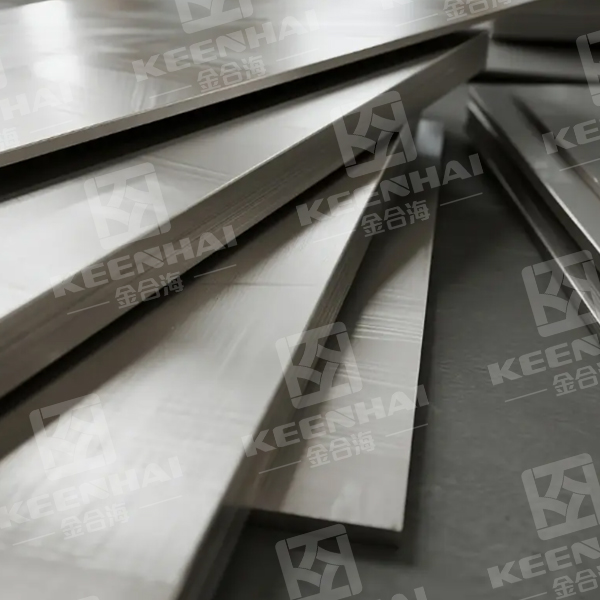
Inox steel has earned its reputation for versatility, finding applications across architecture, industry, and consumer products. Its combination of corrosion resistance, mechanical strength, and attractive finish makes it a go-to material for both functional and decorative purposes. pvdstainlesssteel offers a wide range of Inox products designed to meet these diverse needs, from structural panels to high-end kitchen components.
5.1 Architectural and Structural Applications
In the construction industry, Inox is widely used for façades, roofing, handrails, and elevator interiors. High-quality зэвэрдэггүй ган хуудас provides a sleek, modern look while maintaining durability against weathering and pollution. Architects often select austenitic grades for exterior cladding because of their long-term resistance to oxidation, even in harsh climates.
In practical terms, installation typically involves:
-
Measuring and cutting sheets to precise dimensions.
-
Securing panels with stainless fasteners to prevent galvanic corrosion.
-
Applying protective coatings or finishes as needed for aesthetics or added resistance.
These steps ensure that buildings maintain both structural integrity and visual appeal over decades.
5.2 Food, Medical, and Sanitation Equipment
Inox is the material of choice for environments requiring strict hygiene and frequent cleaning, such as commercial kitchens, hospitals, and laboratories. SS steel plate and related alloys resist bacteria accumulation, are easy to sterilize, and withstand repeated contact with cleaning agents.
For instance:
-
Hospital countertops and surgical trays use 316-grade Inox for enhanced chloride resistance.
-
Food processing machinery benefits from smooth, polished finishes that prevent residue build-up.
-
Laboratory benches and sinks maintain structural integrity under continuous exposure to water and chemicals.
These applications demonstrate how Inox ensures both safety and durability in high-demand sanitation environments.
5.3 Consumer Goods and Daily-Use Products
Beyond industry and architecture, Inox appears in home appliances, cutlery, watches, and furniture. Its ability to maintain a polished appearance while resisting scratches and corrosion makes it ideal for items subjected to daily wear.
Designers often use metal stainless steel sheet for consumer products that combine aesthetic value with robustness. Examples include:
-
Refrigerator doors and oven panels that stay spotless under frequent use.
-
Kitchen sinks and faucets that resist pitting and maintain shine.
-
High-end consumer electronics enclosures where durability meets visual elegance.
By choosing reputable suppliers like pvdstainlesssteel, customers ensure that the Inox they use delivers consistent quality, longevity, and reliable performance across all applications.