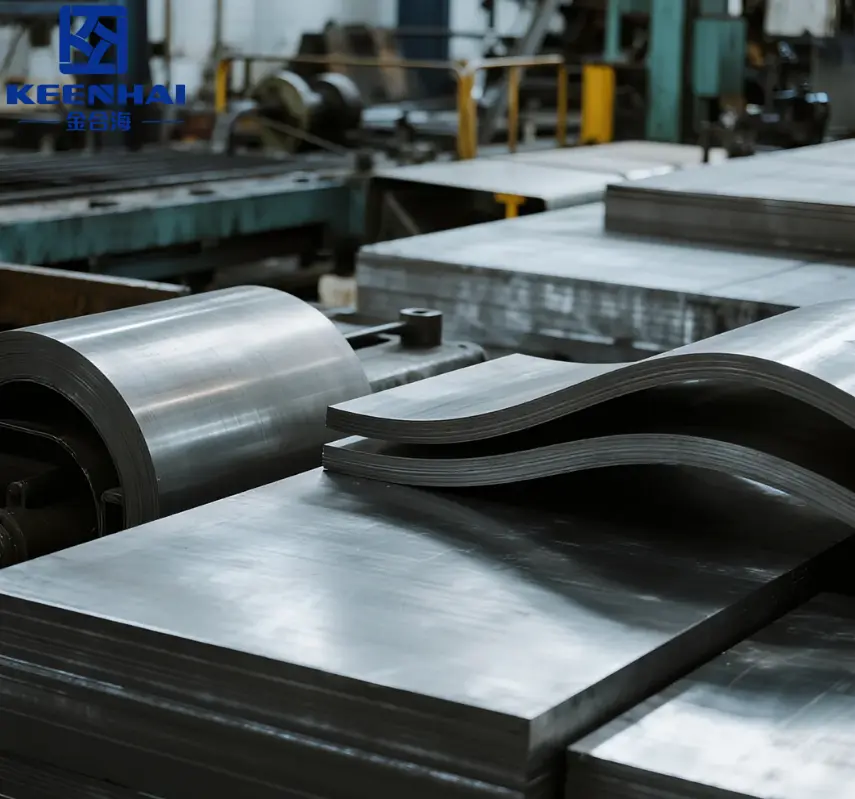
Material Inox offers tensile strengths ranging from 515 MPa in Grade 304 to over 700 MPa in duplex grades, far surpassing most aluminum alloys, which usually max out around 310 MPa. Carbon steel may achieve higher hardness, but it lacks corrosion resistance, especially in humid or marine environments. This makes Inox ideal for applications where structural strength and long-term durability are both required. Its stainless steel sheet options also provide precise dimensional stability for load-bearing projects.
1. Core Mechanical Strength of Material Inox
Material Inox, commonly known as stainless steel, stands out for its exceptional mechanical properties that make it ideal for high-stress environments. Its strength allows architects and engineers to use it in heavy-duty applications such as structural frames, staircases, and elevator panels. For instance, high-traffic commercial buildings often rely on karatasi ya chuma cha pua for cladding because it maintains its integrity under constant wear and impact.
1.1 Tensile Strength, Yield Strength, and Hardness
The tensile strength of Inox varies across grades but generally ranges from 520 MPa to 750 MPa, while yield strength typically falls between 205 MPa and 310 MPa. Hardness can reach 200–250 HB depending on processing and temper. These properties ensure that inox can resist bending or deformation under substantial loads, which is why it’s commonly used in kitchen countertops, commercial elevators, and industrial panels.
Comparison of Common Inox Grades:
| Grade | Tensile Strength (MPa) | Yield Strength (MPa) | Typical Hardness (HB) | Common Applications |
|---|---|---|---|---|
| 304 | 520–750 | 205–215 | 180–200 | Kitchen equipment, interior panels |
| 316 | 580–720 | 210–240 | 200–220 | Marine environments, chemical processing |
| 430 | 450–620 | 205–240 | 190–210 | Decorative cladding, indoor furniture |
1.2 Stress Response Under Heavy Loads
When subjected to heavy loads, Inox demonstrates uniform deformation, absorbing stress without cracking. For example, elevator door frames made from SS Steel Plate in commercial complexes undergo repeated lateral forces and impact tests yet retain their shape. Key steps for evaluating load performance in inox construction include:
-
Measure the expected maximum load on the structural element.
-
Calculate stress distribution using the known tensile and yield strengths.
-
Select the appropriate inox grade based on both strength and corrosion requirements.
-
Test prototype panels under simulated operational conditions.
This process ensures that each component will withstand real-world forces reliably.
1.3 Performance Differences Among Common Inox Grades
Different grades of inox react differently to mechanical stress. Austenitic inox (304/316) is highly ductile, allowing it to bend without cracking, making it ideal for intricate architectural elements. Ferritic inox (430) offers moderate strength with excellent surface finish retention, suited for decorative applications. Martensitic inox provides the highest hardness but lower ductility, preferred for cutting tools or structural reinforcements. For high-traffic installations such as shopping mall railings, stainless steel metal plate ensures both rigidity and long-term durability.
2. Direct Comparison with Carbon Steel and Alloy Steel
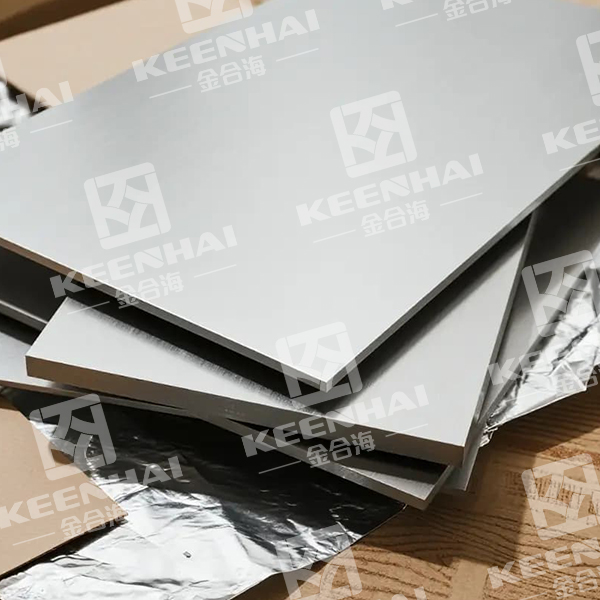
Comparing Material Inox with carbon steel and alloy steel highlights its unique balance of strength, ductility, and corrosion resistance. While carbon steel often excels in raw tensile strength, Inox maintains integrity under repeated stress and harsh environmental conditions. High-rise building facades, bridge railings, and industrial piping systems frequently leverage karatasi ya chuma cha pua because of its superior overall performance compared to standard carbon steel panels.
2.1 Tensile & Yield Strength Comparison Data
Inox generally provides a tensile strength range of 520–750 MPa and yield strength of 205–310 MPa. Carbon steel can reach higher tensile strength up to 900 MPa but often lacks corrosion resistance. Alloy steel balances strength and toughness but requires protective coatings in outdoor or chemical-exposed environments.
| Nyenzo | Tensile Strength (MPa) | Yield Strength (MPa) | Hardness (HB) | Notes |
|---|---|---|---|---|
| Inox 304 | 520–750 | 205–215 | 180–200 | Excellent corrosion resistance |
| Carbon Steel C45 | 600–850 | 250–400 | 200–220 | Higher strength, prone to rust |
| Alloy Steel 4140 | 650–900 | 350–450 | 220–240 | Strong and tough, requires coating |
This comparison allows engineers to choose the right material for either load-bearing requirements or long-term durability under corrosive conditions.
2.2 Bending, Impact, and Fatigue Resistance Differences
Inox shows superior ductility, meaning it bends without cracking, making it ideal for curved architectural elements or staircase railings in public spaces. Alloy steel provides higher impact resistance, suitable for heavy machinery parts. Carbon steel offers strong initial rigidity but can fail under repetitive fatigue if unprotected from rust.
Steps to evaluate bending and fatigue performance in material selection:
-
Define expected operational load cycles per year.
-
Conduct stress-strain analysis using tensile and yield data.
-
Select material considering both peak load and fatigue resistance.
-
Perform prototype testing for high-stress applications.
Using this workflow ensures Inox maintains structural reliability where repeated bending or vibration occurs.
2.3 Where Carbon Steel Outperforms Inox (and Vice Versa)
Carbon steel often outperforms Inox in raw strength-to-weight ratio, making it suitable for cost-sensitive projects that do not require corrosion resistance. In contrast, Inox excels in environmentally exposed structures, such as coastal buildings or chemical processing plants, due to its inherent corrosion resistance and long-term maintenance savings. For interior architectural panels or SS Steel Plate in industrial equipment, Inox provides consistent mechanical performance while minimizing the risk of rust and surface degradation over time.
3. Comparison with Aluminum and Lightweight Metals
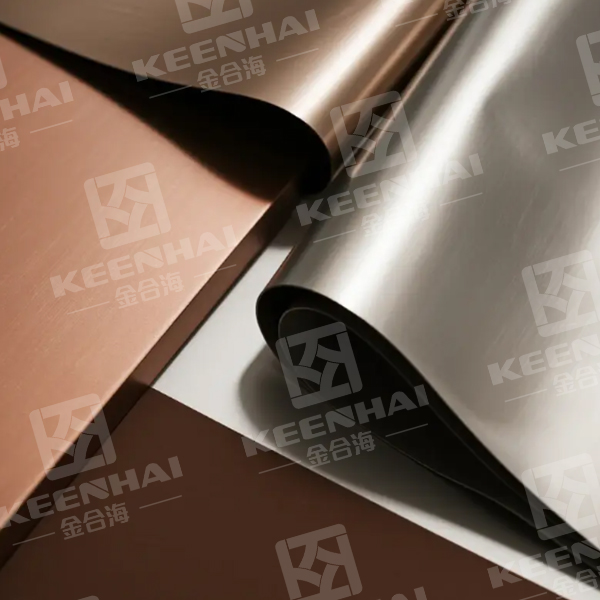
Material Inox offers a significant performance advantage over aluminum and other lightweight metals in applications requiring both strength and durability. While aluminum is prized for its low weight, it often suffers in corrosion-prone environments and under repeated mechanical stress. Inox, particularly karatasi ya chuma cha pua, provides a balanced solution for architectural panels, industrial equipment, and structural frameworks where longevity is critical.
3.1 Strength-to-Weight Ratio Analysis
Inox has a density of approximately 7.8 g/cm³, while aluminum averages 2.7 g/cm³. Despite aluminum’s lower weight, Inox’s tensile and yield strengths are often 2–3 times higher, allowing thinner sections to carry the same load. This makes Inox a better choice for long-span beams or heavily loaded surfaces.
| Nyenzo | Density (g/cm³) | Tensile Strength (MPa) | Yield Strength (MPa) | Notes |
|---|---|---|---|---|
| Inox 304 | 7.8 | 520–750 | 205–215 | Strong, corrosion-resistant |
| Aluminum 6061 | 2.7 | 310–340 | 275–300 | Lightweight, less durable under stress |
| Titanium Alloy | 4.5 | 900–950 | 830–880 | High performance, high cost |
By analyzing this table, engineers can prioritize either weight reduction or structural strength, depending on project requirements.
3.2 Corrosion and Thermal Stability Differences
Aluminum forms a passive oxide layer naturally, which protects it to some extent, but prolonged exposure to acidic or saline environments can cause pitting. Inox maintains superior corrosion resistance across acidic, alkaline, and marine environments. Additionally, Inox demonstrates higher thermal stability, retaining mechanical properties at temperatures exceeding 500°C, whereas aluminum alloys often lose significant strength above 200°C.
Steps to assess corrosion and thermal stability:
-
Identify environmental exposure conditions (humidity, salinity, temperature).
-
Measure metal loss or degradation under accelerated testing.
-
Select material based on maintenance frequency and lifespan requirements.
-
For high-heat applications, prioritize Inox over aluminum for long-term structural integrity.
3.3 Structural Use Limits for Aluminum vs Inox
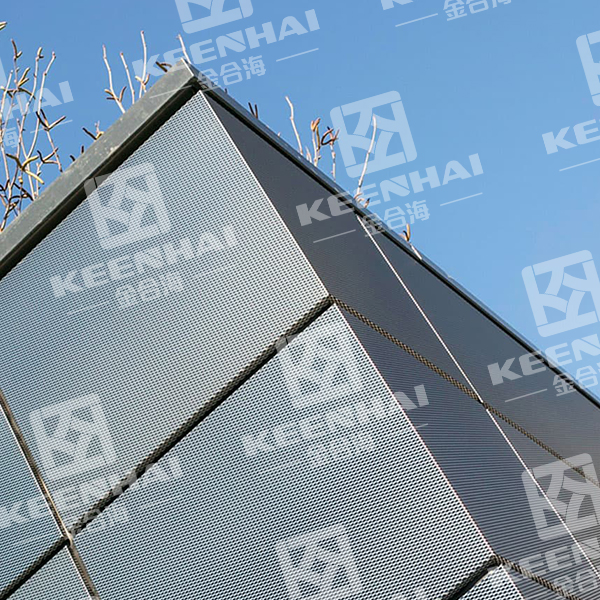
Aluminum beams and panels excel in lightweight roofing, facades, and furniture but require larger cross-sections to meet load-bearing standards, increasing bulk and cost. In contrast, Inox sheets and plates can achieve the same or higher load-bearing capacity with thinner sections, reducing installation complexity. For example, Karatasi ya Chuma cha pua panels are widely used in commercial kitchens and industrial machinery housings, combining strength and corrosion resistance without adding excessive weight.
In structural applications where long-term durability, reduced maintenance, and resistance to deformation are priorities, Inox clearly outperforms aluminum despite the weight penalty.
4. Heat, Corrosion, and Environmental Strength Factors
In high-demand environments, metals face both thermal stress and corrosive challenges. Choosing a material that maintains mechanical integrity while resisting environmental degradation is critical for industrial structures, marine installations, and outdoor architectural projects. Inox, especially premium karatasi ya chuma cha pua, consistently outperforms aluminum and standard carbon steel in these conditions.
4.1 Strength Retention Under High Temperatures
Inox maintains more than 90% of its tensile strength up to 500°C, whereas aluminum alloys often drop below 50% of their nominal strength above 200°C. This makes Inox suitable for heat-exposed applications such as:
-
Industrial furnace housings
-
Chimney flues and high-temperature ducts
-
Engine components and exhaust systems
Stress deformation under continuous heat load is minimal, reducing the risk of warping or failure. For critical components, selecting grades like 316 or 321 ensures better thermal creep resistance.
4.2 Corrosion Resistance as a Functional Strength Advantage
Corrosion does more than affect aesthetics—it directly reduces load-bearing capacity. Inox’s inherent chromium-nickel content forms a passive oxide layer that shields the metal from pitting and surface degradation. Compared to carbon steel, which may require heavy coatings, Inox maintains strength longer with less maintenance.
Steps to evaluate corrosion resistance:
-
Identify expected exposure (humidity, saline content, chemical contact).
-
Test sample metals under simulated conditions for 500–1000 hours.
-
Compare mass loss, pitting depth, and surface roughness.
-
Choose Inox grades that retain >95% surface integrity for extended lifespan.
This approach ensures the metal functions reliably without frequent repairs or replacements.
4.3 Performance in Marine, Industrial, and Outdoor Conditions
Outdoor and marine environments combine UV exposure, moisture, and chemical agents, which accelerate material fatigue. Inox exhibits superior resistance, with common grades tolerating salt spray up to 1000 hours without significant corrosion, compared to aluminum alloys that start pitting in <500 hours.
For industrial applications like chemical tanks or processing units, and outdoor structures such as bridge railings or cladding panels, Inox provides:
-
Minimal structural weakening over decades
-
Reduced maintenance costs due to natural corrosion resistance
-
Consistent mechanical performance in fluctuating temperatures and humidity
Karatasi ya Chuma cha pua panels are often used in such scenarios because they combine strength, durability, and resistance to environmental stress without additional coatings or treatments.
5. Choosing the Right Material Based on Strength Requirements
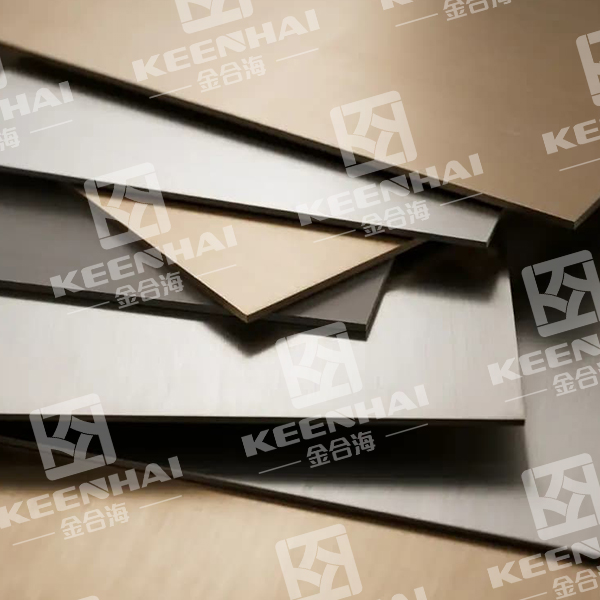
When designing a project that requires structural integrity, selecting the right metal based on strength needs is critical. Inox, also known as stainless steel, offers a unique combination of tensile strength, hardness, and corrosion resistance, making it ideal for many heavy-load applications. Its mechanical properties vary across grades, so understanding these differences ensures performance without overengineering.
5.1 Best Inox Grades for Load-Bearing Projects
For projects demanding maximum load-bearing capability:
-
Daraja la 304 is widely used for moderate structural applications due to its balanced corrosion resistance and tensile strength of 515 MPa.
-
Daraja la 316 excels in harsh environments such as marine or chemical settings, sustaining high tensile strength while resisting chloride-induced corrosion.
-
High-strength duplex grades like 2205 can handle heavy industrial loads, offering yield strengths over 450 MPa and excellent fatigue resistance.
For designers considering material sourcing, our premium stainless steel sheets provide certified grades suitable for demanding structural projects, combining both durability and dimensional stability.
5.2 When Other Metals Are More Suitable
While Inox shines in corrosion-prone or high-load scenarios, aluminum and carbon steel may outperform in specific conditions:
-
Aluminum: Exceptional strength-to-weight ratio, making it perfect for lightweight structures, panels, or components where weight savings are crucial.
-
Carbon Steel: Higher hardness and lower cost in purely structural projects where corrosion resistance is not critical.
Choosing the wrong metal can lead to overdesign or premature failure, so weigh the pros and cons carefully using the specific load and environmental data.
5.3 Application-Based Strength Selection Guide
Step-by-step approach for material selection:
-
Assess load requirements: Determine static and dynamic loads for the application.
-
Analyze environmental conditions: Check for exposure to moisture, chemicals, or temperature extremes.
-
Select suitable grade: Match the grade of Inox or alternative metal based on tensile strength, hardness, and corrosion resistance.
-
Confirm availability and specifications: Source from trusted suppliers, ensuring compliance with design tolerances.
For precision projects, using our pvdstainlesssteel product line guarantees high-grade stainless steel panels that meet structural and environmental requirements. By following these steps, engineers can ensure optimal performance while avoiding over-specification.
Material Inox、Stainless Steel Sheet