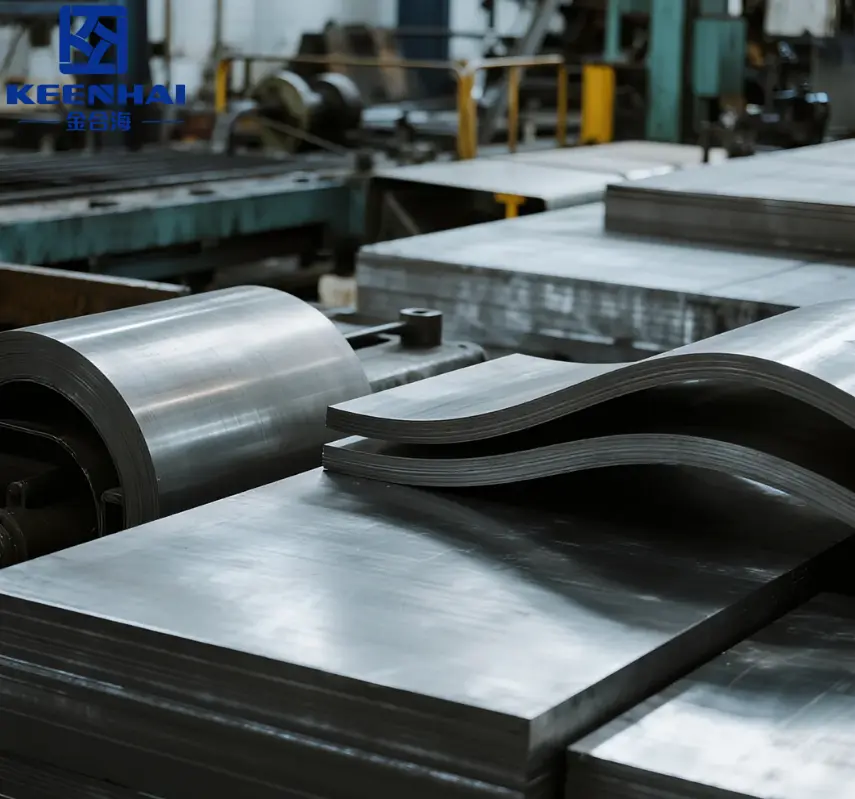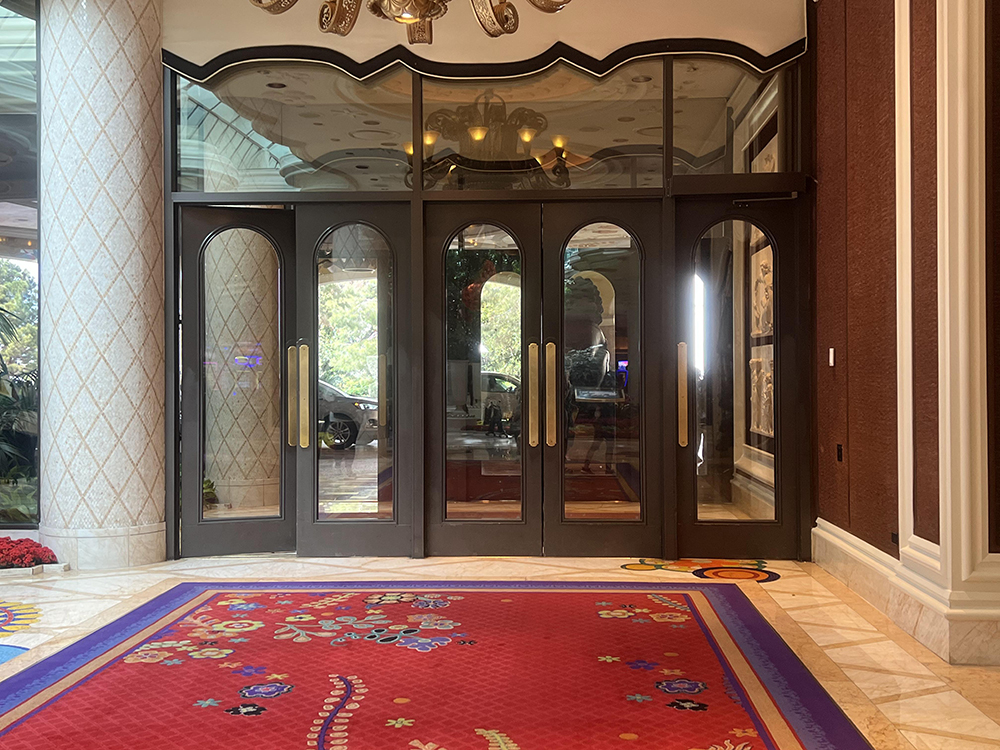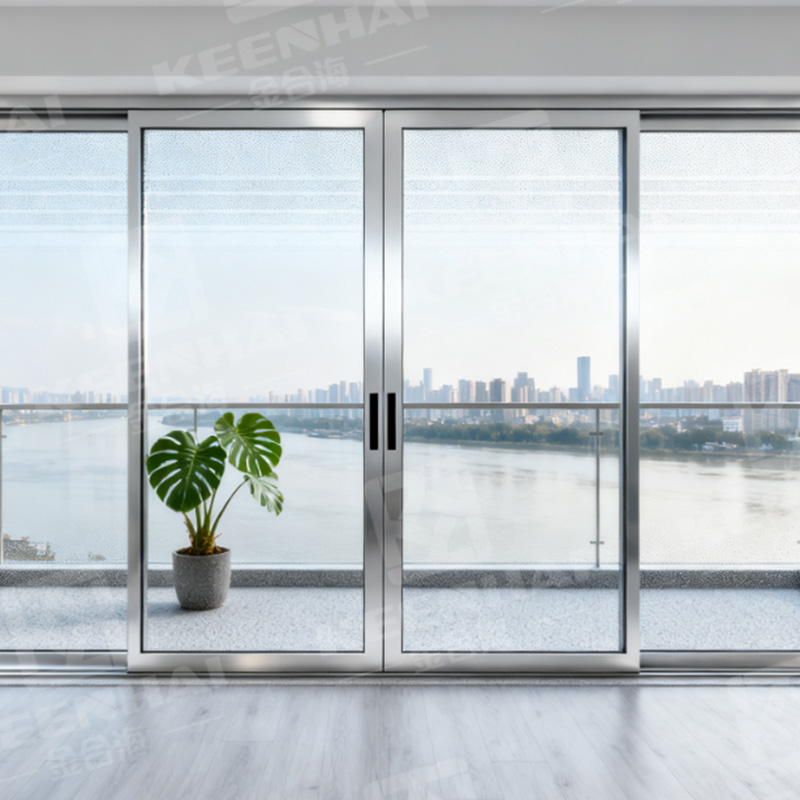
Ikilinganishwa na chuma cha pua cha jadi, PVD-coated panels kupinga alama za vidole, kutu, na kufifia. Hudumisha umalizio mzuri baada ya muda, na kuzifanya ziwe bora kwa lifti, lobi za hoteli, au ukuta wa nje wa chuma cha pua maombi.
1. Understanding the Basics
1.1 Chuma cha pua Kimetengenezwa na Nini?
Stainless steel is basically iron mixed with a few key elements that make it stronger and more resistant to rust. The magic ingredient is kromiamu, usually around 10–20%, which forms a thin protective layer that keeps moisture and air from damaging the surface. Add a bit of nickel na wakati mwingine molybdenum, na unapata nyenzo ambayo sio ngumu tu bali pia maridadi na rahisi kutunza.
It’s why you see stainless steel used everywhere—from kitchen counters kwa kujenga facades. A simple karatasi ya chuma cha pua inatosha kuunda mwonekano safi, wa kisasa wakati umesimama hadi miaka ya matumizi. Ni imara, ni rahisi kusafisha, na huhifadhi kung'aa hata katika mazingira yenye unyevunyevu.
| Aina ya Chuma cha pua | Chromium (Cr) | Nickel (Ni) | Typical Use |
|---|---|---|---|
| 304 | 18–20% | 8–10% | Mambo ya ndani, samani |
| 316 | 16–18% | 10–14% | Miundo ya nje |
| 430 | 16–18% | — | Matumizi ya ndani yanayofaa kwa bajeti |
1.2 What Does “PVD Steel” Actually Mean?
Wakati watu wanasema PVD steel, they’re talking about PVD stainless steel - chuma cha pua cha kawaida na mipako nyembamba, ya mapambo inayotumiwa kupitia mchakato unaoitwa Physical Vapor Deposition. Chuma huwekwa ndani ya chumba cha utupu ambapo nyenzo kama vile titani au zirconium hutolewa mvuke na kuunganishwa kwenye uso. Matokeo? Rangi iliyojaa zaidi, uso mgumu, na umaliziaji wa kifahari zaidi.
Aina hii ya PVD stainless steel mara nyingi hutumika katika lobi za hoteli, lifti, na mbele ya duka, where both beauty and durability matter. It’s not paint or plating — the coating becomes part of the steel itself, so it doesn’t peel or fade. Designers love it because they can choose from finishes like gold, black, or bronze without sacrificing corrosion resistance.
| Kipengele | Chuma cha pua cha Kawaida | PVD Stainless Steel |
|---|---|---|
| Rangi | Fedha pekee | Gold, bronze, black, more |
| Upinzani wa Mkwaruzo | Standard | 2–3× juu |
| Matengenezo | Inahitaji polishing | Easy to clean |
1.3 Jinsi Upakaji wa PVD Unavyotumika kwa Chuma cha pua
The process of applying a PVD coating sounds complex, but it’s all about precision. Here’s how it typically goes:
-
Maandalizi: The stainless steel sheets are cleaned with special equipment to remove oil and dust.
-
Vacuum Chamber: Paneli safi zimewekwa kwenye chumba cha utupu ili kuondoa hewa na unyevu.
-
Metal Vaporization: Vyuma kama titani huwashwa moto hadi vinageuka kuwa mvuke.
-
Uwekaji: That vapor bonds to the steel surface, forming an ultra-thin yet extremely strong coating.
-
Kumaliza: Once cooled, the panels are polished or brushed to achieve the final texture and tone.
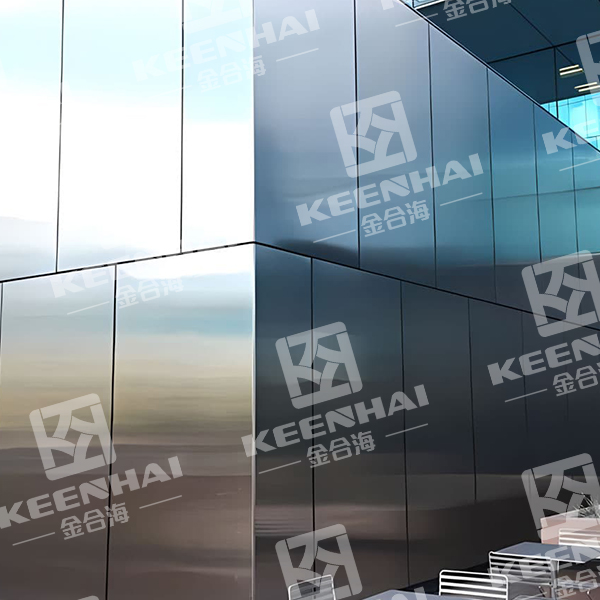
Njia hii hutoa faini thabiti, za hali ya juu ambazo mara nyingi unaona ndani luxury interiors na modern building exteriors. Kwa mfano, a exterior wall made from stainless steel inatoa mwonekano huo wa kumeta na ulinzi wa ziada dhidi ya mvua na uchafuzi wa mazingira - unaofaa kwa usanifu wa jiji.
2. Muundo na Tofauti za Kimuundo
Wakati wa kulinganisha PVD stainless steel na chuma cha pua cha jadi, tofauti kubwa iko chini ya uso - kihalisi kabisa. Wakati zote mbili zinaanzia kwenye sehemu ndogo ya chuma-cha pua, the physical vapor deposition (PVD) mchakato huongeza upako mwembamba kwa hadubini, ngumu sana ambao hubadilisha muundo, rangi na utendakazi wa nyenzo.
2.3 Surface Hardness and Microstructure Changes
PVD chuma cha pua hupitia mabadiliko ya muundo katika ngazi ya uso. Bomu la ioni ya juu wakati wa mipako huunganisha safu ya nje, kupunguza pores microscopic na kuunda uso laini, mnene zaidi. Utaratibu huu unaweza ongeza ugumu wa uso kwa hadi 200%–300%, kulingana na nyenzo za mipako.
| Property | Chuma cha pua cha Jadi | PVD Stainless Steel |
|---|---|---|
| Surface Hardness (HV) | 150-200 HP | 450–800 HV |
| Upinzani wa kutu | Nzuri | Excellent |
| Upinzani wa Mkwaruzo | Moderate | Juu |
| Chaguzi za Rangi | Mchache (fedha/kijivu) | Aina pana (dhahabu, shaba, nyeusi, rose) |
Uboreshaji huu wa muundo sio tu wa kiufundi - una athari ya ulimwengu halisi. Kwa mfano, a PVD karatasi ya chuma cha pua used in hotel lobbies or airports can resist fingerprints and scratches far better than standard stainless panels, maintaining a pristine appearance even in high-traffic areas.
The smoother microstructure also means dirt and water have less room to adhere, making cleaning easier and preventing oxidation over time. That’s why architects often choose PVD-coated panels for ukuta wa nje wa chuma cha pua mifumo — inaonekana bora zaidi, hufanya vizuri zaidi na kuzeeka kwa uzuri.
In short, while both materials share the same DNA at their core, PVD chuma cha pua ni mageuzi ya ngazi inayofuata - imeundwa kwa uzuri, uvumilivu, na utendaji katika usanifu wa kisasa. Safu ya PVD iliyoongezwa hugeuza chuma cha pua cha kawaida kuwa kitu cha ajabu, haitoi uzuri tu, bali pia thamani inayopimika, ya muda mrefu.
3. Appearance and Finish Comparison
Linapokuja suala la kuonekana na kugusa hisia, tofauti kati ya PVD stainless steel and traditional stainless steel is instantly clear. The PVD process transforms standard metal into a visually rich, color-stable material with deep reflections and enhanced durability — ideal for designers who want both beauty and longevity.
3.1 Chaguzi za Rangi na Uakisi
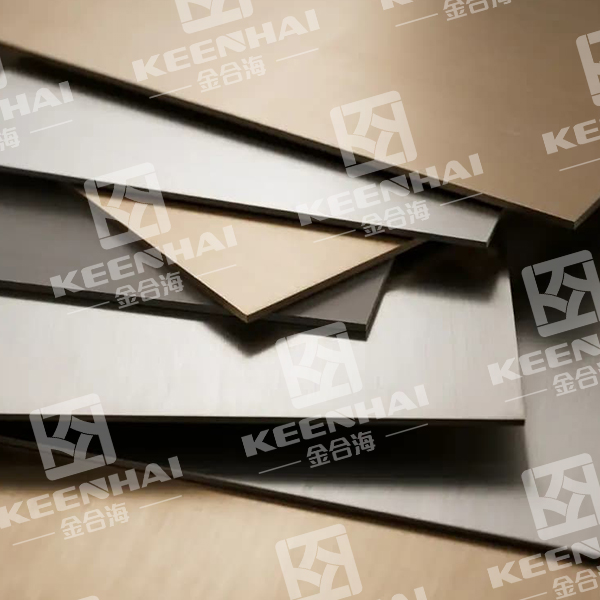
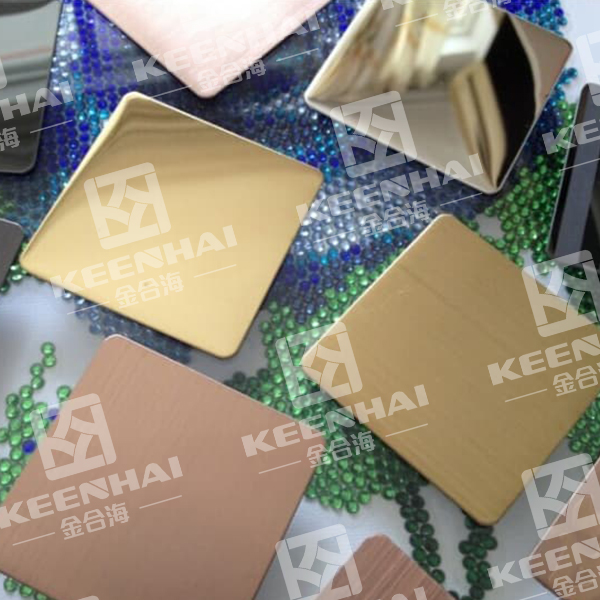
Traditional stainless steel offers only a few shades — silver, brushed gray, or mirror polish — and often gives a cool, industrial tone. In contrast, PVD stainless steel hutoa ubao wa rangi ya kuvutia unaopatikana kupitia uwekaji wa utupu wa misombo kama vile nitridi ya titani au oksidi ya zirconium. Matokeo yake ni imara, hues tajiri kama vile gold, bronze, black, rose gold, and champagne, yote yameunganishwa kwenye kiwango cha molekuli - sio rangi, sio sahani.
These finishes don’t chip or fade, even under UV exposure. Depending on the coating parameters, PVD can deliver either kutafakari kwa kioo or tani laini za satin, kuruhusu udhibiti kamili wa jinsi mwanga unavyoingiliana na uso. Unyumbulifu huu huifanya iwe kamili kwa hoteli za kifahari, fakhada za usanifu, au fanicha maalum, ambapo toni na uakisi hutekeleza majukumu muhimu ya urembo.
3.2 Muundo na Ulaini wa Uso
The texture ya uso huathiri moja kwa moja kuonekana na matengenezo yake. Chuma cha pua cha kawaida mara nyingi huonyesha mistari inayoonekana ya kupiga mswaki au alama za nafaka kutoka kwa umaliziaji wa kiufundi. Kinyume chake, PVD-coated stainless steel ina uso laini na uliofungwa kwa shukrani kwa mchakato wake wa mipako ya utupu. Hii huondoa micro-porosity, na kusababisha kuonekana mnene na safi.
When you touch a karatasi ya chuma cha pua with a PVD coating, it feels almost silky — smooth, reflective, and solid. This high-quality texture enhances light distribution and reduces the accumulation of dust and stains. For architectural cladding or interior wall panels, the effect is both aesthetic and functional, maintaining a polished appearance with minimal upkeep.
| Property | Chuma cha pua cha Jadi | PVD Stainless Steel |
|---|---|---|
| Aina ya Rangi | Limited (mainly silver tones) | Kwa upana (dhahabu, nyeusi, shaba, rose, nk) |
| Kuakisi | High but harsh | Inaweza kubadilishwa - kutoka kioo hadi satin laini |
| Surface Smoothness | Mistari ya nafaka inayoonekana | Ultra-smooth and sealed surface |
| Kudumu | Prone to scratches | Mipako ngumu, inayostahimili kuvaa |
| Urefu wa Aesthetic | Moderate | Utulivu wa rangi ya muda mrefu |
3.3 Fingerprint and Scratch Resistance
Fingerprints and light scratches are common issues on regular stainless steel, especially on mirror finishes used in elevators or decorative panels. The PVD layer solves this problem by forming a low-friction protective barrier that resists both smudges and abrasion. Fingerprints become much less visible, and routine cleaning only requires a gentle wipe — no special solvents or polishes needed.
This extra hardness also gives ukuta wa nje wa chuma cha pua systems an edge in public and commercial spaces. Even in high-contact zones such as hotel lobbies, airports, or store entrances, PVD panels maintain their fresh, uniform appearance for years. The color doesn’t peel or fade because it’s part of the metal itself, not a surface coating.
For designers and architects, that means a consistent finish across large installations, reduced maintenance costs, and a visibly more luxurious result — exactly why decorative PVD finishes have replaced traditional brushed metal in premium projects worldwide.
4. Durability and Performance
Durability is where PVD stainless steel truly outshines regular stainless steel. While traditional stainless steel is strong and corrosion-resistant, the PVD coating adds an extra layer of protection, enhancing performance under harsh conditions and extending the material’s lifespan. This makes it ideal for both interior and exterior applications where longevity matters.
4.1 Corrosion and Oxidation Resistance
Stainless steel naturally resists rust thanks to its chromium content, but exposure to salts, humidity, and pollutants can gradually affect its appearance. PVD stainless steel adds a molecularly bonded layer that significantly boosts corrosion resistance.
For instance, in coastal or urban environments, PVD-coated panels maintain their tone and finish far longer than uncoated stainless steel. Stainless steel exterior wall systems benefit the most, withstanding rain, pollution, and UV exposure without fading, peeling, or oxidizing. The coating essentially acts as a shield, preventing surface reactions that lead to discoloration or pitting.
4.2 Wear, Impact, and Abrasion Resistance
High-traffic areas and commercial installations demand materials that can survive physical wear. Regular stainless steel can dent or scratch under force, but PVD stainless steel sheets are much tougher. The PVD layer increases surface hardness by up to 3×, making the material resistant to:
-
Scratches from daily contact or cleaning tools
-
Minor impacts that would dent ordinary stainless steel
-
Abrasion from moving objects or foot traffic
| Property | Chuma cha pua cha Jadi | PVD Stainless Steel |
|---|---|---|
| Hardness | Moderate | High (3× stronger) |
| Upinzani wa Mkwaruzo | Low to medium | Juu |
| Impact Resistance | Moderate | Improved |
| Maintenance Durability | Needs frequent polish | Long-lasting finish |
This makes PVD-coated surfaces ideal for elevator panels, reception desks, and public furniture, where aesthetics must meet durability.
4.3 Maintenance Requirements and Cleaning Ease
One of the most practical advantages of PVD stainless steel is matengenezo ya chini. The ultra-smooth, sealed surface repels dust, water, and fingerprints. Cleaning usually requires just a microfiber cloth and mild detergent, compared to standard stainless steel which may need frequent polishing to remove smudges or minor scratches.
In real-world projects, like hotels or corporate buildings, PVD stainless steel panels stay glossy and uniform with minimal effort, reducing labor and cleaning costs. This combination of durability, corrosion resistance, and easy maintenance is why designers increasingly prefer PVD finishes over standard stainless steel in both interior and exterior applications.
Ready to compare finishes and prices? Explore our PVD vs stainless steel product catalog and request instant samples.