When comparing Inox steel and stainless steel, the lifespan primarily depends on material grade, environmental exposure, and maintenance practices; for example, standard Inox steel performs well indoors or in low-corrosion settings, while high-grade stainless steel like 316 resists salt, humidity, and industrial chemicals, maintaining structural integrity in coastal buildings or commercial kitchens for decades, and selecting the right material, combined with proper surface care such as cleaning and occasional polishing, ensures long-term durability and reduces replacement costs, making stainless steel the better choice for high-exposure or outdoor applications, while Inox remains cost-effective for controlled environments, and using products like Stainless Steel Sheet or SS Steel Plate in their suitable contexts maximizes both performance and value.
1. Factors Affecting Material Lifespan
1.1 Chemical Composition and Alloy Differences
தி chemical composition of stainless steel directly impacts how long it lasts. Higher chromium and nickel contents improve corrosion resistance, while adding molybdenum enhances durability in chloride-rich or coastal environments. For example, 304 துருப்பிடிக்காத எஃகு contains around 18% chromium and 8% nickel, making it ideal for general kitchen equipment, while 316 துருப்பிடிக்காத எஃகு adds molybdenum for applications exposed to salt or chemicals. Using high-quality stainless steel sheets in structural panels or kitchen countertops ensures longer service life and reduces the risk of early rust or pitting. In heavy-duty construction, SS steel plates provide extra strength and durability for load-bearing applications.
| Alloy Type | Chromium (%) | Nickel (%) | Molybdenum (%) | வழக்கமான பயன்பாடு |
|---|---|---|---|---|
| 201 | 16–18 | 3.5–5 | 0 | Indoor decorative panels |
| 304 | 18–20 | 8–10 | 0 | Kitchen appliances, light structural use |
| 316 | 16–18 | 10–14 | 2–3 | Marine environments, high-humidity areas |
1.2 Resistance to Corrosion and Oxidation
How a material resists corrosion is a major factor in its lifespan. Stainless steel metal plates hold up exceptionally well in wet or coastal environments, preventing rust and structural degradation over decades. For instance, outdoor railings, balcony panels, and pergolas often use these metals because even constant exposure to rain or humidity won’t compromise the integrity. Materials with lower chromium content or no protective finishing may begin to show corrosion within just a few years. Applying passivation or coatings can significantly extend lifespan, sometimes by 30–50%, which is particularly critical in environments like kitchens or chemical processing facilities.
1.3 Mechanical Strength and Fatigue Resistance
Durability under repeated stress is just as important as corrosion resistance. Metal stainless steel sheets are widely used for commercial kitchens, industrial shelving, and structural panels because they resist bending, warping, and wear. When evaluating lifespan, consider:
-
Yield Strength: Higher yield strength prevents permanent deformation under heavy loads.
-
Fatigue Resistance: Materials that tolerate repeated bending or vibrations last longer in moving machinery.
-
Surface Hardness: Hard surfaces resist scratches and dents from daily use.
For example, a commercial kitchen workstation built from 2 mm stainless steel sheets can remain fully functional for over 20 years, enduring repeated thermal cycling and mechanical impact without deformation or corrosion.
2. Environmental Impact on Longevity
2.1 Indoor vs Outdoor Conditions
The environment in which stainless steel is used significantly affects its lifespan. Indoor installations, such as kitchen counters or decorative panels, experience minimal exposure to moisture and airborne chemicals, allowing stainless steel sheets to last decades with little maintenance. Outdoor structures, including railings, pergolas, and facades, face rain, UV light, and wind-driven particles, which accelerate wear. Choosing SS steel plates with higher alloy content or protective coatings improves resistance, ensuring structural integrity over time even under direct sunlight or rain.
2.2 Humidity, Salt Exposure, and Coastal Environments
High humidity and salt-laden air drastically reduce material lifespan if the right alloy isn’t selected. Coastal environments, for instance, require metals that resist pitting and crevice corrosion. 316-grade stainless steel is often used in these settings because its molybdenum content strengthens resistance to chloride attack. Outdoor kitchen equipment, marine platforms, and balcony railings made with stainless steel metal plates can endure decades of exposure without rusting, whereas lower-grade alloys like 201 or uncoated metals might corrode in under five years. Regular cleaning and maintenance also help prevent surface damage from salt accumulation.
2.3 Temperature Extremes and Thermal Cycling
Materials exposed to fluctuating temperatures or extreme heat and cold undergo expansion and contraction, which can cause micro-cracks and fatigue over time. Metal stainless steel sheets perform well under thermal cycling due to their uniform structure and alloy stability, making them suitable for outdoor structures, industrial kitchens, and chemical processing equipment. For installations near ovens, boilers, or outdoor grills, choosing the correct thickness and grade ensures the metal maintains mechanical strength while resisting warping or deformation.
3. Maintenance and Upkeep Requirements
3.1 Cleaning Frequency and Surface Treatment
The longevity of stainless steel products strongly depends on regular cleaning. Stainless steel sheets installed in high-traffic areas like commercial kitchens or outdoor railings accumulate dirt, grease, and airborne contaminants faster, so they require more frequent cleaning—usually every 1–2 weeks for indoor surfaces and weekly or biweekly for outdoor structures. Using mild detergents and soft cloths prevents scratches and maintains the protective chromium oxide layer, which is critical for corrosion resistance.
3.2 Polishing, Coating, and Protective Layers
Surface treatments such as electropolishing, powder coating, or passivation can dramatically extend material lifespan. For example, polished SS steel plates in coastal balconies resist chloride-induced corrosion better than untreated surfaces. Protective coatings reduce pitting and make routine cleaning faster, while polishing removes micro-abrasions that could lead to corrosion initiation. In industrial or chemical environments, applying additional protective layers ensures the metal withstands chemical splashes and high humidity.
3.3 Impact of Neglected Maintenance on Lifespan
Neglecting maintenance accelerates wear and shortens the expected service life. Outdoor installations, like garden pergolas or handrails, can develop surface rust and lose structural integrity if debris, salts, or pollutants are left uncleaned. Even high-grade stainless steel metal plates can develop corrosion spots or fatigue cracks without proper care. Consistent inspection, timely cleaning, and occasional polishing are critical steps to prevent early failure and preserve both appearance and performance.
4. Comparison Across Common Grades
4.1 Inox Steel Varieties and Expected Durability
Different Inox steel alloys vary in composition, which directly affects durability. For example, Inox 430 offers decent corrosion resistance in indoor applications but may show rust after prolonged exposure to high humidity, whereas Inox 440 delivers higher hardness and wear resistance suitable for mechanical parts. For large-scale installations like outdoor cladding or industrial kitchen surfaces, selecting the right alloy involves:
-
Evaluating expected environmental exposure.
-
Checking mechanical load requirements.
-
Considering lifespan relative to replacement cost.
Inox steel’s versatility makes it reliable for projects where moderate corrosion resistance and strength are required without the premium cost of high-end stainless steel.
4.2 Stainless Steel Grades (304, 316, 201) Longevity
Among common stainless steel grades, 304 துருப்பிடிக்காத எஃகு remains the industry standard for durability, balancing corrosion resistance, mechanical strength, and cost. 316 துருப்பிடிக்காத எஃகு, often used in marine or chemical-exposed environments, maintains its structural integrity even under high chloride exposure, while 201 stainless steel is more cost-effective but prone to surface pitting in humid or saline conditions. The table below illustrates a realistic comparison of lifespan expectations under typical conditions:
| Grade | Typical Lifespan (Years) | சிறந்த பயன்பாட்டு வழக்கு | அரிப்பு எதிர்ப்பு | Cost Level |
|---|---|---|---|---|
| 201 | 5–10 | Indoor furniture, decorative panels | Moderate | குறைந்த |
| 304 | 15–25 | Kitchen equipment, handrails, general construction | உயர் | நடுத்தரம் |
| 316 | 25–40 | Coastal railings, chemical plants, outdoor facades | Very High | உயர் |
For outdoor or high-moisture applications, துருப்பிடிக்காத எஃகு தாள் is preferred for its extended lifespan and lower maintenance.
4.3 Performance-to-Cost Ratio for Long-Term Use
When evaluating material for long-term projects, the goal is to maximize performance per dollar spent. Steps to determine this include:
-
Calculating initial material cost per square meter or kilogram.
-
Estimating maintenance frequency and associated labor/material expenses.
-
Forecasting replacement cycles based on expected lifespan.
By weighing Inox steel against 304 or 316 stainless steel, decision-makers can identify which grade meets both durability and budget requirements. For instance, 201 stainless steel may reduce upfront costs, but frequent replacement in humid climates increases lifetime expense, while 316 துருப்பிடிக்காத எஃகு may have a higher initial cost but offers decades of low-maintenance performance.
5. Real-World Applications and Longevity Patterns
5.1 Residential and Commercial Uses
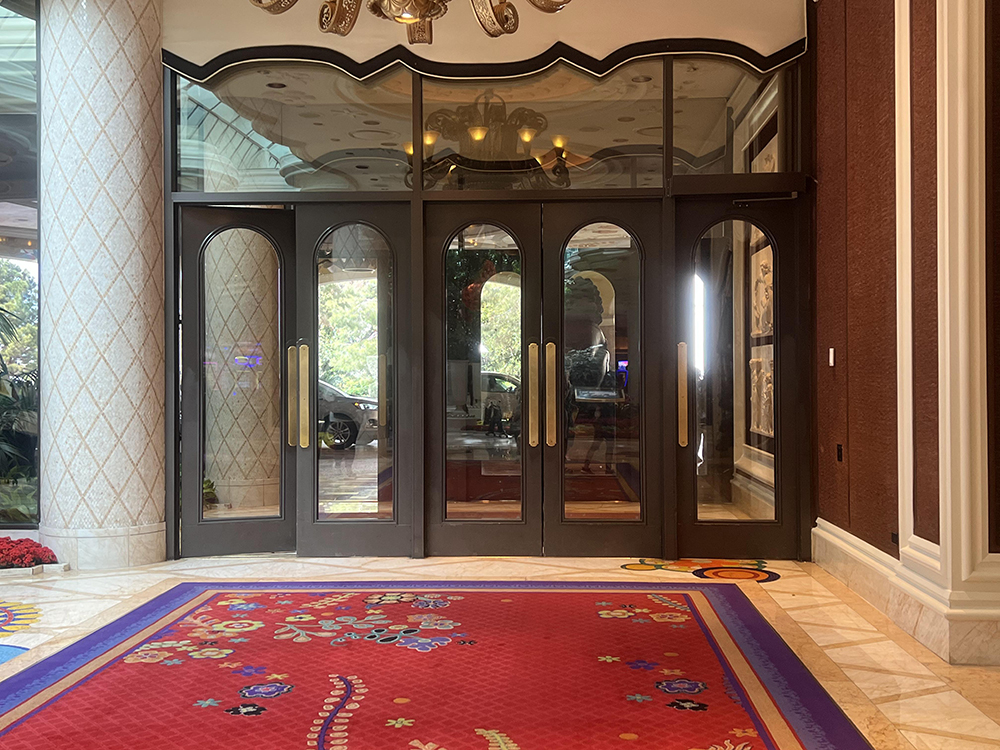
In residential settings, stainless steel is commonly used for kitchen counters, handrails, and decorative panels. 304 துருப்பிடிக்காத எஃகு balances cost and longevity, often lasting 15–25 years with minimal maintenance. In commercial buildings, high-traffic areas benefit from துருப்பிடிக்காத எஃகு தாள் for elevator doors, balustrades, and wall panels, where resistance to scratches and cleaning chemicals is critical. Proper installation and routine cleaning ensure that performance aligns with expected lifespan.
5.2 Industrial and High-Exposure Scenarios
Industrial applications often expose materials to chemicals, high humidity, or saline environments. For example, 316 துருப்பிடிக்காத எஃகு is widely applied in coastal structures, chemical plants, and food processing facilities due to its superior chloride and corrosion resistance. Steps to ensure longevity அடங்கும்:
-
Choosing the right grade based on chemical exposure.
-
Applying protective coatings or passivation where needed.
-
Scheduling regular inspections and maintenance.
Large metal panels, such as Stainless Steel Metal Plate, are commonly used for structural components and retain integrity even under harsh conditions for decades.
5.3 Structural vs Decorative Applications
Material longevity also depends on whether stainless steel is used structurally or decoratively. Structural elements, like outdoor staircases or load-bearing frames, require high mechanical strength and fatigue resistance, often making 316 or specialized Inox steel the preferred choice. Decorative elements, including facades, trims, or furniture, prioritize appearance and corrosion resistance, which 304 stainless steel can adequately provide. Routine cleaning, polishing, and occasional protective coatings significantly extend the lifespan of decorative applications without large additional costs.