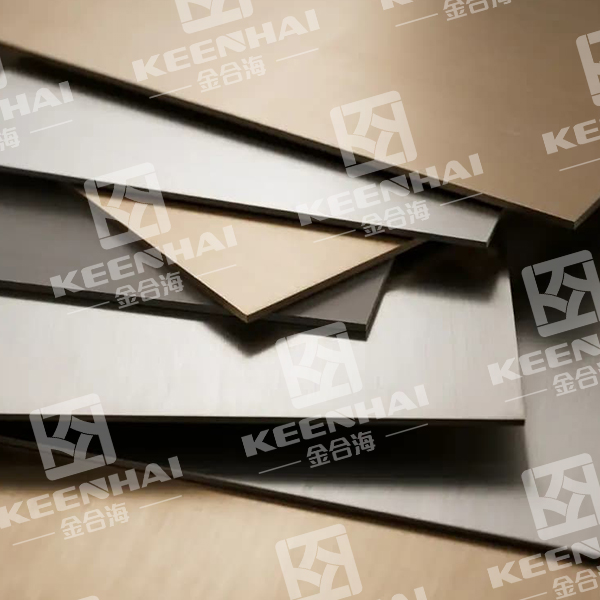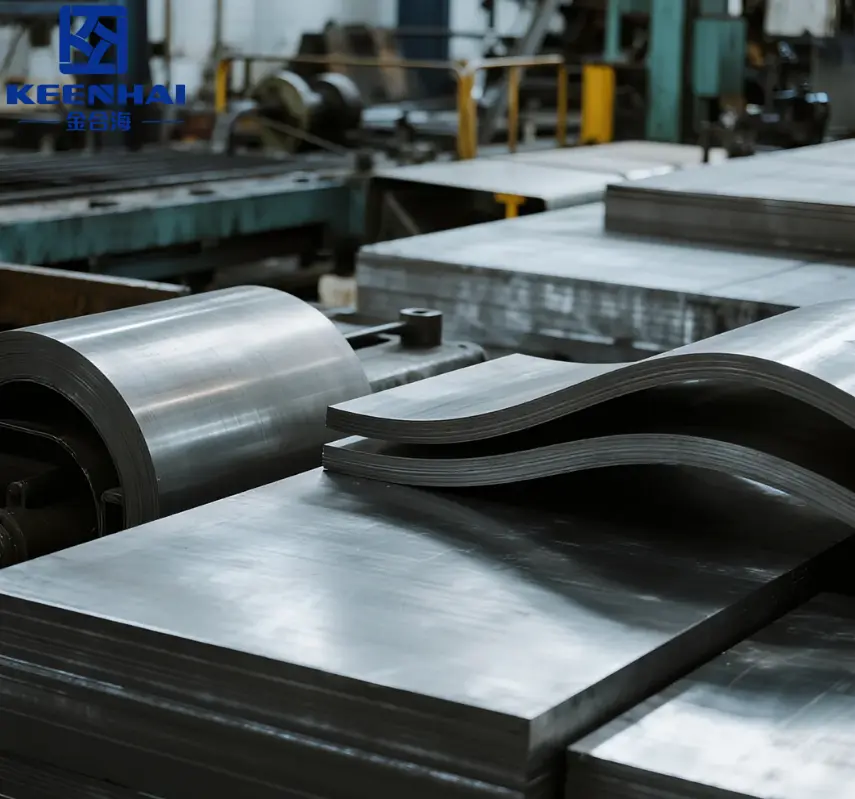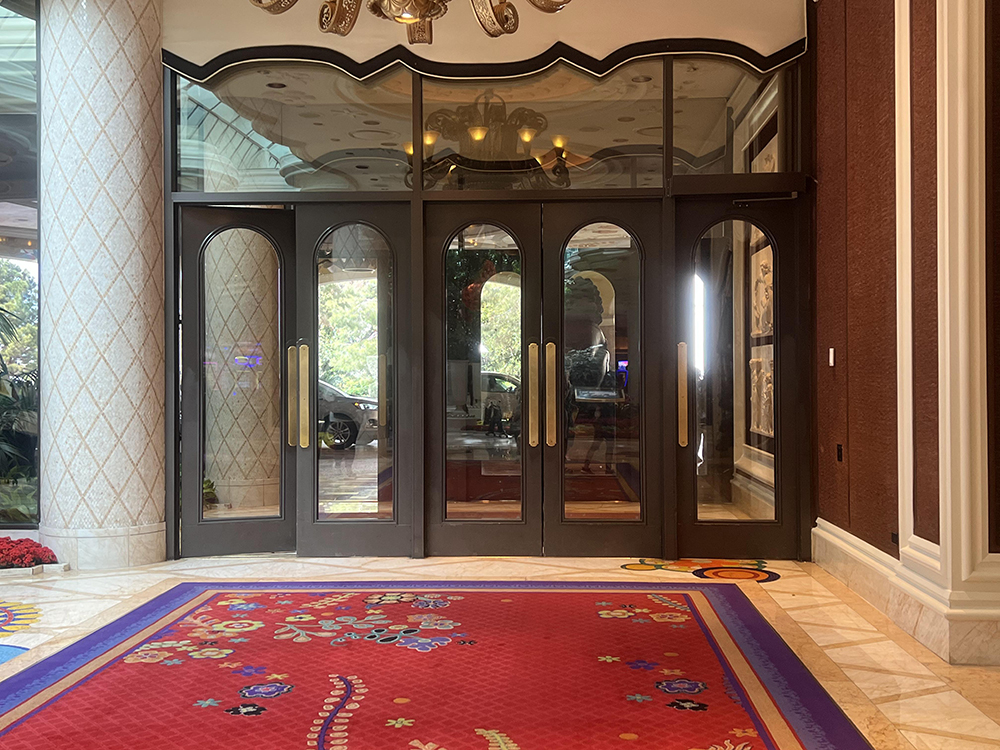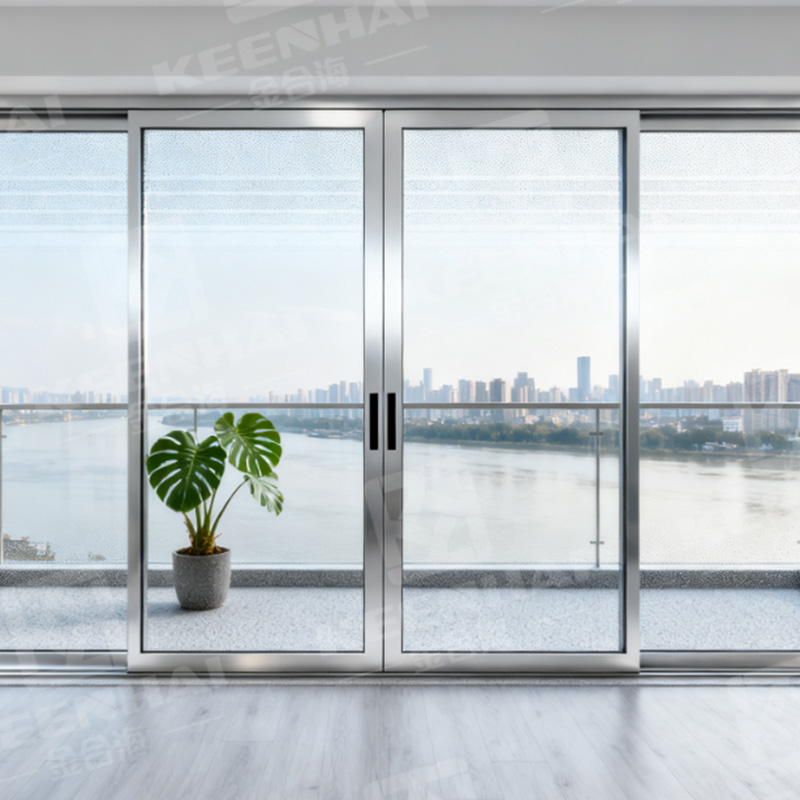
Material Inox outperforms galvanized steel in corrosion-heavy environments, thanks to its inherent stainless properties and protective chromium layer. It maintains strength, resists pitting, and keeps a polished finish over decades. For outdoor architectural panels or marine equipment, Inox ensures minimal maintenance while delivering consistent structural integrity. Conversely, galvanized steel performs adequately in dry or semi-protected structures but requires frequent inspections and coatings in coastal or industrial settings, which can add long-term costs.
1. Fundamental Material Properties
1.1 Composition and Alloy Differences of Material Inox
Material Inox, commonly referred to as stainless steel, features a carefully balanced composition of iron, chromium, nickel, and sometimes molybdenum, which defines its corrosion resistance, mechanical strength, and overall durability. The chromium content, typically between 10.5% and 20%, forms a passive oxide layer that prevents rusting, while nickel levels ranging from 8% to 12% enhance ductility and toughness. For applications like high-end architectural panels or kitchen equipment, premium stainless steel sheets are often chosen due to their precise alloy composition and reliable structural performance.
Common Inox grades include 304, 316, and 430, each optimized for different environments: 304 is versatile for indoor use, 316 is marine-grade resistant, and 430 provides cost-effective corrosion resistance in moderate conditions. These differences make Inox alloys uniquely suited for load-bearing, decorative, and industrial applications where long-term performance is critical.
1.2 Composition and Coating Process of Galvanized Steel
Galvanized steel starts with carbon steel as its base and gains corrosion resistance through hot-dip or electro-galvanization, applying a protective zinc coating that typically ranges from 10 μm to 85 μm in thickness. This coating acts as a sacrificial layer, preventing rust formation even if the steel underneath is scratched.
The choice between hot-dip and electro-galvanized steel often depends on intended use and expected lifespan:
-
Hot-dip galvanization: Immersing steel in molten zinc produces a thick, robust layer ideal for structural beams and outdoor construction elements.
-
Electro-galvanization: Uses an electrochemical process for a thinner, smoother coating suited for appliances and automotive body panels where precision finishing is critical.
This process results in a metal that is strong in tension and compression, yet lighter and generally less corrosion-resistant than premium Inox in harsh environments.
1.3 Key Mechanical and Physical Property Comparison
Comparing Material Inox and galvanized steel across key mechanical and physical properties highlights why designers often choose stainless steel for long-term durability and aesthetic performance.
| Property | Material Inox (e.g., 304, 316) | Galvanized Steel (HDG) | Notes |
|---|---|---|---|
| இழுவிசை வலிமை | 505–750 MPa | 370–550 MPa | Inox generally stronger under heavy loads |
| மகசூல் வலிமை | 215–515 MPa | 250–450 MPa | Varies with alloy and coating |
| Density | 7.8 g/cm³ | 7.85 g/cm³ | Similar overall weight for structural use |
| அரிப்பு எதிர்ப்பு | Excellent (especially 316) | Moderate | Inox forms passive oxide layer; galvanized coating can degrade over time |
| Thermal Expansion | 16–17 µm/m°C | 11–12 µm/m°C | Inox slightly more sensitive to temperature variation |
| Surface Finish Options | Mirror, Brushed, Etched, Polished | Smooth, Painted | Stainless finishes often preferred for aesthetics |
In real-world applications, architects often specify stainless steel metal plates for visible facades or load-bearing frames due to consistent strength under high temperatures and moisture, whereas galvanized steel is commonly chosen for roofing sheets, fencing, or structural reinforcements where cost-effectiveness and moderate corrosion protection suffice. For example, a high-rise balcony balustrade might use premium stainless steel metal plates to ensure safety, longevity, and sleek appearance.
Notes on Practical Applications and Scenario Use:
-
When designing a commercial kitchen, choose 304 Inox sheets for counters and backsplashes; they resist frequent cleaning chemicals and heat fluctuations.
-
For outdoor industrial structures exposed to rain or saltwater, 316 Inox ensures minimal maintenance over decades.
-
Galvanized steel can be used effectively in temporary structures, fencing, or roofing where surface exposure is less critical, providing a cost-efficient solution with decent protection.
2. Corrosion and Environmental Resistance
2.1 Oxidation and Rust Prevention Mechanisms
Material Inox achieves exceptional corrosion resistance through a combination of chemical composition and surface properties. The chromium content (10.5–20%) reacts with oxygen to form a thin, self-healing oxide layer that prevents rusting even if the surface is scratched. Additionally, nickel and molybdenum in certain grades like 316 further enhance resistance in chloride-rich environments.
For practical applications, using premium inox sheets in outdoor railings, balcony balustrades, or kitchen equipment ensures that oxidation never compromises structural integrity. When specifying material for construction projects, consider the following steps:
-
Select a grade with adequate alloying elements for the environment.
-
Ensure proper surface finish, such as brushed or polished, to reduce micro-crevices where corrosion can initiate.
-
Incorporate routine cleaning and maintenance schedules to remove contaminants that accelerate rust formation.
These steps, combined with the material’s inherent properties, explain why Inox remains superior to coated carbon steel or galvanized metals in long-term applications.
2.2 Performance in Marine, Industrial, and Outdoor Conditions
In harsh environments like coastal areas, chemical plants, or industrial zones, stainless steel sheets outperform most alternatives due to resistance against chlorides, sulfur compounds, and acid rain. For example, 316-grade panels maintain strength and appearance on a seaside building facade for over 20 years, while galvanized steel shows corrosion spots within 5–7 years.
Key considerations for specifying high-performance high-quality stainless steel panels அடங்கும்:
-
Marine exposure: Prioritize molybdenum-containing alloys to prevent pitting.
-
Industrial exposure: Select grades resistant to sulfur dioxide and nitrogen oxides.
-
Outdoor architectural applications: Choose brushed or mirror finishes for aesthetic longevity and easier cleaning.
This material’s ability to withstand diverse environmental stresses ensures minimal maintenance and consistent structural performance, even in the harshest settings.
2.3 Lifespan Differences Under Harsh Environments
Comparing Material Inox to galvanized steel in real-world conditions highlights stainless steel’s superior lifespan. For example:
| Environment | 304 Stainless Steel | 316 Stainless Steel | Hot-Dip Galvanized Steel | Notes |
|---|---|---|---|---|
| Marine Coastal | 15–20+ years | 25+ years | 5–7 years | 316 offers highest chloride resistance |
| Industrial Acidic Air | 15–18 years | 18–22 years | 6–8 years | Inox resists chemical attack better than zinc coating |
| Urban Outdoor | 20+ years | 20+ years | 10–12 years | Surface finishes prolong visual appeal |
For architects and engineers, this translates into long-term cost savings and reduced maintenance efforts. Projects like commercial kitchens, outdoor staircases, or marine boardwalks benefit from selecting Inox, as it resists rust, maintains mechanical strength, and keeps aesthetic integrity over decades.
3. Strength, Flexibility, and Load-Bearing Capabilities
3.1 Tensile and Yield Strength Comparison
Material Inox demonstrates impressive tensile and yield strength, which makes it suitable for load-bearing structures ranging from modern façades to industrial machinery. Typical tensile strength ranges for commonly used grades are: 304: 520 MPa, 316: 580 MPa, and martensitic grades like 410: 700 MPa. Yield strength varies similarly, with 304-grade Inox around 215 MPa மற்றும் 316-grade around 290 MPa.
For practical selection, consider these steps:
-
Identify the expected maximum load and safety factor.
-
Match the Inox grade whose yield strength exceeds the calculated load.
-
Ensure that surface finish and thickness meet structural rigidity requirements.
Using stainless steel sheets in architectural staircases or railings ensures both strength and aesthetic durability, while SS Steel Plate is often deployed in industrial equipment frames requiring higher load-bearing capacity.
3.2 Bending, Impact, and Fatigue Resistance Differences
Flexibility under bending, resistance to impact, and fatigue endurance distinguish Inox from other metals like carbon steel or aluminum. Austenitic stainless steels, such as 304 and 316, exhibit high ductility, allowing them to absorb energy without permanent deformation. In contrast, ferritic and martensitic grades provide higher hardness but less flexibility, which is crucial when designing load-bearing panels for bridges or platforms.
To optimize performance:
-
தேர்ந்தெடுக்கவும் austenitic Inox for projects requiring repeated bending or thermal expansion tolerance.
-
Apply martensitic grades only where rigidity and scratch resistance outweigh flexibility.
-
Use controlled welding and annealing to maintain fatigue resistance over long-term use.
This ensures that high-quality stainless steel panels retain both shape and structural integrity in industrial or outdoor applications.
3.3 Weight-to-Strength Ratio Considerations
Inox offers a favorable weight-to-strength ratio compared to carbon steel, though aluminum remains lighter. For structural elements like rooftop frameworks or outdoor furniture, this ratio determines whether the metal can support heavy loads without excessive bulk. For example:
| பொருள் | Density (g/cm³) | Tensile Strength (MPa) | Strength-to-Weight Ratio |
|---|---|---|---|
| 304 Inox | 8.0 | 520 | 65 |
| 316 Inox | 8.0 | 580 | 72 |
| Hot-Rolled Carbon Steel | 7.85 | 400 | 51 |
| Aluminum 6061 | 2.7 | 310 | 115 |
Step-by-step selection for load-critical projects:
-
Calculate the maximum weight the structure must support.
-
Determine the metal grade that achieves this load with minimal thickness.
-
Consider surface finish and corrosion resistance for long-term durability.
This balance of strength, flexibility, and weight explains why premium inox sheets dominate in construction, industrial frameworks, and specialized equipment where both durability and structural efficiency are critical.
4. Maintenance Requirements and Surface Durability
4.1 Cleaning, Coating, and Protective Treatments
Maintaining Material Inox requires understanding both its natural corrosion resistance and surface finish properties. High-grade stainless steel panels resist oxidation, but regular cleaning extends lifespan and preserves appearance. A practical maintenance routine includes:
-
Rinsing surfaces with fresh water to remove salts or chemicals.
-
Applying a mild detergent or stainless steel cleaner to dissolve stubborn deposits.
-
Using protective coatings or passivation treatments to reinforce corrosion resistance in marine or industrial settings.
For projects like commercial kitchens or exterior façades, using premium inox sheets ensures that coatings adhere properly and reduce long-term wear. These treatments can increase lifespan by 20–30% in high-exposure environments.
4.2 Long-Term Wear and Scratch Resistance
Surface durability goes beyond corrosion. Inox offers excellent scratch resistance, especially martensitic grades, while austenitic types provide better ductility but slightly lower surface hardness. Choosing the right grade and finish directly impacts longevity under repeated contact or mechanical stress.
-
For high-traffic areas like elevator panels or handrails, select satin or brushed finishes to hide minor scratches.
-
In industrial equipment, opt for mirror-finish or polished panels to minimize dirt accumulation while maintaining aesthetic appeal.
-
Periodically inspect surfaces for early signs of wear, then apply touch-up polish or re-passivation to restore protective properties.
Using metal stainless steel sheets in outdoor furniture or industrial machinery ensures scratch resistance while keeping cleaning simple, even in harsh conditions.
4.3 Cost of Maintenance Over Time
When comparing Material Inox with alternatives like galvanized steel or aluminum, the long-term maintenance cost is surprisingly competitive. While initial purchase might be higher, lower frequency of cleaning, repair, and coating offsets upfront costs over 10–15 years.
Key cost-saving steps include:
-
Selecting appropriate grade and finish for the environment to reduce wear.
-
Implementing scheduled maintenance every 6–12 months depending on exposure.
-
Documenting inspection and cleaning procedures to avoid premature replacement.
Premium stainless steel panels maintain both strength and visual appeal, reducing labor and replacement costs significantly, which makes them ideal for architectural projects, industrial installations, and high-use public spaces.
5. Application Suitability Across Industries
5.1 Architectural and Decorative Applications
Material Inox is a top choice in architecture due to its exceptional corrosion resistance, polished appearance, and structural reliability. It is frequently used in facades, balustrades, elevator interiors, and wall cladding, where both aesthetics and long-term performance are critical.
-
Select the correct grade: Austenitic stainless steel, like 304 or 316, performs best in exterior applications exposed to rain or humidity.
-
Consider surface finish: brushed finishes hide scratches in high-traffic areas, while mirror finishes enhance light reflection in lobbies or commercial interiors.
-
Install carefully: secure panels with non-corrosive fasteners to avoid discoloration at contact points.
When large panels are required, stainless steel sheets provide consistent thickness and finish, ensuring structural integrity and visual uniformity. For example, high-rise curtain walls often rely on these sheets to maintain both strength and aesthetic appeal in harsh weather conditions.
5.2 Industrial, Structural, and Automotive Uses
In industrial settings, Material Inox offers high load-bearing strength, fatigue resistance, and chemical tolerance, making it ideal for chemical processing equipment, structural frameworks, and automotive body panels.
-
Material selection: use stainless steel metal plates in parts exposed to mechanical stress or corrosive agents.
-
Inspection: schedule routine checks every 6–12 months for welds, joints, and fasteners, especially in marine or chemical environments.
-
Installation guidance: ensure precise alignment to distribute loads evenly, preventing localized stress and premature fatigue.
The combination of strength and resistance reduces long-term maintenance, keeping production equipment or automotive components reliable under continuous use.
| Property | Material Inox (304/316) | Galvanized Steel | Carbon Steel |
|---|---|---|---|
| Tensile Strength (MPa) | 520–750 | 370–420 | 400–550 |
| Yield Strength (MPa) | 210–290 | 250–280 | 250–400 |
| அரிப்பு எதிர்ப்பு | Excellent | Moderate | குறைந்த |
| Fatigue Resistance | உயர் | Moderate | Moderate |
| Typical Thickness Range | 0.5–12 mm | 0.5–10 mm | 0.5–12 mm |
5.3 Kitchen, Appliances, and Household Projects
Material Inox dominates kitchens and household projects because it combines hygienic surfaces, heat tolerance, and easy cleaning. It is widely used in countertops, sinks, ovens, refrigerator panels, and cabinet fronts.
-
நிறுவல்: align panels carefully to avoid gaps where moisture can accumulate, and use fasteners compatible with the sheet grade.
-
Cleaning routine: apply mild detergent with a soft cloth, rinse thoroughly to prevent residue, and dry completely to preserve finish.
-
Durability tips: avoid dragging heavy objects across surfaces to prevent scratches and maintain the mirror or brushed finish.
High-quality metal stainless steel sheets are ideal for these applications, offering consistent thickness, excellent corrosion resistance, and long-lasting aesthetic performance.
Choosing between Material Inox and Galvanized Steel ultimately depends on your project’s requirements. Inox offers superior corrosion resistance, durability, and aesthetic versatility, making it ideal for long-term applications in harsh environments or visible surfaces. Galvanized steel remains a cost-effective alternative for structural projects with lower exposure to moisture or corrosive agents. Understanding the specific conditions, load requirements, and lifespan expectations will ensure the right material selection, avoiding unnecessary maintenance and replacement costs.