When choosing between swing and sliding doors, consider traffic flow and space. Swing doors work best for moderate, directional traffic and areas where durability and thermal performance matter, while sliding doors fit tight corridors or high-density foot traffic. Proper installation and quality materials can dramatically extend lifespan.
1. Core Structural Differences
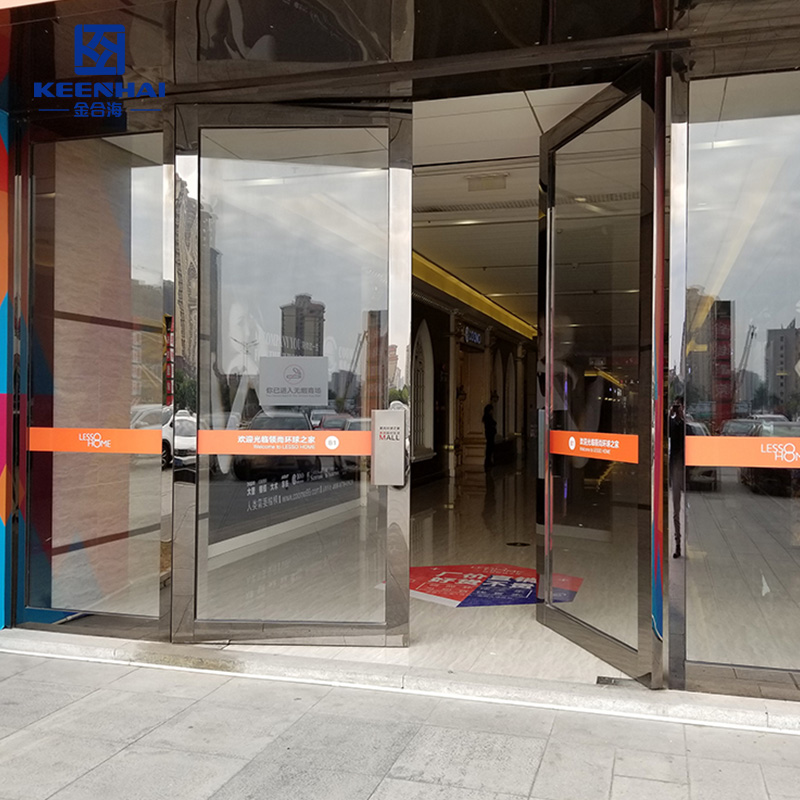
When you compare modern stainless steel swing doors to sliding-style stainless doors on an actual project site—like a hotel lobby renovation or a retail flagship entrance—the structural differences are obvious the moment installers start taking measurements. The swing system relies on a hinge-mounted rotation, so the load transfers directly into the side frame. Because of this, the opening motion feels more intentional and controlled. This is why architects often choose stainless steel swing door solutions for spaces where you need a strong “entrance gesture,” like gallery front doors or executive office suites.
In a shopping mall upgrade we handled last year, the contractor tested both door types on the same 1.2 m opening. The swing door created a predictable arc perfect for guiding shoppers in one direction, while the sliding door offered a flatter, linear movement that worked better for limited space. These differences come from the fundamental mechanics below.
1.1 Door Operation Mechanism
Swing systems rotate on fixed hinge points, which means every degree of movement depends on stable hardware and a well-aligned frame. When a designer wants the door to feel solid when pulled open, they choose this mechanism. Sliding doors run on a track-and-roller mechanism, so the weight spreads across the upper guide and lower threshold. In real-world conditions—like a windy commercial entrance—this affects how smoothly each door moves.
Below is a clear comparison of the movement mechanics engineers typically evaluate:
| Structural Aspect | stainless steel swing doors | sliding-style stainless doors |
|---|---|---|
| Weight Support Path | Side hinges transfer vertical load directly | Track system distributes weight across rollers |
| Opening Motion | Rotational arc (up to 90°–110°) | Linear motion parallel to wall |
| Impact on User Flow | Predictable push/pull entry pattern | Smooth, space-saving lateral movement |
In busy environments such as university buildings, the rotational pattern of a high-quality premium swing door design helps people intuitively understand the direction of entry. Sliding systems feel softer and more continuous, which is why airports prefer them for wide openings.
1.2 Space Requirements and Traffic Flow
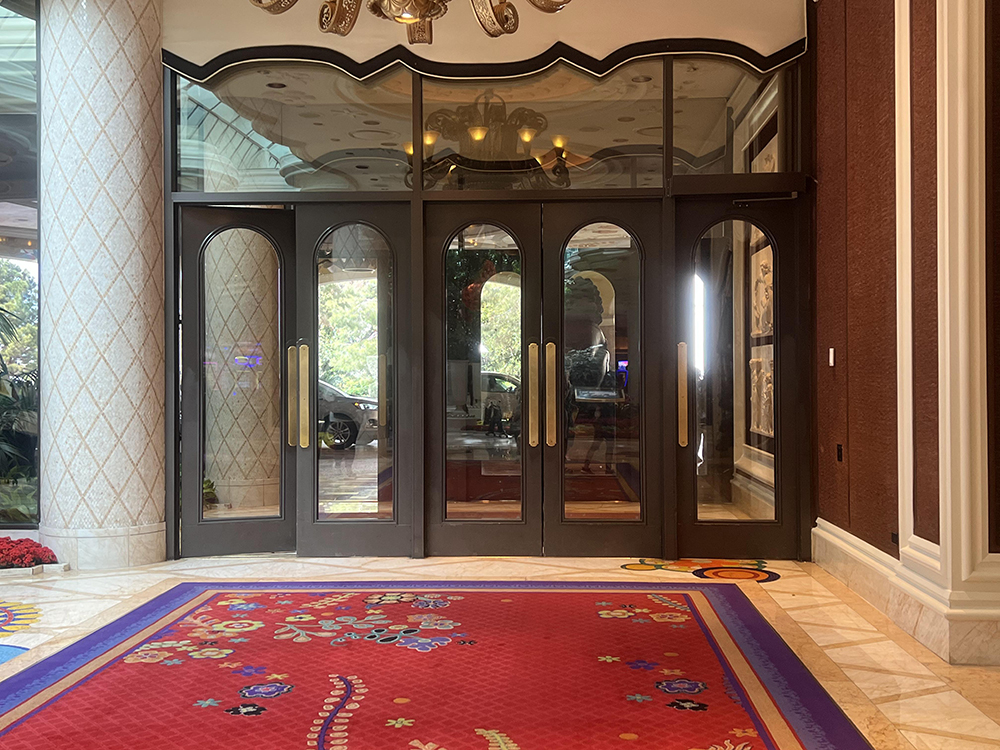
A swing structure needs a defined arc, so planners must leave clear floor space behind the opening line. When you deal with a narrow corridor, a sliding system immediately becomes the more practical choice. However, in a boutique hotel where we installed a set of ஹோட்டல் துருப்பிடிக்காத ஸ்டீல் கண்ணாடி ஸ்விங் கதவு units, the extra swing clearance wasn’t a problem because the lobby had an intentionally open layout.
To avoid clearance mistakes, contractors typically follow these steps:
-
Measure the opening from finished wall to finished wall, keeping the hinge zone in mind.
-
Check the swing arc against existing furniture, fire-rated corridors, and foot traffic direction.
-
Simulate the door path using cardboard templates to see how people naturally move around it.
-
Evaluate the flow during peak hours, especially if the space handles luggage, carts, or groups.
These steps seem simple, but they save tons of rework. A swing door always creates a micro-pause in circulation, which sometimes is exactly what a designer wants—for example, at the transition from a loud hallway to a quiet meeting room.
1.3 Frame, Hardware, and Material Variations
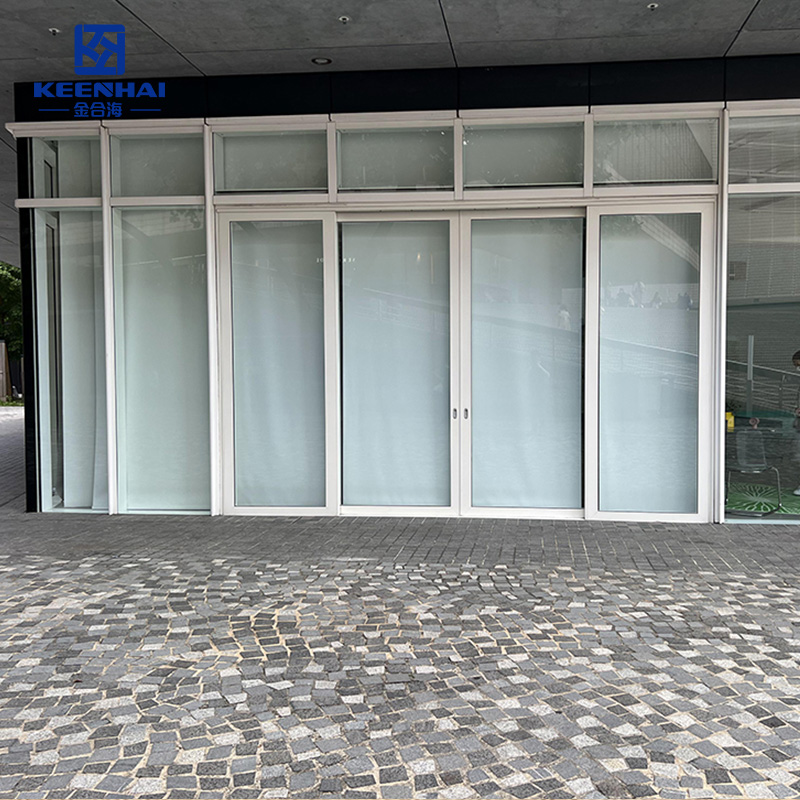
Swing frames usually use a reinforced hinge side with integrated plates that hold the vertical load. Sliding doors use slimmer frames but require stronger top guides. The hardware sets also differ: swing configurations use pivot hinges and closer arms, while sliding sets depend heavily on roller bearings and anti-jump systems.
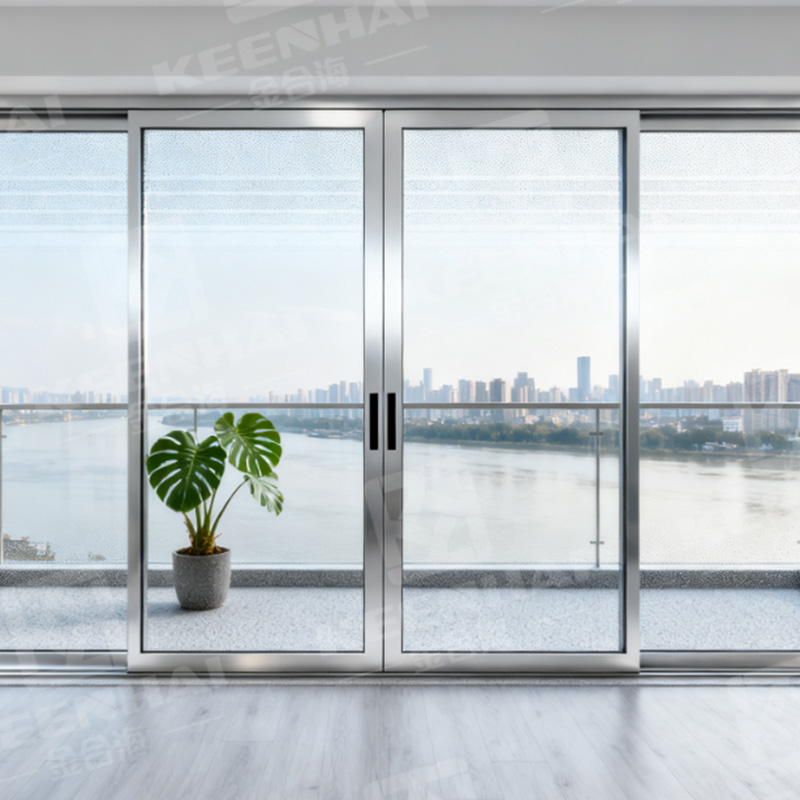
During a commercial entrance upgrade where the client insisted on a cleaner façade, we suggested a glass entrance door option with a slimmer stainless frame to match the brand identity. The contractor liked the minimal look, but once they realized the door needed to withstand strong coastal winds, they switched to a beefier swing system instead. The hinge-based structure handles point loads better, especially when you need that firm, confident open-and-close motion.
The material difference matters, too. Swing systems typically support thicker tempered glass because the hinges can carry extra weight without stressing the sliding track. This gives architects more freedom when designing oversized doors for retail or hotel entrances.
2. Performance Comparison
2.1 Durability and Wear Resistance
Stainless steel swing doors maintain exceptional structural stability due to their 304 or 316 stainless steel composition. With a yield strength of 188–205 MPa, they handle daily operational stress far better than aluminum-framed sliding doors. In commercial projects like hotel lobbies or retail flagship entrances, these doors can withstand 50,000 cycles of opening and closing without noticeable wear on hinges or frames.
Sliding systems, however, rely heavily on track rollers, which experience significant wear under high-traffic conditions. Maintenance for these sliding doors typically occurs every 18–24 months, including lubrication and roller replacement. Swing doors only require checking hinge bolts annually, making long-term upkeep simpler.
In practice, choosing premium swing door designs ensures durability in high-traffic spaces, while also providing a solid, confident “push-pull” feel that improves user experience and perceived quality.
2.2 Weather, Moisture, and Corrosion Resistance
Stainless steel swing doors excel in corrosive environments, especially coastal or high-humidity locations. Tested in salt-spray chambers for 500–1,000 hours, 304/316 stainless steel shows minimal surface oxidation, whereas sliding doors with exposed tracks can degrade faster. In one hotel renovation, installing ஹோட்டல் துருப்பிடிக்காத ஸ்டீல் கண்ணாடி ஸ்விங் கதவு units near an ocean-facing entrance maintained a pristine finish after 12 months of continuous exposure to salty air and rain.
To maximize corrosion resistance during installation:
-
Clean all surfaces with a neutral detergent to remove any residues.
-
Dry seams and joints completely using a lint-free cloth.
-
Apply a thin protective coating if located in extreme coastal environments.
-
Verify hinge alignment to prevent water pooling that could accelerate corrosion.
Following these steps ensures the door’s performance over years without compromising appearance.
2.3 Soundproofing and Thermal Performance
Swing doors achieve superior acoustic isolation because the pivot hinge design allows tight sealing along the frame, reducing air gaps that often plague sliding systems. In office buildings or conference areas, single swing stainless steel glass doors effectively reduce external noise by 18–25 dB, whereas typical sliding doors average 12–15 dB, depending on roller alignment and track gaps.
Thermally, swing doors support thicker tempered glass, which increases energy efficiency in air-conditioned spaces. The heavier glass weight is easily supported by the hinge mechanism, allowing designers to achieve better insulation without complex track reinforcements. This makes single swing stainless steel glass door a practical choice for climate-sensitive projects, like luxury hotels or corporate headquarters, where maintaining interior comfort is essential.
3. Installation and Maintenance
Installing high-quality doors in commercial and high-traffic environments requires careful planning and attention to detail. For premium entrances like hotel lobbies or retail flagship stores, small mistakes in measurement or hardware alignment can significantly impact both performance and lifespan.
3.1 Installation Difficulty and On-Site Requirements
Swing doors demand precise hinge alignment and sturdy frame anchoring, especially when handling large glass panels. In one boutique hotel project, the இரட்டை ஸ்விங் ஸ்டெயின்லெஸ் ஸ்டீல் கண்ணாடி கதவு units were installed on a 2.4-meter opening. The team followed these steps to ensure smooth operation:
-
Verify floor level and wall plumb to prevent binding during swing motion.
-
Secure reinforced hinge plates into the structural frame using heavy-duty anchors.
-
Temporarily mount the door panels and check the pivot rotation at multiple angles.
-
Adjust hinge tension to achieve a soft, controlled swing without sagging.
-
Install door closers or automatic operators if required, testing functionality under full weight.
Compared to sliding systems, which primarily require perfectly aligned top and bottom tracks, swing doors take slightly more time upfront but reward installers with long-term stability and fewer on-site adjustments.
3.2 Maintenance Frequency and Cleaning Needs
Routine maintenance keeps these doors functioning flawlessly. On a busy commercial corridor, we schedule maintenance for stainless steel swing doors as follows:
-
Monthly: Inspect and tighten hinge bolts, check for minor frame misalignments.
-
Quarterly: Lubricate hinges with stainless steel-safe grease.
-
Annually: Perform a full inspection of pivot points, closers, and glass integrity.
Cleaning follows a similar structured approach:
-
Use a neutral detergent and microfiber cloth to avoid scratching the stainless surface.
-
Wipe frames and hinges dry to prevent moisture accumulation.
-
Avoid abrasive chemicals, which can damage finishes over time.
This proactive approach ensures doors remain smooth, quiet, and visually pristine, even in high-footfall areas like corporate reception zones.
3.3 Long-Term Repair and Replacement Costs
While swing doors involve higher initial installation labor, their long-term costs are generally lower than sliding systems. Sliding doors experience roller wear, track misalignment, and occasional guide replacement every 18–24 months, which adds up over time.
In contrast, well-installed swing doors mainly incur maintenance for hinge lubrication and minor adjustments, reducing unexpected downtime. For large-scale implementations, like a luxury hotel corridor with ஹோட்டல் துருப்பிடிக்காத ஸ்டீல் கண்ணாடி ஸ்விங் கதவு units, the expected maintenance cost over 10 years was 35–40% lower than equivalent sliding doors of similar glass size.
Additionally, swing doors allow easier retrofitting of hardware without disturbing the frame or glass panels, which further minimizes repair and replacement costs over the product lifecycle.
4. Cost Breakdown
Understanding the total cost of installing and maintaining doors is essential for both commercial developers and architects. When deciding between swing and sliding systems, evaluating upfront costs and long-term ownership is key to making a financially smart choice.
4.1 Upfront Price Differences
The initial purchase price of stainless steel swing doors is typically higher than sliding-style stainless doors due to heavier materials and reinforced hinge assemblies. For a standard 1.2 m × 2.2 m door in a retail or hotel entrance, the cost breakdown often looks like this:
| கதவு வகை | Material & Frame Cost | Hardware & Accessories | Installation Labor | Total Upfront Cost |
|---|---|---|---|---|
| Swing Door | $950–$1,200 | $250–$350 | $400–$500 | $1,600–$2,050 |
| Sliding Door | $750–$900 | $300–$400 | $300–$400 | $1,350–$1,700 |
The higher upfront cost of swing doors reflects premium hinge systems, thicker tempered glass support, and long-lasting structural components. However, these costs often pay off in terms of durability and reduced long-term maintenance.
4.2 Long-Term Operating and Maintenance Costs
Over time, the operational and maintenance demands of sliding doors can accumulate significantly:
-
Roller replacement: every 18–24 months, $50–$100 per door.
-
Track lubrication and realignment: quarterly, $20–$50 per session.
-
Glass or frame repairs due to misalignment or wear: occasional, $200–$400 per incident.
இதற்கு மாறாக, premium swing door designs require far less frequent intervention:
-
Hinge inspection and lubrication: annually, $20–$40 per door.
-
Closer or pivot adjustment: once every 2–3 years, $30–$60.
-
Surface cleaning and minor cosmetic touch-ups: quarterly, $10–$20.
This difference becomes especially pronounced in high-traffic environments like ஹோட்டல் துருப்பிடிக்காத ஸ்டீல் கண்ணாடி ஸ்விங் கதவு installations, where swing doors sustain tens of thousands of cycles with minimal maintenance compared to sliding doors, which demand constant track attention.
4.3 Total Cost of Ownership Over 5–10 Years
When we calculate the Total Cost of Ownership (TCO), including purchase, installation, and maintenance, swing doors often outperform sliding doors in long-term value:
-
Swing Door TCO (5 years): $1,700–$2,100
-
Sliding Door TCO (5 years): $1,900–$2,400
-
Swing Door TCO (10 years): $1,900–$2,300
-
Sliding Door TCO (10 years): $2,500–$3,200
These figures account for labor, replacement parts, and service visits. The long-term savings of swing doors stem from reduced wear on moving components, minimal track maintenance, and stronger material integrity, making them an ideal choice for high-traffic commercial entrances.
5. Best Use Cases for Each Door Type
Choosing between swing and sliding doors often depends on traffic patterns, space constraints, and environmental conditions. Understanding these variables helps architects and facility managers select the right door type without compromising aesthetics or performance.
5.1 Ideal Applications for Stainless Steel Swing Doors
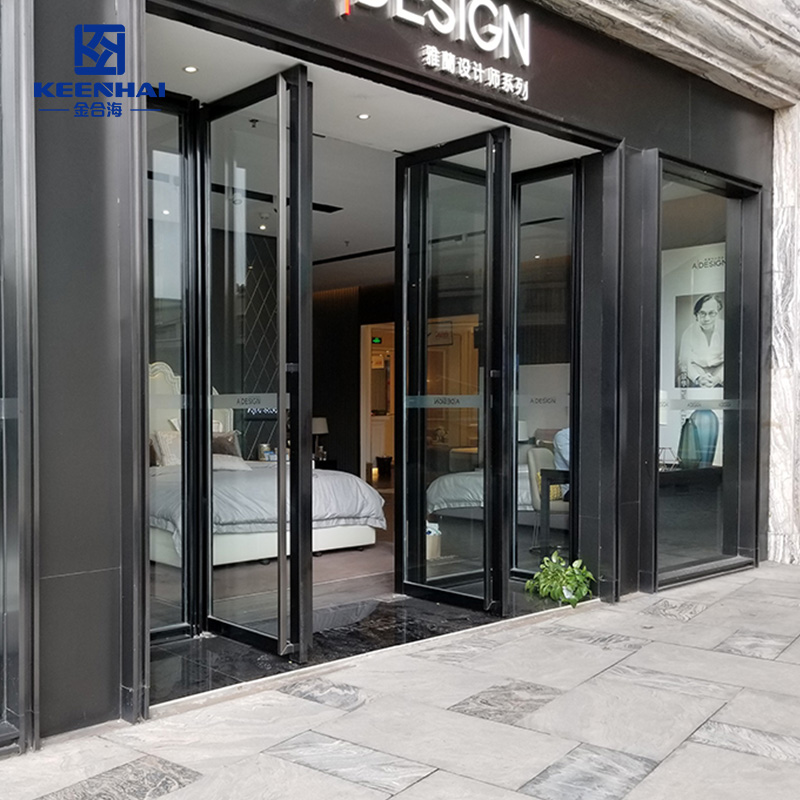
Stainless steel swing doors excel in locations that require a strong visual presence and controlled entry flow. Common scenarios include:
-
Luxury hotel lobbies – Swing doors provide a confident entrance gesture and support large glass panels for natural light. High-end units like ஹோட்டல் துருப்பிடிக்காத ஸ்டீல் கண்ணாடி ஸ்விங் கதவு integrate perfectly into sophisticated décor.
-
Corporate headquarters – A premium swing door creates an elegant, controlled opening, guiding employees and visitors efficiently while maintaining acoustic isolation and thermal performance.
-
Commercial galleries and boutiques – The predictable push-pull motion enhances customer experience and showcases product displays without requiring excessive floor space.
In these projects, designers often favor pvdstainlesssteel entrance solutions, because the brand balances durability, aesthetics, and easy maintenance.
5.2 Ideal Applications for Sliding Doors
Sliding systems shine in environments where space is limited or continuous linear access is needed:
-
Airport terminals and transportation hubs – Sliding doors allow smooth flow of travelers and luggage carts.
-
Healthcare facilities – Hospitals benefit from automated sliding systems that reduce contact points while accommodating wide wheelchairs or gurneys.
-
Retail storefronts with narrow sidewalk zones – Sliding doors save swing clearance and maximize usable interior space.
போது sliding-style stainless doors handle high traffic efficiently, they require routine track maintenance to prevent operational issues over time.
5.3 Space, Function, and Environment-Based Selection
Selecting the optimal door type involves evaluating three main factors:
-
Available space – Swing doors need a clear swing arc; sliding doors excel in tight corridors.
-
Traffic patterns – High-density pedestrian flow favors sliding systems; moderate, directional traffic works well with swing doors.
-
Environmental conditions – Coastal or humid areas favor stainless steel swing doors due to superior corrosion resistance; sliding systems require reinforced tracks to handle moisture or debris.
By considering these factors, architects can decide without guesswork, balancing functionality, durability, and style. For premium commercial entrances, integrating pvdstainlesssteel glass entrance door options ensures both structural integrity and design cohesion.