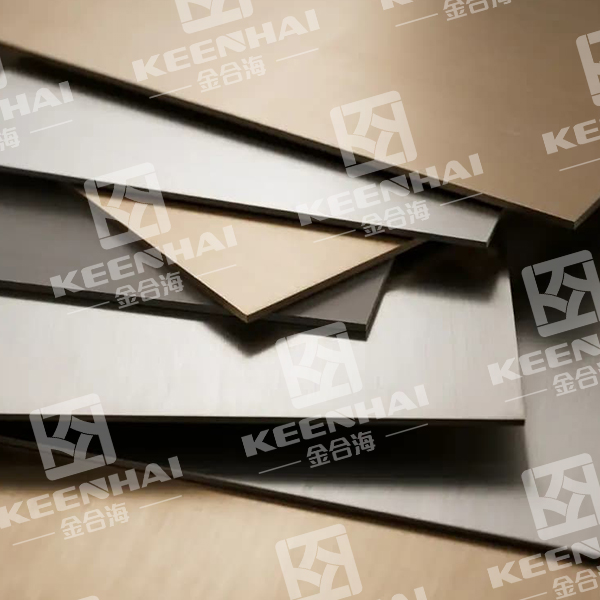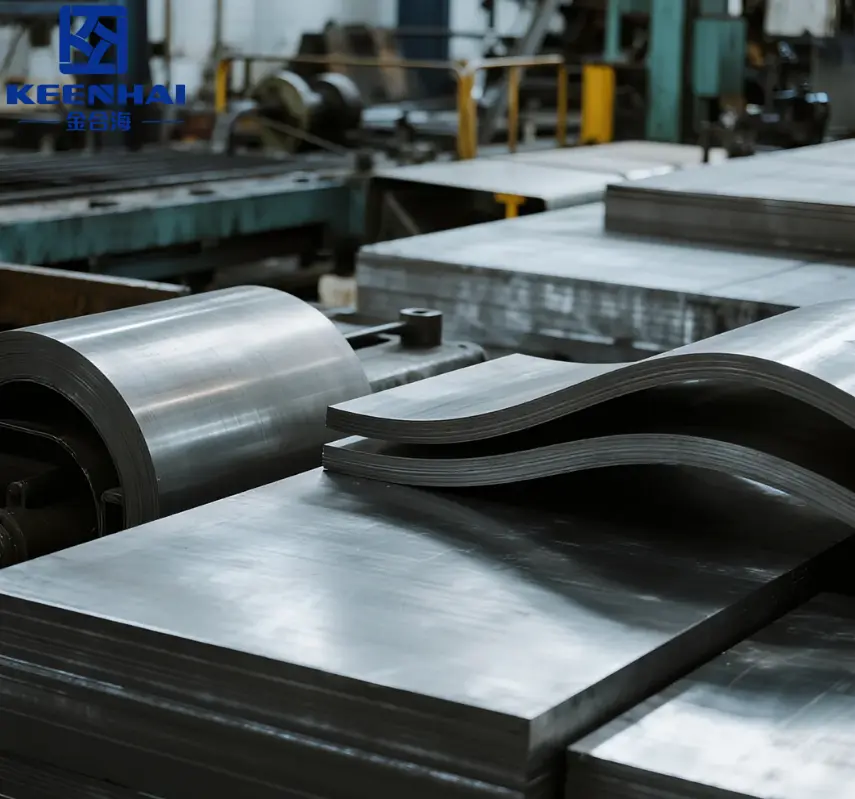
Stainless steel consistently outperforms aluminum in structural strength and resistance to corrosion. With a tensile strength often double that of aluminum and excellent performance in humid or coastal environments, stainless steel ensures long-term reliability. Aluminum’s lighter weight is advantageous for transportation and handling, but it may require additional protective coatings to withstand moisture or chemical exposure. For projects where longevity and minimal maintenance are critical, investing in stainless steel—like premium stainless steel sheets—reduces long-term risks and replacement costs.
1. Mechanical Strength and Durability
When comparing Material Inox and aluminum, mechanical strength is one of the most decisive factors for construction, industrial, and architectural applications. Material Inox, particularly high-grade స్టెయిన్లెస్ స్టీల్ షీట్, offers exceptional tensile strength and rigidity, making it ideal for load-bearing structures, facade panels, and heavy-duty equipment. Aluminum, while lightweight and easier to handle, generally exhibits lower tensile strength, which can affect long-term structural stability in demanding environments.
1.1 Tensile Strength Comparison
Tensile strength determines how much force a material can withstand before breaking. In practical projects like elevator shafts or outdoor stair railings, this property directly impacts safety and longevity. Here’s a direct comparison:
| Material Type | Tensile Strength (MPa) | Typical Applications | Notes |
|---|---|---|---|
| Austenitic Stainless Steel Sheet | 520–750 | Facade panels, kitchen equipment | High ductility and corrosion resistance |
| 304 Aluminum Alloy | 210–310 | Lightweight cladding, window frames | Easier to form, lower load capacity |
| 6061 Aluminum Alloy | 310–350 | Structural components | Moderate corrosion resistance |
| Ferritic Stainless Steel Plate | 450–600 | Industrial machinery, storage tanks | Lower ductility than austenitic |
From this comparison, stainless steel clearly outperforms aluminum in tensile strength, making it a safer choice for structures that experience heavy loads or dynamic stress.
1.2 Hardness and Wear Resistance
Hardness and wear resistance are critical for surfaces that endure constant friction or impact, such as handrails, machine casings, or flooring panels. SS స్టీల్ ప్లేట్ మరియు స్టెయిన్లెస్ స్టీల్ మెటల్ ప్లేట్ resist scratches, dents, and abrasive wear much better than aluminum alloys. For example:
-
In industrial kitchens, high-grade stainless steel sheets maintain a polished surface even under heavy equipment movement, while aluminum quickly develops scratches.
-
In transportation or automotive applications, stainless steel panels reduce long-term maintenance costs due to higher wear resistance.
-
Abrasion tests show stainless steel’s hardness ranging from 150–220 HV, compared to aluminum’s 60–120 HV, which significantly affects longevity in high-traffic areas.
1.3 Fatigue and Impact Performance
Fatigue resistance and impact performance determine how well a material withstands repeated stress or sudden forces. For example, in bridge construction or outdoor structures, both wind and weight cycles challenge material durability. మెటల్ స్టెయిన్లెస్ స్టీల్ షీట్ demonstrates superior fatigue life, resisting micro-cracks that aluminum panels might develop under repetitive load. Impact tests reveal that stainless steel absorbs and redistributes force more effectively, reducing the risk of catastrophic failure.
-
Installations of stainless steel handrails in coastal buildings show minimal deformation after years of heavy use.
-
Aluminum railings in similar scenarios often require replacement or reinforcement after 5–7 years.
-
Engineers prefer stainless steel for dynamic load applications like elevator doors, industrial shelving, and public furniture because of its higher impact tolerance.
Overall, Material Inox excels in mechanical strength and durability across tensile, hardness, and fatigue parameters, while aluminum remains a lighter, more easily fabricated option for non-load-bearing applications. Choosing between the two depends on balancing strength requirements, weight limitations, and long-term maintenance costs, but for critical structural components, stainless steel often provides superior performance and longevity.
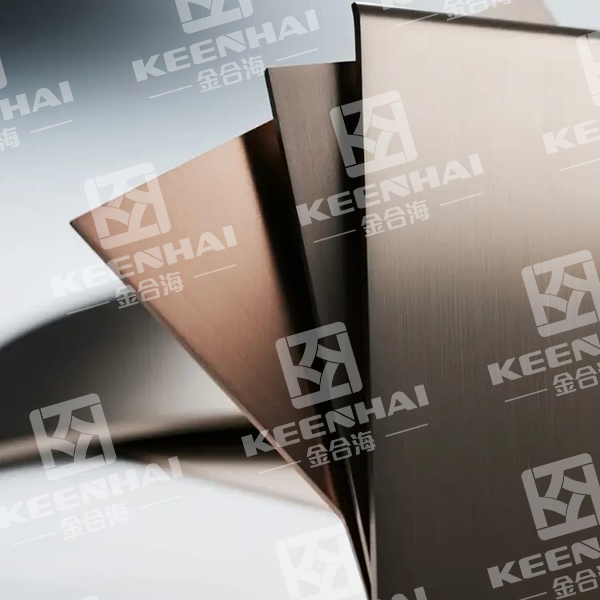
2. Corrosion Resistance and Environmental Suitability
When selecting materials for construction or industrial projects, corrosion resistance is a major factor that determines longevity and maintenance costs. Material Inox, particularly high-quality stainless steel grades like స్టెయిన్లెస్ స్టీల్ షీట్, offers outstanding resistance to moisture, oxidation, and many chemical environments. Aluminum, although naturally forming a protective oxide layer, tends to degrade faster in highly humid or salty environments, which can lead to pitting and surface discoloration over time.
2.1 Resistance to Moisture and Oxidation
In environments with frequent exposure to rain, humidity, or water splashes, the passivation layer of stainless steel prevents rust formation and maintains surface integrity. Aluminum can resist oxidation, but its protective layer is much thinner, making it prone to corrosion in long-term outdoor installations. For example:
-
Outdoor stair railings made from stainless steel sheets in high-rainfall regions show negligible corrosion even after 10+ years.
-
Aluminum railings in similar locations often require repainting or replacement after 5–7 years due to surface degradation.
-
Maintenance frequency for stainless steel is typically 1–2 times per year, mainly for cleaning, compared to quarterly treatments for aluminum to prevent oxidation.
2.2 Performance in Coastal and Humid Environments
Salt and high humidity accelerate corrosion in metals. Duplex stainless steel or SS స్టీల్ ప్లేట్ is engineered to resist chloride-induced corrosion, making it ideal for coastal construction, marine equipment, and waterfront architectural features. In comparison:
| మెటీరియల్ | Chloride Corrosion Resistance | Typical Applications | Notes |
|---|---|---|---|
| ఆస్టెనిటిక్ స్టెయిన్లెస్ స్టీల్ | Excellent | Coastal railings, marine hardware | Maintains appearance over decades |
| 304 Aluminum Alloy | Moderate | Lightweight cladding | Susceptible to pitting over time |
| 6061 Aluminum Alloy | Moderate | Boat fittings, outdoor panels | Requires coatings for longevity |
| ఫెర్రిటిక్ స్టెయిన్లెస్ స్టీల్ | Good | Industrial equipment near water | Lower ductility than austenitic |
This table highlights how stainless steel maintains both structural integrity and aesthetic appeal in harsh coastal conditions, while aluminum often needs protective treatments to achieve comparable longevity.
2.3 Resistance to Chemicals and Industrial Pollutants
In industrial plants, chemical exposure from acids, bases, or cleaning agents is common. Stainless steel products resist corrosion from most industrial chemicals, making them suitable for chemical storage tanks, pipelines, and processing equipment. Aluminum is more reactive and may corrode under repeated chemical exposure, leading to increased maintenance costs and potential safety hazards. Practical implementation steps include:
-
Use duplex or austenitic stainless steel sheets in areas with high chemical exposure.
-
Regularly inspect for surface pitting and clean deposits using mild detergents or approved cleaning solutions.
-
Avoid abrasive tools or harsh chemicals that can damage the passive layer and reduce corrosion resistance.
Overall, Material Inox offers superior corrosion resistance and environmental suitability compared to aluminum, especially in coastal, humid, and chemically aggressive environments. Choosing stainless steel reduces long-term maintenance, preserves appearance, and enhances structural safety, making it a preferred choice for demanding applications.
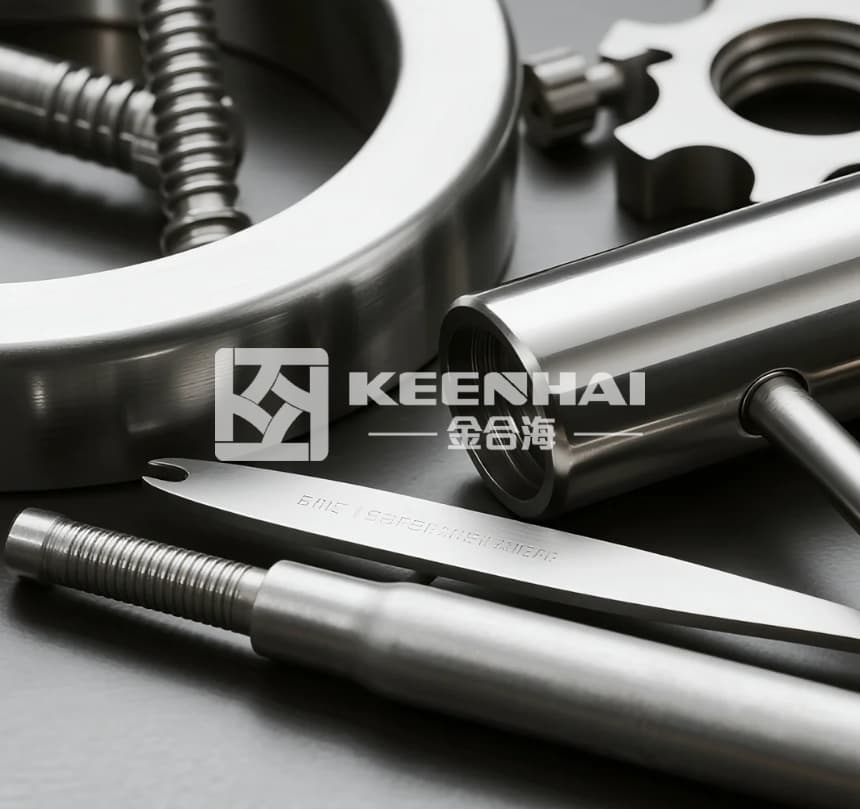
3. Thermal and Electrical Properties
When evaluating materials for engineering, architecture, or industrial applications, thermal and electrical properties play a crucial role. Material Inox, especially high-grade స్టెయిన్లెస్ స్టీల్ షీట్, behaves differently from aluminum due to its lower thermal conductivity and moderate electrical conductivity, which can be an advantage or limitation depending on the project.
3.1 Heat Conductivity and Expansion
Stainless steel exhibits lower heat conductivity than aluminum, which makes it ideal for applications requiring heat retention or reduced thermal bridging. Aluminum, with high thermal conductivity, transfers heat quickly, which is beneficial in heat sinks but can cause unwanted thermal expansion in structural projects. For example:
-
In high-rise building facades, stainless steel panels reduce thermal expansion stress compared to aluminum, maintaining panel alignment over time.
-
Heat exchanger designs may use aluminum for rapid heat transfer, but for structural panels exposed to sunlight, stainless steel prevents warping.
-
The thermal expansion coefficient of 304 stainless steel is approximately 17.3 ×10⁻⁶ /°C, whereas 6061 aluminum alloy is around 23.6 ×10⁻⁶ /°C, which can create noticeable differences in long spans or large surfaces.
3.2 Electrical Conductivity
Electrical conductivity is critical in applications involving current flow or grounding. Stainless steel has lower conductivity, making it safer for certain structural installations where electrical isolation is needed. Aluminum, conversely, conducts electricity efficiently but may require grounding precautions in outdoor or industrial installations. Practical steps include:
-
Use stainless steel for structural frames near electrical equipment to reduce conductivity risks.
-
Aluminum components in electrical applications should include dedicated grounding or insulation.
-
Evaluate conductivity based on specific alloy type and thickness; for example, austenitic stainless steel sheets generally have 1.45 ×10⁶ S/m, while aluminum alloys range around 3.5 ×10⁷ S/m.
3.3 Behavior in High-Temperature Applications
Stainless steel retains mechanical strength at elevated temperatures better than most aluminum alloys, which softens above 200–250°C. This makes stainless steel ideal for industrial ovens, exhaust ducts, or high-temperature kitchen equipment. Examples of practical use:
-
Install high-grade stainless steel sheets in commercial ovens or heat exchangers where temperatures reach 400°C or more.
-
Aluminum panels in similar settings may require frequent replacement or reinforcement due to softening and deformation.
-
High-temperature exposure can also impact corrosion resistance; stainless steel maintains its protective oxide layer, while aluminum may experience accelerated oxidation in extreme heat.
Overall, when balancing thermal expansion, conductivity, and high-temperature performance, stainless steel often outperforms aluminum in structural applications that require durability, safety, and long-term stability. Aluminum remains useful where rapid heat transfer or light weight is a priority, but its limitations in strength and thermal stability should be carefully considered.
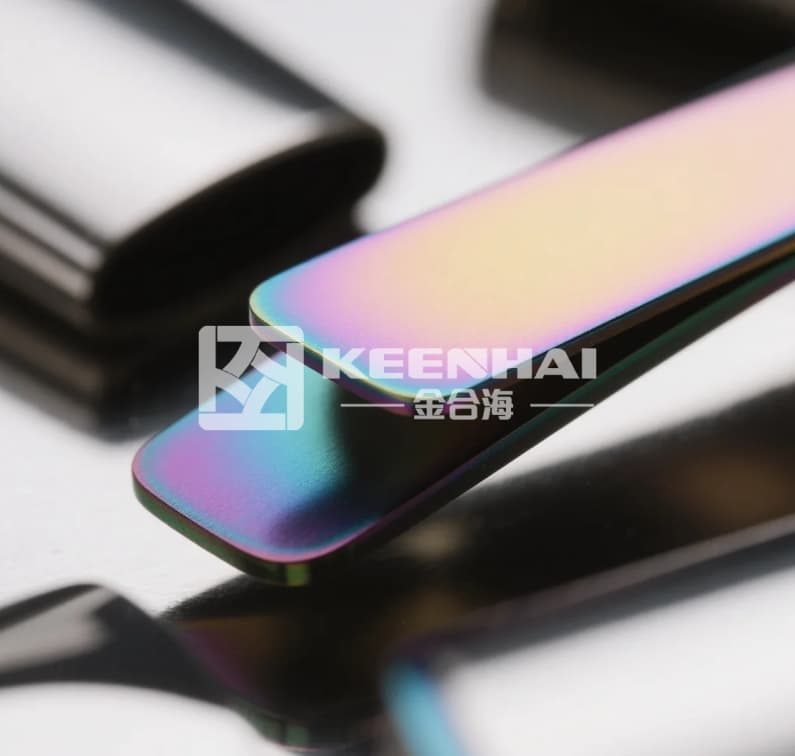
4. Weight, Handling, and Fabrication
When selecting materials for construction or industrial projects, weight and fabrication characteristics directly affect labor costs, transportation, and installation efficiency. Material Inox, particularly high-grade స్టెయిన్లెస్ స్టీల్ షీట్, offers superior structural integrity, but its higher density compared to aluminum influences handling and processing decisions.
4.1 Material Density and Weight Implications
Stainless steel has a density of around 7.8 g/cm³, while aluminum alloys like 6061 are about 2.7 g/cm³. This means that stainless steel panels or plates are almost three times heavier than aluminum for the same volume. In practical terms:
-
Transporting stainless steel sheets requires stronger lifting equipment or more personnel, increasing logistical planning.
-
Aluminum components are lighter, which reduces transportation costs and simplifies installation for large-scale facades or roofing structures.
-
Heavier materials like stainless steel may increase anchoring requirements in structural applications to maintain safety and stability.
4.2 Ease of Cutting, Welding, and Forming
Fabrication of stainless steel differs from aluminum due to its hardness and higher melting point. Key practical considerations:
-
Cutting: Stainless steel requires specialized saw blades or laser cutting for precise results, whereas aluminum can often be cut with standard power tools.
-
Welding: Stainless steel welding demands higher temperatures and controlled conditions to prevent warping or loss of corrosion resistance. Aluminum welding is easier in thin sheets but can be tricky for thicker sections.
-
Forming: Both metals can be bent or formed, but stainless steel requires more force and sometimes annealing to achieve complex shapes without cracking.
4.3 Machining Costs and Processing Complexity
The higher hardness and strength of stainless steel increase machining time and tool wear compared to aluminum, impacting project budgets. Consider the following:
| Process | స్టెయిన్లెస్ స్టీల్ | Aluminum | Notes |
|---|---|---|---|
| CNC Milling | Slower, higher tool wear | Faster, low tool wear | Stainless steel requires carbide tooling |
| Bending/Forming | High force, possible annealing | Moderate force, easier shaping | Stainless steel panels need precise stress calculations |
| Welding | High-temperature control | Easier for thin sheets | Stainless steel retains corrosion resistance when welded properly |
In practice, choosing stainless steel means planning for slightly higher labor and equipment costs, but the trade-off is superior durability and long-term performance. Aluminum is convenient for lightweight projects, but it may require reinforcement or additional maintenance in structural applications.
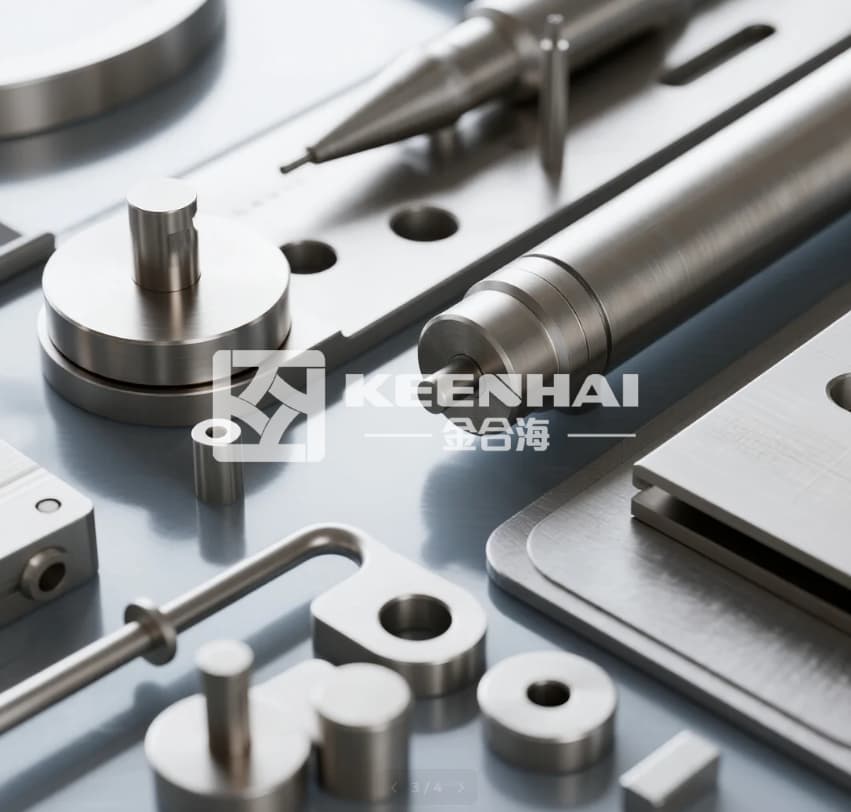
5. Cost Comparison and Lifecycle Value
When planning construction or industrial projects, understanding the total cost of ownership is just as important as material performance. Material Inox, especially high-quality స్టెయిన్లెస్ స్టీల్ షీట్ or SS స్టీల్ ప్లేట్, often comes with a higher upfront cost than aluminum, but its durability and low maintenance frequently make it more cost-effective over the long term.
5.1 Initial Material Cost Differences
Initial purchase costs vary significantly between stainless steel and aluminum. For example:
| మెటీరియల్ | Approx. Price per kg (USD) | Notes |
|---|---|---|
| Austenitic Stainless Steel Sheet | 3.0–5.0 | High corrosion resistance and strength |
| Aluminum 6061 Alloy | 2.0–3.0 | Lightweight but lower durability |
| Ferritic Stainless Steel Plate | 2.5–4.0 | Moderate cost, good corrosion resistance |
While aluminum may appear cheaper upfront, its reduced strength and higher susceptibility to environmental factors often result in additional reinforcement or coatings, which increase project costs.
5.2 Long-Term Maintenance and Replacement Costs
Maintenance is where stainless steel shines. Stainless steel products resist corrosion, wear, and surface damage, reducing the need for regular replacement or intensive upkeep. In contrast, aluminum structures exposed to harsh environments—like coastal facades or industrial equipment—require more frequent inspections, protective coatings, or replacements. Practical implementation includes:
-
Annual inspections for stainless steel surfaces mainly involve cleaning and minor polishing.
-
Aluminum panels in high-humidity or salty environments may require protective coatings every 2–3 years.
-
Replacing aluminum components due to deformation, corrosion, or pitting can increase lifecycle costs by 30–50% over 10 years.
5.3 Total Cost of Ownership in Projects
Evaluating projects holistically, stainless steel often delivers better lifecycle value, especially in demanding structural or environmental conditions. When accounting for installation, maintenance, replacement frequency, and durability, the total cost of ownership for stainless steel may actually be lower than aluminum, despite higher initial expenditure. For example:
-
Coastal building facades using high-grade SS స్టీల్ ప్లేట్ maintained their appearance and structural integrity for 15–20 years with minimal upkeep.
-
Aluminum facades in similar conditions required repainting, reinforcement, and occasional panel replacement within 7–10 years, increasing labor and material costs.
-
Industrial equipment made from stainless steel avoids downtime caused by corrosion or fatigue, improving operational efficiency and reducing indirect costs.
In conclusion, when balancing initial investment, maintenance effort, and long-term durability, stainless steel often provides superior cost efficiency and lifecycle value, making it a preferred choice for critical infrastructure, industrial installations, and high-exposure architectural projects.