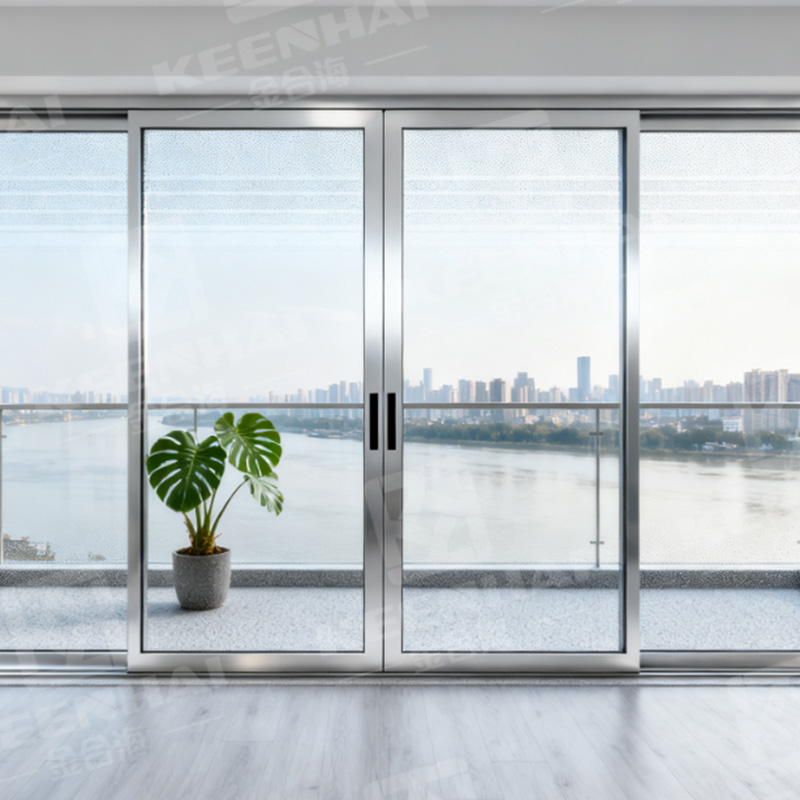
Stainless steel sliding door prices in 2025 vary widely based on material and size.Residential single-panel doors start around $1,000–$2,500, while multi-panel commercial doors can exceed $10,000 depending on steel grade, tempered or laminated glass, and reinforced tracks. Coastal or high-traffic environments add costs due to corrosion-resistant finishes and durable hardware. Real-world projects show that installing Stainless Steel Sliding Doors with proper planning avoids unexpected expenses and provides long-term durability.
1. Key Factors Influencing Stainless Steel Sliding Door Prices in 2025
The cost of Paslanmaz Çelik Sürgülü Kapılar is driven by several practical factors. Heavy-duty entrances in hotels, shopping malls, and coastal offices require doors that can handle frequent use, humidity, and long-term durability. In 2025, the price reflects the combination of material grade, glass specifications, frame structure, and hardware quality, rather than arbitrary markups. High-traffic commercial doors rely on Paslanmaz Çelik Sürgülü Kapılar built with reinforced frames and precise hardware to ensure long-term performance.
1.1 Material Grade Differences (201 vs 304 vs 316)
Material grade significantly affects cost and longevity. 201-grade stainless steel is suitable for indoor partitions or low-traffic entrances, while 304-grade is common for offices and hotels with moderate exposure. Coastal locations or luxury storefronts require 316-grade steel because it resists corrosion from salt air and cleaning chemicals.
| Çelik Sınıfı | Tipik Kullanım Örneği | Korozyon Direnci | Price Level |
|---|---|---|---|
| 201 | Indoor offices, low-traffic shops | Low | Low |
| 304 | Hotels, offices, malls | Orta | Orta |
| 316 | Coastal buildings, luxury storefronts | High | High |
During a hotel lobby renovation by the coastline, the design team upgraded from 304 to 316-grade sliding doors after repeated staining appeared near the base. The upgrade increased upfront costs but minimized maintenance over the following years.
Automatic doors installed in commercial buildings often require higher-grade steel. Systems like Automatic Stainless Steel Sliding Doors depend on stable frames to maintain smooth motor operation under constant use.
1.2 Frame Thickness and Structural Reinforcement
Frame thickness directly impacts both performance and price. Small offices may use 1.2–1.4 mm frames, but hotels, malls, and heavy-traffic entrances generally require 2.0–2.2 mm reinforced frames to support large glass panels and continuous operation. Thicker frames prevent vibration and reduce wear on rollers and tracks.
A luxury mall installation replaced 1.4 mm frames with 2.2 mm reinforced frames after strong airflow caused the original panels to sway. The reinforcement eliminated vibration and extended the lifespan of all hardware components. For premium designs with scratch-resistant finishes, PVD Coated Stainless Steel Sliding Doors are often selected in hotel and retail interiors.
1.3 Glass Type and Panel Size Impact
Glass weight and dimensions are major pricing factors. Taller or wider panels require stronger frames, reinforced tracks, and high-load rollers. Glass thickness, surface treatment, and coatings such as Low-E or UV protection add further cost.
Before installation, contractors usually check three aspects:
-
Glass thickness — 10 mm, 12 mm, or 15 mm tempered glass.
-
Panel dimensions — larger panels increase load on tracks and frames.
-
Surface coatings — Low-E, UV, or anti-reflective coatings affect cost.
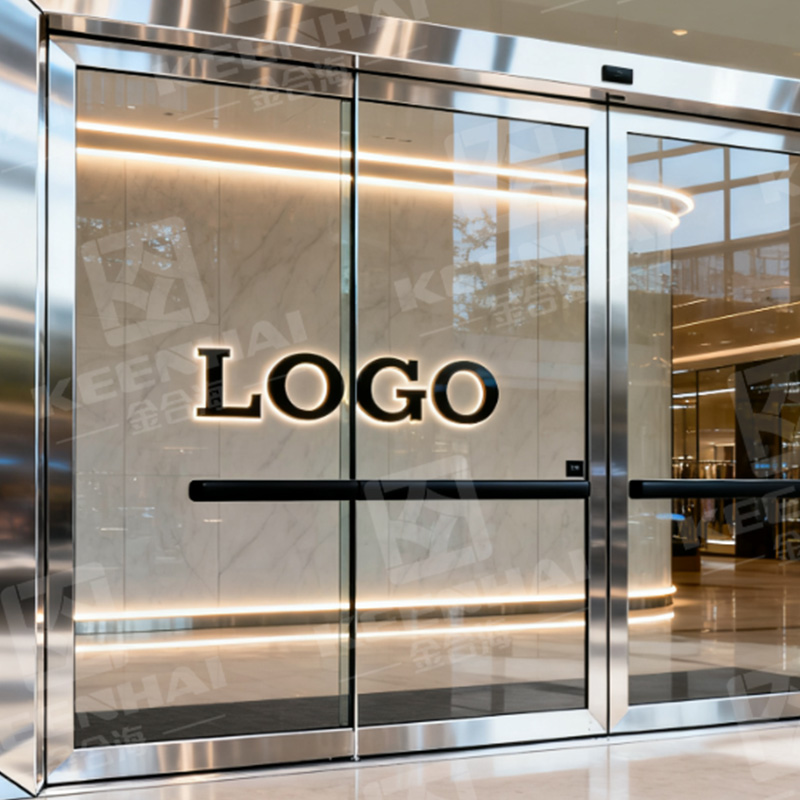
In a recent retail façade project, 12 mm Low-E tempered glass panels were installed across a 3-meter-high storefront. Hardware costs rose by roughly 20% because the oversized panels required reinforced tracks and heavy-duty rollers. Glass-focused entrances often overlap with Glass Entrance Door system specifications for commercial buildings.
1.4 Hardware, Track System, and Soft-Close Components
Hardware quality significantly affects price. High-load stainless steel rollers, precision bearings, and anti-slip tracks ensure smooth operation under heavy traffic. Soft-close dampers prevent panels from slamming and reduce wear.
During a hotel lobby renovation, existing automatic sliding doors failed within 18 months due to constant luggage traffic. Replacement doors with reinforced rollers and track systems solved the issue. High-traffic installations generally rely on Hotel Automatic Stainless Steel Sliding Doors to guarantee durability.
2. 2025 Price Range for Different Stainless Steel Sliding Door Types
Understanding the price range for various types of stainless steel sliding doors helps planners and contractors budget accurately. In 2025, the costs differ significantly based on panel configuration, frame style, and whether the door is intended for interior or exterior use. Real-world installations show that even minor changes in door width or hardware can impact overall expenses.
2.1 Single-Panel Sliding Door Price Range
Single-panel doors remain the most affordable option for small offices or residential spaces. Prices in 2025 generally range from $1,200 to $2,500 for commercial-grade stainless steel, depending on material grade, frame thickness, and glass type.
Key cost influencers include:
-
Steel grade — 201, 304, or 316, with 316 commanding the highest price.
-
Glass thickness and coating — tempered, Low-E, or UV protective glass affects the weight and hardware needs.
-
Track system and rollers — high-load or soft-close systems increase costs for frequent-use entrances.
For automatic variants, higher upfront costs are common. Well-installed systems like Automatic Stainless Steel Sliding Doors handle hundreds of cycles daily without premature wear, making them more cost-effective over time.
2.2 Double or Multi-Panel Sliding Door Price Range
Double or multi-panel doors, popular in hotels and shopping malls, start around $3,000 ve aşabilir $8,000 depending on size and glass type. Each additional panel increases the complexity of the track system and frame reinforcement, which drives the price up.
Installers usually follow these steps when quoting multi-panel doors:
-
Measure total opening width and height precisely.
-
Determine number of panels and assign load per panel.
-
Specify steel grade and frame thickness to handle the calculated load.
-
Select hardware capable of supporting cumulative weight, including high-load rollers and soft-close dampers.
Hotels often upgrade to reinforced systems, using Hotel Automatic Stainless Steel Sliding Doors specifications to ensure durability for constant passenger traffic.
2.3 Frameless vs Framed Stainless Steel Sliding Doors
Frameless doors create a sleek modern look but require thicker glass panels and precision hardware to maintain stability. A frameless 3-meter glass panel can cost 20–30% more than a framed equivalent because of heavier rollers, deeper tracks, and additional structural support.
| Door Type | Typical Cost Range | Key Hardware Differences | Notes |
|---|---|---|---|
| Framed | $2,000 – $5,000 | Standard rollers, shallow tracks | Easier maintenance |
| Frameless | $2,500 – $6,500 | High-load rollers, reinforced tracks | Premium aesthetic, heavier glass |
Real-world cases in luxury retail show that frameless doors require careful engineering to prevent sagging over time, particularly in high-traffic entrances.
2.4 Interior vs Exterior Sliding Door Cost Differences
Exterior doors generally cost more than interior doors due to additional requirements for weather resistance, corrosion protection, and energy efficiency.
Factors that influence exterior door pricing:
-
Steel grade and PVD coating — exterior doors often use 316-grade stainless steel with optional PVD Coated Stainless Steel Sliding Doors for scratch resistance.
-
Glass type — thicker, laminated, or Low-E glass improves thermal performance.
-
Hardware — anti-corrosion rollers and tracks are essential for coastal or high-humidity locations.
A mid-size office building replaced interior 304-grade doors with exterior 316-grade, coated doors to withstand rain exposure and sunlight. The upgrade increased cost by roughly 15% but reduced long-term maintenance drastically.
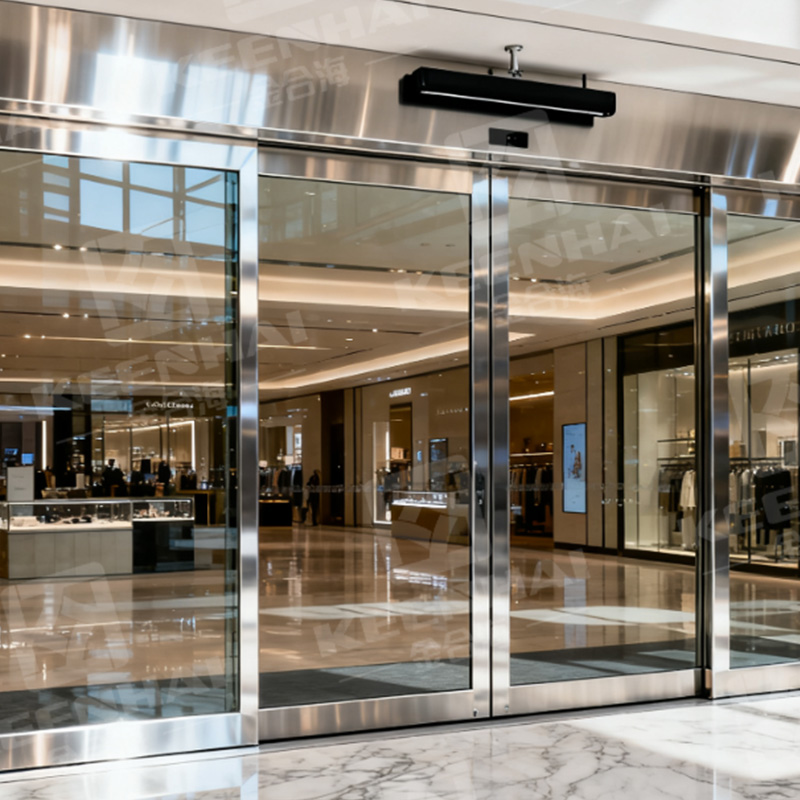
3. Labor, Installation, and Additional Costs in 2025
When calculating the total expense of stainless steel sliding doors, labor and installation often match or exceed the material cost. In 2025, installers and contractors consider multiple factors including site complexity, panel size, and whether the door is interior or exterior. Understanding these costs early avoids surprises and ensures long-term performance.
3.1 Standard Installation Costs per Square Meter
Standard installation for commercial-grade doors usually ranges between $80 and $150 per square meter, depending on material grade and door weight. The calculation includes labor for fitting frames, aligning tracks, and testing rollers for smooth operation.
Key steps in standard installation:
-
Verify that the opening is plumb and level.
-
Assemble and secure the stainless steel frame to wall anchors.
-
Install rollers, track system, and soft-close components.
-
Hang glass panels and check alignment and operation.
For doors in high-traffic areas, contractors often use Paslanmaz Çelik Sürgülü Kapılar with reinforced frames to minimize post-installation adjustments and long-term wear.
3.2 Custom Openings, Wall Modifications, and Reinforcement Fees
Custom openings or structural modifications can significantly increase labor costs. For example, widening a lobby entrance or reinforcing walls to support multi-panel doors can add $300–$800 to the base installation price.
Installation steps for custom modifications:
-
Measure and mark the new opening precisely.
-
Remove or adjust existing wall sections while preserving load-bearing structures.
-
Install steel reinforcements or header beams as needed.
-
Fit the door frame and ensure smooth operation across the entire track.
Hotels and luxury buildings often require Hotel Automatic Stainless Steel Sliding Doors in these reinforced openings to guarantee durability under continuous use. Contractors report that proper reinforcement reduces long-term maintenance costs by up to 40%.
3.3 Delivery, On-Site Measurement, and After-Sales Adjustments
Additional costs include logistics, precise on-site measurement, and fine-tuning after installation. Delivery fees depend on distance and panel size, often $100–$300 per shipment.
After receiving doors, the installation workflow usually includes:
-
Confirm that delivered panels match measurements.
-
Adjust rollers and tracks to accommodate slight floor or wall unevenness.
-
Test soft-close and automatic operation multiple times.
-
Make final adjustments for alignment, sealing, and smooth sliding.
In commercial or coastal installations, these steps are crucial to prevent premature wear due to misalignment or environmental stress.
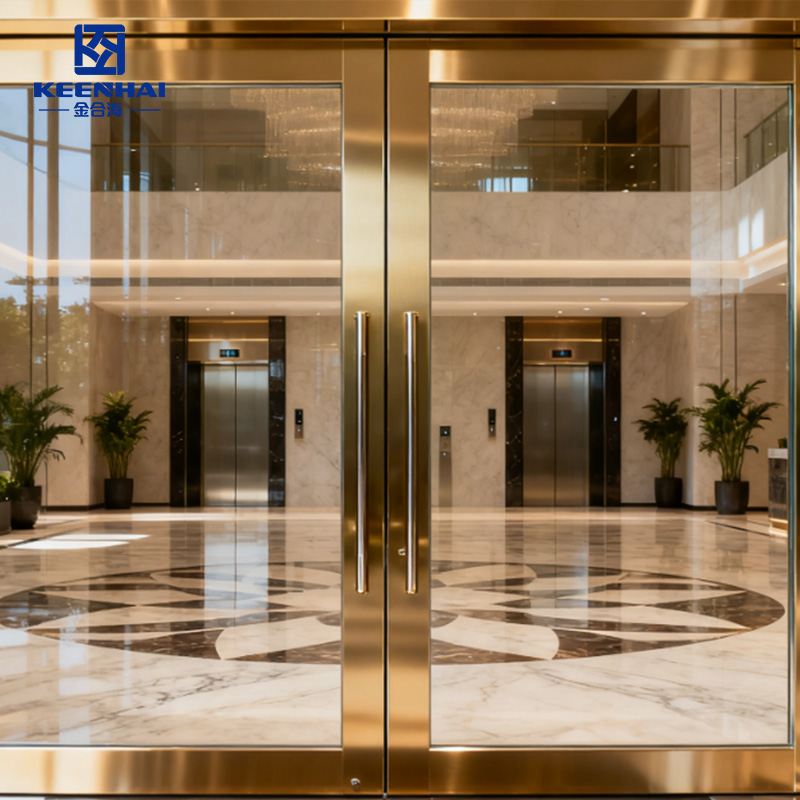
4. Cost Differences Between Residential and Commercial Projects
Pricing for stainless steel sliding doors varies significantly between residential and commercial projects. Residential installations prioritize aesthetics and basic durability, whereas commercial settings demand heavy-duty systems, fire-rated glass, and high-traffic resilience. Understanding these distinctions ensures accurate budgeting and avoids costly retrofits.
4.1 Residential Sliding Door Price Factors in 2025
Residential doors typically cost less due to smaller sizes, lower traffic demands, and simpler hardware. Prices for standard 1–2 panel doors range from $1,000 to $2,500, depending on steel grade, glass type, and finish.
Key residential cost factors include:
-
Steel grade — 201-grade is sufficient for most indoor use; 304-grade is recommended for exterior doors with moderate weather exposure.
-
Glass choice — tempered or laminated glass with optional decorative finishes adds to price.
-
Track and hardware — soft-close and standard rollers are generally adequate.
In high-end residential projects, designers often choose PVD Coated Stainless Steel Sliding Doors to maintain aesthetic appeal and reduce fingerprints or scratches over time.
4.2 Commercial-Grade Doors: Heavy-Duty Track, Fire-Rated Glass Options
Commercial-grade doors cost more due to larger sizes, high-traffic demands, and stricter safety requirements. Prices in 2025 start around $3,000 for single-panel doors and can exceed $10,000 for multi-panel systems with reinforced frames.
Critical factors:
-
Heavy-duty tracks and rollers — rated for hundreds of cycles per day.
-
Fire-rated or laminated glass — required for code compliance in hotels, hospitals, and shopping malls.
-
Automatic operation components — motors, sensors, and soft-close mechanisms must be engineered for frequent use.
For hotels or corporate lobbies, Hotel Automatic Stainless Steel Sliding Doors ensure smooth operation even under constant foot traffic, which protects both the door and the building interior.
4.3 Bulk Orders and Project-Based Pricing Models
Large projects benefit from volume discounts and negotiated project pricing. Contractors often reduce per-door cost by 10–20% for orders exceeding 10–20 units, depending on steel grade and glass type.
Steps in project-based pricing:
-
Assess total door count and dimensions.
-
Identify custom requirements like reinforced frames, fire-rating, or automatic systems.
-
Calculate material, hardware, and labor per unit.
-
Apply volume discounts or bundled installation packages.
Commercial developers often choose this approach for multi-floor office buildings or retail chains to control costs while maintaining premium door specifications.
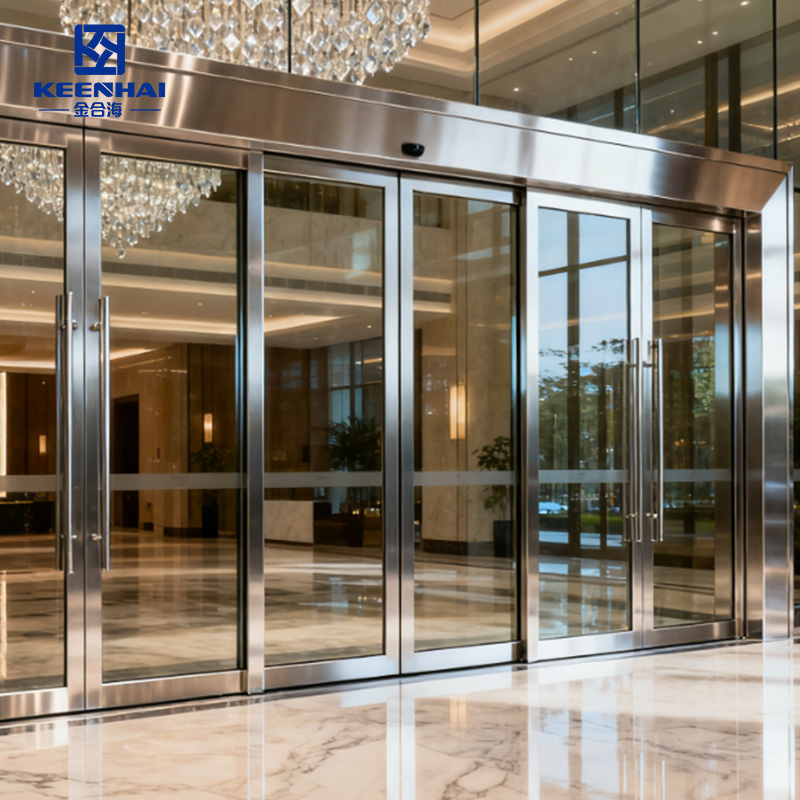
5. 2025 Pricing Comparison: Stainless Steel vs Aluminum and uPVC Sliding Doors
Choosing between stainless steel, aluminum, and uPVC sliding doors in 2025 depends on budget, durability, and maintenance requirements. While initial material costs vary, long-term performance and repair frequency can dramatically affect total investment.
5.1 Material Price Gap and Raw Material Volatility
Stainless steel doors typically cost more upfront than aluminum or uPVC. As of 2025:
| Malzeme | Typical Price per m² | Notes |
|---|---|---|
| Paslanmaz çelik | $1,200 – $4,500 | Price influenced by grade, PVD coating, and hardware |
| Aluminum | $700 – $2,000 | Lightweight, moderate durability, prone to dents |
| uPVC | $400 – $1,200 | Low cost, good insulation, limited strength |
Steel prices fluctuate based on global nickel and chromium markets, while aluminum depends on bauxite supply and energy costs. Contractors planning large projects often lock in prices early to avoid volatility, especially for Paslanmaz Çelik Sürgülü Kapılar.
5.2 Durability, Lifespan, and Maintenance Cost Differences
Stainless steel doors outlast aluminum and uPVC in most settings, particularly in high-traffic or coastal environments. They resist corrosion, maintain smooth sliding operation, and require minimal upkeep.
Key maintenance considerations:
-
Clean tracks and rollers every 6–12 months.
-
Inspect seals, gaskets, and soft-close mechanisms for wear.
-
Address minor scratches with polish or PVD touch-up (if coated).
Aluminum doors may need repainting every 5–8 years, while uPVC can discolor or warp under direct sunlight. Real-world hotel installations show that choosing stainless steel over aluminum can cut long-term maintenance costs by up to 35%.
5.3 Which Material Offers Better Value in 2025?
Value depends on balancing initial cost, longevity, and maintenance. While uPVC and aluminum have lower upfront costs, stainless steel provides the best long-term investment, particularly for commercial, high-traffic, or exterior applications.
-
Evaluate expected traffic and environmental conditions.
-
Compare material cost versus projected maintenance over 10–15 years.
-
Factor in safety, security, and aesthetic requirements.
For buildings seeking premium durability and minimal upkeep, Paslanmaz Çelik Sürgülü Kapılar remain the preferred choice in 2025, offering superior strength and design flexibility over alternatives.