In 2025, stainless steel elevator doors are moving toward full touchless operation, with integrated proximity sensors, gesture-based activation, and mobile-triggered calls becoming mainstream in commercial buildings. Developers prefer these systems because they reduce physical contact, cut cleaning frequency, and improve accessibility for people carrying bags or mobility aids. The door panels themselves are shifting toward fingerprint-resistant stainless steel and PVD coatings, creating a cleaner surface that performs better under constant public use.
1. Material and Performance Upgrades
1.1 Shift Toward High-Grade 316 Stainless Steel
Developers in 2025 prefer 316-grade stainless steel for projects that face humidity, coastal winds, or strong disinfectants. It simply outperforms standard 304 in places like oceanfront hotels, metro stations, and hospitals. When designers select new stainless steel elevator doors , they do it because 316 keeps its clarity even after years of constant cleaning and foot traffic.
Here is a practical comparison based on real maintenance data:
| Feature / Grade | 304 Stainless Steel | 316 Stainless Steel |
|---|---|---|
| Salt Resistance | Moderate | Excellent; ideal for coastal properties |
| Chemical Exposure | Good | Outstanding; holds up under heavy disinfectant use |
| Typical Use Cases | Offices, retail lobbies | Airports, coastal hotels, medical centers |
In a mid-rise project we worked on in Miami, the 316 skins stayed smooth after two years of salt-laden breezes and daily cleaning cycles. This is why builders treat 316 as a long-term cost saver, not an upgrade for show.
1.2 Integration of Anti-Fingerprint and Anti-Scratch Coatings
Smudges and streaks annoy every property manager, so 2025 designs often include anti-fingerprint and anti-scratch coatings fused directly into the metal. These new coatings resist oils from hands, which helps lobbies stay clean even during peak elevator traffic. The finish looks freshly polished without constant wiping, and the surface holds up far better against rolling luggage and cleaning carts.
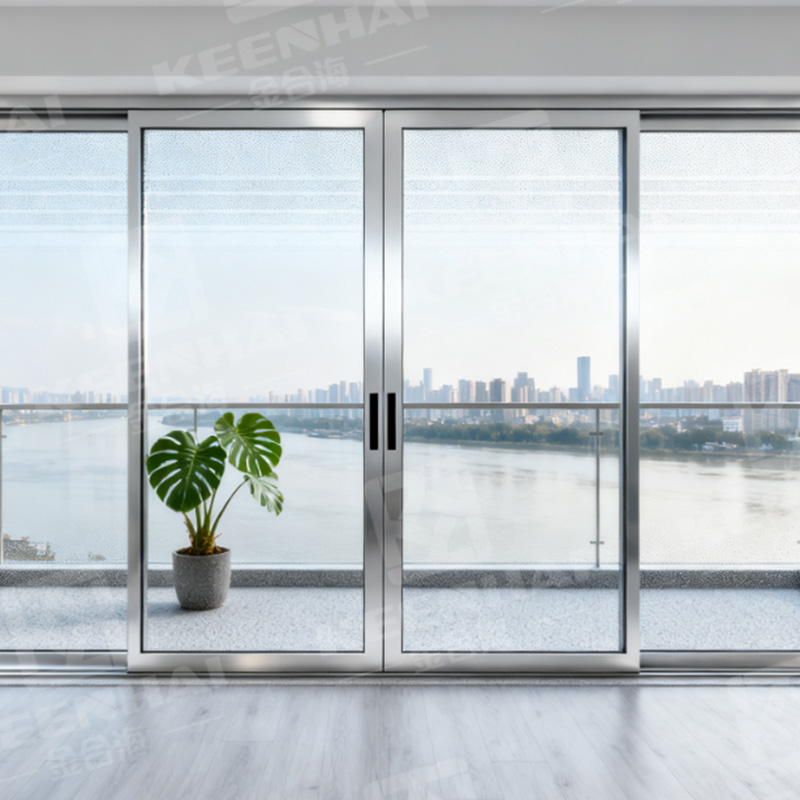
This is especially important when the entrance integrates metal with glass. Many modern lobbies pair the elevator with a matching stainless steel glass door to keep the whole façade consistent. When both surfaces have durable coatings, the entire lobby feels cleaner and more high-end.
A tech campus in Singapore recently told us their team cut weekly cleaning time by nearly half once they switched to coated panels. The facilities manager said it was the first finish treatment that “actually made our workload lighter.”
1.3 Noise-Reduction and Smooth-Operation Enhancements
Quiet, smooth movement has become a performance standard in 2025. Developers expect the doors to glide rather than clatter, especially in luxury apartment towers and high-profile commercial lobbies. To achieve this, manufacturers rely on:
-
Precision-machined rollers that eliminate micro-vibrations.
-
Low-friction guide shoes for consistent door travel.
-
High-density acoustic pads inside the door skin.
-
Tight mechanical tolerances that help the panels close without metallic clicks.
These upgrades matter even more when the building uses a Glass Entrance Door nearby. A glass-heavy lobby amplifies small mechanical noises, so a smoother elevator door becomes part of the overall acoustic design. When both elements work together, the lobby feels calmer and more refined.
A luxury condominium in Vancouver told us residents immediately noticed the improvement: “The door doesn’t feel like it’s moving—it just glides.” That sense of quiet quality is now central to modern elevator-door design.
2. Advanced Surface Finishes and Textures
2.1 Brushed, Hairline, and Mirror-Finish Preferences in 2025
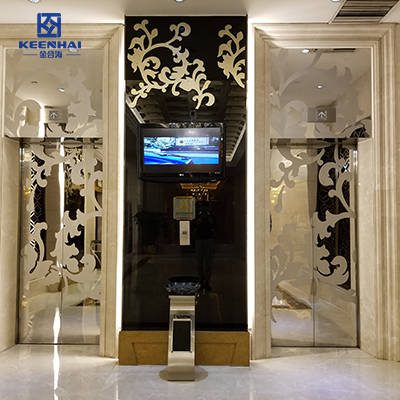
In 2025, designers lean heavily toward hairline and brushed stainless finishes because they keep fingerprints under control while still looking upscale. You see them everywhere—from boutique hotel lobbies to Grade-A office towers—mainly because these finishes diffuse overhead lighting in a way that feels warm and intentional. When a project calls for something more reflective, architects still choose mirror-polished skins, but they generally limit them to accent panels, not full-door coverage.
A lot of new commercial buildings pair these metal finishes with a sleek stainless steel elevator entrance system so the doorway, reveal panels, and frame share a consistent tone. This unified look makes a small lobby feel larger and more premium, especially when brushed panels run vertically to elongate the visual lines.
Here is a quick finish comparison that reflects what specifiers actually use:
| Finish Type | Visual Effect | Where It Works Best |
|---|---|---|
| Brushed | Soft, directional lines; hides smudges | Offices, residential towers |
| Hairline | Finer grain; more premium feel | Hotels, retail flagships |
| Mirror | High reflectivity; dramatic effect | Feature walls, luxury lobby accents |
2.2 Etching, Embossing, and 3D Pattern Trends
Etched and embossed finishes have exploded in popularity because they add tactile depth without overpowering the lobby. The new 3D textures introduced in 2025 feel intentional rather than decorative, especially when they’re paired with indirect lighting or backlit reveals. Many architects use embossed vertical ribs to visually “lift” a smaller elevator bay, while geometric etching adds pattern without feeling busy.
One corporate lobby project in Dubai recently used a mix of shallow etched lines and soft ribbed embossing to break up a long hall of identical elevator bays. The client told us the patterns helped people “read” the space more intuitively, almost like gentle wayfinding. This is the kind of practical design upgrade developers actually appreciate, not just a stylistic trend.
2.3 Color-Coated & PVD-Treated Door Panels Gaining Popularity
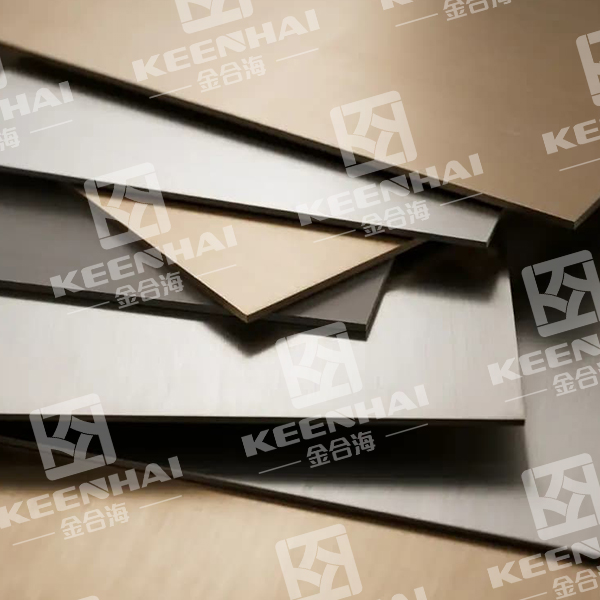
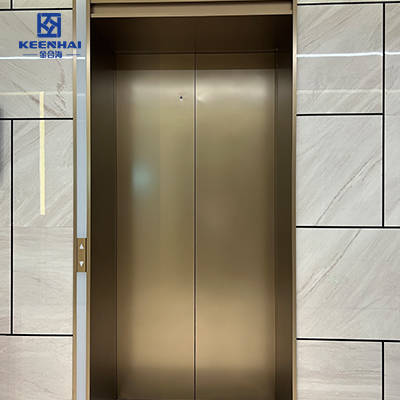
Color-coated and PVD-treated skins are everywhere now because they keep the durability of stainless steel and add a stronger design identity. Deep bronze, champagne gold, muted gunmetal, and charcoal black are the top four shades we’ve seen this year. These finishes hold up incredibly well in high-traffic areas, especially when the project needs a distinctive but low-maintenance look.
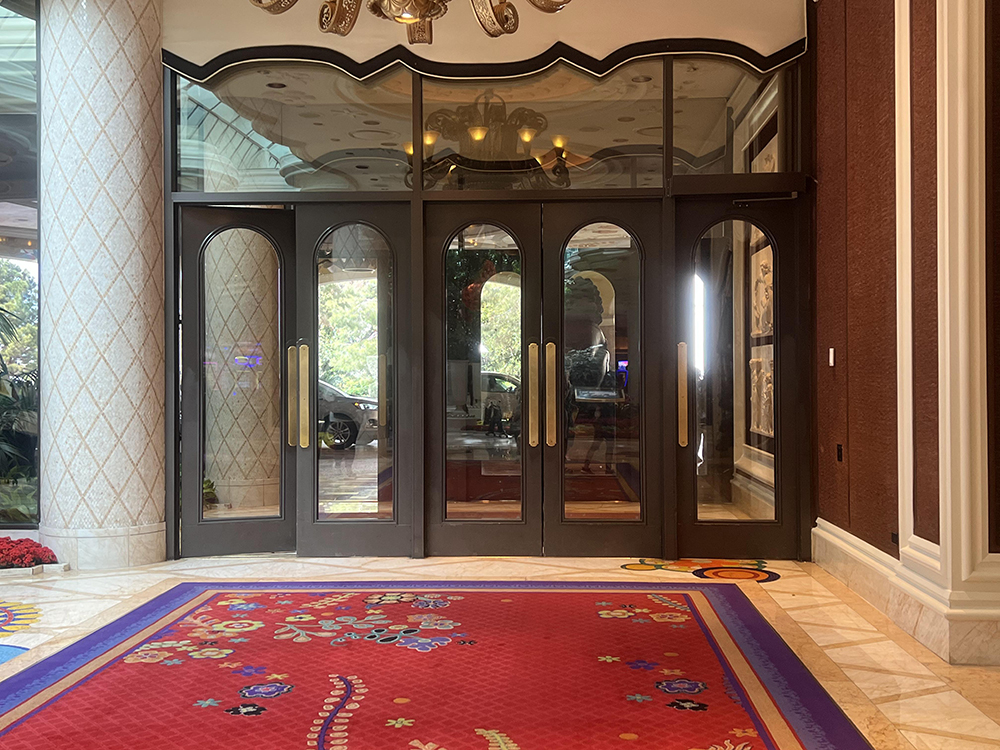
When a lobby includes a modern stainless steel elevator door in a darker PVD tone, designers often echo that color in the wall cladding or the adjacent reception desk. This creates a single visual language instead of a patchwork of mismatched materials. In a residential tower in Toronto, for example, the developer used PVD gunmetal doors with soft LED trims, and residents immediately commented that the elevators looked “like a high-end condo, not a standard tower.”
3. Design Aesthetics and Architectural Integration
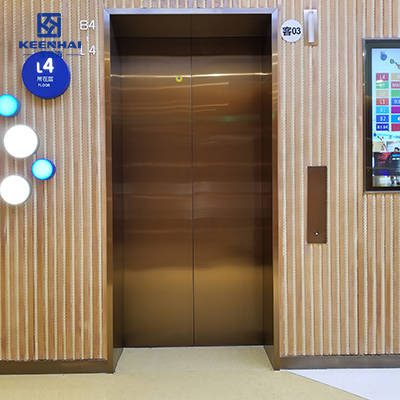
Design no longer plays second fiddle to function — it leads. Architects now expect elevator doors to read as part of the lobby, not an afterthought. Below I cover practical, high-detail guidance you can use when specifying doors, so the final result looks intentional and performs reliably.
3.1 Minimalist and Seamless Panel Designs
Minimalist panels keep sightlines clean and reduce visual clutter. For seamless results, designers specify flush reveals, concealed fixings, and continuous grain direction across door leaves and surrounding reveals. Match grain direction (vertical or horizontal) across all panels to avoid visible seams under different lighting. Typical tolerances to demand from fabricators:
-
Panel flatness: ≤ 1.5 mm over 1 m.
-
Edge gap consistency: 1.5–3.0 mm max between leaf and frame.
-
Surface variation: no more than 0.5 mm ripple on mirror finishes.
When you aim for a unified lobby look, coordinate door panel finish and frame finish together so the door reads as a single plane with adjacent cladding. That alignment prevents shadow lines and keeps cleaning straightforward.
3.2 Custom Patterns Matching Modern Lobby Themes
Custom patterns add identity but require technical planning so they don’t cause maintenance headaches. Choose pattern depth and spacing with care: shallow etches (0.2–0.6 mm) read well at close range and avoid dirt traps; deeper embossing (1.0–2.0 mm) gives tactile effect but needs regular dusting. Specify the exact pattern repeat and reference point so every door in a bank lines up visually.
When coordinating patterns across multiple doors:
-
Provide a master CAD file showing pattern origin.
-
Request a physical 300×300 mm sample before full production.
-
Approve one test panel and verify lighting conditions on-site.
These steps reduce surprises, save rework, and keep production schedules tight.
3.3 Mixed-Material Doors: Stainless Steel + Glass Combinations
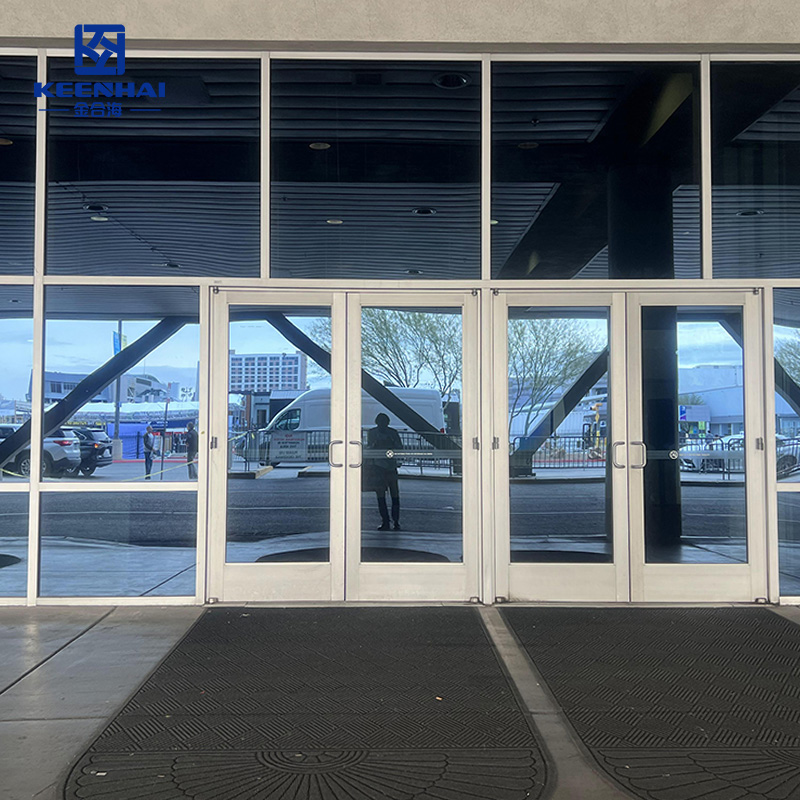
Combining stainless steel with glass creates modern, light-filled lobbies, but you must plan for different thermal and mechanical behaviors. Use tempered laminated glass rated for the appropriate wind and impact loads, and pair it with stainless frames that allow controlled differential movement.
Key integration actions:
-
Detail the glass pocket: Allow 3–5 mm perimeter tolerance and include a compressible gasket to absorb movement.
-
Thermal break: Insulate the metal-to-glass joint if the façade sees direct sun to prevent stress cracks.
-
Edge protection: Protect exposed glass edges with stainless caps or flush seals to prevent chipping during traffic.
-
Service access: Design removable reveal panels so maintenance crews reach glass fixings without removing the entire door.
When a project needs an integrated elevator/glass façade solution, consider matching the elevator door’s glass type with the building’s main stainless steel glass door product so finishes and maintenance regimes align naturally — this keeps appearance consistent and simplifies cleaning routines. Use a single supplier for both elements when possible to reduce coordination gaps.
4. Smart Features and User Interaction Trends
Smart door technology in 2025 focuses on smoother traffic flow, contact-free operation, and better accessibility. Buildings want systems that reduce bottlenecks, cut maintenance calls, and create a more intuitive user experience. Below are the practical upgrades specifiers now include when designing modern elevator doors.
4.1 Touchless Activation & Sensor-Integrated Door Panels
Touchless systems became a standard in high-traffic spaces such as hospitals, airports, and schools. Panels now integrate multi-zone proximity sensors that recognize user intent within 8–30 cm, allowing the doors to open without physical buttons.
To avoid false triggers during rush hours, most systems support dual-sensor logic, meaning a door only responds when a second signal (motion, card scan, or lobby traffic detector) confirms actual intent.
When planning these setups:
-
Position sensors at 1,000–1,100 mm height so users carrying bags still trigger them easily.
-
Calibrate sensitivity weekly during commissioning to avoid misreads in bright lobbies.
-
Combine touchless triggers with audible cues (soft chimes) so visually impaired users know the system registered their presence.
These features reduce cleaning cycles and make the elevator area feel noticeably smoother during peak hours.
4.2 LED Ambient Lighting and Smart Display Integration
Lighting upgrades have shifted from decorative to functional. Modern doors now include edge-lit LED strips that subtly signal door status:
-
Blue: elevator en route
-
White: doors opening
-
Amber: maximum capacity reached or lobby crowding
-
Red: out of service
This reduces confusion in busy lobbies and helps direct traffic more efficiently. Designers also integrate thin-profile status screens (6–10 mm) directly into the door reveal or transom area. These screens can display floor indicators, branding, or wayfinding messages without adding clutter.
When combining LEDs and screens:
-
Match color temperature with the lobby’s lighting (typically 3000K–3500K for hotels, 4000K–4500K for office towers).
-
Keep the cable channel accessible behind a removable panel for quick replacement.
-
Test reflectivity on mirror-finish doors to prevent glare hotspots.
The result is a door system that feels modern without overwhelming the lobby.
4.3 Accessibility-Focused Design Enhancements
Accessibility features now go far beyond wider openings. Door panels incorporate haptic feedback areas, raised directional markings, and side-lit buttonless call zones for users with limited dexterity. More lobbies specify slower acceleration profiles, ensuring the first 150–250 mm of door movement remains smooth and predictable.
To meet modern accessibility expectations:
-
Set door opening speed at 0.6–0.8 m/s for mixed-use buildings and slower for hospitals or senior living spaces.
-
Increase door hold-open time to 3.5–5 seconds, particularly in lobbies with wheelchairs or strollers.
-
Add a low-positioned visual indicator at 900–950 mm height so users know the elevator is responding.
Buildings with glass-heavy designs often coordinate these features with their lobby glass entrance door system, maintaining consistent lighting cues and tactile zones across all entry points—this keeps navigation intuitive for everyone.
5. Sustainability and Long-Term Usability Trends
Sustainability in 2025 isn’t just a marketing point; it’s a practical requirement for any building running elevators 24/7. Architects want door systems that last longer, save maintenance hours, and reduce total operational costs. Modern elevator doors now combine material efficiency, smarter coatings, and lifecycle-focused engineering to achieve that.
5.1 Use of Recyclable Stainless Steel Materials
Most high-end elevator doors today use recyclable stainless steel with over 60% post-consumer content, especially in commercial towers and government buildings. Material traceability matters because asset managers want documentation they can use in sustainability reports.
Designers prefer 304 for standard environments and 316 for coastal or chemically exposed areas due to its higher molybdenum percentage. The choice reduces replacement frequency and waste.
Here’s a quick comparison that specifiers often rely on:
| Grade | Ideal Environment | سنکنرن مزاحمت | Expected Panel Longevity |
|---|---|---|---|
| 304 | Offices, malls, schools | Moderate | 15–20 years |
| 316 | Coastal, medical, laboratories | اعلی | 20–25+ years |
Because the steel can be recycled repeatedly without losing its structural properties, the long-term environmental footprint is far lower than coated carbon steel or aluminum composites.
5.2 Low-Maintenance Coatings and Reduced Cleaning Requirements
Maintenance teams in busy buildings push for surfaces that don’t show fingerprints every hour. As a result, anti-smudge and hydrophobic nano-coatings have become the standard spec for premium doors. These coatings create a micro-thin barrier that resists skin oils, allowing doors to stay clean even during peak traffic.
A practical scenario:
Hotels with high glass usage around the lobby prefer stainless doors with easy-clean coatings, because they visually blend with the low-reflective glass panels. Staff can finish their full cleaning cycle in 20–35% less time, freeing hours for deeper maintenance tasks.
When selecting a coating system, consider:
-
Request the coating thickness (typically 5–12 microns) to ensure durability.
-
Check compatibility with your local cleaning solution — some acid-based detergents break down the hydrophobic layer.
-
Ask for abrasion-cycle tests (like ASTM D4060) so you know how quickly the coating wears under real use.
These choices shrink cleaning frequency without compromising appearance.
5.3 Extended Lifecycle Design for High-Traffic Buildings
High-traffic buildings—especially transit stations, universities, and shopping centers—now prioritize doors engineered for long lifecycle performance. Manufacturers reinforce internal stiffeners, upgrade roller assemblies, and use vibration-damping gaskets to keep the panels quiet even after tens of thousands of cycles.
A well-designed system typically includes:
-
A door operator rated for 1.5–2 million cycles, ensuring stable performance over years of constant use.
-
Reinforced bottom tracks that reduce wobble when crowds push luggage or carts against the panels.
-
Replaceable edge seals so technicians can swap worn components without removing the full panel.
The long-term benefit is simple: stable operation with fewer unplanned service calls, which lowers lifetime ownership cost — something every large facility manager cares about.