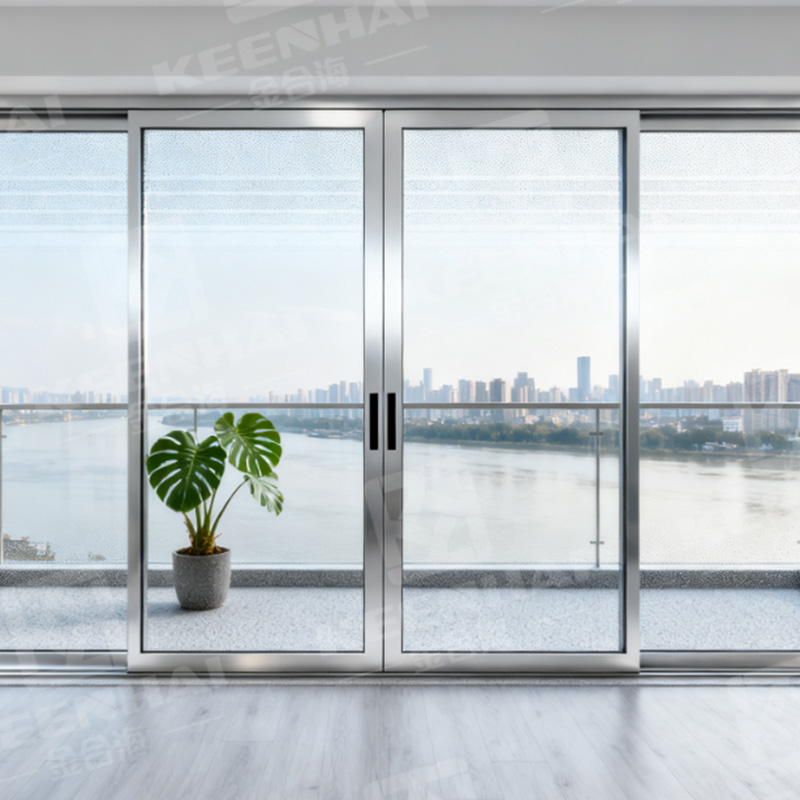
Double stainless steel glass doors are ideal for commercial buildings or office lobbies with heavy foot traffic. They provide a wider passage, allow two-way flow, and reduce congestion, ensuring smooth access throughout the day. In contrast, single doors are better for residential entrances or smaller spaces, offering strong security, easy operation, and lower installation complexity while still maintaining the high durability and sleek design expected from stainless steel.
1. Structural and Functional Differences
Understanding the structural and functional differences between single and double swing doors is critical for choosing the right solution for your project. Stainless steel glass doors are engineered to handle varying traffic loads while maintaining a sleek, modern appearance. Single and double swing configurations differ in frame reinforcement, door width, and hinge design, which directly impact usability and long-term durability.
1.1 Load-Bearing Capacity and Frame Strength
Double swing doors are designed to handle heavier glass panels and higher pedestrian traffic. Their frames distribute weight more evenly, reducing stress on hinges and minimizing deformation over time. Single swing doors, on the other hand, are optimized for smaller openings and lighter glass, which is ideal for residential or low-traffic areas.
| Xususiyat | Single Swing Door | Double Swing Door |
|---|---|---|
| Max Glass Weight | 250 kg | 450 kg |
| Frame Reinforcement | Standart | Heavy-duty steel |
| Hinge Load Capacity | 120 kg per hinge | 200 kg per hinge |
| Recommended Traffic | Low to medium | Medium to high |
For commercial entrances where smooth pedestrian flow is essential, integrating a Glass Entrance Door system ensures reliable operation under frequent use without compromising structural integrity.
1.2 Door Width and Passage Space
Single swing doors typically provide a clear opening of 32–42 inches, suitable for apartments, offices, or balcony access. For balcony applications exposed to wind and weather, a carefully designed balcony door setup ensures stability and safety while maximizing visibility.
Double swing doors offer 60–80 inches of total passage, allowing two-way traffic and accommodating high-flow environments such as corporate lobbies or shopping centers. Single Swing Stainless Steel Glass Doors work perfectly for spaces where a single entry point suffices, combining ease of installation with reliable frame performance.
1.3 Hinge and Hardware Requirements
Proper hardware selection ensures consistent performance and reduces maintenance needs. Double swing doors require:
-
Top and bottom pivot hinges to handle heavy glass weight.
-
Reinforced locking systems for security.
-
Hydraulic or spring closers to manage smooth bidirectional movement.
-
Periodic inspection to confirm alignment and hinge integrity.
Single swing doors use standard hinges and closers, making them easier to install and maintain in residential or low-traffic commercial settings. Choosing the right hinges and closers prevents premature wear and ensures doors operate effortlessly over years of use.
1.4 Practical Scenarios and Usage Insights
-
High-traffic commercial entrances: Double swing doors integrated with Glass Entrance Door systems maintain smooth pedestrian flow while withstanding heavy use.
-
Residential balconies and patios: Single swing doors offer a secure, space-efficient solution with minimal maintenance, ideal for outdoor exposure.
By focusing on frame strength, load distribution, and hardware quality, facility managers and designers can select a door type that balances functionality, aesthetics, and long-term reliability.
2. Traffic Flow and Usage Scenarios
Door selection is not just about material—understanding traffic patterns and usage scenarios ensures optimal functionality. The choice between single and double swing configurations significantly impacts pedestrian flow, accessibility, and long-term performance in both commercial and residential settings.
2.1 High-Traffic Commercial Entrances
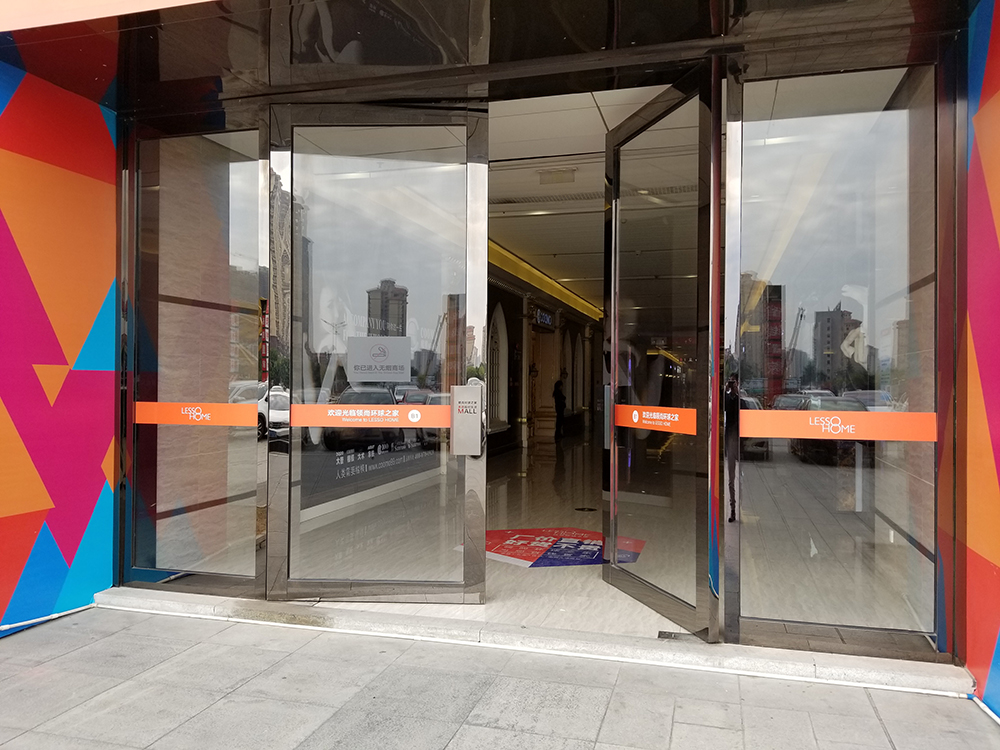
For lobbies, malls, or office complexes, double swing doors excel under heavy foot traffic. Their wider passage reduces congestion and allows bidirectional movement without collisions. Key design and operational considerations include:
-
Wide clearance of 60–80 inches to accommodate simultaneous entry and exit.
-
Robust pivot hinges and reinforced frames to handle frequent cycles, often exceeding 200 operations per day.
-
Integrated closing mechanisms that maintain smooth operation while preventing slamming.
In high-traffic scenarios, implementing a Glass Entrance Door system ensures consistent performance, combining structural strength with a polished, professional appearance. These doors can withstand years of continuous use while maintaining safety and efficiency.
2.2 Residential or Low-Traffic Applications
Single swing doors are ideal for apartments, low-traffic offices, and balcony entries, offering simplicity without compromising durability. Their narrower opening, typically 32–42 inches, is sufficient for everyday use while conserving space. Advantages include:
-
Simpler hardware requirements, which reduces installation complexity and ongoing maintenance.
-
Space-efficient design, perfect for compact entrances or areas where wall clearance is limited.
-
Reliable frame performance under normal residential use, resisting warping or sagging over time.
For balcony or patio access, a carefully engineered single swing stainless steel glass door beradi stability against wind pressure and outdoor exposure, ensuring long-term reliability without overengineering.
2.3 Accessibility and Convenience Considerations
Accessibility and convenience are key for both public and private spaces. When planning door installations, consider:
-
Smooth operation: Hydraulic closers or low-friction hinges reduce resistance, making doors easier to open for all users.
-
Compliance with local accessibility standards, especially in commercial buildings, to accommodate mobility devices.
-
Ergonomic handle placement and automatic door options where traffic or user diversity demands enhanced convenience.
By aligning door type with traffic flow and user needs, designers can achieve optimal safety, efficiency, and long-term functionality, while maintaining a sleek and professional aesthetic.
3. Installation and Space Requirements
Proper installation and spatial planning are critical for ensuring the optimal function and longevity of stainless steel glass doors. Understanding the space each configuration occupies and the labor required prevents operational issues and costly adjustments later.
3.1 Required Wall and Floor Space
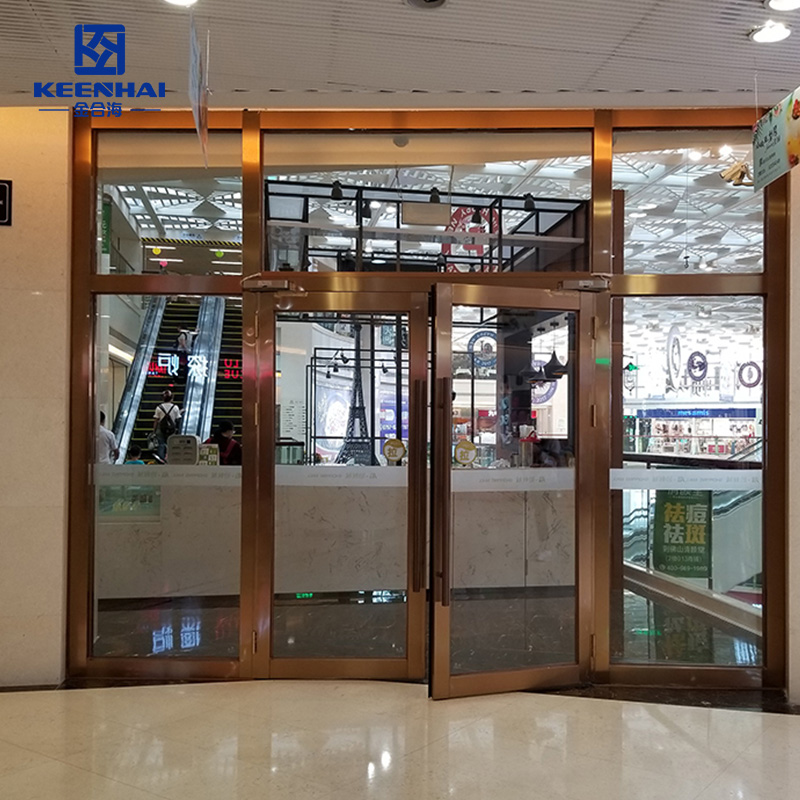
Single and double swing doors differ significantly in their spatial footprint. Double swing configurations need extra clearance to allow both leaves to open fully without obstruction, typically requiring a minimum of 72–80 inches width and 36 inches depth per swing direction. Single swing doors, in contrast, can operate comfortably within 32–42 inches width while conserving adjacent floor space.
For residential balcony installations, a Single Swing Stainless Steel Glass Door offers a compact solution that fits within tight wall layouts while maintaining smooth operation under outdoor conditions. Meanwhile, Glass Entrance Door systems for high-traffic lobbies often require reinforced wall zones to support the additional weight and continuous use.
3.2 Installation Complexity and Labor
Door installation involves precise coordination of structural support, hardware alignment, and finishing. Typical steps for a commercial-grade double swing door o'z ichiga oladi:
-
Measuring and preparing the opening, ensuring level floors and plumb walls.
-
Securing the frame with anchors rated for the building’s structural load.
-
Mounting hinges and door leaves, verifying that both swings operate without friction.
-
Calibrating closing mechanisms, adjusting speed and resistance to suit traffic patterns.
-
Sealing gaps and finishing trim for weatherproofing and aesthetic consistency.
Single swing doors simplify labor demands, reducing the number of hinges and adjustment points while still requiring precise leveling to prevent binding or warping.
3.3 Alignment and Adjustment Procedures
Even minor misalignment can compromise performance, especially in high-traffic or exterior applications. Key adjustment procedures include:
-
Check vertical plumb using a spirit level before securing the frame.
-
Adjust hinge positioning to eliminate rubbing or uneven gaps.
-
Test door swing for smooth operation under full load, making fine adjustments to closers or pivots.
-
Verify sealing and weather stripping for exterior doors to prevent drafts or water intrusion.
By carefully executing these steps, installers ensure that doors operate flawlessly, maintain safety standards, and provide long-term durability for both Ikkita tebranish zanglamaydigan po'latdan yasalgan shisha eshik and single swing applications.
4. Design and Aesthetic Considerations
Choosing the right design and aesthetics for a stainless steel glass door goes beyond mere appearance; it influences user perception, natural light, and the overall architectural harmony. Properly planned design ensures both functionality and visual appeal in commercial and residential settings.
4.1 Visual Impact and Symmetry
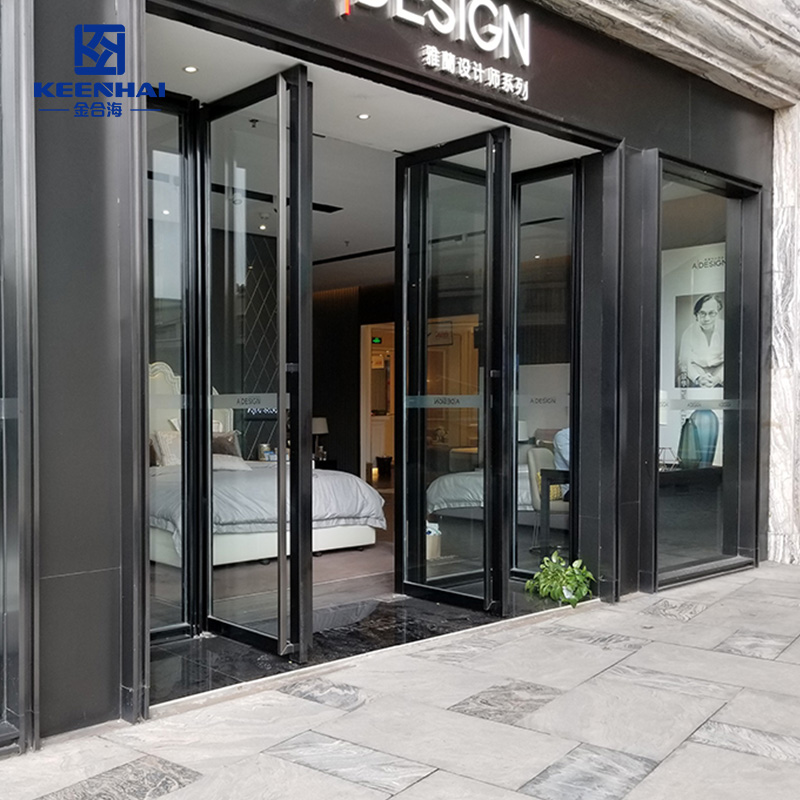
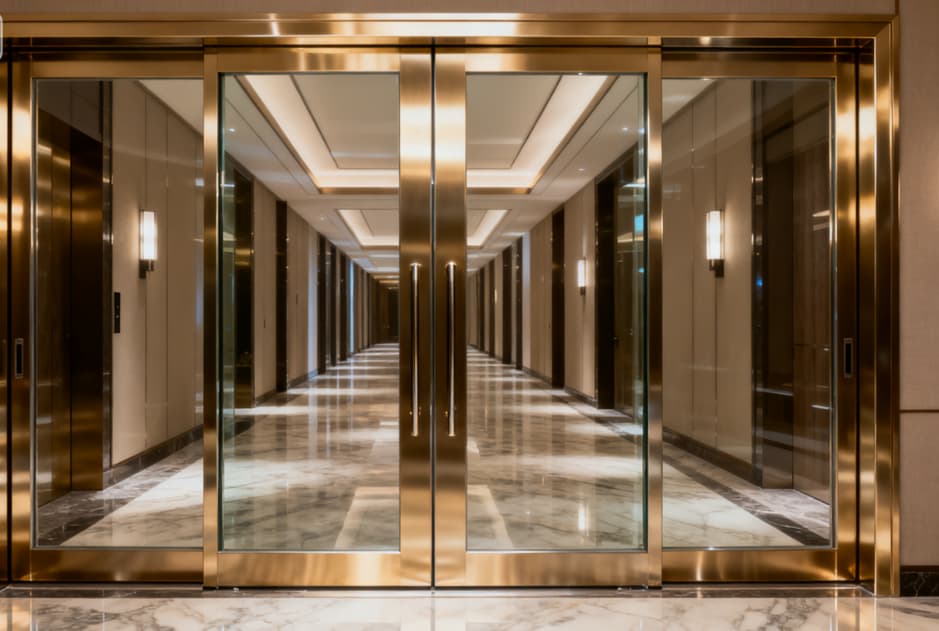
Symmetry and proportion play a critical role in high-traffic spaces like office lobbies and hotel entrances. Double swing doors provide a balanced, grand visual effect, making the entrance appear more inviting and structured. In contrast, single swing doors offer a minimalist and clean look suitable for residential or small-scale commercial spaces.
Architects often use Gold PVD Stainless Steel Glass Door finishes in luxury settings to create a striking focal point. The reflective metallic finish enhances natural lighting while maintaining a sense of elegance and exclusivity.
4.2 Glass Panel and Frame Options
Glass selection directly affects aesthetics, transparency, and privacy. Key considerations include:
-
Clear vs. frosted glass for balancing natural light and privacy.
-
Tempered or laminated glass for enhanced safety and structural integrity.
-
Frame profiles in brushed, polished, or PVD-coated stainless steel for coordinating with interior design themes.
High-end commercial projects frequently integrate custom glass patterns or Ikkita tebranish zanglamaydigan po'latdan yasalgan shisha eshik frames to complement corporate branding or luxury finishes. These choices add both visual appeal and functional differentiation.
4.3 Integration with Interior or Exterior Style
The door should harmonize with surrounding architecture and furniture. For example:
-
In modern offices, clean lines and minimalist frames enhance openness and light flow.
-
Residential balconies benefit from compact single swing solutions that maximize space without overwhelming the façade.
-
Luxury hotel lobbies often feature Gold PVD accents and wide glass panels that align with upscale décor standards.
Proper integration requires careful planning:
-
Measure existing walls and openings precisely.
-
Match finishes and hardware with surrounding materials.
-
Ensure door dimensions support intended traffic flow and natural light penetration.
By coordinating design choices with spatial context, doors not only serve functional needs but also reinforce the architectural statement.
5. Maintenance and Long-Term Durability
Ensuring that your stainless steel glass doors maintain peak performance over time requires attention to cleaning, wear resistance, and occasional adjustments. Proper maintenance extends the life of the door while preserving its aesthetic appeal, particularly in high-traffic areas.
5.1 Ease of Cleaning and Upkeep
Stainless steel surfaces are naturally resistant to corrosion and staining, making them ideal for busy commercial lobbies and residential entrances. Cleaning typically involves:
-
Wiping down the glass and frames with a mild detergent or specialized stainless steel cleaner.
-
Polishing handles, hinges, and frames weekly to prevent grime buildup.
-
Inspecting seals and gaskets monthly for wear or debris accumulation.
In outdoor applications, like balcony installations, a Balcony Stainless Steel Glass Door withstands humidity and salt-laden winds, reducing the need for frequent chemical treatments while maintaining a polished look.
5.2 Wear and Tear Over Time
Durability depends on traffic intensity and hardware quality. Double swing doors in office or retail environments endure continuous opening cycles, so high-grade hinges and reinforced frames are essential. Stainless steel maintains structural integrity far longer than aluminum under the same conditions.
| Xususiyat | Stainless Steel Door | Aluminum Door |
|---|---|---|
| Frame Corrosion Resistance | High | Moderate |
| Scratch Resistance | Very High | O'rta |
| Hinge Load Tolerance | 200,000+ cycles | 100,000+ cycles |
| Lifespan (High-Traffic Use) | 15–20 years | 8–12 years |
This comparison illustrates why Ikkita tebranish zanglamaydigan po'latdan yasalgan shisha eshik is preferred for high-traffic entrances where longevity and minimal maintenance are critical.
5.3 Replacement or Adjustment Frequency
Even with robust materials, doors occasionally require:
-
Realignment if heavy use causes slight sagging.
-
Seal replacement to maintain insulation and noise reduction.
-
Hardware inspection or tightening every 6–12 months.
Residential single swing doors typically need fewer adjustments, while commercial glass entrance doors may require semi-annual checks due to higher stress levels. Following these steps ensures that doors continue to function smoothly and retain their aesthetic quality over time.