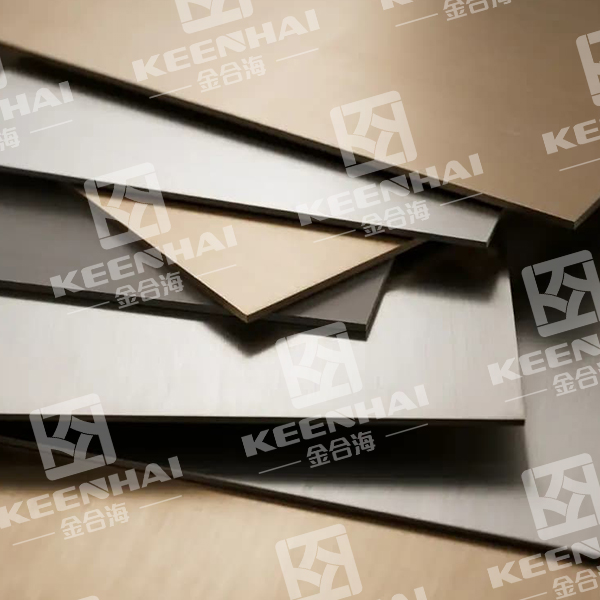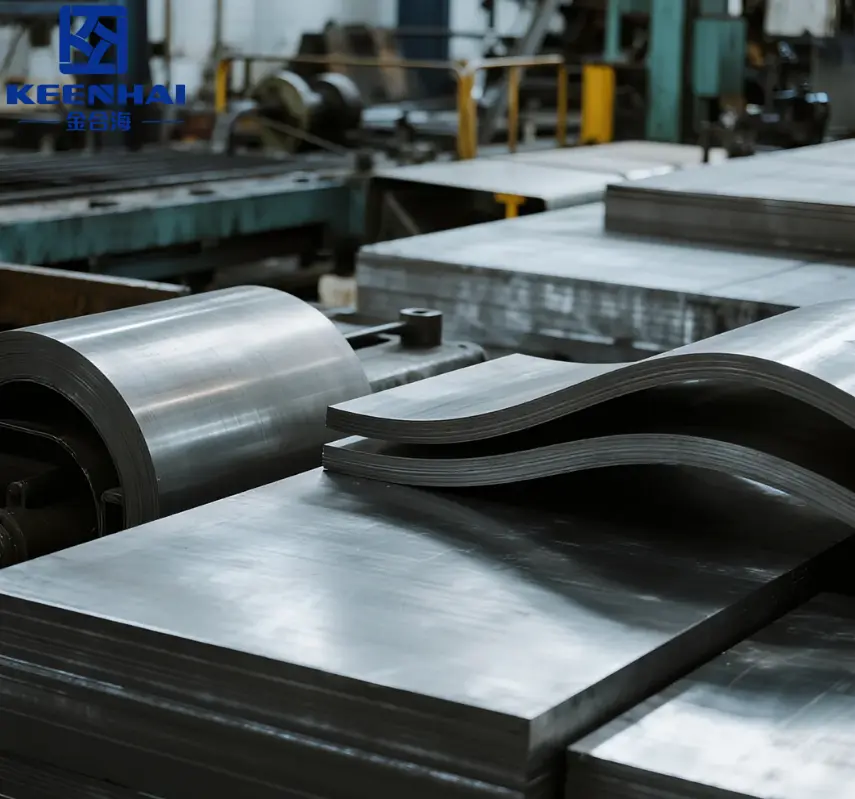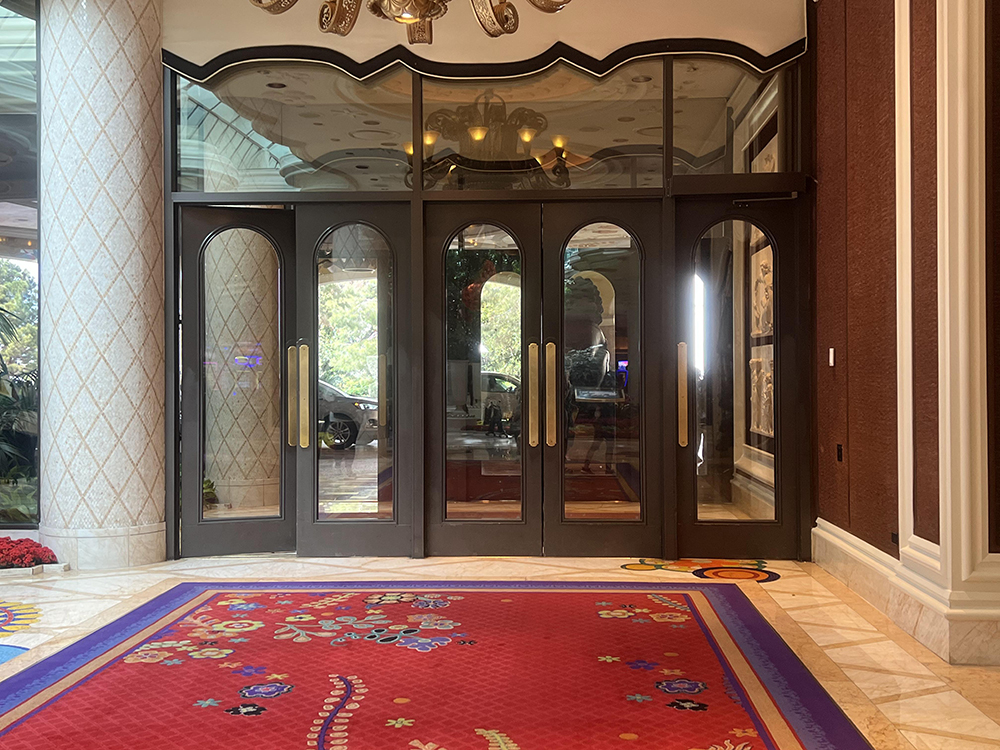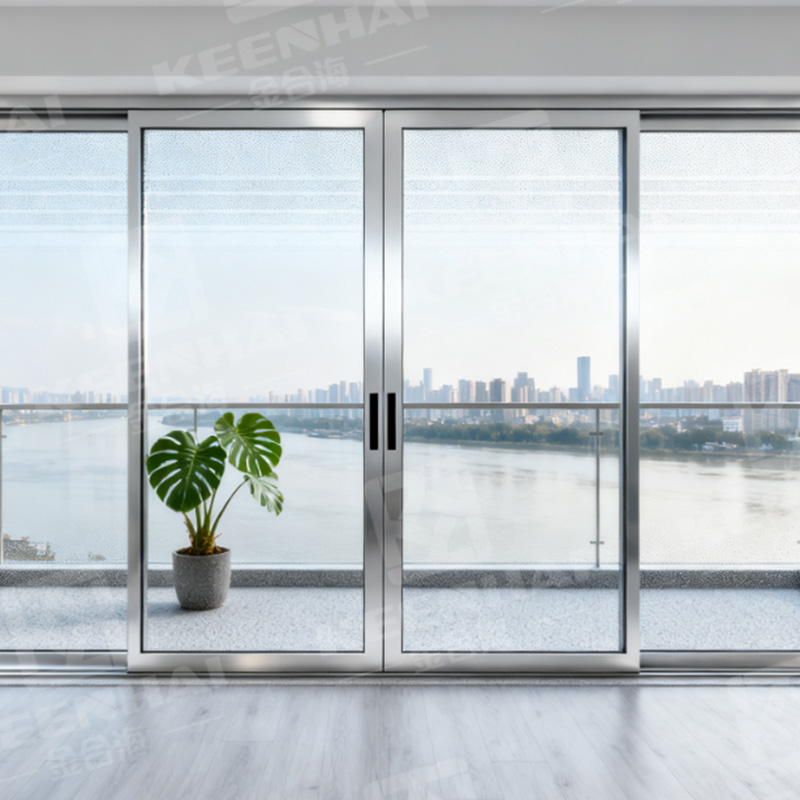
When comparing Inox Steel and Stainless Steel, Stainless Steel generally performs better across most applications due to its superior corrosion resistance, higher mechanical strength, and greater durability under harsh conditions such as coastal environments, industrial exposure, or frequent temperature changes, while Inox Steel can still be suitable for moderate indoor settings where cost efficiency is prioritized; for high-quality options and detailed specifications, our stainless steel solutions ensure reliable performance and long-term stability.
1. Core Performance Factors
When comparing inox and stainless steel in real projects, the core performance difference usually comes down to how each material handles mechanical stress, corrosion sources, and long-term surface wear. In facade panels or machine housings, builders often start with a stainless steel sheet because its chromium-rich structure gives it a more predictable response under repeated load and shifting temperatures. On rooftops, installers sometimes switch to a heavier SS steel plate when the span gets wider or the load becomes inconsistent, especially in industrial zones where equipment vibration never really stops.
1.1 Mechanical Strength and Load Capacity
The load-bearing difference between inox and stainless steel becomes more obvious when the panel thickness changes. In a small canopy structure, a 1.5–2.0 mm sheet normally stays rigid under a 150–180 MPa working stress, while thicker plate sections handle much higher moment forces without flex. Builders who work on commercial façades usually pay attention to the yield margin—how far the material can stretch before it permanently bends—because this decides whether the panel keeps its geometry after years of wind pressure and seasonal expansion.
Typical Strength Comparison
| Material Type | Tensile Strength (MPa) | Yield Strength (MPa) | Recommended Use Case |
|---|---|---|---|
| Inox (Standard Grades) | 520–650 | 210–240 | Decorative panels, light interior structures |
| Stainless Steel (Common 304 Range) | 520–750 | 215–310 | Exterior façades, load-bearing cladding |
| Heavy SS Plate Sections | 565–760 | 240–320 | Large spans, mechanical housings, industrial frames |
The table basically shows why contractors trust stainless alloys more when the structure gets bigger or involves long, cantilevered segments.
1.2 Corrosion and Oxidation Resistance
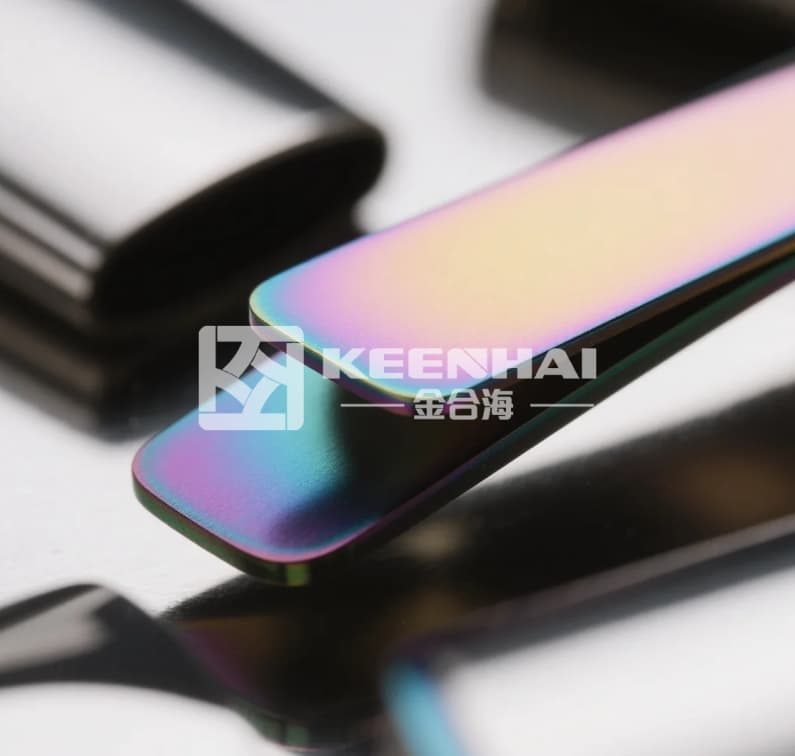
Corrosion resistance is the point where stainless alloys consistently outperform general inox types. Coastal buildings are a good example: salt moisture settles overnight, dries by noon, and repeats this cycle for years. In those conditions, stainless panels form a stable chromium-oxide surface every time the outer layer is disturbed, which slows down pitting even when the humidity swings sharply between rainy seasons and dry months. That stable oxide layer is the main reason stainless cladding stays clean longer without heavy maintenance or frequent polishing.
1.3 Wear, Scratch, and Abrasion Behavior
In high-traffic environments—elevators, hotel corridors, public kiosk housings—the surface durability difference becomes even clearer. Stainless alloys with a brushed or satin finish resist micro-scratches better because the grain direction hides minor abrasion, and the harder surface structure reduces visible swirl marks from cleaning pads. Shops that deal with heavy trolleys or rolling carts prefer stainless panels simply because the material keeps its appearance longer, even when someone slams equipment against it during rush hours.
2. Environmental Performance Differences
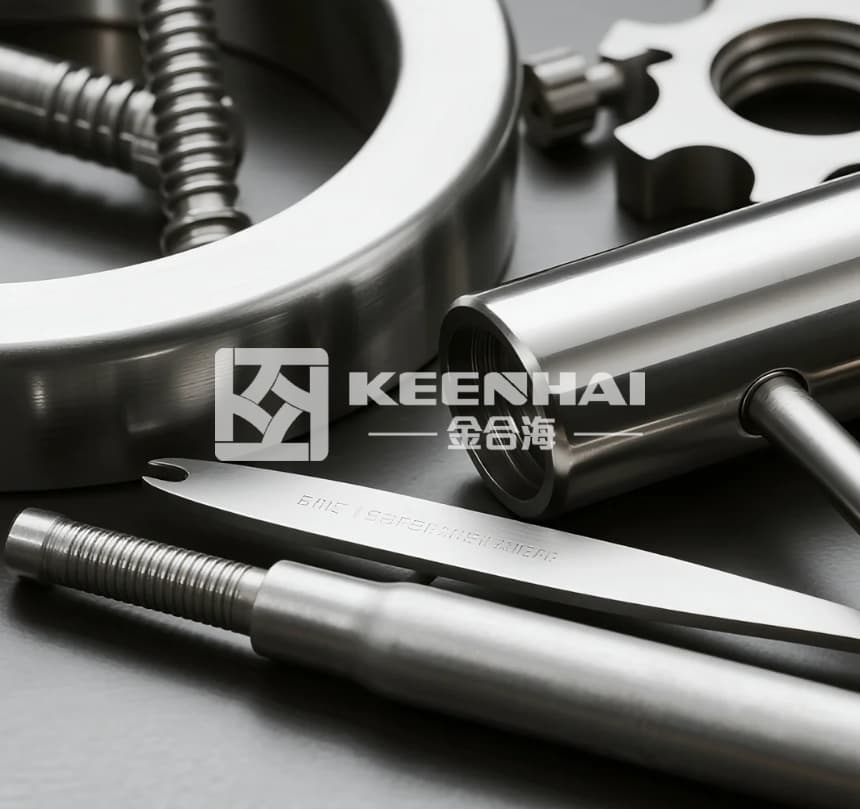
Inox steel and stainless steel react very differently once real-world moisture, airborne salts, and temperature swings start to build up. Stainless steel maintains a more stable oxide layer, especially in open or semi-exposed structures, while inox steel performs better in controlled environments where humidity stays consistent. These differences matter the most in projects where a single building transitions from dry indoor areas to outdoor walkways, because material fatigue accelerates whenever conditions shift too frequently.
2.1 Indoor vs Outdoor Durability
Inox steel handles indoor environments well because humidity, airborne chemicals, and temperature remain predictable. You get slower surface wear and more consistent color retention, especially on smooth finishes used in modern interior metalwork. Outdoor exposure tells a different story: stainless steel lasts longer when daily temperature shifts exceed 15–20°C, and its resistance to condensation cycles is noticeably higher.
2.2 Coastal, Industrial, and High-Moisture Conditions
Coastal areas contain 2–5× more chloride particles than inland regions, and industrial zones often show SO₂ and NOₓ concentrations that accelerate pitting. thép không gỉ 316, with its molybdenum content, slows down chloride-induced corrosion even when salt spray hits surfaces dozens of times per month. Inox steel struggles more in these environments, which is why industrial facilities frequently upgrade exposed surfaces using corrosion-resistant metal assemblies.
2.3 Chemical Exposure and Temperature Fluctuations
Chemical exposure amplifies the performance gap. Cleaning agents, acidic vapors, and solvent residues can produce visible surface staining on inox steel, especially in areas where temperature shifts cause repeated condensation. 304 and 316 stainless steel tolerate these fluctuations far better, maintaining structural integrity through 5–80°C swings without micro-cracking on the surface. To keep either material stable in chemically active environments, technicians usually take three steps:
-
Increase ventilation around metal surfaces to minimize condensation buildup.
-
Separate high-moisture zones from enclosed spaces where vapor accumulates.
-
Maintain a 10–15 cm buffer between metal panels and direct heat sources to prevent thermal shock.
These environmental factors create the clearest long-term performance difference between inox steel and stainless steel, especially in areas exposed to moisture, chemicals, or rapid temperature changes.
3. Maintenance Requirements and Long-Term Stability
Maintenance decides whether a good material stays great or turns into a recurring expense. Regular, correct upkeep extends lifespan more reliably than a slightly higher upfront grade. For both inox and stainless options, cleaning frequency, surface restoration, and protective treatments change how the metal performs over years — especially in visible, high-contact, or chemically active areas.
3.1 Cleaning and Surface Restoration Needs
Routine cleaning preserves the chromium-oxide layer that prevents corrosion. In practice:
-
Weekly wipe-downs with a mild, pH-neutral detergent remove salts and oils before they etch the surface.
-
Monthly inspections catch small stains or pits early — deal with them immediately rather than let them spread.
-
Annual deep-clean and passivation for exterior or coastal installations restores the protective layer and resets the surface chemistry.
Do not use abrasive pads or harsh acids for routine cleaning; they remove the passive film and accelerate wear. When surfaces suffer light staining, spot-polish along the grain to restore appearance without thinning the metal. For high-visibility panels, choose finishes that simplify cleaning — satin or brushed surfaces hide scratches better than mirror polish.
3.2 Coating, Polishing, and Surface Protection
Surface treatment reduces maintenance frequency and protects against aggressive environments. Options include electropolishing, PVD coatings, and passivation. Electropolishing smooths micro-roughness and reduces sites for corrosion initiation, while PVD adds color stability and abrasion resistance for decorative façades. Practical steps for protection:
-
Select the finish based on exposure — PVD or mirror for showpieces, brushed for high-contact areas.
-
Apply passivation after fabrication to remove free iron and strengthen the passive layer.
-
Reapply or touch up coatings every 5–10 years depending on wear and local conditions.
A correctly chosen protective layer can cut maintenance time by half and delay expensive repairs or replacements.
3.3 How Maintenance Frequency Influences Performance
Maintenance frequency directly shifts lifecycle cost: the less you maintain, the faster even high-grade metals show issues. For example, a properly maintained 316 stainless exterior can last 20–30 years with minimal structural interventions, whereas the same alloy neglected in a salty environment may need spot repairs within 5–7 years. Consistent small actions — cleaning, inspection, and timely touch-ups — prevent escalation into major replacements.
If you need product guidance for finishes that minimize upkeep in public spaces or kitchens, I can recommend suitable options and naturally link to the most relevant material pages based on your project type.
4. Performance Across Common Grades
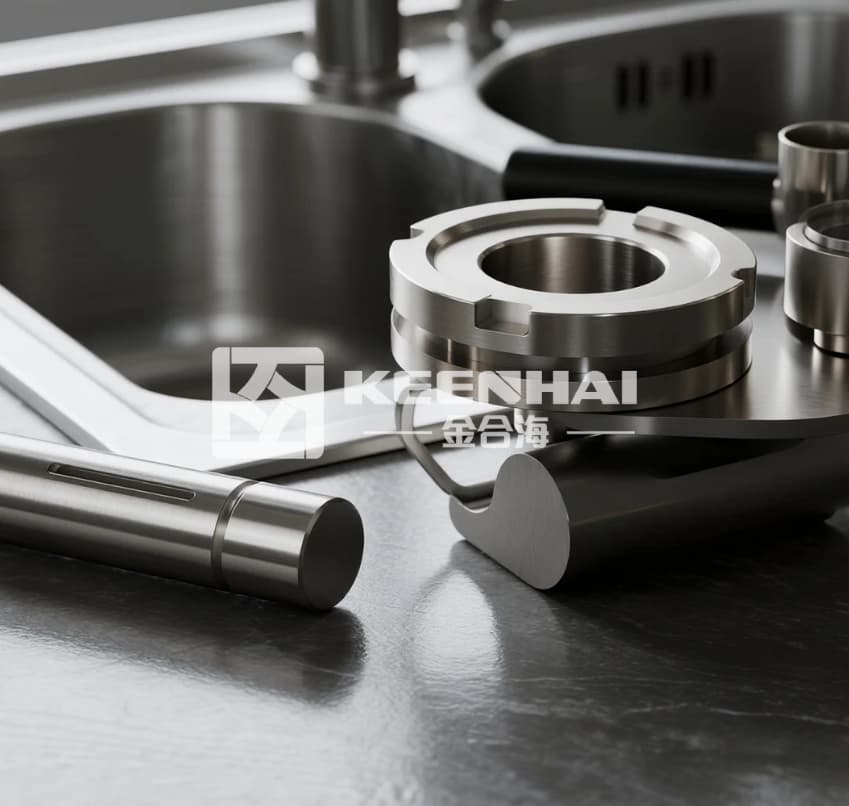
Understanding how each steel grade behaves under real-world conditions is crucial for selecting the right material for longevity and cost-efficiency. Not all inox or stainless steels are created equal, and their mechanical properties, corrosion resistance, and wear behavior vary significantly depending on alloy composition and intended application.
4.1 Inox Steel Variants and Their Strength Profiles
Inox steel comes in multiple alloys such as 201, 301, and low-nickel options, each designed for specific strength and flexibility requirements. For example:
-
201 Inox offers moderate corrosion resistance and good tensile strength at a lower cost, making it suitable for indoor fixtures.
-
301 Inox has higher tensile strength and better fatigue resistance, ideal for bending or load-bearing applications.
-
Low-nickel variants reduce material cost while maintaining acceptable durability for lightly corrosive environments.
| Inox Variant | Tensile Strength (MPa) | Chống ăn mòn | Typical Applications |
|---|---|---|---|
| 201 | 520–550 | Moderate | Interior panels, decorative trims |
| 301 | 650–750 | Good | Load-bearing structures, railings |
| Low-Nickel | 500–600 | Moderate | Budget-friendly interior use |
When projects require a thicker load-bearing panel, consider pairing 301 inox with proper surface treatment for extended lifespan.
4.2 Stainless Steel Grades 304, 316, 430 Performance Differences
304 stainless steel is widely used for general-purpose construction, offering excellent corrosion resistance in most indoor and mild outdoor environments. 316 stainless improves performance in harsh, marine, or chemical-exposed locations due to added molybdenum. 430 stainless, while magnetic and more affordable, provides lower corrosion resistance and is best limited to indoor or low-humidity areas.
Selecting the right grade directly affects structural integrity, appearance longevity, and maintenance needs, especially under high-moisture or chemical exposure.
4.3 Grade Choice Based on Stress, Load, and Corrosion Demands
Grade selection should match the application’s physical and environmental demands:
-
Identify maximum load and bending requirements.
-
Determine exposure level — indoor, coastal, industrial, or chemical.
-
Balance cost versus expected lifespan.
Combining high-strength inox or 316 stainless with suitable surface treatment can extend service life by decades, while lower grades like 201 or 430 may suffice for decorative or low-stress installations. For projects requiring highly durable panels, you can integrate Tấm thép SS or Stainless Steel Sheet depending on thickness and load-bearing needs.
5. Real-World Usage Performance
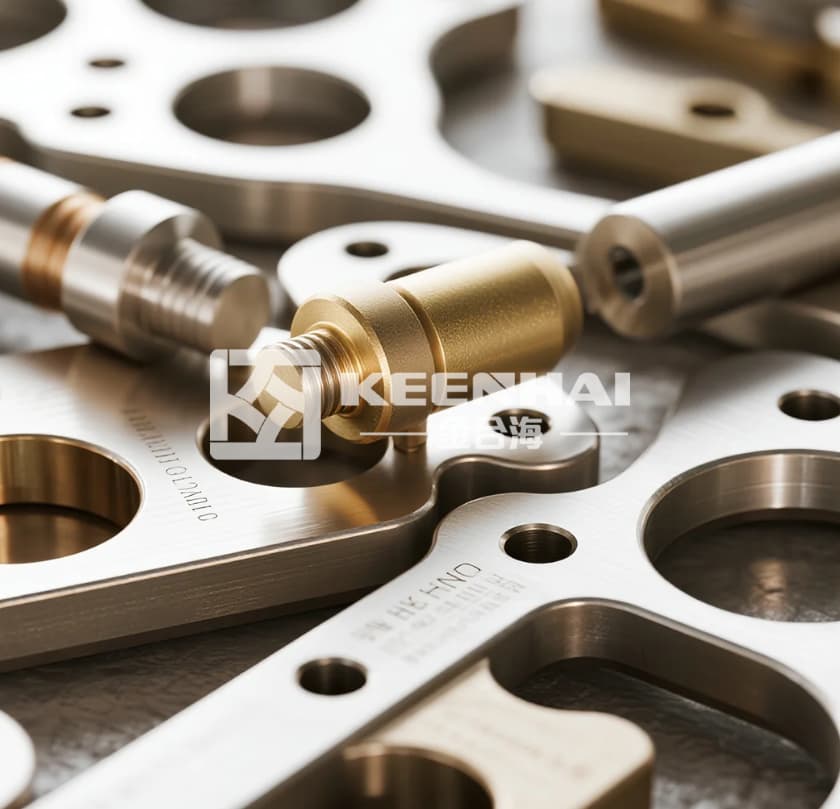
Evaluating steel performance in real-world applications helps ensure the material choice meets both durability and functional demands. Different use scenarios expose stainless and inox steels to varying stress, wear, and environmental factors, which directly influence long-term stability.
5.1 Residential and Commercial Applications
In residential projects, 304 stainless steel or 201 inox often provides sufficient corrosion resistance and mechanical strength for kitchen countertops, railings, or decorative panels. Commercial environments, like restaurants or office interiors, may require higher-grade 316 stainless or treated inox to withstand frequent cleaning, humidity, and occasional chemical exposure. For surfaces exposed to moisture, using a high-quality Tấm thép không gỉ ensures lasting performance and minimal maintenance.
5.2 Heavy-Duty and Industrial Applications
Industrial or heavy-duty applications demand steel that can handle high loads, constant wear, and harsh chemicals. Grades such as 301 inox or 316 stainless excel under these conditions due to superior tensile strength and corrosion resistance. In factories, warehouses, or coastal industrial facilities:
-
Select thicker panels for load-bearing capacity.
-
Apply protective coatings where chemical or salt exposure occurs.
-
Monitor regularly for wear, scratches, and minor corrosion to prevent long-term damage.
5.3 Structural Load vs Decorative Performance
Steel used for structural purposes must prioritize mechanical strength and fatigue resistance, whereas decorative elements can balance appearance with moderate durability. Metal Stainless Steel Sheets are commonly applied where aesthetics and corrosion protection are both required, such as facades or feature walls. Choosing the right grade and thickness ensures that panels maintain structural integrity while keeping maintenance demands low.
Overall, aligning steel grade with actual usage conditions, load requirements, and environmental exposure ensures maximum lifespan and cost-effectiveness without overengineering or underperforming.