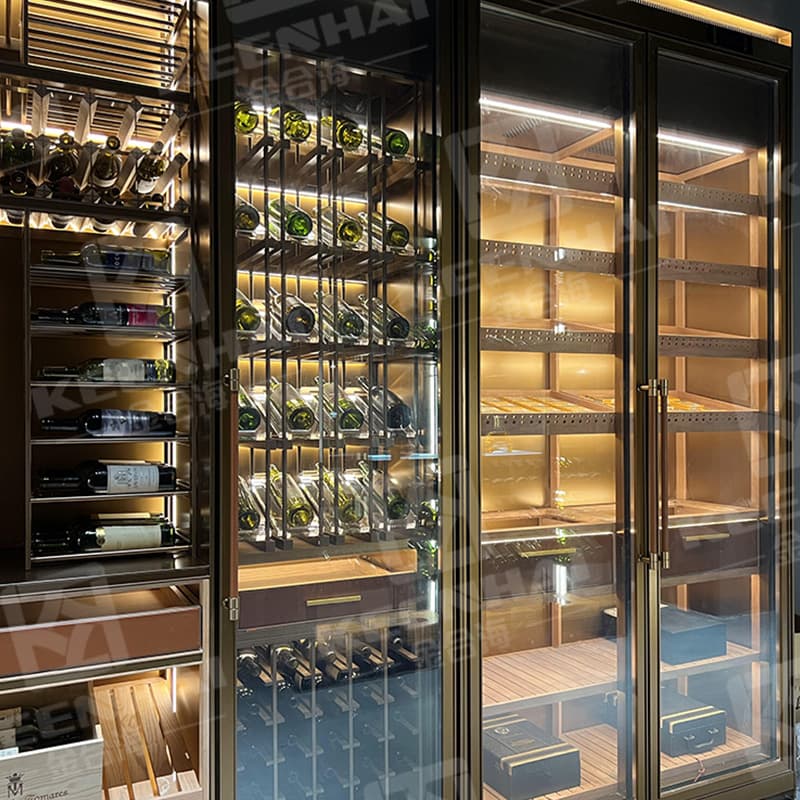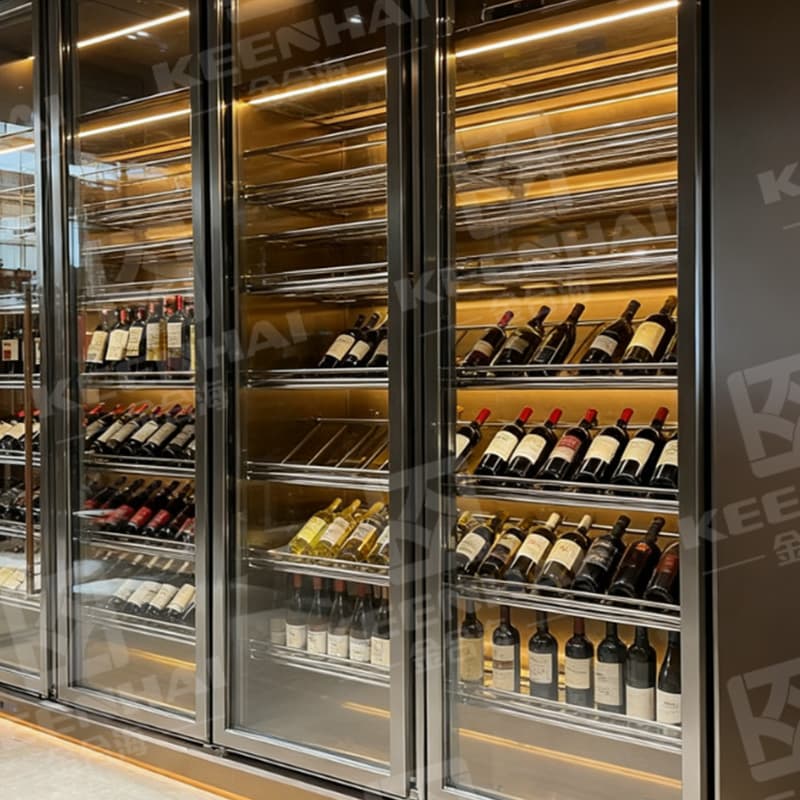
The price of a custom stainless steel wine cellar depends on material selection, design intricacy, and storage capacity. A high-end, fully bespoke cellar with premium racks, integrated climate control, and lighting systems will naturally cost more than modular or smaller-scale designs. Buyers can expect investment-level pricing that reflects long-term durability and aesthetic quality, and contacting a supplier for a detailed quote provides an exact figure for their specific project.
1. Key Factors Influencing the Price of a Custom Stainless Steel Wine Cellar
Designing and installing a xüsusi paslanmayan polad şərab zirzəmisi involves several cost-driving factors. Understanding these key components helps buyers plan budgets accurately and ensures the final cellar meets both aesthetic and functional requirements. High-end projects require attention to detail, material selection, size, and craftsmanship, all of which influence the overall price.
1.1 Material Selection and Its Impact on Stainless Steel Wine Cellar Price
The choice of stainless steel grade significantly affects cost. Premium wine cellars use 304 və ya 316 paslanmayan polad, offering superior corrosion resistance, longevity, and visual appeal. Lower-grade steel reduces cost but may compromise durability and finish over time.
Key material considerations include:
-
Grade of stainless steel – 304 is ideal for residential use, 316 for coastal or high-humidity environments.
-
Sheet thickness – thicker panels increase strength but add fabrication and shipping costs.
-
Complementary materials – glass doors, wood shelving, or LED lighting increase aesthetic value but also the price.
| Material Type | Typical Thickness | Price Impact | Durability Rating |
|---|---|---|---|
| 304 Paslanmayan Polad | 1.2–2.0 mm | Medium-High | Yüksək |
| 316 Paslanmayan Polad | 1.5–2.5 mm | Yüksək | Very High |
| Mixed Materials (Steel + Wood/Glass) | Varies | Yüksək | Medium-High |
Scenario Example: A 316 stainless steel wine cellar in a luxury penthouse may cost 25–30% more than a similar 304 steel cellar due to both material cost and specialized fabrication requirements. This is why contacting the supplier for an exact quote is critical.
1.2 Wine Cellar Size, Capacity, and Layout Complexity
Cellar dimensions directly affect both material and labor costs. Larger cellars require more steel, additional structural reinforcement, and extended assembly time. Complexity in layout, such as curved racks, multi-level shelves, or integrated tasting areas, adds to fabrication hours.
Steps affecting price include:
-
Space assessment – measuring the room, ceiling height, and load-bearing capacity.
-
Capacity planning – number of bottles per rack, tiers, and special storage zones.
-
Custom layout design – curved or angled racks, multi-zone configurations, and accessibility features.
Məsələn, a stainless steel wine rack cabinet integrated into a home entertainment area increases cost due to structural customization and precision welding.
1.3 Surface Finish, Coatings, and Aesthetic Features
The final visual impact drives a portion of the price. Polished, brushed, or patterned stainless steel finishes require specialized treatments and labor. Protective coatings not only enhance appearance but also improve scratch resistance and longevity, which is essential in high-traffic or luxury display areas.
Factors influencing finish cost:
-
Polishing and brushing – multiple passes increase labor and time.
-
Coatings and protective layers – powder coating, anti-fingerprint treatment, or anti-corrosion finish.
-
Decorative details – engraved panels, etched logos, or integrated lighting.
Scenario Example: A boutique hotel installing a brushed stainless steel cellar with LED lighting along display racks may see a 15–20% increase in cost compared to a standard brushed finish without lighting. High-end buyers often combine functional finishes with visual elements to ensure the cellar is both a practical storage solution and a centerpiece.
2. Customization Options and Their Price Impact
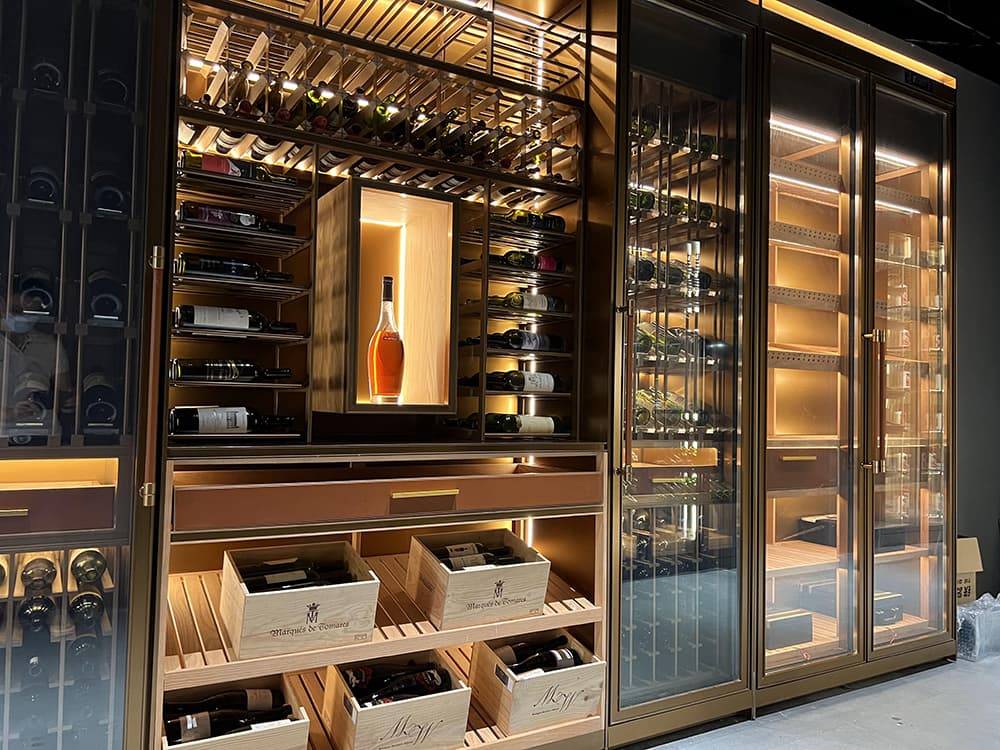
When considering a Stainless Steel Wine Cellar for a high-end project, customization plays a major role in determining the final price. Every design choice—from layout to lighting integration—affects materials, labor, and installation time. Understanding how these options influence cost helps buyers make informed decisions and plan their budgets effectively.
2.1 Modular vs Fully Bespoke Design
The choice between modular systems and fully bespoke designs is one of the first factors influencing price. Modular cellars use pre-fabricated units that can be assembled on-site, offering efficiency and predictable costs. Fully bespoke designs, on the other hand, are tailored to the exact room dimensions, client preferences, and architectural features.
Factors affecting cost include:
-
Design complexity – bespoke layouts with curves, multi-level racks, or angled storage take more engineering and fabrication hours.
-
Material usage – modular units optimize steel sheets, whereas custom panels may require extra cutting and welding.
-
Labor intensity – on-site adjustments for bespoke projects increase installation time.
Choosing a fully tailored design adds flexibility but typically increases price by 20–35% compared to modular systems. For high-end buyers who want unique layouts or integrated storage solutions, a bespoke approach is often worth the additional investment.
2.2 Integration with Glass, Lighting, and Climate Control Systems
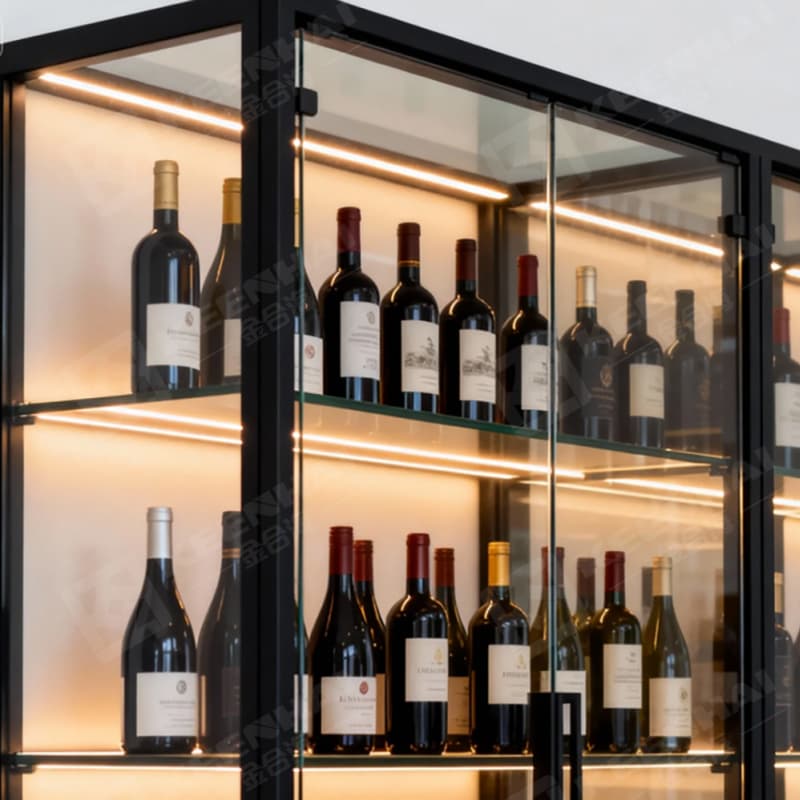
Integrating glass doors, LED lighting, and precise climate control into a custom cellar enhances both functionality and aesthetics, but it also impacts cost. Coordinating these systems requires careful planning during design and fabrication.
Key steps that influence price:
-
Design coordination – ensuring lighting and glass panels align with racks and shelving dimensions.
-
Electrical and climate prep – installing humidity and temperature sensors, wiring for lighting, and ensuring proper ventilation.
-
Testing and calibration – verifying that climate zones maintain stable conditions throughout the cellar.
High-end projects often incorporate advanced features, such as dynamic LED lighting for display racks or multi-zone climate control for different wine types. These features add to both the material and labor cost, but they also significantly increase perceived value and usability.
2.3 Specialized Accessories and Storage Components
Adding specialized components—like stainless steel racks, custom bottle holders, or modular display cabinets—enhances both organization and presentation. These components influence cost based on design complexity and materials.
-
Rack customization – adjusting spacing for magnums, Champagne, or rare vintages requires precise engineering.
-
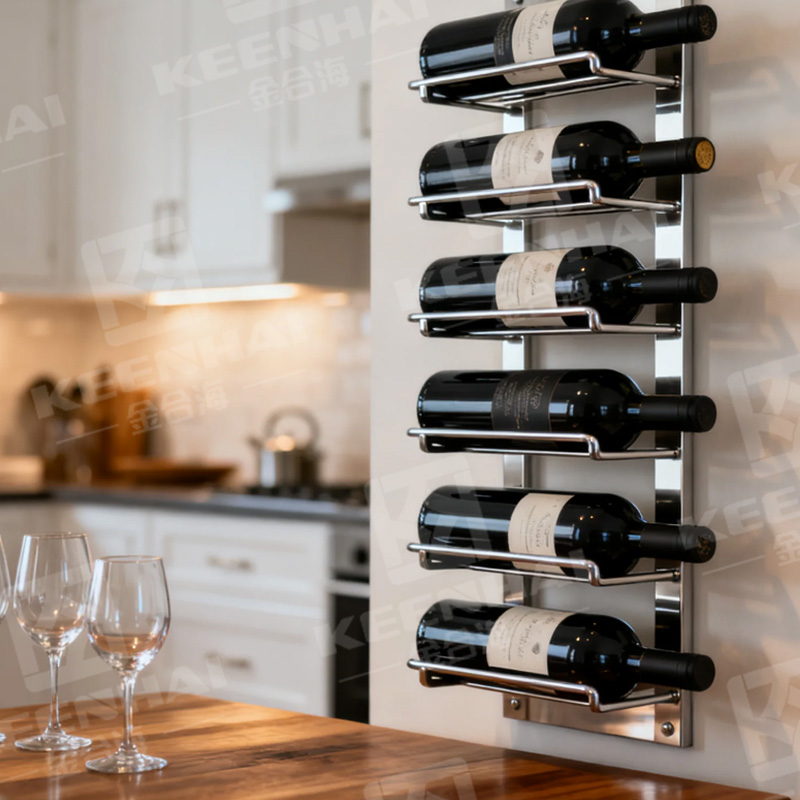
Cabinet integration – incorporating paslanmayan poladdan şərab şkafları or paslanmayan poladdan şərab rəfləri into walls or islands adds both fabrication and installation time.
-
Accessory finishes – engraved labels, LED indicators, or glass inserts enhance appearance but slightly increase unit costs.
Luxury buyers often combine these components with bespoke shelving and lighting to create a visually striking display while maintaining easy access to all bottles. The total price rises with each added customization, making early planning and consultation with the supplier essential.
3. Production and Fabrication Costs
Production and fabrication represent a significant portion of the total price for a xüsusi paslanmayan polad şərab zirzəmisi. Every detail, from precision cutting to final assembly, affects cost, timeline, and long-term performance. High-end projects rely on accurate engineering and skilled labor to ensure both structural integrity and aesthetic excellence.
3.1 Precision Engineering and CNC Fabrication
Modern fabrication uses CNC machines and precision engineering to cut and shape stainless steel panels, racks, and frames. This approach ensures tight tolerances, clean edges, and consistent fit throughout the cellar.
Factors affecting cost include:
-
CNC programming and setup – creating machine-ready files for custom layouts requires detailed planning and CAD modeling.
-
Fabrication time per panel – complex angles, curves, or engraved patterns take longer to cut and finish.
-
Tolerance standards – high-end installations demand tolerances of ±0.5 mm or better, which increases production time and quality checks.
Using precise fabrication reduces errors during installation but adds to the upfront production cost. For buyers, this translates to higher initial investment but ensures a flawless, durable stainless steel wine rack system that maintains its elegance over decades.
3.2 Labor, Assembly, and Quality Control
Labor costs vary depending on assembly complexity and quality assurance processes. Skilled technicians handle everything from welding joints to fitting doors, ensuring the finished wine cellar meets both design specifications and functional requirements.
Key steps influencing cost:
-
Pre-assembly inspection – checking all panels, racks, and components for defects before installation.
-
On-site assembly – aligning modular units, adjusting for uneven floors, and securing climate control systems.
-
Quality verification – ensuring all shelves, racks, and cabinets meet load and stability standards.
High-end projects often require multiple rounds of inspection, especially for integrated features like sliding racks, custom cabinetry, or hidden compartments. This labor-intensive approach guarantees a premium finish but increases total fabrication cost.
3.3 Large-Scale vs Small Residential Installations
The scale of the project directly impacts production and installation costs. Large commercial or hospitality cellars involve more material, extended fabrication, and additional labor coordination. Small residential installations are quicker to produce but still require attention to detail.
Cost considerations:
-
Material volume – larger cellars consume more stainless steel and complementary materials, increasing raw material expenses.
-
Installation complexity – coordinating multi-zone climate systems, lighting, and access points in large spaces takes longer.
-
Transport and logistics – oversized panels or modular racks may require special shipping arrangements.
For instance, installing a high-capacity wine storage system with integrated display cabinets and lighting in a luxury hotel will cost significantly more than a single-family residential cellar due to both scale and customization requirements. Ensuring proper planning and consulting with your supplier for a tailored quote helps manage expectations and budget accurately.
4. Installation and Delivery Considerations
Installing a xüsusi paslanmayan polad şərab zirzəmisi requires careful planning and coordination. Delivery logistics, on-site assembly, and timeline management all influence the overall project cost. Understanding these factors upfront helps buyers avoid delays and ensures a seamless installation process.
4.1 On-Site Installation Complexity
The complexity of on-site installation depends on room layout, ceiling height, floor levelness, and integration with existing architecture. Skilled technicians ensure that racks, cabinets, and climate control systems fit perfectly without compromising stability or aesthetics.
Key installation steps include:
-
Site preparation – measuring space accurately, leveling floors, and confirming wall alignment.
-
Component placement – positioning pre-fabricated modules, racks, and cabinets while checking for proper spacing.
-
System integration – connecting lighting, humidity, and temperature control systems to function seamlessly with the wine cellar.
For high-end projects, even small adjustments, such as aligning custom bottle racks or adjusting modular shelves, can impact labor hours and costs. Experienced installers streamline this process, reducing the risk of delays while maintaining precision.
4.2 Transportation and Handling of Custom Modules
Custom stainless steel components are heavy, oversized, and sensitive to scratches or dents. Proper handling during transport is critical to prevent damage and avoid re-fabrication costs.
Factors affecting delivery cost include:
-
Packaging – custom crates, protective films, and shock-absorbing padding.
-
Logistics planning – coordinating transport routes, crane or hoist usage for large panels, and on-site storage staging.
-
Team coordination – ensuring enough personnel for unloading, handling, and temporary placement without damaging modules.
High-end projects often require multiple shipments to align with installation phases. Proper scheduling and supervision minimize risk and help maintain consistent quality across all components, xüsusilə üçün paslanmayan poladdan şərab şkafları or modular display units.
4.3 Project Timeline and Coordination Costs
The overall project timeline directly affects labor and management expenses. Delays in delivery, on-site adjustments, or installation can quickly increase total costs.
Steps to manage timeline and costs effectively:
-
Pre-installation review – confirm all modules, accessories, and control systems are complete and ready.
-
Scheduling installation phases – stagger work to avoid bottlenecks between electrical, climate, and cabinet assembly teams.
-
Continuous oversight – track progress daily, make adjustments promptly, and ensure all teams communicate effectively.
For large-scale or highly customized stainless steel wine cellars, coordination with architects, designers, and contractors ensures deadlines are met and budgets remain under control. Early consultation with your supplier for a detailed delivery plan helps prevent surprises and guarantees smooth execution.
5. Long-Term Value and Total Investment
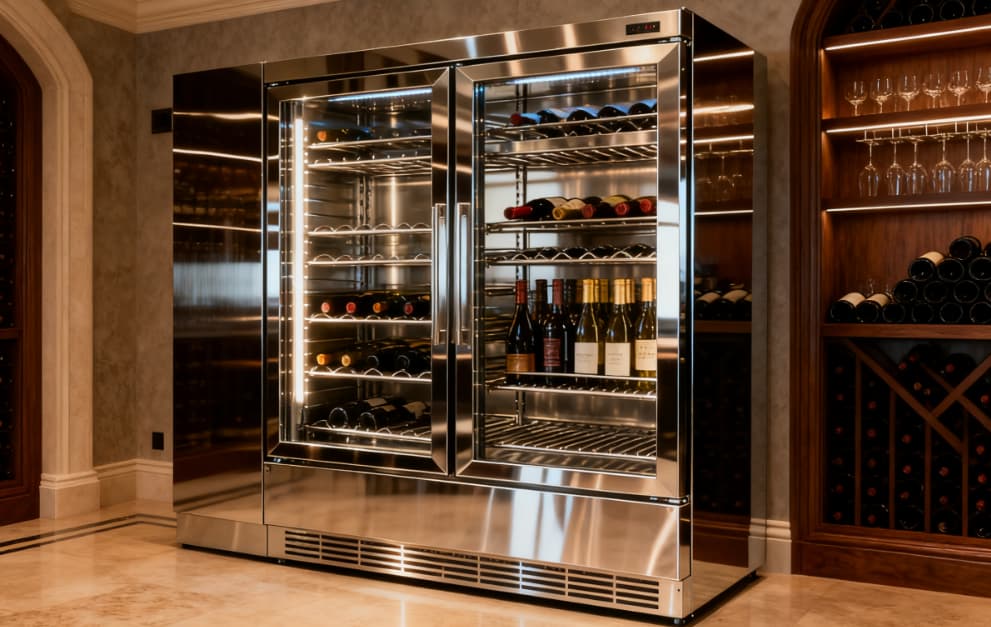
When evaluating a xüsusi paslanmayan polad şərab zirzəmisi, price is just one aspect. The real value comes from durability, maintenance efficiency, and potential resale or upgrade benefits. Smart buyers focus on total investment over time rather than initial cost alone.
5.1 Durability and Maintenance Implications
High-end stainless steel constructions are engineered to last decades. Choosing the right stainless steel grade, corrosion-resistant finishes, and reinforced racks ensures the cellar remains structurally sound and visually flawless.
Maintenance considerations:
-
Cleaning routines – smooth, polished surfaces reduce dust accumulation and simplify regular cleaning.
-
Environmental stability – proper integration with climate control systems minimizes warping or corrosion risks.
-
Component longevity – racks, cabinets, and modular panels retain their load-bearing capacity and aesthetic quality with minimal upkeep.
Investing in premium materials and craftsmanship reduces long-term maintenance costs. For instance, a stainless steel wine cellar built with precision CNC-cut components will require fewer adjustments or replacements over time. This translates into tangible savings for luxury buyers.
5.2 Warranty and After-Sales Support Costs
Warranty coverage and after-sales support significantly affect overall value. Top-tier suppliers offer comprehensive service packages, including troubleshooting, replacement parts, and installation guidance.
Typical cost factors for warranty and support:
-
Extended coverage plans – protecting high-value modules, racks, and cabinets beyond standard periods.
-
On-demand service – specialized technicians can visit sites for urgent repairs or upgrades.
-
Replacement logistics – supplier handles shipping and handling of replacement components efficiently.
Choosing a reputable supplier like pvdstainlesssteel ensures buyers enjoy reliable support, minimizing unexpected costs and protecting the initial investment.
5.3 Resale or Upgrade Considerations for High-End Buyers
For luxury installations, the ability to resell or upgrade the cellar adds long-term value. Modular designs and standardized components make it easier to expand capacity, refresh aesthetic finishes, or relocate the cellar.
Key points affecting resale and upgrade potential:
-
Modular flexibility – interchangeable racks and cabinets allow expansion or reconfiguration.
-
Material quality – premium stainless steel maintains appearance and structural integrity, keeping resale value high.
-
Compatibility with modern systems – advanced lighting, temperature, and humidity controls can be upgraded without full replacement.
Investing in a high-quality stainless steel wine cellar means the cellar can adapt to changing tastes or future property upgrades, delivering sustained value beyond the initial purchase.