རེད། དངས་ལྕགས་ལ་ཟད་འགྲོ་སྲིད། འོན་ཀྱང་གནས་སྟངས་འགའ་ཤས་འོག་རྐྱངམ་གཅིག་རེད། ཚྭ་ལ་ཐུག་པ་དང་། དྲོད་ཚད་མཐོ་བ། རྨས་སྐྱོན་ཕོག་པ། གློག་སྦྱོར་གྱི་ས་ཆ། ཡང་ན་སྤུས་ཚད་དམའ་བའི་རྒྱུ་ཆ་ལྟ་བུའི་རྒྱུ་རྐྱེན་གྱིས་དེའི་སྲུང་སྐྱོབ་ཀྱི་བང་རིམ་ལ་གནོད་སྐྱོན་གཏོང་ཐུབ། རིམ་པ་འོས་འཚམ་འདེམས་སྒྲུག་དང་། དུས་རྒྱུན་གཙང་བཟོ། བདག་གཅེས་བཅས་བྱས་ན་ཟད་པ་དེ་དཀོན་པོ་དང་དོ་དམ་བྱེད་ཐུབ་པས་ཕྱི་ངོས་དེ་ལོ་མང་རིང་འོད་མདངས་ལྡན་པ་དང་ཐུབ་ཆེན་པོ་ཆགས་ཐུབ།
1. དངས་ལྕགས་ཀྱིས་ཟད་འགོག་བྱེད་པའི་རྒྱུ་མཚན།
When architects design modern commercial towers or large public spaces, the choice of exterior material is not just about aesthetics but also about long-term durability. In humid cities or coastal areas, many buildings are wrapped in དངས་ལྕགས་དང་། ཐོན་རྫས། because this alloy performs far better against corrosion than ordinary carbon steel or aluminum composites. Unlike painted steel, which requires frequent recoating, stainless steel maintains its sleek metallic finish for decades with very little intervention. The reason behind this resilience lies in its chemistry and the microscopic shield that forms on its surface.
༡་༡ ཁྲོམ་དང་འགུལ་མེད་བང་རིམ་གྱི་འགན་འཁྲི།
The defining element in stainless steel is chromium. By international standards, any steel containing at least 10.5% ཁྲོ་མིཡམ། དངས་མ་ཡིན་པའི་ཆ་རྐྱེན་ཚང་ཡོད་ཀྱང་། ལག་ལེན་དུ་བཟོ་བཀོད་དང་ཡང་ན་མཛེས་རྒྱན་གྱི་རིམ་པ་མང་ཆེ་བས་བརྒྱ་ཆ་མཐོ་བ་བེད་སྤྱོད་བྱེད་ཀྱི་ཡོད། ཀ་རོམ་ལྕགས་རིགས་ལ་བསྲེས་ནས་སྲོག་རླུང་ལ་འཕྲད་རྗེས་དེས་འཕྲལ་མར་འགྱུར་ལྡོག་བྱུང་ནས་མཐོང་མི་ཐུབ་པའི་སྲོག་རླུང་བང་རིམ་སྲབ་པོ་ཞིག་ཆགས་ཡོད། བང་རིམ་འདི་ནག་རྫས་ལྕགས་རིགས་སྟེང་ལ་འཆར་བའི་ཟད་གྲོན་ལྟ་བུ་མ་རེད། དེའི་ཚབ་ཏུ་དེ་མཐུག་པོ་དང་། འབྱར་ཐུབ་པ། དེ་བཞིན་སྲོག་རླུང་དང་རླན་གཤེར་འོག་ལྕགས་ལ་སླེབས་པར་བཀག་འགོག་བྱེད་ཀྱི་ཡོད། བཟོ་སྐྲུན་པ་ཚོས་དེ་ལ་ འགུལ་མེད་བང་རིམ།.
འགུལ་མེད་ཀྱི་བང་རིམ་འདི་ཇི་འདྲའི་ནུས་པ་ལྡན་པ་ཤེས་པར་བསྡུར་ན་སྟབས་བདེ་ཞིག་བསམ་གཞིག་བྱོས། མཚོ་འགྲམ་གྱི་མགྲོན་ཁང་ཞིག་གི་མདུན་ཕྱོགས་ཀྱི་ཤོག་བུ་གཉིས་ཕན་ཚུན་མཉམ་དུ་བཙུགས་ཡོད་པ་སྣང་བརྙན་དུ་བཏང་དང་། གཅིག་ནི་ཚོན་བཏང་བའི་ལྕགས་རིགས་ལས་བཟོས་པ་དང་། གཞན་དེ་ནི། ཆེས་མཐོ་བའི་ལྕགས་རིགས་ཤོག་བུ། འཛུགས་སྐྲུན་ནང་བེད་སྤྱོད་བྱེད་ཀྱི་ཡོད། ཟླ་བ་དྲུག་གི་ནང་ལྕགས་རིགས་འཇམ་པོ་དེས་གྱང་སྟེང་ནས་ཐིག་དམར་པོ་རྒྱུག་བཞིན་ཡོད་པ་དང་། ཚོན་རྩི་དེ་ཕྱེ་མ་འཕྱུར་འགོ་ཚུགས་པ་རེད། དེ་དང་ཆབས་ཅིག དངས་མདོག་མེད་པའི་ཤོག་བུ་དེས་ད་དུང་ཡང་ཉི་མའི་འོད་འཕྲོ་བརླག་གཏོང་གི་ཡོད། ཁྱད་པར་དེ་ཁོ་རོམ་གྱིས་སྐུལ་འདེད་གཏོང་བའི་སྒུལ་ཤུགས་མེད་པའི་གློག་བརྙན་ལ་རྐྱེན་པས་རེད།
གློག་བརྙན་འདིའི་གྲུབ་ཚུལ་ནི་སྔོན་བརྟག་ཐུབ་པའི་བྱ་རིམ་ཞིག་ཡིན།
-
ཐོག་མའི་ངོ་ཤེས། - དངས་ལྕགས་གཏུབ་པ་དང་། བསྐོར་བའམ། ཡང་ན་རླུང་ལ་འཕྲད་མ་ཐག ཕྱི་ངོས་ལ་ཡོད་པའི་ཀ་རོམ་དེ་སྲོག་རླུང་དང་འགྱུར་ལྡོག་འགྲོ་གི་ཡོད།
-
Oxide Layer Formation – Within seconds, a stable chromium oxide layer develops, only a few nanometers thick.
-
བར་ཆད་ཀྱི་བྱེད་ནུས། – This layer seals the underlying metal, preventing oxygen or chloride ions from initiating further corrosion.
-
སྒུལ་ཤུགས་ལྡན་པའི་དོ་མཉམ། – If the surface is scratched, the exposed metal regenerates a new oxide film, maintaining continuous protection.
Different alloys have varying chromium content, which translates directly into different levels of resistance. For example, low-cost utility grades may have 11–12% chromium and work fine for indoor furniture, but marine-grade steels often exceed 22% chromium to handle salt spray. The chart below shows a simplified comparison of how chromium levels influence resistance:
| Material Type | ཁི་རོ་མིཡམ་གྱི་ནང་དོན། | Resistance to Rust |
|---|---|---|
| ནག་རྫས་ལྕགས་རིགས། | 0% | Very Low |
| Entry-Level Stainless Steel | ༡༠.༥–༡༢༡TP༣T | Moderate |
| Architectural Stainless Steel | ༡༦–༢༠༡TP3T | High |
| མཚོ་ཐོག་རིམ་པའི་དངས་ལྕགས་རིགས། | 22%+ | Excellent |
This fundamental mechanism is why stainless steel can be trusted in such demanding applications, from subway stations exposed to constant humidity to iconic skyscrapers located in coastal climates.
༡་༢ ཟག་འགོག་བྱེད་སྟངས།
The passive film on stainless steel is not static; it behaves like a living skin that can regenerate and repair itself. This self-healing property is the true secret behind its remarkable durability. If you scratch a ལྕགས་རིགས་དངས་ལྕགས་ཤོག་བུ། used in cladding projects, the exposed area does not remain vulnerable for long. Within moments, as long as oxygen is present, chromium in the alloy reacts again and re-forms the protective oxide film.
To see how this plays out in real buildings, take the example of a high-rise in Singapore’s Marina Bay. The developers wanted a façade that could withstand intense tropical rain, salty sea breezes, and year-round heat. They selected a stainless steel exterior wall ཚོན་བཏང་བའི་ཤེལ་གྱི་མ་ལག ལོ་བཅུའི་རྗེས་སུ་ཡང་། ཕྱེ་མ་བཀབ་པའི་མཇུག་སྒྲིལ་གྱི་ཉེ་འགྲམ་གྱི་བཟོ་བཀོད་ལ་གྱོན་པ་མངོན་གསལ་དོད་པོ་ཡོད་ཀྱང་། རྒྱུ་མཚན་ནི་བསོད་ནམས་མིན་པར་འགུལ་མེད་ཀྱི་བང་རིམ་དེ་རྒྱུན་ཆད་མེད་པར་བསྐྱར་གསོ་བྱེད་པ་དེ་རེད།
The working principle involves several detailed steps:
-
བར་ཆད། - འཕྲུལ་ཆས་ཀྱི་རྨ་ཁ་དང་། གློག་སྦྱོར་ས་ཁུལ། ཡང་ན་ཁོར་ཡུག་གི་རྨས་སྐྱོན་གྱིས་ལྕགས་རིགས་མ་བཙོས་པ་ཕྱིར་མངོན་པར་བྱས།
-
སྲོག་རླུང་འབྲེལ་གཏུགས། - ཕྱིར་མངོན་པའི་ཁྲོམ་རྡུལ་རྡུལ་ཕྲན་དེ་ཁོར་ཡུག་ནང་སྲོག་རླུང་གི་རྡུལ་ཕྲན་དང་མཉམ་དུ་འགྱུར་ལྡོག་འགྲོ་གི་ཡོད།
-
གློག་བརྙན་གསར་བརྗེ། - ཁྲོམ་རའི་བང་རིམ་གསར་པ་ཞིག་ཆགས་ནས་གདོང་གཡོག་གི་གནོད་སྐྱོན་ཕོག་པའི་ཆ་ཤས་དེ་བརྗེ་ལེན་བྱེད་ཀྱི་ཡོད།
-
རྒྱུན་མཐུད་སླར་གསོ། - འགོག་རྐྱེན་དེས་ཡང་བསྐྱར་རླན་གཤེར་དང་ཟད་བྱེད་ཀྱི་རྫས་རིགས་བཀག་འགོག་བྱེད་ཀྱི་ཡོད།
This cycle can repeat indefinitely as long as the material contains sufficient chromium. That is why architectural engineers trust stainless steel for demanding projects like airport terminals, train stations, or civic centers that see constant human contact and environmental stress.
ཁེ་ཕན་གཞན་ཞིག་ནི་སྣ་མང་ཅན་ཡིན། དངས་ལྕགས་དེ་ཐབ་ཚང་གི་ཆེད་དུ་སྡེར་མ་སྲབ་པོ་དང་། སྒྱུ་རྩལ་འགྲེམས་སྟོན་ཁང་གི་ཆེད་དུ་ཤོག་བུ་འཇམ་པོ། ཡང་ན་གནམ་ཐང་ཆེད་དུ་ལྗིད་པོའི་ཁེབས་བཟོ་ཐུབ། ལག་ལེན་རེ་རེར་ཟད་འགོག་བྱེད་པའི་གཞི་རྩ་གཅིག་པ་ལས་ཁེ་ཕན་ཐོབ་ཀྱི་ཡོད། དེང་རབས་ཀྱི་ཕྱི་ངོས་བཅོས་ཐབས་དང་མཉམ་དུ་PVD གྱི་ཁེབས་ལྟ་བུའི་ལྕགས་རིགས་དེ་ལ་ཐུབ་ཚད་དང་རྒྱན་བཀོད་ཀྱི་སྣ་མང་གཉིས་ཀ་ཐོབ་ནས་བཟོ་བཀོད་པ་ཚོས་ཤུགས་ཚད་ཙམ་མ་ཡིན་པར་བཟོ་བཀོད་ཀྱི་མཉེན་ཆས་ཀྱང་ཐོབ་ཐུབ།
ལག་ལེན་དུ་དེའི་གོ་དོན་ནི་དངས་ལྕགས་བཀོལ་སྤྱོད་བྱས་པའི་ཁང་པར་ལོ་འགའ་ཤས་ནང་རིན་གོང་མཐོ་བའི་ཚོན་བཏང་དགོས་མིན། དེའི་ཚབ་ཏུ་བདག་གཉེར་དེ་གཙང་བཟོའི་བྱེད་སྒོ་སྟབས་བདེ་ཞིག་ལ་མར་ཕབ་ཡོད། ལོ་བཅུ་ཕྲག་མང་པོའི་རིང་ལ་དངུལ་རྩའི་གསོག་འཇོག་དེ་ཡང་ཡང་ཚབ་བརྗེ་བྱེད་དགོས་པའམ་ཡང་ན་སྲུང་སྐྱོབ་ཀྱི་ཁེབས་དགོས་པའི་རྒྱུ་ཆ་གཞན་དང་བསྡུར་ན་མང་པོ་ཆགས་ཐུབ།
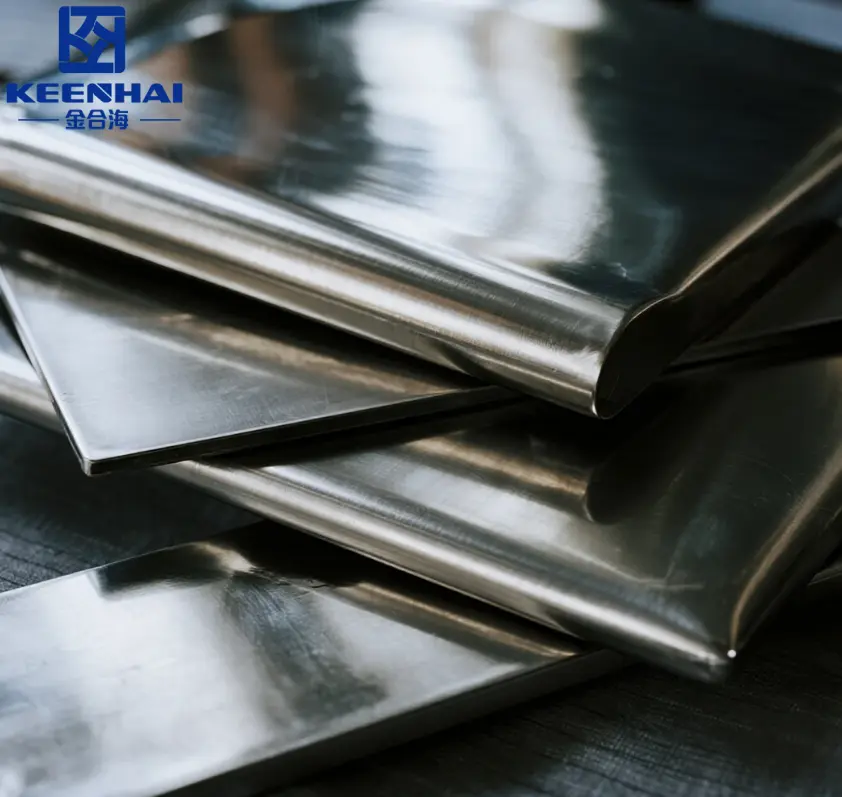
2. When Does Stainless Steel Rust?
ལྕགས་རིགས་དེ་ཟད་འགོག་བྱེད་པའི་ཆེད་དུ་གྲགས་ཅན་ཡིན་ནའང་། རིམ་པ་མཐོ་ཤོས་ལ་ཡང་ཟད་པའི་རྟགས་མཚན་སྟོན་ཐུབ་པའི་གནས་སྟངས་དམིགས་བསལ་ཡོད། འཆར་འགོད་འདི་དག་ལ་གོ་བ་ལེན་རྒྱུ་ནི་བཟོ་སྐྲུན་པ་དང་། བཟོ་སྐྲུན་པ། དེ་བཞིན་ཁང་པའི་བདག་པོ་ཚོས་ཁོང་ཚོའི་མ་རྩ་དེ་དུས་ཚོད་ཀྱི་བརྟག་དཔྱད་ལ་གདོང་ལེན་བྱེད་འདོད་ཡོད་མཁན་ཚོར་གལ་ཆེན་པོ་རེད། གཤམ་དུ་དངས་ལྕགས་ལ་རྨས་སྐྱོན་ཕོག་པའི་གནས་སྟངས་ཁྱབ་ཆེ་ཤོས་ལྔ་ཡོད།
2.1 Chloride Exposure (Saltwater, Chemicals)
ལྕགས་རིགས་ལ་འཇིགས་སྐུལ་ཆེ་ཤོས་གཅིག་ནི་ཚྭ་ཆུ་དང་། འཁྱགས་རོམ་སེལ་བའི་ཚྭ། དེ་བཞིན་གཙང་བཟོའི་དངོས་རྫས་ཁ་ཤས་ནང་དུ་ཡོད་པའི་ཆུ་རླངས་ཡིན། ཆུ་རླངས་གློག་རྡུལ་གྱིས་སྒུལ་ཤུགས་མེད་པའི་བང་རིམ་ནང་དུ་འཛུལ་ནས་ས་ཁུལ་གྱི་ཟད་རྫས་ལ་སྣུམ་རླངས་ཟེར། ནག་རྫས་ལྕགས་རིགས་ལ་གཅིག་གྱུར་གྱི་ཟད་འགྲོ་བྱེད་པ་དང་མི་འདྲ་བར། ཁུངས་གཏུག་བྱེད་པ་དེ་ཉེན་ཁ་ཆེ་བ་ཡིན། རྒྱུ་མཚན་ནི་དེས་ནང་ནས་བཟོ་བཀོད་ཞན་དུ་གཏོང་བའི་ཁུང་བུ་གཏིང་ཟབ་པོ་བཟོས་པ་དང་།
A good example is coastal architecture. A luxury hotel built along the Miami shoreline might feature polished stainless railings on its balconies. While they look flawless at first, daily exposure to salty sea spray gradually initiates tiny pits. Without maintenance, these pits expand, creating structural hazards and unsightly stains.
འཕེལ་རིམ་དེ་རྒྱུན་དུ་རིམ་པ་འདི་ལྟར་འགྲོ་གི་ཡོད།
-
ཚྭ་ཁུ། མཚོ་ཁའི་ཆུ་བླུགས་པའམ་ཡང་ན་ཚྭ་མང་བའི་རླུང་ལས་ཕྱི་ངོས་སྟེང་དུ།
-
འགུལ་མེད་གློག་བརྙན་གྱི་གཏོར་བརླག་། as chloride ions displace oxygen at microscopic spots.
-
ཁུང་བུ་གྲུབ་ཚུལ།, often invisible until they grow larger.
-
ཟག་སྐྱོན་ཁྱབ་གདལ།, which becomes difficult to stop once initiated.
ཆུ་རླངས་ལ་འགོག་ཤུགས་མངོན་པར་བྱ་ཆེད། འདིར་འགྲན་རྩོད་སྟབས་བདེ་ཞིག་ཡོད།
| Stainless Steel Grade | Chloride Resistance | Typical Use Case |
|---|---|---|
| 304 | Moderate | ཁང་པའི་ནང་གི་བཟོ་བཀོད། ཐབ་ཚང་། |
| 316 (མོ་ལིབ་ཌི་ནམ་མཉམ་དུ) | High | མཚོ་འགྲམ་གྱི་ཁང་བརྩེགས་དང་ཆུ་རྫིང་། |
| གཉིས་ལྡན་དང་ཆེས་གཉིས་ལྡན་ཁང་། | Very High | མཚོ་ཁའི་སྟེགས་བུ་དང་མཚོ་གྱང་། |
མཚོ་འགྲམ་གྱི་འཛུགས་སྐྲུན་ལ་བཟོ་སྐྲུན་པ་ཚོས་རིམ་པ་༣༡༦ལས་དམའ་བའི་ཅ་ལག་གང་ཡང་བསྟན་རྒྱུ་དཀོན་པོ་ཡོད།
༢་༢ དྲོད་ཚད་མཐོ་བའི་ཁོར་ཡུག།
དྲོད་ཚད་ཀྱིས་དངས་ལྕགས་ཀྱི་ཐུབ་ཚད་ལ་ཡང་ཉེན་ཁ་བཟོ་གི་ཡོད། དྲོད་ཚད་མཐོ་པོ་ལ་འཕྲད་སྐབས་སྲུང་སྐྱོབ་ཀྱི་ཀ་རོམ་འཚོ་རླུང་བང་རིམ་དེ་བརྟན་ལྷིང་མེད་པར་འགྱུར་སྲིད། དྲོད་ཚད་༥༠༠ནས་༨༠༠°Cཙམ་ལ་རིམ་པ་ཁ་ཤས་ལ་ཚོར་སྣང་ཅན་ཞེས་པའི་མངོན་ཚུལ་འབྱུང་སྲིད་པ་རེད།
Picture a power plant turbine housing made of stainless steel. As exhaust gases heat the structure day after day, parts of the alloy begin to discolor. This “heat tint” is not just cosmetic—it signals a weakened passive layer more susceptible to corrosion once the unit cools and condensation forms.
The degradation process unfolds in stages:
-
ཚ་དྲོད་ཀྱི་ཐེར། alters the microstructure of the steel.
-
Chromium depletion འབྲུ་རིགས་ཀྱི་ས་མཚམས་ཉེ་འགྲམ་དུ་ས་ཁུལ་ཞན་པོ་བཟོ་གི་ཡོད།
-
Oxidation thickens, ཕྱི་ངོས་འཇམ་པོ་ཆགས་ཡོད།
-
Post-cooling corrosion accelerates due to the compromised passive layer.
བཟོ་གྲྭའི་བཟོ་བཀོད་པ་ཚོས་དྲོད་འགོག་བྱེད་པའི་རིམ་པ་310 ཡང་ན་446 ལྟ་བུའི་དངས་ལྕགས་འདེམས་ནས་གནད་དོན་འདི་ལ་གདོང་ལེན་བྱེད་ཀྱི་ཡོད། འདྲེས་སྦྱོར་འདི་དག་གིས་ཐབ་ཁང་དང་ཡང་ན་ཕྱིར་འཐེན་མ་ལག་ནང་ལ་ཡང་སྟོབས་ཤུགས་དང་ཟད་འགོག་བྱེད་ཐུབ་ཀྱི་ཡོད།
2.3 Scratches and Surface Damage
གློག་བརྙན་དེ་རང་ཉིད་ལ་གསོ་ཐུབ་ཀྱི་ཡོད་ཀྱང་། རྨ་ཁ་གཏིང་ཟབ་པོའམ་འཕྲུལ་ཆས་ཀྱི་གནོད་སྐྱོན་གྱིས་ཟད་པའི་རྐང་པ་འཛུགས་ཐུབ། ལྷག་པར་དུ་རླན་གཤེར་དང་ཡང་ན་ཆུ་རླངས་དང་མཉམ་དུ་བསྲེས་ན། དཔེར་ན། བྲེལ་ཟིང་ཆེ་བའི་ས་འོག་མེ་འཁོར་འབབ་ཚུགས་ཀྱི་དངས་ལྕགས་ཀྱི་ལག་ཐོགས་ལ་རྒྱུན་དུ་འབྲེལ་བ་དང་། དུས་ཚོད་ཀྱི་འགྲོ་སྟངས་ལྟར་ན། རྨ་ཁ་འགའ་ཤས་གཏིང་ཟབ་པོ་ཆགས་ནས་ཁོར་ཡུག་གིས་སྒུལ་ཤུགས་མེད་པའི་གློག་བརྙན་དེ་མགྱོགས་པོ་ཁ་སྐོང་བྱེད་མི་ཐུབ།
The risks become more pronounced when:
-
Tools or sharp objects སྒྲིག་འཇུག་བྱེད་སྐབས་ཕྱི་ངོས་ལ་རྡེབ་དགོས།
-
Improper cleaning pads (ལྕགས་བལ་ལྟ་བུ) གཤེར་ཁུ་བཞག
-
འགུལ་སྐྱོད་དང་གཤེར་ཤུགས། ཉིན་ལྟར་བེད་སྤྱོད་བྱེད་པ་ནས་ལྕགས་རིགས་མ་བཅོས་པར་ཕྱིར་མངོན་ཡོད།
One case study comes from a public library renovation in northern Europe. Stainless panels installed in the lobby looked perfect initially. But within a year, cleaners using abrasive pads left streaks that later developed into rust spots, much to the architect’s frustration. Switching to non-abrasive cleaning materials stopped further damage, but the early patches had already stained the appearance.
This demonstrates that while stainless steel is tough, surface care remains crucial. Designers often specify finishes like brushed or bead-blasted textures that conceal minor scratches, reducing the risk of visible corrosion.
༢་༤ གློག་སྦྱོར་དང་ཚ་དྲོད་ཀྱི་ཤུགས་རྐྱེན་ཐེབས་ཁུལ།
Welding creates one of the most vulnerable spots on stainless steel. The intense localized heat alters the material’s microstructure, burning away some chromium and disrupting the passive layer. The zone adjacent to the weld—called the heat-affected zone (HAZ)—is particularly prone to rust if left untreated.
རྩེད་ཐང་ཞིག་གི་ནང་དུ་གུར་གྱི་བཟོ་བཀོད་ཆེན་པོ་ཞིག་བསམ་གཞིག་བྱོས་དང་། འཕྱུར་བའི་སྡེ་ཚན་དེ་ཚོ་སྐྱོན་མེད་པར་མཐོང་ནའང་། མཐར་ཐུག་ལ་གློག་སྦྱོར་གྱི་ཉེ་འགྲམ་དུ་ཟད་པའི་སྒོར་སྒོར་འབྱུང་སྲིད། འདི་ནི་རྒྱུ་ཆ་ཞན་པའི་རྟགས་མིན་པར་ས་ཆ་དེར་རྫས་སྦྱོར་རིག་པ་བསྒྱུར་བའི་གློག་སྦྱོར་གྱི་རང་བྱུང་གི་གྲུབ་འབྲས་ཡིན།
གློག་སྦྱོར་གྱི་ཟག་རྫས་འཁོར་རིམ་དེ་སྤྱིར་བཏང་འདི་ལྟར་འབྱུང་གི་ཡོད།
-
དྲོད་ཚད་མཐོ་བའི་གཞུ་དབྱིབས། མཉམ་སྦྲེལ་དེ་བཞུ་བ་དང་བསྐྱར་དུ་མཁྲེགས་པོ་བཟོས།
-
ཀ་རོམ་ཀར་བའིཌ། ཆུ་རླངས་དང་། ཡོད་པའི་ཁྲོམ་མིམ་ཉུང་དུ་གཏོང་བ།
-
ཚ་བའི་ཁ་དོག forms—a discoloration visible as rainbow hues.
-
ས་གནས་རང་བཞིན་གྱི་ཟད་གྲོན། develops when the altered zones are exposed to weather.
ལག་རྩལ་ཅན་གྱི་བཟོ་མཁན་ཚོས་འགོག་སྲུང་རླངས་རྫས་འོས་འཚམ་བེད་སྤྱོད་བྱེད་པ་དང་། དྲོད་ཚད་ཚད་བཀག་བྱེད་པ། གོམ་པ་འདི་དག་གིས་སྒུལ་ཤུགས་མེད་པའི་གློག་བརྙན་དེ་སླར་གསོ་བྱེད་པ་དང་གློག་སྦྱོར་བྱས་པའི་ཆ་ཤས་དེས་ཡུན་རིང་གི་འགོག་ཤུགས་རྒྱུན་འཁྱོངས་བྱེད་པར་ཁག་ཐེག་བྱེད།
༢་༥ རྒྱུ་ཆ་སྤུས་ཚད་དམའ་བའམ་ཡང་ན་སྤུས་ཚད་ཞན་པ།
མཐའ་མར་དངས་ལྕགས་ཚང་མ་འདྲ་མཉམ་དུ་བསྐྲུན་མེད། མཐའ་མཚམས་ཀྱི་ཀ་རོམ་གྱི་ཚད་གཞི་དང་ཡང་ན་བཙོག་པ་ཡོད་པའི་འདྲེས་སྦྱོར་གོང་ཁེ་བ་དེ་ཚོ་“དངས་མདོག་མེད་པ་”ཡིན་པར་འགྱུར་སྲིད། འོན་ཀྱང་འཛམ་གླིང་ངོ་མའི་གནས་སྟངས་འོག་ལ་འཐུས་ཤོར་འགྲོ་སྲིད། དཔེར་ན། མ་དངུལ་དམའ་བའི་ཉོ་སྒྲུབ་ལྟེ་གནས་ཁག་ནང་བེད་སྤྱོད་བྱེད་པའི་ནང་འདྲེན་བྱས་པའི་མཛེས་རྒྱན་གྱི་ཤོག་བུ་ཁ་ཤས་གཙང་བཟོའི་རྫས་རིགས་ལ་ཐུག་སྐབས་ཟླ་བ་ཁ་ཤས་ནང་བཙོག་པ་ཆགས་འགྲོ་གི་ཡོད།
ཌུ་བྷེ་ཡི་འཕེལ་རྒྱས་གཏོང་མཁན་ཚོས་ཐེངས་གཅིག་ལ་འདི་ལྟར་མྱོང་ཚོར་བྱུང་ཡོད། དེ་ནས་ཁོང་ཚོས་ཕྱི་རོལ་གྱི་ཁྲོམ་གཞུང་དུ་རིན་གོང་དམའ་བའི་དངས་རིགས་ཀྱི་གྱང་ཁེབས་བཙུགས་པ་དང་། ལོ་གཅིག་ལས་མ་འགོར་བར་ལྕགས་རིགས་ཀྱི་སྤུས་ཚད་མི་འདང་བས་ཟད་པའི་ཐིག་ལེ་འཕེལ་རྒྱས་འགྲོ་བཞིན་པ་མཐོང་། ཤོག་བུའི་སྟེང་ལ་ཀྲོ་མིཡམ་10.5%ལས་མཐོ་བ་ཡོད་པ་དང་། དེའི་གྲུབ་ཆ་མི་མཐུན་པས་ཕྱི་རོལ་དུ་བེད་སྤྱོད་གཏོང་བར་འཚམ་པོ་མེད།
འདིར་སྤུས་ཚད་ཀྱི་ཤུགས་རྐྱེན་གསལ་སྟོན་བྱེད་པའི་འགྲན་རྩོད་ཅིག་ཡོད།
| འཛིན་གྲྭའམ་སྤུས་ཚད་ཀྱི་ཆུ་ཚད། | Chromium (%) | ཁོར་ཡུག་རྩུབ་པོའི་ནང་འཁྲབ་སྟོན་བྱེད་པ། |
|---|---|---|
| ཚད་གཞི་དམའ་བའི་“འཆར་དངུལ”SS | ༡༠་༥–༡༡ བར། | Poor – prone to rust |
| ཚད་གཞི་304། | 18 | ཡག་པོ། ནང་ཁུལ་དང་ཕྱི་ཁུལ་འཇམ་པོ། |
| མཚོ་དམག་ ༣༡༦ | 18+ ཆེད་དུ། | ཕུལ་བྱུང་། མཚོ་འགྲམ་དང་རྫས་རིགས། |
འདིས་མིང་གྲགས་ཅན་གྱི་མཁོ་སྤྲོད་བྱེད་མཁན་ནས་མཁོ་སྤྲོད་བྱེད་རྒྱུ་དེ་གལ་ཆེན་པོ་ཡིན་པའི་རྒྱུ་མཚན་གསལ་སྟོན་བྱེད་ཀྱི་ཡོད། རིན་གོང་དམའ་བའི་རྒྱུ་ཆའི་དུས་ཡུན་ཐུང་ཐུང་ནང་གསོག་འཇོག་བྱས་པ་དེས་རྒྱུན་དུ་རིན་གོང་མཐོ་བའི་བཟོ་བཅོས་དང་ཚབ་བརྗེ་བྱེད་དགོས་པ་རེད།
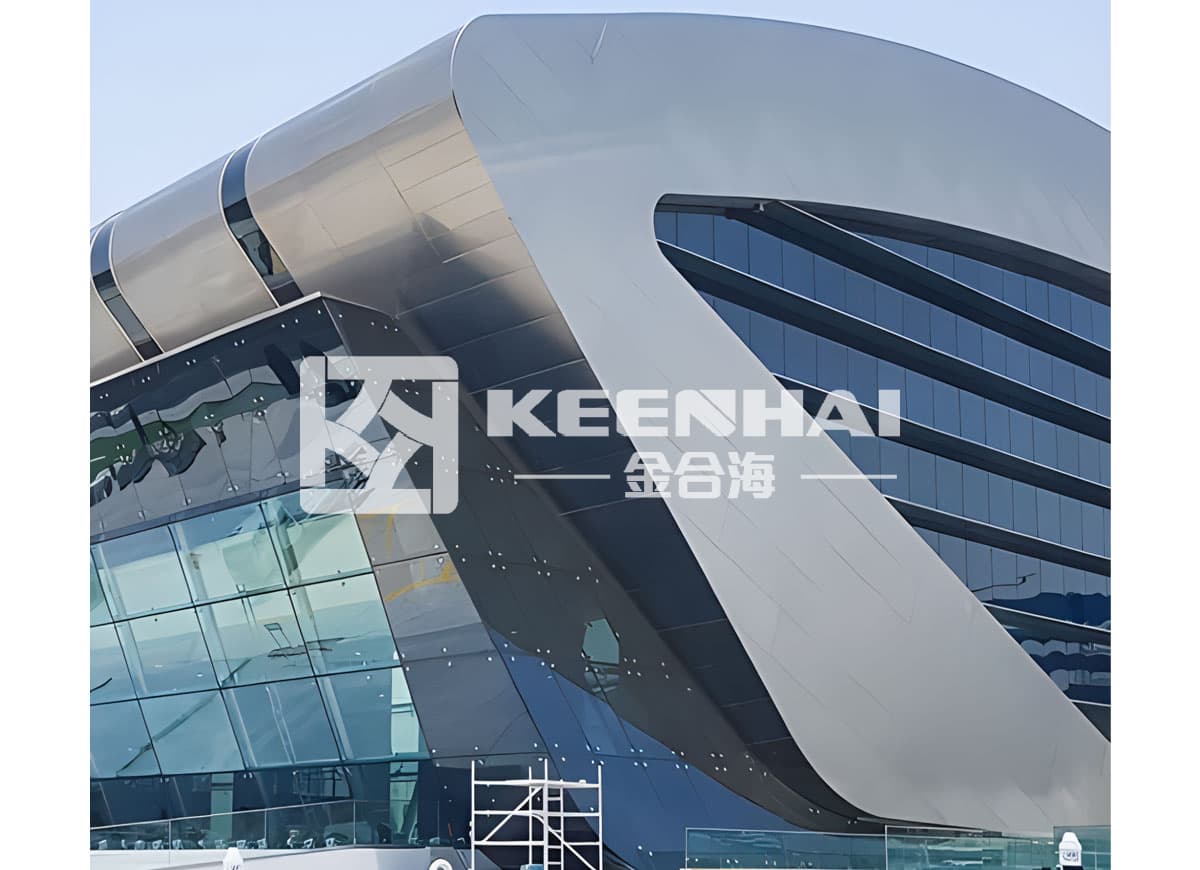
3.Inox vs དངས་ལྕགས་: ཁྱད་པར་གང་ཡིན་ནམ། (2025 ལམ་སྟོན།)
༣་༡ དངོས་པོའི་ཁྱད་ཆོས།
བཟོ་བཀོད་པའམ་འཛུགས་སྐྲུན་པ་ཚོས་གླེང་སྐབས། inox, they’re simply using the European word for stainless steel, short for inoxydable, meaning “non-oxidizing.” Both terms point to the same family of corrosion-resistant alloys, but depending on the grade, performance can vary widely.
Every type of inox or stainless steel contains at least 10.5% chromium, which forms the passive layer that protects against rust. Grades like 304, 316, or 430 each include different amounts of nickel or molybdenum, shifting properties like strength and chloride resistance.
For example, ཆེས་མཐོ་བའི་ལྕགས་རིགས་ཤོག་བུ། in grade 304 are common in kitchens and food prep areas. Meanwhile, 316—sometimes called marine inox—adds molybdenum for superior performance against salty air, making it the material of choice for coastal buildings or marine railings.
Key factors that define these alloys include:
-
Corrosion Resistance – Higher chromium and molybdenum content improve protection in harsh environments.
-
Mechanical Strength – Tensile strength ranges from 520 to 620 MPa for everyday grades, but duplex alloys go even higher.
-
Heat Resistance – Inox maintains its structure at temperatures up to 870°C, which is why it’s trusted in commercial kitchens and industrial plants.
-
Surface Finish – Brushed or mirror-polished finishes on inox give architects the clean, modern appearance that’s so popular in contemporary design.
3.2 Applications and Performance
The real test of inox versus stainless steel isn’t the terminology—it’s how each grade performs in practice. Take two real-life examples:
-
Residential Kitchen Countertop (304 stainless steel)
Families choose stainless steel counters because they are hygienic, non-porous, and simple to clean. Even after years of acidic spills like wine or vinegar, the surface maintains its sleek appearance. -
Hotel Lobby Exterior Wall (316 inox panels)
A five-star hotel in Singapore uses 316 inox cladding for its lobby entrance. Daily humidity, heavy rainfall, and strong chemical cleaners don’t damage the panels. Choosing stainless steel exterior wall solutions ensures the façade stays pristine for decades.
Here’s a clear side-by-side breakdown of how common grades compare:
| གཟུགས་དབྱིབས | 304 Stainless Steel (Standard) | 316 Inox (Marine Grade) |
|---|---|---|
| ཁི་རོ་མིཡམ་གྱི་ནང་དོན། | 18–20% | 16–18% |
| Nickel Content | 8–10.5% | 10–14% |
| Molybdenum Content | None | 2–3% |
| Best Use Case | Kitchens, appliances | Coastal facades, marine use |
| Corrosion Resistance | High | Very High |
| Relative Cost | Lower | Higher |
Another scenario is residential kitchen countertops vs. hotel lobby façades, where the needs differ—durability indoors versus maximum weather resistance outdoors. This contrast shows why inox and stainless steel grades must be matched to the right application.
3.3 Cost and Availability
In 2025, the global demand for stainless alloys remains strong, which directly affects pricing and supply. The cost difference between inox and stainless steel isn’t in the name, but in the grade and finishing process.
-
Standard Options – Common grades like 304 are mass-produced and relatively inexpensive. Contractors often specify stainless steel metal plate for commercial kitchens or factory equipment where reliability meets budget.
-
Premium Grades – High-nickel or molybdenum-rich alloys, such as 316, cost more but offer decades of corrosion resistance, especially in outdoor architecture.
-
Regional Availability – In Europe, inox is the common trade term, while in North America, the market leans toward “stainless steel.” Imports from Asian suppliers keep both widely available.
-
Design Finishes – Polished or patterned ལྕགས་རིགས་དངས་ལྕགས་ཤོག་བུ། panels cost more but are often used in luxury retail façades where appearance is paramount.
For buyers, the deciding factor often comes down to longevity versus upfront savings. Choosing higher-grade inox for exterior cladding prevents costly replacements later. And for trusted sourcing, many turn to established suppliers like pvdstainlesssteel, ensuring consistent quality and availability worldwide.
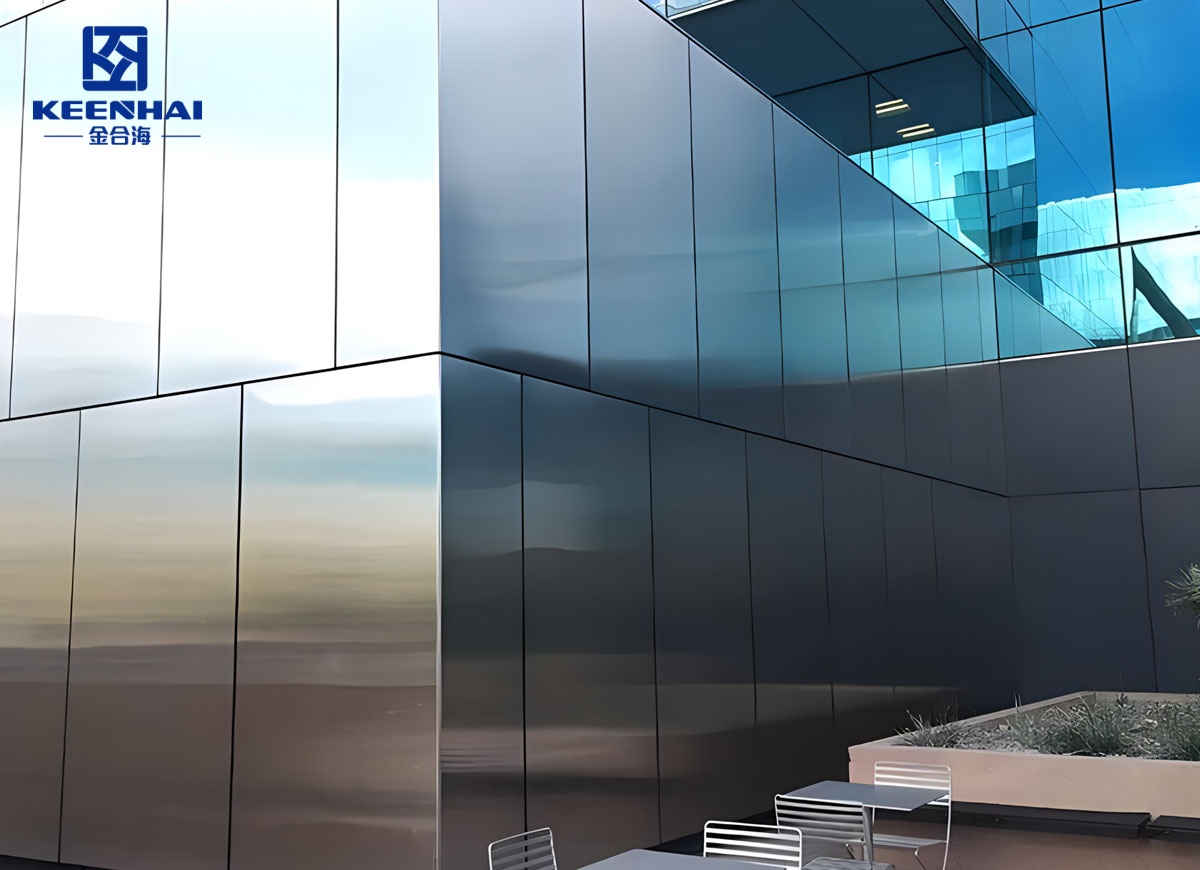
4. How to Prevent Stainless Steel from Rusting
Even though stainless steel is highly resistant to corrosion, no material is completely impervious. Exposure to chlorides, heat, scratches, or poor-grade alloys can trigger rust. Preventing corrosion is not just about buying quality material; it’s about understanding maintenance, protective measures, and proper material selection.
4.1 Proper Cleaning and Maintenance
Cleaning is the first line of defense against rust. Regular maintenance prevents contaminants like dirt, salt, or acidic substances from compromising the passive layer. For example, a coastal hotel using stainless steel exterior wall panels requires more frequent cleaning than an indoor installation because airborne salt deposits accumulate on the surface daily.
A proper cleaning routine involves:
-
Daily or Weekly Wipe-Down – Use soft cloths or microfiber towels with warm water. This removes dust, fingerprints, and light dirt.
-
Mild Detergent Wash – For more stubborn stains, mix neutral pH detergent with water. Avoid bleach or chlorides, as these attack the passive layer.
-
Rinse Thoroughly – Always rinse off soap residues. Leftover detergent can leave streaks or localized corrosion spots.
-
Drying – Use a soft towel or let the surface air dry to prevent water spots, which can accelerate pitting in sensitive grades.
-
Inspection – Regularly check high-contact areas, welds, and corners for signs of scratches or rust.
For interior applications, like kitchens or furniture, the same routine applies, but frequency may be lower. Homeowners using stain steel sheets for countertops often find that weekly cleaning suffices. In commercial environments, daily routines are necessary to maintain the metallic shine and corrosion resistance.
Need a surface that won’t brown or pit in salty or humid air? Check our stainless steel sheet with PVD anti-rust coating.