དེ་གཉིས་ཀྱི་བར་ནས་གདམ་གསེས་བྱེད་པ་ལ་རག་སླེབས་ཀྱི་ཡོད། project priorities: ཤེལ་གྱི་ལྗིད་ཚད་མྱུར་པོ་དང་འོད་འཕྲོ་དམའ་བའི་ལས་གཞི་མགྱོགས་པོ་སྒྲིག་འཇུག་བྱེད་དགོས་པ་དང་། དངས་ལྕགས་དེ་དགོས་མཁོ་ཆེ་བའི་ཁོར་ཡུག་ནང་ཕུལ་དུ་བྱུང་བ་དང་། higher impact resistance, thermal stability, and premium finishes. བཟོ་བཀོད་པ་ཚོས་རྒྱུན་དུ་འཐབ་ཇུས་ལྡན་པའི་སྒོ་ནས་གཉིས་ཀ་མཉམ་དུ་བསྡུ་རུབ་བྱེད་ཀྱི་ཡོད། འགྲིམ་འགྲུལ་མང་བའི་གདོང་ཕྱོགས་ལ་དངས་ལྕགས་དང་། གལ་གནད་ཆུང་བའི་སྡེ་ཚན་ལ་ཤེལ་རིགས་བེད་སྤྱོད་བྱེད་ཀྱི་ཡོད།
1. དངོས་པོའི་ཁྱད་ཆོས་བསྡུར་ཚུལ།
དབར་ཐག་གཅོད་བྱེད་སྐབས། དངས་ལྕགས་གྱང་ཁེབས། and aluminum panels, understanding the དངོས་པོའི་ཁྱད་ཆོས། is critical. These properties directly affect durability, installation, and long-term performance. Let’s break down the key factors.
༡་༡ སྲ་བརྟན་དང་ཐུབ་ཚད།
Stainless steel དེའི་ཁྱད་དུ་འཕགས་པའི་སྟོབས་ཤུགས་ལ་གྲགས་ཅན་ཡིན་པས་འགྲིམ་འགྲུལ་མང་བའམ་ཡང་ན་ཕྱི་རོལ་གྱི་ཕྱི་ངོས་ལ་འཚམ་པོ་ཡོད། དཔེར་ན། 1.2mm ལྕགས་རིགས་ཀྱི་ཕྱི་རོལ་གྱི་གྱང་ཤོག་བུ་དེས་བཟོ་སྐྲུན་གྱི་གཏོར་བརླག་དང་ཡང་ན་ཆར་རླུང་གི་ཤུགས་རྐྱེན་ལ་གདོང་ལེན་བྱེད་ཐུབ་ཀྱི་ཡོད། དེང་རབས་ཀྱི་ཚོང་ལས་ཁང་པ་མང་པོས་བེད་སྤྱོད། དངས་ལྕགས་ཀྱི་ཕྱི་གྱང་། བརྟན་ཤུགས་འདི་ལ་བརྟེན་ནས་མཐོ་རིམ་གྱི་གདོང་ཕྱོགས་ཀྱི་ཤོག་བུ། ཐུབ་ཚད་ཟེར་བ་ནི་ཡང་ཡང་བརྗེ་ལེན་ཉུང་བ་མཚོན་གྱི་ཡོད།ལོ་བཅུ་ཕྲག་མང་པོའི་རིང་ལ་དུས་ཚོད་དང་དངུལ་གཉིས་ཀ་གསོག་འཇོག་བྱས།
༡་༢ ལྗིད་ཚད་དང་བཟོ་བཀོད་ཁུར་པོ།
ལྗིད་ཚད་ཀྱིས་སྒྲིག་འཛུགས་ཀྱི་འགྲོ་གྲོན་དང་བཟོ་བཀོད་ཀྱི་དགོས་མཁོའི་ནང་ནུས་པ་ཆེན་པོ་འདོན་གྱི་ཡོད། ལྕགས་རིགས་ལས་ཨ་ལི་མི་ནི་ཡམ་དེ་མངོན་གསལ་དོད་པོས་འཇམ་པོ་ཡོད་པས་དེས་རྒྱབ་སྐྱོར་གྱི་གཞི་སྒྲོམ་ལྗིད་པོ་དགོས་མཁོ་ཉུང་དུ་གཏོང་ཐུབ་པ་དང་སྒྲིག་འཛུགས་མགྱོགས་རུ་གཏོང་ཐུབ། ཡིན་ནའང་། དེའི་ལྗིད་ཚད་ཆུང་བ་དེ་སྲ་བརྟན་ཅུང་དམའ་བའི་རིན་གོང་གིས་ཡོང་གི་ཡོད། ལྡོག་ཆོས་ངང་ནས་དངས་ལྕགས་ཀྱིས་ལྗིད་ཚད་འཕར་མ་སྤྲོད་ཀྱང་། རྩེ་ཕུད་ཀྱི་གྲུབ་ཆའི་བརྟན་བརླིང་།ལྷག་པར་དུ་རིང་པོ་དང་རྒྱ་ཆེ་བའི་ཁྱབ་ཁོངས་ལ།
1.3 ཟད་གྲོན་དང་ཟད་འགོག་ནུས་པ།
Corrosion resistance is where stainless steel often outperforms aluminum in long-term performance, especially in coastal or industrial environments. Stainless steel’s chromium layer prevents rust and staining, while aluminum forms a natural oxide layer that can protect against corrosion but is སྐྱུར་བའི་ཆར་ཆུའམ་ཚྭ་ཆུའི་གནས་སྟངས་འོག་རྨས་སྐྱོན་ཆེ་བ།.
| Property | Stainless Steel | Aluminum | Notes |
|---|---|---|---|
| རྒྱུ་ཆའི་རིན་གོང་(m2རེར་) | ༡TP༤T༤༥–༡TP༤T༧༠ | ༡ཊི་པི་༤ཊི་༣༠–༡ཊི་པི་༤ཊི་༥༠ | དངས་ལྕགས་ནི་སྔོན་ནས་རིན་གོང་མཐོ་བ་རེད། |
| Lifespan | ལོ་༤༠ནས་༦༠བར། | ལོ་20–30བར། | དངས་ལྕགས་ནི་ཆ་རྐྱེན་རྩུབ་པོའི་འོག་ཕལ་ཆེར་ལྡབ་གཉིས་ཀྱི་རིང་བ་གནས་ཐུབ། |
| Maintenance Frequency | དམའ་མོ | འབྲིང | ཤེལ་རིགས་ལ་དུས་རྒྱུན་གྱི་གཙང་བཟོ་ཡང་ན་སྲུང་སྐྱོབ་ཀྱི་ཁེབས་དགོས་སྲིད། |
| སྒྲིག་གཞིའི་སྟོབས་ཤུགས། | High | འབྲིང | དངས་ལྕགས་ཀྱིས་ཤུགས་རྐྱེན་དང་ལྗིད་ཚད་མཐོ་རུ་ཐེག་ཐུབ། |
1.4 ཚ་དྲོད་རྒྱ་སྐྱེད་དང་གློག་འདྲེན་ནུས་པ།
དྲོད་ཚད་འཕོ་འགྱུར་གྱི་འོག་ལ་ཨ་ལི་མི་ནི་ཡམ་དེ་དངས་ལྕགས་ལས་མང་བ་རྒྱ་བསྐྱེད་དང་ཆུང་དུ་འགྲོ་གི་ཡོད། དངས་ལྕགས་ལ་དྲོད་ཚད་རྒྱ་སྐྱེད་ཚད་དམའ་བ་ཡོད་པས་གནམ་གཤིས་ཚབས་ཆེན་གྱི་སྐབས་སུ་ཤོག་བུ་ཕྲེང་བ་བརྟན་པོ་ཆགས་ཐུབ། མཐའ་གཞན་དུ་ལྟོས་ན། ཤེལ་གྱི་དྲོད་ཚད་ཡག་པོ་སྤེལ་ཐུབ་པ་དང་། དེ་ནི་འགོག་བྱེད་ཀྱི་དགོས་མཁོ་ལ་གཞིགས་ཏེ་ཁེ་ཕན་དང་གནོད་སྐྱོན་ཡོད་སྲིད།
1.5 Real-World Application Example
ཉེ་ཆར་མ་ཡ་མིའི་ཡིག་ཚང་གི་ཀ་རིང་ལས་གཞིའི་ནང་འཆར་འགོད་པས་འདེམས། སྤུས་ཚད་མཐོ་བའི་དངས་ལྕགས་གྱང་ལེབ། གདོང་ཕྱོགས་ཀྱི་ཆེད་དུ་ཁང་པ་དེ་རླུང་ཆེ་བ་དང་མཚོ་རླུང་ཚྭ་ཅན་གཉིས་ཀར་འཕྲད་ཀྱི་ཡོད། སྒྲིག་འཇུག་བྱེད་སྐབས།
-
ལྕགས་རིགས་ཀྱི་ཤོག་བུ་དེ་ཚོ་སྔོན་ནས་གཏུབ་ནས་སྒེའུ་ཁུང་གི་སྒྲོམ་གཞི་ལ་མཐུན་པའི་ཆེད་དུ་ས་གནས་དེ་གར་ཚད་འཇལ་ཡོད།
-
ཟག་འགོག་བྱེད་པར་དངས་ལྕགས་ཀྱི་གདུང་མ་བཀོལ་ནས་ཤོག་བུ་དེ་དག་བརྟན་པོར་བསྡམས་ཡོད།
-
གདོང་ངོས་སྒྲིག་སྦྱོར་བྱེད་པར་བདུན་ཕྲག་12འགོར་ཡོད། དེ་ནི་ཤེལ་རིགས་ལས་ཅུང་རིང་བ་རེད། འོན་ཀྱང་། འབྲས་བུའི་ཐུབ་ཚད་དང་ཉུང་མཐའི་བདག་གཉེར། གདམ་ག་དེ་བདེན་དཔང་བྱས།
ཁྱོན་ཡོངས་ནས་དཔྱད་འཇོག་བྱེད་སྐབས། དངོས་པོའི་ཁྱད་ཆོས།, དངས་ལྕགས་མཁོ་སྤྲོད་བྱེད། ཤུགས་ཚད་མཐོ་བ་དང་། ཚེ་སྲོག་རིང་བ། ཟད་འགོག་ནུས་པ་ཡག་ཤོས།གང་དུའང་ཨ་ལུམ་ནིམ་གྱིས་མཁོ་སྤྲོད་བྱེད། ལྗིད་ཚད་ཡང་བ་དང་སྒྲིག་སྦྱོར་མགྱོགས་པ།, དེས་ལས་གཞི་ཆུང་བའམ་ཡང་ན་ལས་གཞི་ཉུང་བ་ལ་འཚམ་པོ་བཟོས་ཡོད།
2. མཛེས་དཔྱོད་དང་བཟོ་བཀོད་མཉེན་ཆས།
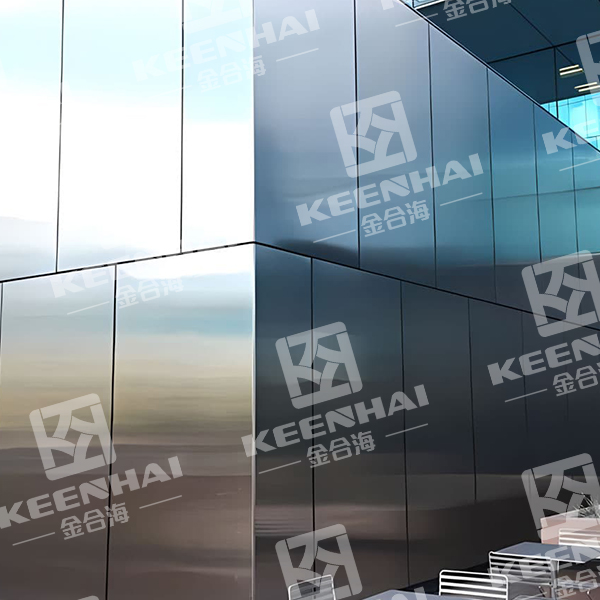
When choosing between དངས་ལྕགས་གྱང་ཁེབས། དེ་བཞིན་ཨ་ལི་མི་ནི་ཡམ་གྱི་ཤོག་བུ་དང་། མཛེས་ཉམས་དང་བཟོ་བཀོད་ཀྱི་མཉེན་ཆས་བཅས་རྒྱུ་ཆའི་སྟོབས་ཤུགས་ལྟར་གལ་ཆེན་པོ་རེད། ཁྱེད་ཀྱི་ཁང་པ་དེ་གང་འདྲ་མཐོང་བ་དང་། ཚོར་བ། དེ་བཞིན་མཐའ་འཁོར་གྱི་ཁོར་ཡུག་དང་མཐུན་སྒྲིལ་བྱེད་པ་དེ་རྒྱུ་རྐྱེན་འདི་དག་གིས་ཐག་གཅོད་བྱེད་ཀྱི་ཡོད།
2.1 Surface Finishes and Textures
དངས་ལྕགས་ཀྱིས་མཇུག་སྒྲིལ་གྱི་རིགས་མང་པོ་མཁོ་སྤྲོད་བྱེད། mirror-polished to གཙང་མ་བཟོས། or PVD-coated surfacesདེང་རབས་དང་མཛེས་སྡུག་ལྡན་པའི་གདོང་ངོས་ལ་བཟོ་བཀོད་པ་ཚོར་མཉེན་ཆས་སྤྲོད་ཀྱི་ཡོད། ཤེལ་གྱི་ཤོག་བུ་དེ་དག་ལ་ཕྱེ་མ་བཀབ་པའམ་ཡང་ན་ཨེ་ནོ་ཌི་ཟི་བྱས་པ་དེས་ཕྱི་ངོས་འཇམ་པོ་སྤྲོད་ཀྱི་ཡོད། འོན་ཀྱང་མཐོ་རིམ་གྱི་གདམ་ག་ཉུང་བ་ཡོད། དཔེར་ན། དངས་ལྕགས་ཀྱི་ཕྱི་ཁེབས། རྨ་ཁ་ཆུང་ཆུང་སྦས་ཐུབ་པས་འགྲིམ་འགྲུལ་མང་བའི་ས་ཁུལ་ལ་ཉོ་སྒྲུབ་ལྟེ་གནས་ཀྱི་ཕྱི་ཕྱོགས་དང་ཡང་ན་གློག་སྐས་ཀྱི་མཐའ་འཁོར་ལ་འཚམ་པོ་ཡོད། ཐགས་རན་འོས་འཚམ་འདེམས་ན་གདོང་ངོས་གཙང་མ་ཞིག་གསལ་བསྒྲགས་ཤིག་ཏུ་བསྒྱུར་ཐུབ། ཐུབ་ཚད་མ་བརླག་པར།
༢་༢ ཚོན་མདོག་གི་གདམ་ག་དང་ཁ་དོག
Aluminum panels excel in color versatility since powder coating can produce almost any hue. Stainless steel, while naturally metallic, can be coated via PVD (Physical Vapor Deposition) to achieve gold, bronze, or black tones. The PVD process creates highly durable colors that resist fadingཉི་མའི་འོད་དྲག་པོའམ་མཚོ་འགྲམ་གྱི་རླུང་ལ་འཕྲད་པའི་ཕྱི་རོལ་གྱི་གྱང་ལག་ལེན་ལ་འཚམ་པོ་ཡོད།
| གཟུགས་དབྱིབས | Stainless Steel | Aluminum | Notes |
|---|---|---|---|
| Color Variety | འབྲིང་རིམ་(རང་བྱུང་ལྕགས་རིགས། PVDཁེབས།) | High (any powder-coated color) | Stainless steel’s premium finishes often appear more luxurious |
| Scratch Resistance | High | འབྲིང | གཤག་བཅོས་བྱས་པའམ་ཡང་ན་PVDམཇུག་སྒྲིལ་གྱིས་མཐོང་ཐུབ་པའི་རྨ་རྫེས་ཉུང་དུ་གཏོང་ཐུབ། |
| Longevity of Finish | ལོ20–30+བར། | 10–15 years | Stainless steel finishes retain appearance longer under extreme conditions |
༢་༣ བཟོ་བཀོད་ལུགས་དང་མཐུན་པ།
དངས་ལྕགས་ཀྱི་ཕྱི་ལྤགས་དེ་དེང་རབས་དང་བཟོ་གྲྭའམ་ཡང་ན་མཐོ་རིམ་ཚོང་དོན་ཁང་པར་འཚམ་པོ་ཡོད། དེའི་འོད་འཕྲོ་བའི་སྤུས་ཚད་ཀྱིས་ འོད་ཀྱི་ནུས་པ་ཆེ་རུ་གཏོང་བ། དེ་བཞིན་བཟོ་བཀོད་མཐོ་བའམ་ཡང་ན་སྒུལ་ཤུགས་ཆེ་བ་མཐོང་བར་བྱེད། ལྗིད་ཚད་མྱུར་པོ་དང་ཚོས་གཞིའི་གདམ་ག་རྒྱ་ཆེ་བའི་དབང་གིས་ཨ་ལི་མི་ནི་ཡམ་གྱི་ཤོག་བུ་དེ་དག་སྡོད་ཁང་འཛུགས་སྐྲུན་དང་ཡང་ན་བཟོ་བཀོད་ཀྱི་ལྗིད་ཚད་ཚད་གཞི་ཆུང་བའི་ཡིག་ཚང་དམའ་པོའི་ནང་དུ་ཡང་ཡང་བེད་སྤྱོད་བྱེད་ཀྱི་ཡོད།
༢་༤ དངོས་ཡོད་ལག་ལེན་གྱི་དཔེ།
ཉེ་ཆར་ནིའུ་ཡོག་གྲོང་ཁྱེར་གྱི་ཡིག་ཚང་ཁུལ་ཞིག་མཉམ་དུ་བསྡུས་ཡོད། དངས་ལྕགས་ལྕགས་རིགས་ཁེབས། ཚོན་བཏང་བའི་ཤེལ་གྱི་ཤོག་བུ་དང་མཉམ་དུ། ཇུས་འགོད་བྱེད་སྐབས།
-
Architects chose a brushed stainless finish for high-traffic entryways to hide fingerprints and minor abrasions.
-
PVD-coated black panels accentuated the upper facade, creating contrast with reflective glass.
-
བཟོ་བཀོད་ཀྱི་ལྗིད་ཚད་ཉུང་དུ་གཏོང་ཆེད་སྒེའུ་ཁུང་གི་མཐའ་འཁོར་དུ་ཤེལ་གྱི་སྐད་གདངས་བེད་སྤྱོད་བྱས།
ལས་གཞི་དེས་ཇི་ལྟར་མཉམ་བསྲེས་བྱེད་པ་སྟོན་ཡོད། དངས་ལྕགས་དང་ཤེལ་རིགས་འཐབ་ཇུས་ལྡན་པའི་ངང་། can balance aesthetics, functionality, and cost, giving the building a དེང་རབས་ཅན་དང་ཐུབ་ཆེན་པོ་དང་མིག་ལམ་དུ་མཛེས་པའི་གདོང་ཕྱོགས།.
3. Installation and Maintenance Considerations
གདེང་འཇོག་བྱེད་སྐབས། དངས་ལྕགས་གྱང་ཁེབས། ཨ་ལུམ་ནིམ་དང་ཁ་གཏད་གཅོག་པ། སྒྲིག་སྦྱོར་སྟབས་བདེ་དང་ཡུན་རིང་བདག་གཉེར། play a crucial role in both cost and building longevity. Understanding these factors ensures you make the right choice for your project.
3.1 Ease of Installation
ཤེལ་གྱི་ཤོག་བུ་དེ་ལྗིད་ཚད་མགྱོགས་པོ་ཡོད་པས་དེ་དག་བཀོལ་སྤྱོད་དང་སྒྲིག་འཛུགས་བྱེད་པར་མགྱོགས་པོ་ཡོད། གདོང་ཕྱོགས་ཆེན་པོ་དེ་ཚོ་བདུན་ཕྲག་ཁ་ཤས་ནང་མ་ཡིན་པར་ཉིན་ཁ་ཤས་ནང་བསྡུ་རུབ་བྱེད་ཐུབ་པས་ལས་མིའི་འགྲོ་གྲོན་ཉུང་དུ་བཏང་ཡོད། དངས་ལྕགས་ལྗིད་པོ་ཡོད་སྟབས། requires more robust support and careful handlingཡིན་ནའང་དེང་རབས་ཀྱི་སྒྲིག་ཆས་སྒྲིག་ཆས་ཀྱིས་སྒྲིག་འཇུག་སྟབས་བདེ་རུ་གཏོང་གི་ཡོད། དཔེར་ན། ཁག་ཐེག་བྱེད་མཁན་གྱིས་སྒྲིག་སྦྱོར་བྱེད་བཞིན་པ། དངས་ལྕགས་ཀྱི་ཕྱི་གྱང་། བཟོ་གྲྭའི་ནང་དུ་ཆ་ཤས་སྔོན་ནས་གཏུབ་ནས་བསྒྱུར་ཐུབ་པའི་སྒྲོག་ཐག་བེད་སྤྱོད་བྱེད་ཀྱི་ཡོད།
༣་༢ བདག་གཅེས་བསྐྱར་ཟློས་དང་འགྲོ་གྲོན།
ཡུན་རིང་གི་འགྲོ་གྲོན་རྒྱུ་ཆ་གཉིས་ཀྱི་བར་ལ་ཁྱད་པར་ཆེན་པོ་ཡོད། དངས་ལྕགས་དང་། ཉམས་གསོ་ཉུང་ཤོས་དགོས།, ལྷག་པར་དུ་PVD-coated ཡང་ན་ brushed finishes དེ་དག་གིས་ཟད་འགྲོ་དང་རྨ་ཁ་ཆུང་ཆུང་ལ་འགོག་ཐུབ། ཤེལ་རིགས་ལ་སྲུང་སྐྱོབ་ཀྱི་ཁེབས་དགོས་པའམ་ཡང་ན་ཡང་ཡང་བརྟག་དཔྱད་བྱེད་དགོས་སྲིད། ལྷག་པར་དུ་མཚོ་འགྲམ་དང་བཟོ་གྲྭའི་ཁོར་ཡུག་ནང་།
| Factor | Stainless Steel | Aluminum | Notes |
|---|---|---|---|
| Maintenance Frequency | ལོ་2–3རེའི་ནང་། | ལོ་1–2རེའི་ནང་། | དངས་ལྕགས་ཀྱི་ཕྱི་ངོས་ལ་ཟད་འགོག་ཡག་པོ་ཡོད། |
| གཙང་བཟོའི་འགྲོ་གྲོན་(ལོ་རེར་སྨི་2རེར་) | ༡ཊི་པི་༤ཊི་༢–༡ཊི་པི་༤ཊི་༥ | ༡TP༤T༣–༡TP༤T༦ | གཙང་བཟོའི་བསྐྱར་ཟློས་དམའ་བ་དེས་ཐོག་མའི་འགྲོ་གྲོན་མཐོ་རུ་གཏོང་ཐུབ། |
| བཟོ་བཅོས། | དཀོན་པོ | སྐབས་སྐབས་སུ་དགོས་པ། | ཨ་ལུམ་ནིམ་གྱི་ཤོག་བུ་དེ་མགྱོགས་མྱུར་ངང་ཤོར་བའམ་ཡང་ན་ཡལ་འགྲོ་སྲིད། |
| Longevity | ལོ་༤༠ནས་༦༠བར། | ལོ་20–30བར། | དངས་ལྕགས་ཀྱི་ཤོག་བུ་དེ་ཕལ་ཆེར་ལྡབ་གཉིས་ཀྱི་རིང་བར་གནས་ཐུབ། |
༣་༣ གཙང་བཟོའི་དགོས་མཁོ།
དངས་ལྕགས་ཀྱི་ཤོག་བུ་གཙང་མ་བཟོ་རྒྱུ་དེ་ལས་སླ་པོ་རེད། ཡི་ཙི་དང་ཆུའམ་ཡང་ན་ ཆེད་ལས་དངས་གཙང་གཙང་བཟོ། འོད་མདངས་རྒྱུན་འཁྱོངས་དང་རྨ་ཁ་འགོག་པར་ལྡང་ངེས་ཡིན། ཨ་ལི་མི་ནི་ཡམ་ལ་རྒྱུན་དུ་དགོས། གཙང་བཟོའི་རྫས་འཇམ་པོ་དང་སྲུང་སྐྱོབ་སྦྱར་རྫས་ཡང་ན་སྦྱར་རྫས། དུས་ཚོད་དང་བསྟུན་ནས་ཚོས་གཞི་འགྱུར་བ་འགོག་ཆེད། ཕྱི་རོལ་གྱི་ཁེབས་ཡོད་པའི་ཐོག་བརྩེགས་ཁང་པ་ལ་རང་འགུལ་གཙང་བཟོའི་མ་ལག་གིས་ཕན་པ་ཐོབ།, འོན་ཀྱང་དངས་ལྕགས་ཀྱི་རང་བཞིན་བརྟན་པོ་དེས་བདག་གཉེར་བྱེད་སྐབས་མཐོང་ཐུབ་པའི་གནོད་སྐྱོན་གྱི་ཉེན་ཁ་ཉུང་དུ་གཏོང་བ་རེད།
༣་༤ དངོས་ཡོད་ལག་ལེན་གྱི་དཔེ།
ཏུའུ་པའེ་ཡི་རྒྱས་སྤྲོད་མགྲོན་ཁང་ཞིག་གིས་འདེམས་སྒྲུག་བྱས། སྤུས་ཚད་མཐོ་བའི་དངས་ལྕགས་གྱང་ལེབ། འཛུལ་སྒོ་གཙོ་བོ་དང་སྒོ་འགྲམ་གྱི་གདོང་ཕྱོགས་ལ། སྒྲིག་འཇུག་བྱ་རིམ་ནང་ཚུད་ཡོད།
-
ཤེལ་གྱི་སྒེའུ་ཁུང་ཆེན་པོ་དང་མཉམ་དུ་ཚད་འཇལ་སྔོན་གྱི་པང་ལེབ།
-
བྱེ་ཐང་གི་ཚ་དྲོད་ཆེ་བའི་འོག་ཏུ་ཕྲ་ཕུང་བདེ་འཇགས་ཡོང་བའི་ཆེད་དུ་ཟད་འགོག་བྱེད་པའི་དངས་རིགས་ཀྱི་གཏིང་ཟབ་བེད་སྤྱོད་བྱེད།
-
Minimal cleaning every 2 years, compared to nearby aluminum facades that required annual touch-ups due to dust and sun fading.
This project illustrates that choosing stainless steel may involve slightly higher upfront labor, but long-term maintenance savings and durability make it a superior choice for high-visibility, high-traffic areas.
4. Cost and Long-Term Value
When choosing between དངས་ལྕགས་གྱང་ཁེབས། and aluminum, understanding both upfront costs and long-term financial impact is essential. A higher initial investment may save money over time if the material lasts longer and requires less maintenance.
4.1 Initial Material and Labor Costs
Stainless steel panels usually cost more than aluminum per square meter due to raw material prices and manufacturing complexity. Labor costs can also be slightly higher because panels are heavier and require precise handling. Aluminum, being lightweight, is faster to install, which can reduce installation fees. For premium finishes like PVD-coated stainless steel, the upfront investment is higher, but the visual appeal and durability often justify the cost.
4.2 Longevity and Replacement Needs
One of stainless steel’s main advantages is its exceptional lifespan. High-quality panels can last 40–60 years with minimal maintenance, whereas aluminum panels often last 20–30 years under similar environmental conditions. Fewer replacements translate to lower long-term expenditure, less disruption, and consistent aesthetic performance.
| Factor | Stainless Steel | Aluminum | Notes |
|---|---|---|---|
| རྒྱུ་ཆའི་རིན་གོང་(m2རེར་) | ༡TP༤T༤༥–༡TP༤T༧༠ | ༡ཊི་པི་༤ཊི་༣༠–༡ཊི་པི་༤ཊི་༥༠ | དངས་ལྕགས་ནི་སྔོན་ནས་རིན་གོང་མཐོ་བ་རེད། |
| Installation Cost (per m²) | $20–$35 | $15–$25 | Heavier panels require more labor |
| Lifespan | ལོ་༤༠ནས་༦༠བར། | ལོ་20–30བར། | Stainless steel outlasts aluminum by decades |
| Replacement Frequency | དཀོན་པོ | Every 20–30 years | Long-term savings favor stainless steel |
4.3 Return on Investment (ROI)
While stainless steel requires a higher initial outlay, the ROI is often superior in the long term due to durability, minimal maintenance, and sustained aesthetic appeal. For instance, a commercial building in Singapore used དངས་ལྕགས་ཀྱི་ཕྱི་གྱང་། panels for its facade:
-
Installation took slightly longer than aluminum but ensured perfect alignment and robust anchoring.
-
Over a 30-year period, the building avoided at least two major panel replacements, which would have been required if aluminum had been used.
-
Cleaning and minor maintenance costs remained low, making the investment cost-effective.
By factoring both initial costs and longevity, stainless steel wall cladding emerges as a strategically smart choice for projects where durability and visual impact matter, especially in commercial or high-exposure environments.
5. Environmental and Performance Factors
Selecting the right wall cladding involves more than looks and cost—environmental performance and sustainability are increasingly important. Stainless steel and aluminum differ significantly in how they affect energy use, recyclability, and resilience in varying climates.
5.1 Energy Efficiency and Reflectivity
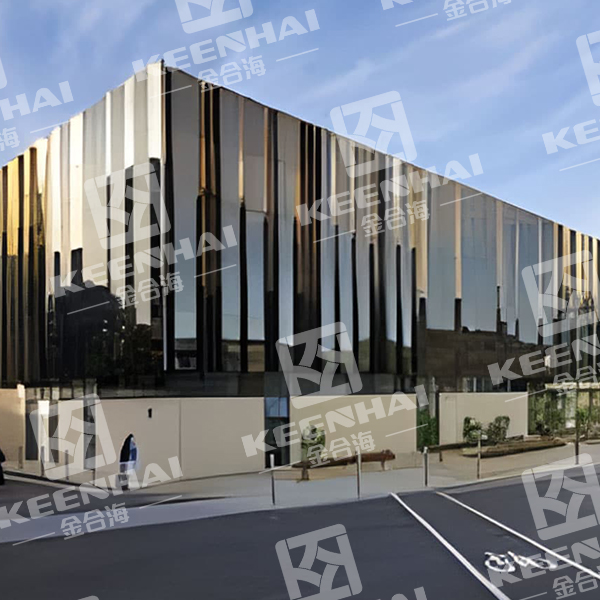
Stainless steel panels naturally reflect sunlight, reducing heat absorption on exterior walls. PVD-coated options can further improve reflectivity, keeping interior temperatures more stable. Aluminum panels are also reflective, but lighter panels may transfer heat more readily, requiring additional insulation in warm climates. Using high-quality stainless wall panels on sun-exposed facades can cut cooling energy costs by up to 15% annually in office buildings.
5.2 Sustainability and Recyclability
Both materials are highly recyclable, yet stainless steel often contains higher percentages of post-consumer recycled content. Aluminum is recyclable too, but the energy required to produce new sheets is higher if virgin material is used. Choosing stainless steel cladding contributes to green building certifications and long-term environmental responsibility, especially in large-scale commercial or urban projects.
5.3 Performance in Different Climates
Stainless steel excels in extreme weather: high humidity, coastal salt air, or freezing temperatures. Its corrosion resistance and thermal stability ensure panels remain aligned and damage-free. Aluminum performs well in temperate regions but may expand or contract more under heat fluctuations, affecting joint integrity over time.
| Factor | Stainless Steel | Aluminum | Notes |
|---|---|---|---|
| Solar Reflectivity | 60–70% | 55–65% | Stainless steel panels can reduce cooling loads effectively |
| Recycled Content | 70–90% | 50–80% | Stainless steel often uses more post-consumer material |
| Climate Resilience | High | འབྲིང | Stainless steel better resists salt air, humidity, and thermal expansion |
5.4 Real-World Application Example
A coastal resort in Sydney installed དངས་ལྕགས་ཀྱི་ཕྱི་ཁེབས། for its main facade. Installation steps included:
-
Anchoring panels with corrosion-resistant fasteners to withstand salt spray.
-
Applying PVD finishes on sun-facing sections to enhance reflectivity.
-
Monitoring panel alignment after initial heat cycles; stainless steel showed no warping, unlike adjacent aluminum sections.
This project demonstrates that stainless steel not only meets aesthetic and structural goals but also supports energy efficiency and long-term environmental performance, making it a smart choice for demanding climates.
Choosing between stainless steel and aluminum for wall cladding ultimately depends on your project’s priorities: durability, aesthetic appeal, maintenance, and environmental performance. For high-traffic or exposed facades, stainless steel consistently outperforms aluminum in strength, longevity, and corrosion resistance.
For architects and builders seeking premium stainless steel solutions or detailed product specifications, you can explore our full range of stainless steel wall panels to find options tailored for both commercial and residential applications.