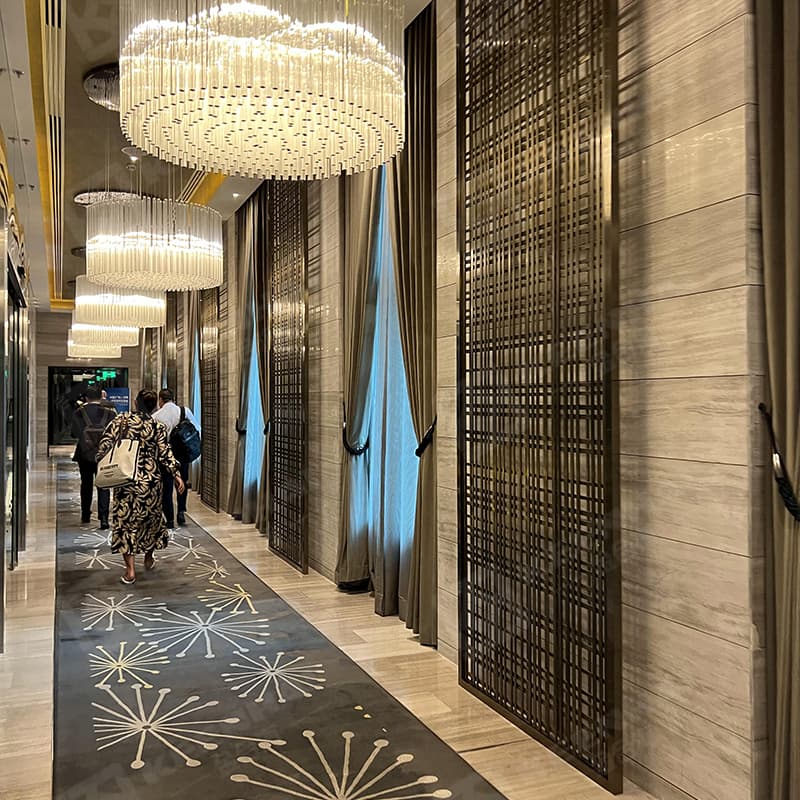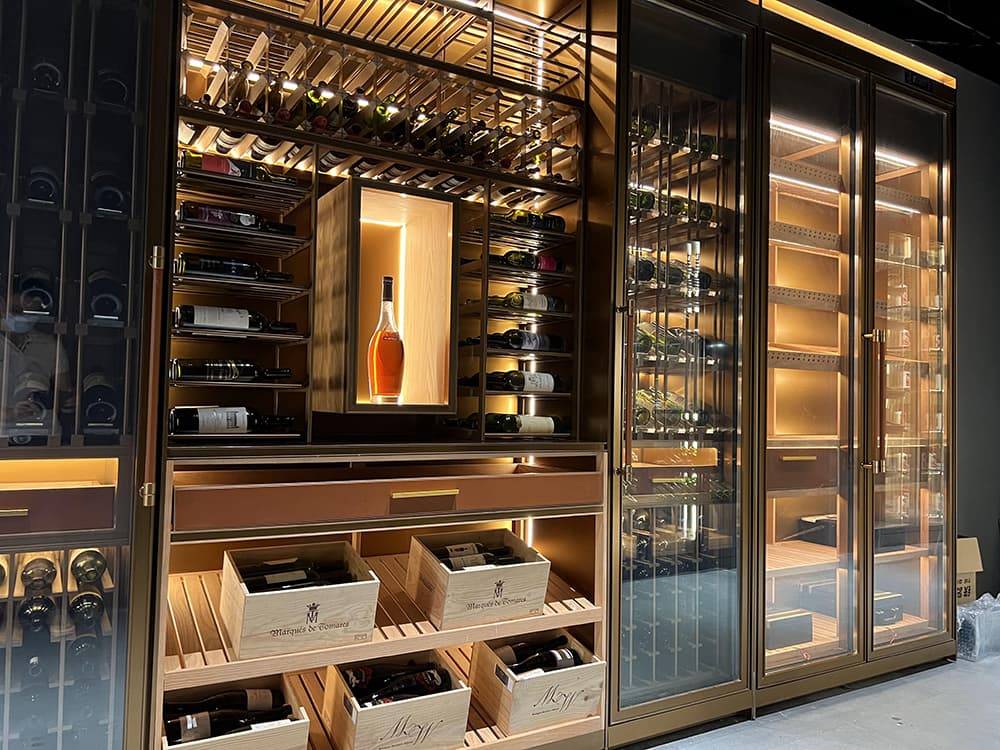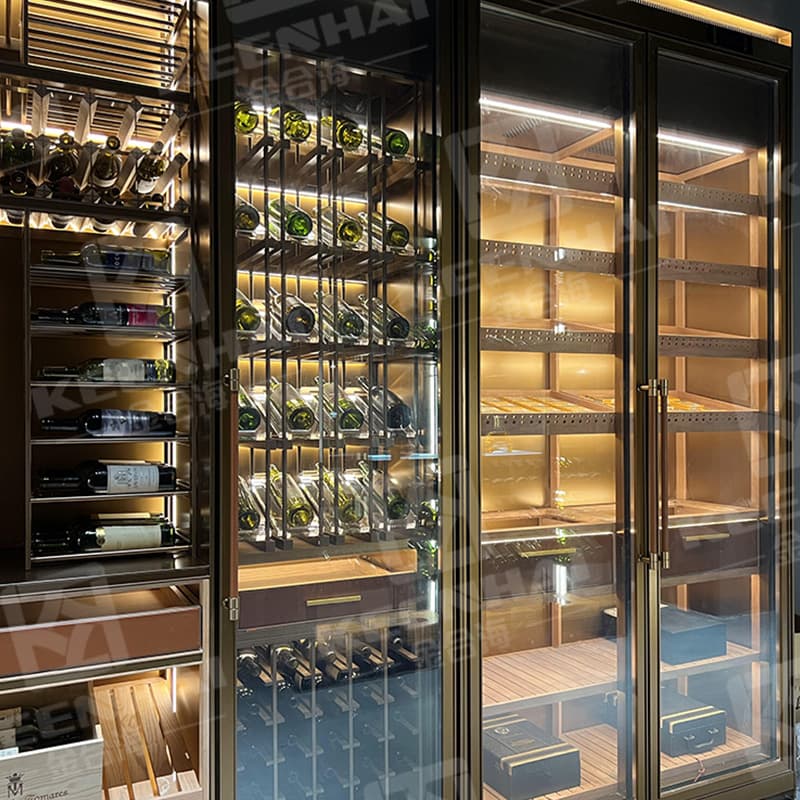
PVD stainless steel cladding རྡུལ་ཕྲན་གྱི་གནས་ཚད་ཐོག་ལ་ལྕགས་རིགས་ཀྱི་བང་རིམ་སྲབ་པོ་ཞིག་དངས་ལྕགས་ལ་མཐུད་པའི་བྱེད་ནུས་མཐོ་བའི་རྒྱུ་ཆ་ཞིག་ཡིན། བྱ་རིམ་འདིས་མཁྲེགས་ཚད་དང་། ཟད་འགོག་དང་། ཚོས་གཞི་བརྟན་པོ་བཅས་མཐོར་འདེགས་གཏོང་བ་རེད། ཆེད་དུ་འཚམ་པོ་ཡོད། commercial facades, columns, and elevator interiorsདེས་ལོ་བཅུ་ལྷག་ཙམ་རིང་དེའི་མཇུག་སྒྲིལ་དེ་གསོན་ཤུགས་ལྡན་པར་བཞག་ཡོད་ལ། དེ་བཞིན་བདག་གཉེར་ཉུང་ཤོས་དགོས་ཀྱི་ཡོད། འཆར་འགོད་པ་ཚོས་དེ་ལ་ཡུན་རིང་གནས་ཐུབ་པའི་མཛེས་སྡུག་དང་བཟོ་བཀོད་ཀྱི་བློ་གཏད་ཆོག་པའི་ཆེད་དུ་དགའ་པོ་བྱེད་ཀྱི་ཡོད།
1.Definition and Basic Concept
1.2དངས་ལྕགས་ནང་“PVD”ཞེས་པ་གང་ཡིན་ནམ།
ང་ཚོས་གླེང་སྐབས། PVDང་ཚོས་སྐོར་བཤད་ཀྱི་ཡོད། དངོས་གཟུགས་རླངས་ཟིལ། — a vacuum-based technology that bonds a thin metallic layer onto stainless steel. Unlike spray coatings or electroplating, this process doesn’t rely on chemicals or paint. Instead, it works at the atomic level. Inside a sealed vacuum chamber, metals like titanium or zirconium are vaporized, and those vapor particles are drawn toward the steel surface. As they condense, they create a dense, hard film that’s just a few microns thick yet incredibly durable.
བཟོ་བཀོད་པ་ཚོས་ལག་རྩལ་འདི་ལ་དགའ་པོ་བྱེད་ཀྱི་ཡོད། དཔེར་ན། PVD-coated stainless cladding panels used in modern airports or hotel lobbies don’t fade or peel, even after years of UV exposure and cleaning cycles. That’s because the PVD layer becomes part of the metal — not just something sitting on top of it. The finish stays consistent whether it’s brushed, mirror-polished, or patterned.
བྱ་རིམ་དེ་དུས་རིམ་གསུམ་དུ་བསྡུས་ཐུབ།
-
Surface Preparation – The stainless steel is cleaned with plasma to remove every trace of oil and dust.
-
Metal Vaporization – Target metals are heated until they vaporize inside the chamber.
-
གཏའ་འཇོག་དང་སྦྲེལ་མཐུད། – The vapor settles and fuses onto the steel surface, forming a solid metallic layer.
དེ་འདྲ་རེད། modern architectural stainless panels get their signature gold, bronze, or champagne tones — not from paint, but from real metal compounds physically bonded to the surface. The color doesn’t fade, and the metal underneath keeps its full corrosion resistance.
འཆར་འགོད་པ་ཚོས་རྒྱུན་དུ་ལག་རྩལ་འདི་དང་མཉམ་བསྲེས་བྱེད་ཀྱི་ཡོད། stainless steel sheets གསར་རྩོམ་བྱེད་སྐབས། exterior wall façades or གློག་སྐས་ནང་ཁུལ།, because it delivers both aesthetics and performance in one solution.
1.3ཁེབས་དང་ཁེབས་དབར་གྱི་ཁྱད་པར།
People often mix up “cladding” and “coating,” but they’re not the same thing. ཁེབས་རྒྱན། སྲུང་སྐྱོབ་དང་མཐོང་སྣང་གཉིས་ཀའི་ཆེད་དུ་དངོས་པོ་གཅིག་ལ་བང་རིམ་གཞན་ཞིག་བཀབ་པའི་སྐོར་ཡིན། སྦྱར་བྱ།, ཕྱོགས་གཞན་ཞིག་ནས་བཤད་ན། སྤྱིར་བཏང་དུ་ཕྱི་ངོས་ལ་གློག་བརྙན་ཡང་ན་རྫས་རིགས་ཀྱི་མཇུག་སྒྲིལ་བྱེད་པ་དེ་རེད། ཁྱད་པར་ནི་ཕྲ་མོ་ཡིན་མོད། འོན་ཀྱང་གལ་ཆེ། སྒྲིག་གཞི་ཁ་སྣོན་བྱེད།, ཁེབས་རྒྱག་སྐབས། adds finish.
འདིར་ཁོང་ཚོས་འཛམ་གླིང་དངོས་ཡོད་ཀྱི་བེད་སྤྱོད་ནང་ཇི་ལྟར་འགྲན་པ་ཡིན།
| གཟུགས་དབྱིབས | སྦྱར་བྱ། | ཁེབས་རྒྱན། |
|---|---|---|
| Material Thickness | 0.05–0.1mm | 0.3–1.0mm |
| Bonding Method | Paint, Chemical, or Electroplating | ལུས་པོའི་སྦྲེལ་མཐུད་ཡང་ན་PVDསྦྲེལ་མཐུད། |
| Durability | Moderate | High — Ideal for Exterior Panels |
| མཐོང་བའི་གཏིང་ཚད། | ལེགས་པའི་མཇུག་སྒྲིལ། | ལྕགས་རིགས་ཀྱི་གཏིང་ཚད་དང་འོད་འཕྲོ། |
| བདག་གཅེས་དགོས་མཁོ། | Regular Cleaning | བདག་སྐྱོང་ཉུང་བ། |
ཚོང་ལས་ཁང་པའི་ནང་དུ། དངས་ལྕགས་ཀྱི་ཁེབས་པ། ནི་སྤྱིར་བཏང་བེད་སྤྱོད་བྱེད་ཀྱི་ཡོད། columns, façades, and wall systems, while coatings are more for interior decorative parts. For instance, the stainless steel exterior wall ཁྱེད་ཀྱིས་ཉོ་སྒྲུབ་ལྟེ་གནས་དང་གནམ་ཐང་དུ་མཐོང་བའི་ཤོག་བུ་དེ་ཚོ་ཁེབས་བཟོས་པ་ལས་ཁེབས་བརྒྱབ་པ་མ་རེད། དེའི་ཕྱིར་ཁོང་ཚོས་ཆར་ཆུ་དང་རླན་གཤེར་ལ་ལོ་མང་རིང་འཕྲད་རྗེས་འོད་མདངས་སྲུང་སྐྱོབ་བྱེད་ཀྱི་ཡོད།
མདོར་བསྡུས་ན། ཁེབས་བརྒྱབ་པ་དེས་རྒྱུ་ཆ་དེ་ལ་ཐུབ་ཚད་བསྐྲུན་པ་དང་། ཁེབས་བརྒྱབ་པ་དེས་ཕྱི་ངོས་བང་རིམ་ཁ་སྣོན་བྱེད་ཀྱི་ཡོད། ཁྱེད་རང་གིས་ཁྱད་པར་དེ་ཉེ་འགྲམ་ནས་མཐོང་རྗེས། དངོས་ཡོད་ཀྱི་གཏིང་ཟབ་ཚད་དང་། བསམ་ཚུལ། ཕྱུག་པོ་བཅས་ཡིན། PVD stainless steel cladding ཁྱེད་རང་གིས་བཟོ་བཀོད་པ་ཚོས་དེང་རབས་ཀྱི་བཟོ་བཀོད་ཆེད་དུ་དེ་ལ་བརྟེན་དགོས་དོན་གང་ཡིན་པ་དེ་འཕྲལ་མར་ཤེས་ཀྱི་ཡོད།
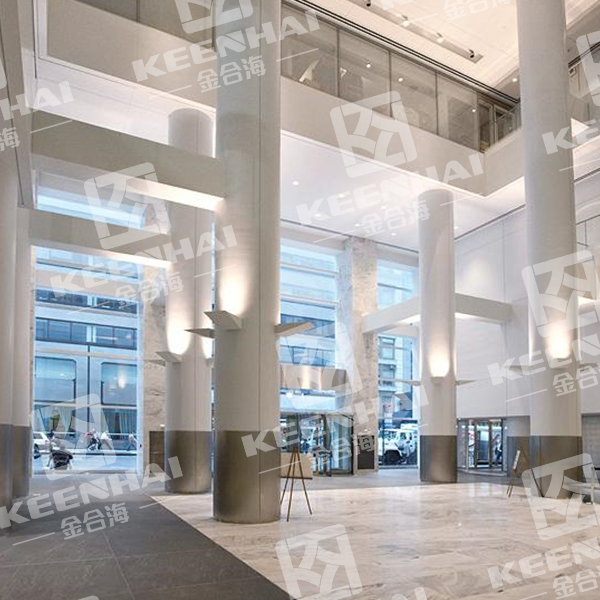
2. PVD གྱི་ཁེབས་བཟོའི་བྱ་རིམ།
2.1 དངོས་གཟུགས་རླངས་རླངས་བཞུར་བའི་རིམ་པ་(PVD)
The Physical Vapor Deposition (PVD) process is a high-precision coating technology used to enhance both the look and performance of stainless steel. It’s done inside a སྟོང་ཆའི་ཁང་མིག, སྤྱིར་བཏང་དུ་ 5×10⁻⁴ ནས་ 5×10⁻⁶ ཊོར།, དེས་བཙོག་པ་མེད་པར་བཟོས་པ་དང་ཁེབས་བྱེད་ཀྱི་རྒྱུ་ཆ་དེ་ལྕགས་རིགས་ཀྱི་ཕྱི་ངོས་ལ་ཡང་དག་པར་མཐུད་ཐུབ། ནང་ཁུལ་གྱི་དྲོད་ཚད་སྤྱིར་བཏང་དུ་ ༡༠༠ བར་ཡིན། 200°Cནས་500°Cབར།, གཞི་རྟེན་དང་འདོད་པའི་མཇུག་སྒྲིལ་ལ་རག་སླེབས་ཀྱི་ཡོད།
བྱ་ཐབས་ཆ་ཚང་ལ་གོ་རིམ་ཞིབ་ཕྲ་འགའ་ཤས་ཚུད་ཡོད།
-
ཕྱི་ངོས་སྔོན་བཅོས་བྱེད་པ། – The stainless steel is first polished and cleaned using ཨར་གོན་པླ་ས་མ།. གོམ་པ་འདིས་ཕྲ་མཐོང་ཆེ་ཤེལ་གྱི་སྣུམ་དང་། འཚོ་རླུང་། ཐལ་རྡུལ་བཅས་ཚང་མ་མེད་པར་བཟོ་ཐུབ། ཐ་ན་ 0.1 μm བཙོག་པ་། འབྲེལ་མཐུད་ཀྱི་སྐྱོན་ཆ་འབྱུང་སྲིད། དེར་བརྟེན་འདིར་གཏན་འཁེལ་བྱེད་རྒྱུ་ནི་གལ་ཆེན་པོ་རེད།
-
དྲོད་རླངས་དང་སྟོང་འགྱུར། - གཙང་མ་བཟོས་པའི་དངས་མདོག་མེད་པའི་ཤོག་བུ་དེ་སྟོང་ཆའི་མེ་ཁང་ནང་དུ་བཞག་ནས་རླུང་དང་རླན་གཤེར་ཕྱིར་འཐེན་བྱེད་ཀྱི་ཡོད། ལྕགས་རིགས་ཀྱི་ཕྱི་ངོས་ཕལ་ཆེར་སླེབས་ཡོད། 400°C འབྱར་ཚད་ལེགས་པོ་ཡོང་བར་འགན་ལེན་བྱེད་ཆེད།
-
ལྕགས་རིགས་དམིགས་འབེན་རླངས་འགྱུར། - ཊི་ཊི་ནིམ་དང་། ཟིར་ཀོ་ནིཡམ། ཡང་ན་ཀྲོ་མིཡམ་གྱི་“དམིགས་འབེན”ལ་ནུས་ཤུགས་ཆེ་བའི་གློག་རྡུལ་གྱིས་འཇབ་རྒོལ་བྱེད་ཀྱི་ཡོད། རྡུལ་ཕྲན་དེ་དག་འཕྲལ་མར་རླངས་གྱུར་ནས་ལྕགས་རིགས་ཀྱི་པླ་ས་མ་སྤྲིན་པ་ཆགས་ཡོད།
-
གཏོར་བརླག་དུས་རིམ། རླངས་གྱུར་གྱི་རྡུལ་ཕྲན་རྣམས་དངས་མ་ཡིན་པའི་ཕྱི་ངོས་སྟེང་དུ་བསྡུ་རུབ་བྱས་ནས་ མཐུག་ཚད། 0.3–0.5 μm PVD བང་རིམ།. ཚོས་གཞིའི་གྲུབ་འབྲས་(གསེར་དང་། ཟངས། ནག་པོ། ཡང་ན་མེ་ཏོག་)དེ་ལྕགས་རིགས་དང་རླངས་རྫས་ཀྱི་གྲུབ་ཆ་(ནའི་ཊོ་ཇེན་དང་། ཨར་གོན། ཡང་ན་སྲོག་རླུང་)ལ་རག་སླེབས་ཀྱི་ཡོད།
-
བསིལ་གཏོང་དང་མཇུག་སྒྲིལ། - བཀབ་ཚར་རྗེས། བཙོ་སྦྱོར་འགོག་ཆེད་དུ་ཤོག་བུ་དེ་ཚོ་སྟོང་ཆའི་འོག་བསིལ་པོ་བཟོས་ཡོད། གྲུབ་འབྲས་ནི་ཕྱི་ངོས་ཤིག་ཡིན། ལྡབ་གསུམ་ནས་ལྔའི་བར་དཀའ་བ། གཙང་མ་བཟོས་མེད་པའི་དངས་ལྕགས་ལས་མང་།
འདི་ནི་ཇི་ལྟར་རིན་གོང་མཐོ་པོ་རེད། PVD stainless steel cladding ལྕགས་རིགས་ཀྱི་མཇུག་སྒྲིལ་གཏིང་ཟབ་པོ་དང་འགྲན་ཟླ་བྲལ་བའི་ཐུབ་ཚད་ཐོབ་ཡོད། ཁྱེད་རང་གིས་ཚོང་དོན་ཁང་པའི་ནང་བེད་སྤྱོད་གཏོང་བཞིན་ཡོད་པ་མཐོང་ཐུབ། དཔེར་ན། གནམ་ཐང་གི་ཀ་བ་དང་མགྲོན་ཁང་གི་སྒོ་ར་དང་སིལ་ཚོང་གི་གདོང་ཕྱོགས།, དེ་གར་མཐོང་སྣང་གི་ཡིད་འཕྲོག་པ་དང་ཟད་འགོག་གཉིས་ཀ་གལ་ཆེན་པོ་ཡིན།
གཞི་ཁྱོན་ཆེ་བའི་ལག་ལེན་ཆེད་དུ་བཟོ་མཁན་གྱིས་རྒྱུན་དུ་PVDཁེབས་པའི་བྱ་རིམ་དེ་གཏན་འཁེལ་གྱི་གཅོད་པའི་བྱ་རིམ་དང་མཉམ་དུ་བསྲེས་ཡོད། stainless steel sheets དེ་དག་བཟོ་སྐྲུན་གྱི་ཤོག་བུའམ་ཡང་ན་གློག་སྐས་སྒོ་ལ་མ་བཟོས་གོང་། ཐབས་ལམ་འདིས་ཆ་ཤས་རེ་རེ་བཞིན་ཕྱི་ངོས་ས་ཁུལ་ཆེན་པོའི་ནང་ཡང་སྒྲ་གདངས་དང་བྱེད་ནུས་གཅིག་པ་རྒྱུན་འཁྱོངས་བྱེད་པར་ཁག་ཐེག་བྱེད།
2.2 དངས་ལྕགས་ཕྱི་ངོས་དང་མཉམ་དུ་PVDཇི་ལྟར་སྦྲེལ་བ།
ཕི་ཌི་བང་རིམ་དང་དངས་ལྕགས་ཀྱི་གཞི་རྩའི་བར་གྱི་འབྲེལ་བ་དེ་དངོས་གཟུགས་ཙམ་མ་ཡིན་པར་རྡུལ་ཕྲན་ཡིན། བྱ་རིམ་དེས་གྲུབ་ཡོད། ལྕགས་རིགས་སྦྲེལ་མཐུད།, དེའི་གོ་དོན་ནི་ཁེབས་རྡུལ་ཕྲན་གྱིས་གློག་རྫས་དེ་དངས་མདོག་མེད་པའི་གཞི་རྩ་དང་མཉམ་དུ་བརྗེ་རེས་བྱེད་ཀྱི་ཡོད། འདྲེས་སྦྱོར་གྱི་རིགས་འདིས་PVDཁེབས་ལ་མིང་རྟགས་སྤྲོད་ཀྱི་ཡོད། རྨ་ཁ་དང་གྱོན་གོས་འགོག་པ།, མཁྲེགས་ཚད་ཀྱི་རིན་ཐང་ལ་སླེབས་ཡོད། 2000–2400 HP ཝི་ཀར་སི་ཚད་གཞིའི་ཐོག་ལ་(ཚད་གཞི་ཅན་གྱི་དངས་རིགས་ལ་HV~200དང་བསྡུར་ན)
བརྡབ་པའི་སྐབས་སུ་དངས་མ་ཡིན་པའི་ཕྱི་ངོས་དེ་གློག་ཤུགས་མཐོ་བའི་ས་ཁོངས་ཀྱིས་གློག་རྡུལ་དུ་འགྱུར་བ་དང་། དེས་རླངས་གྱུར་གྱི་ལྕགས་རིགས་རྡུལ་ཕྲན་དེ་དག་ལ་འཐེན་ཤུགས་སྤྲོད་ཀྱི་ཡོད། རྡུལ་ཕྲན་དེ་དག་གིས་ཕྱི་ངོས་ལ་མྱུར་ཚད་ ༡༠༠ ལས་བརྒལ་ནས་རྡུང་བ་རེད། 1 km/s, རང་ཉིད་བཙུགས་ནས་ཕྲ་ཕུང་ཆུང་ཆུང་གི་བཟོ་བཀོད་ཅིག་བསྐྲུན་ཡོད། གྲུབ་འབྲས་ནི། གཅིག་གྱུར་གྱི་ཁུང་བུ་མེད་པའི་ཁེབས། ལོ་མང་རིང་ཕྱི་རོལ་དུ་བསྡད་རྗེས་ཀྱང་དེ་ཤུན་པ་དང་། སེར་ཁ། ཡང་ན་ཕྱེ་མི་ཐུབ།
འདིར་PVDསྲོལ་རྒྱུན་གྱི་རྫས་སྦྱོར་གྱི་ཁེབས་དང་བསྡུར་སྟངས་ཡོད།
| Property | རྫས་འགྱུར་གྱི་ཁེབས་བ། | PVDཁེབས་སྒྲིག་མ་ལག |
|---|---|---|
| སྦྲེལ་མཐུད་ཀྱི་ཤུགས་ཚད་(MPa) | ༡༥–༢༥ | >100 |
| ཁ་དོག་མཐུག་ཚད། (μm) | ༢–༥ བར། | ༠.༣–༠.༥ བར། |
| མཁྲེགས་ཚད་(ཝི་ཀར་སི་ཨེཆ་ཝི) | 200–300 | ༢༠༠༠–༢༤༠༠ |
| འབྱར་རིགས། | འཕྲུལ་ཆས། | ལྕགས་རིགས་སྦྲེལ་མཐུད། |
| ཁ་དོག་བརྟན་འཇགས། | Moderate | ཕུལ་བྱུང་(ལོ་10+) |
གློག་བརྙན་གྱི་བཟོ་བཀོད་དེ་ལྕགས་རིགས་ཡིན་པས་དྲོད་ཚད་འགྱུར་བ་འོག་ལྕགས་རིགས་གཞི་རྩའི་ལྕགས་རིགས་དང་མཉམ་དུ་སེར་ཁ་མེད་པར་རྒྱ་བསྐྱེད་དང་བསྡམས་འགྲོ་གི་ཡོད། དེའི་ཕྱིར་ stainless steel exterior wall བྱ་རིམ་འདི་ལ་བརྟེན་ནས་བཟོས་པའི་ཤོག་བུ་དེ་ཚོ་མཚོ་འགྲམ་གྱི་གྲོང་ཁྱེར་རླན་གཤེར་ཅན་དང་མཐོ་སྒང་གི་ཁང་པའི་ནང་དུ་སྐྱོན་མེད་པར་ལས་ཀ་བྱེད་ཐུབ།
བཟོ་སྐྲུན་ལས་གཞིའི་ཆེད་དུ། ཚོང་རྟགས་ལྟ་བུ། pvdstainlesssteel མཛེས་སྡུག་ལྡན་པའི་མགྲོན་ཁང་གི་ཆེད་དུ་མེ་ལོང་ལྟར་འཚེར་བའི་གསེར་ནས་ཡིག་ཚང་གི་གདོང་ངོས་ཆུང་ཤོས་ལ་ལྕགས་རིགས་མདོག་ཅན་བར་གྱི་སྲོལ་རྒྱུན་གྱི་མཇུག་སྒྲིལ་བཟོ་སྐྲུན་བྱེད་པར་ཆེད་ལས་བྱས། དེ་དག་གིས་བཞུར་ཚད་དང་། རླངས་རྫས་ཀྱི་བཞུར་རྒྱུན། གློག་རྡུལ་ནུས་ཤུགས་བཅས་ལ་སྟངས་འཛིན་བྱེད་པ་དེས་སྡེ་ཚན་རེ་རེའི་སྒྲ་གདངས་དང་།
ངོ་བོའི་ཐོག་ནས་བཤད་ན། PVDསྦྲེལ་མཐུད་ཀྱིས་དངས་ལྕགས་དེ་བྱེད་ནུས་ཅན་གྱི་རྒྱུ་ཆ་ནས་བཟོ་བཀོད་ཀྱི་གསལ་བསྒྲགས་ལ་སྒྱུར་ཐུབ། རྡུལ་ཕྲན་གྱི་གནས་ཚད་ཀྱི་སྟོབས་ཤུགས་དང་དུས་ཚོད་མེད་པའི་མཛེས་སྡུག་མཉམ་དུ་བསྡོམས་པ་དེ་ཚོས་ཚོན་རྩི་དང་གློག་ཤུགས་ཀྱིས་འདྲ་བཤུས་བྱེད་མི་ཐུབ།
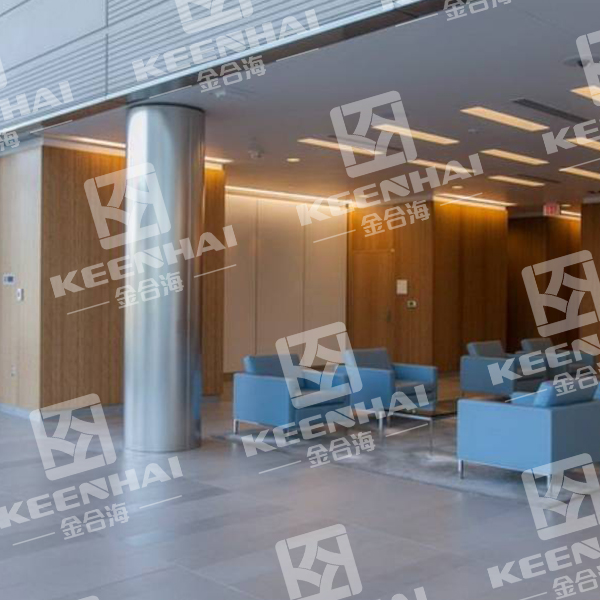
3. དངོས་པོའི་གྲུབ་ཆ་དང་ཕྱི་ངོས་མཇུག་སྒྲིལ།
When it comes to PVD stainless steel cladding, དངོས་པོའི་གྲུབ་ཆ་དང་མཇུག་སྒྲིལ་གྱིས་དེའི་མཐོང་སྣང་ཙམ་མ་ཡིན་པར་དེའི་བྱེད་ནུས་དང་མི་ཚེ་རིང་པོ་ཡང་ཐག་གཅོད་བྱེད་ཀྱི་ཡོད། གཞི་རྩའི་ལྕགས་རིགས་དང་། བཀབ་པའི་རྒྱུ་ཆ། ཕྱི་ངོས་བཅོས་ཐབས་བཅས་འདེམས་སྒྲུག་བྱེད་པ་དེས་ཟད་འགོག་དང་། འོད་འཚེར། ཚོས་གཞི་བརྟན་པོ་བཅས་ལ་ཐད་ཀར་ཤུགས་རྐྱེན་ཐེབས་ཡོད།
3.1 གྱང་ཁེབས་ལ་སྤྱོད་པའི་དངས་ལྕགས་རིགས།
མང PVDཁེབས་སྒྲོམ་གྱི་ཤོག་བུ། བེད་སྤྱད་ནས་བཟོས་པ་རེད། austenitic stainless steels, primarily 304 and 316 grades.
-
Grade 304 (18% chromium, 8% nickel) is the standard choice for interior walls, ceilings, and elevator trims due to its good corrosion resistance and smooth surface for uniform coating adhesion.
-
Grade 316, containing 2–3% molybdenum, provides superior resistance to salt and acid corrosion, making it ideal for coastal buildings, facades, and outdoor columns.
For high-impact environments such as airports or commercial towers, thicker gauges (1.2–2.0 mm) are often used to prevent denting, while thin claddings (0.6–0.8 mm) suffice for decorative indoor panels. The steel’s surface finish before coating—typically mirror No.8, satin No.4, ཡང་ན hairline HL—also influences how evenly the PVD layer bonds and how light reflects off the final product.
In terms of mechanical properties, 304 stainless steel cladding has a typical tensile strength of 520–720 MPa and elongation of 45–50%, providing flexibility during bending and fabrication. དངས་ལྕགས་316།, meanwhile, performs slightly stronger with 515–760 MPa tensile strength and higher resistance to chloride pitting. These numbers translate into better structural stability and reduced risk of cracking under outdoor thermal stress.
3.2 Available Colors and Texture Options
The PVD coating process allows stainless steel to mimic natural metals and achieve custom aesthetics that traditional painting or electroplating cannot match. Typical color options include:
| Finish Type | Common Colors | Reflectivity | Application Use |
|---|---|---|---|
| Mirror | Gold, Silver, Rose Gold | High (85–95%) | Lobby walls, elevator interiors |
| སྐྲའི་ཐིག་ལེ། | Bronze, Black, Champagne | Moderate (60–70%) | Exterior panels, columns |
| Etched | Custom patterns, Dual-tone | Variable | Decorative facades, signage |
| Bead-Blasted | Titanium Gray, Dark Bronze | Low (40–55%) | Industrial or matte-style architecture |
Each finish requires a specific base preparation — for instance, mirror-polished surfaces yield vivid, high-gloss colors, while hairline finishes produce a softer, brushed tone.
In high-end projects, designers often combine finishes — for example, hairline bronze borders with mirror gold center panels — to create depth and visual contrast. Some manufacturers also offer anti-fingerprint or self-cleaning coatings, which reduce maintenance frequency by up to 40% compared to uncoated claddings.
Finally, color consistency depends on chamber temperature (180–500°C) and deposition time, both of which influence the atomic layer thickness. Thicker coatings (above 0.5 μm) offer richer tones and enhanced durability but cost slightly more due to extended vacuum cycles.
4. Key Benefits of PVD Stainless Steel Cladding
4.1 Durability and Corrosion Resistance
One of the main reasons architects choose PVD-coated stainless cladding panels is unmatched durability. Unlike painted surfaces or powder-coated metals, PVD layers are bonded at the atomic level, making them 3–5 times harder than standard stainless steel surfaces. In commercial projects such as airport columns, hotel lobbies, and high-traffic shopping mall facades, this hardness translates into scratch resistance, dent prevention, and long-term structural integrity.
Corrosion resistance is another major advantage. PVD layers protect against:
-
Chloride attack in coastal environments, which normally accelerates pitting.
-
Acid rain exposure, common in urban areas.
-
UV degradation, ensuring color stability even after years of sun exposure.
For example, stainless steel exterior wall panels coated with PVD in seaside commercial towers show virtually zero signs of oxidation after 10+ years, while conventional stainless coatings often require regular maintenance or replacement.
Here’s a simple performance comparison for context:
| Property | Standard Stainless Steel | PVD Stainless Steel Cladding |
|---|---|---|
| མཁྲེགས་ཚད་(ཝི་ཀར་སི་ཨེཆ་ཝི) | 200–250 | ༢༠༠༠–༢༤༠༠ |
| Corrosion Resistance | Moderate | High – chloride & acid resistant |
| Scratch Resistance | Low–Medium | High |
| UV/Fade Resistance | དམའ་མོ | ཕུལ་བྱུང་(ལོ་10+) |
| Maintenance Frequency | 12–24 months | ལོ་5–7བར། |
This is why architects rely on modern architectural stainless panels for high-traffic or exposed locations — the long-term performance saves both repair costs and downtime.
4.2 Aesthetic and Maintenance Advantages
Beyond durability, PVD stainless steel cladding offers aesthetic flexibility that traditional coatings can’t match. It provides consistent, vibrant metallic colors such as bronze, champagne, black, or rose gold, which remain stable over time. The finish can be mirror-polished, hairline, or patterned, allowing designers to create eye-catching hotel lobbies, elevator interiors, or commercial façade systems that feel premium and modern.
Maintenance is remarkably simple compared with other decorative metals. For instance:
-
Daily cleaning is usually limited to soft microfiber wiping — harsh chemicals are unnecessary.
-
Fingerprint and smudge resistance is built into the coating itself, reducing visual wear in high-touch areas.
-
Longevity: The PVD layer stays vibrant for more than a decade, even in outdoor climates.
Some projects combine stainless steel sheets with PVD panels to cover large façades seamlessly. This not only ensures uniform appearance but also minimizes joints and potential water infiltration points, which further improves the building’s durability.
In short, the combination of color richness, low-maintenance upkeep, and consistent visual appeal is why designers continue to choose PVD cladding for both interior and exterior architectural projects. It’s a long-term investment in performance and aesthetics, rather than just a surface treatment.
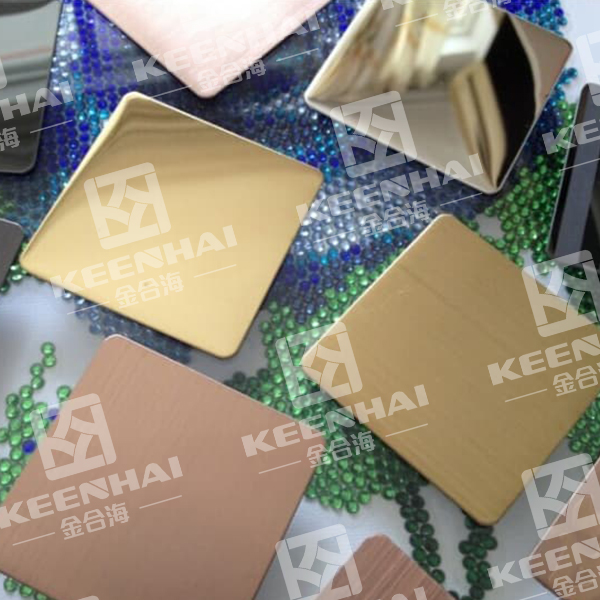
5. Applications in Architecture and Interior Design
5.1 Building Facades and Columns
PVD stainless steel cladding has become a top choice for commercial and public building facades. Its atomic-level bonding gives panels high corrosion resistance and color stability, which is critical for exterior surfaces exposed to sun, rain, and urban pollution.
Architects often use stainless steel column cladding panels to cover structural supports in airports, hotels, and shopping centers. The panels are typically 0.8–1.2 mm thick, cut precisely to match column dimensions, and mirror or hairline finishes are selected depending on aesthetic needs.
In coastal buildings, Grade 316 stainless steel sheets are combined with PVD layers to resist chloride-induced corrosion, which dramatically increases the façade’s lifespan. For instance, a seaside hotel used bronze PVD cladding on exterior columns, maintaining color and gloss for over 10 years བདག་གཅེས་ཆུང་ཤོས་དང་།
Key advantages for façades and columns include:
-
Uniform metallic finish across large surfaces, even for multi-story buildings.
-
Scratch and dent resistance, reducing repair frequency in high-traffic zones.
-
Seamless integration with glass, concrete, and stone elements.
This makes PVD panels ideal for modern architectural façades that demand both longevity and a premium visual impact.
5.2 Elevators, Wall Panels, and Decorative Uses
Inside buildings, PVD-coated stainless steel cladding transforms ordinary spaces into luxurious, functional environments. Elevator interiors, wall panels, and decorative trims benefit from both durability and style.
For elevators, designers select mirror-polished or hairline finishes, ensuring the surfaces resist fingerprints and scuffs in high-use areas. Large office complexes and luxury hotels often install stainless steel exterior wall panels for interior accent walls, combining aesthetics with ཉམས་གསོ་དམའ་བ།.
Decorative uses extend to:
-
Reception desk panels and wall accents in hotel lobbies.
-
Retail display backdrops where reflective surfaces enhance product visibility.
-
Architectural art installations, where PVD’s color options allow for bronze, champagne, or rose-gold hues that stay vivid for years.
Combining stainless steel sheets with PVD-coated panels ensures uniform coverage and eliminates unsightly gaps, even for custom-shaped walls. Projects like airport lounges and upscale shopping arcades often deploy these panels, achieving a consistent, high-end look with minimal long-term upkeep.
In short, PVD stainless steel cladding combines strength, corrosion resistance, and lasting visual appeal. From airport columns to hotel lobbies, this technology transforms ordinary stainless steel into a premium architectural material. With precise atomic bonding and a variety of finishes, it’s a long-term solution that delivers both performance and style without heavy maintenance.