A stainless steel wine cellar typically costs between $800 and $2,500 per square foot, depending on size, grade of steel, and integration of shelves, lighting, and climate systems. Small residential cellars can start around $40,000, while high-capacity commercial or luxury home projects often exceed $250,000. Early planning of layout, materials, and climate zones ensures both cost efficiency and a functional, visually impressive storage space.
1. Base Cost Range of a Stainless Steel Wine Cellar
When clients ask about the base cost of a stainless steel wine cellar, they usually want a realistic number they can budget around—not a vague estimate. In most residential and light commercial projects, a professionally built custom stainless steel wine cellar typically starts as a mid-five-figure investment and scales upward depending on size, detailing, and system requirements. Stainless steel carries a higher material and fabrication cost than wood, but it delivers long-term structural stability, moisture resistance, and a cleaner architectural finish, especially in glass-dominant designs.
In real-world applications—such as a private basement cellar in a luxury villa or a glass-enclosed wine display inside a high-end restaurant—the cost range remains predictable once square footage and bottle capacity are defined. Designers often choose stainless steel when the cellar becomes a visual centerpiece, not just a storage room, which directly affects the base pricing.
1.1 Typical Price Per Square Foot
From a cost modeling perspective, stainless steel wine cellars price more consistently per square foot than per bottle, because framing, panels, and fabrication labor scale with enclosure size. Based on common project specifications in North America and Europe, most stainless steel wine cellar builds fall within the following ranges:
| Configuration Level | Typical Cost per Sq Ft (USD) | Common Use Scenario |
|---|---|---|
| Entry-Level Custom | $800 – $1,200 | Private homes, compact cellar rooms |
| Mid-Range Custom | $1,200 – $1,800 | Glass-enclosed residential or boutique restaurant cellars |
| High-End Bespoke | $1,800 – $2,500+ | Luxury villas, hotels, flagship commercial spaces |
These figures usually include custom stainless framing, structural glass integration, and basic climate preparation, but exclude advanced automation or specialty finishes. For example, a 120 sq ft cellar in a private residence often lands between $120,000 and $180,000, assuming standard stainless grades and clean-lined detailing.
1.2 Entry-Level vs High-End Budget Expectations
The difference between an entry-level and a high-end stainless steel wine cellar rarely comes down to size alone. Design intent drives cost. Entry-level projects focus on function: stable temperature zones, efficient bottle access, and durable stainless components. These builds often integrate modular stainless steel wine cabinets as part of the overall layout, especially when clients want flexibility for future expansion.
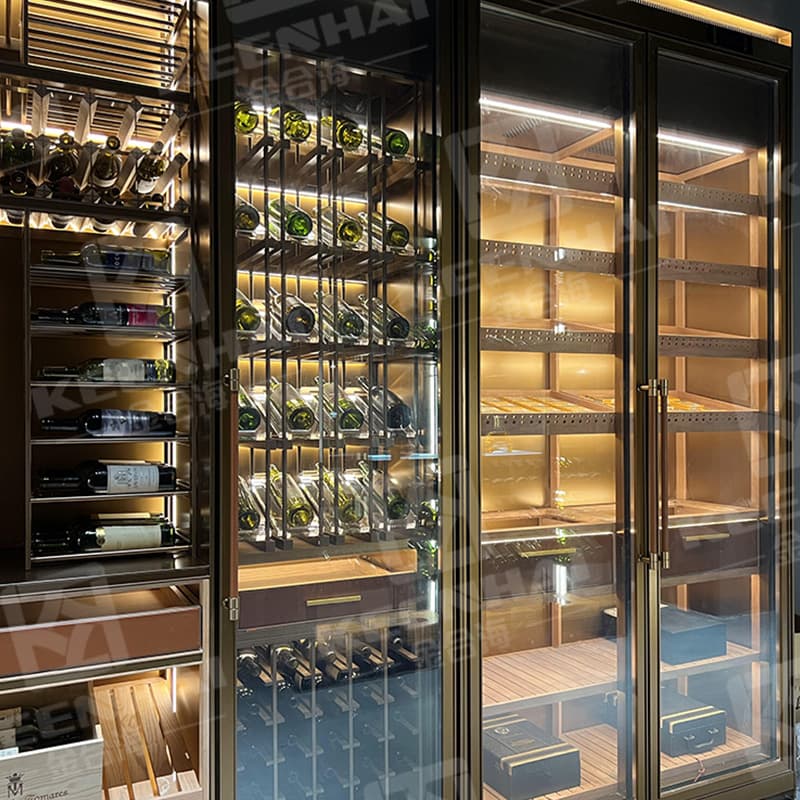
High-end projects, by contrast, treat the cellar as architectural space. Designers layer stainless steel with low-iron glass, concealed fasteners, precision welds, and integrated lighting channels. In luxury residential towers or resort developments, it’s common to see stainless steel structures combined with glass corridors or open dining areas, where tolerances tighten and fabrication time increases. That jump in craftsmanship—not just materials—is what pushes budgets upward.
In both cases, the base cost stays transparent once the scope is defined. The key difference lies in whether the cellar serves purely as controlled storage or as a statement feature within the building’s interior architecture.
2. Key Factors That Directly Affect Stainless Steel Wine Cellar Cost
The total cost of a stainless steel wine cellar depends on multiple interrelated factors. Understanding these variables helps clients budget accurately and avoid unexpected expenses. In real-world projects—from boutique restaurants to luxury home basements—these factors directly influence both material and labor costs.
2.1 Size, Capacity, and Bottle Count
El overall dimensions of the wine cellar strongly dictate cost. A larger footprint not only requires more stainless panels and framing but also increases installation complexity. Bottle capacity correlates with shelving density, aisle space, and structural reinforcement requirements. For example:
-
Small Residential Cellar: ~50–100 bottles, ~50–70 sq ft, base cost roughly $40,000–$70,000.
-
Medium-Sized Home/Restaurant: ~200–400 bottles, 100–200 sq ft, base cost $100,000–$180,000.
-
High-Capacity Luxury Cellar: 500+ bottles, 250+ sq ft, base cost $250,000+.
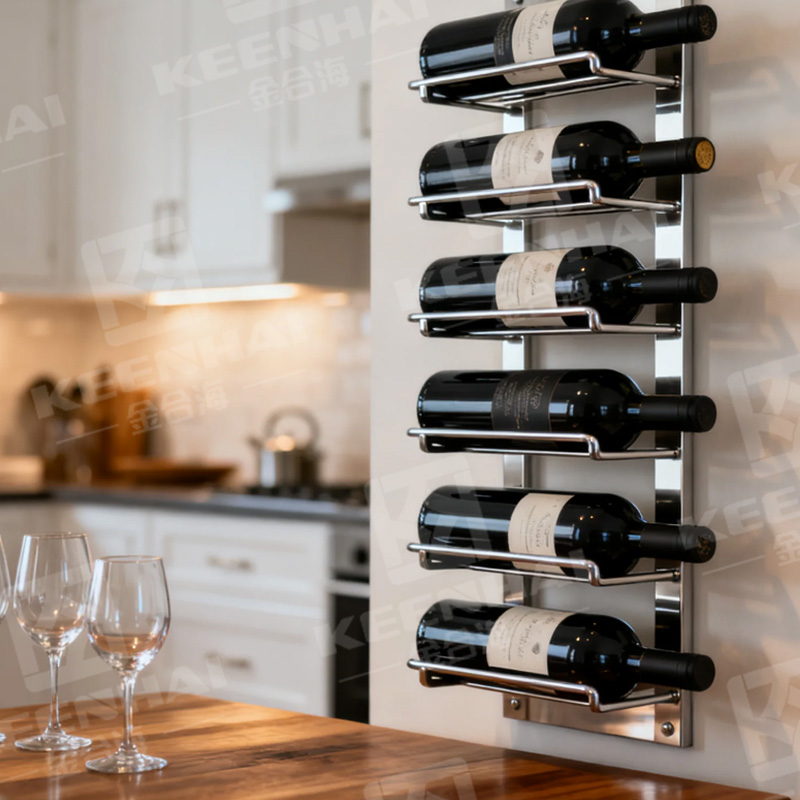
For modular setups, designers often combine stainless steel wine cabinets or stainless steel wine rack cabinets to maximize capacity without overextending the footprint. Optimizing aisle width and rack layout can reduce the number of custom panels required, saving 10–15% on material costs.
2.2 Stainless Steel Grade and Surface Finish
Not all stainless steel is created equal. The grade of steel directly affects cost, durability, and aesthetics. Typical options include:
| Stainless Steel Grade | Key Feature | Approximate Cost Impact |
|---|---|---|
| 304 Grade | Standard corrosion resistance, widely used | Baseline |
| 316 Grade | Superior resistance to humidity and chemicals | +15–25% |
| Brushed / Satin Finish | Modern, subtle aesthetic | +5–10% |
| Mirror / Polished Finish | Premium, reflective, visually striking | +15–30% |
High-end projects often require 316-grade steel with polished surfaces, especially in coastal areas or open dining spaces with visible wine displays. Even minor variations in finish, weld quality, and panel thickness can add thousands to total cost, making early specification critical.
2.3 Glass Type, Framing, and Structural Complexity
Many modern stainless steel wine cellars integrate glass for visual impact, but the type of glass and framing system has a measurable cost effect:
-
Tempered Glass Panels: Standard safety glass suitable for most residential builds.
-
Low-Iron or Laminated Glass: Enhances clarity and structural strength; often used in restaurant showrooms.
-
Framing Complexity: Simple frame with exposed welds is cheaper; concealed, minimalistic frames require precision welding and CNC fabrication.
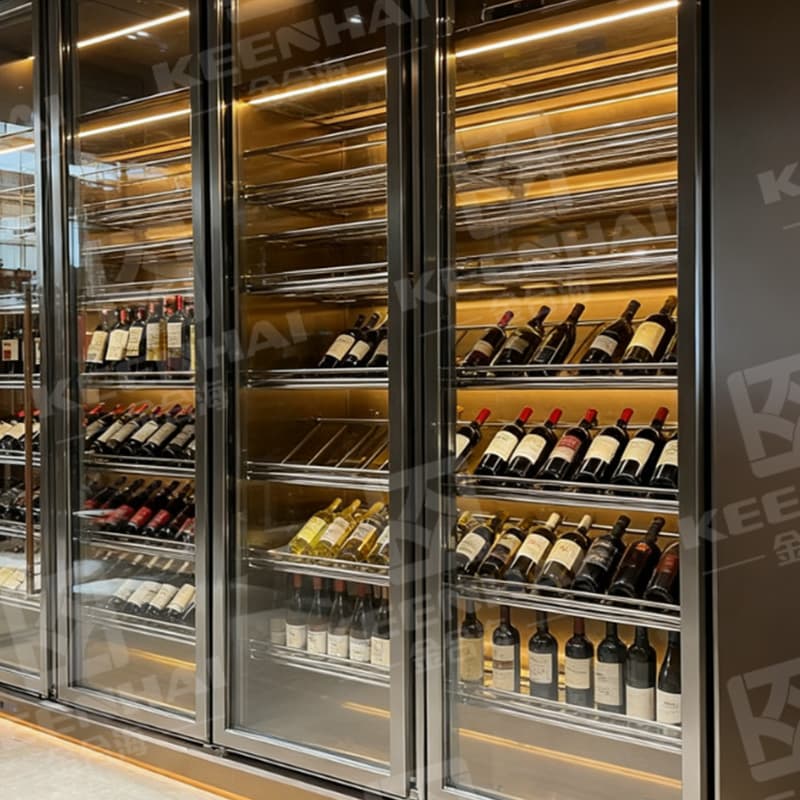
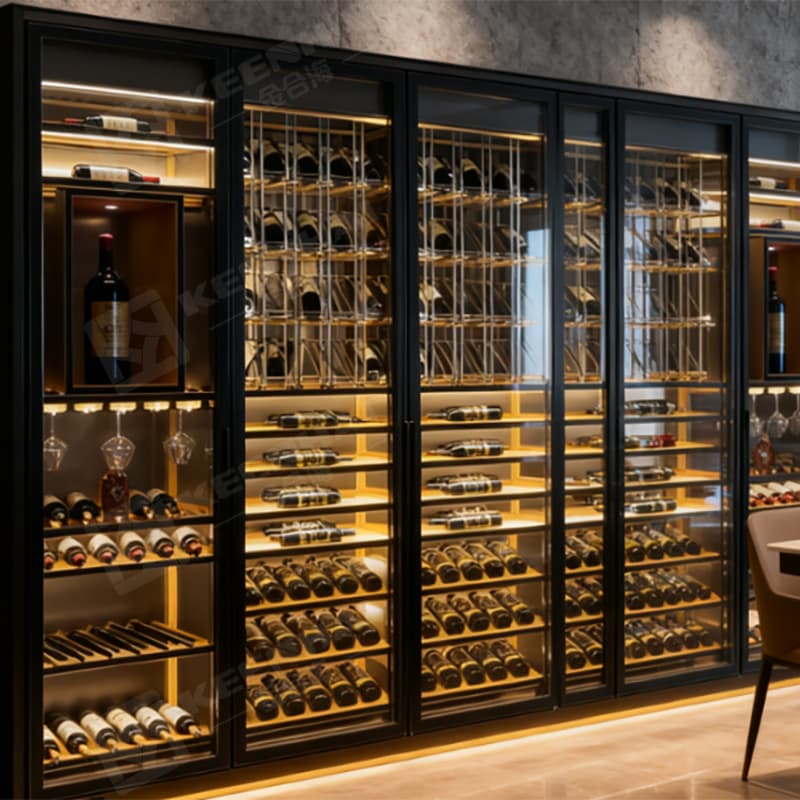
Structural complexity also affects installation: larger panels or multi-story racks require additional supports, anchor points, and precise leveling. Designers sometimes combine prestatgeries de vins d'acer inoxidable within glass enclosures to optimize both aesthetics and storage efficiency. A 200-bottle cellar with low-iron glass and concealed stainless steel framing can increase total cost by 20–30% compared to a standard tempered glass configuration.
3. Customization Costs in a Stainless Steel Wine Cellar
Customization represents one of the largest variables in determining the total expense of a stainless steel wine cellar. Clients often underestimate how design features, shelving types, lighting, and climate systems impact the final budget. Real-world installations—from boutique hotel showrooms to private villa basements—demonstrate that thoughtful planning here can avoid costly revisions.
3.1 Fully Custom vs Modular Stainless Steel Wine Cellars
When planning a stainless steel wine cellar, you have two primary paths: fully custom builds or modular systems.
-
Fully Custom Wine Cellars
-
Fabricated to precise dimensions, fully integrated with the building structure.
-
Often features specialty stainless steel grades, seamless welds, and unique panel layouts.
-
Ideal for luxury projects or spaces with unusual dimensions.
-
Installation steps:
-
Measure and survey the space precisely.
-
Fabricate panels and structural components offsite.
-
Deliver and assemble with on-site welding and leveling.
-
Integrate shelves, climate systems, and optional glass enclosures.
-
-
-
Modular Wine Cellars
-
Pre-fabricated sections that are adjustable and easier to install.
-
Less labor-intensive and more cost-efficient, especially for stainless steel wine cabinets or smaller configurations.
-
Installation generally requires 1–2 skilled technicians and minimal custom welding.
-
Cost comparison table:
| Type | Material & Fabrication Cost | Complexitat d'instal·lació | Typical Project Use |
|---|---|---|---|
| Fully Custom | High | High | Luxury villas, showcase commercial spaces |
| Modular | Medium | Medium-Low | Residential homes, smaller restaurants |
Choosing between custom and modular depends on both design ambition i budget constraints. A 200-bottle fully custom cellar can cost 25–40% more than a modular solution of similar size, but it often delivers a more visually cohesive and durable outcome.
3.2 Cost Impact of Shelving, Lighting, and Climate Systems
Customization costs increase further when you integrate functional and aesthetic features. Shelving, lighting, and climate systems are the three main contributors:
-
Shelving
-
Standard stainless racks vs. stainless steel wine rack cabinets or integrated custom racks.
-
Each type affects both material cost and installation labor. For a 300-bottle cellar, premium modular racks add $5,000–$10,000 to the base cost.
-
-
Il·luminació
-
LED channel lighting or integrated spotlights enhance visibility and showcase the collection.
-
Sophisticated programmable lighting systems can increase cost by 10–15%, but they also improve the cellar’s aesthetic value.
-
-
Climate Control
-
Maintaining consistent temperature and humidity is crucial for wine preservation.
-
Residential systems: $5,000–$15,000 depending on zoning.
-
Commercial/restaurant-grade systems: $15,000–$40,000, often with redundancy for fail-safes.
-
Installation steps for integrated systems:
-
Install shelving or cabinet modules according to the floor plan.
-
Route wiring and ducting for lighting and climate systems.
-
Connect and test climate equipment, ensuring accurate temperature/humidity zones.
-
Verify lighting uniformity and adjust fixture positions for optimal display.
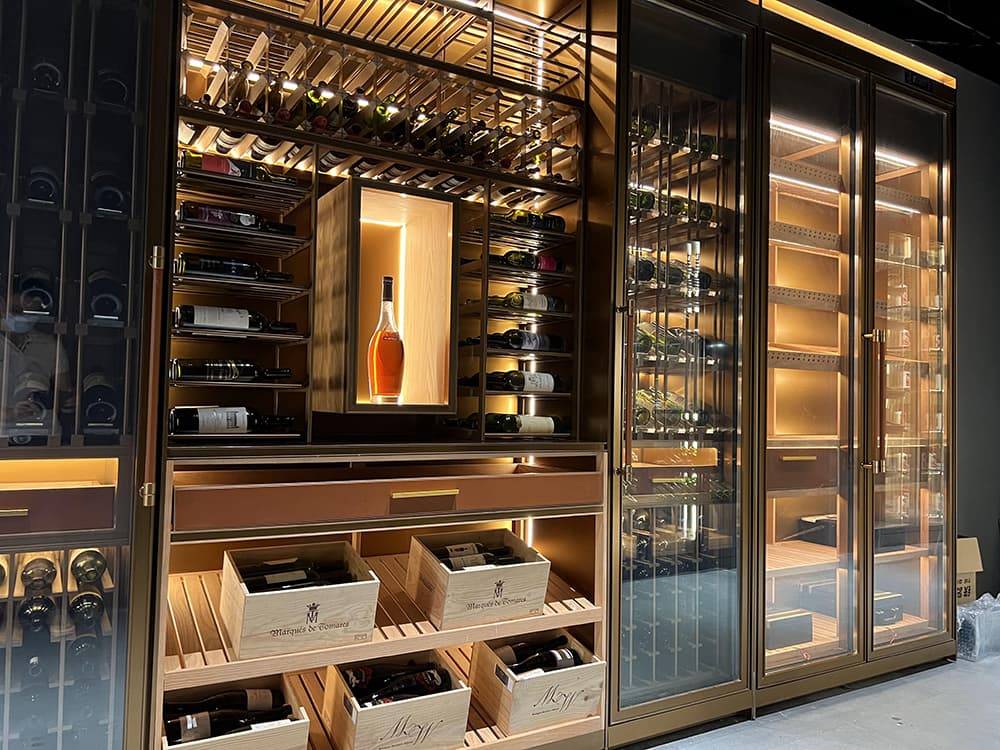
A 250-bottle villa cellar with fully integrated shelves, LED lighting, and dual-zone climate control can easily exceed $180,000, illustrating how customization choices drive costs. Proper planning here prevents later retrofit expenses and ensures the cellar functions as both a storage and display space.
4. Installation and Project-Related Costs
Installation represents a significant portion of the total investment in a stainless steel wine cellar. Costs vary depending on whether the project is residential or commercial, as well as on site conditions, lead time, and the scope of work. Understanding these elements helps clients avoid surprises and ensures the cellar performs as intended.
4.1 Residential vs Commercial Installation Pricing
Residential installations are generally simpler but still require precision. A typical villa or private basement installation includes:
-
Site preparation: leveling the floor, reinforcing foundations, and ensuring adequate load support.
-
Delivery and staging: transporting panels, racks, and glass safely into the cellar space.
-
Assembly and welding: joining stainless steel panels, aligning racks, and securing structural components.
-
Integration of climate and lighting systems: connecting electrical and HVAC elements.
For a 150–200 sq ft private wine cellar, labor and installation costs usually range $20,000–$40,000, depending on complexity and regional labor rates.
Commercial projects, like restaurants or boutique hotels, involve larger footprints, higher bottle capacities, and stricter safety codes. Installation steps expand to include:
-
Coordination with building engineers and code compliance verification.
-
Reinforced framing to support heavier loads.
-
Multi-zone climate and lighting integration.
-
Detailed testing and handover documentation.
For commercial-scale builds, labor costs can escalate to $50,000–$120,000 or more, particularly when multiple zones or large display walls are involved. These numbers highlight why planning installation early in the design process is critical.
4.2 Site Conditions, Lead Time, and Installation Scope
Several project-specific factors can increase costs beyond basic labor:
-
Site conditions: uneven floors, narrow stairways, and limited access points require additional handling, custom panel adjustments, and sometimes temporary scaffolding.
-
Lead time: stainless steel components are often fabricated offsite. Rush orders can increase material costs by 10–20%, whereas standard lead times (6–10 weeks) allow for precise fabrication and quality control.
-
Installation scope: whether the project includes integrated shelving, custom wine cabinets, modular racks, or climate control zones affects both labor hours and coordination requirements.
For example, a 300-bottle stainless steel wine cellar with multiple display walls and integrated lighting in a luxury home may require up to 8 skilled technicians over 5–7 days. In contrast, a modular 100-bottle setup might only need 2 technicians for 2–3 days.
High data points like these allow clients to anticipate labor intensity, plan schedules, and compare residential vs. commercial pricing accurately. Properly assessing the site and scope upfront prevents costly adjustments during installation and ensures the cellar functions perfectly from day one.
5. Stainless Steel Wine Cellar Cost Compared to Other Materials
When planning a wine cellar, understanding how stainless steel compares to traditional materials like wood or glass-dominant designs helps clients make informed budgeting decisions. Stainless steel offers durability, long-term maintenance savings, and a modern aesthetic, but the upfront investment can differ significantly from other materials.
5.1 Stainless Steel vs Wood Wine Cellar Cost
Wood has long been the classic choice for wine storage, often perceived as more “warm” and traditional. However, stainless steel provides structural stability and moisture resistance that wood cannot match, especially in high-humidity environments or basements prone to temperature fluctuations.
| Material | Base Cost per Sq Ft (USD) | Manteniment | Durabilitat | Ús típic |
|---|---|---|---|---|
| Acer inoxidable | $800 – $2,500 | Minimal; resistant to corrosion | 30+ years | Luxury residential, boutique restaurants |
| Wood (Oak, Mahogany) | $500 – $1,500 | Requires sealing and climate monitoring | 10–20 years | Traditional homes, wine-themed bars |
Key observations:
-
Stainless steel is 25–60% more expensive upfront than high-quality wood.
-
Long-term maintenance costs are lower: wood racks and panels need periodic sealing, humidity checks, and occasional replacement, whereas stainless steel maintains integrity with minimal care.
-
Combining stainless steel with wood accents is increasingly popular in modern residential wine cellars, balancing aesthetics with durability.
Additionally, modular stainless steel options like stainless steel wine cabinets can be paired with wood shelves, providing flexibility in both design and budget.
5.2 Stainless Steel vs Glass-Dominant Wine Cellar Cost
Glass-dominant wine cellars are often chosen for their visual appeal, especially in showrooms or restaurants. They allow clients to display bottles prominently but introduce higher labor and material costs due to glass handling and structural reinforcement requirements.
| Característica | Acer inoxidable | Glass-Dominant |
|---|---|---|
| Material & Fabrication | High, predictable | High, with extra fragility precautions |
| Complexitat d'instal·lació | Moderate; skilled welding required | High; careful handling and framing needed |
| Manteniment | Mínim | Moderate; glass cleaning, scratch prevention |
| Visual Impact | Modern, industrial | Transparent, showcase effect |
Practical insight:
-
A 200-bottle stainless steel wine cellar with tempered glass panels will cost 10–20% less than a fully glass-dominant installation, due to lower custom framing and handling requirements.
-
Glass-heavy designs require extra supports, careful leveling, and multi-day on-site assembly, which increase labor costs.
-
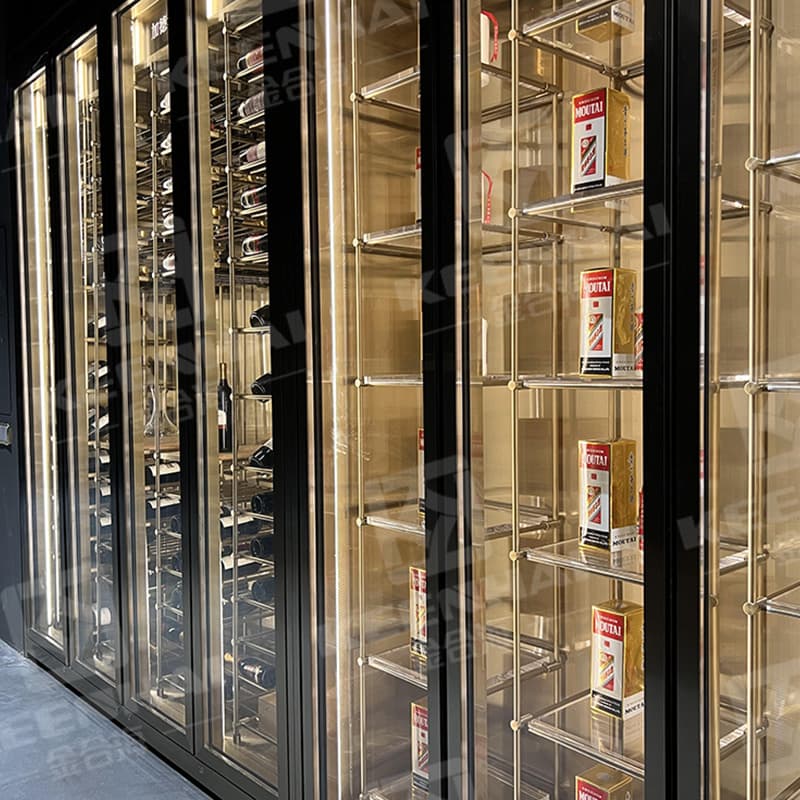
Stainless steel can still integrate glass selectively for display zones, combining durability with visual openness without the full expense of a glass-dominant build.
For example, a boutique restaurant may choose a stainless steel frame with low-iron glass panels to showcase wines while keeping long-term maintenance predictable and cost-effective. This hybrid approach often balances initial investment and aesthetic appeal efficiently.