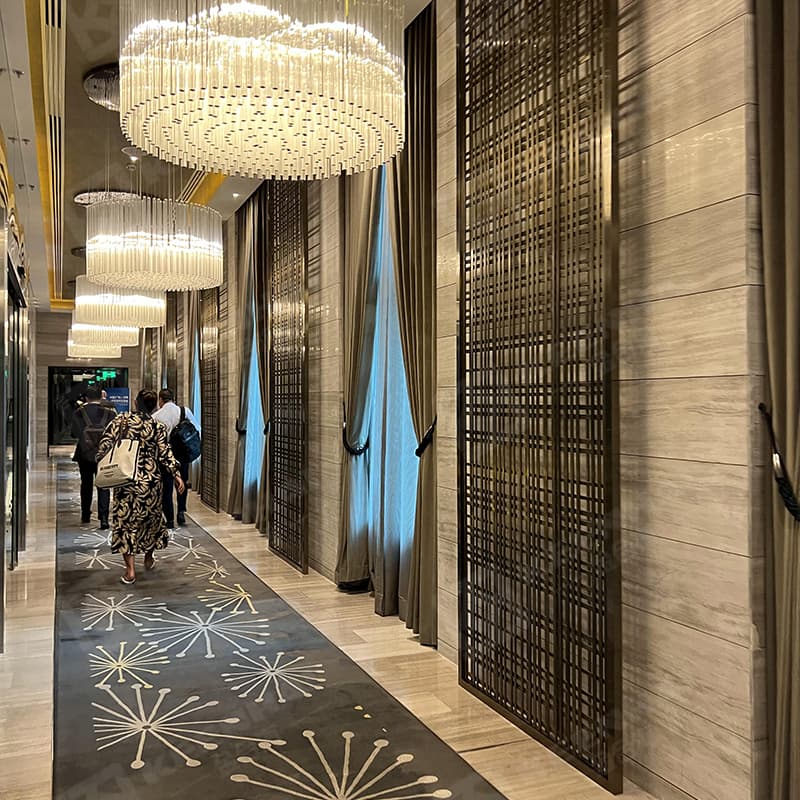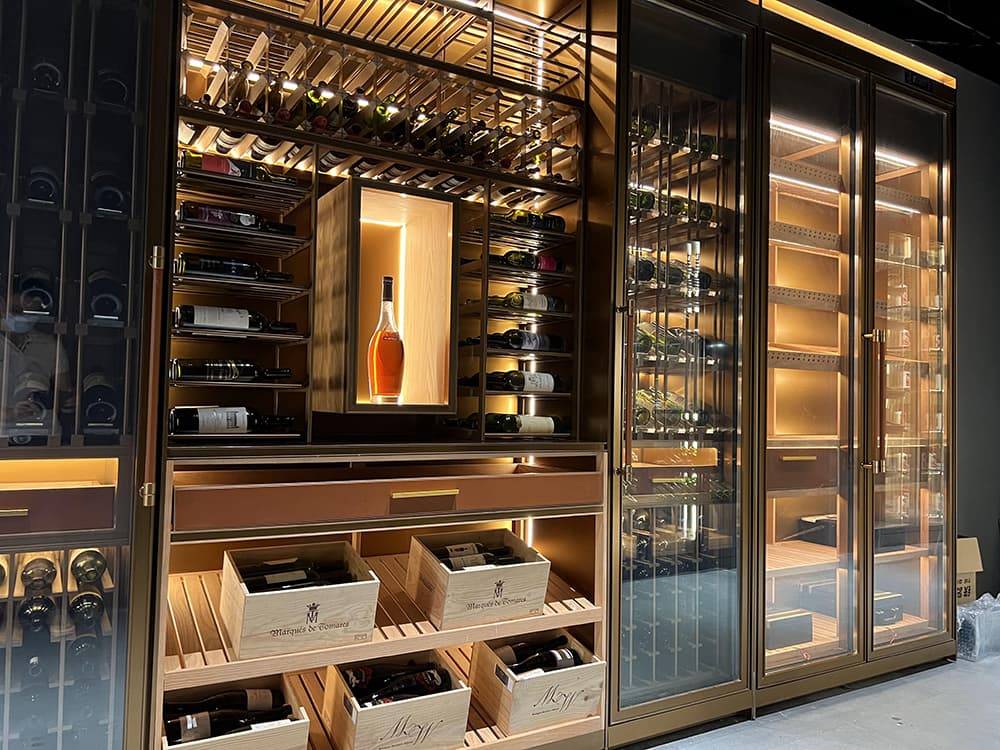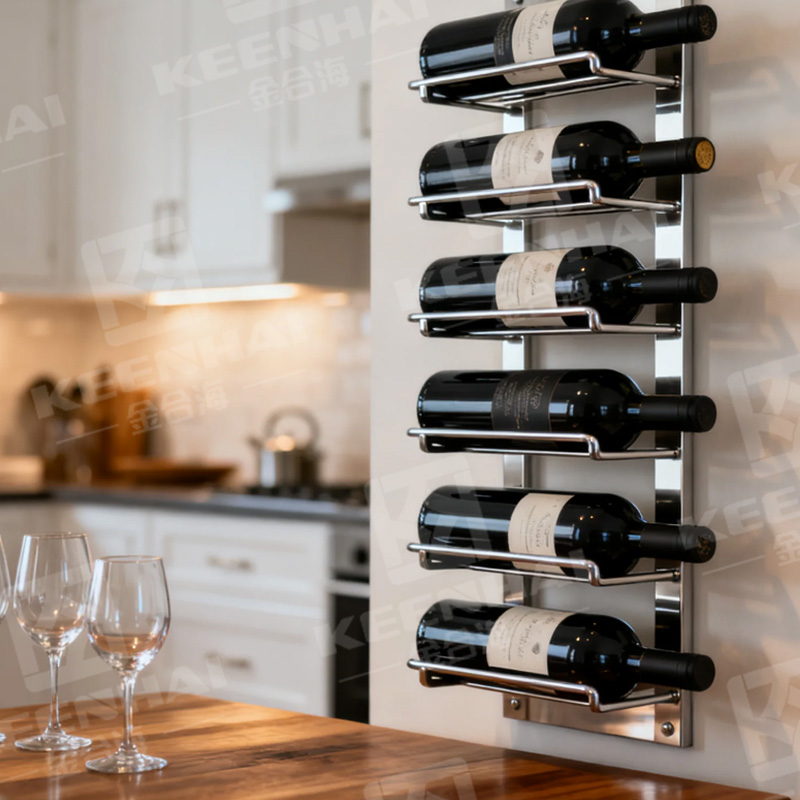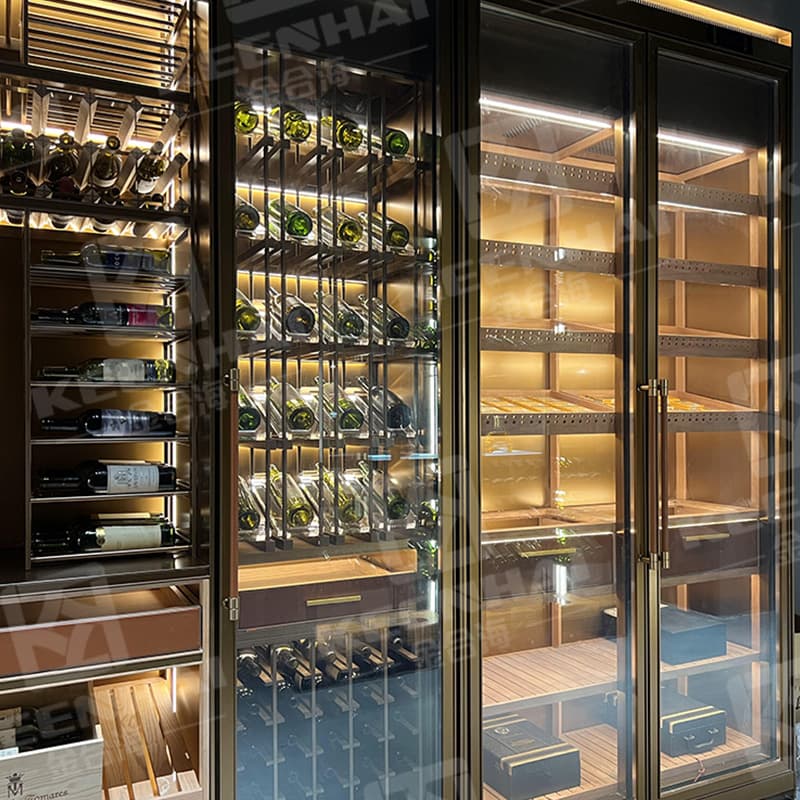
To get a custom stainless steel project quote, first prepare detailed specifications covering material type, thickness, finish, and dimensions. Share these with multiple reputable suppliers and include drawings or measurements. Request transparent pricing that breaks down material, fabrication, and optional services. Comparing these elements side by side ensures you choose a supplier who offers both competitive cost and reliable delivery, giving you a clear picture of the total project investment.
1. Understanding Your Project Requirements
Custom stainless steel projects start with a clear understanding of your project requirements. Without this foundation, you risk receiving inaccurate quotes, selecting unsuitable materials, or running into delays during fabrication and installation. Getting precise specifications not only helps suppliers provide accurate pricing but also ensures your final installation performs reliably and looks professional.
1.1 Defining the Scope and Dimensions
The first step is to define the scope and physical dimensions of your project. Whether it’s a large-scale architectural façade or a set of custom interior panels, knowing the exact measurements and spatial constraints is critical. Start by measuring the installation area and noting:
-
Height, width, and depth of each component.
-
Quantity of sheets or panels required.
-
Integration points with existing structures like staircases, railings, or countertops.
For instance, a hotel lobby might need stainless steel cladding for elevator surrounds, while a luxury outdoor terrace may require metal panels for weather-resistant railing systems. Each application demands precise dimensions to avoid costly adjustments later.
When specifying your material, consider using custom stainless steel sheets, as they allow flexibility in both thickness and size, which directly influences fabrication and installation feasibility.
1.2 Identifying Material Preferences and Grades
Once dimensions are defined, the next step is to choose the right material type and grade. Stainless steel comes in multiple grades, each with different corrosion resistance, surface finish options, and mechanical properties. For custom projects, consider:
-
304 Stainless Steel: Excellent for interior panels, moderate outdoor use, and high polishability.
-
316 Stainless Steel: Superior corrosion resistance for coastal or high-moisture environments.
-
Specialty alloys like duplex or ferritic grades for heavy-load or industrial applications.
| Material Grade | Corrosion Resistance | Tipa Uzo | Cost Factor |
|---|---|---|---|
| 304 | Moderate | Interior panels, railings | Moderate |
| 316 | Alta | Exterior installations, coastal areas | Higher |
| Duplex | Tre Alta | Structural components with high stress | Premium |
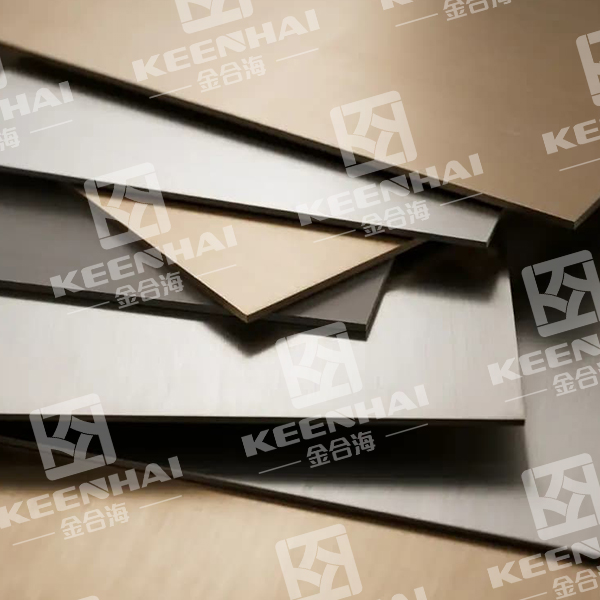
For decorative projects such as metal stair treads or lobby wall panels, you might prefer stainless steel metal plates with brushed or mirror finishes. Using the right grade ensures durability, low maintenance, and long-term aesthetic appeal.
1.3 Functional vs Decorative Priorities
After selecting the grade, distinguish whether your project prioritizes functionality or visual impact. This decision affects material thickness, surface finish, and fabrication method:
-
Functional-focused components like structural beams, railings, or load-bearing panels need thicker gauges and reinforced edges.
-
Decorative-focused elements such as wall cladding, elevator panels, or custom signage prioritize surface finish, polish, and precise detailing.
Consider these practical steps when balancing function and aesthetics:
-
List each component and assign a primary priority: functional or decorative.
-
Determine minimum material thickness for load-bearing parts to meet safety standards.
-
Select finishes for decorative surfaces that resist fingerprints, corrosion, or wear.
For example, a high-end hotel staircase may combine thick structural supports with thin brushed panels for a clean look. Using metal stainless steel sheet for decorative panels can achieve this balance without compromising durability.
2. Preparing Detailed Specifications
Creating accurate specifications is critical before requesting a custom stainless steel project quote. Clear, detailed information allows suppliers to provide precise pricing, ensure fabrication feasibility, and prevent delays during installation. Specifications should cover material, dimensions, structural requirements, and any optional features.
2.1 Surface Finish, Thickness, and Alloy Type
When preparing specifications, start with material characteristics because they affect both performance and appearance. Consider the following:
-
Surface Finish: Options include mirror polish, brushed, matte, or patterned textures. Each finish influences maintenance and visual impact. For example, a brushed finish works well for hotel handrails, as it hides fingerprints and minor scratches.
-
Material Thickness: Thickness directly affects load capacity and durability. Thicker panels are essential for load-bearing stair treads or outdoor railings, while thinner sheets can suffice for decorative wall cladding.
-
Alloy Type: Choosing the right stainless steel grade is crucial. For highly corrosive environments, 316-grade panels provide excellent resistance. For interiors with moderate exposure, 304-grade sheets are sufficient and cost-effective.
| Specification Aspect | Options | Recommended Use | Notes |
|---|---|---|---|
| Surface Finish | Mirror, Brushed, Matte, Patterned | Elevator panels, handrails, decorative walls | Brushed hides fingerprints best |
| Thickness | 1.0–6.0 mm | Structural vs Decorative | Adjust based on load requirements |
| Alloy Type | 304, 316, Duplex | Interior vs Exterior | Choose based on corrosion and stress factors |
Using premium stainless steel sheets or metal stainless steel sheet ensures that your project meets both functional and aesthetic standards.
2.2 Load-Bearing and Structural Requirements
Next, define load-bearing and structural specifications for components that support weight or endure stress. Neglecting this step can lead to underperformance or safety hazards. Consider these points:
-
Identify all structural elements such as stair treads, balcony panels, or overhead canopies.
-
Calculate the maximum expected load each component must support, including live load, environmental factors (wind, rain, snow), and occasional impact.
-
Select material thickness and reinforcement to match load requirements.
For example, an outdoor terrace railing may require 2 mm 316 stainless steel panels reinforced with concealed brackets to safely support hand pressure and wind load. By specifying these details, you ensure that high-quality stainless steel panels can be fabricated to handle real-world stress without over-engineering or excess cost.
2.3 Optional Features and Customizations
Finally, include any additional features that may affect fabrication or pricing. Optional customizations often improve usability or aesthetics but must be clearly specified:
-
Cutouts, engravings, or perforations for decorative or functional purposes.
-
Edge treatments such as rounded or beveled edges for safety or design appeal.
-
Mounting methods including hidden brackets, welds, or bolted systems.
-
Color coatings or surface treatments like PVD finishes or powder coating.
For instance, a boutique hotel may request engraved stainless steel elevator panels with a brushed finish to match lobby decor. Specifying custom stainless steel panels at this stage ensures the supplier can quote accurately and avoid surprises during fabrication.

3. Selecting Potential Suppliers
Choosing the right supplier is just as critical as defining your project specifications. A reliable supplier ensures that your custom stainless steel sheets, panels, or metal plates are fabricated accurately, delivered on time, and meet your performance expectations. Poor supplier selection can lead to delays, cost overruns, or low-quality materials.
3.1 Researching Reputable Stainless Steel Providers
Start by identifying well-established stainless steel providers with a proven track record. Look for suppliers who specialize in custom projects, have a diverse portfolio, and can demonstrate quality control standards. Steps to follow:
-
Search for suppliers with 5+ years of experience in architectural or decorative stainless steel fabrication.
-
Check online reviews, client testimonials, and project galleries to assess reliability and capability.
-
Prioritize suppliers who offer detailed product catalogs, including custom thicknesses, finishes, and alloys.
For example, a supplier handling luxury hotel interior panels should have successfully delivered similar projects with premium stainless steel sheets. Using a supplier like pvdstainlesssteel provides confidence that they understand both design nuances and structural requirements.
3.2 Requesting Capabilities and Certifications
Once you shortlist potential suppliers, verify their technical capabilities and certifications to avoid quality or compliance issues:
-
Ask for ISO or ASTM certifications, ensuring materials meet recognized standards.
-
Request production capabilities, including maximum sheet size, thickness range, and finishing options.
-
Confirm in-house fabrication capabilities, such as laser cutting, CNC bending, welding, or polishing.
For instance, a supplier able to handle custom stainless steel metal plates with precision laser cuts can deliver complex designs like perforated panels for decorative staircases or façade cladding. This step reduces the risk of miscommunication and ensures the supplier can meet your project’s exact specifications.
3.3 Comparing Supplier Expertise and Past Work
The final selection requires comparing expertise, past projects, and communication efficiency. Focus on these key points:
-
Review previous project portfolios, especially projects similar in scale or complexity.
-
Evaluate technical problem-solving skills, such as handling tight tolerances or unusual finishes.
-
Compare lead times, responsiveness, and willingness to provide samples or mock-ups before final commitment.
For example, a supplier with experience in outdoor terrace panels or elevator cladding can advise on the best alloy grade and finish, balancing aesthetics, durability, and cost. By emphasizing past project expertise, you minimize surprises during fabrication and installation.
4. Requesting and Receiving Quotes
Getting an accurate quote for your custom stainless steel sheets, panels, or metal plates requires precision, clear communication, and attention to detail. A well-prepared request can save time, prevent misunderstandings, and ensure you get a realistic price that reflects your project requirements.
4.1 Structuring Your Request for Quote (RFQ)
A structured RFQ helps suppliers understand exactly what you need. Follow these steps:
-
Start with a clear project overview: Explain the application, whether it’s decorative cladding, structural panels, or interior handrails.
-
Specify quantities and dimensions: Include total surface area, panel thickness, and any tolerances.
-
Detail surface finish and alloy requirements: For example, brushed 304 stainless steel or mirror-finish 316, depending on exposure conditions.
-
Highlight optional features: Holes, perforations, embossing, or edge treatments should be listed clearly.
-
Provide deadlines and delivery expectations: Suppliers can plan production and logistics more accurately.
A well-structured RFQ reduces back-and-forth emails and helps suppliers provide precise, reliable pricing for both standard and custom projects. Working with established stainless steel providers ensures you get accurate quotes that reflect material specifications and project scope.
4.2 Providing Clear Drawings, Measurements, and Specifications
Accuracy in your drawings and specifications is crucial. Ambiguity leads to mistakes and cost overruns. Follow these practical tips:
-
Attach detailed CAD or technical drawings, labeling each panel or component.
-
Include 3D renderings if possible: Visual references help suppliers understand complex designs.
-
Call out critical dimensions and tolerances, such as thickness variations, edge gaps, or mounting points.
-
Specify finishes with examples: For instance, “high-quality stainless steel sheet with satin finish suitable for outdoor balustrades.”
Suppliers can quote more confidently when they see precise measurements and clear specifications, reducing errors and ensuring the final product matches design intent.
4.3 Understanding Lead Times and Delivery Options
Lead times directly affect your project schedule, so it’s important to clarify these details upfront:
-
Ask for standard production times for each material and thickness.
-
Confirm custom fabrication lead times, especially if your project requires unusual alloys or finishes.
-
Discuss delivery logistics, including packaging, freight options, and handling precautions for delicate panels.
| Faktoro | Typical Range | Notes |
|---|---|---|
| Standard stainless steel sheets | 1–3 weeks | Depending on size and finish |
| Custom perforated or embossed panels | 3–6 weeks | Complex designs may require additional tooling |
| Delivery to construction site | 2–10 days | Depends on distance and carrier |
By understanding production and delivery timelines, you can align supplier schedules with installation phases, avoiding delays on projects like hotel handrails or exterior façade panels.
5. Analyzing and Comparing Quotes
Once you receive multiple quotes for your custom stainless steel project, the real work begins: breaking down the numbers, assessing service inclusions, and determining total value. A careful analysis ensures you don’t just pick the cheapest option but the best one for your project’s requirements and long-term performance.
5.1 Material and Fabrication Cost Breakdown
Understanding how costs are allocated helps you spot hidden charges and evaluate offers fairly. Key elements to focus on include:
-
Raw material costs: Compare alloy types, thickness, and surface finish. For example, premium stainless steel sheets with mirror finish cost more than standard brushed finishes.
-
Fabrication processes: Includes cutting, bending, welding, perforation, or embossing. Complex designs naturally increase costs.
-
Optional treatments: Passivation, polishing, or protective coatings can impact the final price.
| Component | Typical Cost Range | Notes |
|---|---|---|
| Standard Stainless Steel Sheet | $15–$35 per sq. ft | 304 grade, brushed finish |
| Custom Metal Plates | $25–$50 per sq. ft | Includes cutting and polishing |
| Decorative or Perforated Panels | $30–$60 per sq. ft | Extra for embossing, custom patterns |
Quotes from experienced suppliers often include detailed cost breakdowns for materials, fabrication, and labor. This level of detail makes it easier to compare options, assess total project value, and avoid unexpected expenses.
5.2 Installation, Handling, and Additional Services
Material cost alone doesn’t reflect the full project value. Consider these factors:
-
Delivery and handling fees: Large panels or long-distance shipping can add 5–15% to your total cost.
-
On-site installation support: Some suppliers offer trained installers for structural or façade projects, which ensures precise fit and finish.
-
Custom services: Laser cutting, pre-drilled holes, or edge treatments may be included or charged separately.
Evaluating how suppliers manage installation and additional services helps prevent delays and ensures the finished product matches design intent, whether it’s a hotel stair railing, exterior façade, or interior decorative panel.
5.3 Evaluating Total Project Value
Total value goes beyond price tags; it’s about reliability, quality, and long-term performance. Steps to assess include:
-
Compare material and fabrication quality against cost. High-quality stainless steel panels often justify higher upfront costs with lower maintenance.
-
Factor in supplier reliability and delivery times. Delays can disrupt schedules and inflate labor costs.
-
Consider warranty coverage and post-delivery support for any defects or adjustments.
By looking at all components holistically—materials, fabrication, installation, and support—you can make an informed choice and avoid short-term savings that lead to long-term issues.