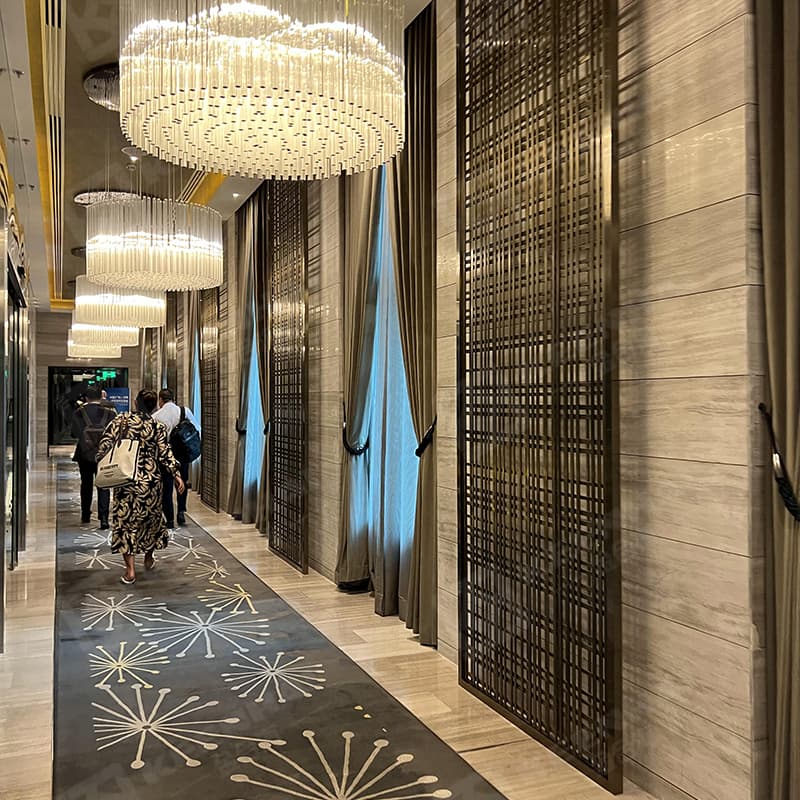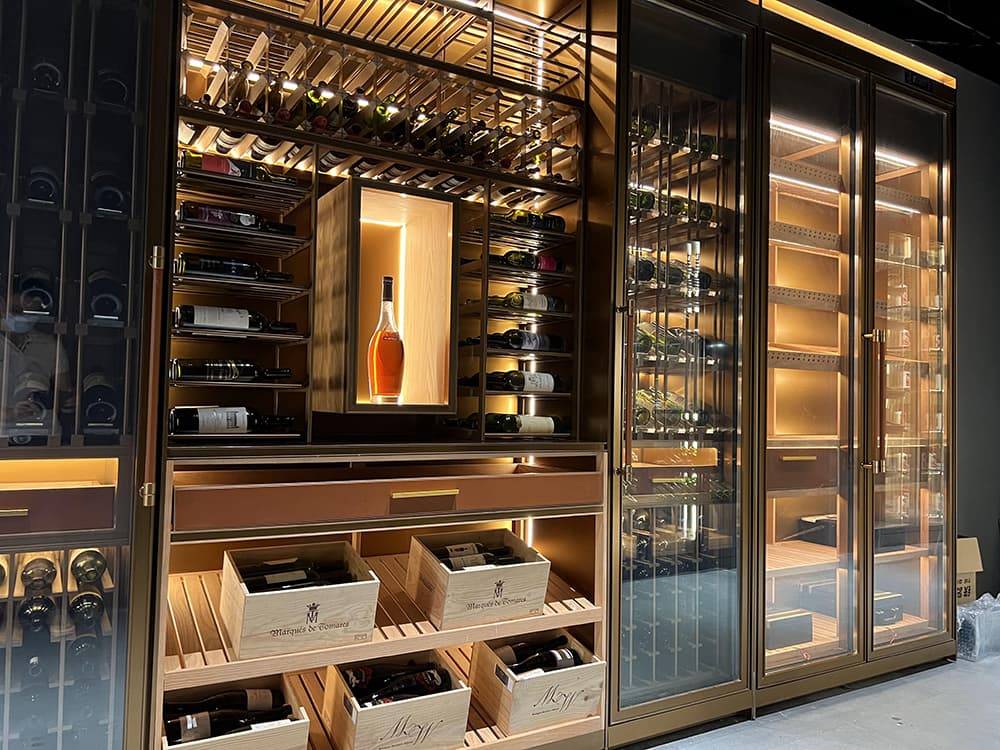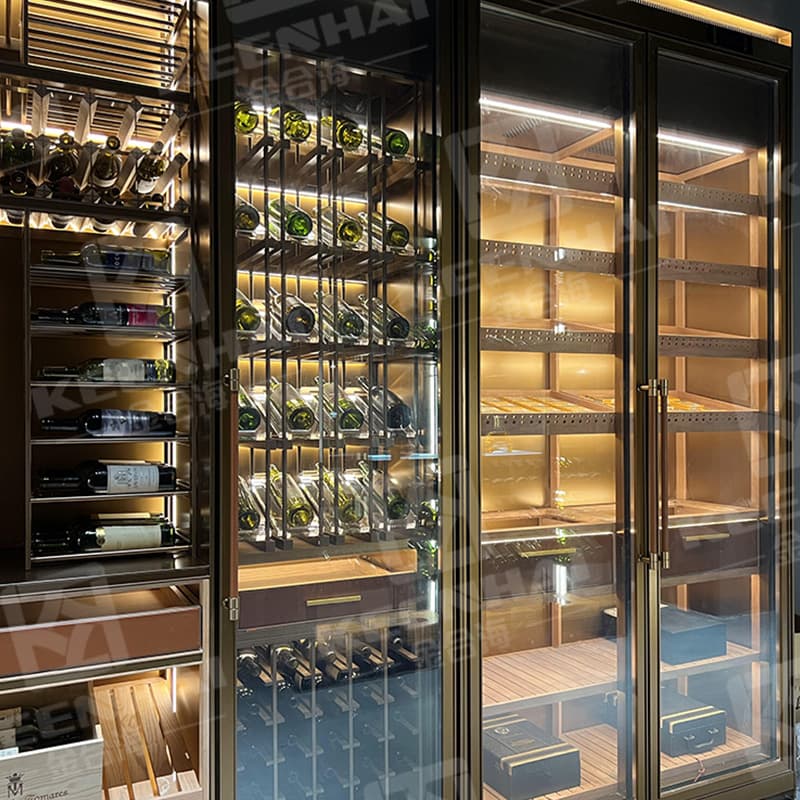
High-end stainless steel exterior wall design prioritizes seamless integration of visual appeal and structural integrity. Designers carefully select panel sizes, finishes, and installation methods to ensure durability while achieving luxury aesthetics. By coordinating lighting, reflections, and material textures, buildings gain depth and sophistication, making the facade a prominent architectural statement in any urban or commercial setting.
1. Design Principles for Luxury Stainless Steel Facades
Designing a high-end Stainless Steel Exterior Wall begins with integrating aesthetics and structural logic from the earliest stages. Luxury facades demand a balance between visual impact and engineering performance. For instance, projects in urban centers often combine reflective surfaces with large panel modules, which require careful attention to subframe alignment, wind load, and thermal expansion. Designers prioritize continuous, clean lines while ensuring panels remain flat over large elevations. Successful luxury projects fuse function and beauty, using stainless steel not just as a cladding material but as an architectural statement.
1.1 Balancing Aesthetic Appeal and Structural Integrity
When choosing panel dimensions, spacing, and joint detailing, architects must consider how structural requirements influence appearance. Larger panels provide uninterrupted visual flow but increase stress on support frames, demanding precise substructure layout. Smaller modules reduce load per panel but can interrupt the seamless look desired in high-end projects. Key design steps include:
-
Conduct wind load and deflection calculations to determine maximum panel size.
-
Plan subframe layout to absorb building movement while preserving flush surfaces.
-
Test visual alignment through mock-ups to ensure reflections and shadows remain consistent.
Real-world projects using Stainless Steel Facade Design principles often feature panels with subtle textures or brushed finishes that minimize fingerprint marks while highlighting natural light play. This approach enhances perception of depth and luxury without sacrificing structural reliability.
1.2 Choosing the Right Stainless Steel Grade and Finish
Material selection directly impacts durability, maintenance, and visual quality. Commonly, 304 stainless steel suits most high-end urban buildings due to its balance of corrosion resistance and affordability, while 316-grade is preferred for coastal or highly polluted environments. Surface finish choices—such as brushed, mirror-polished, or patterned textures—affect both aesthetics and fabrication complexity.
| Grade / Finish | Typical Use | Key Benefit | Cost Influence |
|---|---|---|---|
| 304 / Brushed | Commercial high-rise | Low maintenance, uniform appearance | Moderate |
| 316 / Mirror | Coastal luxury projects | Maximum corrosion resistance, reflective appeal | Korkea |
| 304 / Patterned | Boutique offices or hotels | Unique visual identity | Moderate to high |
Luxury facade designers often collaborate closely with fabricators and installers from Ruostumattomasta teräksestä valmistettu metalliverhousjulkisivu suppliers to ensure finish quality and consistent color tone. Early involvement reduces errors, ensures panel flatness, and keeps installation within budget, all while maintaining the elegance expected in high-end projects.
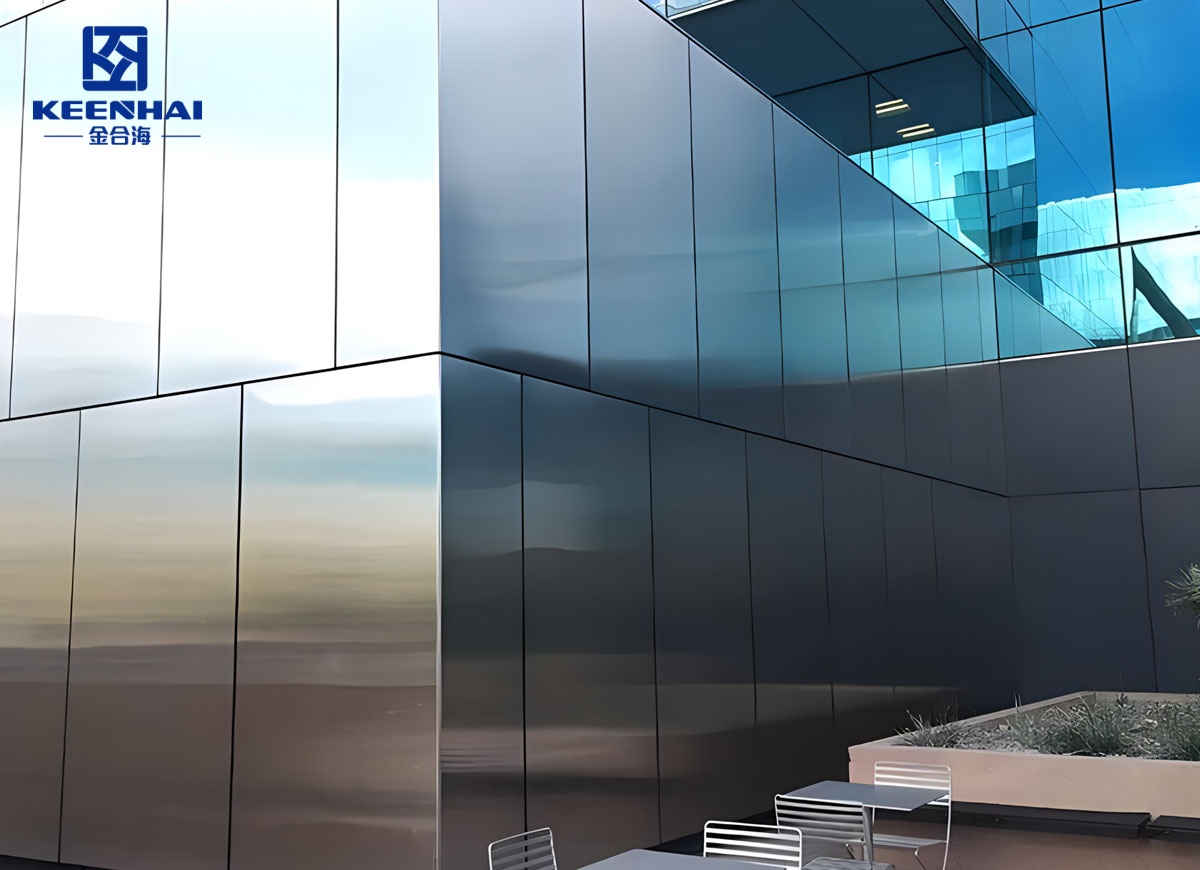
2. Customization Options and Architectural Flexibility
High-end projects demand more than standard panels; customized stainless steel exterior wall systems allow architects to translate unique design visions into reality. Customization starts with the choice of panel geometry, edge detailing, and mounting method, ensuring that each element complements the overall facade rhythm. By integrating flexible fabrication options, designers can combine flat, curved, or perforated panels to achieve dynamic visual effects while maintaining structural integrity. Early collaboration with fabricators reduces the risk of errors and cost overruns, especially when producing non-standard modules that require precise tolerances and high-quality finishes.
2.1 Panel Patterns, Textures, and Surface Treatments
Panel patterns and surface textures enhance both aesthetics and functional performance. Options include brushed, mirror-polished, matte, perforated, or patterned finishes, each contributing to light reflection, shadow play, and tactile quality. Designers often select treatments that complement the surrounding architecture while offering practical benefits such as scratch resistance or reduced fingerprint visibility. Steps for specifying surface treatment:
-
Choose desired visual effect (e.g., reflective, subdued, patterned).
-
Confirm material grade and thickness compatible with surface finish.
-
Conduct test panels to validate light behavior and texture consistency.
Many projects rely on Stainless Steel Building Exterior samples to confirm aesthetic and durability expectations before full production, ensuring seamless integration into the facade design.
2.2 Integration with Glass, Stone, and Other Materials
Combining stainless steel panels with complementary materials enhances luxury appeal and architectural flexibility. Designers often integrate glass curtain walls, natural stone cladding, or composite panels to create contrast, depth, and layered visual interest. Key considerations for integration:
-
Ensure panel alignment and tolerance match adjoining materials.
-
Select compatible fixing systems to avoid differential movement issues.
-
Coordinate installation sequence to prevent damage and maintain clean lines.
By carefully planning material junctions and panel layouts, architects can achieve a cohesive, high-end facade that balances reflective stainless steel surfaces with softer, natural textures, elevating both visual impact and long-term performance.
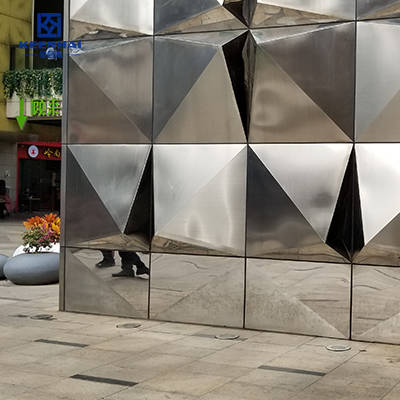
3. Structural Systems and Subframe Planning
A robust stainless steel exterior wall system relies on well-engineered structural support to ensure both safety and aesthetic continuity. The subframe carries panel weight, resists wind loads, and accommodates thermal expansion, all while maintaining flat, seamless surfaces. Architects and engineers must coordinate early to select frame materials, spacing, and attachment points. High-end projects often use aluminum or galvanized steel subframes that balance strength, weight, and corrosion resistance. Proper planning prevents panel distortion, ensures long-term durability, and supports complex geometries, especially for large-scale commercial facades or intricate design patterns.
3.1 Supporting Frames and Load Distribution
The supporting frame transfers all loads from the stainless steel panels to the building structure, which is crucial for facade longevity. Key considerations include:
-
Frame material selection – steel or aluminum alloys based on load capacity and environment.
-
Spacing and orientation – calculated according to panel size, weight, and wind exposure.
-
Connection points – designed to absorb building movement and thermal expansion.
For example, luxury office towers often require denser frame grids for larger panels, whereas boutique hotels can use wider spacing to create clean, uninterrupted surface areas. Integrating pre-fabricated subframes from reputable suppliers ensures dimensional accuracy and reduces installation time.
3.2 Fixing Methods and Tolerance Management
Panel attachment methods influence both facade performance and visual quality. Options include concealed fasteners, rivets, or adjustable brackets that allow fine alignment. Steps to ensure accurate fixing:
-
Determine preferred fixing style based on aesthetics and load requirements.
-
Pre-drill and mark mounting points according to design tolerances.
-
Verify each panel sits flush, adjusting brackets for uniform gaps.
High-end stainless steel facade solutions rely on meticulous tolerance management to avoid misalignment, bulging, or shadow inconsistencies. Proper attention to fixing systems reduces long-term maintenance and maintains a flawless reflective surface across the building exterior.
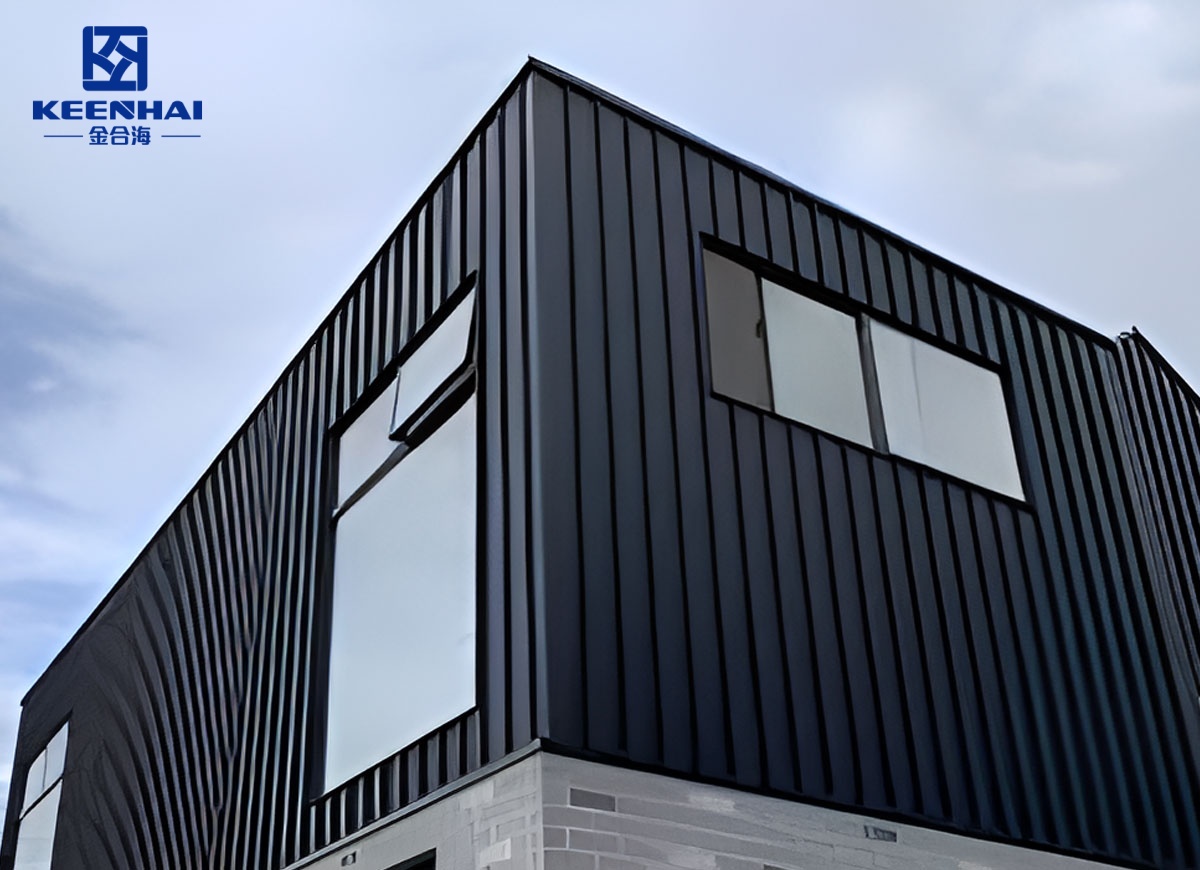
4. Lighting, Reflections, and Visual Impact
The visual appeal of a ruostumattomasta teräksestä valmistettu ulkoseinä is heavily influenced by how it interacts with light. Designers consider both natural sunlight and artificial illumination to create depth, highlight textures, and enhance the building’s presence. Strategic panel orientation, surface finish selection, and subtle texturing can transform reflections into dynamic architectural features. In luxury projects, reflective surfaces are often paired with recessed lighting or LED strips to emphasize vertical lines and create a sense of rhythm across the facade. Proper planning ensures the building stands out during both day and night while maintaining a sophisticated, high-end appearance.
4.1 Optimizing Natural and Artificial Light Effects
Maximizing natural light interaction involves analyzing sun paths and shadow angles. Designers often select brushed, mirror-polished, or patterned finishes to diffuse glare while amplifying reflections that accentuate depth. Artificial lighting complements these effects:
-
Place linear LEDs along panel edges to highlight geometry.
-
Use uplighting to create vertical emphasis without causing hotspots.
-
Test mock-ups at different times of day to ensure consistent visual impact.
Luxury projects frequently combine reflective stainless steel panels with other materials, like glass or stone, to create dynamic contrasts. This approach enhances perception of movement and adds visual richness while ensuring that glare is minimized.
4.2 Controlling Glare and Enhancing Depth Perception
Glare management is essential to user comfort and aesthetic balance. Designers employ angled panels, anti-reflective coatings, or matte finishes to reduce excessive reflection while preserving high-end shine. Depth perception is enhanced by varying panel textures, layering, and shadow gaps. Practical steps include:
-
Map reflective hotspots across the facade using 3D modeling.
-
Adjust panel alignment to control light bounce.
-
Integrate subtle patterning or perforations to guide eye movement.
By carefully orchestrating lighting, reflections, and panel treatments, architects create stainless steel facade solutions that are visually striking, luxurious, and immersive, reinforcing both the building’s identity and its contextual elegance.
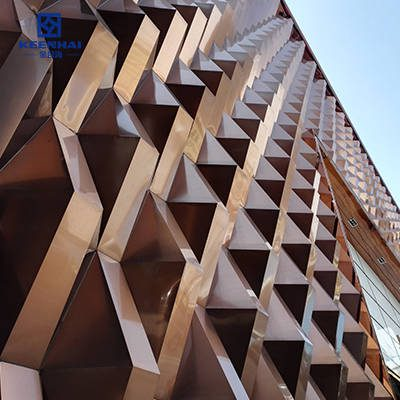
5. Sustainability and Long-Term Performance
High-end stainless steel facades are designed not only for beauty but also for durability and sustainability. Choosing the right materials ensures that a ruostumattomasta teräksestä valmistettu ulkoseinä can withstand decades of exposure to sun, rain, and urban pollutants without losing its aesthetic appeal. Premium stainless steel grades like 316 or specialized coatings improve corrosion resistance, reduce maintenance frequency, and contribute to long-term sustainability goals. Incorporating environmentally responsible fabrication processes and sourcing strategies further enhances the project’s green credentials, ensuring both visual longevity and ecological responsibility.
5.1 Corrosion Resistance and Weather Protection
Corrosion resistance is critical for high-end projects, especially in coastal or industrial environments. Key factors include:
-
Selecting high-grade stainless steel alloys (304, 316) suitable for local climate conditions.
-
Applying protective finishes such as passivation or anti-fingerprint coatings to extend lifespan.
-
Designing drainage and panel overlaps to prevent water accumulation and minimize corrosion risk.
Using these strategies, exterior stainless steel panels maintain their shine and structural integrity for decades while minimizing repair or replacement costs.
5.2 Maintenance Strategies for Longevity
Even premium materials require proper upkeep. Effective maintenance strategies include:
-
Regular inspections to identify early signs of wear or joint loosening.
-
Gentle cleaning protocols using pH-neutral detergents to avoid surface damage.
-
Preventive touch-ups on exposed edges or panel joints to maintain aesthetic continuity.
For high-end projects, pvdstainlesssteel products offer finishes and coatings that reduce maintenance needs while preserving reflective quality, helping building owners protect both investment and visual impact. By combining material quality with proactive maintenance, facades continue to impress over time, delivering both performance and elegance.
Designing stainless steel exterior walls for high-end projects requires a careful balance of aesthetics, structural precision, and long-term performance. Every decision, from material selection to panel pattern, subframe design, and lighting integration, affects both visual impact and durability. Luxury projects demand collaboration between architects, fabricators, and installers to ensure that reflective surfaces, textures, and finishes meet the highest standards. By combining thoughtful design, advanced materials, and meticulous installation, these facades achieve a striking, timeless presence while performing reliably over decades.