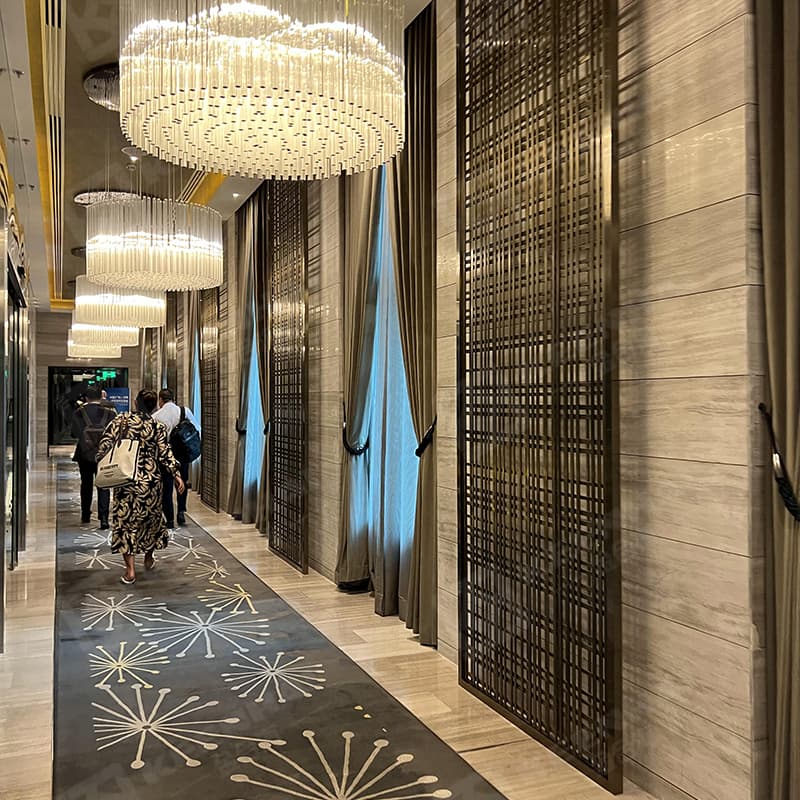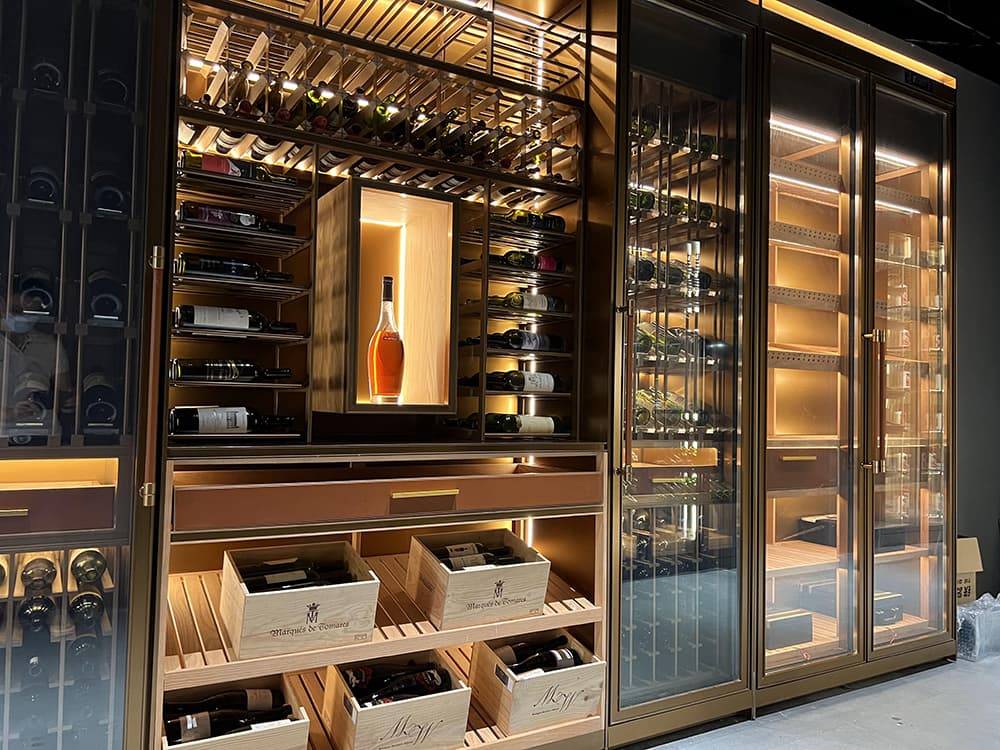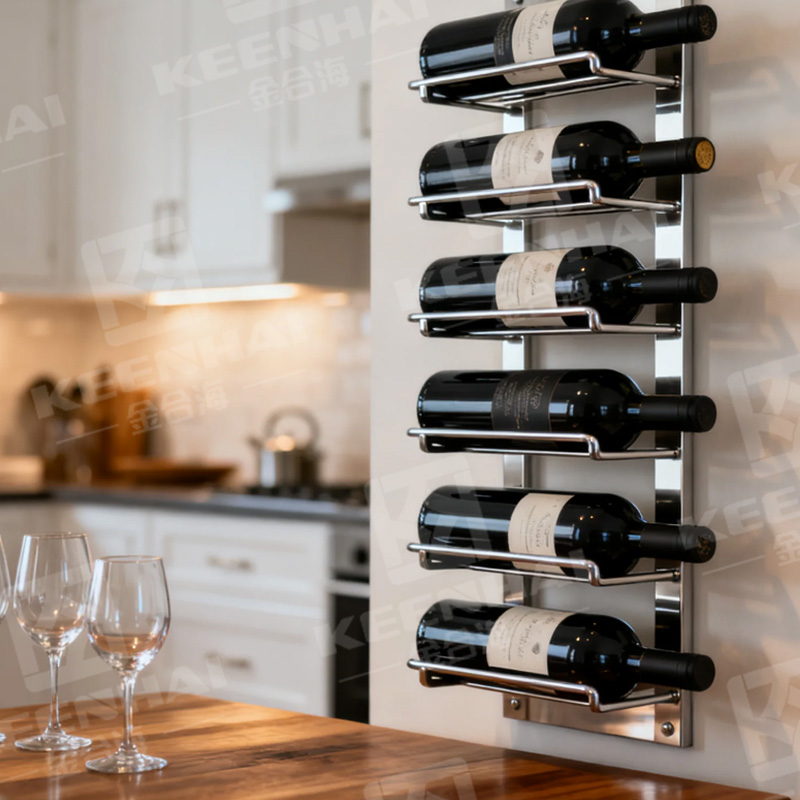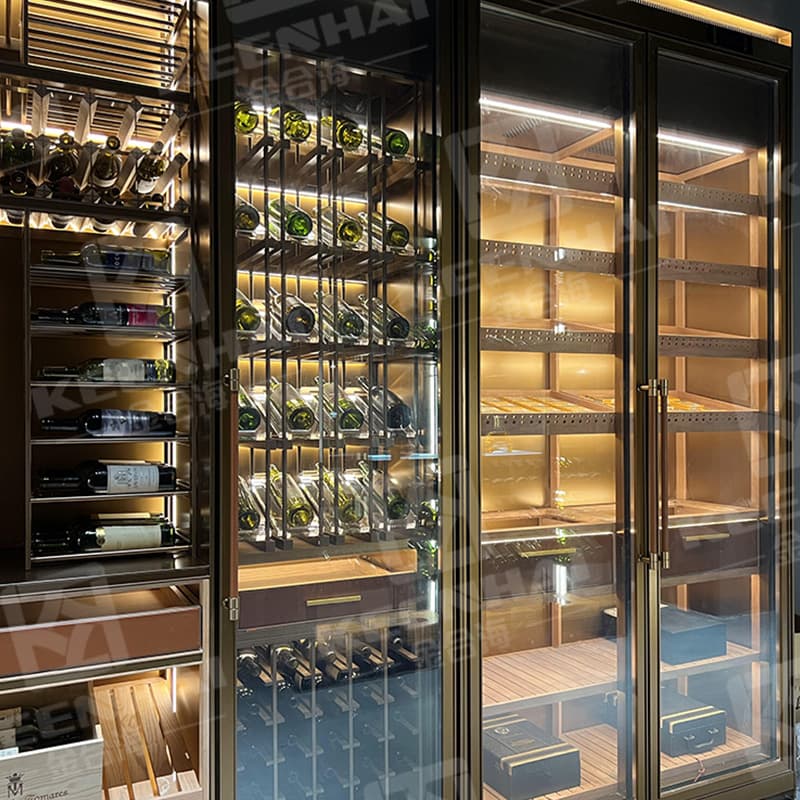
The best custom stainless steel wine cellar options for hotels prioritize adaptability and durability. Hotels can choose modular or fully customized designs that fit available space, support various bottle sizes, and maintain optimal temperature and humidity levels. Using high-grade stainless steel ensures longevity, while professional supplier coordination guarantees smooth installation, aligning the cellar with guest areas and overall hotel aesthetics for a polished, functional display.
1. Hotel-Specific Design Considerations
Designing a wine cellar specifically for hotels requires a balance between functionality, aesthetics, and guest experience. Unlike private collections, hotel wine cellars must accommodate higher traffic, varying bottle sizes, and strict operational standards. To achieve this, hoteliers often prioritize a few key considerations:
1. optimizing available space without compromising comfort.
2. integrating storage seamlessly into the interior design, and.
3. ensuring accessibility for both staff and guests.
For example, a luxury hotel in Chicago installed a Stainless Steel Wine Cellar that maximizes vertical space while providing clear viewing angles for guests. A successful design not only stores bottles efficiently but also enhances the hotel’s brand image and guest engagement.
1.1 Space Planning and Layout Optimization
Efficient space planning is crucial for hotel wine cellars. Hotels often have irregular floor plans, so designers must carefully measure and plan layouts. Typical steps include:
-
Assessing total available square footage to determine storage capacity and aisle placement.
-
Mapping zones for different wine categories, such as reds, whites, and premium vintages.
-
Allocating aisles and circulation paths to ensure guests and staff can move safely.
In a boutique hotel in New York, the team used modular stainless steel racks along hallways, creating an elegant flow that allowed guests to view bottles without obstructing foot traffic. Modular designs also allow easy reconfiguration for seasonal promotions or events, making long-term adjustments seamless. Proper layout planning also improves climate control efficiency, preserving wine quality and extending the lifespan of the collection.
1.2 Integrating Wine Cellars with Hotel Interior Design
A hotel wine cellar should enhance the overall aesthetic rather than just store bottles. Integration involves selecting finishes, materials, and lighting that complement existing interiors. Key steps include:
-
Matching materials and finishes (e.g., brushed stainless steel or glass panels) to the hotel’s style.
-
Strategically positioning lighting to showcase premium bottles and create ambiance.
-
Incorporating interactive elements, such as tasting areas or digital inventory displays.
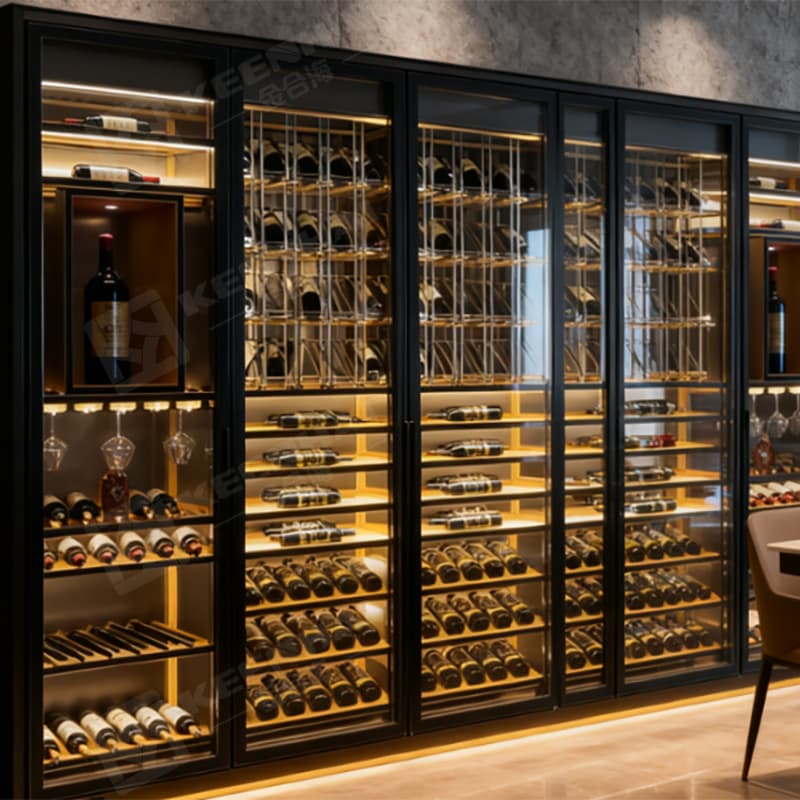
For instance, a high-end resort in Miami installed Stainless Steel Wine Cabinets with tempered glass fronts in the main lobby. Guests can admire the collection, enhancing the perceived value of the property. Additionally, using Stainless Steel Wine Rack Cabinets allows for modular arrangement, making it easy to swap out bottles for seasonal displays or large events.
1.3 Accessibility and Guest Experience Enhancements
Accessibility is essential in a hotel setting, where wine cellars often serve both staff and guests. Steps to improve accessibility include:
-
Installing racks at reachable heights for different bottle sizes.
-
Ensuring aisle width accommodates two-way traffic, reducing congestion during peak hours.
-
Creating tasting and display zones with seating and clear signage for guests.
-
Integrating digital guides or QR codes so visitors can explore bottle information independently.
At a Las Vegas luxury hotel, these principles were applied to create a welcoming, functional wine cellar where guests could easily browse, select, and enjoy wines. Balancing storage efficiency with guest interaction ensures the cellar remains both practical and engaging, while staff can access bottles quickly for service.
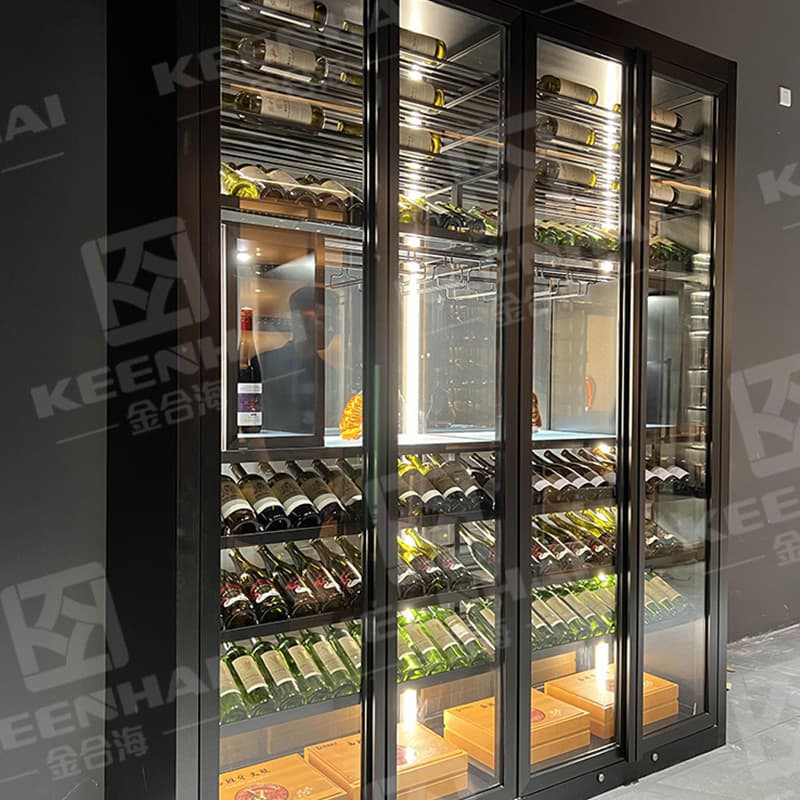
2. Customization Options and Materials
Hotels often require tailored wine cellar solutions that align with specific design standards, storage needs, and operational requirements. Customization goes beyond simple dimensions—it involves choosing the right materials, finishes, rack systems, and climate control technologies to ensure longevity and performance under high traffic. For example, a boutique hotel in Los Angeles implemented a Stainless Steel Wine Cellar using premium 304-grade steel with brushed finishes. This choice not only matched the interior design but also withstood frequent handling and environmental changes typical in hotel settings. Effective customization ensures both aesthetic appeal and practical functionality, enhancing the guest experience and simplifying staff operations.
2.1 Stainless Steel Grades and Finishes
Selecting the appropriate stainless steel grade is critical for durability and appearance. Hotels usually choose 304 or 316-grade stainless steel for corrosion resistance, especially in areas with humidity fluctuations. Steps to determine the right grade include:
-
Assess environmental exposure—areas near pools or kitchens may require higher-grade 316 stainless steel for extra corrosion resistance.
-
Choose finishes such as brushed, mirror-polished, or powder-coated options to complement hotel décor while resisting fingerprints and scratches.
-
Verify coating or passivation treatments that extend material lifespan in high-use environments.
For instance, a luxury resort installed Stainless Steel Wine Cabinets with matte finishes to reduce glare and maintain a clean look even during frequent guest interaction. This careful selection ensures that the wine storage remains visually appealing and functional over years of heavy use.
2.2 Adjustable and Modular Rack Systems
Hotels benefit from flexible rack designs that can adapt to different bottle sizes and display requirements. Adjustable systems allow rapid reconfiguration, while modular units simplify installation and expansion. Implementation steps typically involve:
-
Measuring bottle types and quantities to define rack dimensions and spacing.
-
Selecting modular racks that can be added or removed without compromising structural integrity.
-
Configuring adjustable shelves or dividers for mixed collections, such as reds, whites, and sparkling wines.
A five-star hotel in Miami used Stainless Steel Wine Rack Cabinets with adjustable racks that could accommodate bottles from 750ml to 1.5L. The modular approach allowed the hotel to host special events by quickly expanding storage or creating visually striking displays. Modular and adjustable systems reduce long-term renovation costs while keeping the cellar organized and guest-friendly.
2.3 Climate Control and Humidity Management
Maintaining optimal temperature and humidity is essential to preserve wine quality in hotel environments. Improper conditions can lead to cork damage, oxidation, or color changes. Effective climate management involves:
-
Installing precision cooling units that maintain a consistent temperature between 55–58°F (13–15°C).
-
Integrating humidity controls to keep relative humidity around 60–70%, preventing cork shrinkage.
-
Monitoring airflow to avoid stagnant zones that can encourage mold or uneven cooling.
In a Las Vegas hotel project, a customized wine cellar used independent climate zones for reds and whites, ensuring each bottle maintained ideal conditions. Real-time sensors and alarms alerted staff to any deviations, allowing immediate correction and preserving the wine’s integrity. Well-designed climate control not only protects inventory but also enhances guest confidence in the quality of the wine service.

3. Storage Capacity and Functional Requirements
Hotels need wine storage solutions that balance volume capacity, functional flexibility, and guest experience. A well-designed wine cellar must accommodate the anticipated bottle count, allow for specialized storage, and create engaging display or tasting areas without disrupting the hotel’s operational flow. For example, a boutique hotel in New York implemented a customized stainless steel wine cellar layout to host over 1,200 bottles while including a tasting corner and visual display walls. The design ensured staff could efficiently rotate inventory and guests could enjoy a visually striking presentation, enhancing the overall luxury experience. Proper planning at this stage prevents overstocking or inefficient layouts that could limit operational efficiency.
3.1 Bottle Volume and Rack Configuration
Determining the number of bottles and rack layout is crucial to maximize storage and accessibility. Key steps include:
-
Inventory Analysis: Calculate current and projected wine collections, including standard 750ml bottles and larger formats.
-
Rack Type Selection: Choose between fixed racks, modular systems, or hybrid configurations for flexibility.
-
Spatial Planning: Ensure adequate spacing for staff access, airflow, and visual presentation.
Hotels often combine modular racks with adjustable shelving to adapt to seasonal promotions or special events. A five-star property in Chicago used wynrekken fan roestfrij stiel that could easily convert from 12-bottle rows to larger magnum slots, optimizing space and maintaining easy accessibility for staff and guests alike.
3.2 Specialized Storage for Premium Wines
High-value wines require temperature-stable and secure storage zones within the main cellar. Implementation typically involves:
-
Segregated Premium Areas: Assign specific shelves or cabinets for rare vintages.
-
Enhanced Climate Control: Maintain narrower temperature and humidity ranges for sensitive wines.
-
Security Measures: Include lockable cabinets or monitored access to prevent accidental handling.
For instance, a luxury resort integrated premium stainless steel wine cabinets with individual temperature zones, allowing reds, whites, and sparkling wines to be stored under optimal conditions. This setup ensures that premium wines retain their flavor profiles while still being showcased elegantly to guests.
3.3 Multi-Purpose Areas: Display and Tasting Zones
Hotels increasingly combine storage with interactive display and tasting experiences to elevate guest engagement. Steps to create functional multi-purpose zones include:
-
Identify Strategic Locations: Select areas visible to guests but out of the main service flow.
-
Integrate Display Elements: Use open racks, glass doors, or illuminated shelves to highlight collections.
-
Design Tasting Spaces: Include tables, seating, and lighting to encourage experiential interaction.
A boutique hotel in Los Angeles designed a stainless steel wine cellar with integrated tasting tables and display walls. Guests could view curated selections while staff easily accessed bottles for service. Multi-purpose layouts enhance both operational efficiency and guest satisfaction, turning storage areas into compelling experiential spaces.

4. Supplier Selection for Hotel Projects
Selecting the right supplier is a critical step for hotel wine cellar projects, as it impacts quality, delivery timelines, and long-term operational efficiency. Hotels must balance the benefits of working with established manufacturers versus specialized custom fabricators. For instance, a luxury resort in Miami opted for pvdstainlesssteel to design and deliver its commercial wine storage, benefiting from proven expertise and a portfolio of hospitality-focused installations. Proper supplier selection ensures that wine cellars meet both functional requirements and aesthetic expectations, while also providing reliable post-installation support.
4.1 Choosing Manufacturers vs Custom Fabricators
Hotels face a choice between mass-production manufacturers en custom fabrication specialists. Key considerations include:
-
Production Flexibility: Manufacturers can deliver standardized solutions quickly, whereas custom fabricators tailor dimensions, materials, and finishes to specific hotel branding needs.
-
Cost and Efficiency: Standard solutions reduce upfront costs and shorten lead times, while custom options provide unique layouts but require longer production schedules.
-
Portfolio and References: Evaluate past hospitality projects to ensure the supplier can handle hotel-specific requirements.
| Eigenskip | Manufacturer | Custom Fabricator |
|---|---|---|
| Lead Time | 2–4 weeks | 6–12 weeks |
| Design Flexibility | Leech | Heech |
| Kosten | Moderate | Higher |
| Special Hotel Projects Experience | Varies | Often Extensive |
In practice, a boutique hotel in Los Angeles used a custom stainless steel wine cellar to perfectly align with its lobby architecture, blending functionality and luxury aesthetics.
4.2 Evaluating Experience with Commercial Hospitality Projects
A supplier’s track record in hotels directly influences project success. Steps to evaluate include:
-
Review Completed Projects: Check installation photos, layouts, and material quality for similar-sized hotels.
-
Verify References: Contact hotel operators to understand reliability, responsiveness, and durability.
-
Assess Staff Expertise: Ensure the supplier’s team can manage hotel-specific operational constraints, like tight delivery windows or limited service elevators.
For example, pvdstainlesssteel has completed multiple high-capacity wine cellars in resorts and boutique hotels, demonstrating an ability to deliver on both large-scale volume and custom design details.
4.3 Lead Times, Production Capabilities, and Support
Reliable suppliers maintain clear production schedules and support hotel operations effectively. Consider the following steps:
-
Confirm Lead Times: Align supplier timelines with hotel construction or renovation schedules.
-
Evaluate Production Capacity: Ensure the supplier can handle large-volume or multi-zone projects without delays.
-
Support Services: Check whether the supplier offers installation guidance, troubleshooting, and after-sales maintenance.
In a recent project, a five-star hotel in Dubai coordinated with a supplier to install a high-capacity stainless steel wine cabinet system in 3 phases, ensuring minimal disruption to guest areas while maintaining strict climate control and accessibility standards.
5. Installation and Project Management
Efficient installation and project management are essential for hotel wine cellar projects, ensuring minimal disruption to guest operations while delivering a high-quality result. Hotels need to coordinate closely with suppliers to align delivery, assembly, and final inspection with overall renovation schedules. In a boutique hotel in New York, careful planning allowed the installation of a custom stainless steel wine cellar without interrupting daily operations, maintaining guest satisfaction throughout the project.
5.1 Shipping, Delivery, and On-Site Assembly
Managing logistics effectively requires a structured approach:
-
Shipping Coordination: Confirm delivery schedules and handling requirements for delicate wine racks or climate-sensitive cabinets.
-
On-Site Assembly: Verify that assembly crews have access to all floors, elevators, and service corridors, and ensure each unit aligns perfectly with pre-measured spaces.
-
Material Verification: Inspect all components for scratches, dents, or missing parts before moving to installation.
In some projects, collaborating with a trusted brand like pvdstainlesssteel ensures that components arrive pre-assembled when possible, significantly reducing on-site work and potential errors.
5.2 Coordination with Hotel Renovation Timelines
Integration with hotel construction schedules is critical. Steps to maintain smooth coordination include:
-
Timeline Mapping: Sync supplier installation phases with other renovation tasks to prevent bottlenecks.
-
Pre-Installation Review: Conduct walkthroughs to confirm dimensions, clearances, and access points.
-
Communication Protocols: Assign project managers from both the hotel and supplier side to handle changes or unexpected delays.
A five-star resort in Miami used phased installation for its stainless steel wine cabinets, ensuring the lobby and dining areas remained operational while the wine storage project progressed.
5.3 Quality Checks and Final Walkthrough
Quality control guarantees the wine cellar meets both functional and aesthetic standards. Key steps:
-
Visual Inspection: Confirm that all surfaces are flawless and finish matches design specifications.
-
Functional Testing: Check sliding racks, temperature control, and humidity systems.
-
Final Walkthrough: Review the installation with hotel management to approve placement, safety, and accessibility.
For luxury hotels, incorporating a stainless steel wine rack cabinet system with a final walkthrough ensures guest-ready presentation, minimizing post-installation adjustments.