સ્ટેનલેસ સ્ટીલ બાહ્ય દિવાલ ક્લેડીંગ ઇન્સ્ટોલ કરવાની શરૂઆત સ્વચ્છ, સમતળ સપાટીથી થાય છે. તમારા લેઆઉટને માપો, પછી ગોઠવણી સેટ કરવા માટે પ્રથમ પેનલને સચોટ રીતે ઠીક કરો. સ્ટેનલેસ ફાસ્ટનર્સનો ઉપયોગ કરો અને વોટરપ્રૂફિંગ માટે દરેક સાંધાને સીલ કરો. આ પ્રક્રિયા તમારા મકાનને એક આકર્ષક, ટકાઉ પૂર્ણાહુતિ આપે છે જે હવામાન અને સમય સામે મજબૂત રહે છે - વાણિજ્યિક અને રહેણાંક બંને પ્રકારના રવેશ માટે આદર્શ.
૧. જરૂરી સાધનો અને સામગ્રી
ઇન્સ્ટોલેશન શરૂ કરતા પહેલા, યોગ્ય સાધનો અને સામગ્રી તમારા પ્રોજેક્ટને બનાવી અથવા તોડી શકે છે. સારી રીતે તૈયાર કરેલ સેટઅપ ચોક્કસ ગોઠવણી, ચુસ્ત બંધન અને લાંબા ગાળાની ટકાઉપણું સુનિશ્ચિત કરે છે ઇમારતો માટે સ્ટેનલેસ સ્ટીલ દિવાલ ક્લેડીંગ. ઘણા આર્કિટેક્ટ્સ ઉપયોગ કરવાનું પસંદ કરે છે સ્ટેનલેસ સ્ટીલ બાહ્ય દિવાલ સિસ્ટમો કારણ કે તેઓ અસાધારણ હવામાન પ્રતિકાર પ્રદાન કરે છે અને દરિયાકાંઠાના અથવા ઉચ્ચ ભેજવાળા વાતાવરણમાં પણ આકર્ષક, પોલિશ્ડ દેખાવ જાળવી રાખે છે.
૧.૧ કાપવા અને બાંધવા માટેના આવશ્યક સાધનો
સ્ટેનલેસ સ્ટીલ વોલ ક્લેડીંગ ઇન્સ્ટોલ કરવું એ કોઈ રેન્ડમ ટૂલ્સથી શક્ય નથી. તમારે ધાતુને તેની સપાટીને વળાંક આપ્યા વિના અથવા ખંજવાળ્યા વિના ચોક્કસ રીતે હેન્ડલ કરવા માટે રચાયેલ સાધનોની જરૂર પડશે.
-
ધાતુ કાપવાના સાધનો - વાપરો સ્ટેનલેસ સ્ટીલ કટીંગ ડિસ્ક સાથે એંગલ ગ્રાઇન્ડર સ્વચ્છ, ગંદકી-મુક્ત ધાર માટે. ક્યારેય પ્રમાણભૂત બ્લેડનો ઉપયોગ કરશો નહીં; તે ધાતુને વધુ ગરમ કરી શકે છે અને તેનો રંગ બદલી શકે છે.
-
કોર્ડલેસ ડ્રિલ અને રિવેટ ગન – સપોર્ટ ફ્રેમવર્ક સાથે પેનલ્સને કાર્યક્ષમ રીતે જોડવા માટે આ ચાવીરૂપ છે. ફાસ્ટનિંગ દરમિયાન નિયંત્રણ જાળવવા માટે ચલ-ગતિ મોડેલો પસંદ કરો.
-
લેસર સ્તર અને ચાક લાઇન - સંપૂર્ણ પેનલ ગોઠવણી અને લેઆઉટ માર્કિંગ માટે, લેસર લેવલ ખાતરી કરે છે કે દરેક પેનલ લાંબા ગાળા સુધી પણ સીધી રહે.
-
રક્ષણાત્મક સાધનો – મોજા, સલામતી ચશ્મા અને સ્ટીલ-ટો બૂટ આવશ્યક છે. સ્ટેનલેસ સ્ટીલની ધાર તીક્ષ્ણ હોય છે, અને એક જ વાર લપસી જવાથી ઈજા થઈ શકે છે.
-
માપવાના સાધનો - હંમેશા કાપડના માપને બદલે સ્ટીલના માપનો ઉપયોગ કરો. પેનલને કદમાં કાપતી વખતે મિલીમીટર સુધીની ચોકસાઈ મહત્વપૂર્ણ છે.
અહીં ભલામણ કરેલ કટીંગ અને ફાસ્ટનિંગ ટૂલ્સની એક સરળ સરખામણી છે stainless steel cladding સ્થાપનો:
| સાધનનો પ્રકાર | પ્રોફેશનલ ગ્રેડ ઉદાહરણ | સરેરાશ કિંમત (USD) | હેતુ |
|---|---|---|---|
| મેટલ કટીંગ ગ્રાઇન્ડર | મકિતા GA7021 (2000W) | $180–$220 | સ્ટેનલેસ પેનલ્સને સ્વચ્છ રીતે કાપવી |
| રિવેટ ગન | મિલવૌકી M12 કોર્ડલેસ રિવેટ ટૂલ | $250–$300 | પેનલ્સને સબફ્રેમ સાથે જોડવું |
| લેસર સ્તર | બોશ GLL3-330CG | $400–$450 | સ્તર અને ગોઠવણી સુનિશ્ચિત કરે છે |
| ડ્રિલ ડ્રાઈવર | ડીવોલ્ટ 20V XR | $150–$200 | પ્રી-ડ્રિલિંગ છિદ્રો અને સ્ક્રૂ |
આ એવા સાધનો છે જેના પર વ્યાવસાયિકો દાયકાઓ સુધી ચાલતા ચોક્કસ, કાર્યક્ષમ ઇન્સ્ટોલેશન માટે આધાર રાખે છે. સસ્તા સાધનો તમને ધીમું કરશે અને અસમાન ધાર તરફ દોરી જશે - જે બંનેને જોખમમાં મૂકી શકે છે દ્રશ્ય ગોઠવણી અને પેનલ સ્થિરતા.
૧.૨ ભલામણ કરેલ સીલંટ અને ફિક્સિંગ એસેસરીઝ
મજબૂત ઇન્સ્ટોલેશન ફક્ત કાપવા અને બાંધવા પર જ નહીં, પણ તમે પેનલ્સને કેવી રીતે સીલ કરો છો અને ટેકો આપો છો તેના પર પણ આધાર રાખે છે. જો તમે આ પગલું છોડી દો છો તો ભેજનું ઘૂસણખોરી ઉચ્ચ-ગ્રેડ ક્લેડીંગને પણ નષ્ટ કરી શકે છે.
-
ઉચ્ચ-પ્રદર્શન સિલિકોન સીલંટ - ધાતુના સબસ્ટ્રેટ સાથે સુસંગત ન્યુટ્રલ-ક્યોર સિલિકોન પસંદ કરો. એસિડિક સીલંટ સમય જતાં કાટનું કારણ બની શકે છે.
-
EPDM વોશર્સ અને સ્ટેનલેસ સ્ટીલ સ્ક્રૂ - આ ભિન્ન ધાતુઓ વચ્ચે ગેલ્વેનિક પ્રતિક્રિયાઓને અટકાવે છે, જેનાથી રચનાનું આયુષ્ય વધે છે.
-
બેકિંગ ઇન્સ્યુલેશન બોર્ડ - થર્મલ રેગ્યુલેશન માટે, મિનરલ વૂલ અથવા કઠોર ફોમ પેનલનો ઉપયોગ કરો. તે ધાતુના રવેશ પાછળ ઘનીકરણ ઘટાડે છે.
-
સબફ્રેમ સામગ્રી - સામાન્ય રીતે એલ્યુમિનિયમ અથવા ગેલ્વેનાઈઝ્ડ સ્ટીલ સબફ્રેમનો ઉપયોગ થાય છે. એલ્યુમિનિયમ હલકું અને કાટ-પ્રતિરોધક હોય છે, જ્યારે ગેલ્વેનાઈઝ્ડ સ્ટીલ વધુ ભારવાળા રવેશ માટે સસ્તું અને મજબૂત હોય છે.
કેટલાક આધુનિક વ્યાપારી પ્રોજેક્ટ્સમાં, બિલ્ડરો એનો ઉપયોગ કરે છે સ્ટેનલેસ સ્ટીલ મેટલ ક્લેડીંગ રવેશ સિસ્ટમ જે ચોકસાઇ-ફિટ બ્રેકેટ અને થર્મલ બ્રેક્સને જોડે છે. આ અભિગમ માત્ર શ્રમના કલાકો બચાવે છે પણ થર્મલ કામગીરીમાં પણ સુધારો કરે છે - તમે આ સિસ્ટમો વિશે વધુ શોધી શકો છો અમારા રવેશ ઉકેલો પૃષ્ઠ.
૧.૩ જમણા ક્લેડીંગ પેનલ્સ પસંદ કરવા
બધા સ્ટેનલેસ સ્ટીલ પેનલ સમાન રીતે બનાવવામાં આવતા નથી. તમારે તમારા પ્રોજેક્ટના પ્રકાર પર આધારિત ગ્રેડ, ફિનિશ અને જાડાઈનું મૂલ્યાંકન કરવાની જરૂર પડશે - પછી ભલે તે બહુમાળી ઇમારત હોય, છૂટક સંકુલ હોય કે રહેણાંક બાહ્ય ભાગ હોય.
-
ગ્રેડ ૩૦૪ વિરુદ્ધ ૩૧૬ - ગ્રેડ 316 વધુ સારી કાટ પ્રતિકાર પ્રદાન કરે છે અને દરિયાકાંઠાના પ્રદેશો અથવા ઉચ્ચ પ્રદૂષણવાળા વિસ્તારો માટે ભલામણ કરવામાં આવે છે.
-
સપાટી પૂર્ણાહુતિ - બ્રશ કરેલ ફિનિશ ઝગઝગાટ અને ફિંગરપ્રિન્ટ્સ ઘટાડે છે, જ્યારે મિરર ફિનિશ આધુનિક, ઉચ્ચ કક્ષાનો દેખાવ ઉમેરે છે.
-
પેનલની જાડાઈ - મોટાભાગના બાહ્ય ક્લેડીંગમાં 1.0-1.5 મીમી જાડા પેનલનો ઉપયોગ થાય છે. જાડા પેનલ્સ કઠોરતા વધારે છે અને ભારે પવન દરમિયાન કંપન ઘટાડે છે.
| પેનલ પ્રકાર | સામાન્ય જાડાઈ | શ્રેષ્ઠ ઉપયોગ કેસ | સમાપ્ત વિકલ્પ |
|---|---|---|---|
| ગ્રેડ 304 સ્ટેનલેસ સ્ટીલ | ૧.૦ મીમી | પ્રમાણભૂત ઇમારતો, શુષ્ક વાતાવરણ | બ્રશ કરેલ / મેટ |
| ગ્રેડ 316 સ્ટેનલેસ સ્ટીલ | ૧.૨–૧.૫ મીમી | દરિયાકાંઠાના અથવા ભેજવાળા વિસ્તારો | અરીસો / સાટિન |
| પીવીડી કોટેડ પેનલ્સ | ૧.૦–૧.૨ મીમી | સુશોભન રવેશ, વૈભવી બાહ્ય સજાવટ | કાંસ્ય / સોનું / કાળો |
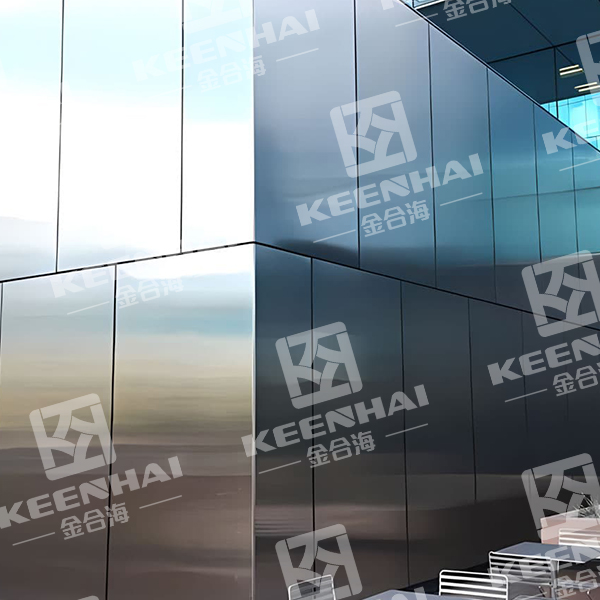
વાસ્તવિક દુનિયાના ઉદાહરણોમાં, સિંગાપોર અને દુબઈમાં વાણિજ્યિક ટાવર્સે અપનાવ્યું છે પીવીડી-કોટેડ સ્ટેનલેસ સ્ટીલ પેનલ્સ તેમના માટે ઇમારતનો બાહ્ય ભાગ, ઓછામાં ઓછી જાળવણી સાથે વૈભવી સૌંદર્ય શાસ્ત્રનું સંતુલન. આ કેસ સ્ટડીઝ સાબિત કરે છે કે કેવી રીતે યોગ્ય સામગ્રી અને ઇન્સ્ટોલેશન ટૂલ્સની પસંદગી અગાઉથી કરવાથી અદભુત, ઓછી જાળવણીના પરિણામો મળે છે.
2. દિવાલની સપાટી તૈયાર કરવી
પેનલ્સ જોડવાનું શરૂ કરો તે પહેલાં, દિવાલની સપાટી તૈયાર કરી રહ્યા છીએ તમારી સ્ટેનલેસ સ્ટીલની બાહ્ય દિવાલ દાયકાઓ સુધી ચાલશે કે એક વર્ષમાં સમસ્યાઓ દેખાવા લાગશે તે નક્કી કરે છે. સ્વચ્છ, સ્તર અને સારી રીતે ટેકો ધરાવતો આધાર સંપૂર્ણ ગોઠવણી સુનિશ્ચિત કરે છે અને પાછળથી કાટ અથવા વાંકડિયાપણું અટકાવે છે.
૨.૨ લેઆઉટ માપવા અને ચિહ્નિત કરવા
ચોકસાઈ મહત્વપૂર્ણ છે. એક પણ કાણું પાડતા પહેલા, સમગ્ર રવેશનું ચોક્કસ માપ લો અને તમારી ઊભી અને આડી રેખાઓ ચિહ્નિત કરો. હંમેશા દિવાલના કેન્દ્રથી શરૂ કરો અને બહારની તરફ કામ કરો - આ સમપ્રમાણતા સુનિશ્ચિત કરે છે, ખાસ કરીને સ્થાપત્ય રવેશ પર.
અહીં ભલામણ કરેલ પ્રક્રિયા છે:
-
વાપરવુ a લેસર સ્તર સીધી ગોઠવણી રેખાઓ સ્થાપિત કરવા માટે.
-
ચિહ્નિત કરો ઉપર અને નીચે સંદર્ભ રેખાઓ પ્રથમ પેનલ માટે.
-
બારીઓ, વેન્ટ્સ અથવા સાઇનેજ માટેના છિદ્રો ગ્રીડની અંદર યોગ્ય રીતે સ્થિત છે કે નહીં તે બે વાર તપાસો.
નિયમ સરળ છે: બે વાર માપો, એક વાર ઠીક કરો. ખોટી રીતે ગોઠવાયેલ પેનલને બાંધ્યા પછી ઠીક કરવી લગભગ અશક્ય છે. વક્ર રવેશ અથવા જટિલ આકાર માટે, એડજસ્ટેબલ કૌંસ અથવા લવચીક ટ્રેક સિસ્ટમ્સ પસંદ કરો, જેનો ઉપયોગ ઘણીવાર થાય છે સ્ટેનલેસ સ્ટીલ મેટલ ક્લેડીંગ રવેશ પ્રોજેક્ટ્સ — ડિઝાઇન વિકલ્પો અહીં જુઓ: મેટલ ક્લેડીંગ રવેશ.
| માપન પગલું | ભલામણ કરેલ સાધન | ચોકસાઈ સ્તર | નોંધો |
|---|---|---|---|
| આડું અને ઊભું સંરેખણ | લેસર સ્તર | ±1 મીમી/મી | પેનલની હરોળ સીધી રહે તે સુનિશ્ચિત કરે છે |
| એજ લેઆઉટ | ચાક લાઇન | ±3 મીમી | મોટા રવેશ માટે આદર્શ |
| કોણ તપાસ | ડિજિટલ પ્રોટ્રેક્ટર | ±0.1° | For corners and slopes |
2.3 Installing the Support Framework
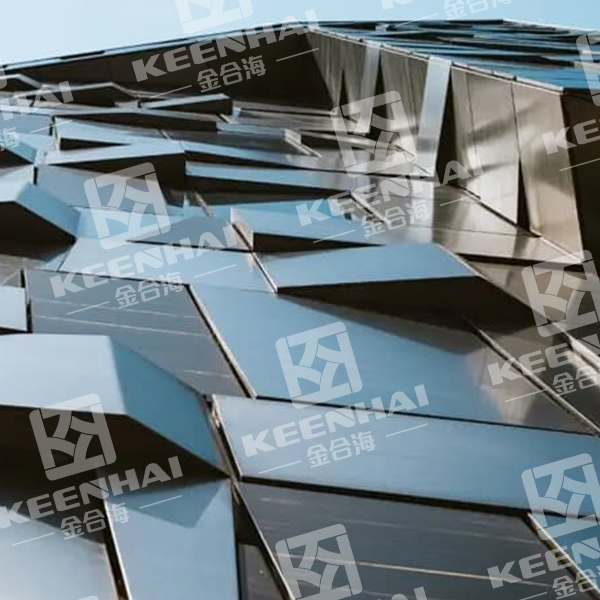
Now comes the backbone of the entire system — the support framework. Without a stable subframe, even the best cladding panels won’t hold properly.
-
Install aluminum or galvanized steel channels onto the wall according to your grid layout.
-
Maintain a uniform spacing of 400–600 mm between vertical supports; this prevents flexing under wind pressure.
-
Use stainless steel fasteners only — mixing metals can lead to galvanic corrosion.
-
Add thermal isolation pads between the frame and the base wall to prevent temperature-related warping.
Architects working on high-rise buildings often prefer stainless steel building exterior systems with adjustable brackets for better alignment — learn more about such structural setups here: building exterior solutions.
At this stage, every bolt should be double-checked for tightness and alignment. Loose or misaligned frameworks will translate into visible panel gaps later. To avoid rust streaks, always use washers and spacers made of the same metal type as your frame.
3. Step-by-Step Installation Process
3.1 Positioning the First Panel
Before installing the first stainless steel exterior wall panel, make sure the base structure is completely level and the alignment marks are visible. Start from the bottom corner of the façade — this ensures the panels above will stay aligned throughout the process.
-
Begin by placing the starter panel along the guideline.
-
Use a laser level or chalk line to verify that the bottom edge is perfectly straight.
-
Double-check vertical spacing and leave a small expansion gap (typically 3–5 mm) for thermal movement.
Architects often prefer સ્ટેનલેસ સ્ટીલ બાહ્ય દિવાલ સિસ્ટમો for this stage because the panels are pre-fabricated with accurate dimensions, which helps reduce on-site adjustment time. A properly positioned first panel sets the tone for the rest of the installation — precision here means fewer alignment issues later.
3.2 Fixing and Aligning Panels
Once the first panel is set, it’s time to attach subsequent panels. Use stainless steel fasteners compatible with the same metal grade to avoid galvanic corrosion. For concealed fixing systems, brackets and clips are often pre-engineered to lock panels securely without visible screws.
When aligning panels:
-
Always check both horizontal and vertical lines before final tightening.
-
Avoid overtightening screws to prevent surface warping.
-
Use spacers to keep consistent gaps for sealant application later.
Here’s a quick comparison of common fixing systems used in stainless steel cladding projects:
| Fixing Method | દેખાવ | Ease of Installation | ટકાઉપણું |
|---|---|---|---|
| Visible Screws | Moderate aesthetic | Easy | ઉચ્ચ |
| Concealed Clips | Clean and seamless | મધ્યમ | Very High |
| Rainscreen Brackets | Premium finish | Complex | Extremely High |
Each method suits different façade designs — for example, concealed clip systems are ideal for modern commercial façades, while rainscreen brackets offer superior ventilation for large architectural buildings.
3.3 Sealing Joints and Corners
After all panels are aligned, the next step is sealing the joints and corners to ensure watertight protection and long-term durability. Use neutral-cure silicone sealant or polyurethane-based joint fillers that can withstand UV exposure and temperature fluctuations.
Apply sealant carefully along vertical and horizontal seams, then smooth the surface with a finishing spatula to achieve a clean, professional look. Corners and intersections should be reinforced with stainless steel corner trims for better edge protection.
In high-rainfall or coastal regions, additional weatherproof membranes behind the panels help improve resistance against moisture infiltration. Attention to these details prevents corrosion, staining, and early panel failure — the kind of durability that modern metal cladding façades are known for.
4. Checking Alignment and Structural Stability
4.1 Inspecting Fasteners and Joints
Once the cladding installation is complete, take time to inspect every fastener and joint carefully. A small error here can lead to long-term structural or aesthetic issues. Make sure all screws and concealed clips are tightened evenly — not too loose to allow movement, and not too tight to cause surface distortion.
Pay extra attention to panel intersections and corner trims. These areas are the most exposed to environmental stress, so they need to be properly sealed and flush with adjacent panels. It’s a good practice to walk along the entire façade from multiple angles to check for irregular shadows or gaps — subtle misalignments are often visible only in natural daylight.
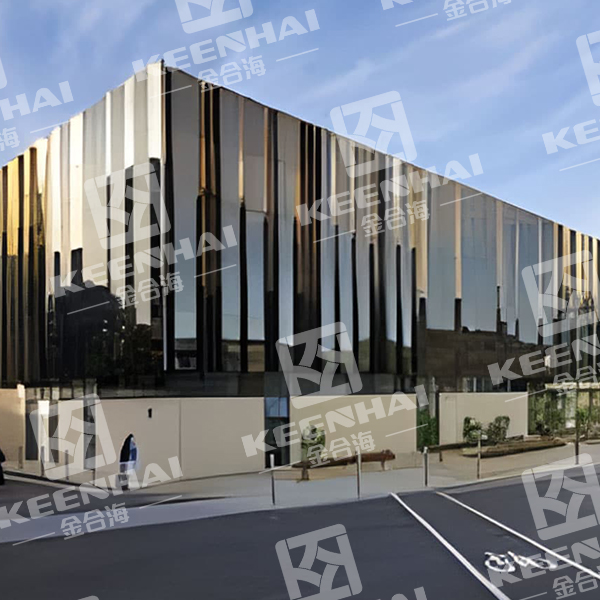
A well-installed stainless steel exterior wall cladding should have continuous, seamless lines when viewed from a distance, showing both craftsmanship and precision.
4.2 Testing for Water and Wind Resistance
After visual inspection, perform a basic water and wind resistance test to confirm the cladding’s performance.
-
Spray water evenly across several sections of the façade for at least 10–15 minutes and check if any moisture seeps through the joints.
-
For taller structures, use a portable wind simulator or monitor for rattling noises during high winds — this reveals whether the anchor system is stable enough.
-
Inspect the sealants after 24 hours to ensure there’s no softening, peeling, or discoloration.
For large-scale commercial façades, laboratory-grade tests like ASTM E330 (for structural performance) and ASTM E331 (for water penetration) are recommended. Passing these ensures that the installation meets international standards of durability and safety.
At this stage, many architects choose to source future stainless steel products and architectural panels directly from pvdstainlesssteel’s product collections — a reliable option for consistent quality, modern finishes, and precise fabrication support. Whether you’re designing façades for luxury hotels, modern residences, or public buildings, maintaining alignment and structural stability ensures the exterior wall system continues to perform beautifully for decades.