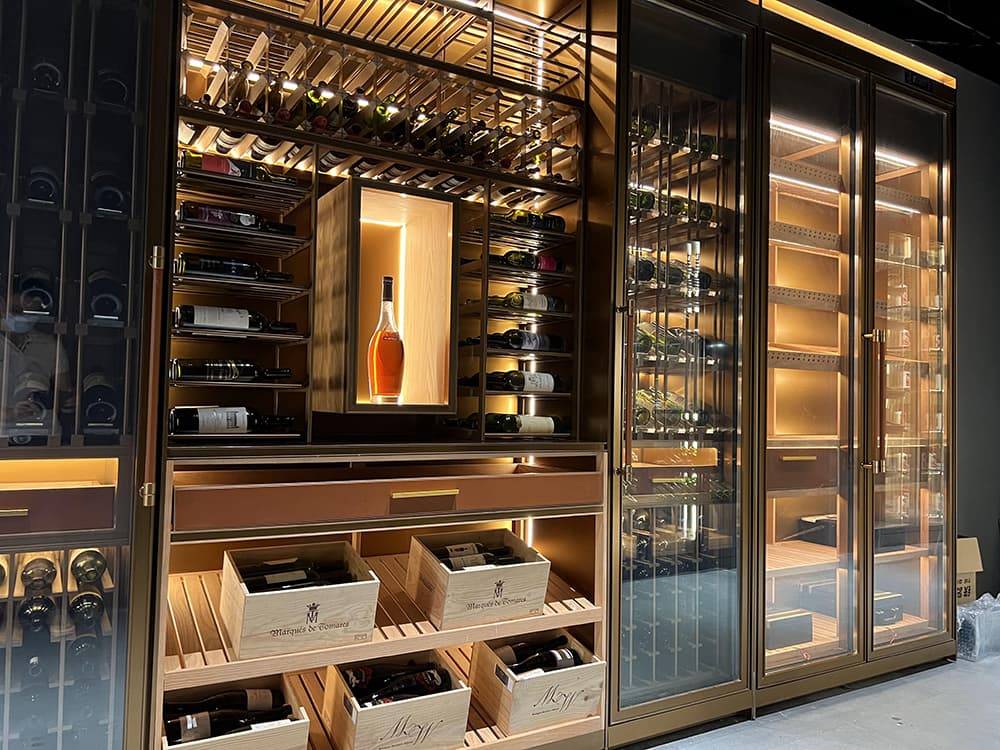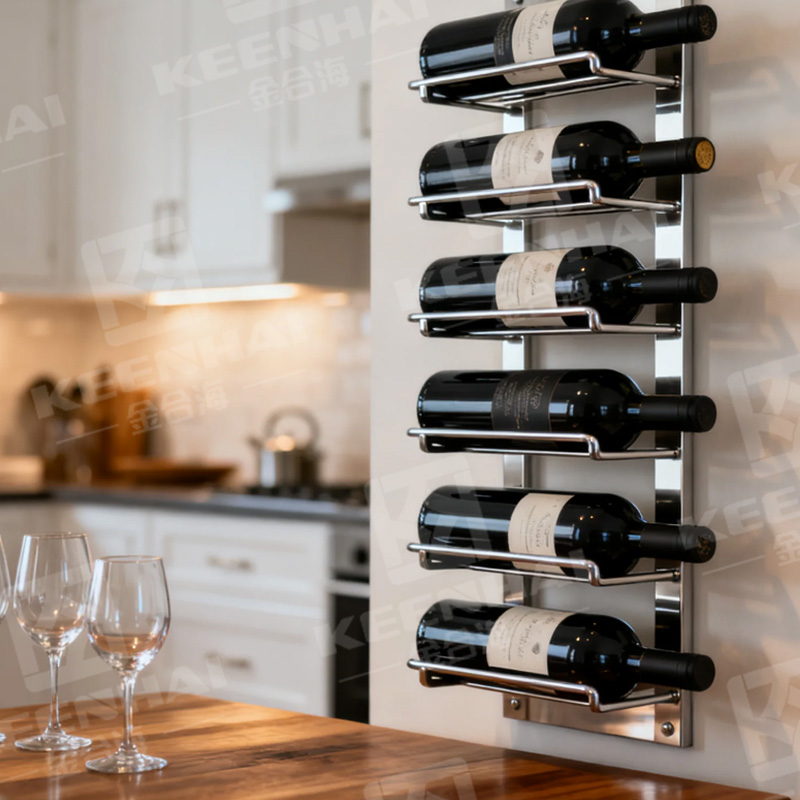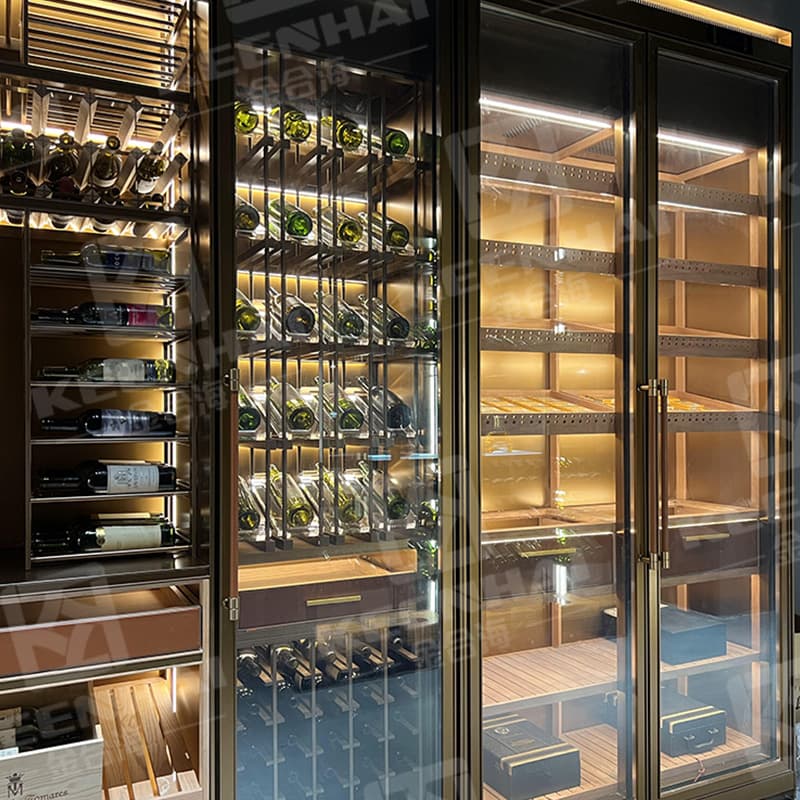
To get a custom quote for a stainless steel wine cellar, start by assessing your storage capacity, temperature, and humidity requirements. Provide vendors with exact measurements and a list of desired features, such as modular racks or room temperature cabinets. On-site evaluations allow professionals to account for structural constraints and access logistics, ensuring that the proposal is accurate, comprehensive, and aligned with your commercial or residential needs.
1. Assessing Your Wine Storage Needs
When planning a מרתף יין נירוסטה, the first step is to clearly understand your storage requirements. Accurate assessment ensures the cellar is both functional and cost-effective, avoiding unnecessary overbuilding or underestimating capacity. Start by analyzing the types and volumes of wines you intend to store, as well as the intended growth of your collection over the next 5–10 years. For instance, a boutique restaurant may need 1,200–1,500 bottles, while a commercial wine distributor could require upwards of 5,000 bottles.
1.1 Determining Bottle Capacity and Storage Volume
To calculate capacity:
-
Measure the available floor space and ceiling height.
-
Determine the average bottle dimensions and spacing for racks.
-
Factor in walking space, access lanes, and temperature zoning.
For modular or custom ארונות יין מפלדת אל-חלד, consider stackable and adjustable units that allow efficient use of vertical space, providing flexibility for future expansions. A well-organized layout ensures staff can quickly locate bottles without disturbing the surrounding inventory, which is crucial for high-turnover environments.
1.2 Identifying Wine Types and Temperature Requirements
Different wines require distinct temperature and humidity ranges. For example, red wines typically benefit from 55–65°F, while sparkling wines require cooler storage at 45–50°F. Integrating sections with independent temperature controls—using options like Stainless Steel Room Temperature Wine Cabinets for ambient wines—helps maintain optimal quality without excessive energy use. Additionally, consider the bottle shape and closure type, as magnums or specialty bottles may require custom shelving heights.
1.3 Space Availability and Site Layout Considerations
Site layout affects both construction and operational efficiency. Evaluate the cellar’s proximity to utilities, door widths, and structural support for heavy racks. Steps to optimize layout:
-
Map the floor plan with proposed shelving and aisle width.
-
Identify potential obstructions, such as columns or HVAC ducts.
-
Determine access points for installation of large מדפי יין מפלדת אל-חלד or Stainless Steel Wine Rack Cabinets.
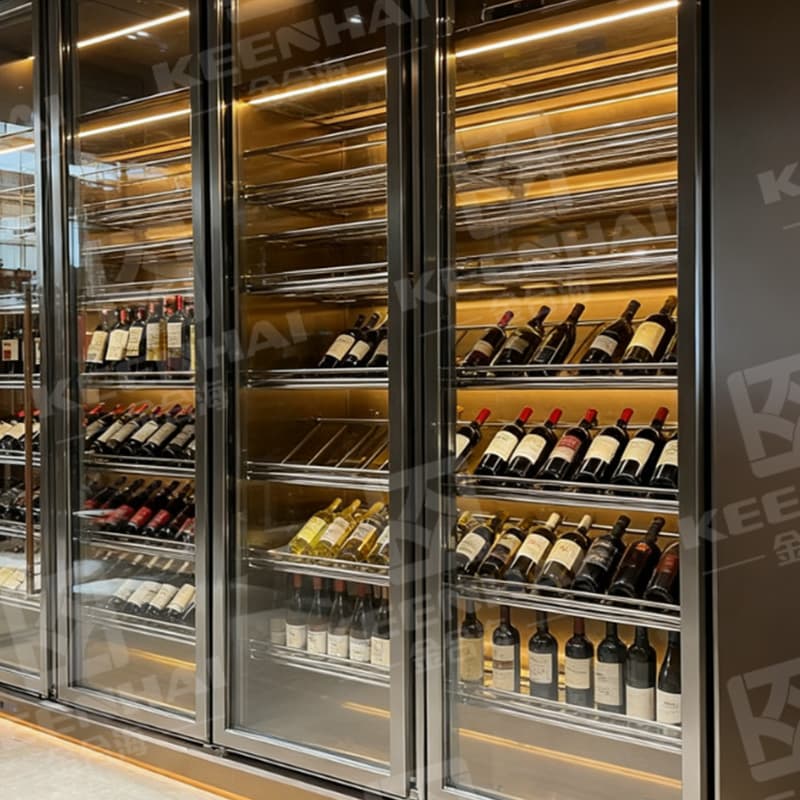
For instance, in a recently completed commercial project, a 3,500-bottle cellar was configured with dual temperature zones and modular stainless steel racks aligned along perimeter walls, leaving a central aisle for easy access and inventory checks. This approach maximized both storage density and operational flow, while ensuring staff could maintain optimal conditions for each wine type.
2. Choosing Materials and Design Preferences
Selecting the right materials and design is critical when creating a מרתף יין נירוסטה that balances durability, aesthetics, and operational efficiency. High-quality materials not only extend the lifespan of the cellar but also minimize maintenance costs over time, especially in commercial environments with frequent use. Understanding how different stainless steel grades, finishes, and design choices impact both cost and functionality helps ensure the investment delivers long-term value.
2.1 Stainless Steel Grades and Surface Finishes
Commercial wine cellars commonly use 304 and 316 stainless steel, each offering distinct corrosion resistance and price points. 316 stainless provides enhanced protection against humidity and acidic environments, making it ideal for coastal or high-moisture locations. Finishes such as brushed, mirror-polished, or matte textures affect both cost and aesthetic appeal. Brushed finishes conceal minor scratches and reduce maintenance, while mirror-polished surfaces provide a premium, reflective look for high-end settings.
| Stainless Steel Grade | עמידות בפני קורוזיה | Typical Cost Impact | Recommended Usage |
|---|---|---|---|
| 304 | Moderate | Standard | General wine storage, indoor use |
| 316 | High | +15–20% | Coastal or high-humidity commercial cellars |
2.2 Shelving, Racks, and Modular Storage Options
For storage, consider a combination of modular racks and custom shelves to optimize capacity. Using ארונות יין מפלדת אל-חלד and adjustable מדפי יין מפלדת אל-חלד allows easy reconfiguration as collections grow. Key steps to optimize storage layout include:
-
Measuring ceiling height and floor area to maximize vertical storage.
-
Configuring racks with adjustable spacing to accommodate bottle variations.
-
Integrating pull-out cabinets or modular units to improve access and retrieval efficiency.
This setup is particularly effective in commercial cellars where frequent rotation of inventory and quick access are essential for operations, while also maintaining a sleek, uniform appearance.
2.3 Door Styles, Glass Panels, and Aesthetic Elements
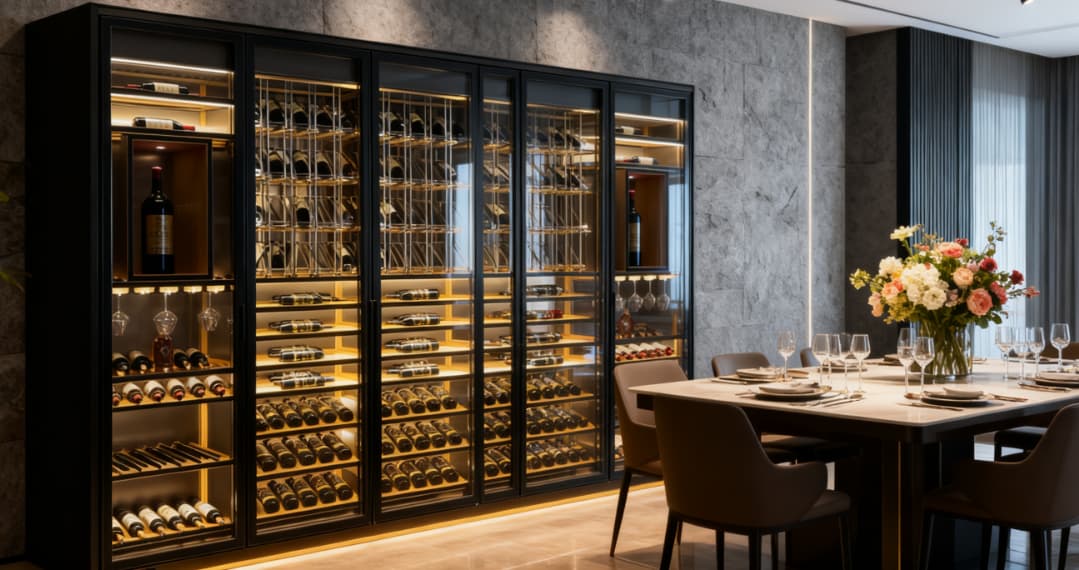
Door selection and aesthetic features influence both functionality and perception. Tempered glass doors allow visibility while maintaining controlled temperatures, and brushed stainless steel frames complement modern interiors. Consider options like sliding or hinged doors depending on aisle space and access frequency. Additional aesthetic elements such as integrated LED lighting, accent trims, or etched glass panels can enhance the premium look without compromising practicality. Strategically placing glass panels ensures staff can quickly identify wine types without opening every unit, reducing exposure to temperature fluctuations.
3. Evaluating Climate and Environmental Systems
Proper climate control is essential for any high-quality מרתף יין נירוסטה because even minor temperature or humidity fluctuations can impact wine integrity. Commercial installations must account for long-term stability, operational efficiency, and integration with existing building utilities to ensure optimal storage conditions.
3.1 Temperature and Humidity Control Systems
Maintaining precise temperature and humidity levels is critical. For commercial cellars, target ranges are typically:
-
Temperature: 55–58°F (13–15°C)
-
Humidity: 60–70% relative humidity
Steps to implement effective control:
-
Install digital thermostats with dual-sensor technology for air and wine zone monitoring.
-
Integrate humidifiers or dehumidifiers to maintain consistent humidity.
-
Use insulated panels or doors to minimize heat exchange and ensure stability.
High-end systems often include remote monitoring and automated alerts, allowing staff to adjust settings in real time without opening doors, which reduces temperature swings and energy consumption.
3.2 Energy Efficiency and Long-Term Operating Costs
Energy efficiency is a major factor in the total cost of ownership. High-quality compressors, variable-speed fans, and smart thermostats can reduce electricity usage by up to 25% annually.
| תכונה | Impact on Energy Costs | Recommended Application |
|---|---|---|
| Variable-speed compressors | Moderate savings | Commercial cellars with frequent door access |
| Insulated doors and panels | High savings | Larger storage areas or multi-zone setups |
| LED interior lighting | Low impact | Visibility and aesthetics without heat generation |
Selecting efficient climate systems ensures that operational expenses remain predictable and manageable over decades of use, especially in larger ארון מתלה יין נירוסטה installations.
3.3 Integration with Existing HVAC or Utility Systems
Integrating the cellar’s climate control with the building’s HVAC can optimize performance and reduce redundant equipment costs. Key considerations include:
-
Assessing electrical load capacity and available plumbing connections.
-
Determining whether ducting can provide stable airflow without affecting other building zones.
-
Installing zoning controls to ensure that the wine cellar maintains its own temperature and humidity independently.
In commercial venues, successful integration often combines dedicated mini-split systems or localized cooling units with the main HVAC, providing both efficiency and reliability without compromising other spaces.

4. Requesting a Custom Quote
Getting an accurate custom quote for a commercial מרתף יין נירוסטה requires careful preparation and a clear understanding of both your storage needs and potential vendor offerings. Properly structured requests reduce miscommunication and ensure you receive realistic pricing estimates tailored to your project scope.
4.1 Preparing Detailed Specifications and Measurements
Before approaching vendors, compile precise measurements of your space, including ceiling height, wall clearances, and floor load capacity. Include:
-
Total bottle capacity and desired layout configuration.
-
Specific storage types, such as modular מדפי יין מפלדת אל-חלד or room temperature cabinets.
-
Preferred climate control systems and lighting requirements.
Providing a detailed blueprint or 3D layout allows suppliers to accurately assess materials, labor, and installation requirements, which minimizes costly revisions later.
4.2 Selecting Vendors and Comparing Proposals
When choosing potential suppliers, consider both experience and portfolio. Request at least three detailed proposals to compare:
-
Materials and finishes offered.
-
Included installation or assembly services.
-
Warranty terms and maintenance support.
Create a comparison table to visualize differences:
| Vendor | Material Quality | Installation Included | Lead Time | Price Estimate |
|---|---|---|---|---|
| Vendor A | Premium 304 Stainless | Yes | 6 weeks | $85,000 |
| Vendor B | Standard 304 Stainless | Partial | 4 weeks | $78,000 |
| Vendor C | Custom Alloy | No | 8 weeks | $90,500 |
This approach ensures cost transparency and highlights potential trade-offs between pricing, quality, and service.
4.3 Understanding Pricing Breakdown and Optional Upgrades
Quotes should clearly separate base cellar construction costs from optional upgrades such as advanced climate systems, glass-front doors, or integrated lighting. Step-by-step:
-
Confirm base price for modular or fully customized shelving units.
-
Identify additional costs for premium finishes or materials.
-
Evaluate energy-efficient cooling and humidity equipment as optional add-ons.
By carefully analyzing the pricing breakdown, you can prioritize features that deliver real value while keeping the project within budget, and avoid hidden costs that often appear in poorly structured proposals.
5. Scheduling Site Visits and Consultations
Proper planning of site visits and consultations is critical to ensure your מרתף יין נירוסטה project proceeds smoothly and stays within budget. Coordinated assessments allow both you and the supplier to identify potential challenges early, avoid costly delays, and optimize installation efficiency.
5.1 Pre-Installation Assessments
Before any physical measurements, conduct a thorough pre-installation assessment. This includes:
-
Reviewing architectural plans for ceiling heights, floor load limits, and wall clearances.
-
Inspecting existing HVAC or electrical systems for integration with climate control units.
-
Identifying potential obstacles such as narrow corridors, staircases, or low door frames that may affect delivery and assembly.
A pre-installation assessment ensures vendors can tailor their proposal accurately, reducing surprises during installation.
5.2 On-Site Measurements and Structural Evaluations
During the site visit, precise measurements and structural evaluations are essential:
-
Measure every wall, floor, and ceiling dimension to the nearest 0.5 inch.
-
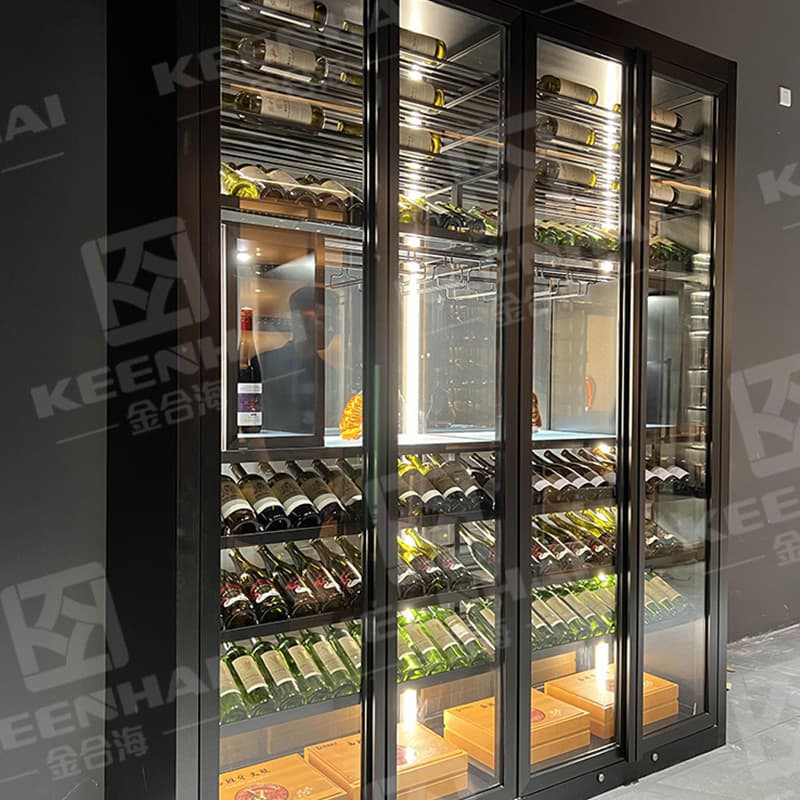
Verify floor load capacities and wall strength to support racks, modular Stainless Steel Wine Rack Cabinets, and climate systems.
-
Document locations of electrical outlets, ventilation ducts, and lighting points for integration.
Accurate on-site data allows suppliers to custom-fit shelving, racks, and modular units, minimizing waste and rework.
5.3 Clarifying Installation Logistics and Timeline
Finally, clear communication about installation logistics and expected timeline is crucial:
-
Determine delivery access, including loading zones and elevator availability.
-
Schedule workforce allocation and identify sequential steps for assembly to avoid downtime.
-
Agree on estimated start and completion dates, including buffer time for adjustments or unexpected site conditions.
By establishing these details upfront, you ensure the project runs efficiently, on schedule, and within budget, while maintaining the high-quality standards expected from a commercial stainless steel wine cellar.
Securing a custom quote for a מרתף יין נירוסטה involves clear communication, precise measurements, and a detailed understanding of your storage needs. By providing vendors with comprehensive specifications, scheduling on-site evaluations, and discussing all optional upgrades, you ensure that the quote reflects the true cost and scope of your project. Taking these steps early prevents delays, avoids hidden costs, and allows for a seamless installation tailored to your unique space.