1. What Is Inox and What Is Stainless Steel?
Inox and stainless steel describe the same category of corrosion-resistant steel alloys, yet they operate very differently in real projects. The distinction has less to do with chemistry and more to do with how people communicate material intent across design, procurement, and fabrication.
In real projects, teams rarely argue over the material itself; they argue over how it was named in drawings, quotes, or purchase orders. That is why understanding the term “Inox” versus “stainless steel” helps reduce sourcing mistakes before they become costly revisions.
At a technical level, both terms refer to steel alloys containing sufficient chromium to form a passive corrosion-resistant layer. What changes is the clarity of expectation—especially when multiple parties across countries and standards systems collaborate on the same project.
1.1 How “Inox” Is Defined in Global Markets
“Inox” originates from the French tahan karat and functions primarily as a commercial and architectural term. In European-led projects or international tenders, “Inox” often signals corrosion resistance and visual finish, rather than a specific grade.
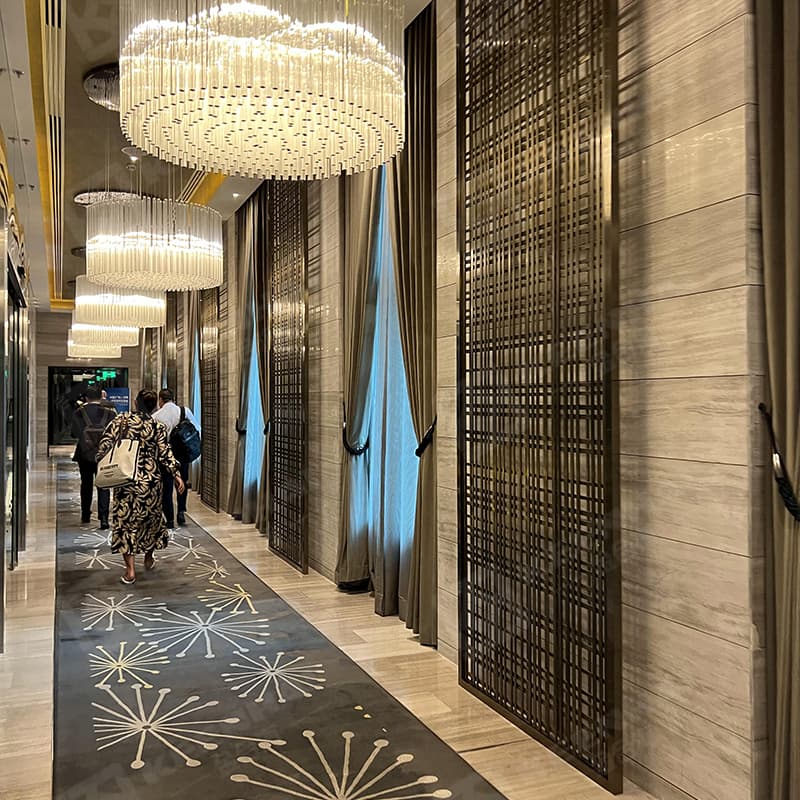
For example, an architect specifying brushed Inox panels for a hotel lobby usually communicates appearance and durability, not metallurgy. Fabricators and suppliers understand the intent, but engineers still need to translate that intent into precise material data before production begins.
From a procurement perspective, “Inox” works well at concept and design stages, especially in cross-border communication. However, relying on the term alone becomes risky once pricing, tolerances, and fabrication methods enter the discussion.
1.2 What “Stainless Steel” Means in Technical Specifications
“Stainless steel” represents the formal, standards-based terminology used in engineering documents, inspection criteria, and manufacturing workflows. It directly connects to ASTM, AISI, or EN grades, which removes ambiguity when precision matters.
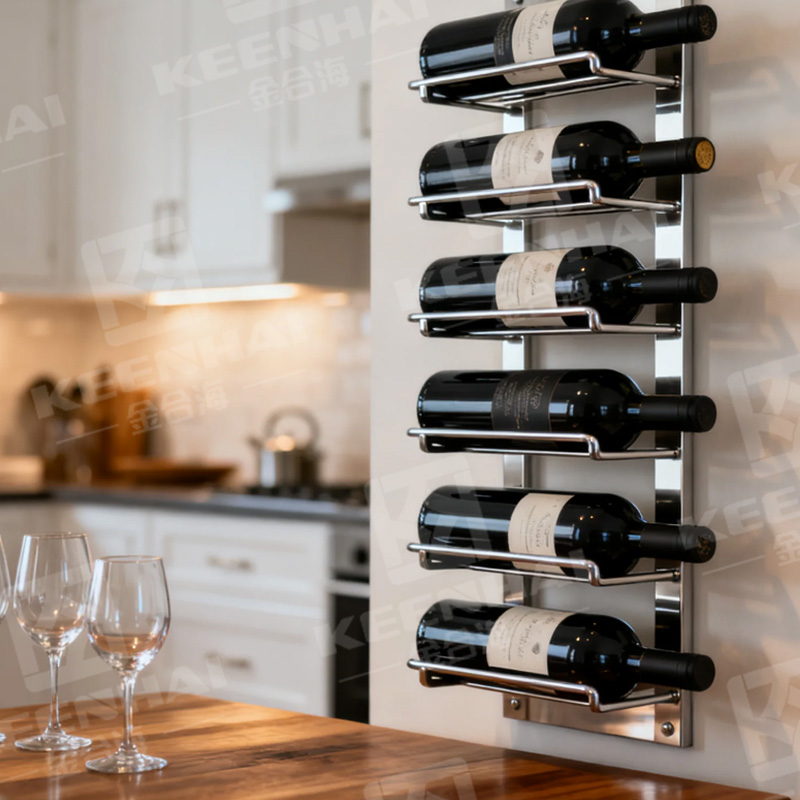
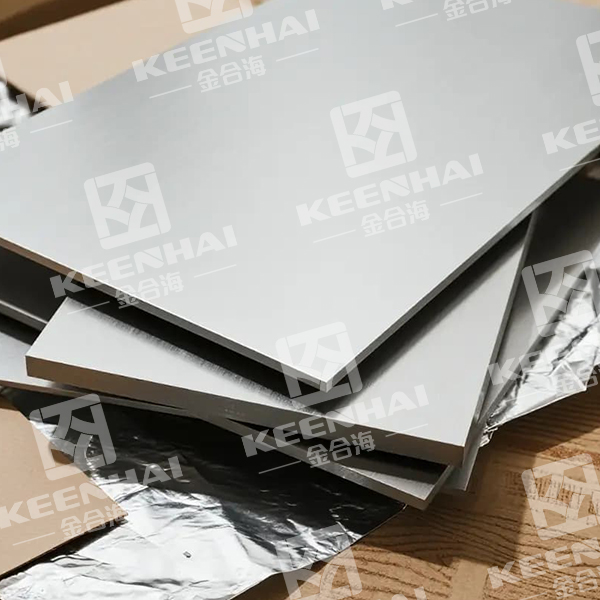
In fabrication-heavy scenarios—such as laser-cut façade panels, elevator interiors, or equipment enclosures—engineers specify architectural stainless steel sheet materials because thickness control, flatness, and surface finish affect downstream processes. In these cases, referencing a clearly defined stainless steel sheet ensures everyone aligns on grade, tolerance, and finish expectations.
1.3 Inox vs Stainless Steel: Practical Differences in Usage
The difference between Inox and stainless steel lies in how the terms function in communication, not in material performance. The comparison below reflects real procurement and engineering workflows.
| Aspek | Inox | Baja tahan karat |
|---|---|---|
| Core meaning | Corrosion-resistant steel | Corrosion-resistant steel |
| Primary role | Conceptual / commercial | Technical / specification-driven |
| Common use stage | Design intent, early quotes | RFQs, drawings, fabrication |
| Risk if used alone | Grade ambiguity | Low when grade is stated |
In international projects, teams often start with “Inox” and finalize with “stainless steel + grade.” This mirrors how projects move from visual intent to manufacturable reality.
A façade contractor may approve “Inox finish required” during design review, but before issuing a purchase order, the same requirement becomes 304 or 316 stainless steel sheet with a defined surface finish. The material does not change—the risk profile does.

2. Inox vs Stainless Steel: Are They Actually Different Materials?
When evaluating Inox vs Stainless Steel, it’s crucial to distinguish between terminology and material reality. While the terms are often used interchangeably, they carry subtle implications in documentation, procurement, and fabrication workflows. Inox is generally a commercial label, whereas stainless steel refers to a formally standardized material grade, recognized by ASTM, AISI, and EN standards. In practice, engineers rarely encounter any performance difference if the chemical composition and surface finish match; the challenge lies in how project teams interpret specifications and communicate requirements across multiple stakeholders.
2.1 Terminology Differences vs Material Reality
The term “Inox” originated from the French tahan karat, emphasizing corrosion resistance rather than specifying a precise grade. In contrast, stainless steel refers explicitly to a material defined by its chromium, nickel, and other alloying elements. Procurement and fabrication teams often need to reconcile these terms, especially in international projects where drawings and RFQs may use either term. For example, specifying “Inox panels” in a European export tender signals intended durability and finish, but the fabricator must confirm the exact grade, thickness, and tolerance. Engineers and purchasing managers generally understand which grades meet performance expectations, reducing ambiguity and minimizing costly revisions during production.
2.2 When Inox and Stainless Steel Refer to the Same Grades
In many applications, Inox and stainless steel can point to the same grade, such as 304 or 316. These are widely used in architectural panels, kitchen equipment, and chemical-resistant surfaces. For instance, specifying 304 stainless steel sheet ensures a predictable corrosion resistance, mechanical strength, and fabrication quality. This equivalence allows designers and procurement teams to align visual intent with technical requirements. In practical terms, the difference is rarely in metallurgy; it exists in documentation and communication conventions. Confirming the intended grade and finish in RFQs or PO documents ensures that Inox references do not introduce errors.
3. Performance Comparison: Inox vs Stainless Steel in Real Projects
When evaluating Inox vs Stainless Steel for actual projects, performance metrics such as corrosion resistance, mechanical strength, and fabrication quality become the primary decision factors. While terminology differs, the real-world performance often depends on grade selection, surface finish, and maintenance conditions. Architects, contractors, and engineers often rely on these parameters to ensure that the materials not only meet design intent but also deliver predictable long-term performance. Understanding the nuanced differences in how these materials behave under various environments is key to avoiding costly replacements or repairs.
3.1 Corrosion Resistance in Indoor and Outdoor Use
Corrosion resistance is one of the defining characteristics of stainless steel alloys, and Inox shares these protective properties. The chromium content forms a passive oxide layer, preventing rust and staining. In indoor environments, 304 stainless steel sheet performs exceptionally well in humid areas like kitchens, bathrooms, and indoor façades, while 316 or marine-grade variants withstand harsh outdoor environments such as coastal cladding or rooftop installations.
Real project workflow often follows these steps to ensure corrosion longevity:
-
Select the correct grade based on exposure conditions.
-
Verify finish quality—brushed, mirror, or matte surfaces influence corrosion perception.
-
Apply proper cleaning and maintenance periodically to prevent chloride build-up or surface staining.
Suppliers experienced in commercial architectural applications may reference materials like stainless steel sheet to guide engineers in grade selection, ensuring consistent corrosion resistance across all fabricated components.
3.2 Strength, Durability, and Long-Term Stability
Mechanical strength and durability distinguish how materials perform under load, vibration, or structural stress. Both Inox and stainless steel in equivalent grades deliver high tensile strength and long-term stability. For example, 304 and 316 grades offer tensile strengths around 505–515 MPa and yield strengths near 215–220 MPa, supporting structural panels, railings, and support brackets without significant deformation.
To maximize durability in real projects:
-
Ensure proper material thickness for intended load.
-
Check fabrication tolerances during cutting, bending, and welding.
-
Confirm weld integrity to prevent stress concentration points.
Architectural projects such as façades, staircases, and canopies often rely on stainless steel products from reliable suppliers, where precision and consistent mechanical performance reduce on-site installation errors and ensure long-term structural stability.
3.3 Surface Finish, Appearance, and Fabrication Results
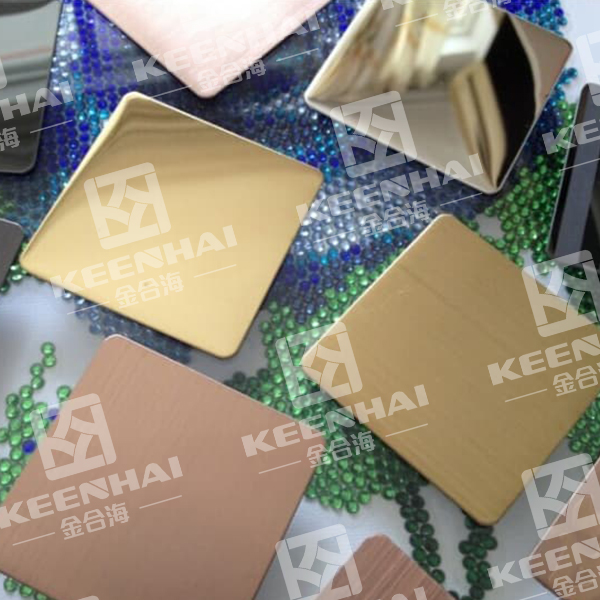
Surface finish and appearance are often the first criteria noticed in aesthetic applications. Inox panels and stainless steel components come in polished, brushed, or textured finishes, which influence both visual appeal and fabrication ease. A mirror finish, for instance, may show fingerprints or scratches, while a brushed finish resists minor abrasions and complements modern architectural styles.
Fabrication workflow typically follows these steps:
-
Cutting and shaping using CNC or laser systems for precision.
-
Deburring and edge finishing to prevent rough edges.
-
Surface treatment or passivation to enhance corrosion resistance and visual uniformity.
High-traffic installations or exterior cladding often utilize metal stainless steel sheet for its consistent finish and fabrication reliability, ensuring the final installation aligns with both design intent and performance expectations. Proper selection of surface treatment directly affects durability, maintenance requirements, and overall project satisfaction.
4. Cost and Supply Factors That Influence Material Choice
When selecting between Inox vs Stainless Steel, cost and supply dynamics are often as decisive as material performance. Project managers, procurement teams, and engineers must consider international pricing fluctuations, lead times, and availability of specific grades and finishes. Even if the materials are technically equivalent, the choice of terminology can influence quotes, specifications, and purchase orders, affecting overall project cost and scheduling. Understanding these commercial factors ensures realistic budgeting and prevents delays caused by miscommunication or sourcing errors.
4.1 Pricing Differences in International Trade
Pricing for Inox and stainless steel varies based on grade, thickness, surface finish, and regional market conditions. For example, 316L stainless steel commands a premium over 304 due to higher nickel content, especially in coastal markets requiring superior corrosion resistance. International procurement often involves these steps:
-
Obtain multiple supplier quotes to benchmark price per kilogram or square meter.
-
Include freight, customs, and duties to understand landed costs.
-
Adjust for finishing and fabrication complexity, as brushed or mirror finishes add cost.
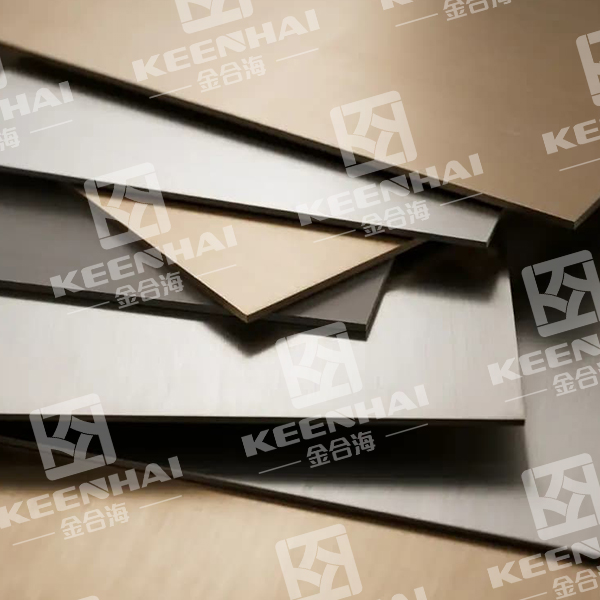
In high-volume architectural projects, referencing stainless steel sheet from trusted suppliers ensures both consistent pricing and compliance with standards, minimizing risk in international trade negotiations. Using correct terminology in RFQs helps vendors provide accurate cost projections, avoiding budget surprises.
4.2 Availability, Standards, and Lead Time Considerations
Material availability directly affects project timelines. Popular grades like 304 and 316 are widely stocked, whereas niche Inox alloys or specialty finishes may require longer lead times. Standards compliance also matters: ASTM, EN, or JIS grades dictate acceptable tolerances, mechanical properties, and surface finish, impacting fabrication efficiency.
A practical sourcing workflow includes:
-
Verify regional stock levels with multiple distributors.
-
Check compliance certificates to ensure the material matches specifications.
-
Schedule delivery in advance, considering fabrication and on-site installation timelines.
For example, ordering metal stainless steel sheet for façade panels in Europe or Asia often requires coordinating fabrication slots with supplier delivery, ensuring that quality and lead time align with project milestones. Selecting widely recognized standards reduces delays and supports smoother project execution.
4.3 How Naming Impacts Quotes, Specs, and Orders
A typical process to mitigate naming confusion includes:
-
Document the intended grade and surface finish in all RFQs.
-
Cross-reference supplier terminology to ensure “Inox” maps to the expected standard.
-
Confirm quantities, thickness, and fabrication requirements before finalizing the PO.
In real-world projects, especially international ones, teams often start with Inox for conceptual clarity, then lock in precise stainless steel sheet grades to protect budget, quality, and timeline. This approach reduces miscommunication and keeps procurement risk low while ensuring material meets functional and aesthetic requirements.
5. Choosing the Right Material Based on Your Project Requirements
Selecting between Inox vs Stainless Steel ultimately depends on the specific project requirements, balancing performance, aesthetics, and commercial considerations. While the materials share similar chemical and mechanical properties, the decision often comes down to fabrication needs, environmental exposure, and end-use expectations. Making the right choice early reduces risk, avoids rework, and ensures the delivered components meet both technical and visual standards. Understanding how each material behaves in different contexts empowers engineers, architects, and procurement teams to align design intent with practical execution.
5.1 Best Choice for Custom Fabrication and Engineering Projects
For projects requiring precision engineering and custom fabrication, stainless steel in clearly specified grades is usually the preferred choice. It provides predictable mechanical properties, consistent thickness, and proven weldability. Typical applications include:
-
Custom enclosures, machinery panels, and structural supports requiring exact tolerances.
-
Laser-cut and CNC-bent components, where even minor material variations can affect assembly.
-
High-stress environments demanding uniform yield and tensile strength.
Using stainless steel sheet from reliable suppliers ensures that engineers receive material that meets specification and fabrication standards. Inox references are useful at conceptual stages, but confirming the exact grade and finish is critical for reducing scrap and avoiding production delays.
5.2 Best Choice for Architectural and Decorative Applications
For façades, interior panels, or decorative metalwork, Inox or polished stainless steel often fulfills both aesthetic and functional requirements. Brushed, mirror, or patterned finishes create visually appealing surfaces while providing corrosion resistance suitable for indoor or semi-outdoor environments. The selection process typically follows:
-
Determine exposure conditions—humidity, UV, and potential chemical contact.
-
Select appropriate grade (304 for indoor, 316 for coastal or humid climates).
-
Verify surface treatment and finish quality to ensure long-term appearance.
Suppliers specializing in metal stainless steel sheet can advise on achievable finishes and fabrication limitations, ensuring the delivered panels maintain design intent without compromising durability.
5.3 Best Choice for Industrial and Commercial Use
Industrial and commercial projects prioritize durability, corrosion resistance, and cost-effectiveness. Applications include commercial kitchens, chemical-processing equipment, structural panels, and heavy-use railings. To optimize performance:
-
Choose grades resistant to corrosion and wear based on chemical exposure or cleaning routines.
-
Confirm thickness and tolerance specifications to handle mechanical loads and repetitive use.
-
Coordinate with suppliers to ensure delivery aligns with production and installation schedules.
In these contexts, stainless steel products from reputable suppliers like pvdstainlesssteel ensure predictable mechanical properties and consistent finishes. Using precise terminology and confirmed grades reduces procurement errors and guarantees that industrial installations meet safety, functional, and longevity expectations.