Nginstal cladding tembok njaba stainless steel diwiwiti kanthi permukaan sing resik lan rata. Ukur tata letak sampeyan, banjur ndandani panel pisanan kanthi akurat kanggo nyetel keselarasan. Gunakake fasteners stainless lan segel saben joints kanggo waterproofing. Proses iki menehi bangunan sing ramping lan tahan lama sing tahan karo cuaca lan wektu - becik kanggo fasad komersial lan omah.
1. Alat lan Bahan sing Dibutuhake
Sadurunge miwiti instalasi, duwe right tools and materials bisa nggawe utawa ngrusak proyek sampeyan. Persiyapan sing disiapake kanthi apik njamin keselarasan sing tepat, pengikat sing ketat, lan daya tahan jangka panjang cladding tembok stainless steel kanggo bangunan. Akeh arsitek luwih seneng nggunakake sistem tembok njaba stainless steel because they deliver exceptional weather resistance and maintain a sleek, polished appearance even in coastal or high-humidity environments.
1.1 Piranti Penting kanggo Cut lan Fastening
Installing stainless steel wall cladding isn’t something you can do with random tools. You’ll need equipment designed to handle metal precisely without warping or scratching its surface.
-
Alat nglereni logam - Gunakake an angle grinder with a stainless steel cutting disc kanggo resik, pinggiran tanpa burr. Aja nggunakake lading standar; padha bisa overheat lan discolor logam.
-
Cordless drill and rivet gun – These are key for attaching panels to the support framework efficiently. Choose variable-speed models to maintain control during fastening.
-
Tingkat laser lan garis kapur – For perfect panel alignment and layout markings, a laser level ensures every panel stays straight even over long spans.
-
Piranti protèktif – Gloves, safety goggles, and steel-toe boots are essential. Stainless steel edges are sharp, and a single slip can cause injury.
-
Measuring tools - Tansah nggunakake ukuran tape baja tinimbang kain. Precision mudhun kanggo millimeter prakara nalika nglereni panel kanggo ukuran.
Punika comparison prasaja saka alat nglereni lan fastening dianjurake kanggo cladding baja tahan karat panginstalan:
| Jinis piranti | Tuladha Kelas Profesional | Biaya Rata-rata (USD) | Purpose |
|---|---|---|---|
| Metal Cutting Grinder | Makita GA7021 (2000W) | $180–$220 | Nglereni panel stainless kanthi resik |
| Rivet Gun | Alat Keling Tanpa Kabel Milwaukee M12 | $250–$300 | Panel fastening kanggo subframe |
| Tingkat Laser | Bosch GLL3-330CG | $400–$450 | Njamin level lan keselarasan |
| Drill Driver | DeWalt 20V XR | $150–$200 | Pre-pengeboran bolongan lan ngawut-awut |
Iki minangka alat sing dipercaya para profesional kanggo instalasi sing akurat lan efisien sajrone pirang-pirang dekade. Piranti sing murah bakal alon-alon sampeyan lan nyebabake pinggiran sing ora rata - sing bisa kompromi loro-lorone keselarasan visual lan stabilitas panel.
1.2 Rekomendasi Sealant lan Aksesoris Fixing
Instalasi sing padhet ora mung gumantung ing pemotongan lan pengikat nanging uga cara sampeyan nutup lan ndhukung panel. Infiltrasi Kelembapan bisa ngrusak malah kelongsong kelas dhuwur yen sampeyan ngliwati langkah iki.
-
Sealant silikon kinerja dhuwur - Pilih silikon netral-cure sing kompatibel karo substrat logam. Sealant asam bisa nyebabake karat sajrone wektu.
-
Mesin cuci EPDM lan sekrup stainless steel - Iki nyegah reaksi galvanik ing antarane logam sing beda, ndawakake umur struktur.
-
Papan insulasi backing - Kanggo regulasi termal, gunakake wol mineral utawa panel busa kaku. Padha nyuda kondensasi ing mburi fasad logam.
-
Bahan subframe - Subframes aluminium utawa baja galvanis biasane digunakake. Aluminium luwih entheng lan tahan karat, dene baja galvanis luwih murah lan kuwat kanggo fasad dhuwur.
Ing sawetara proyèk komersial modern, tukang nggunakake a stainless steel cladding fasad sistem sing nggabungake kurung presisi-pas lan istirahat termal. Pendekatan iki ora mung ngirit jam kerja nanging uga nambah kinerja termal - sampeyan bisa njelajah luwih akeh babagan sistem kasebut kaca solusi fasad kita.
1.3 Milih Panel Cladding Tengen
Ora kabeh panel stainless steel digawe padha. Sampeyan kudu ngevaluasi tingkat, rampung, lan kekandelan adhedhasar jinis proyek sampeyan - apa iku bangunan dhuwur, komplek ritel, utawa njaba omah.
-
Kelas 304 lawan 316 – Grade 316 nawakake resistance karat sing luwih apik lan dianjurake kanggo wilayah pesisir utawa wilayah karo polusi dhuwur.
-
Rampung lumahing - Rampung sing disikat nyuda silau lan sidik jari, dene rasukan pangilon nambah tampilan modern lan dhuwur.
-
Ketebalan panel – Umume cladding njaba nggunakake panel antarane 1.0-1.5 mm nglukis. Panel sing luwih kandel nambah kaku lan nyuda geter nalika angin gedhe.
| Panel Type | Ketebalan umum | Best Gunakake Case | Pilihan Rampung |
|---|---|---|---|
| Baja tahan karat grade 304 | 1,0 mm | Bangunan standar, lingkungan garing | Disikat / Matte |
| Baja tahan karat grade 316 | 1.2–1.5 mm | Wilayah pesisir utawa lembab | Cermin / Satin |
| Panel Dilapisi PVD | 1.0–1.2 mm | Fasad dekoratif, eksterior mewah | Perunggu / Emas / Ireng |
Ing conto nyata, menara komersial ing Singapura lan Dubai wis diadopsi Panel baja tahan karat sing dilapisi PVD kanggo sing njaba bangunan, Balancing estetika kemewahan karo minimal upkeep. Pasinaon kasus iki mbuktekake carane milih bahan lan alat instalasi sing tepat ing ngarep ndadékaké asil pangopènan sing nggumunke.
2. Nyiapake lumahing tembok
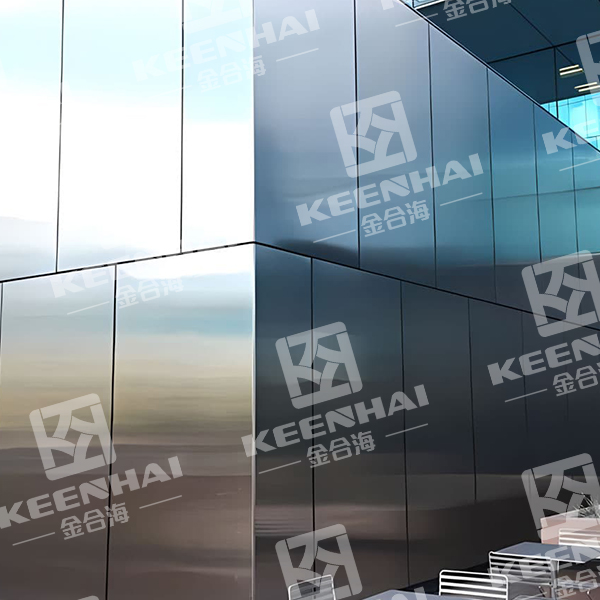
Sadurunge miwiti masang panel, nyiapake lumahing tembok yaiku apa sing nemtokake apa tembok njaba stainless steel bakal tahan puluhan taun utawa wiwit nuduhake masalah ing setahun. Dasar sing resik, tingkat, lan didhukung kanthi apik njamin keselarasan sing sampurna lan nyegah korosi utawa warping mengko.
2.2 Ngukur lan Tandha Layout
Precision prakara. Sadurunge ngebor bolongan siji, njupuk pangukuran sing tepat saka kabeh fasad lan tandhani garis vertikal lan horisontal. Tansah miwiti saka tengah tembok lan kerja metu - iki njamin simetri, utamane ing fasad arsitektur.
Mangkene proses sing disaranake:
-
Gunakake a tingkat laser kanggo nggawe garis alignment lurus.
-
Tandhani ing garis referensi ndhuwur lan ngisor kanggo panel pisanan.
-
Priksa maneh yen bukaan kanggo jendhela, ventilasi, utawa papan tandha dipasang kanthi bener ing kothak.
Aturan kasebut prasaja: ngukur kaping pindho, ndandani sapisan. Panel misaligned meh mokal kanggo ndandani sawise fastening. Kanggo fasad mlengkung utawa wangun kompleks, milih kanggo kurung luwes utawa sistem trek fleksibel, sing asring digunakake ing fasad baja tahan karat logam proyek - deleng opsi desain ing kene: fasad cladding logam.
| Langkah Pengukuran | Alat sing disaranake | Tingkat Akurasi | Notes |
|---|---|---|---|
| Alignment Horizontal & Vertikal | Tingkat Laser | ± 1 mm/m | Njamin baris panel lurus |
| Tata letak pinggiran | Garis Kapur | ± 3 mm | Becik kanggo fasad gedhe |
| Sudut Priksa | Busur derajat digital | ± 0,1° | Kanggo sudhut lan lereng |
2.3 Nginstal Framework Dhukungan
Saiki dadi tulang punggung kabeh sistem - kerangka dhukungan. Without a stable subframe, even the best cladding panels won’t hold properly.
-
Install aluminum or galvanized steel channels onto the wall according to your grid layout.
-
Maintain a uniform spacing of 400–600 mm between vertical supports; this prevents flexing under wind pressure.
-
Use stainless steel fasteners only — mixing metals can lead to galvanic corrosion.
-
Add thermal isolation pads between the frame and the base wall to prevent temperature-related warping.
Architects working on high-rise buildings often prefer stainless steel building exterior systems with adjustable brackets for better alignment — learn more about such structural setups here: building exterior solutions.
At this stage, every bolt should be double-checked for tightness and alignment. Loose or misaligned frameworks will translate into visible panel gaps later. To avoid rust streaks, always use washers and spacers made of the same metal type as your frame.
3. Step-by-Step Installation Process
3.1 Positioning the First Panel
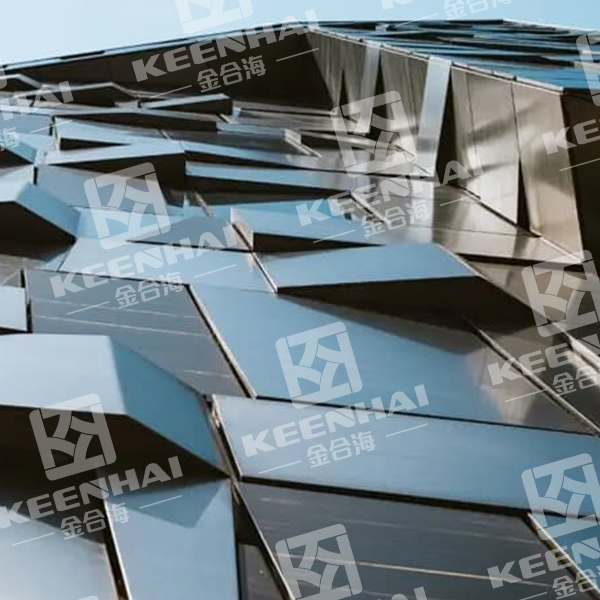
Before installing the first stainless steel exterior wall panel, make sure the base structure is completely level and the alignment marks are visible. Start from the bottom corner of the façade — this ensures the panels above will stay aligned throughout the process.
-
Begin by placing the starter panel along the guideline.
-
Use a laser level or chalk line to verify that the bottom edge is perfectly straight.
-
Double-check vertical spacing and leave a small expansion gap (typically 3–5 mm) for thermal movement.
Architects often prefer sistem tembok njaba stainless steel for this stage because the panels are pre-fabricated with accurate dimensions, which helps reduce on-site adjustment time. A properly positioned first panel sets the tone for the rest of the installation — precision here means fewer alignment issues later.
3.2 Fixing and Aligning Panels
Once the first panel is set, it’s time to attach subsequent panels. Use stainless steel fasteners compatible with the same metal grade to avoid galvanic corrosion. For concealed fixing systems, brackets and clips are often pre-engineered to lock panels securely without visible screws.
When aligning panels:
-
Always check both horizontal and vertical lines before final tightening.
-
Avoid overtightening screws to prevent surface warping.
-
Use spacers to keep consistent gaps for sealant application later.
Here’s a quick comparison of common fixing systems used in stainless steel cladding projects:
| Fixing Method | Appearance | Ease of Installation | Daya tahan |
|---|---|---|---|
| Visible Screws | Moderate aesthetic | Easy | dhuwur |
| Concealed Clips | Clean and seamless | Sedheng | Very High |
| Rainscreen Brackets | Premium finish | Complex | Extremely High |
Each method suits different façade designs — for example, concealed clip systems are ideal for modern commercial façades, while rainscreen brackets offer superior ventilation for large architectural buildings.
3.3 Sealing Joints and Corners
After all panels are aligned, the next step is sealing the joints and corners to ensure watertight protection and long-term durability. Use neutral-cure silicone sealant or polyurethane-based joint fillers that can withstand UV exposure and temperature fluctuations.
Apply sealant carefully along vertical and horizontal seams, then smooth the surface with a finishing spatula to achieve a clean, professional look. Corners and intersections should be reinforced with stainless steel corner trims for better edge protection.
In high-rainfall or coastal regions, additional weatherproof membranes behind the panels help improve resistance against moisture infiltration. Attention to these details prevents corrosion, staining, and early panel failure — the kind of durability that modern metal cladding façades are known for.
4. Checking Alignment and Structural Stability
4.1 Inspecting Fasteners and Joints
Once the cladding installation is complete, take time to inspect every fastener and joint carefully. A small error here can lead to long-term structural or aesthetic issues. Make sure all screws and concealed clips are tightened evenly — not too loose to allow movement, and not too tight to cause surface distortion.
Pay extra attention to panel intersections and corner trims. These areas are the most exposed to environmental stress, so they need to be properly sealed and flush with adjacent panels. It’s a good practice to walk along the entire façade from multiple angles to check for irregular shadows or gaps — subtle misalignments are often visible only in natural daylight.
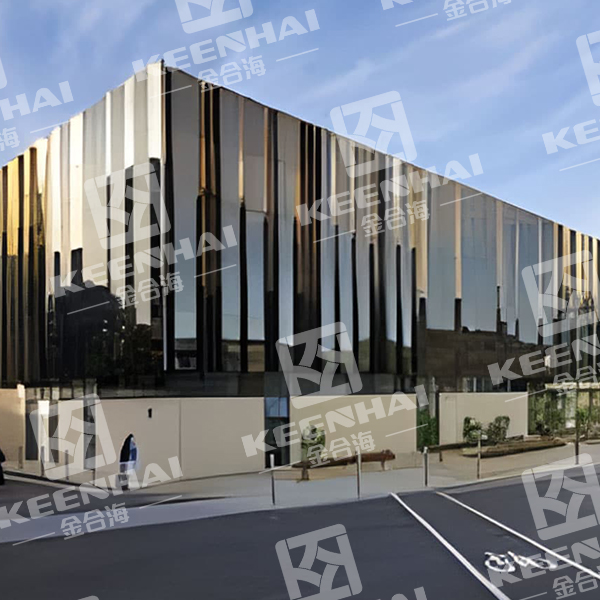
A well-installed stainless steel exterior wall cladding should have continuous, seamless lines when viewed from a distance, showing both craftsmanship and precision.
4.2 Testing for Water and Wind Resistance
After visual inspection, perform a basic water and wind resistance test to confirm the cladding’s performance.
-
Spray water evenly across several sections of the façade for at least 10–15 minutes and check if any moisture seeps through the joints.
-
For taller structures, use a portable wind simulator or monitor for rattling noises during high winds — this reveals whether the anchor system is stable enough.
-
Inspect the sealants after 24 hours to ensure there’s no softening, peeling, or discoloration.
For large-scale commercial façades, laboratory-grade tests like ASTM E330 (for structural performance) and ASTM E331 (for water penetration) are recommended. Passing these ensures that the installation meets international standards of durability and safety.
At this stage, many architects choose to source future stainless steel products and architectural panels directly from pvdstainlesssteel’s product collections — a reliable option for consistent quality, modern finishes, and precise fabrication support. Whether you’re designing façades for luxury hotels, modern residences, or public buildings, maintaining alignment and structural stability ensures the exterior wall system continues to perform beautifully for decades.