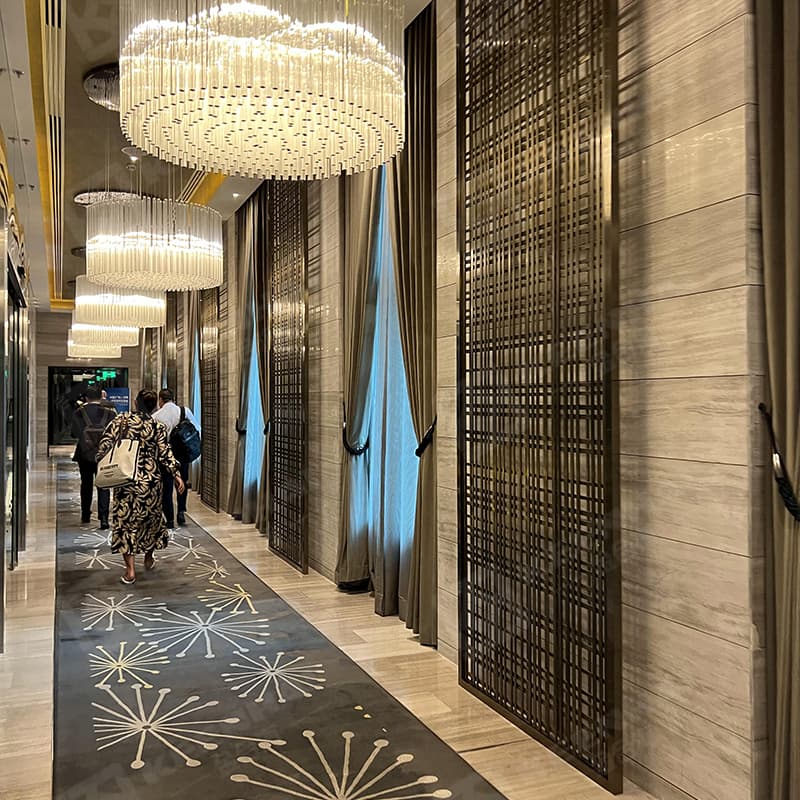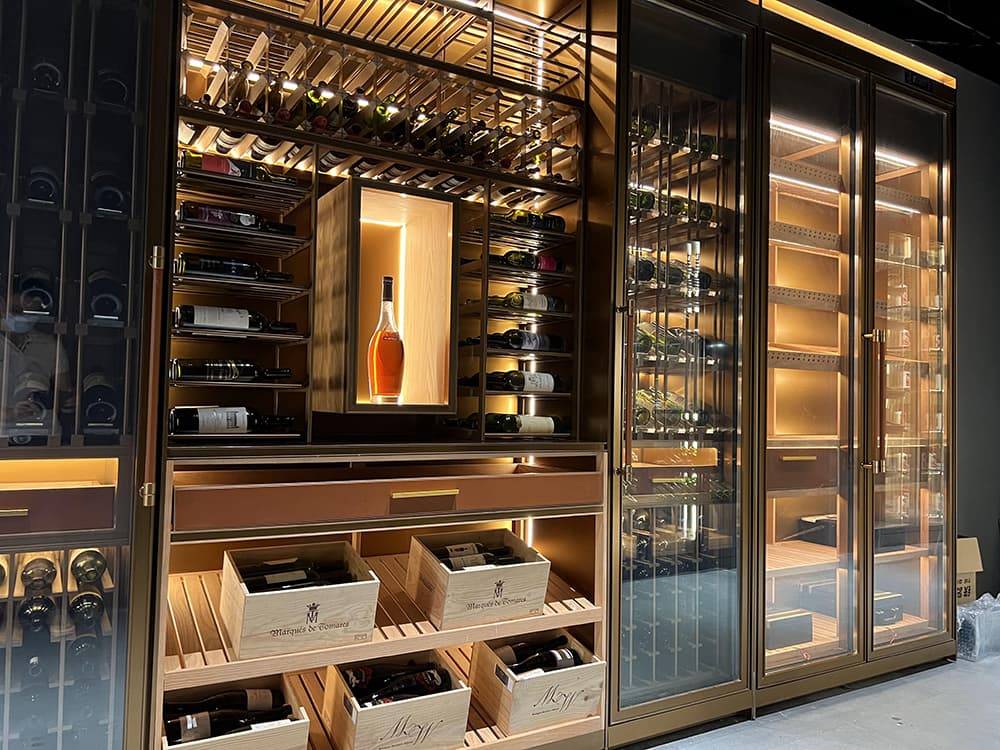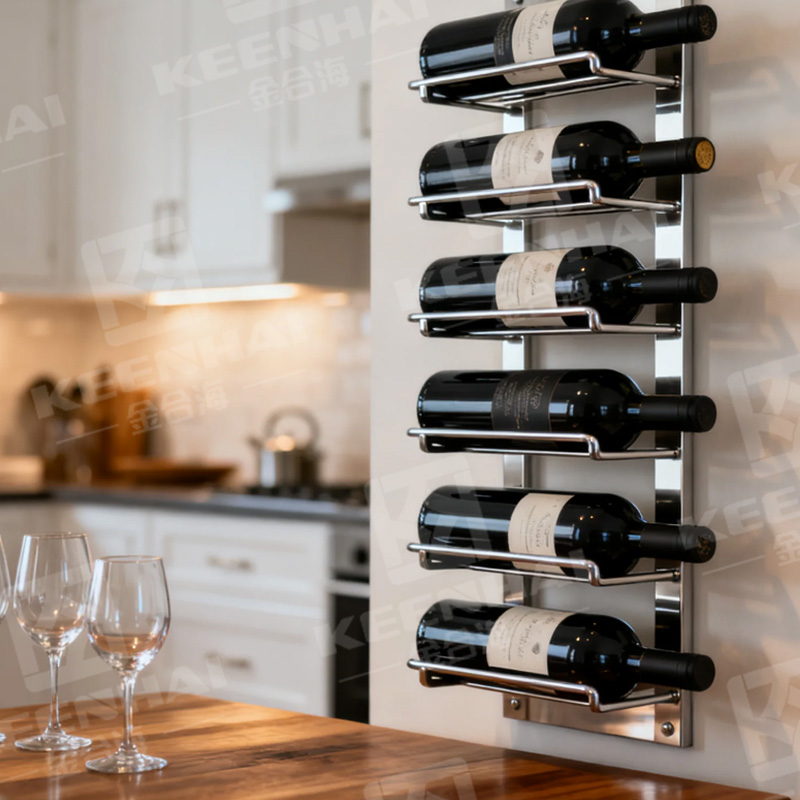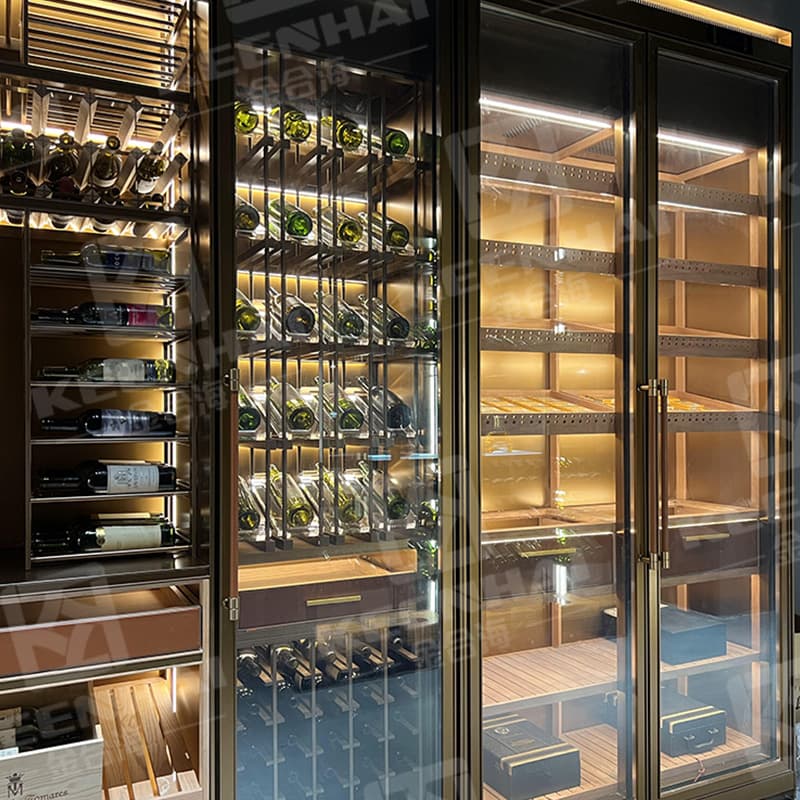
PVD ಸ್ಟೇನ್ಲೆಸ್ ಸ್ಟೀಲ್ ಕ್ಲಾಡಿಂಗ್ ಇದು ಒಂದು ಉನ್ನತ-ಕಾರ್ಯಕ್ಷಮತೆಯ ವಸ್ತುವಾಗಿದ್ದು, ಅಲ್ಲಿ ತೆಳುವಾದ ಲೋಹದ ಪದರವು ಪರಮಾಣು ಮಟ್ಟದಲ್ಲಿ ಸ್ಟೇನ್ಲೆಸ್ ಸ್ಟೀಲ್ಗೆ ಬಂಧಿಸುತ್ತದೆ. ಈ ಪ್ರಕ್ರಿಯೆಯು ಗಡಸುತನ, ತುಕ್ಕು ನಿರೋಧಕತೆ ಮತ್ತು ಬಣ್ಣ ಸ್ಥಿರತೆಯನ್ನು ಹೆಚ್ಚಿಸುತ್ತದೆ. ಇದಕ್ಕೆ ಸೂಕ್ತವಾಗಿದೆ. ವಾಣಿಜ್ಯ ಮುಂಭಾಗಗಳು, ಸ್ತಂಭಗಳು ಮತ್ತು ಲಿಫ್ಟ್ ಒಳಾಂಗಣಗಳು, ಇದು ಕನಿಷ್ಠ ನಿರ್ವಹಣೆಯ ಅಗತ್ಯವಿದ್ದರೂ ಒಂದು ದಶಕಕ್ಕೂ ಹೆಚ್ಚು ಕಾಲ ತನ್ನ ಮುಕ್ತಾಯವನ್ನು ರೋಮಾಂಚಕವಾಗಿರಿಸುತ್ತದೆ. ದೀರ್ಘಕಾಲೀನ ಸೌಂದರ್ಯ ಮತ್ತು ರಚನಾತ್ಮಕ ವಿಶ್ವಾಸಾರ್ಹತೆಗಾಗಿ ವಿನ್ಯಾಸಕರು ಇದನ್ನು ಇಷ್ಟಪಡುತ್ತಾರೆ.
1.ವ್ಯಾಖ್ಯಾನ ಮತ್ತು ಮೂಲ ಪರಿಕಲ್ಪನೆ
1.2 ಸ್ಟೇನ್ಲೆಸ್ ಸ್ಟೀಲ್ನಲ್ಲಿ "PVD" ಎಂದರೆ ಏನು?
ನಾವು ಇದರ ಬಗ್ಗೆ ಮಾತನಾಡುವಾಗ ಪಿವಿಡಿ, ನಾವು ಇದರ ಬಗ್ಗೆ ಮಾತನಾಡುತ್ತಿದ್ದೇವೆ ಭೌತಿಕ ಆವಿ ಶೇಖರಣೆ — ಸ್ಟೇನ್ಲೆಸ್ ಸ್ಟೀಲ್ ಮೇಲೆ ತೆಳುವಾದ ಲೋಹದ ಪದರವನ್ನು ಬಂಧಿಸುವ ನಿರ್ವಾತ ಆಧಾರಿತ ತಂತ್ರಜ್ಞಾನ. ಸ್ಪ್ರೇ ಲೇಪನಗಳು ಅಥವಾ ಎಲೆಕ್ಟ್ರೋಪ್ಲೇಟಿಂಗ್ಗಿಂತ ಭಿನ್ನವಾಗಿ, ಈ ಪ್ರಕ್ರಿಯೆಯು ರಾಸಾಯನಿಕಗಳು ಅಥವಾ ಬಣ್ಣವನ್ನು ಅವಲಂಬಿಸಿಲ್ಲ. ಬದಲಾಗಿ, ಇದು ಪರಮಾಣು ಮಟ್ಟದಲ್ಲಿ ಕಾರ್ಯನಿರ್ವಹಿಸುತ್ತದೆ. ಮೊಹರು ಮಾಡಿದ ನಿರ್ವಾತ ಕೋಣೆಯೊಳಗೆ, ಟೈಟಾನಿಯಂ ಅಥವಾ ಜಿರ್ಕೋನಿಯಂನಂತಹ ಲೋಹಗಳನ್ನು ಆವಿಯಾಗಿಸಲಾಗುತ್ತದೆ ಮತ್ತು ಆ ಆವಿಯ ಕಣಗಳನ್ನು ಉಕ್ಕಿನ ಮೇಲ್ಮೈ ಕಡೆಗೆ ಎಳೆಯಲಾಗುತ್ತದೆ. ಅವು ಸಾಂದ್ರೀಕರಿಸಿದಾಗ, ಅವು ದಟ್ಟವಾದ, ಗಟ್ಟಿಯಾದ ಫಿಲ್ಮ್ ಅನ್ನು ರಚಿಸುತ್ತವೆ, ಅದು ಕೆಲವೇ ಮೈಕ್ರಾನ್ಗಳಷ್ಟು ದಪ್ಪವಾಗಿರುತ್ತದೆ ಆದರೆ ನಂಬಲಾಗದಷ್ಟು ಬಾಳಿಕೆ ಬರುತ್ತದೆ.
ವಾಸ್ತುಶಿಲ್ಪಿಗಳು ಈ ತಂತ್ರಜ್ಞಾನವನ್ನು ಇಷ್ಟಪಡುತ್ತಾರೆ ಏಕೆಂದರೆ ಇದು ಕಾರ್ಯಕ್ಷಮತೆಯನ್ನು ತ್ಯಾಗ ಮಾಡದೆ ಅವರಿಗೆ ಸೃಜನಶೀಲ ನಿಯಂತ್ರಣವನ್ನು ನೀಡುತ್ತದೆ. ಉದಾಹರಣೆಗೆ, PVD-ಲೇಪಿತ ಸ್ಟೇನ್ಲೆಸ್ ಕ್ಲಾಡಿಂಗ್ ಪ್ಯಾನಲ್ಗಳು ಆಧುನಿಕ ವಿಮಾನ ನಿಲ್ದಾಣಗಳು ಅಥವಾ ಹೋಟೆಲ್ ಲಾಬಿಗಳಲ್ಲಿ ಬಳಸಲಾಗುವ ಈ ವಸ್ತುಗಳು, ವರ್ಷಗಳ ಕಾಲ UV ವಿಕಿರಣಕ್ಕೆ ಒಡ್ಡಿಕೊಂಡ ನಂತರ ಮತ್ತು ಶುಚಿಗೊಳಿಸುವ ಚಕ್ರಗಳ ನಂತರವೂ ಮಸುಕಾಗುವುದಿಲ್ಲ ಅಥವಾ ಸಿಪ್ಪೆ ಸುಲಿಯುವುದಿಲ್ಲ. ಏಕೆಂದರೆ PVD ಪದರವು ಲೋಹದ ಭಾಗವಾಗುತ್ತದೆ - ಅದರ ಮೇಲೆ ಕುಳಿತುಕೊಳ್ಳುವ ವಸ್ತುವಲ್ಲ. ಬ್ರಷ್ ಮಾಡಿದರೂ, ಕನ್ನಡಿ-ಪಾಲಿಶ್ ಮಾಡಿದರೂ ಅಥವಾ ಮಾದರಿ ಮಾಡಿದರೂ ಮುಕ್ತಾಯವು ಸ್ಥಿರವಾಗಿರುತ್ತದೆ.
ಪ್ರಕ್ರಿಯೆಯನ್ನು ಮೂರು ನಿಖರವಾದ ಹಂತಗಳಲ್ಲಿ ಸಂಕ್ಷೇಪಿಸಬಹುದು:
-
ಮೇಲ್ಮೈ ತಯಾರಿಕೆ - ಸ್ಟೇನ್ಲೆಸ್ ಸ್ಟೀಲ್ ಅನ್ನು ಪ್ಲಾಸ್ಮಾದಿಂದ ಸ್ವಚ್ಛಗೊಳಿಸಿ, ಅದರಲ್ಲಿರುವ ಎಣ್ಣೆ ಮತ್ತು ಧೂಳಿನ ಪ್ರತಿಯೊಂದು ಕುರುಹುಗಳನ್ನು ತೆಗೆದುಹಾಕಲಾಗುತ್ತದೆ.
-
ಲೋಹದ ಆವಿಯಾಗುವಿಕೆ - ಗುರಿ ಲೋಹಗಳನ್ನು ಕೋಣೆಯೊಳಗೆ ಆವಿಯಾಗುವವರೆಗೆ ಬಿಸಿ ಮಾಡಲಾಗುತ್ತದೆ.
-
ಶೇಖರಣೆ ಮತ್ತು ಬಂಧ – ಆವಿಯು ಉಕ್ಕಿನ ಮೇಲ್ಮೈ ಮೇಲೆ ನೆಲೆಗೊಂಡು ಬೆಸೆಯುತ್ತದೆ, ಘನ ಲೋಹದ ಪದರವನ್ನು ರೂಪಿಸುತ್ತದೆ.
ಅದು ಹೇಗೆ ಆಧುನಿಕ ವಾಸ್ತುಶಿಲ್ಪದ ಸ್ಟೇನ್ಲೆಸ್ ಫಲಕಗಳು ಅವುಗಳ ವಿಶಿಷ್ಟವಾದ ಚಿನ್ನ, ಕಂಚು ಅಥವಾ ಷಾಂಪೇನ್ ಟೋನ್ಗಳನ್ನು ಪಡೆಯಿರಿ - ಬಣ್ಣದಿಂದಲ್ಲ, ಆದರೆ ಮೇಲ್ಮೈಗೆ ಭೌತಿಕವಾಗಿ ಬಂಧಿಸಲಾದ ನಿಜವಾದ ಲೋಹದ ಸಂಯುಕ್ತಗಳಿಂದ. ಬಣ್ಣವು ಮಸುಕಾಗುವುದಿಲ್ಲ, ಮತ್ತು ಕೆಳಗಿರುವ ಲೋಹವು ಅದರ ಸಂಪೂರ್ಣ ತುಕ್ಕು ನಿರೋಧಕತೆಯನ್ನು ಉಳಿಸಿಕೊಳ್ಳುತ್ತದೆ.
ವಿನ್ಯಾಸಕರು ಹೆಚ್ಚಾಗಿ ಈ ತಂತ್ರವನ್ನು ಸಂಯೋಜಿಸುತ್ತಾರೆ stainless steel sheets ರಚಿಸುವಾಗ ಬಾಹ್ಯ ಗೋಡೆಯ ಮುಂಭಾಗಗಳು or ಲಿಫ್ಟ್ ಒಳಾಂಗಣಗಳು, ಏಕೆಂದರೆ ಇದು ಒಂದೇ ಪರಿಹಾರದಲ್ಲಿ ಸೌಂದರ್ಯ ಮತ್ತು ಕಾರ್ಯಕ್ಷಮತೆ ಎರಡನ್ನೂ ನೀಡುತ್ತದೆ.
೧.೩ ಕ್ಲಾಡಿಂಗ್ ಮತ್ತು ಲೇಪನದ ನಡುವಿನ ವ್ಯತ್ಯಾಸ
ಜನರು ಸಾಮಾನ್ಯವಾಗಿ "ಕ್ಲಾಡಿಂಗ್" ಮತ್ತು "ಲೇಪನ" ವನ್ನು ಗೊಂದಲಗೊಳಿಸುತ್ತಾರೆ, ಆದರೆ ಅವು ಒಂದೇ ಆಗಿರುವುದಿಲ್ಲ. ಕ್ಲಾಡಿಂಗ್ ರಕ್ಷಣೆ ಮತ್ತು ನೋಟ ಎರಡಕ್ಕೂ ಒಂದು ವಸ್ತುವಿನ ಮೇಲೆ ಮತ್ತೊಂದು ಪದರವನ್ನು ಹಾಕುವ ಬಗ್ಗೆ. ಲೇಪನಮತ್ತೊಂದೆಡೆ, ಸಾಮಾನ್ಯವಾಗಿ ಮೇಲ್ಮೈಗೆ ಫಿಲ್ಮ್ ಅಥವಾ ರಾಸಾಯನಿಕ ಮುಕ್ತಾಯವನ್ನು ಅನ್ವಯಿಸುವುದು ಎಂದರ್ಥ. ವ್ಯತ್ಯಾಸವು ಸೂಕ್ಷ್ಮವಾಗಿದೆ ಆದರೆ ಮುಖ್ಯವಾಗಿದೆ - ಕ್ಲಾಡಿಂಗ್ ರಚನೆಯನ್ನು ಸೇರಿಸುತ್ತದೆ, ಲೇಪನ ಮಾಡುವಾಗ ಮುಕ್ತಾಯವನ್ನು ಸೇರಿಸುತ್ತದೆ.
ನೈಜ ಜಗತ್ತಿನ ಬಳಕೆಯಲ್ಲಿ ಅವು ಹೇಗೆ ಹೋಲಿಕೆ ಮಾಡುತ್ತವೆ ಎಂಬುದು ಇಲ್ಲಿದೆ:
| ವೈಶಿಷ್ಟ್ಯ | ಲೇಪನ | ಕ್ಲಾಡಿಂಗ್ |
|---|---|---|
| ವಸ್ತು ದಪ್ಪ | 0.05–0.1 ಮಿ.ಮೀ. | 0.3–1.0 ಮಿ.ಮೀ. |
| ಬಂಧದ ವಿಧಾನ | ಬಣ್ಣ, ರಾಸಾಯನಿಕ ಅಥವಾ ಎಲೆಕ್ಟ್ರೋಪ್ಲೇಟಿಂಗ್ | ಭೌತಿಕ ಲಗತ್ತು ಅಥವಾ PVD ಬಂಧ |
| ಬಾಳಿಕೆ | Moderate | ಹೈ — ಬಾಹ್ಯ ಫಲಕಗಳಿಗೆ ಸೂಕ್ತವಾಗಿದೆ |
| ದೃಶ್ಯ ಆಳ | ಫ್ಲಾಟ್ ಫಿನಿಶ್ | ಲೋಹೀಯ ಆಳ ಮತ್ತು ಪ್ರತಿಫಲನ |
| ನಿರ್ವಹಣೆ ಅಗತ್ಯ | Regular Cleaning | ಕಡಿಮೆ ನಿರ್ವಹಣೆ |
ವಾಣಿಜ್ಯ ಕಟ್ಟಡಗಳಲ್ಲಿ, ಸ್ಟೇನ್ಲೆಸ್ ಸ್ಟೀಲ್ ಕ್ಲಾಡಿಂಗ್ ಸಾಮಾನ್ಯವಾಗಿ ಬಳಸಲಾಗುತ್ತದೆ ಕಂಬಗಳು, ಮುಂಭಾಗಗಳು ಮತ್ತು ಗೋಡೆಯ ವ್ಯವಸ್ಥೆಗಳು, ಆದರೆ ಲೇಪನಗಳು ಒಳಾಂಗಣ ಅಲಂಕಾರಿಕ ಭಾಗಗಳಿಗೆ ಹೆಚ್ಚು. ಉದಾಹರಣೆಗೆ, ದಿ ಸ್ಟೇನ್ಲೆಸ್ ಸ್ಟೀಲ್ ಬಾಹ್ಯ ಗೋಡೆ ಶಾಪಿಂಗ್ ಮಾಲ್ಗಳು ಅಥವಾ ವಿಮಾನ ನಿಲ್ದಾಣಗಳಲ್ಲಿ ನೀವು ನೋಡುವ ಪ್ಯಾನೆಲ್ಗಳು ಲೇಪನದಿಂದಲ್ಲ, ಕ್ಲಾಡಿಂಗ್ನಿಂದ ಮಾಡಲ್ಪಟ್ಟಿದೆ. ಅದಕ್ಕಾಗಿಯೇ ಅವು ಮಳೆ ಮತ್ತು ತೇವಾಂಶಕ್ಕೆ ವರ್ಷಗಳ ಕಾಲ ಒಡ್ಡಿಕೊಂಡ ನಂತರವೂ ತಮ್ಮ ಹೊಳಪನ್ನು ಉಳಿಸಿಕೊಳ್ಳುತ್ತವೆ.
ಸಂಕ್ಷಿಪ್ತವಾಗಿ ಹೇಳುವುದಾದರೆ, ಕ್ಲಾಡಿಂಗ್ ವಸ್ತುವಿನೊಳಗೆ ಬಾಳಿಕೆಯನ್ನು ನಿರ್ಮಿಸುತ್ತದೆ, ಆದರೆ ಲೇಪನವು ಕೇವಲ ಮೇಲ್ಮೈ ಪದರವನ್ನು ಸೇರಿಸುತ್ತದೆ. ನೀವು ವ್ಯತ್ಯಾಸವನ್ನು ಹತ್ತಿರದಿಂದ ನೋಡಿದ ನಂತರ - ನೈಜತೆಯ ಆಳ, ಪ್ರತಿಬಿಂಬ ಮತ್ತು ಶ್ರೀಮಂತಿಕೆ PVD ಸ್ಟೇನ್ಲೆಸ್ ಸ್ಟೀಲ್ ಕ್ಲಾಡಿಂಗ್ — ಆಧುನಿಕ ರಚನೆಗಳಿಗಾಗಿ ವಾಸ್ತುಶಿಲ್ಪಿಗಳು ಅದನ್ನು ಏಕೆ ಅವಲಂಬಿಸಿದ್ದಾರೆಂದು ನೀವು ತಕ್ಷಣ ಅರ್ಥಮಾಡಿಕೊಳ್ಳುತ್ತೀರಿ.
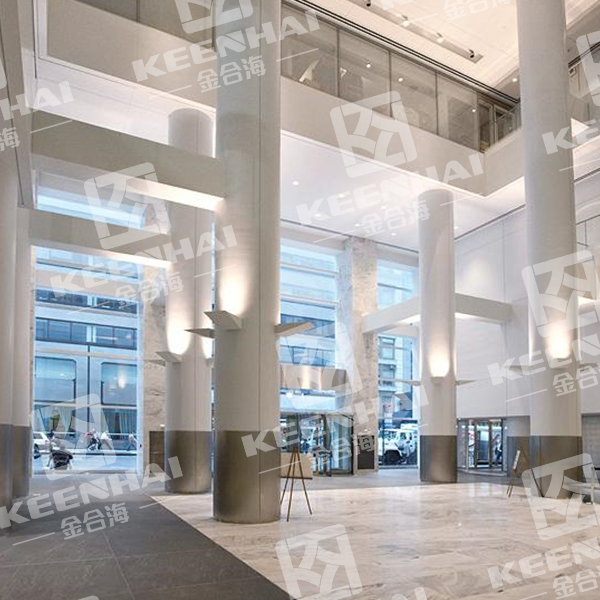
2. PVD ಕ್ಲಾಡಿಂಗ್ನ ಉತ್ಪಾದನಾ ಪ್ರಕ್ರಿಯೆ
೨.೧ ಭೌತಿಕ ಆವಿ ಶೇಖರಣೆಯ ಹಂತಗಳು (PVD)
The ಭೌತಿಕ ಆವಿ ಶೇಖರಣೆ (PVD) ಪ್ರಕ್ರಿಯೆಯು ಸ್ಟೇನ್ಲೆಸ್ ಸ್ಟೀಲ್ನ ನೋಟ ಮತ್ತು ಕಾರ್ಯಕ್ಷಮತೆ ಎರಡನ್ನೂ ಹೆಚ್ಚಿಸಲು ಬಳಸಲಾಗುವ ಹೆಚ್ಚಿನ ನಿಖರತೆಯ ಲೇಪನ ತಂತ್ರಜ್ಞಾನವಾಗಿದೆ. ಇದನ್ನು ಒಳಗೆ ಮಾಡಲಾಗುತ್ತದೆ ನಿರ್ವಾತ ಕೋಣೆ, ಸಾಮಾನ್ಯವಾಗಿ ನಡುವೆ ಕಾರ್ಯನಿರ್ವಹಿಸುತ್ತದೆ 5×10⁻⁴ ರಿಂದ 5×10⁻⁶ ಟಾರ್, ಇದು ಮಾಲಿನ್ಯವನ್ನು ನಿವಾರಿಸುತ್ತದೆ ಮತ್ತು ಲೇಪನ ವಸ್ತುವು ಉಕ್ಕಿನ ಮೇಲ್ಮೈಗೆ ಸಂಪೂರ್ಣವಾಗಿ ಅಂಟಿಕೊಳ್ಳಲು ಅನುವು ಮಾಡಿಕೊಡುತ್ತದೆ. ಒಳಗಿನ ತಾಪಮಾನವು ಸಾಮಾನ್ಯವಾಗಿ 200°C ನಿಂದ 500°C, ತಲಾಧಾರ ಮತ್ತು ಅಪೇಕ್ಷಿತ ಮುಕ್ತಾಯವನ್ನು ಅವಲಂಬಿಸಿರುತ್ತದೆ.
ಸಂಪೂರ್ಣ ಕಾರ್ಯವಿಧಾನವು ಹಲವಾರು ವಿವರವಾದ ಹಂತಗಳನ್ನು ಒಳಗೊಂಡಿದೆ:
-
ಮೇಲ್ಮೈ ಪೂರ್ವ ಚಿಕಿತ್ಸೆ - ಸ್ಟೇನ್ಲೆಸ್ ಸ್ಟೀಲ್ ಅನ್ನು ಮೊದಲು ಹೊಳಪು ಮಾಡಿ ಸ್ವಚ್ಛಗೊಳಿಸಲಾಗುತ್ತದೆ ಆರ್ಗಾನ್ ಪ್ಲಾಸ್ಮಾ. ಈ ಹಂತವು ಎಲ್ಲಾ ಸೂಕ್ಷ್ಮ ತೈಲ, ಆಕ್ಸೈಡ್ ಮತ್ತು ಧೂಳನ್ನು ತೆಗೆದುಹಾಕುತ್ತದೆ. ಸಹ a 0.1 µm ಅಶುದ್ಧತೆ ಬಂಧದ ವೈಫಲ್ಯಕ್ಕೆ ಕಾರಣವಾಗಬಹುದು, ಆದ್ದರಿಂದ ಇಲ್ಲಿ ನಿಖರತೆಯು ನಿರ್ಣಾಯಕವಾಗಿದೆ.
-
ತಾಪನ ಮತ್ತು ನಿರ್ವಾತೀಕರಣ – ಸ್ವಚ್ಛಗೊಳಿಸಿದ ಸ್ಟೇನ್ಲೆಸ್ ಪ್ಯಾನೆಲ್ ಅನ್ನು ನಿರ್ವಾತ ಕುಲುಮೆಯಲ್ಲಿ ಇರಿಸಲಾಗುತ್ತದೆ, ಅಲ್ಲಿ ಗಾಳಿ ಮತ್ತು ತೇವಾಂಶವನ್ನು ಸ್ಥಳಾಂತರಿಸಲಾಗುತ್ತದೆ. ಲೋಹದ ಮೇಲ್ಮೈ ಸುಮಾರು 400°C ತಾಪಮಾನ ಸರಿಯಾದ ಅಂಟಿಕೊಳ್ಳುವಿಕೆಯನ್ನು ಖಚಿತಪಡಿಸಿಕೊಳ್ಳಲು.
-
ಲೋಹದ ಗುರಿ ಆವಿಯಾಗುವಿಕೆ – ಟೈಟಾನಿಯಂ, ಜಿರ್ಕೋನಿಯಮ್ ಅಥವಾ ಕ್ರೋಮಿಯಂ "ಗುರಿಗಳು" ಹೆಚ್ಚಿನ ಶಕ್ತಿಯ ಅಯಾನುಗಳಿಂದ ಸ್ಫೋಟಿಸಲ್ಪಡುತ್ತವೆ. ಈ ಪರಮಾಣುಗಳು ತಕ್ಷಣವೇ ಆವಿಯಾಗಿ, ಲೋಹದ ಪ್ಲಾಸ್ಮಾ ಮೋಡವನ್ನು ರೂಪಿಸುತ್ತವೆ.
-
ಶೇಖರಣಾ ಹಂತ - ಆವಿಯಾದ ಪರಮಾಣುಗಳು ಸ್ಟೇನ್ಲೆಸ್ ಮೇಲ್ಮೈಯಲ್ಲಿ ಸಾಂದ್ರೀಕರಿಸುತ್ತವೆ, ಇದು a ಅನ್ನು ರೂಪಿಸುತ್ತದೆ ದಟ್ಟವಾದ, 0.3–0.5 µm PVD ಪದರಬಣ್ಣದ ಫಲಿತಾಂಶ (ಚಿನ್ನ, ಕಂಚು, ಕಪ್ಪು ಅಥವಾ ಗುಲಾಬಿ) ಲೋಹದ ಪ್ರಕಾರ ಮತ್ತು ಅನಿಲ ಸಂಯೋಜನೆಯನ್ನು (ಸಾರಜನಕ, ಆರ್ಗಾನ್ ಅಥವಾ ಆಮ್ಲಜನಕ) ಅವಲಂಬಿಸಿರುತ್ತದೆ.
-
ತಂಪಾಗಿಸುವಿಕೆ ಮತ್ತು ಪೂರ್ಣಗೊಳಿಸುವಿಕೆ - ಲೇಪನ ಪೂರ್ಣಗೊಂಡ ನಂತರ, ಆಕ್ಸಿಡೀಕರಣವನ್ನು ತಡೆಗಟ್ಟಲು ಪ್ಯಾನಲ್ಗಳನ್ನು ನಿರ್ವಾತದ ಅಡಿಯಲ್ಲಿ ತಂಪಾಗಿಸಲಾಗುತ್ತದೆ. ಫಲಿತಾಂಶವು ಮೇಲ್ಮೈಯನ್ನು ಪಡೆಯುತ್ತದೆ, ಅದು ಮೂರರಿಂದ ಐದು ಪಟ್ಟು ಕಠಿಣ ಸಂಸ್ಕರಿಸದ ಸ್ಟೇನ್ಲೆಸ್ ಸ್ಟೀಲ್ಗಿಂತ.
ಪ್ರೀಮಿಯಂ ಹೀಗಿದೆ PVD ಸ್ಟೇನ್ಲೆಸ್ ಸ್ಟೀಲ್ ಕ್ಲಾಡಿಂಗ್ ಅದರ ಆಳವಾದ ಲೋಹೀಯ ಮುಕ್ತಾಯ ಮತ್ತು ಸಾಟಿಯಿಲ್ಲದ ಬಾಳಿಕೆಯನ್ನು ಸಾಧಿಸುತ್ತದೆ. ನೀವು ಇದನ್ನು ವಾಣಿಜ್ಯ ಕಟ್ಟಡಗಳಲ್ಲಿ ಬಳಸುವುದನ್ನು ಕಾಣಬಹುದು, ಉದಾಹರಣೆಗೆ ವಿಮಾನ ನಿಲ್ದಾಣದ ಕಂಬಗಳು, ಹೋಟೆಲ್ ಲಾಬಿಗಳು ಮತ್ತು ಚಿಲ್ಲರೆ ವ್ಯಾಪಾರದ ಮುಂಭಾಗಗಳು, ಅಲ್ಲಿ ದೃಶ್ಯ ಆಕರ್ಷಣೆ ಮತ್ತು ತುಕ್ಕು ನಿರೋಧಕತೆ ಎರಡೂ ಸಮಾನವಾಗಿ ಮುಖ್ಯವಾಗಿವೆ.
ದೊಡ್ಡ-ಪ್ರಮಾಣದ ಅನ್ವಯಿಕೆಗಳಿಗೆ, ತಯಾರಕರು ಸಾಮಾನ್ಯವಾಗಿ PVD ಲೇಪನ ಪ್ರಕ್ರಿಯೆಯನ್ನು ನಿಖರತೆ-ಕಟ್ ನೊಂದಿಗೆ ಸಂಯೋಜಿಸುತ್ತಾರೆ. stainless steel sheets ಅವುಗಳನ್ನು ವಾಸ್ತುಶಿಲ್ಪದ ಫಲಕಗಳು ಅಥವಾ ಎಲಿವೇಟರ್ ಬಾಗಿಲುಗಳಾಗಿ ರೂಪಿಸುವ ಮೊದಲು. ಈ ವಿಧಾನವು ಬೃಹತ್ ಮೇಲ್ಮೈ ಪ್ರದೇಶಗಳಲ್ಲಿಯೂ ಸಹ ಪ್ರತಿಯೊಂದು ತುಣುಕು ಏಕರೂಪದ ಟೋನ್ ಮತ್ತು ಕಾರ್ಯಕ್ಷಮತೆಯನ್ನು ಕಾಯ್ದುಕೊಳ್ಳುತ್ತದೆ ಎಂದು ಖಚಿತಪಡಿಸುತ್ತದೆ.
2.2 ಸ್ಟೇನ್ಲೆಸ್ ಸ್ಟೀಲ್ ಮೇಲ್ಮೈಗಳೊಂದಿಗೆ PVD ಬಂಧಗಳು ಹೇಗೆ
PVD ಪದರ ಮತ್ತು ಸ್ಟೇನ್ಲೆಸ್ ಸ್ಟೀಲ್ ಬೇಸ್ ನಡುವಿನ ಬಂಧವು ಕೇವಲ ಭೌತಿಕವಲ್ಲ - ಇದು ಪರಮಾಣು. ಈ ಪ್ರಕ್ರಿಯೆಯು ಒಂದು ಲೋಹೀಯ ಬಂಧ, ಅಂದರೆ ಲೇಪನ ಪರಮಾಣುಗಳು ಅಕ್ಷರಶಃ ಎಲೆಕ್ಟ್ರಾನ್ಗಳನ್ನು ಸ್ಟೇನ್ಲೆಸ್ ತಲಾಧಾರದೊಂದಿಗೆ ಹಂಚಿಕೊಳ್ಳುತ್ತವೆ. ಈ ರೀತಿಯ ಸಮ್ಮಿಳನವು PVD ಕ್ಲಾಡಿಂಗ್ಗೆ ಅದರ ಸಹಿಯನ್ನು ನೀಡುತ್ತದೆ ಗೀರು ಮತ್ತು ಸವೆತ ನಿರೋಧಕತೆ, ಗಡಸುತನದ ಮೌಲ್ಯಗಳು ತಲುಪುವುದರೊಂದಿಗೆ 2,000–2,400 ಎಚ್ಪಿ ವಿಕರ್ಸ್ ಮಾಪಕದಲ್ಲಿ (ಪ್ರಮಾಣಿತ ಸ್ಟೇನ್ಲೆಸ್ ಸ್ಟೀಲ್ಗೆ ~200 HV ಗೆ ಹೋಲಿಸಿದರೆ).
ಶೇಖರಣೆಯ ಸಮಯದಲ್ಲಿ, ಸ್ಟೇನ್ಲೆಸ್ ಮೇಲ್ಮೈಯು ಅಧಿಕ-ವೋಲ್ಟೇಜ್ ಕ್ಷೇತ್ರದಿಂದ ಅಯಾನೀಕರಿಸಲ್ಪಡುತ್ತದೆ, ಇದು ಆವಿಯಾದ ಲೋಹದ ಪರಮಾಣುಗಳನ್ನು ಆಕರ್ಷಿಸುತ್ತದೆ. ಈ ಪರಮಾಣುಗಳು ಮೇಲ್ಮೈಯನ್ನು ಮೀರಿದ ವೇಗದಲ್ಲಿ ಬಡಿದು 1 ಕಿಮೀ/ಸೆಕೆಂಡ್, ತಮ್ಮನ್ನು ತಾವು ಹುದುಗಿಸಿಕೊಂಡು ಸ್ಫಟಿಕದಂತಹ ಸೂಕ್ಷ್ಮ ರಚನೆಯನ್ನು ಸೃಷ್ಟಿಸುತ್ತದೆ. ಫಲಿತಾಂಶವು a ಏಕರೂಪದ, ರಂಧ್ರ-ಮುಕ್ತ ಲೇಪನ ಅದು ಸಿಪ್ಪೆ ಸುಲಿಯುವುದಿಲ್ಲ, ಬಿರುಕು ಬಿಡುವುದಿಲ್ಲ ಅಥವಾ ಉದುರುವುದಿಲ್ಲ - ವರ್ಷಗಳ ಕಾಲ ಹೊರಾಂಗಣದಲ್ಲಿ ಇಟ್ಟ ನಂತರವೂ.
ಸಾಂಪ್ರದಾಯಿಕ ರಾಸಾಯನಿಕ ಲೇಪನಕ್ಕೆ PVD ಹೇಗೆ ಹೋಲಿಸುತ್ತದೆ ಎಂಬುದು ಇಲ್ಲಿದೆ:
| Property | ರಾಸಾಯನಿಕ ಲೇಪನ | ಪಿವಿಡಿ ಕ್ಲಾಡಿಂಗ್ ವ್ಯವಸ್ಥೆ |
|---|---|---|
| ಬಂಧದ ಬಲ (MPa) | 15–25 | >100 |
| ಲೇಪನದ ದಪ್ಪ (µm) | 2–5 | 0.3–0.5 |
| ಗಡಸುತನ (ವಿಕರ್ಸ್ HV) | 200–300 | ೨೦೦೦–೨೪೦೦ |
| ಅಂಟಿಕೊಳ್ಳುವಿಕೆಯ ಪ್ರಕಾರ | ಯಾಂತ್ರಿಕ | ಲೋಹೀಯ ಬಂಧ |
| ಬಣ್ಣ ಸ್ಥಿರತೆ | Moderate | ಅತ್ಯುತ್ತಮ (10+ ವರ್ಷಗಳು) |
ಪದರ ರಚನೆಯು ಲೋಹೀಯವಾಗಿರುವುದರಿಂದ, ತಾಪಮಾನ ಬದಲಾವಣೆಗಳ ಅಡಿಯಲ್ಲಿ ಬಿರುಕು ಬಿಡದೆ ಅದು ಮೂಲ ಉಕ್ಕಿನೊಂದಿಗೆ ವಿಸ್ತರಿಸುತ್ತದೆ ಮತ್ತು ಸಂಕುಚಿತಗೊಳ್ಳುತ್ತದೆ. ಅದಕ್ಕಾಗಿಯೇ ಸ್ಟೇನ್ಲೆಸ್ ಸ್ಟೀಲ್ ಬಾಹ್ಯ ಗೋಡೆ ಈ ಪ್ರಕ್ರಿಯೆಯಿಂದ ಮಾಡಿದ ಪ್ಯಾನೆಲ್ಗಳು ಆರ್ದ್ರ ಕರಾವಳಿ ನಗರಗಳಲ್ಲಿ ಅಥವಾ ಎತ್ತರದ ಕಟ್ಟಡಗಳಲ್ಲಿ ದೋಷರಹಿತವಾಗಿ ಕಾರ್ಯನಿರ್ವಹಿಸುತ್ತವೆ.
ವಾಸ್ತುಶಿಲ್ಪ ಯೋಜನೆಗಳಿಗೆ, ಬ್ರ್ಯಾಂಡ್ಗಳು ಈ ರೀತಿ ಇರುತ್ತವೆ pvdstainlesssteel ಐಷಾರಾಮಿ ಹೋಟೆಲ್ಗಳಿಗೆ ಕನ್ನಡಿ-ಪಾಲಿಶ್ ಮಾಡಿದ ಚಿನ್ನದಿಂದ ಹಿಡಿದು ಕನಿಷ್ಠ ಕಚೇರಿ ಮುಂಭಾಗಗಳಿಗೆ ಮ್ಯಾಟ್ ಕಂಚಿನವರೆಗೆ ಕಸ್ಟಮ್ ಪೂರ್ಣಗೊಳಿಸುವಿಕೆಗಳನ್ನು ಉತ್ಪಾದಿಸುವಲ್ಲಿ ಪರಿಣತಿ ಹೊಂದಿರುವ ಅವರು, ಶೇಖರಣಾ ದರ, ಅನಿಲ ಹರಿವು ಮತ್ತು ಅಯಾನು ಶಕ್ತಿಯ ಮೇಲಿನ ಅವರ ನಿಯಂತ್ರಣವು ಪ್ರತಿ ಬ್ಯಾಚ್ನಲ್ಲಿ ಸ್ಥಿರವಾದ ಟೋನ್, ವಿನ್ಯಾಸ ಮತ್ತು ಅಂಟಿಕೊಳ್ಳುವಿಕೆಯ ಗುಣಮಟ್ಟವನ್ನು ಖಚಿತಪಡಿಸುತ್ತದೆ.
ಮೂಲಭೂತವಾಗಿ, PVD bonding transforms stainless steel from a functional material into a design statement — combining molecular-level strength with timeless aesthetics that simply can’t be replicated by paint or electroplating.
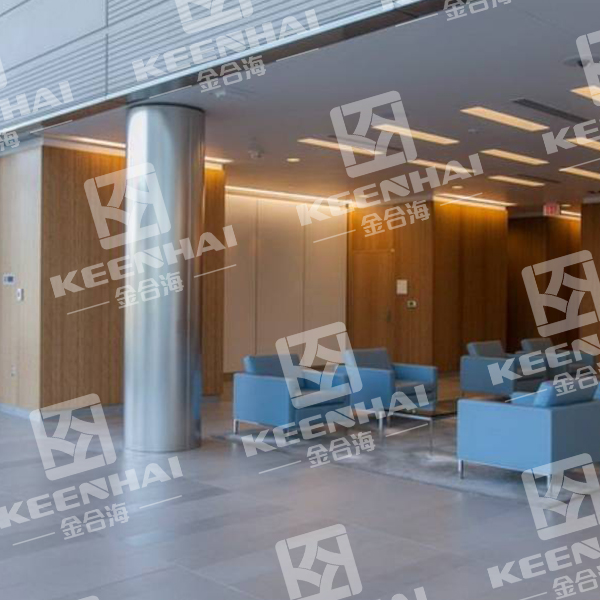
3. Material Composition and Surface Finishes
When it comes to PVD ಸ್ಟೇನ್ಲೆಸ್ ಸ್ಟೀಲ್ ಕ್ಲಾಡಿಂಗ್, the material composition and finish determine not only its appearance but also its performance and longevity. The selection of base metal, coating material, and surface treatment directly affects corrosion resistance, reflectivity, and color stability — key factors in architectural and commercial applications.
3.1 Types of Stainless Steel Used for Cladding
Most PVD cladding panels are fabricated using austenitic stainless steels, primarily 304 ಮತ್ತು 316 grades.
-
Grade 304 (18% chromium, 8% nickel) is the standard choice for interior walls, ceilings, and elevator trims due to its good corrosion resistance and smooth surface for uniform coating adhesion.
-
ಗ್ರೇಡ್ 316, containing 2–3% molybdenum, provides superior resistance to salt and acid corrosion, making it ideal for coastal buildings, facades, and outdoor columns.
For high-impact environments such as airports or commercial towers, thicker gauges (1.2–2.0 mm) are often used to prevent denting, while thin claddings (0.6–0.8 mm) suffice for decorative indoor panels. The steel’s surface finish before coating—typically mirror No.8, satin No.4, ಅಥವಾ hairline HL—also influences how evenly the PVD layer bonds and how light reflects off the final product.
In terms of mechanical properties, 304 stainless steel cladding has a typical tensile strength of 520–720 MPa ಮತ್ತು elongation of 45–50%, providing flexibility during bending and fabrication. 316 ಸ್ಟೇನ್ಲೆಸ್ ಸ್ಟೀಲ್, meanwhile, performs slightly stronger with 515–760 MPa tensile strength and higher resistance to chloride pitting. These numbers translate into better structural stability and reduced risk of cracking under outdoor thermal stress.
3.2 Available Colors and Texture Options
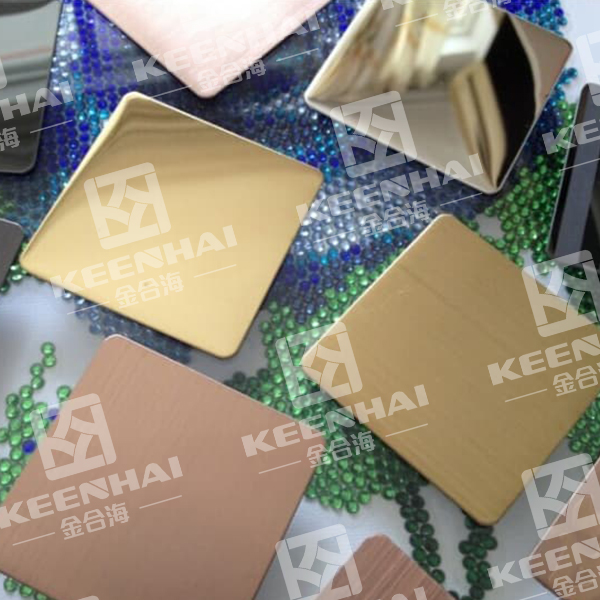
The PVD coating process allows stainless steel to mimic natural metals and achieve custom aesthetics that traditional painting or electroplating cannot match. Typical color options include:
| ಮುಕ್ತಾಯದ ಪ್ರಕಾರ | Common Colors | Reflectivity | Application Use |
|---|---|---|---|
| Mirror | Gold, Silver, Rose Gold | High (85–95%) | Lobby walls, elevator interiors |
| Hairline | Bronze, Black, Champagne | Moderate (60–70%) | Exterior panels, columns |
| Etched | Custom patterns, Dual-tone | Variable | Decorative facades, signage |
| Bead-Blasted | Titanium Gray, Dark Bronze | Low (40–55%) | Industrial or matte-style architecture |
Each finish requires a specific base preparation — for instance, mirror-polished surfaces yield vivid, high-gloss colors, while hairline finishes produce a softer, brushed tone.
In high-end projects, designers often combine finishes — for example, hairline bronze borders with mirror gold center panels — to create depth and visual contrast. Some manufacturers also offer anti-fingerprint or self-cleaning coatings, which reduce maintenance frequency by up to 40% compared to uncoated claddings.
Finally, color consistency depends on chamber temperature (180–500°C) ಮತ್ತು deposition time, both of which influence the atomic layer thickness. Thicker coatings (above 0.5 μm) offer richer tones and enhanced durability but cost slightly more due to extended vacuum cycles.
4. Key Benefits of PVD Stainless Steel Cladding
4.1 Durability and Corrosion Resistance
One of the main reasons architects choose PVD-ಲೇಪಿತ ಸ್ಟೇನ್ಲೆಸ್ ಕ್ಲಾಡಿಂಗ್ ಪ್ಯಾನಲ್ಗಳು is unmatched durability. Unlike painted surfaces or powder-coated metals, PVD layers are bonded at the atomic level, making them 3–5 times harder than standard stainless steel surfaces. In commercial projects such as airport columns, hotel lobbies, and high-traffic shopping mall facades, this hardness translates into scratch resistance, dent prevention, and long-term structural integrity.
Corrosion resistance is another major advantage. PVD layers protect against:
-
Chloride attack in coastal environments, which normally accelerates pitting.
-
Acid rain exposure, common in urban areas.
-
UV degradation, ensuring color stability even after years of sun exposure.
For example, ಸ್ಟೇನ್ಲೆಸ್ ಸ್ಟೀಲ್ ಬಾಹ್ಯ ಗೋಡೆ panels coated with PVD in seaside commercial towers show virtually zero signs of oxidation after 10+ years, while conventional stainless coatings often require regular maintenance or replacement.
Here’s a simple performance comparison for context:
| Property | Standard Stainless Steel | PVD Stainless Steel Cladding |
|---|---|---|
| ಗಡಸುತನ (ವಿಕರ್ಸ್ HV) | 200–250 | ೨೦೦೦–೨೪೦೦ |
| ತುಕ್ಕು ನಿರೋಧಕತೆ | Moderate | High – chloride & acid resistant |
| ಸ್ಕ್ರಾಚ್ ಪ್ರತಿರೋಧ | Low–Medium | ಹೆಚ್ಚಿನ |
| UV/Fade Resistance | ಕಡಿಮೆ | ಅತ್ಯುತ್ತಮ (10+ ವರ್ಷಗಳು) |
| ನಿರ್ವಹಣೆ ಆವರ್ತನ | 12–24 months | 5–7 years |
This is why architects rely on ಆಧುನಿಕ ವಾಸ್ತುಶಿಲ್ಪದ ಸ್ಟೇನ್ಲೆಸ್ ಫಲಕಗಳು for high-traffic or exposed locations — the long-term performance saves both repair costs and downtime.
4.2 Aesthetic and Maintenance Advantages
Beyond durability, PVD ಸ್ಟೇನ್ಲೆಸ್ ಸ್ಟೀಲ್ ಕ್ಲಾಡಿಂಗ್ offers ಸೌಂದರ್ಯದ ನಮ್ಯತೆ that traditional coatings can’t match. It provides consistent, vibrant metallic colors such as bronze, champagne, black, or rose gold, which remain stable over time. The finish can be mirror-polished, hairline, or patterned, allowing designers to create eye-catching hotel lobbies, elevator interiors, or commercial façade systems that feel premium and modern.
Maintenance is remarkably simple compared with other decorative metals. For instance:
-
Daily cleaning is usually limited to soft microfiber wiping — harsh chemicals are unnecessary.
-
Fingerprint and smudge resistance is built into the coating itself, reducing visual wear in high-touch areas.
-
ದೀರ್ಘಾಯುಷ್ಯ: The PVD layer stays vibrant for more than a decade, even in outdoor climates.
Some projects combine stainless steel sheets with PVD panels to cover large façades seamlessly. This not only ensures uniform appearance but also minimizes joints and potential water infiltration points, which further improves the building’s durability.
In short, the combination of color richness, low-maintenance upkeep, and consistent visual appeal is why designers continue to choose PVD cladding for both interior and exterior architectural projects. It’s a long-term investment in performance and aesthetics, rather than just a surface treatment.
5. Applications in Architecture and Interior Design
5.1 Building Facades and Columns
PVD ಸ್ಟೇನ್ಲೆಸ್ ಸ್ಟೀಲ್ ಕ್ಲಾಡಿಂಗ್ has become a top choice for commercial and public building facades. Its atomic-level bonding gives panels high corrosion resistance and color stability, which is critical for exterior surfaces exposed to sun, rain, and urban pollution.
Architects often use stainless steel column cladding panels to cover structural supports in airports, hotels, and shopping centers. The panels are typically 0.8–1.2 mm thick, cut precisely to match column dimensions, and mirror or hairline finishes are selected depending on aesthetic needs.
In coastal buildings, Grade 316 stainless steel sheets are combined with PVD layers to resist chloride-induced corrosion, which dramatically increases the façade’s lifespan. For instance, a seaside hotel used bronze PVD cladding on exterior columns, maintaining color and gloss for over 10 years with minimal maintenance.
Key advantages for façades and columns include:
-
Uniform metallic finish across large surfaces, even for multi-story buildings.
-
Scratch and dent resistance, reducing repair frequency in high-traffic zones.
-
Seamless integration with glass, concrete, and stone elements.
This makes PVD panels ideal for modern architectural façades that demand both longevity and a premium visual impact.
5.2 Elevators, Wall Panels, and Decorative Uses
Inside buildings, PVD-coated stainless steel cladding transforms ordinary spaces into luxurious, functional environments. Elevator interiors, wall panels, and decorative trims benefit from both durability and style.
For elevators, designers select mirror-polished or hairline finishes, ensuring the surfaces resist fingerprints and scuffs in high-use areas. Large office complexes and luxury hotels often install ಸ್ಟೇನ್ಲೆಸ್ ಸ್ಟೀಲ್ ಬಾಹ್ಯ ಗೋಡೆ panels for interior accent walls, combining aesthetics with ಕಡಿಮೆ ನಿರ್ವಹಣೆ.
Decorative uses extend to:
-
Reception desk panels and wall accents in hotel lobbies.
-
Retail display backdrops where reflective surfaces enhance product visibility.
-
Architectural art installations, where PVD’s color options allow for bronze, champagne, or rose-gold hues that stay vivid for years.
Combining stainless steel sheets with PVD-coated panels ensures uniform coverage and eliminates unsightly gaps, even for custom-shaped walls. Projects like airport lounges and upscale shopping arcades often deploy these panels, achieving a consistent, high-end look with minimal long-term upkeep.
In short, PVD ಸ್ಟೇನ್ಲೆಸ್ ಸ್ಟೀಲ್ ಕ್ಲಾಡಿಂಗ್ combines strength, corrosion resistance, and lasting visual appeal. From airport columns to hotel lobbies, this technology transforms ordinary stainless steel into a premium architectural material. With precise atomic bonding and a variety of finishes, it’s a long-term solution that delivers both performance and style without heavy maintenance.