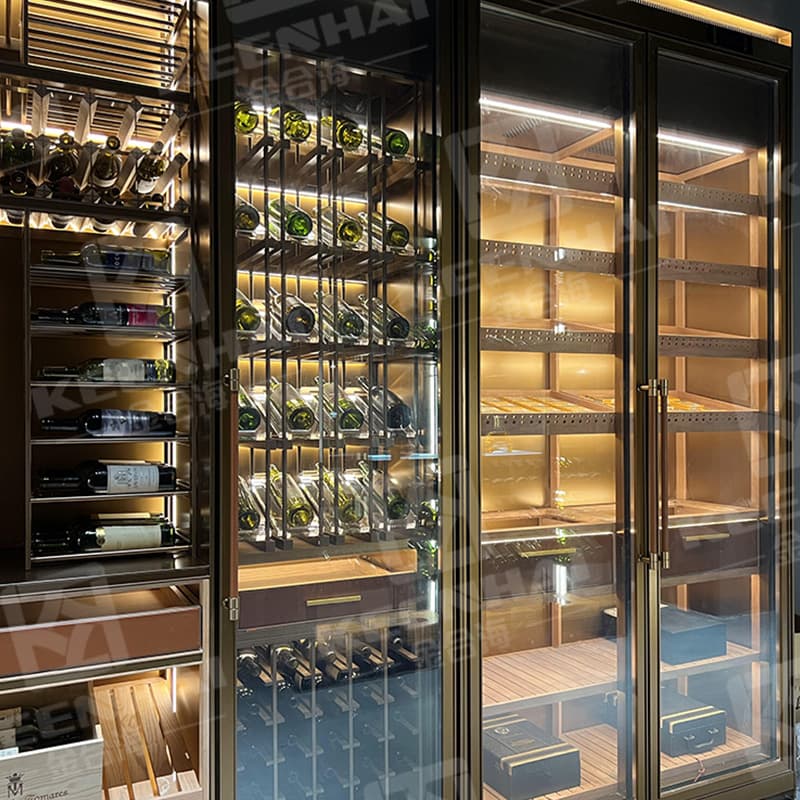
Stainless steel wine cellars generally have higher upfront material costs but lower long-term expenses compared to traditional wood or brick cellars. Their resistance to moisture, mold, and temperature fluctuations minimizes repairs, while traditional options often require ongoing maintenance and refinishing. Evaluating both options by considering installation, operational energy, and lifespan gives a comprehensive picture of overall cost efficiency.
1. Initial Build Cost Comparison
When planning a new wine storage space, a Bodrumê Şeraba Stainless Steel presents a distinct cost profile compared to traditional wood or masonry cellars. The initial build cost is influenced by materials, fabrication methods, and the complexity of site preparation. In commercial environments like hotel lounges, restaurants, or high-end residential basements, these factors become especially significant. Stainless steel systems often offer more predictable upfront pricing because most components are pre-fabricated and standardized.
1.1 Material and Fabrication Costs
Stainless Steel Wine Cabinets, integrated racks, and modular steel panels form the core materials for modern stainless steel wine cellars. Unlike traditional wood cellars, which rely heavily on on-site carpentry, stainless steel components are factory-cut and precision-fabricated, minimizing material waste and reducing errors during installation.
| Cost Component | Bodrumê Şeraba Stainless Steel | Traditional Wine Cellar |
|---|---|---|
| Core materials | Stainless steel panels, modular steel cabinets | Wood framing, drywall, stone |
| Fabrication | Factory CNC fabrication | Mostly on-site cutting and adjustments |
| Waste rate | Low (pre-measured components) | Moderate to high |
| Cost stability | High predictability | Varies with labor quality |
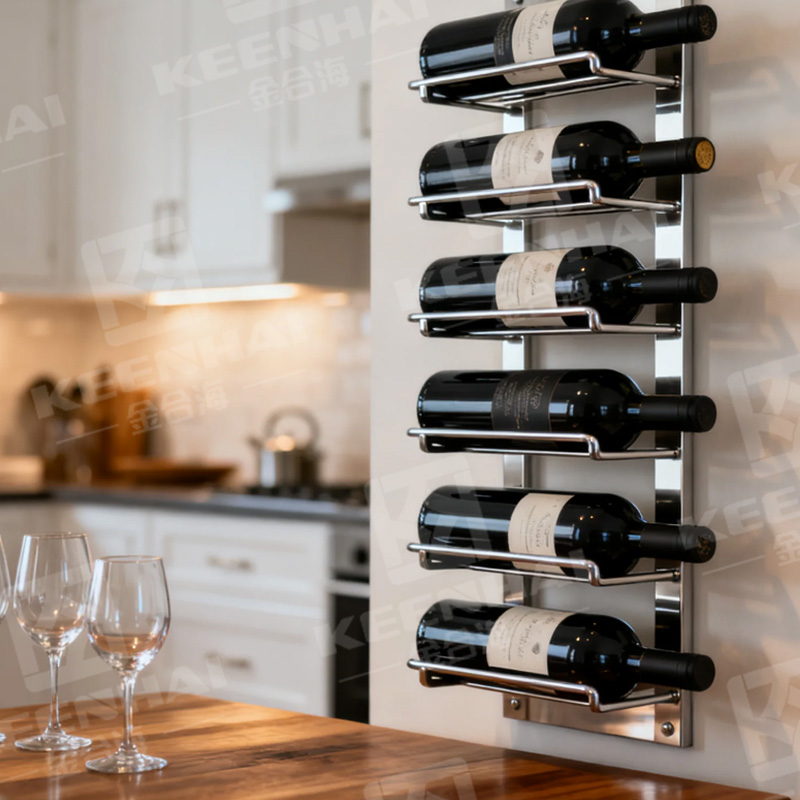
This structured approach also allows projects to integrate Stainless Steel Wine Racks efficiently, giving commercial owners flexibility in storage layout without incurring the same level of material uncertainty as traditional builds.
1.2 Structural Requirements and Space Preparation
Stainless steel cellars reduce dependency on surrounding structural elements. Traditional designs often need reinforced walls, moisture-resistant framing, and extensive millwork supports, which increase labor and project duration. By contrast, stainless steel systems are self-supporting and designed for modular assembly. A typical installation workflow includes:
-
Confirm floor flatness and load-bearing capacity to support modular steel frames.
-
Anchor pre-fabricated steel frames directly to the substrate, eliminating complex secondary framing.
-
Install integrated cabinets and racks, including optional Stainless Steel Wine Rack Cabinets or climate-controlled modules, with precise alignment.
For example, a commercial wine bar in an urban setting reduced structural prep by 30% compared to a wood-based cellar design, saving both time and upfront costs. This efficiency makes stainless steel a practical choice for owners seeking reliable, predictable construction expenses while maintaining high-end aesthetics.
2. Installation and Labor Cost Differences
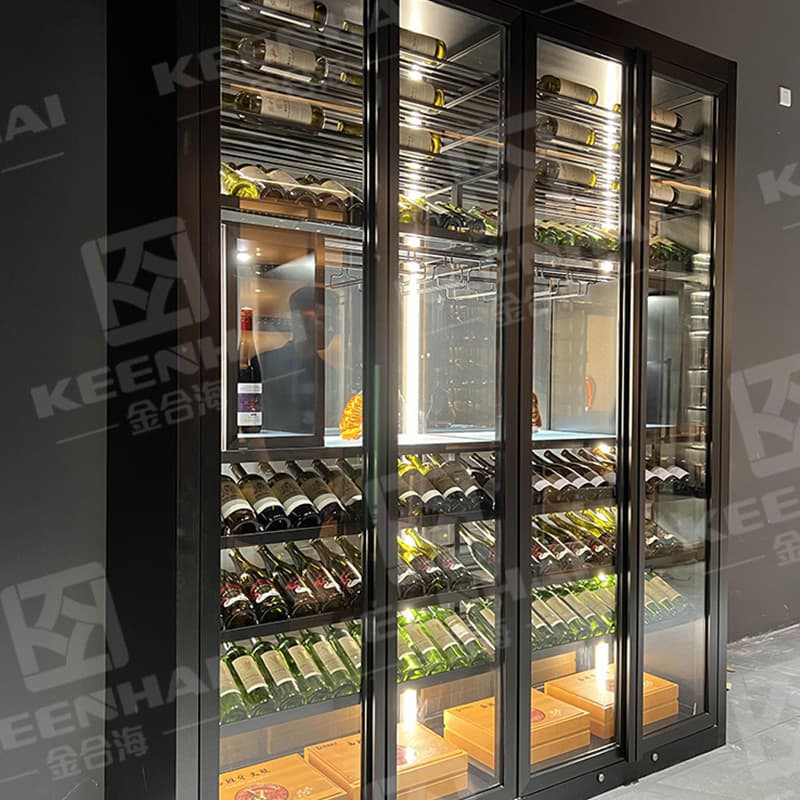
Installing a Bodrumê Şeraba Stainless Steel significantly differs from constructing traditional wood-based cellars, especially regarding labor intensity and time requirements. Stainless steel systems rely heavily on modular components, which reduce on-site labor while maintaining precision. By contrast, wood or masonry cellars demand skilled carpenters for cutting, fitting, and finishing, making labor a larger portion of total costs. Choosing the right installation method can reduce unforeseen expenses and improve project timelines.
2.1 Modular Installation vs On-Site Carpentry
Modular stainless steel setups are designed for quick assembly with pre-fabricated panels, racks, and cabinets. Steps typically include:
-
Unpack and verify all pre-fabricated steel modules, including optional Stainless Steel Room Temperature Wine Cabinets.
-
Position modules according to the layout plan, anchoring them with minimal on-site modifications.
-
Integrate racks, shelving, and climate components, ensuring exact alignment to prevent uneven stress or vibration.
On-site carpentry, in comparison, often requires 3–5 additional skilled workers per 100 sq. ft., longer workdays, and iterative adjustments for fit. A practical example from a commercial wine lounge project showed modular installation reduced labor costs by roughly 25–30% while cutting project duration by two weeks.
2.2 Timeline, Workforce, and Project Coordination Costs
When evaluating a wine cellar project, project management and workforce allocation are critical cost drivers. Stainless steel systems minimize these costs because:
-
Fewer tradespeople are needed for assembly.
-
Pre-fabricated modules reduce errors and rework.
-
Coordination between suppliers and contractors is streamlined, lowering overhead.
For a 500-bottle commercial setup, a modular stainless steel cellar can be installed in 5–7 days with a 2–3 person crew, whereas a traditional wood cellar of similar capacity may require 12–15 days and a crew of 5–6 workers. This difference translates directly into both labor cost savings and reduced disruption for operational spaces, making stainless steel a more efficient choice for high-demand commercial environments.
3. Customization and Design Cost Impact
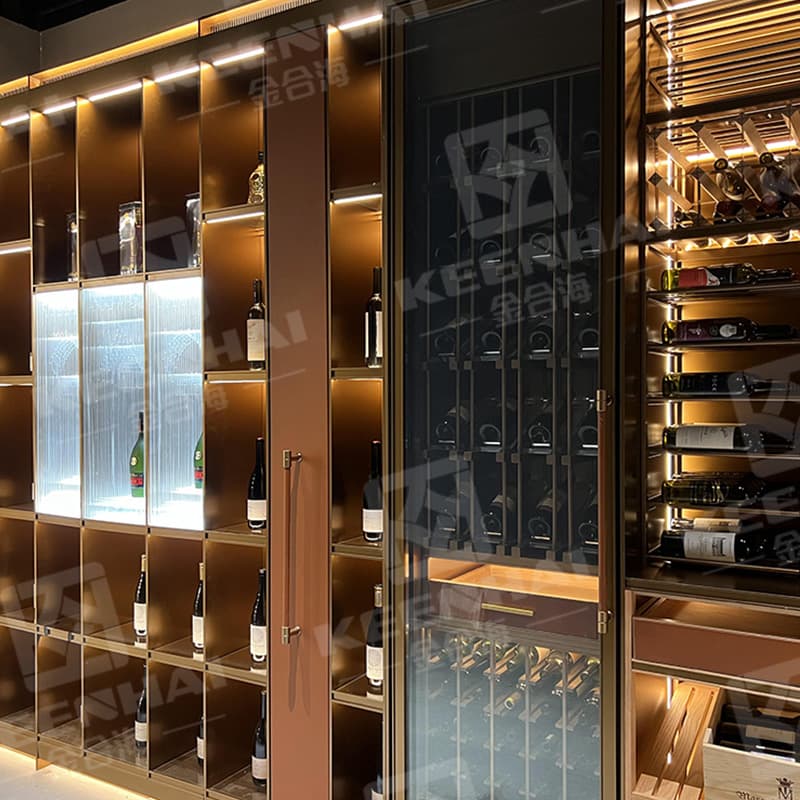
Commercial Stainless Steel Wine Cellars offer a spectrum of customization, from standardized modular systems to fully bespoke constructions. Standardized setups provide pre-engineered racks, panels, and cabinets, which allow rapid installation and predictable costs. Fully bespoke designs, however, involve tailored dimensions, unique layouts, and specialized finishes, which can increase total build costs by 20–40%. For instance, integrating a custom curved Kabîneya Refê Şerabê ya Pola Zengarnegir into a commercial tasting room adds both material and fabrication complexity, requiring precise measurements and specialized welding. Project teams should weigh functional needs against customization premiums to ensure the final design aligns with operational efficiency and budget expectations.
3.1 Standardized Systems vs Fully Bespoke Construction
Standardized systems excel in modularity, uniform quality, and quick assembly. Steps for implementing a standard system include:
-
Select the appropriate rack or cabinet configuration based on bottle count and layout.
-
Verify module dimensions and pre-drilled attachment points to ensure a seamless fit.
-
Install shelves and doors in sequence, minimizing adjustments and labor time.
Bespoke construction involves:
-
Custom design layout planning, often including CAD modeling.
-
Fabrication of irregular shapes or finishes, including specialty brushed or mirror-polished surfaces.
-
On-site fitting adjustments to accommodate walls, flooring irregularities, and HVAC integration.
Bespoke solutions typically cost more but deliver unique, visually striking commercial installations, ideal for high-end restaurants, hotels, or wineries that want a signature cellar experience.
3.2 Cost Variations in Shelving, Doors, and Layout Complexity
The cost impact of customization primarily depends on:
-
Shelving type: flat shelves vs. slanted display racks vs. integrated modular units.
-
Door systems: standard hinged doors vs. heavy glass doors with stainless steel frames.
-
Layout complexity: single-row storage vs. multi-level mezzanine layouts or corner-integrated racks.
| Taybetî | Standard Cost | Custom Cost Increase | Notes |
|---|---|---|---|
| Shelving | $200–$400 per module | +15–25% | Custom cut or angled shelves increase fabrication effort |
| Doors | $500–$800 per unit | +20–35% | Glass or specialty hardware drives cost |
| Layout | Basic linear | +25–50% | Multi-level or irregular designs require advanced engineering |
Commercial operators often balance modular efficiency with selective bespoke touches, such as premium doors or accent lighting, to achieve both visual impact and operational practicality without overshooting the budget.
4. Climate Control and Environmental System Costs
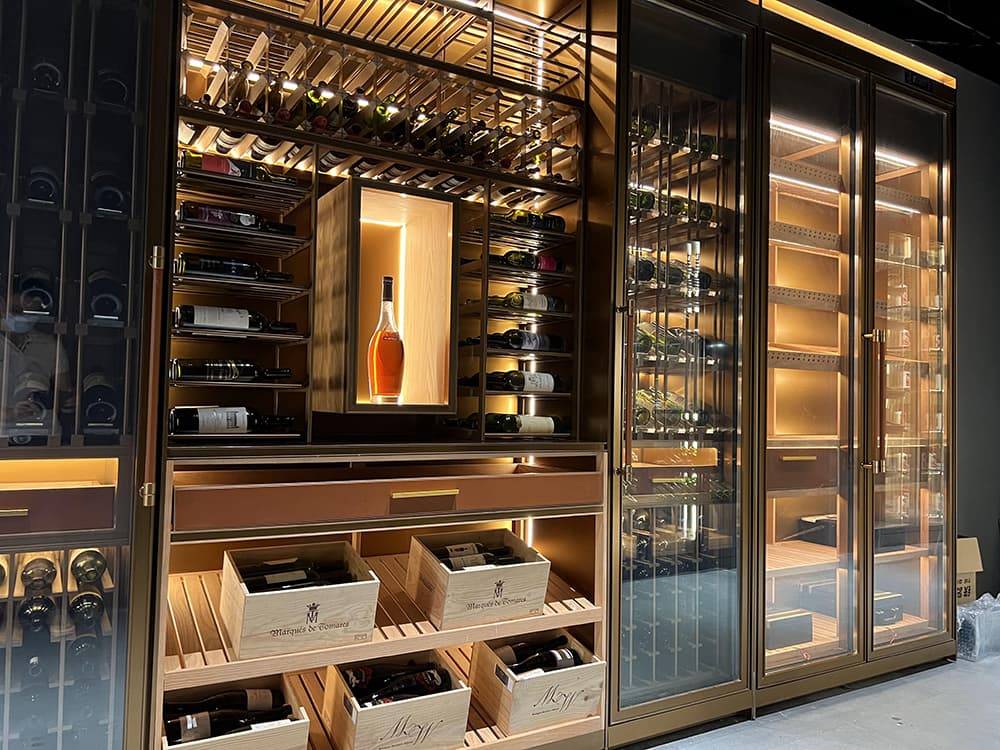
Maintaining optimal storage conditions is critical for commercial Stainless Steel Wine Cellars, and climate control systems are a major cost component. Temperature and humidity must be consistently regulated to prevent cork deterioration and flavor loss. High-capacity cellars often require 1–3 high-performance refrigeration units, depending on layout and bottle volume. Additionally, precise humidity control via humidifiers or integrated HVAC systems ensures wine longevity and taste integrity, particularly in larger commercial settings such as hotels or winery tasting rooms. Incorporating Stainless Steel Room Temperature Wine Cabinets within these systems allows certain wines to remain at ideal service temperatures without overloading refrigeration units.
4.1 Temperature and Humidity Control Requirements
Effective climate control involves:
-
Calculating total bottle volume and cellar dimensions to determine cooling capacity.
-
Installing temperature sensors at multiple points, ensuring even air distribution.
-
Setting humidity targets between 50–70% RH, which reduces cork shrinkage and prevents mold.
-
Integrating zoned control systems if the cellar has separate display or storage areas.
Advanced systems may also include remote monitoring and automated adjustment to maintain stability. Temperature fluctuations as small as 2–3°F can impact premium wines, so investing in reliable environmental controls is essential.
4.2 Energy Efficiency and Equipment Investment
Energy efficiency drives both upfront and long-term costs. High-quality compressors, variable-speed fans, and smart thermostats can reduce electricity consumption by 20–30%, even in high-capacity installations. Equipment investment varies:
-
Standard commercial cooling units: $5,000–$12,000 each
-
Advanced humidity and climate control modules: $3,000–$7,000 per zone
-
Energy-efficient or low-noise systems may cost 10–20% more but improve operational savings
Operators often balance initial equipment expense against long-term savings. Optimizing ducting, insulation, and ventilation further lowers energy usage, while maintaining consistent storage conditions critical to preserving wine quality.
5. Long-Term Ownership and Maintenance Costs
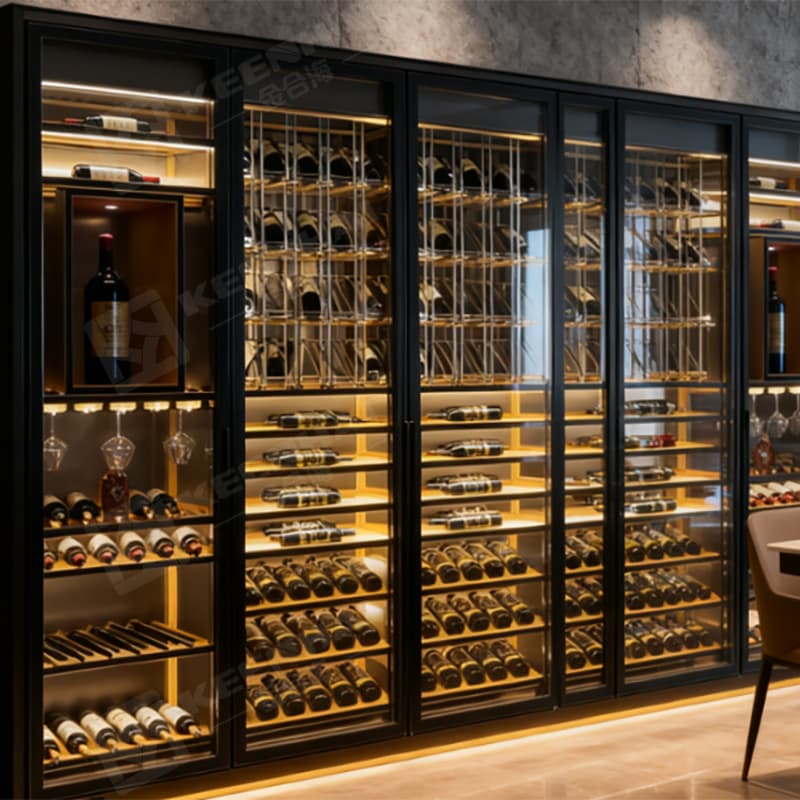
Owning a commercial Bodrumê Şeraba Stainless Steel involves planning beyond the initial installation. The durability of stainless steel minimizes frequent structural repairs, but operational components like refrigeration, humidifiers, and lighting require regular checks. Over 10–15 years, businesses can expect moderate maintenance expenses, with equipment replacement cycles typically every 8–12 years depending on usage intensity. Investing in high-quality Stainless Steel Wine Cabinets or modular wine racks at the outset reduces wear and tear and limits disruptive downtime for repairs.
5.1 Durability, Repairs, and Replacement Frequency
Key aspects of durability and maintenance include:
-
Inspecting welds, hinges, and supports annually to prevent stress fractures or alignment issues.
-
Monitoring refrigeration and humidity systems quarterly, addressing minor leaks or inefficiencies before they escalate.
-
Replacing high-load or frequently accessed shelves every 5–7 years to maintain stability and safety.
-
Keeping a maintenance log ensures predictable long-term costs and reduces emergency service calls.
The combination of stainless steel construction and modular components typically lowers replacement frequency compared to traditional wooden cellars, offering predictable ownership costs over time.
5.2 Cleaning, Upkeep, and Operational Expenses
Routine upkeep is crucial to maintain both aesthetics and functional performance. Commercial operations should:
-
Schedule monthly cleaning of stainless steel surfaces using non-abrasive cleaners to avoid corrosion and fingerprints.
-
Sanitize wine racks and storage units quarterly, particularly in high-humidity zones, to prevent mold or odor transfer.
-
Audit energy consumption bi-annually, ensuring refrigeration and climate control systems operate efficiently.
On average, cleaning supplies, minor repairs, and electricity for climate control add $1,500–$3,500 annually for mid-size commercial wine cellars. Well-maintained stainless steel infrastructure ensures operational consistency while reducing unplanned costs, making it a reliable long-term investment for wineries, hotels, and restaurants.
When comparing a stainless steel wine cellar with a traditional wine cellar, cost differences extend beyond initial construction to include maintenance, durability, and long-term operational expenses. Stainless steel offers a more predictable budget due to minimal upkeep and resistance to environmental damage, while traditional materials like wood may incur ongoing repairs and higher humidity management costs. Understanding these distinctions ensures you make a cost-conscious decision that aligns with your storage needs and long-term investment goals.