Glass wine cellars excel in showcasing collections with full transparency and modern design options, while stainless steel cellars focus on robustness, consistent temperature control, and low maintenance. The right choice balances visual appeal, operational efficiency, and long-term protection of wine. For high-traffic commercial spaces or long-term collections, stainless steel often provides a more reliable investment.
1.Structural Materials and Durability
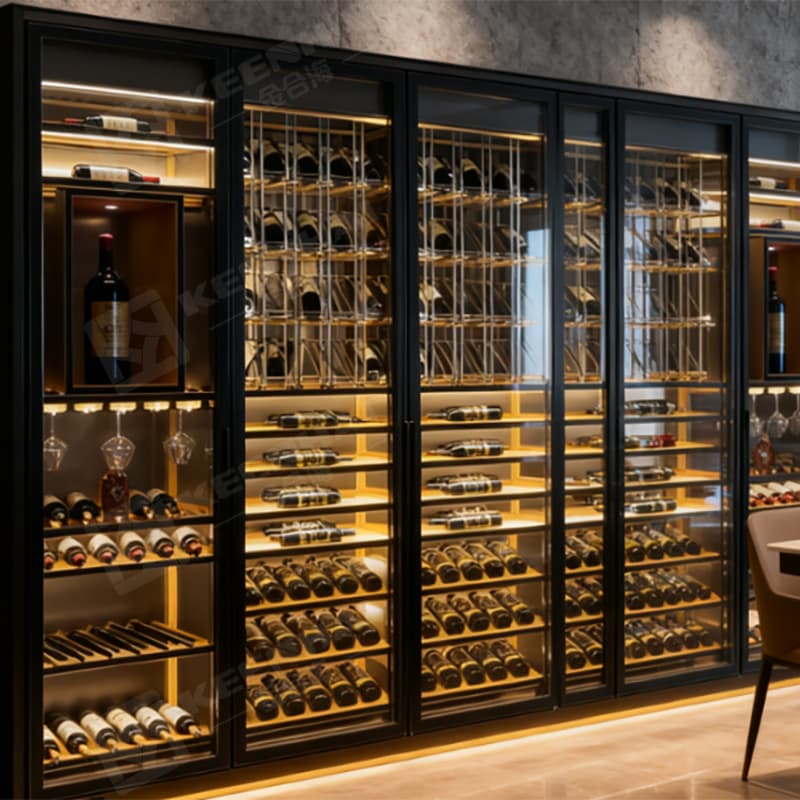
When evaluating a wine cellar, the choice of structural materials defines both longevity and functional performance. Glass wine cellars offer modern transparency and aesthetic appeal, but they require thick, tempered panels to resist impact and maintain stability. In contrast, a ຫ້ອງນໍ້າສະແຕນເລດ combines strength, corrosion resistance, and minimal maintenance, making it ideal for high-traffic commercial environments. For instance, custom stainless steel units installed in restaurant cellars often last over 15 years without structural degradation, even under varying temperature and humidity conditions.
1.1 Strength, Impact Resistance, and Long-Term Performance
Glass panels must achieve a minimum of 10mm thickness for small units and up to 19mm for walk-in cellars to withstand daily use and occasional impacts. Stainless steel offers superior resilience with high tensile strength and flexibility under load, accommodating modular racks and heavy wine inventories. When comparing mechanical properties, the following table highlights key differences:
| ວັດສະດຸ | Tensile Strength | Impact Resistance | Expected Lifespan | Typical Application |
|---|---|---|---|---|
| Tempered Glass | 60–100 MPa | ຂະຫນາດກາງ | 10–15 years | Transparent panels, aesthetic showcases |
| 304 ສະແຕນເລດ | 520 MPa | High | 20+ years | Commercial wine cabinets, modular racks |
| 316 ສະແຕນເລດ | 580 MPa | Very High | 25+ years | Coastal environments, high humidity areas |
In real-world projects, stainless steel frameworks allow heavier load distribution for multi-tiered racks like Stainless Steel Wine Rack Cabinets, reducing the risk of deformation over time.
1.2 Corrosion Resistance and Environmental Suitability
Glass is chemically inert, so it does not rust but is sensitive to scratches and thermal shock. Stainless steel, particularly 304 or 316 grades, offers excellent resistance to corrosion from humidity, wine spills, or environmental salts. For example, a winery in a humid coastal region installed 316 stainless steel wine racks, which required no surface treatment for over 7 years, unlike painted or powder-coated steel that needed regular maintenance. Proper material selection ensures a wine cellar remains functional and visually appealing across decades of use, reducing the likelihood of structural repairs.
2. Climate Control and Insulation Efficiency
Maintaining a consistent climate is crucial for preserving wine quality, whether in a glass wine cellar or a ຫ້ອງນໍ້າສະແຕນເລດ. The right insulation and climate control system ensures temperature and humidity remain within ideal ranges, protecting delicate corks, preventing oxidation, and extending wine aging potential. In high-end installations, combining high-density insulation panels with precision HVAC units allows cellars to achieve temperature stability within ±1°C and relative humidity within 50–70%.
2.1 Temperature Stability and Humidity Management
Temperature fluctuations can damage wine by expanding and contracting corks, while improper humidity levels dry out corks or promote mold growth. Effective climate management includes:
-
Zoned HVAC systems that separate storage areas based on wine type or aging duration.
-
Integrated humidifiers/dehumidifiers to maintain consistent relative humidity.
-
Continuous digital monitoring with alerts for deviations.
For example, in a large restaurant cellar, installing a 304 stainless steel framework with layered insulation reduced temperature swings by 70%, enabling optimal storage for both red and white wines. These frameworks also support modular racks like ຊັ້ນວາງເຫຼົ້າແວງສະແຕນເລດ for organized storage without compromising airflow.
2.2 Energy Consumption and HVAC Integration
Energy efficiency depends on both insulation quality and HVAC design. Stainless steel wine cellars with high-density polyurethane panels typically consume 15–25% less energy compared to glass structures of similar volume due to lower thermal conductivity. When integrating with existing building systems:
-
Assess ductwork compatibility and airflow requirements.
-
Choose variable speed compressors to reduce energy use during low-demand periods.
-
Install programmable controllers to optimize cooling cycles.
Using energy-efficient climate control not only lowers operational costs but also ensures long-term preservation of wine inventory, while maintaining ideal storage conditions year-round. In practical setups, combining insulated stainless steel panels with modern HVAC units has proven effective in high-humidity coastal regions.
3. Design Flexibility and Aesthetic Options
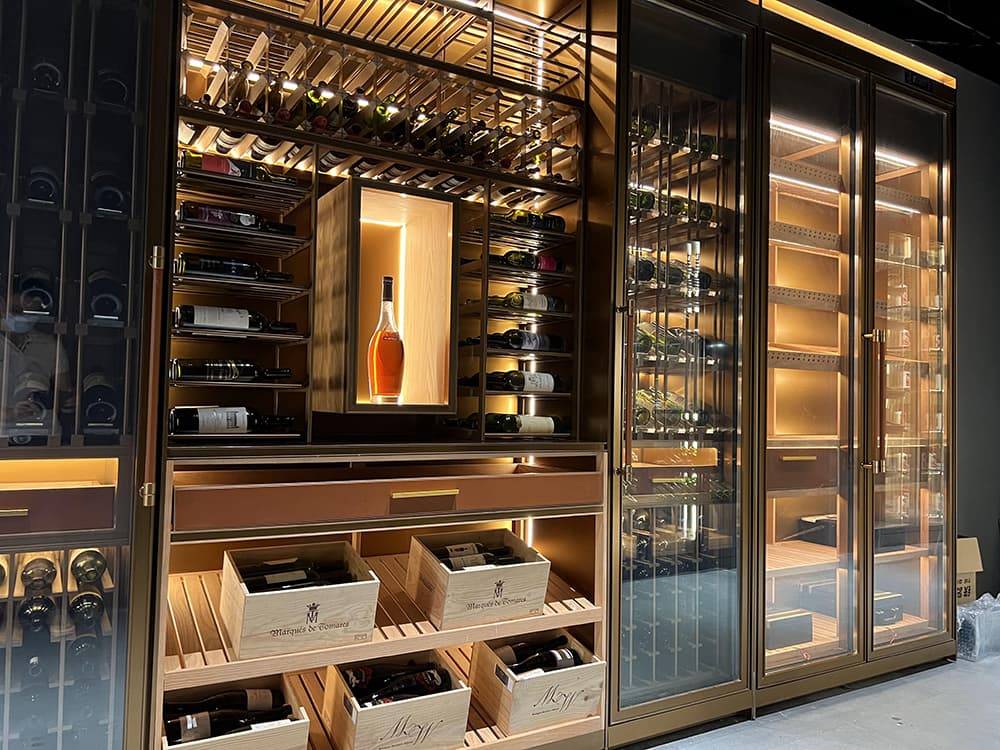
A well-designed wine cellar balances structural integrity with visual appeal, offering both functionality and elegance. Modern Stainless Steel Wine Cellars provide unparalleled flexibility in shapes, finishes, and display possibilities, allowing homeowners, restaurants, and collectors to create bespoke storage solutions that fit any architectural style. Advanced fabrication techniques enable complex geometries and seamless integration with other storage elements, ensuring both durability and aesthetic sophistication.
3.1 Custom Shapes, Finishes, and Transparency Effects
Design flexibility includes the ability to tailor wall panels, door systems, and framing to match interior aesthetics. Key steps for achieving high-end finishes:
-
Select the desired stainless steel grade (e.g., 304 or 316) and thickness for structural stability and surface finish.
-
Choose surface treatment, such as brushed, mirror-polished, or matte, which can influence both reflectivity and visual depth.
-
Incorporate glass or transparent panels with tempered or laminated glass for visibility, display effects, or ambient light diffusion.
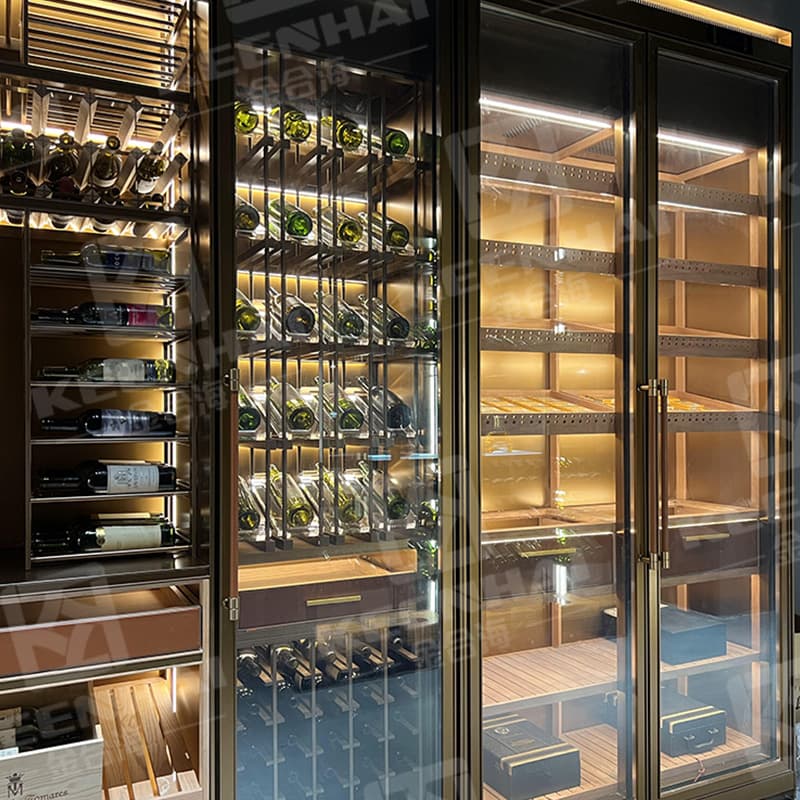
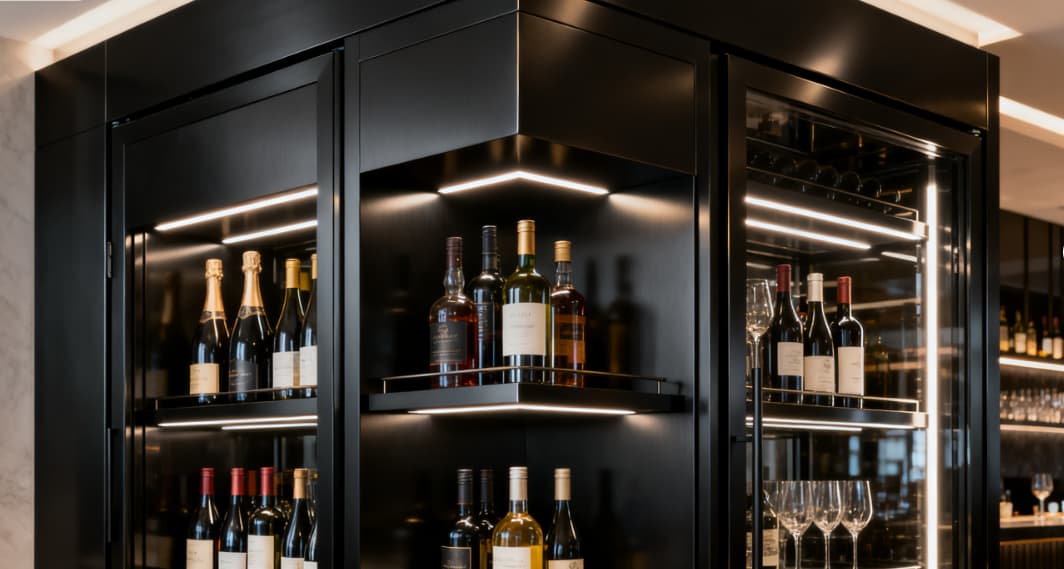
For instance, in a boutique hotel installation, custom L-shaped steel frames with full-height tempered glass panels created a visually striking centerpiece while maintaining precise temperature control. This approach allows for modular rack placements without compromising airflow or climate stability.
3.2 Integration with Racks, Cabinets, and Display Elements
Seamless integration of storage systems enhances both organization and visual appeal. Consider the following workflow:
-
Map storage requirements based on wine bottle sizes and collection diversity.
-
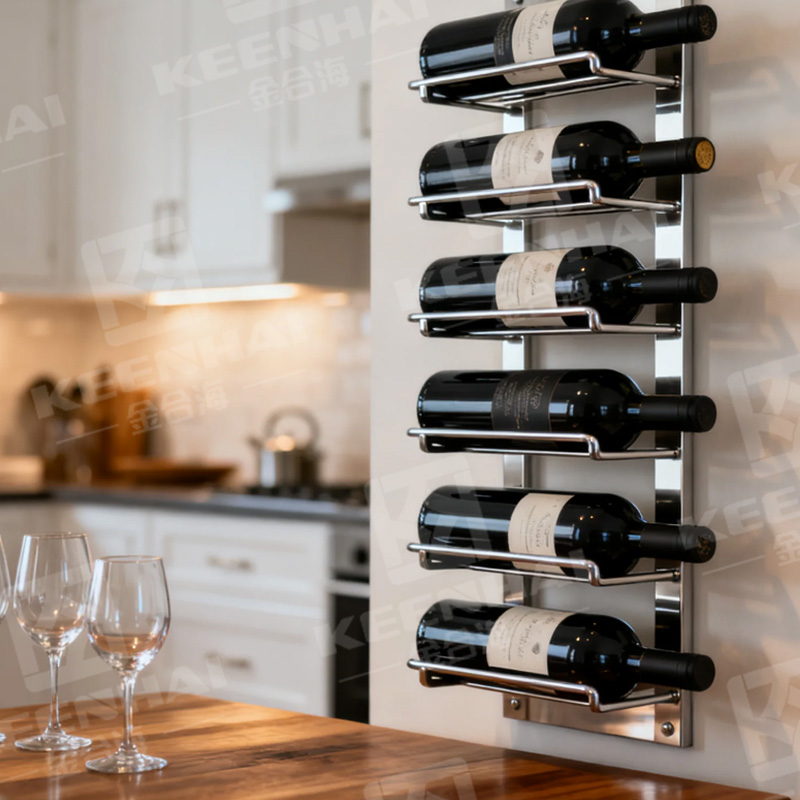
Integrate modular racks like ຊັ້ນວາງເຫຼົ້າແວງສະແຕນເລດ or specialized rack cabinets for vertical or horizontal bottle storage.
-
Position display elements strategically for visibility, accessibility, and aesthetic symmetry.
-
Verify that integrated storage maintains optimal airflow and temperature stability.
In luxury residences, combining polished stainless steel frames with modular wine racks allows for dynamic reconfiguration, accommodating growing collections without additional structural modifications. This approach ensures a fully customized wine storage solution that remains functional, visually coherent, and long-lasting.
4. Maintenance Requirements and Cleaning Procedures
Maintaining a ຫ້ອງນໍ້າສະແຕນເລດ in peak condition requires both routine care and periodic inspections to preserve aesthetics and functionality. Proper cleaning and preventive maintenance extend longevity, prevent surface damage, and protect internal climate control systems. In commercial or high-use environments, implementing a structured maintenance plan ensures that wine storage remains safe, organized, and visually appealing.
4.1 Daily Upkeep, Stain Prevention, and Surface Protection
Routine cleaning and protective measures are essential for preserving stainless steel surfaces and integrated glass panels. Key daily practices include:
-
Wipe surfaces with a soft microfiber cloth to remove dust, fingerprints, and minor spills without scratching.
-
Use pH-neutral cleaners for deeper cleaning, avoiding bleach or abrasive products that can damage finishes.
-
Apply protective coatings or polishes on exposed steel to reduce oxidation and fingerprints, especially in high-humidity areas.
-
Inspect temperature and humidity sensors to ensure ongoing climate stability that prevents condensation-related stains.
For example, in a residential installation, a daily wipe-down routine combined with monthly polish maintained both the structural integrity and the polished aesthetic of stainless steel racks and cabinetry.
4.2 Repairs, Replacement Frequency, and Longevity Considerations
Long-term durability requires monitoring wear and replacing components as needed. Follow these practical steps:
-
Inspect welded joints and rack fasteners every 6 months to detect stress or loosening.
-
Replace worn or scratched panels to maintain climate efficiency and visual appeal.
-
Check modular racks, such as ຊັ້ນວາງເຫຼົ້າແວງສະແຕນເລດ, for structural integrity and alignment.
-
Schedule professional maintenance for HVAC integration and specialized door seals to ensure consistent temperature and humidity.
By systematically addressing repairs and routine replacements, owners can extend the functional lifespan of their wine cellar by 15-20 years, while preserving optimal storage conditions and a pristine display.
5. Cost Factors and Investment Planning
Understanding the full investment in a ຫ້ອງນໍ້າສະແຕນເລດ goes beyond initial purchase—it requires evaluating both upfront construction costs and long-term operational expenses. Accurate planning ensures that budget allocations match design ambitions, functional requirements, and projected lifespan. Integrating cost transparency with quality materials and professional engineering prevents overspending while maximizing value.
5.1 Initial Material and Construction Costs
Upfront investment primarily depends on the selected materials, fabrication complexity, and customization level. Key considerations include:
-
Material selection: High-grade stainless steel offers superior durability and low corrosion, but costs more than standard alloys. For instance, opting for ຕູ້ເຫຼົ້າແວງສະແຕນເລດ can slightly increase initial expenditure but reduces replacement frequency.
-
Customization and design complexity: Curved walls, integrated lighting, or modular racks increase fabrication time and labor costs.
-
Fabrication and installation: In-house production reduces outsourcing costs, while professional installation ensures alignment, structural integrity, and proper climate control.
| Cost Component | ຂອບເຂດປົກກະຕິ | Notes |
|---|---|---|
| ແຜງສະແຕນເລດ | $150–$350 per sq. ft | Higher grades like 304 or 316 increase cost |
| Modular Racks | $50–$120 per unit | Depends on size and finish |
| Custom Glass or Doors | $200–$500 per unit | Tempered, laminated, or decorative panels |
| Labor & Installation | $100–$200 per sq. ft | Includes assembly, alignment, and calibration |
5.2 Long-Term Operational and Maintenance Expenses
Long-term costs focus on energy consumption, climate system upkeep, and periodic maintenance. Steps to manage these include:
-
Monitor HVAC efficiency to reduce energy bills; properly insulated Stainless Steel Wine Cellars minimize temperature fluctuations and associated energy use.
-
Routine maintenance of racks, doors, and panels ensures longevity and prevents costly replacements.
-
Component replacements: Door seals, humidity sensors, or lighting may require updates every 5–10 years depending on usage and climate.
-
Professional inspections every 12 months help catch minor issues early, avoiding expensive repairs.
Careful planning across both initial and operational costs provides a realistic view of total ownership, allowing collectors and businesses to invest confidently without compromising performance or aesthetic quality.
Choosing between a glass and a stainless steel wine cellar ultimately depends on your priorities for durability, climate control, and aesthetic appeal. Glass cellars offer striking visual impact and visibility, but stainless steel ensures long-term reliability, corrosion resistance, and precise environmental control. By carefully evaluating structural performance, insulation, and integration with racks and cabinets, collectors and businesses can select the solution that maximizes both functionality and style.