De keuze tussen de twee hangt af van project priorities: aluminium is geschikt voor lichtgewicht projecten met een lage blootstelling die een snelle installatie vereisen, terwijl roestvrij staal uitblinkt in veeleisende omgevingen en hogere slagvastheid, thermische stabiliteit en hoogwaardige afwerkingen. Architects often combine both strategically, using stainless steel for high-traffic facades and aluminum for less critical sections, balancing cost, durability, and visual performance.
1. Vergelijking van materiaaleigenschappen
When deciding between roestvrijstalen wandbekleding en aluminium panelen, met begrip van de materiaaleigenschappen is cruciaal. Deze eigenschappen hebben direct invloed op de duurzaamheid, installatie en prestaties op lange termijn. Laten we de belangrijkste factoren eens bekijken.
1.1 Sterkte en duurzaamheid
Roestvrij staal staat bekend om zijn uitzonderlijke sterkte, waardoor het ideaal is voor drukbezochte of blootgestelde buitenoppervlakken. Een roestvrijstalen buitenmuurpaneel van 1,2 mm kan bijvoorbeeld deuken door bouwpuin of hagel weerstaan, terwijl aluminium panelen van dezelfde dikte sneller deuken. Veel moderne commerciële gebouwen gebruiken Stainless Steel Exterior Wall panelen voor hoogbouwgevels vanwege deze robuustheid. Duurzaamheid betekent ook minder vaak vervangen, wat decennialang tijd en geld bespaart.
1.2 Gewicht en structurele belasting
Gewicht speelt een grote rol bij installatiekosten en structurele eisen. Aluminium is aanzienlijk lichter dan roestvrij staal, wat de noodzaak voor zware draagconstructies kan verminderen en de installatie kan versnellen. Het lagere gewicht gaat echter ten koste van een iets lagere stijfheid. Roestvrij staal daarentegen voegt extra gewicht toe, maar biedt superieure structurele stabiliteit, vooral bij hoge of brede overspanningen.
1.3 Corrosion and Rust Resistance
Corrosiebestendigheid is waar roestvrij staal aluminium vaak overtreft op de lange termijn, vooral in kust- of industriële omgevingen. De chroomlaag van roestvrij staal voorkomt roest en vlekken, terwijl aluminium een natuurlijke oxidelaag vormt die kan beschermen tegen corrosie, maar niet bestand is tegen corrosie. more vulnerable in acidic rain or saline conditions.
| Property | Roestvrij staal | Aluminum | Notes |
|---|---|---|---|
| Materiaalkosten (per m²) | $45–$70 | $30–$50 | Roestvrij staal is in eerste instantie duurder |
| Levensduur | 40–60 jaar | 20–30 years | Roestvrij staal gaat onder zware omstandigheden ongeveer twee keer zo lang mee |
| Maintenance Frequency | Low | Medium | Aluminum may need more regular cleaning or protective coating |
| Structurele sterkte | High | Medium | Roestvrij staal is bestand tegen hogere impact en belasting |
1.4 Thermal Expansion and Conductivity
Aluminium zet meer uit en krimpt meer dan roestvrij staal bij temperatuurschommelingen, wat de uitlijning van de panelen na verloop van tijd kan beïnvloeden. Roestvrij staal heeft een lagere thermische uitzetting, waardoor panelen bij extreme weersomstandigheden strak uitgelijnd blijven. Aan de andere kant geleidt aluminium warmte beter, wat een voor- of nadeel kan zijn, afhankelijk van de isolatiebehoefte.
1.5 Real-World Application Example
In een recent kantoortorenproject in Miami kozen architecten hoogwaardige roestvrijstalen wandpanelen voor de gevel, omdat het gebouw zowel aan harde wind als aan zoute zeelucht is blootgesteld. Tijdens de installatie:
-
Steel panels were pre-cut and measured on-site to fit window frames.
-
Panels were fastened using stainless steel anchors to resist corrosion.
-
De montage van de gevel duurde 12 weken, iets langer dan aluminium, maar de resulting durability and minimal maintenance rechtvaardigde de keuze.
Over het algemeen, bij de evaluatie materiaaleigenschappen, roestvrij staal levert hogere sterkte, betere levensduur en superieure corrosiebestendigheid, whereas aluminum offers lichter gewicht en snellere installatie, making it more suitable for smaller or less exposed projects.
2. Esthetische en ontwerpflexibiliteit
Bij het kiezen tussen roestvrijstalen wandbekleding En aluminium panelen, esthetiek en ontwerpflexibiliteit zijn net zo belangrijk als de materiaalsterkte. Deze factoren bepalen hoe uw gebouw eruitziet, aanvoelt en integreert met zijn omgeving.
2.1 Oppervlakteafwerkingen en texturen
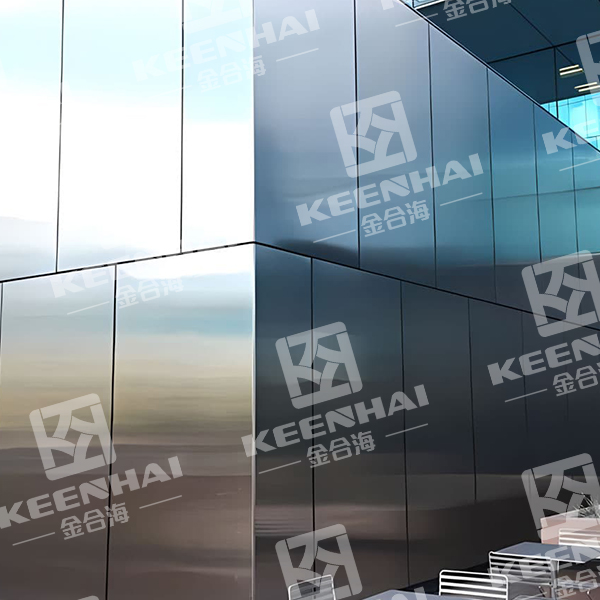
Roestvrij staal biedt een breed scala aan afwerkingen, van spiegelgepolijst naar geborsteld or PVD-gecoate oppervlakken, giving architects flexibility for modern, sleek facades. Aluminum panels are often powder-coated or anodized, providing a smooth surface but fewer high-end options. For example, the brushed finish on Gevelbekleding van roestvrij staal kan kleine krasjes verbergen, waardoor het ideaal is voor drukbezochte gebieden, zoals de buitenkant van winkelcentra of de omgeving van liften. Choosing the right texture can transform a plain facade into a statement piece zonder dat dit ten koste gaat van de duurzaamheid.
2.2 Color Options and Coatings
Aluminum panels excel in color versatility since powder coating can produce almost any hue. Stainless steel, while naturally metallic, can be coated via PVD (Physical Vapor Deposition) to achieve gold, bronze, or black tones. The PVD process creates zeer duurzame kleuren die bestand zijn tegen vervaging, ideal for exterior wall applications exposed to harsh sunlight or coastal air.
| Functie | Roestvrij staal | Aluminum | Notes |
|---|---|---|---|
| Color Variety | Matig (natuurlijk metaal, PVD-coatings) | High (any powder-coated color) | De hoogwaardige afwerkingen van roestvrij staal zien er vaak luxueuzer uit |
| Scratch Resistance | High | Medium | Brushed or PVD finishes reduce visible scratches |
| Longevity of Finish | 20–30+ jaar | 10–15 years | Stainless steel finishes retain appearance longer under extreme conditions |
2.3 Compatibiliteit met architecturale stijlen
RVS-bekleding is veelzijdig genoeg voor moderne, industriële of luxe commerciële gebouwen. De reflecterende kwaliteit kan enhance lighting effects en maken gebouwen hoger of dynamischer. Aluminium panelen worden, vanwege hun lichte gewicht en ruime kleurmogelijkheden, vaak gebruikt in woningbouw of laagbouwkantoren waar de structurele belasting beperkt is.
2.4 Real-World Application Example
Een onlangs voltooid stedelijk kantorencomplex in New York gecombineerd Roestvrijstalen metalen bekleding met getinte glaspanelen. Tijdens het ontwerp:
-
Architecten kozen voor een geborstelde roestvrijstalen afwerking voor drukbezochte entrees om vingerafdrukken en kleine beschadigingen te verbergen.
-
PVD-gecoate zwarte panelen accentueerden de bovenste gevel en creëerden een contrast met reflecterend glas.
-
Om het structurele gewicht te verminderen, werden er aluminium accenten in de raamkozijnen gebruikt.
The project demonstrated how combining roestvrij staal en aluminium strategisch kan esthetiek, functionaliteit en kosten in evenwicht brengen, waardoor het gebouw een moderne, duurzame en visueel opvallende gevel.
3. Overwegingen bij installatie en onderhoud
Bij het evalueren roestvrijstalen wandbekleding versus aluminium, installatiegemak en langdurig onderhoud spelen een cruciale rol in zowel de kosten als de levensduur van een gebouw. Inzicht in deze factoren zorgt ervoor dat u de juiste keuze maakt voor uw project.
3.1 Gemakkelijk te installeren
Aluminium panelen zijn licht van gewicht, waardoor ze sneller te verwerken en te installeren zijn. Grote gevels kunnen vaak in dagen in plaats van weken worden gemonteerd, wat de arbeidskosten verlaagt. Roestvrij staal is zwaarder, vereist robuustere ondersteuning en zorgvuldige behandeling, maar moderne modulaire paneelsystemen vereenvoudigen de installatie. Zo kunnen aannemers bijvoorbeeld Stainless Steel Exterior Wall panels often pre-cut sections in the factory and use adjustable anchors, which streamlines on-site assembly.
3.2 Onderhoudsfrequentie en -kosten
Long-term costs differ significantly between the two materials. Stainless steel requires minimal maintenance, especially PVD-coated or brushed finishes, which resist corrosion and minor scratches. Aluminum may need protective coatings or more frequent inspections, especially in coastal or industrial environments.
| Factor | Roestvrij staal | Aluminum | Notes |
|---|---|---|---|
| Maintenance Frequency | Elke 2–3 jaar | Every 1–2 years | RVS-oppervlakken zijn beter bestand tegen corrosie |
| Schoonmaakkosten (per m²/jaar) | $2–$5 | $3–$6 | Lower cleaning frequency offsets higher initial cost |
| Reparaties | Zeldzaam | Occasionally needed | Aluminium panelen kunnen sneller deuken of vervagen |
| Levensduur | 40–60 jaar | 20–30 years | Stainless steel panels last roughly twice as long |
3.3 Reinigingsvereisten
Het reinigen van roestvrijstalen panelen is eenvoudig: milde zeep en water of een gespecialiseerde roestvrij staalreiniger zijn voldoende om de glans te behouden en vlekken te voorkomen. Aluminium vereist vaak milde reiniger plus beschermende was of afdichtmiddel om verkleuring in de loop van de tijd te voorkomen. High-rise buildings with exterior cladding benefit from automated cleaning systems, maar de robuuste aard van roestvrij staal vermindert het risico op zichtbare schade tijdens onderhoud.
3.4 Real-World Application Example
Een luxehotel in Dubai koos voor hoogwaardige roestvrijstalen wandpanelen for the main entrance and lobby facades. The installation process involved:
-
Pre-measuring panels to align with large glass windows.
-
Met corrosiebestendige roestvrijstalen ankers zorgen we ervoor dat de panelen stevig blijven staan, zelfs bij extreme hitte in de woestijn.
-
Minimal cleaning every 2 years, compared to nearby aluminum facades that required annual touch-ups due to dust and sun fading.
This project illustrates that choosing stainless steel may involve slightly higher upfront labor, but long-term maintenance savings and durability make it a superior choice for high-visibility, high-traffic areas.
4. Cost and Long-Term Value
Bij het kiezen tussen roestvrijstalen wandbekleding and aluminum, understanding both upfront costs and long-term financial impact is essential. A higher initial investment may save money over time if the material lasts longer and requires less maintenance.
4.1 Initial Material and Labor Costs
Stainless steel panels usually cost more than aluminum per square meter due to raw material prices and manufacturing complexity. Labor costs can also be slightly higher because panels are heavier and require precise handling. Aluminum, being lightweight, is faster to install, which can reduce installation fees. For premium finishes like PVD-coated stainless steel, the upfront investment is higher, but the visual appeal and durability often justify the cost.
4.2 Longevity and Replacement Needs
One of stainless steel’s main advantages is its exceptional lifespan. High-quality panels can last 40–60 years with minimal maintenance, whereas aluminum panels often last 20–30 years under similar environmental conditions. Fewer replacements translate to lower long-term expenditure, less disruption, and consistent aesthetic performance.
| Factor | Roestvrij staal | Aluminum | Notes |
|---|---|---|---|
| Materiaalkosten (per m²) | $45–$70 | $30–$50 | Roestvrij staal is in eerste instantie duurder |
| Installation Cost (per m²) | $20–$35 | $15–$25 | Heavier panels require more labor |
| Levensduur | 40–60 jaar | 20–30 years | Stainless steel outlasts aluminum by decades |
| Replacement Frequency | Zeldzaam | Every 20–30 years | Long-term savings favor stainless steel |
4.3 Return on Investment (ROI)
While stainless steel requires a higher initial outlay, the ROI is often superior in the long term due to durability, minimal maintenance, and sustained aesthetic appeal. For instance, a commercial building in Singapore used Stainless Steel Exterior Wall panels for its facade:
-
Installation took slightly longer than aluminum but ensured perfect alignment and robust anchoring.
-
Over a 30-year period, the building avoided at least two major panel replacements, which would have been required if aluminum had been used.
-
Cleaning and minor maintenance costs remained low, making the investment cost-effective.
By factoring both initial costs and longevity, stainless steel wall cladding emerges as a strategically smart choice for projects where durability and visual impact matter, especially in commercial or high-exposure environments.
5. Environmental and Performance Factors
Selecting the right wall cladding involves more than looks and cost—environmental performance and sustainability are increasingly important. Stainless steel and aluminum differ significantly in how they affect energy use, recyclability, and resilience in varying climates.
5.1 Energy Efficiency and Reflectivity
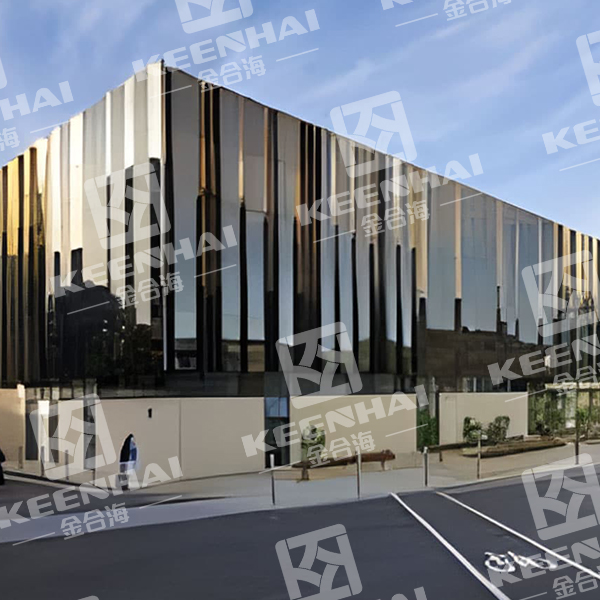
Stainless steel panels naturally reflect sunlight, reducing heat absorption on exterior walls. PVD-coated options can further improve reflectivity, keeping interior temperatures more stable. Aluminum panels are also reflective, but lighter panels may transfer heat more readily, requiring additional insulation in warm climates. Using high-quality stainless wall panels on sun-exposed facades can cut cooling energy costs by up to 15% annually in office buildings.
5.2 Sustainability and Recyclability
Both materials are highly recyclable, yet stainless steel often contains higher percentages of post-consumer recycled content. Aluminum is recyclable too, but the energy required to produce new sheets is higher if virgin material is used. Choosing stainless steel cladding contributes to green building certifications and long-term environmental responsibility, especially in large-scale commercial or urban projects.
5.3 Performance in Different Climates
Stainless steel excels in extreme weather: high humidity, coastal salt air, or freezing temperatures. Its corrosion resistance and thermal stability ensure panels remain aligned and damage-free. Aluminum performs well in temperate regions but may expand or contract more under heat fluctuations, affecting joint integrity over time.
| Factor | Roestvrij staal | Aluminum | Notes |
|---|---|---|---|
| Solar Reflectivity | 60–70% | 55–65% | Stainless steel panels can reduce cooling loads effectively |
| Recycled Content | 70–90% | 50–80% | Stainless steel often uses more post-consumer material |
| Climate Resilience | High | Medium | Stainless steel better resists salt air, humidity, and thermal expansion |
5.4 Real-World Application Example
A coastal resort in Sydney installed Gevelbekleding van roestvrij staal for its main facade. Installation steps included:
-
Anchoring panels with corrosion-resistant fasteners to withstand salt spray.
-
Applying PVD finishes on sun-facing sections to enhance reflectivity.
-
Monitoring panel alignment after initial heat cycles; stainless steel showed no warping, unlike adjacent aluminum sections.
This project demonstrates that stainless steel not only meets aesthetic and structural goals but also supports energy efficiency and long-term environmental performance, making it a smart choice for demanding climates.
Choosing between stainless steel and aluminum for wall cladding ultimately depends on your project’s priorities: durability, aesthetic appeal, maintenance, and environmental performance. For high-traffic or exposed facades, stainless steel consistently outperforms aluminum in strength, longevity, and corrosion resistance.
For architects and builders seeking premium stainless steel solutions or detailed product specifications, you can explore our full range of stainless steel wall panels to find options tailored for both commercial and residential applications.