For many buyers, designers, and project managers, the terms Inox and د زنګ ضد اوسپنه are not just technical labels — they directly influence material choice, project durability, surface finish, and overall budget planning. In architectural and decorative projects, choosing the right stainless steel grade and finish can determine cost-effectiveness, longevity, and appearance consistency.
If you’re wondering about the difference between Inox and د زنګ ضد اوسپنه, the short answer is simple: they are essentially the same material, but the grade and application make all the difference. Inox usually refers to stainless steel in general, while the choice between types like 304 and 316 affects cost, rust resistance, and long-term durability. For kitchens, indoor projects, and areas without harsh exposure, 304 stainless steel is often enough. In marine or outdoor environments, 316 is the smarter option because of its superior corrosion resistance. This guide will break down cost, durability, and real-life uses so you can pick the right grade for your project in 2025.
1.What Is Inox Material?
In many architectural and decorative applications, the term Inox is commonly used by professionals to indicate stainless steel grades with higher surface quality and superior corrosion resistance. These features are critical for exterior façades, coastal installations, high-humidity areas, and premium interior designs, helping project teams select materials that meet both performance and aesthetic requirements.
1.1Definition of Inox Material
اصطلاح Inox originates from the French word بې ضرره, which translates to “stainless.” Inox material is another name for stainless steel, commonly used in Europe and certain industries like kitchenware and architecture. Thanks to its unique chemical composition, the term emphasizes the material’s ability to resist rust and staining.
1.2Key Properties of Inox Material
د انوکس مواد د کرومیم د غوره مقاومت لپاره مشهور دي، چې د هغې د موادو له امله رامینځته کیږي (معمولا د 10.5% څخه پورته). دا په سطحه یو غیر فعال طبقه رامینځته کوي، چې دا د اکسیډیشن څخه ساتي. دا د میخانیکي ځواک، پایښت، او په لید کې زړه راښکونکي پالش شوي پای لپاره هم ارزښت لري، چې دا د فعال او سینګار دواړو غوښتنلیکونو لپاره یو غوره انتخاب ګرځوي.
1.3How Professionals Use Inox vs Stainless Steel
In professional projects, the term Inox is often used to imply a higher-performance stainless steel with better corrosion resistance and surface quality, especially for visible architectural applications. In contrast, the broader category “stainless steel” includes a range of grades that are suitable for general uses but may not meet strict aesthetic or durability requirements for exterior façades or high-end interior design elements.
په عملي لحاظ:
-
Inox 316 or equivalent grades are commonly specified for coastal environments, outdoor railings, canopies, and high-humidity areas due to superior corrosion resistance and longevity.
-
Standard stainless steel grades (e.g., 304) may suffice for indoor applications where extreme exposure and strict surface uniformity are not required.
This distinction helps procurement and project teams select the most cost-effective option while ensuring design and performance criteria are met.
2.What Is Inox and Stainless Steel?
Inox, short for acier inoxydable, is a high-chromium د زنګ ضد اوسپنه alloy that offers superior resistance to rust and staining. It is widely used in high-end applications like kitchen equipment, jewelry, and marine products.
Stainless steel, in general, is a broad category of alloys that includes Inox and other grades. It contains a minimum of 10.5% chromium to prevent corrosion but may vary in nickel, molybdenum, and other alloy content depending on the grade.
| ځانګړتیا | Inox | د زنګ ضد اوسپنه |
|---|---|---|
| Chromium Content | Typically 18%+ | 10.5%-18% (varies by grade) |
| د زنګ وهلو مقاومت | Very high | High |
| Common Uses | Kitchen equipment, jewelry | Construction, automotive, appliances |
All Inox is stainless steel, but not all stainless steel qualifies as Inox. This distinction is important when choosing materials for harsh environments.
3.Durability and Corrosion Resistance
-
Inox: Extremely resistant to oxidation, ideal for outdoor or high-humidity environments. It rarely rusts and maintains a polished finish over time. In marine environments, Inox 316 is often preferred for its molybdenum content, which improves corrosion resistance against saltwater.
-
Standard Stainless Steel: Durable and corrosion-resistant, but some grades like 304 may show minor surface rust if not maintained. For indoor projects, 304 stainless steel is usually sufficient.
Example: A stainless steel kitchen sink made of 304 grade may last 10–15 years with proper care, while a 316 Inox sink in a coastal home can easily last 20+ years without visible corrosion.
4.Comparing Inox Material and Stainless Steel
4.1Terminology Differences
One of the main distinctions between Inox material and stainless steel lies in terminology. Inox material is the term more commonly used in Europe and select industries, while stainless steel is the global term. Despite the difference in nomenclature, they refer to the same material.
4.2Performance Similarities
که تاسو ورته انوکس مواد ووایاست یا سټینلیس سټیل، د موادو فعالیت ثابت پاتې کیږي. دواړه اصطلاحات د زنګ په وړاندې مقاومت لرونکی، دوامدار الیاژ تشریح کوي چې په ساختماني، کورني توکو او صنعت کې ورته غوښتنلیکونه لري.
4.3Variations in Perception
The difference in naming can create a perception that they are distinct materials. For example, “Inox” may be seen as a more premium brand in certain regions due to its association with European quality. In reality, the distinction is purely semantic.
4.4Cost Comparison
Material cost is often the first consideration for many projects.
| د موادو | Average Price per Kg (USD) | Notes |
|---|---|---|
| Inox | 5–8 | Premium, corrosion-resistant |
| د زنګ ضد اوسپنه | 3–6 | Cost-effective, versatile |
-
Inox: Higher upfront cost due to chromium and alloy content, but lower maintenance and longer lifespan often justify the price.
-
د زنګ ضد اوسپنه: More budget-friendly and versatile for most indoor and non-extreme applications.
Real-world ROI: For outdoor stair rails or coastal railings, choosing Inox 316 over standard stainless steel may increase initial cost by 30–50%, but it avoids rust damage and replacement costs over a 15-year span.
4.5Choosing Inox vs Stainless Steel for Your Project
When specifying materials for architectural and decorative applications, consider the following project needs:
1. Exterior and Coastal Environments
Projects exposed to rain, salt spray, or high humidity benefit from higher corrosion resistance. In these cases, Inox 316 or similar high-grade stainless steels are preferred because they maintain surface integrity and minimize maintenance costs over time.
2. High-End Interior Decorative Panels
In interior design where surface finish and appearance uniformity matter (for example in high-end retail spaces, hotels, or luxury residences), Inox materials with consistent surface quality provide a more polished look that aligns with design intent.
3. Railings, Balustrades, and Canopies
Structural and safety-critical components such as railings and canopies often require both strength and corrosion resistance. Specifying the right Inox grade ensures both functionality and appearance longevity.
5.Key Applications
5.1Kitchen and Household Items
Inox material is synonymous with quality in kitchenware. It is the preferred choice for pots, pans, cutlery, and sinks due to its corrosion resistance, easy cleaning, and polished aesthetic. Its non-reactive surface also makes it safe for food preparation.
5.2Construction and Design
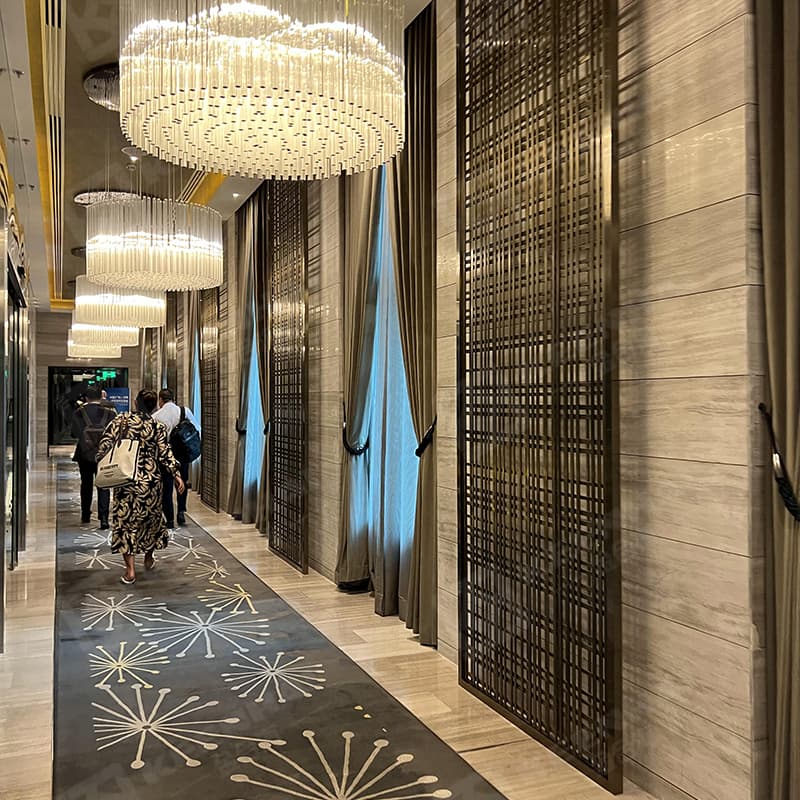
Stainless steel’s strength and weather resistance make it a staple in construction. It is used for structural frameworks, railings, facades, and decorative elements in both residential and commercial buildings. The sleek, modern appearance of stainless steel or Inox material enhances architectural designs.
5.3Industrial and Automotive Uses
په صنعتي فابریکو یا د موټرو جوړولو په څیر په سختو چاپیریالونو کې، سټینلیس سټیل د خپل پایښت او د سختو شرایطو سره د مقابلې وړتیا له امله غوره دی. دا معمولا د اخراج سیسټمونو، کیمیاوي ټانکونو، او سمندري تجهیزاتو کې کارول کیږي.
5.4Our Material Capabilities
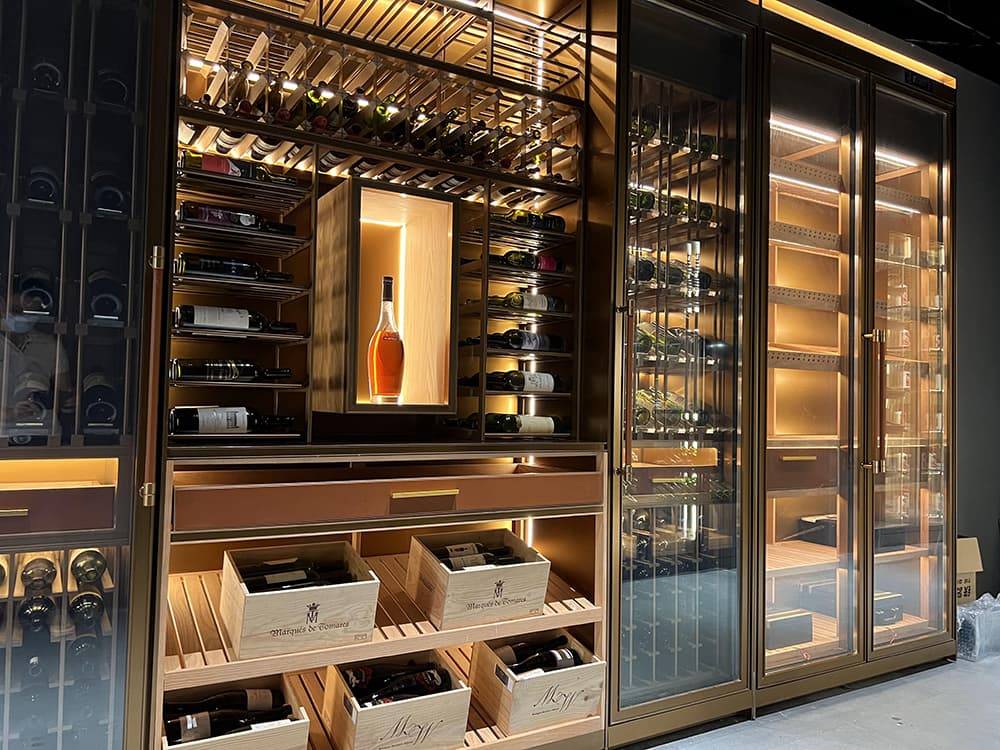
We supply a range of high-performance stainless steel and Inox materials suitable for architectural, decorative, and structural applications. Key capabilities include:
-
PVD stainless steel sheets tailored for visual consistency and surface quality
-
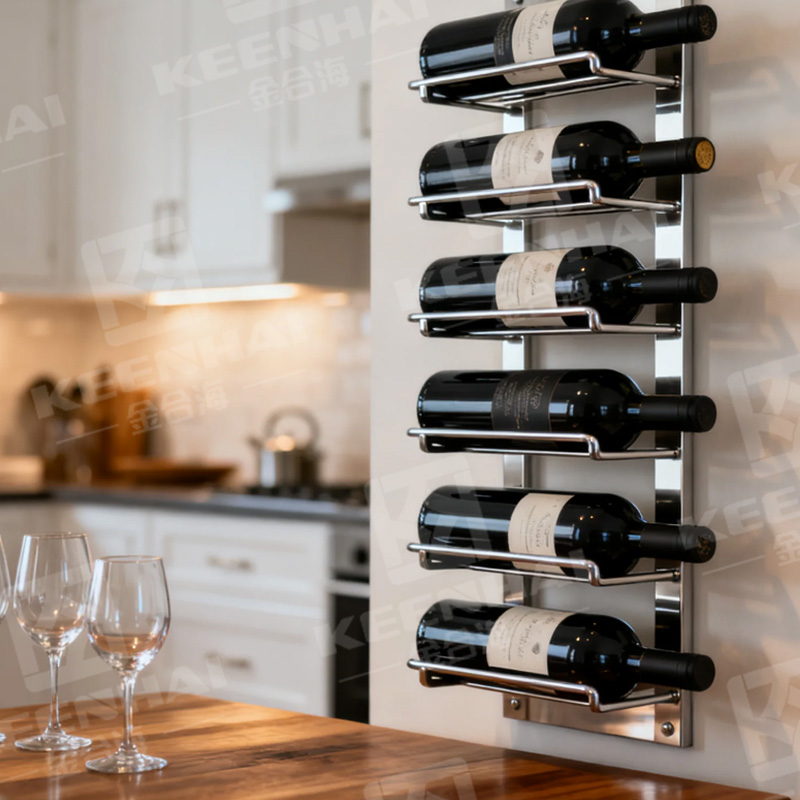
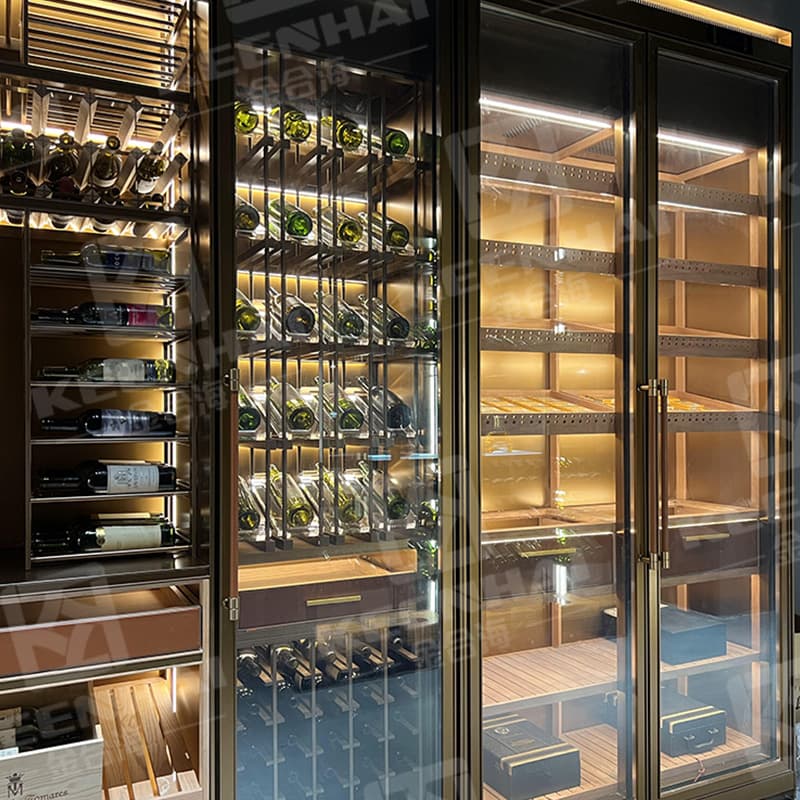
Decorative stainless steel panels with brushed, mirror, or custom finishes
-
High-grade Inox materials such as 316 for projects with corrosion resistance requirements
These materials are available in various thicknesses, surface treatments, and sizes to meet project specifications and design intent. Please refer to our product pages for detailed specifications and examples.
6.Different Grades of Inox and Stainless Steel
Understanding grades can help fine-tune your choice:
| Grade | Typical Use | Key Advantage |
|---|---|---|
| 304 | Kitchen equipment, appliances | Cost-effective, good corrosion resistance |
| 316 | Marine, outdoor furniture | High corrosion resistance, ideal for harsh environments |
| 430 | Automotive trim, indoor appliances | Magnetic, budget-friendly |
For outdoor, coastal, or high-moisture areas, Inox 316 or equivalent is the safest choice.Selecting the right Inox or stainless steel grade at the start reduces maintenance efforts later.
7.Maintenance and Lifespan
-
Inox: Low maintenance. Occasional cleaning with mild detergent keeps it shiny. Extremely resistant to corrosion, scratches, and stains.
-
د زنګ ضد اوسپنه: Requires regular cleaning to prevent surface rust, especially in high-humidity or coastal areas. Abrasive cleaners may damage the protective chromium layer.
Example: A 316 Inox outdoor railing may only need yearly cleaning, while a 304 stainless steel railing might require quarterly maintenance in the same environment.
8.Common Misconceptions
-
All stainless steel is Inox – Incorrect. Only certain high-chromium stainless steels qualify as Inox.
-
Higher price always means better quality – Not necessarily. Choosing the right grade for your environment is more important.
-
Maintenance is the same for all grades – Inox generally requires less care, while standard stainless steel may need frequent cleaning to prevent rust.
When deciding between Inox and د زنګ ضد اوسپنه, consider:
-
Environment: Coastal, marine, or humid areas favor Inox 316.
-
Budget: Stainless steel is sufficient for indoor, less demanding applications.
-
اوږد عمر: Inox offers longer lifespan and lower long-term maintenance.
By understanding your project requirements, you can choose the material that provides the best combination of durability, performance, and value.
In choosing between Inox and standard stainless steel, the right choice depends on your project’s exposure conditions, performance requirements, visual expectations, and long-term maintenance planning. For exterior façades, coastal projects, and applications demanding high durability or surface consistency, Inox grades such as 316 provide long-lasting value and visual integrity. For indoor or lower-stress applications, standard stainless steel grades remain cost-effective.
Explore our د زنګ ضد اوسپنه and Inox material solutions above to find the right option for your project needs and technical specifications.