When comparing 304, 316, and 430 inox, the main differences lie in corrosion resistance and alloy composition. 316 contains molybdenum, making it ideal for coastal or chemical-exposed environments. 304 is a versatile, widely used option that handles most indoor and light outdoor conditions. 430 is magnetic and less corrosion-resistant, making it suitable for decorative or non-critical applications. Selecting the right grade ensures your project achieves longevity, structural strength, and aesthetic appeal without overspending. Understanding these distinctions is crucial for architects, engineers, and designers who aim to balance performance with cost-effectiveness.
1. Overview of Inox Grades
1.1 Chemical Composition Differences
Inox, commonly referred to as stainless steel, consists primarily of iron, chromium, and nickel, but the proportions vary across different grades. Oțel inoxidabil 304 contains roughly 18% chromium and 8% nickel, offering excellent corrosion resistance for general use. Oțel inoxidabil 316 increases the nickel content to around 10% and adds 2–3% molybdenum, significantly enhancing resistance to chlorides and harsh chemical environments. 430 stainless steel, on the other hand, has about 16–18% chromium but negligible nickel, making it magnetic and more suitable for decorative or indoor applications. This compositional variation directly impacts durability, corrosion resistance, and cost, helping engineers and designers select the optimal material for each project. For instance, many architects specify high-quality stainless steel sheet for exterior cladding because its nickel-chromium balance prevents rusting in urban environments.
1.2 Typical Applications of 304, 316, and 430
Different Inox grades serve distinct applications based on their chemical and physical properties:
-
Oțel inoxidabil 304: Used for kitchen appliances, food processing equipment, and indoor architectural accents. Its versatility and moderate corrosion resistance make it the go-to choice for residential and commercial interiors.
-
Oțel inoxidabil 316: Preferred in coastal construction, chemical plants, and marine environments due to its superior resistance to salt and chemical attack. Projects like seaside boardwalks, boat fittings, or outdoor railings often rely on this grade.
-
430 stainless steel: Common in automotive trims, decorative panels, and indoor appliances where high corrosion resistance is less critical but a smooth, aesthetic finish is desired. Many designers use it for lightweight decorative panels that require a metallic sheen without the cost of 304 or 316.
A practical comparison table highlights these differences:
| Grade | Chromium (%) | Nickel (%) | Molybdenum (%) | Rezistenta la coroziune | Magnetic | Typical Use Cases |
|---|---|---|---|---|---|---|
| 304 | 18–20 | 8–10 | 0 | Ridicat | No | Kitchens, indoor structures |
| 316 | 16–18 | 10–12 | 2–3 | Foarte ridicat | No | Coastal, chemical, marine |
| 430 | 16–18 | 0 | 0 | Moderate | Yes | Decorative, automotive |
This table helps architects, engineers, and builders make fast decisions without trial and error.
1.3 Key Performance Characteristics
Performance differences between Inox grades are driven by their alloying elements:
-
Corrosion resistance: 316 excels in chloride-rich or marine environments, while 304 handles most indoor and mild outdoor conditions.
-
Mechanical strength: All three grades offer solid tensile strength, but 430 is slightly less ductile, making it more suited to flat or decorative panels than structural applications.
-
Workability and finishing: 304 and 316 are more adaptable to deep drawing, bending, or polishing, whereas 430 performs best with moderate shaping. Designers often choose Tablă metalică din oțel inoxidabil when uniformity, aesthetic finish, and surface integrity are priorities for modern architecture.
In real-world projects, contractors often follow these steps to ensure optimal selection:
-
Identify the environmental exposure (saltwater, industrial chemicals, indoor humidity).
-
Determine the structural and aesthetic requirements (load-bearing, polished finish).
-
Match the Inox grade accordingly, balancing performance, cost, and long-term maintenance.
-
Source materials from reputable suppliers, such as pvdstainlesssteel, to guarantee consistency and quality.
By understanding these differences, professionals can select the right Inox grade for any application, minimizing maintenance issues and maximizing lifespan.
2. Corrosion Resistance Comparison
2.1 Resistance in High-Humidity and Coastal Environments
Inox and standard stainless steel behave differently when exposed to high-humidity or coastal settings. Oțel inoxidabil 316 shows remarkable resilience due to its 2–3% molybdenum content, which prevents pitting and crevice corrosion even when continuously exposed to salt-laden air. In contrast, Oțel inoxidabil 304 performs well in moderate indoor and urban environments but may require protective coatings in marine locations to maintain longevity. Contractors often follow these steps for exterior installations:
-
Assess the exact environmental exposure, including humidity levels and salinity.
-
Choose the grade accordingly—316 for saltwater exposure, 304 for mild outdoor or indoor conditions.
-
Apply periodic maintenance checks, especially at welds and joints, to catch early signs of corrosion.
2.2 Behavior Against Acids, Chlorides, and Chemicals
Corrosion resistance also depends on chemical exposure. For instance, Oțel inoxidabil 304 withstands weak acids and alkalis but can develop surface rust when exposed to concentrated chlorides over time. Oțel inoxidabil 316, on the other hand, resists aggressive chemical environments found in laboratories, chemical plants, and coastal structures. 430 stainless steel, while magnetic and cost-effective, struggles with acidic or chloride-heavy conditions, making it more suitable for indoor or decorative applications. In practice, engineers often perform a 1–2 week localized exposure test before large-scale installation to ensure the chosen Inox grade can handle the intended chemical exposure.
| Grade | Chloride Resistance | Acid Resistance | Recommended Use |
|---|---|---|---|
| 304 | Moderate | Good | Indoor or mild outdoor environments |
| 316 | Ridicat | Excellent | Coastal, chemical, marine projects |
| 430 | Scăzut | Moderate | Indoor decorative, low-corrosion areas |
This comparison helps project managers avoid premature failures and plan realistic maintenance schedules.
2.3 Longevity and Maintenance Requirements
The long-term performance of Inox materials is tightly linked to proper grade selection and periodic upkeep. 316 stainless steel installations in coastal or industrial zones can easily exceed 25–30 years with minimal maintenance, provided surfaces are cleaned every 6–12 months and deposits like salt or grime are removed. Oțel inoxidabil 304, while durable indoors, may need additional coatings or more frequent cleaning outdoors. Common maintenance steps include:
-
Rinse exposed surfaces with fresh water to remove salts and pollutants.
-
Use non-abrasive cleaners to maintain aesthetic finishes and prevent scratches.
-
Inspect welds, fasteners, and hidden joints for early signs of corrosion.
When specifying sheets for high-performance exterior applications, many architects prefer sourcing premium stainless steel sheet because it combines proven longevity with reduced maintenance demands. By understanding environmental stresses and chemical interactions, designers can confidently select the right Inox grade, ensuring both functional and visual durability for years.
3. Mechanical and Structural Strength
3.1 Tensile Strength and Yield Strength Differences
Inox grades show measurable differences in tensile and yield strength, which directly impacts structural applications. Oțel inoxidabil 304 typically has a tensile strength of 515 MPa and yield strength around 205 MPa, making it suitable for standard construction and decorative frameworks. Oțel inoxidabil 316 offers slightly higher tensile strength at 580 MPa, with improved resistance to deformation under stress due to its added molybdenum content. 430 stainless steel is less ductile, with a tensile strength around 505 MPa, which restricts its use in high-load applications. Engineers often follow these steps when specifying material for a project:
-
Determine the expected load and stress conditions.
-
Choose a grade that maintains at least a 25% safety margin above expected stress.
-
Validate tensile and yield values against project codes or standards.
3.2 Durability under Load and Stress Conditions
Durability under repeated or sustained load is critical for structural stability. Oțel inoxidabil 316 excels in scenarios where frameworks face variable or cyclical stress, such as marine railings, industrial equipment, or outdoor staircases. Oțel inoxidabil 304, while reliable, may show slight deformation under prolonged heavy loads, especially if not properly supported. 430 stainless steel performs best under static, low-stress applications, like interior cladding or ornamental panels. For structural installations:
-
Analyze both static and dynamic load expectations.
-
Use reinforcement techniques, such as welded brackets or gusset plates, where 304 or 430 grades are used.
-
Apply regular inspection schedules, particularly at high-stress points, to ensure longevity.
3.3 Heat Resistance and Thermal Expansion
Heat exposure impacts both strength and dimensional stability. 304 and 316 stainless steels can withstand temperatures up to 870°C intermittently and 925°C continuously without significant loss in mechanical properties, while 430 stainless steel is stable only up to 815°C. Thermal expansion rates differ slightly: 316 expands at roughly 16.0 μm/m·°C, compared to 17.2 μm/m·°C for 304. Designers often account for this by:
-
Allowing expansion gaps in welded or bolted structures.
-
Choosing premium stainless steel sheet for panels exposed to fluctuating temperatures to prevent warping.
-
Selecting coatings or finishes that tolerate heat cycling without degradation, especially when using stainless steel sheet in exposed panels.
By understanding tensile strength, load durability, and thermal behavior, professionals can select the right Inox grade for mechanical and structural applications, ensuring safety, longevity, and performance under real-world conditions.
4. Fabrication and Workability
4.1 Welding and Forming Considerations
When working with inox, understanding the welding requirements is crucial. 304 and 316 grades typically weld well using TIG or MIG techniques, but controlling heat input is critical to avoid warping or sensitization. 430 stainless steel has lower weldability, so preheating and post-weld annealing may be necessary. For forming operations:
-
Measure and mark precise bend lines before cutting.
-
Use progressive bending steps to minimize spring-back and cracking.
-
Ensure tooling is polished and clean to avoid surface marring during forming.
These steps help maintain structural integrity and reduce rework during fabrication.
4.2 Surface Finishing and Polishing Differences
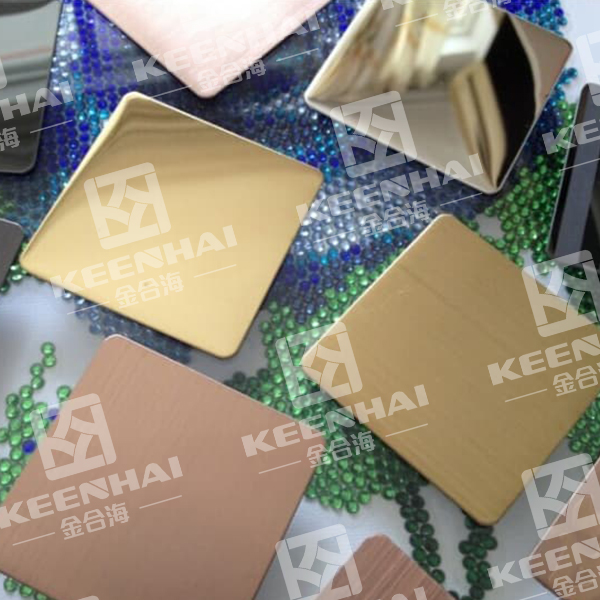
The choice of surface finish impacts both aesthetics and corrosion resistance. 304 and 316 stainless steel accept a wide range of finishes—from #4 brushed to mirror-polished—while 430 may require additional passivation to maintain shine. Mechanical finishing steps often include:
-
Grinding with progressively finer abrasives.
-
Buffing to remove micro-scratches.
-
Optional electropolishing for high-corrosion environments.
This approach ensures that stainless steel sheet maintains its visual appeal and resists staining over time.
4.3 Machining Ease and Limitations
Machining inox requires careful selection of cutting tools and speeds. High-carbon steel or carbide tools are recommended. Key steps include:
-
Use slow feed rates with constant lubrication to reduce tool wear.
-
Avoid deep cuts that create heat accumulation, which can harden the metal locally.
-
Monitor tolerances closely; inox has high work-hardening properties that can affect dimensional accuracy.
For components requiring precision, these steps are essential to achieve consistent results while maintaining the material’s corrosion and structural advantages.
5. Cost and Lifecycle Analysis
5.1 Initial Material and Processing Costs
When comparing inox grades, initial costs vary significantly. 304 stainless steel sheet tends to be more affordable than 316, while 430 offers the lowest material cost but reduced corrosion resistance. Processing costs depend on cutting, welding, and finishing requirements:
-
Precision laser cutting increases upfront cost but reduces material waste.
-
TIG or MIG welding requires skilled labor, especially for thicker panels.
-
Surface treatments like brushing or electropolishing add to fabrication expenses.
Factoring in both material and processing gives a realistic view of upfront investment.
5.2 Long-Term Maintenance and Replacement Costs
Inox is known for low maintenance, but costs still vary by grade and environment:
-
Oțel inoxidabil 316 requires minimal upkeep in coastal or high-humidity environments, resisting pitting and corrosion over decades.
-
304 may need occasional cleaning and inspection in chemically aggressive settings.
-
430 is more prone to surface rust in outdoor or saline conditions, potentially requiring earlier replacement or recoating.
Understanding these patterns allows designers and builders to predict long-term expenses accurately.
5.3 Value for Specific Applications
Selecting the right inox grade for a project maximizes both performance and cost-efficiency:
-
High-humidity, coastal, or chemical-exposed sites benefit from 316 for longevity.
-
Residential kitchen appliances, architectural panels, or indoor structures often balance 304’s affordability with solid performance.
-
Decorative or non-critical applications can leverage 430 to save upfront costs while still maintaining acceptable aesthetics.
By weighing initial investment against lifecycle durability, engineers and architects can optimize both functionality and budget.
Choosing between 304, 316, and 430 inox depends on your project’s specific needs, environmental exposure, and budget. 316 stainless steel sheet excels in coastal or high-humidity conditions due to its superior corrosion resistance, while 304 balances affordability with reliable durability for indoor and moderate outdoor applications. 430 offers cost-effective options for decorative or low-risk installations but requires careful consideration in harsh conditions.