PVD stainless steel cladding İnce bir metalik tabakanın paslanmaz çeliğe atom seviyesinde bağlandığı yüksek performanslı bir malzemedir. Bu işlem sertliği, korozyon direncini ve renk stabilitesini artırır. commercial facades, columns, and elevator interiors, minimum bakım gerektirirken on yıldan uzun süre canlılığını korur. Tasarımcılar, uzun ömürlü estetiği ve yapısal güvenilirliği nedeniyle bu ürünü tercih eder.
1.Definition and Basic Concept
1.2What “PVD” Means in Stainless Steel
Hakkında konuştuğumuzda PVD, we’re talking about Fiziksel Buhar Biriktirme — Paslanmaz çeliğe ince bir metal tabakası bağlayan vakum tabanlı bir teknoloji. Sprey kaplamaların veya elektrokaplamanın aksine, bu işlem kimyasallara veya boyaya dayanmaz. Bunun yerine, atom seviyesinde çalışır. Kapalı bir vakum odasının içinde, titanyum veya zirkonyum gibi metaller buharlaştırılır ve bu buhar parçacıkları çelik yüzeye doğru çekilir. Yoğunlaştıkça, sadece birkaç mikron kalınlığında ancak inanılmaz derecede dayanıklı, yoğun ve sert bir film oluştururlar.
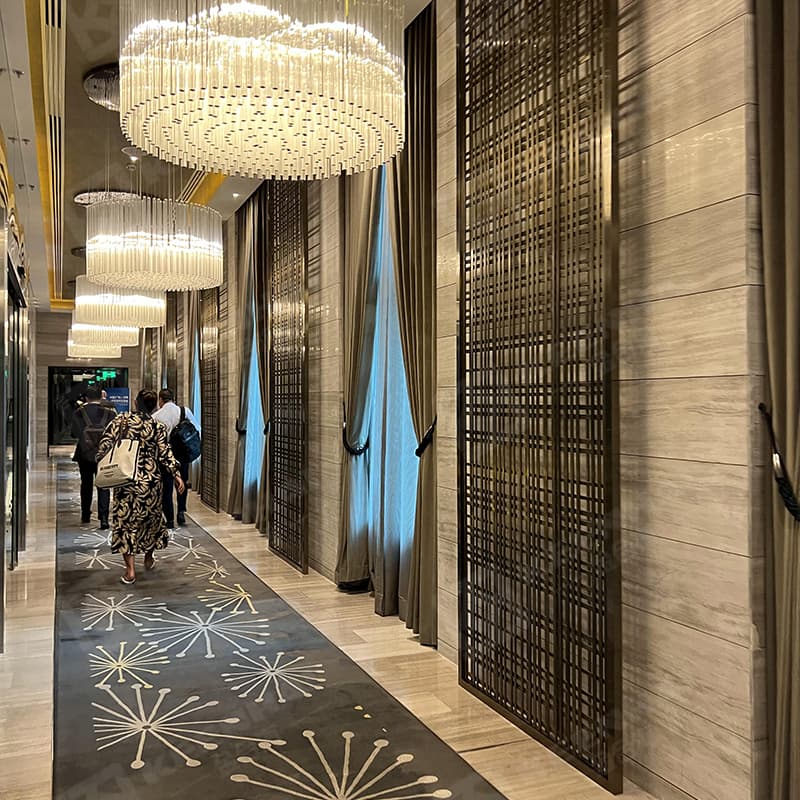
Mimarlar bu teknolojiyi seviyor çünkü performanstan ödün vermeden yaratıcı kontrol sağlıyor. Örneğin, PVD-coated stainless cladding panels used in modern airports or hotel lobbies don’t fade or peel, even after years of UV exposure and cleaning cycles. That’s because the PVD layer becomes part of the metal — not just something sitting on top of it. The finish stays consistent whether it’s brushed, mirror-polished, or patterned.
The process can be summarized in three precise stages:
-
Yüzey Hazırlığı – The stainless steel is cleaned with plasma to remove every trace of oil and dust.
-
Metal Buharlaştırma – Target metals are heated until they vaporize inside the chamber.
-
Deposition and Bonding – Buhar, çelik yüzeyine yerleşip eriyerek katı bir metal tabaka oluşturur.
That’s how modern mimari paslanmaz paneller get their signature gold, bronze, or champagne tones — not from paint, but from real metal compounds physically bonded to the surface. The color doesn’t fade, and the metal underneath keeps its full corrosion resistance.
Tasarımcılar genellikle bu tekniği şu şekilde birleştirir: stainless steel sheets oluştururken dış duvar cepheleri veya elevator interiorsÇünkü hem estetiği hem de performansı tek bir çözümde sunuyor.
1.3 Kaplama ve Kaplama Arasındaki Fark
İnsanlar genellikle "kaplama" ve "kaplama"yı karıştırırlar, ancak bunlar aynı şey değildir. Kaplama is about covering one material with another layer for both protection and appearance. KaplamaÖte yandan, genellikle yüzeye bir film veya kimyasal kaplama uygulanması anlamına gelir. Aradaki fark ince ama önemlidir: kaplama yapı ekler, kaplama sırasında bitiş ekler.
İşte gerçek dünyadaki kullanımdaki karşılaştırmaları:
| Özellik | Kaplama | Kaplama |
|---|---|---|
| Material Thickness | 0,05–0,1 mm | 0.3–1.0 mm |
| Bağlama Yöntemi | Paint, Chemical, or Electroplating | Physical Attachment or PVD Bonding |
| Dayanıklılık | Moderate | Yüksek — Dış Paneller için İdeal |
| Visual Depth | Düz Bitiş | Metalik Derinlik ve Yansıma |
| Maintenance Need | Düzenli Temizlik | Düşük Bakım |
Ticari binalarda, stainless steel cladding yaygın olarak kullanılır sütunlar, cepheler ve duvar sistemleri, while coatings are more for interior decorative parts. For instance, the paslanmaz çelik dış duvar Alışveriş merkezlerinde veya havaalanlarında gördüğünüz paneller kaplama ile değil, kaplama ile üretilir. Bu nedenle, yağmur ve neme yıllarca maruz kaldıktan sonra bile parlaklıklarını korurlar.
In short, cladding builds durability into the material itself, while coating merely adds a surface layer. Once you’ve seen the difference up close — the depth, reflection, and richness of real PVD stainless steel cladding — mimarların modern yapılar için neden buna güvendiğini hemen anlıyorsunuz.
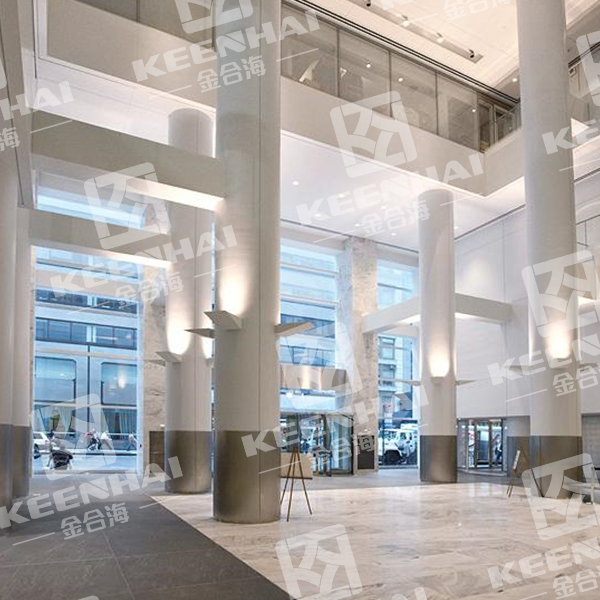
2. PVD Kaplama Üretim Süreci
2.1 Fiziksel Buhar Biriktirme (PVD) Adımları
The Physical Vapor Deposition (PVD) Bu işlem, paslanmaz çeliğin hem görünümünü hem de performansını artırmak için kullanılan yüksek hassasiyetli bir kaplama teknolojisidir. vakum odası, genellikle arasında faaliyet göstermektedir 5×10⁻⁴ to 5×10⁻⁶ TorrKirlenmeyi ortadan kaldıran ve kaplama malzemesinin çelik yüzeye mükemmel şekilde yapışmasını sağlayan bu sistem, içerideki sıcaklığı genellikle 10°C ile 15°C arasında değiştirir. 200°C to 500°C, alt tabakaya ve istenen yüzeye bağlı olarak.
The full procedure involves several detailed steps:
-
Surface Pre-Treatment – Paslanmaz çelik ilk önce parlatılır ve temizlenir. argon plasmaBu adım tüm mikroskobik yağ, oksit ve tozu temizler. Hatta 0.1 µm impurity can cause bonding failure, so precision here is critical.
-
Isıtma ve Vakumlama – The cleaned stainless panel is placed in a vacuum furnace, where air and moisture are evacuated. The metal surface reaches about 400°C Uygun yapışmayı sağlamak için.
-
Metal Target Vaporization – Titanyum, zirkonyum veya krom "hedefleri" yüksek enerjili iyonlarla bombardıman edilir. Bu atomlar anında buharlaşarak metalik bir plazma bulutu oluşturur.
-
Deposition Phase – Buharlaşan atomlar paslanmaz yüzeyde yoğunlaşarak bir yoğun, 0,3–0,5 µm PVD tabakası. The color outcome (gold, bronze, black, or rose) depends on the metal type and gas composition (nitrogen, argon, or oxygen).
-
Soğutma ve Sonlandırma – Once the coating is complete, the panels are cooled under vacuum to prevent oxidation. The result is a surface that’s üç ila beş kat daha zor işlenmemiş paslanmaz çelikten daha iyidir.
Premium böyle olur PVD stainless steel cladding Derin metalik görünümüne ve eşsiz dayanıklılığına kavuşur. Ticari binalarda, örneğin; havaalanı sütunları, otel lobileri ve perakende cepheleriHem görsel çekiciliğin hem de korozyon direncinin eşit derecede önemli olduğu.
Büyük ölçekli uygulamalar için üreticiler genellikle PVD kaplama sürecini hassas kesimle birleştirir stainless steel sheets Mimari panellere veya asansör kapılarına dönüştürülmeden önce. Bu yaklaşım, her parçanın geniş yüzey alanlarında bile tek tip ton ve performans sağlamasını sağlar.
2.2 PVD Paslanmaz Çelik Yüzeylerle Nasıl Bağlanır?
PVD katmanı ile paslanmaz çelik taban arasındaki bağ sadece fiziksel değil, aynı zamanda atomiktir. Bu süreç, metalik bağBu, kaplama atomlarının paslanmaz çelik alt tabaka ile elektronları paylaştığı anlamına gelir. Bu tür bir füzyon, PVD kaplamaya imzasını verir. scratch and wear resistance, sertlik değerleri ulaştığında 2.000–2.400 BG Vickers ölçeğinde (standart paslanmaz için ~200 HV ile karşılaştırıldığında).
Biriktirme sırasında paslanmaz çelik yüzey, buharlaşan metal atomlarını çeken yüksek voltajlı bir alan tarafından iyonize edilir. Bu atomlar yüzeye 1000 m'yi aşan hızlarda çarpar. 1 km/s, kendilerini gömerek kristal bir mikro yapı oluştururlar. Sonuç olarak, uniform, pore-free coating Yıllarca açık havada kalmasına rağmen soyulmayan, çatlamayan veya dökülmeyen.
PVD'nin geleneksel kimyasal kaplamalarla karşılaştırılması şöyledir:
| Property | Kimyasal Kaplama | PVD Kaplama Sistemi |
|---|---|---|
| Bağlanma Gücü (MPa) | 15–25 | >100 |
| Kaplama Kalınlığı (µm) | 2–5 | 0,3–0,5 |
| Sertlik (Vickers HV) | 200–300 | 2000–2400 |
| Yapışma Tipi | Mekanik | Metalik Bağlama |
| Renk Stabilitesi | Moderate | Mükemmel (10+ yıl) |
Film yapısı metalik olduğundan, sıcaklık değişimlerinde çatlamadan taban çeliğiyle birlikte genişler ve büzülür. Bu nedenle paslanmaz çelik dış duvar Bu işlemle üretilen paneller nemli kıyı kentlerinde veya yüksek rakımlı binalarda kusursuz bir performans sergilemektedir.
Mimari projeler için markalar; pvdpaslanmaz çelik Lüks oteller için ayna parlaklığında altın kaplamadan minimalist ofis cepheleri için mat bronz kaplamaya kadar özel yüzeyler üretme konusunda uzmanlaşmıştır. Biriktirme hızı, gaz akışı ve iyon enerjisi üzerindeki kontrolleri, her partide tutarlı ton, doku ve yapışma kalitesi sağlar.
In essence, PVD bonding transforms stainless steel from a functional material into a design statement — combining molecular-level strength with timeless aesthetics that simply can’t be replicated by paint or electroplating.
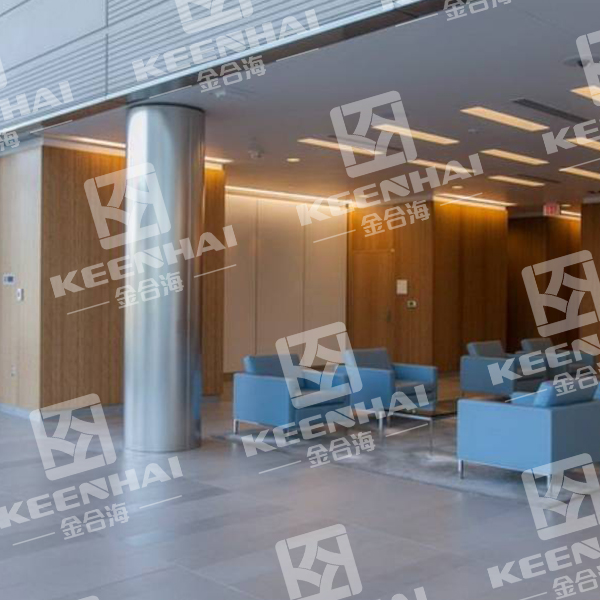
3. Material Composition and Surface Finishes
When it comes to PVD stainless steel cladding, the material composition and finish determine not only its appearance but also its performance and longevity. The selection of base metal, coating material, and surface treatment directly affects corrosion resistance, reflectivity, and color stability — key factors in architectural and commercial applications.
3.1 Types of Stainless Steel Used for Cladding
Most PVD cladding panels are fabricated using austenitic stainless steels, primarily 304 Ve 316 grades.
-
Grade 304 (18% chromium, 8% nickel) is the standard choice for interior walls, ceilings, and elevator trims due to its good corrosion resistance and smooth surface for uniform coating adhesion.
-
Grade 316, containing 2–3% molybdenum, provides superior resistance to salt and acid corrosion, making it ideal for coastal buildings, facades, and outdoor columns.
For high-impact environments such as airports or commercial towers, thicker gauges (1.2–2.0 mm) are often used to prevent denting, while thin claddings (0.6–0.8 mm) suffice for decorative indoor panels. The steel’s surface finish before coating—typically mirror No.8, satin No.4, veya hairline HL—also influences how evenly the PVD layer bonds and how light reflects off the final product.
In terms of mechanical properties, 304 stainless steel cladding has a typical tensile strength of 520–720 MPa Ve elongation of 45–50%, providing flexibility during bending and fabrication. 316 paslanmaz çelik, meanwhile, performs slightly stronger with 515–760 MPa tensile strength and higher resistance to chloride pitting. These numbers translate into better structural stability and reduced risk of cracking under outdoor thermal stress.
3.2 Available Colors and Texture Options
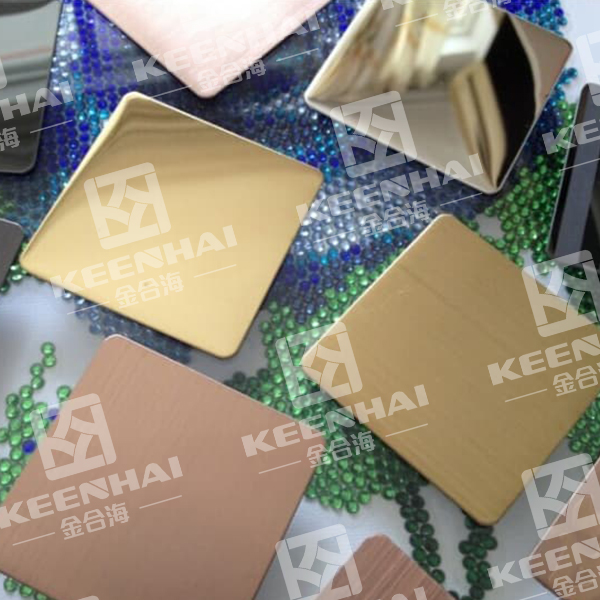
The PVD coating process allows stainless steel to mimic natural metals and achieve custom aesthetics that traditional painting or electroplating cannot match. Typical color options include:
| Finish Type | Common Colors | Reflectivity | Application Use |
|---|---|---|---|
| Mirror | Gold, Silver, Rose Gold | High (85–95%) | Lobby walls, elevator interiors |
| Hairline | Bronze, Black, Champagne | Moderate (60–70%) | Exterior panels, columns |
| Etched | Custom patterns, Dual-tone | Variable | Decorative facades, signage |
| Bead-Blasted | Titanium Gray, Dark Bronze | Low (40–55%) | Industrial or matte-style architecture |
Each finish requires a specific base preparation — for instance, mirror-polished surfaces yield vivid, high-gloss colors, while hairline finishes produce a softer, brushed tone.
In high-end projects, designers often combine finishes — for example, hairline bronze borders with mirror gold center panels — to create depth and visual contrast. Some manufacturers also offer anti-fingerprint or self-cleaning coatings, which reduce maintenance frequency by up to 40% compared to uncoated claddings.
Finally, color consistency depends on chamber temperature (180–500°C) Ve deposition time, both of which influence the atomic layer thickness. Thicker coatings (above 0.5 μm) offer richer tones and enhanced durability but cost slightly more due to extended vacuum cycles.
4. Key Benefits of PVD Stainless Steel Cladding
4.1 Durability and Corrosion Resistance
One of the main reasons architects choose PVD-coated stainless cladding panels is unmatched durability. Unlike painted surfaces or powder-coated metals, PVD layers are bonded at the atomic level, making them 3–5 times harder than standard stainless steel surfaces. In commercial projects such as airport columns, hotel lobbies, and high-traffic shopping mall facades, this hardness translates into scratch resistance, dent prevention, and long-term structural integrity.
Corrosion resistance is another major advantage. PVD layers protect against:
-
Chloride attack in coastal environments, which normally accelerates pitting.
-
Acid rain exposure, common in urban areas.
-
UV degradation, ensuring color stability even after years of sun exposure.
For example, paslanmaz çelik dış duvar panels coated with PVD in seaside commercial towers show virtually zero signs of oxidation after 10+ years, while conventional stainless coatings often require regular maintenance or replacement.
Here’s a simple performance comparison for context:
| Property | Standard Stainless Steel | PVD Stainless Steel Cladding |
|---|---|---|
| Sertlik (Vickers HV) | 200–250 | 2000–2400 |
| Korozyon Direnci | Moderate | High – chloride & acid resistant |
| Scratch Resistance | Low–Medium | High |
| UV/Fade Resistance | Low | Mükemmel (10+ yıl) |
| Maintenance Frequency | 12–24 months | 5–7 years |
This is why architects rely on modern mimari paslanmaz paneller for high-traffic or exposed locations — the long-term performance saves both repair costs and downtime.
4.2 Aesthetic and Maintenance Advantages
Beyond durability, PVD stainless steel cladding teklifler aesthetic flexibility that traditional coatings can’t match. It provides consistent, vibrant metallic colors such as bronze, champagne, black, or rose gold, which remain stable over time. The finish can be mirror-polished, hairline, or patterned, allowing designers to create eye-catching hotel lobbies, elevator interiors, or commercial façade systems that feel premium and modern.
Maintenance is remarkably simple compared with other decorative metals. For instance:
-
Daily cleaning is usually limited to soft microfiber wiping — harsh chemicals are unnecessary.
-
Fingerprint and smudge resistance is built into the coating itself, reducing visual wear in high-touch areas.
-
Longevity: The PVD layer stays vibrant for more than a decade, even in outdoor climates.
Some projects combine stainless steel sheets with PVD panels to cover large façades seamlessly. This not only ensures uniform appearance but also minimizes joints and potential water infiltration points, which further improves the building’s durability.
In short, the combination of color richness, low-maintenance upkeep, and consistent visual appeal is why designers continue to choose PVD cladding for both interior and exterior architectural projects. It’s a long-term investment in performance and aesthetics, rather than just a surface treatment.
5. Applications in Architecture and Interior Design
5.1 Building Facades and Columns
PVD stainless steel cladding has become a top choice for commercial and public building facades. Its atomic-level bonding gives panels high corrosion resistance and color stability, which is critical for exterior surfaces exposed to sun, rain, and urban pollution.
Architects often use stainless steel column cladding panels to cover structural supports in airports, hotels, and shopping centers. The panels are typically 0.8–1.2 mm thick, cut precisely to match column dimensions, and mirror or hairline finishes are selected depending on aesthetic needs.
In coastal buildings, Grade 316 stainless steel sheets are combined with PVD layers to resist chloride-induced corrosion, which dramatically increases the façade’s lifespan. For instance, a seaside hotel used bronze PVD cladding on exterior columns, maintaining color and gloss for over 10 years with minimal maintenance.
Key advantages for façades and columns include:
-
Uniform metallic finish across large surfaces, even for multi-story buildings.
-
Scratch and dent resistance, reducing repair frequency in high-traffic zones.
-
Seamless integration with glass, concrete, and stone elements.
This makes PVD panels ideal for modern architectural façades that demand both longevity and a premium visual impact.
5.2 Elevators, Wall Panels, and Decorative Uses
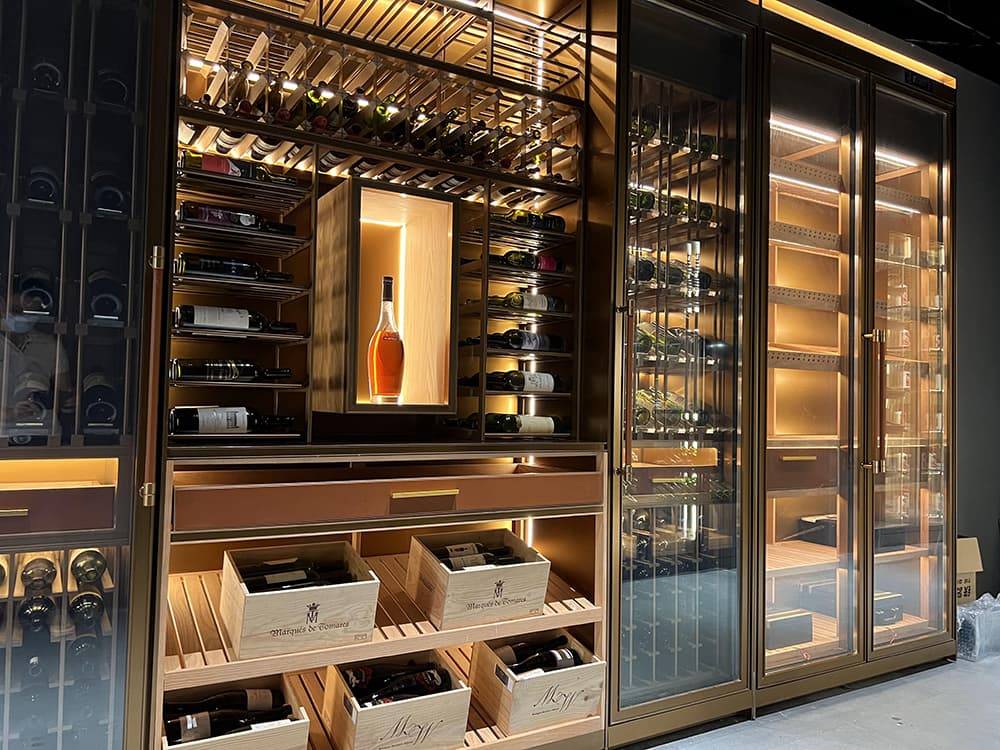
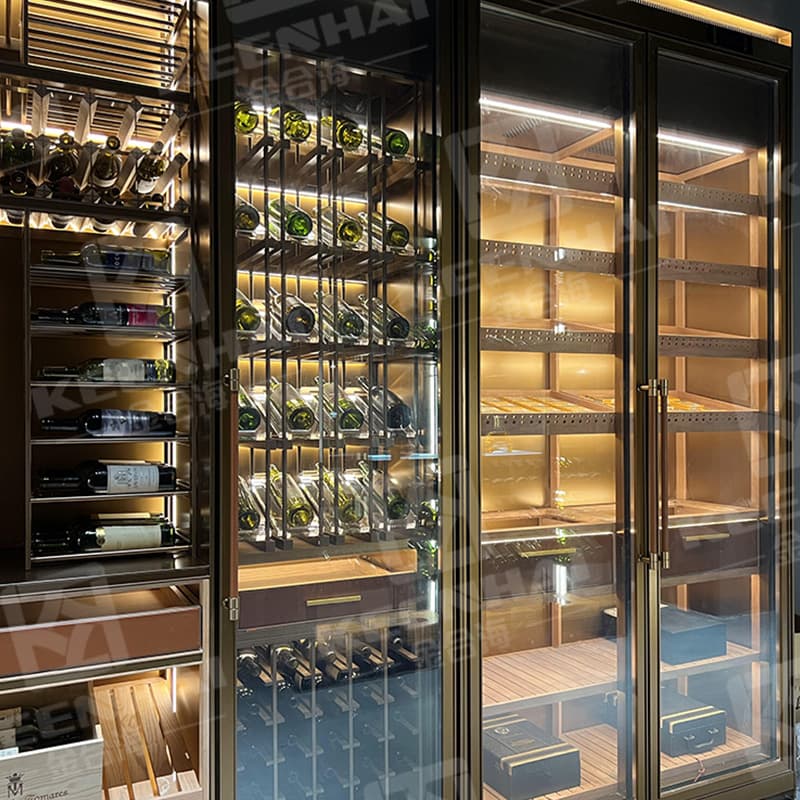
Inside buildings, PVD-coated stainless steel cladding transforms ordinary spaces into luxurious, functional environments. Elevator interiors, wall panels, and decorative trims benefit from both durability and style.
For elevators, designers select mirror-polished or hairline finishes, ensuring the surfaces resist fingerprints and scuffs in high-use areas. Large office complexes and luxury hotels often install paslanmaz çelik dış duvar panels for interior accent walls, combining aesthetics with düşük bakım.
Decorative uses extend to:
-
Reception desk panels and wall accents in hotel lobbies.
-
Retail display backdrops where reflective surfaces enhance product visibility.
-
Architectural art installations, where PVD’s color options allow for bronze, champagne, or rose-gold hues that stay vivid for years.
Combining stainless steel sheets with PVD-coated panels ensures uniform coverage and eliminates unsightly gaps, even for custom-shaped walls. Projects like airport lounges and upscale shopping arcades often deploy these panels, achieving a consistent, high-end look with minimal long-term upkeep.
In short, PVD stainless steel cladding combines strength, corrosion resistance, and lasting visual appeal. From airport columns to hotel lobbies, this technology transforms ordinary stainless steel into a premium architectural material. With precise atomic bonding and a variety of finishes, it’s a long-term solution that delivers both performance and style without heavy maintenance.