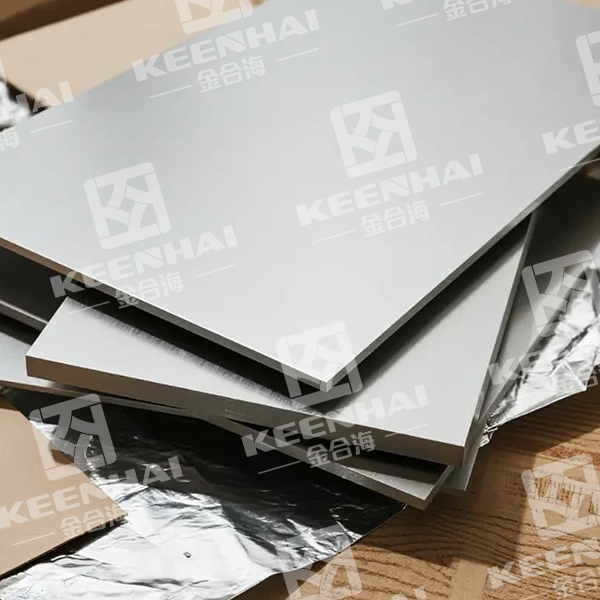
Why Specify Stainless Steel for a Facade?
Stainless steel facade cladding combines a durable exterior surface with a strong architectural identity. It can give a commercial building, hotel, transport hub, cultural venue, or high-end residence a precise metallic appearance while helping protect the wall assembly from weather, impact, pollution, and daily exposure. The material can be formed into flat panels, cassettes, shingles, screens, fins, column covers, soffits, perforated sheets, and sculptural facade elements.
The best result does not come from choosing a shiny sheet and asking a fabricator to install it. Exterior performance depends on the relationship between stainless steel grade, surface finish, panel geometry, subframe, fasteners, joints, drainage, thermal movement, wind loads, and cleaning procedures. A finish that works well on a sheltered interior wall may not suit a coastal facade or an urban elevation exposed to road salt and airborne contaminants.
This guide explains how to choose stainless steel grades, compare architectural finishes, plan fabrication, coordinate installation, and protect long-term performance. It is intended to help architects, contractors, developers, and purchasing teams turn a visual concept into a buildable facade specification.
What Is Stainless Steel Facade Cladding?
Stainless steel facade cladding is an exterior wall covering or rainscreen layer made from stainless steel sheet, plate, mesh, perforated panels, folded cassettes, or formed architectural components. Installers may install it over masonry, concrete, steel framing, timber framing, or a lightweight backing wall.
A complete facade assembly normally includes more than the visible metal. Depending on the design, it may contain brackets, rails, clips, insulation, an air barrier, a water-resistive layer, cavity barriers, flashings, sealants, fasteners, and access panels. The stainless steel outer layer can shed much of the rain and protect the wall, but the backing wall and drainage plane remain essential to moisture control.
Common system formats include:
Flat or folded panels: Suitable for clean, contemporary elevations and precise shadow lines.
Cassette panels: Folded trays with concealed clips or rails for a controlled appearance.
Shingles or small modules: Useful for curved surfaces, irregular forms, and replacement-friendly layouts.
Perforated sheets: Used for solar screening, privacy, ventilation, signage, and visual texture.
Expanded metal and mesh: Creates transparency, depth, and layered facade effects.
Fins and folded blades: Add rhythm, shading, and three-dimensional relief.
The specification should define the panel construction, nominal thickness, grade, finish, support spacing, fixing method, joint design, fire strategy, movement allowance, tolerances, and maintenance access. Naming only “stainless steel cladding” leaves too many performance decisions unresolved.

Which Stainless Steel Grades Are Suitable for Exterior Cladding?
Grade selection should respond to exposure, not simply to the lowest material price. Stainless steel resists corrosion because its chromium-rich surface layer can reform when exposed to oxygen, but resistance varies with alloy composition, surface condition, contamination, moisture, chlorides, and the design of the facade.
Austenitic grades such as 304 and 316 are common reference points for architectural work, but the appropriate choice depends on the environment and the required standard. Grade 304 may be suitable for many inland and sheltered applications. Areas exposed to marine spray, de-icing salts, swimming pools, industrial pollutants, or persistent condensation may require a more corrosion-resistant grade or a carefully selected alternative.
Grade 316 contains molybdenum and is often considered where chloride exposure is more significant. That does not make it maintenance-free or universally suitable. Poor detailing, iron contamination, crevices, stagnant water, and aggressive cleaning chemicals can still cause staining or localized corrosion.
Ferritic, duplex, and other stainless steel families may also be appropriate for particular projects, especially where strength, thermal expansion, cost, or specialized corrosion performance is important. The selection should be confirmed against the project environment and the applicable material standard. ASTM A240/A240M covers chromium and chromium-nickel stainless steel plate, sheet, and strip for general applications, while EN 10088 provides European stainless steel grade and product information.
Ask the supplier for a material certificate, heat or batch traceability, surface condition, and confirmation that the delivered product matches the approved specification. Grade substitution should not happen informally after design approval.
How Do Surface Finishes Change Facade Performance?
The finish affects reflectance, texture, cleaning, visual uniformity, and the way the metal responds to weather. It can also influence how easily contamination is noticed and removed. A facade finish should be selected together with the building’s orientation, viewing distance, lighting, surrounding materials, and maintenance capacity.
Brushed and satin finishes
Brushed or satin finishes create a directional grain that softens reflections and gives a controlled architectural appearance. They are popular for hotel entrances, commercial buildings, transit projects, and feature elevations. Grain direction must be coordinated across adjacent panels, corners, folded returns, and replacement parts.
മിറർ പോളിഷ് ചെയ്ത ഫിനിഷുകൾ
Mirror polishing produces a dramatic reflective surface suitable for statement facades and luxury architecture. It can visually expand a plaza or reflect nearby landscape and sky. However, it reveals fingerprints, scratches, dents, water marks, and inconsistent polishing more readily than a satin finish. Large mirror panels require careful handling and a realistic maintenance plan.
Bead-blasted and matte finishes
Bead-blasted or matte surfaces reduce glare and create a softer, more uniform appearance. They can be useful in bright environments where mirror reflections would be distracting. The surface must still be protected from contamination and incompatible cleaning methods, because rougher textures can retain dirt.
Patterned, embossed, and colored finishes
Embossing, etching, perforation, patterned rolling, and specialty coatings can give a facade a unique identity. Colored or PVD-type finishes may introduce bronze, gold, black, blue, or other tones. For any specialty finish, request information about coating adhesion, UV exposure, repair methods, batch matching, and warranty conditions. Review the finish at full scale before ordering.

How Should Designers Develop the Facade Geometry?
A stainless steel facade can be quiet and planar or highly articulated and sculptural. The design should begin with the building’s massing, viewing distances, weather exposure, and maintenance access. A pattern that looks elegant on a small elevation may become visually repetitive or expensive when repeated across thousands of square meters.
Flat panels are generally simpler to fabricate and replace. Folded panels and cassettes can conceal edges and create strong shadow lines, but they require accurate bend allowances, corner coordination, and support tolerances. Perforated sheets can provide transparency and solar control, although the open area affects stiffness, wind pressure, daylight, and the amount of backing wall visible behind the pattern.
Joints are central to the visual result. Open joints can create a ventilated rainscreen with clear shadow gaps, while sealed joints provide a more continuous appearance but require sealant movement and maintenance. Corner conditions may use folded returns, separate corner pieces, expressed reveals, or mitred assemblies. The best detail is the one that matches the desired appearance, fabrication capability, drainage strategy, and replacement plan.
A full-size mock-up should show the panel, joint, corner, subframe, window interface, flashing, sealant, and adjacent materials. It allows the project team to assess flatness, reflectance, grain direction, pattern alignment, and installation tolerances before the production quantity is released.
What Fabrication Processes Are Used?
Stainless steel panels may be laser cut, waterjet cut, punched, perforated, rolled, pressed, folded, spun, or formed over a support frame. The selected process depends on alloy, thickness, geometry, quantity, finish, and required tolerance.
Digital modeling helps fabricators plan panel segmentation, nesting, bend lines, perforation patterns, internal stiffeners, access doors, lifting points, and transport limits. Large facade elements are usually divided into manageable units that fit trucks, hoists, elevators, loading bays, and the available installation sequence.
Welding may be required for frames, returns, brackets, or complex assemblies. Heat input must be controlled to limit distortion and discoloration. Welded areas often require grinding, pickling, passivation, or other approved cleaning and finishing processes to restore a consistent appearance and surface condition. The procedure should be appropriate to the stainless steel grade and the required visible finish.
Fabricators should complete a factory assembly or representative trial assembly where practical. Check panel alignment, joint widths, corner fit, support connections, access panels, drainage paths, finish consistency, and the labeling of each section. Photographing and documenting the approved assembly can reduce mistakes during site installation.

How Is Stainless Steel Facade Cladding Installed?
Installation begins with a survey of the supporting wall. The contractor should verify line, level, plumb, substrate strength, opening dimensions, embedded services, and the position of windows, parapets, balconies, and other interfaces. An inaccurate substrate can transfer errors into every visible joint.
The support system may use aluminum or stainless steel rails, brackets, clips, or a secondary steel frame. Dissimilar metals should be evaluated for galvanic compatibility, especially in damp or salt-exposed environments. Isolating layers, compatible fasteners, drainage gaps, and protective coatings may be required at interfaces.
The installation sequence should keep the cavity, flashings, air barrier, insulation, and fire-stopping continuous. Panels should be stored dry, protected from impact, and lifted with clean equipment. Protective film should be removed in accordance with the finish supplier’s instructions; leaving it exposed to strong sun or weather can make removal more difficult.
Installers should check joint alignment, panel flatness, fastener engagement, corner returns, window transitions, parapet caps, base details, and drainage. Do not use carbon-steel tools or abrasive debris that can contaminate the stainless surface. Any scratches, dents, weld marks, or finish mismatches should be recorded and corrected before handover.
How Can Owners Maintain the Facade?
Stainless steel is corrosion resistant, not maintenance free. Dust, traffic pollution, bird deposits, hard-water marks, salt, construction residue, and iron particles can accumulate on the surface. A maintenance plan should identify cleaning frequency according to location, orientation, finish, and environmental exposure.
Clean brushed surfaces in the direction of the grain. Use approved detergents and soft tools, and rinse away residues that could dry on the surface. Avoid chlorine-rich cleaners, carbon-steel brushes, abrasive pads, and unapproved solvents. Mirror and specialty finishes need additional care because even small scratches or polishing differences can be visible.
Inspect joints, sealants, flashings, fasteners, drainage paths, coatings, access panels, and areas behind projecting features. After nearby construction, severe storms, or exposure to de-icing salt, carry out an additional inspection. Keep finish samples, material certificates, cleaning instructions, and spare panels in the building handover records.
Maintenance frequency should reflect the facade environment. A sheltered inland elevation may need a simpler routine than a coastal wall, a building beside a busy road, or a facade beneath trees and projecting balconies. Record cleaning dates, observed staining, repairs, and changes in joint condition so that small issues can be corrected before they affect the backing wall. When cleaning or repair work is contracted out, provide the contractor with the approved finish requirements and prohibit improvised abrasives or metal tools that could permanently alter the surface.

How Should Buyers Select a Cladding Fabricator?
Compare fabricators by technical scope, not only by price. Ask for completed projects with similar exposure, panel size, finish, geometry, and installation complexity. Review whether the company can coordinate design development, engineering, material procurement, CNC cutting, forming, welding, surface finishing, quality control, packing, transport, and site support.
A clear request for quotation should include facade elevations, panel schedules, grade, thickness, finish, joint type, performance criteria, quantities, site location, access restrictions, mock-up requirements, target dates, and warranty expectations. Confirm whether the price includes subframes, clips, brackets, trims, flashings, corner pieces, access panels, protective packaging, delivery, and installation assistance.
Request material certificates, coating or finish data, welding and cleaning procedures, structural information, fire documentation where applicable, tolerances, maintenance instructions, and replacement guidance. Ask how the supplier controls grain direction, polishing quality, color consistency, and batch matching. A sample should be approved before mass production, and the contract should define how defects or nonconforming panels will be handled.
Stainless Steel Facade Cladding: Quick Decision Checklist
Before final approval, confirm the following:
Is the selected grade appropriate for marine, urban, industrial, or sheltered exposure?
Does the finish match the building’s glare, reflectance, and maintenance requirements?
Are wind pressure, panel deflection, fasteners, clips, and subframes engineered?
Are joints, flashings, cavities, barriers, and window interfaces coordinated?
Has thermal movement been allowed for in long panels and continuous rails?
Are dissimilar metals separated or otherwise protected?
Has a full-size mock-up been reviewed under natural and artificial light?
Are cleaning, inspection, replacement, and warranty documents included?
Use this checklist during design review, tender evaluation, factory inspection, and handover rather than only at the start of the project. Each answer should be supported by a drawing, calculation, approved sample, test report, material certificate, or maintenance document. If a decision cannot yet be evidenced, assign an owner and a deadline before fabrication begins. This simple record prevents common gaps, such as selecting a suitable grade but overlooking contaminated tools, specifying an attractive finish without a cleaning method, or approving panels before the window and parapet junctions are resolved.

Frequently Asked Questions
Is 304 stainless steel suitable for every exterior facade?
No. Grade 304 can suit many inland and sheltered applications, but marine, salt-exposed, poolside, industrial, or persistently damp environments may require a different grade or additional design controls. Confirm the selection with an engineer and the applicable material standard.
Is 316 stainless steel maintenance free?
No. It may offer improved resistance in chloride-prone environments, but contamination, poor drainage, crevices, aggressive cleaners, and iron particles can still cause staining or corrosion. Regular inspection and cleaning remain necessary.
Which finish is easiest to maintain?
Brushed or satin finishes often provide a practical balance between appearance and maintenance, but the best choice depends on exposure and cleaning access. Mirror and specialty finishes can be highly effective visually but need more careful handling.
Can stainless steel panels be installed over an existing wall?
Yes, if the existing wall is surveyed and can support the brackets or secondary frame. The design must address substrate strength, moisture control, thermal movement, window interfaces, cavity barriers, and the added dead load.
How thick should facade panels be?
There is no universal thickness. The correct value depends on panel dimensions, folds, stiffeners, support spacing, wind loads, impact requirements, finish, and installation method. Use project-specific calculations rather than a generic thickness rule.
തീരുമാനം
Stainless steel offers a durable and expressive solution for exterior facade cladding, but its long-term success depends on disciplined specification. Grade, finish, panel geometry, drainage, subframe, fasteners, movement joints, fabrication quality, and maintenance must be considered as one system.
Choose the grade for the real exposure, select the finish for the actual viewing and cleaning conditions, and validate the design with a full-size mock-up. Work with a fabricator that can provide traceable materials, controlled finishing, coordinated shop drawings, and installation support. When these decisions are made early, stainless steel facade cladding can combine corrosion resistance, visual precision, and dependable building-envelope performance for many years.
The most reliable procurement process compares complete systems rather than isolated sheet prices. Include the panel, subframe, brackets, fasteners, flashings, joints, finishes, mock-up, packaging, installation, inspection, cleaning, and replacement strategy in the scope. This approach helps the owner understand the true cost and reduces the risk of receiving a visually attractive facade with unresolved drainage, movement, corrosion, or maintenance problems. A documented handover then gives the building team the information needed to preserve the appearance and performance of the installation.