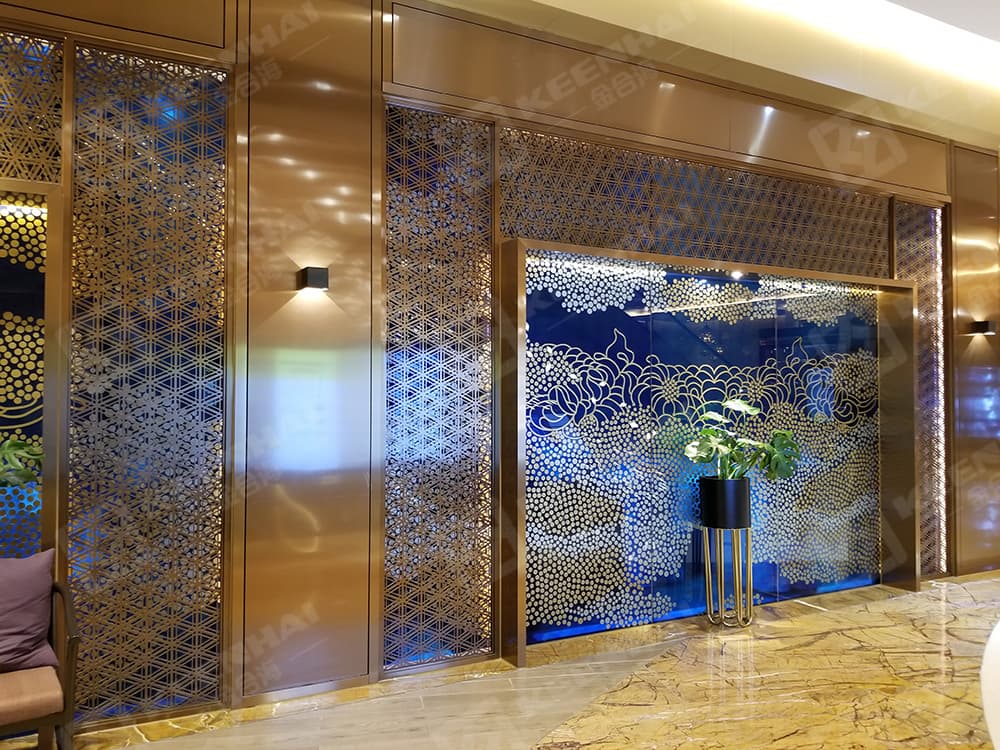
A reliable stainless steel quote starts with a clear technical brief, not a product name alone. “Stainless steel panel,” “trim,” “countertop,” or “fabricated enclosure” can describe many different products, materials, finishes, thicknesses, edge details, and installation conditions. If a supplier has to guess these details, the quotation may be difficult to compare, and the final price may change after drawings, samples, or site measurements are reviewed.
The best approach is to issue a coordinated drawing and specification package. It should show what the component is, where it is used, how large it is, how it will be made, what appearance is required, how many are needed, and what the supplier must include or exclude. This guide explains how architects, contractors, designers, and procurement teams can prepare information for a more useful stainless steel quote while avoiding invented tolerances, unsupported performance claims, or unclear scope. It also shows why consistent drawing marks, finish samples, quantity schedules, and written assumptions matter: they allow bidders to price the same work and give the buyer a traceable basis for later approvals and changes.
Define the Scope Before Requesting a Stainless Steel Quote
Begin with a short project summary. Identify the building or area, the component type, its function, the installation location, the expected service environment, and the required delivery stage. State whether you need material supply only, fabrication, finishing, packaging, delivery, site installation, or a complete subcontract package.
A supplier should not have to infer whether the part is decorative, hygienic, structural, weather-exposed, impact-prone, or exposed to chemicals. These conditions may influence the grade, finish, edge treatment, joining method, protection, and inspection requirements.
This scope summary should appear in the request for quotation and on the drawing cover sheet.
Prepare Drawings That a Fabricator Can Use
A concept image is useful for explaining design intent, but it is rarely enough for pricing fabrication. Provide dimensioned plans, elevations, sections, details, and a component schedule. Draw the actual finished size where possible, and distinguish between nominal dimensions, site dimensions, and dimensions that the supplier must verify.
Show overall length, width, height, depth, radii, angles, returns, folds, holes, slots, notches, cut-outs, joints, visible faces, and interfaces with adjacent materials. If a part must fit around a column, opening, appliance, or existing structure, show the relevant obstruction and the required clearance. For repeated components, identify a typical detail and list the variations separately.
Use a consistent drawing reference system. Each part should have a mark or number that appears on the drawing, schedule, quotation, packing list, and installation plan. This is particularly important when many pieces look similar but have different handedness, hole patterns, or finish directions.
Do not use a drawing scale as a substitute for written dimensions. If a dimension is critical, write it clearly and state the unit. Where site conditions are not confirmed, mark the dimension as provisional and assign responsibility for verification.

Specify Stainless Steel Grade, Thickness, and Construction
A stainless steel quote should identify the required material grade or the performance basis for selecting it. The suitable grade depends on exposure, cleaning agents, chloride risk, temperature, fabrication method, and project requirements. Do not select a grade solely because it is commonly used or because a quotation uses the word “stainless.” Ask the project team or material specialist to confirm the intended grade for the environment.
Also state the nominal thickness and whether the item is sheet, plate, tube, angle, bar, or a composite assembly. Thickness affects stiffness, weight, forming, welding, edge behavior, appearance, and handling. A thin decorative cover and a fabricated enclosure may both be called a panel but require different construction details.
Clarify whether the item needs folded returns, welded seams, ground welds, visible weld limits, internal stiffeners, backing plates, threaded inserts, brackets, or removable sections. If a component is not intended to carry a load, say so. If loads, impact, vibration, pressure, or support functions exist, provide the design basis or request an engineer’s review rather than expecting the fabricator to infer it.
Describe the Finish and Appearance Clearly
Finish descriptions should be specific enough to price and approve. Terms such as “brushed,” “satin,” “hairline,” “mirror,” or “polished” can be interpreted differently. Reference a recognized finish designation where the project has one, and include a physical sample or approved reference whenever appearance is important.
State the grain or polishing direction, whether the direction must align across adjacent pieces, which faces are visible, and how corners or weld zones should be treated. Explain whether small shade, grain, or reflectivity variation is acceptable. For large visible areas, define the sample approval process and who makes the final acceptance decision.
Protective film, packaging, and handling requirements should be stated because a good finish can be damaged after fabrication.
Include Quantities, Repetition, and Allowances
Give the supplier a quantity schedule by component mark. Include the number of identical parts, handed pairs, corner pieces, spare parts, samples, mock-ups, and trial pieces. State whether the quantity is final or subject to site verification.
Repetition can reduce drawing, setup, and fabrication effort, but only when parts are genuinely identical. A schedule that lists one hundred pieces without identifying ten different sizes or hole patterns can produce an incomplete stainless steel quote. Include a breakdown by size, finish, thickness, and revision.
If the project needs spare components, price them separately or identify them in the schedule. For high-visibility areas, keeping a small number of approved spare parts can simplify future repairs, but the decision should reflect the project’s maintenance plan rather than an assumed percentage. Identify packaging or labeling requirements for these parts as well. A spare with no component mark, finish reference, or protected storage method may not be useful when it is needed later. If quantities are still provisional, state the basis for the allowance and the date when the final schedule will be issued so the supplier can separate confirmed value from budget value.

State Tolerances, Interfaces, and Installation Requirements
Do not invent tolerances that the project has not defined. Instead, identify critical fit conditions and ask the fabricator to confirm achievable shop tolerances and recommended site allowances. Show gaps, sealant joints, shadow lines, movement joints, fixing access, removable panels, and the relationship between stainless steel and adjacent materials.
Explain how the item will be installed: adhesive, screws, bolts, clips, welding, concealed brackets, mechanical interlock, or another approved method. State who supplies fixings, anchors, templates, sealants, backing, and protection. If the substrate is existing, identify who surveys it and who resolves deviations.
Include installation sequence when it affects the quote. A large panel that must be delivered in one piece may require different packaging and access from a panel assembled on site. A component installed after flooring or glass may need temporary protection and a later return visit. Show the handover point between fabrication and site work: for example, whether the supplier provides templates, preassembled sections, touch-up materials, protective film removal, or installation supervision. Clear responsibility at this interface reduces duplicated allowances and makes the stainless steel quote easier to compare.
Request a Clear, Itemized Stainless Steel Quote
Ask suppliers to return a quotation that follows your component marks and scope headings. The response should make inclusions, exclusions, assumptions, alternatives, and lead times easy to find.
Ask the supplier to identify any item priced as an allowance or based on an assumption. This gives the project team a clear list of decisions that could change the final value. Request a separate line for samples, mock-ups, shop drawing revisions, testing, special packing, delivery, and installation where they apply. A line-by-line response also makes it easier to remove an option, compare an alternative material, or issue a controlled variation without rebuilding the entire quotation.
Common Mistakes That Reduce Quote Accuracy
The most common problem is sending a visual reference without dimensions, material, finish, quantity, or installation information. Other mistakes include mixing nominal and finished dimensions, omitting the back or hidden faces, failing to identify handed parts, using different revision numbers, and leaving site measurement responsibility unclear.
Another risk is requesting a stainless steel quote from several suppliers using different scopes. One may include installation and packaging while another prices fabrication only. Compare like with like, then review quality, programme, technical support, and warranty rather than looking only at the lowest number.
Avoid changing grade, thickness, finish, or joint details after production has started unless the commercial and technical effects are documented. A controlled revision process protects both the buyer and the fabricator. Before release, confirm that the quotation references the latest drawing revision and that superseded files have been withdrawn from the supplier’s working package. This simple document-control step can prevent a correct component from being made to an obsolete dimension or finish.

Final Checklist Before Sending the RFQ
Use this checklist before issuing the package:
- Component function and installation location are stated.
- Supply boundary and exclusions are clear.
- Drawings show dimensions, sections, interfaces, and visible faces.
- Each component has a consistent mark and revision.
- Grade, product form, thickness, finish, and grain direction are defined.
- Quantities identify identical, handed, unique, spare, and sample parts.
- Fixings, backing, stiffeners, sealants, and accessories are assigned.
- Critical fit conditions and site verification responsibilities are identified.
- Delivery, packaging, access, installation, and protection requirements are stated.
- The supplier is asked to list assumptions, alternatives, lead time, and exclusions.
This checklist is most useful when it is issued together with the drawing register and revision history. Keep a record of questions answered during tender, approved samples, agreed substitutions, and the final quotation basis. Those records help the team distinguish a genuine design change from a clarification and make later procurement or maintenance decisions easier to trace.
FAQ: Stainless Steel Quote Preparation
What drawings are needed for a stainless steel quote?
Provide dimensioned plans, elevations, sections, details, a component schedule, finish information, interfaces, quantities, and revision references. Concept images can support the package but should not replace fabrication information.
Should I specify the stainless steel grade?
If the project specification or engineer has defined the grade, state it. If not, describe the environment and performance requirements and request technical confirmation before accepting a substitution.
Why do stainless steel quotes change after approval?
Changes often result from missing dimensions, revised finishes, site conditions, extra accessories, installation scope, or differences between a panel-only quote and a complete fabricated package. A clear RFQ reduces these surprises.
How can I compare quotes fairly?
Use the same drawings, schedule, specifications, quantities, finish samples, delivery requirements, and scope boundaries for every bidder. Request itemized inclusions and exclusions instead of comparing a single total.
konkluzioni
A useful stainless steel quote is built from coordinated information. Clear drawings define shape and fit; specifications define grade, thickness, finish, tolerances, and performance; schedules define quantity and repetition; and commercial notes define delivery, installation, documentation, and exclusions. Preparing these details before requesting prices helps suppliers quote the same scope and helps buyers identify real differences between offers. It also creates a stronger foundation for shop drawing approval, fabrication, installation, maintenance, and future replacement. Before award, reconcile the final quotation against the drawing register, finish sample, quantity schedule, exclusions, and programme. When the technical and commercial package tells the same story, the project has a clearer basis for approval and fewer opportunities for avoidable variation. The objective is not to eliminate every question before tender; it is to make each remaining question visible, assign responsibility for answering it, and record its effect on price or programme. That discipline helps the buyer obtain a more defensible stainless steel quote and helps the fabricator plan work from information that can be checked, approved, and revised in a controlled way.