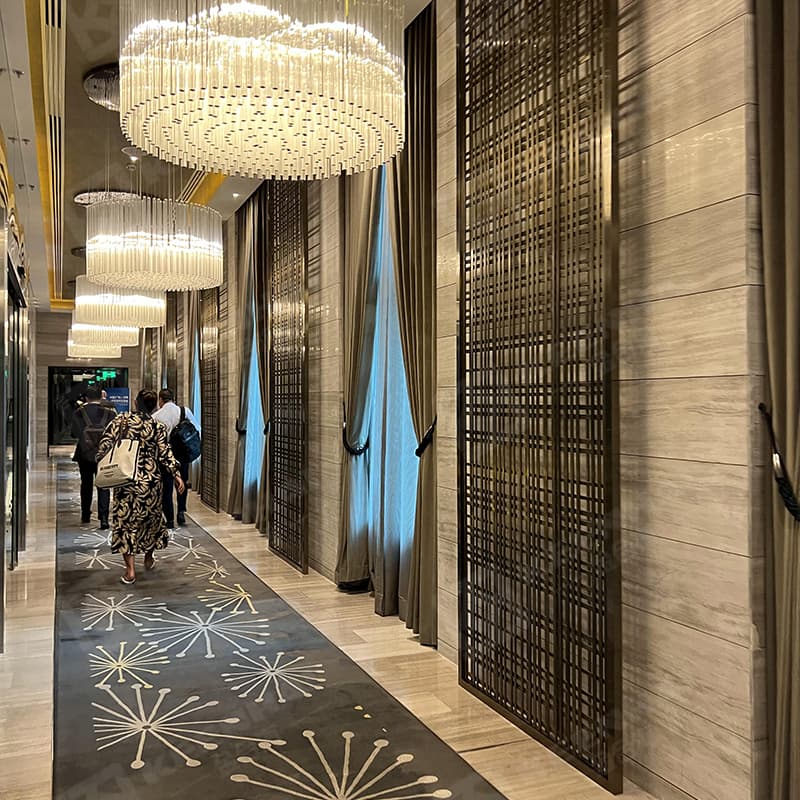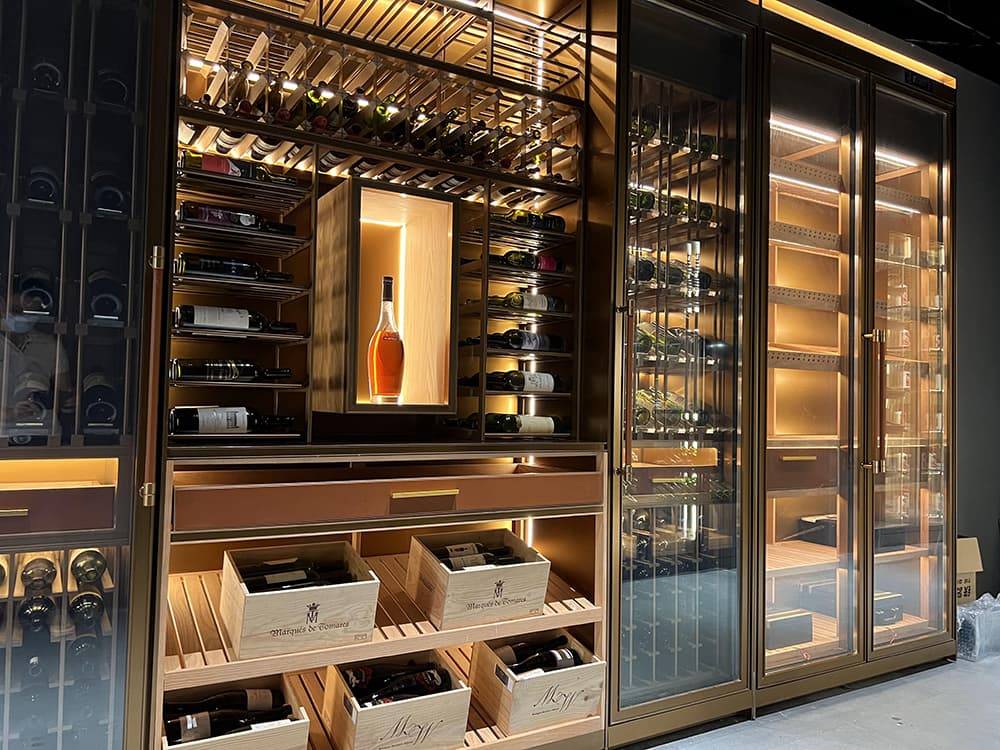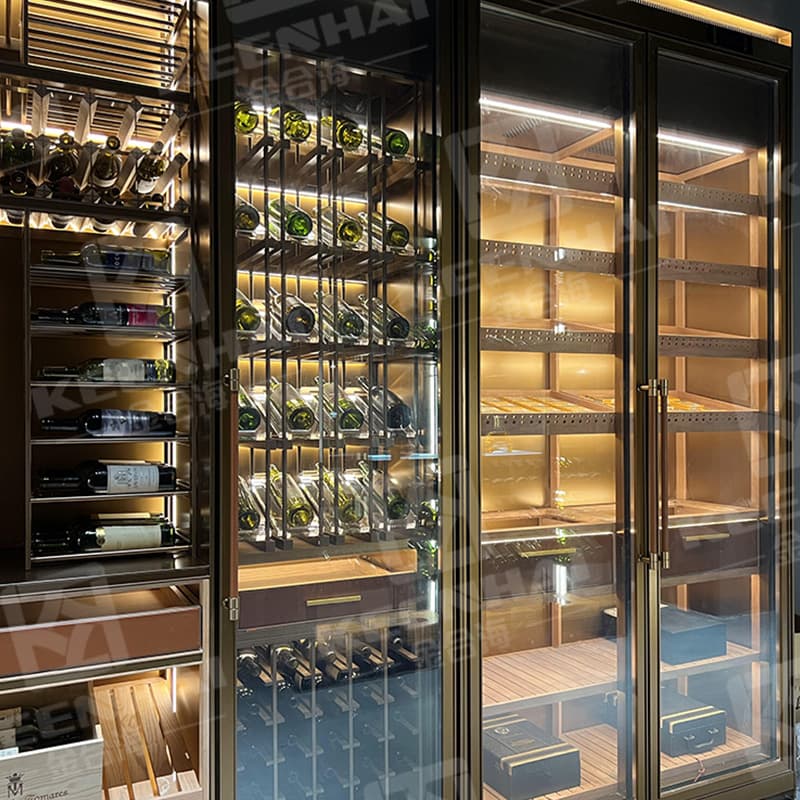
Inox often becomes the preferred material in projects where compliance with European architectural norms is critical. Its precise grading, corrosion resistance, and consistent surface quality allow architects to plan high-traffic interiors, decorative panels, and exterior facades with confidence. Inox ensures that the intended design vision is realized while meeting stringent engineering and regulatory standards.
1. Material Characteristics Affecting Architectural Design
When architects and engineers select metals for architectural and decorative projects, material performance dictates both durability and visual outcome. Choosing the right option early can save significant maintenance costs while ensuring aesthetic consistency over decades. For exterior cladding, stair railings, or interior wall panels, ষ্টেইনলেছ ষ্টীলৰ শ্বীট remains a top choice for its balanced corrosion resistance and structural reliability. Using a high-grade sheet also helps maintain surface uniformity across large spans without excessive jointing.
1.1 Corrosion Resistance and Environmental Suitability
Resisting corrosion is the first consideration for most architectural metals. Designers evaluate:
-
Exposure to saltwater or urban pollutants, especially in coastal or industrial areas.
-
Chemical and cleaning agent contact, relevant for kitchens, bathrooms, or laboratory environments.
-
Maintenance cycles, since reducing the need for coatings or repainting extends long-term appearance.
For instance, a seaside hotel in Barcelona installed ষ্টেইনলেছ ষ্টীলৰ ধাতুৰ প্লেট for balcony balustrades. Its high chromium content prevented pitting over years of exposure, outperforming standard stainless steel that would have corroded in under a decade.
1.2 Mechanical Strength and Structural Support Requirements
Strength is critical for both safety and material efficiency. Engineers often compare yield strength, tensile strength, and fatigue resistance to determine suitable metals.
| Property | Standard Stainless Steel | High-Grade Inox | Notes |
|---|---|---|---|
| Yield Strength (MPa) | 210–250 | 250–310 | Thinner panels possible without compromising safety |
| Tensile Strength (MPa) | 505–600 | 550–650 | Reduces deflection in cantilevered structures |
| Fatigue Life (Cycles ×10^5) | 10–12 | 14–18 | Important for rooftop walkways and exposed facades |
High-grade Inox allows designers to achieve strong, lightweight assemblies, whether for curtain walls, canopies, or interior partitions. ধাতুৰ ষ্টেইনলেছ ষ্টীলৰ শ্বীট is often specified when both aesthetics and mechanical reliability are required.
1.3 Visual Appeal and Surface Finish Options
Architectural design also depends on surface quality. Finish type directly affects both aesthetics and maintenance:
-
Brushed finishes reduce glare and hide fingerprints in public interiors.
-
Mirror-polished panels enhance reflectivity in lobbies and atriums.
-
Matte finishes can complement wood, stone, or painted surfaces.
In a luxury Parisian retail store, Steel Sheet Stainless panels were installed for wall cladding. The brushed finish provided a sophisticated visual texture while resisting scratches and maintaining a consistent sheen over years of cleaning.
1.4 Thermal Expansion and Long-Term Stability
Temperature fluctuations can warp or stress metal panels if not properly accounted for. Architects calculate expansion to prevent gaps, warping, or misalignment:
-
Daily swings can exceed 25°C in some climates, affecting curtain walls or rooftop installations.
-
Inox grades with low thermal expansion coefficients maintain precise dimensions, reducing installation errors.
-
This ensures that multi-story facades retain both structural integrity and visual alignment over time.
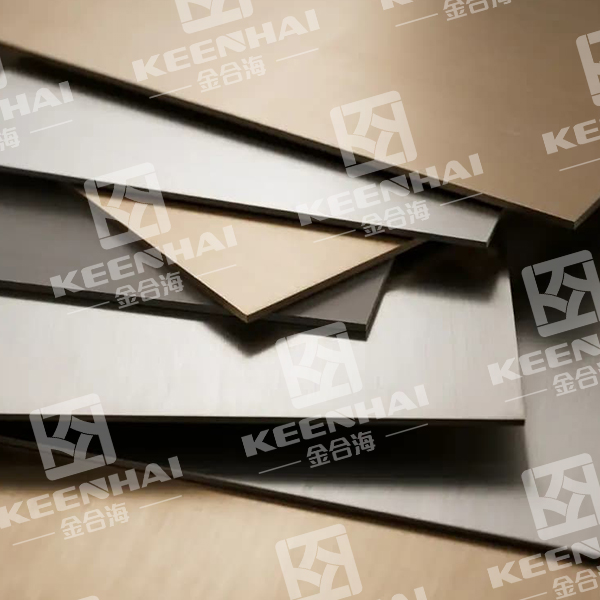
Selecting the right sheet metal with these properties, such as high-grade Stainless Steel Sheet, helps maintain long-term stability without compromising design intent.
2. Fabrication and Installation Considerations
The fabrication and installation phase often determines whether the design intent translates flawlessly into the built environment. Architects and engineers prioritize materials that balance workability with durability, ensuring that panels, railings, and decorative elements retain their intended shape and finish after handling. For example, using ষ্টেইনলেছ ষ্টীলৰ শ্বীট for a rooftop cladding system allows precise cutting and bending without compromising corrosion resistance, which is crucial in high-exposure applications.
2.1 Machinability, Bending, and Forming Capabilities
Inox and high-grade stainless steel materials differ significantly in how they handle forming operations. Designers and fabricators evaluate:
-
Cutting efficiency, including laser cutting, waterjet, or CNC shearing.
-
Bending tolerance, particularly for panels spanning several meters.
-
Forming versatility, such as curves, folds, and custom profiles.
Using a high-grade sheet like ধাতুৰ ষ্টেইনলেছ ষ্টীলৰ শ্বীট ensures tight radii bends without cracking, making it ideal for custom façade elements and complex interior structures.
2.2 Joining Methods: Welding, Bolting, and Adhesive Options
The integrity of architectural installations relies heavily on joining methods. Different fabrication environments dictate specific choices:
-
Welding provides permanent, strong connections but requires attention to heat-affected zones to avoid discoloration or corrosion.
-
Bolting allows modular assembly and disassembly for maintenance or transportation.
-
Adhesive bonding works well for decorative panels where thermal expansion and metal finish preservation are critical.
For a luxury retail façade in Milan, pvdstainlesssteel supplied panels that could be welded seamlessly while retaining a brushed finish, reducing installation errors and maintaining uniform aesthetics.
2.3 Dimensional Tolerances and Consistency in Panels
Precision in panel dimensions ensures that large architectural systems fit together without gaps or warping. Designers focus on:
-
Panel length and width accuracy, typically ±0.5 mm for exterior cladding.
-
Flatness and edge straightness, preventing bulging or misalignment.
-
Repetitive consistency, ensuring all modules look identical across multi-floor installations.
| Dimensional Property | Standard Stainless Steel | High-Grade Inox | Notes |
|---|---|---|---|
| Length Tolerance (mm) | ±1.0 | ±0.5 | Critical for curtain wall joints |
| Width Tolerance (mm) | ±1.0 | ±0.5 | Ensures seamless alignment in panels |
| Flatness Deviation (mm/m) | 2.0 | 1.0 | Important for reflective finishes |
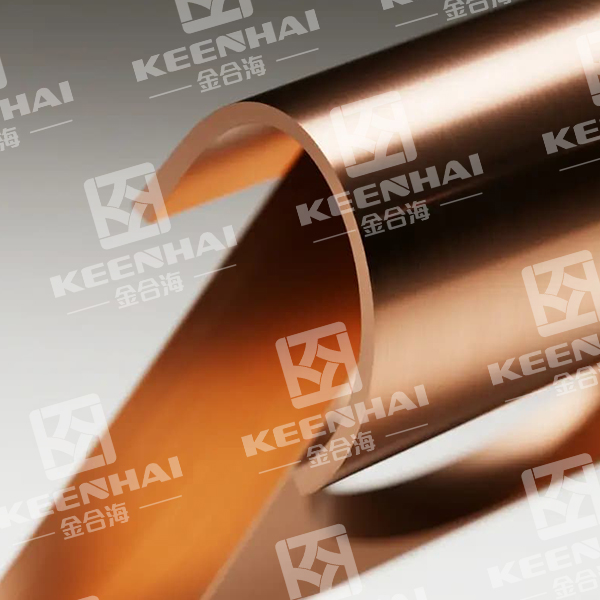
Ensuring these tolerances is crucial for both visual appeal and structural integrity, especially in high-profile architectural applications like airports, corporate headquarters, or museum interiors.
3. Performance in Decorative Applications
Decorative applications demand that materials not only look appealing but also maintain their integrity over time. High-quality Inox and stainless steel panels provide a combination of durability and finish consistency, ensuring that both interior and exterior decorative elements stay visually flawless even in demanding environments. In hotel lobbies, restaurants, or retail stores, using brushed or mirror-finished stainless steel panels guarantees long-term aesthetic appeal while resisting scratches and stains.
3.1 Longevity and Wear Resistance in High-Traffic Areas
Areas with constant human interaction, such as elevator interiors, handrails, and reception desks, require surfaces that resist abrasion, denting, and fading.
-
Select stainless steel variants with a minimum 0.8 mm thickness for panels subjected to high contact.
-
Test for scratch resistance using standardized methods like ASTM D3363 or EN 10088-2.
-
Ensure corner protection and edge finishing during installation to minimize wear accumulation.
In high-traffic environments, ষ্টেইনলেছ ষ্টীলৰ শ্বীট demonstrates superior longevity compared to painted or coated alternatives, retaining its sheen even after years of daily use.
3.2 Maintenance Requirements and Cleaning Practices
Maintenance is crucial to sustaining both appearance and surface performance. Regular cleaning routines prevent corrosion, stains, and surface deterioration:
-
Wipe with a soft microfiber cloth daily to remove dust and fingerprints.
-
Use pH-neutral cleaning solutions weekly to prevent chemical damage.
-
For outdoor installations, rinse with fresh water monthly to eliminate environmental contaminants.
Panels made from high-grade stainless steel allow for less aggressive cleaning agents, minimizing labor while extending service life. Proper cleaning also reduces the risk of surface scratches that compromise aesthetic appeal.
3.3 Interaction with Coatings, Polishes, and Protective Treatments
When designers or fabricators apply coatings, polishes, or protective films, compatibility with the base material is key. High-quality Inox responds predictably to finishing treatments, preserving color, reflectivity, and corrosion resistance:
-
Polishes enhance mirror or satin finishes while providing an additional protective layer against minor abrasions.
-
Anti-fingerprint coatings reduce maintenance frequency in high-touch areas like door handles or elevator panels.
-
Clear protective films during transport and installation safeguard edges and corners from mechanical damage.
Using brushed or mirror-finished stainless steel panels for these applications ensures that any applied treatment complements the material rather than reacting unpredictably, maintaining both aesthetics and functional durability.
4. Cost Efficiency and Lifecycle Considerations
Cost efficiency in architectural and decorative projects goes beyond initial purchase price. Selecting materials like high-grade Inox or stainless steel panels ensures predictable performance over time, minimizing hidden expenses from maintenance, repair, or replacement. Understanding total lifecycle costs helps architects and project managers make informed decisions that balance upfront investment with long-term savings.
4.1 Upfront Material Costs vs Long-Term Performance
While stainless steel panels may have a higher initial cost than coated or painted alternatives, their durability often translates to lower overall expenses.
-
Evaluate material cost per square meter alongside expected lifespan.
-
Consider the reduced risk of corrosion, warping, or surface degradation, which avoids costly early replacement.
-
Factor in environmental conditions; high-chloride or humid environments accelerate degradation in lower-grade materials, increasing long-term costs.
Investing in superior materials pays off when projects span decades, particularly in commercial buildings or high-traffic decorative installations, where frequent repairs would otherwise inflate budgets.
4.2 Energy and Labor Costs in Fabrication and Installation
Fabrication and installation efficiency directly impact total project expenditure. Materials that machine, bend, and join predictably reduce labor hours and energy consumption.
-
Use CNC or automated cutting tools compatible with high-grade stainless steel panels to maintain dimensional accuracy.
-
Minimize welding time by selecting materials with consistent thickness and formability.
-
Plan assembly sequences to reduce on-site labor disruptions and rework.
By optimizing fabrication steps, the overall labor and energy footprint drops, making premium stainless steel a cost-effective choice despite higher unit prices.
4.3 Predictable Maintenance and Replacement Scheduling
Consistent material performance simplifies maintenance planning and replacement cycles. Stainless steel surfaces resist staining, scratching, and corrosion, allowing predictable cleaning and upkeep routines:
-
Implement quarterly or semi-annual inspections for exterior panels in high-exposure areas.
-
Schedule maintenance using soft cleaning cloths and pH-neutral solutions to preserve surface finish.
-
Track panel lifespan to plan replacements well before structural or aesthetic degradation occurs.
Reliable material behavior reduces unexpected costs, ensures aesthetic consistency, and supports long-term operational budgeting, making stainless steel panels a strategic investment for both decorative and functional architectural elements.
5. Design Flexibility and Aesthetic Integration
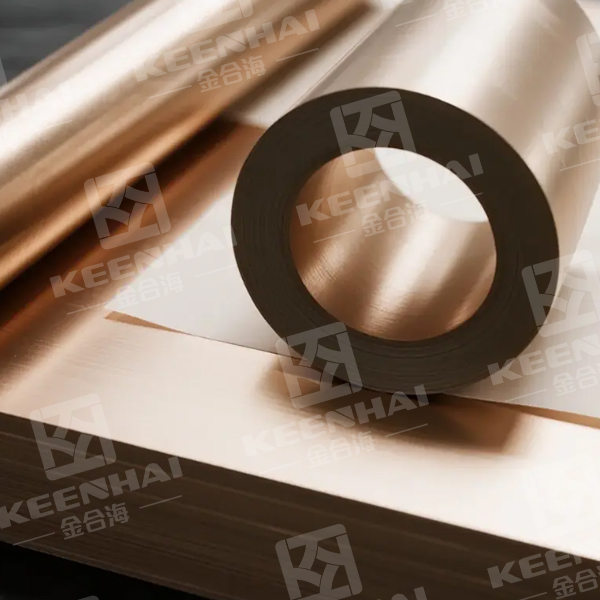
Design flexibility is a key advantage of stainless steel sheets in modern architecture. Their adaptability allows architects and designers to implement both bold and subtle visual concepts without compromising structural integrity. By understanding how material properties interact with aesthetic requirements, projects achieve a seamless blend of performance and beauty.
5.1 Compatibility with Modern Architectural Trends
High-grade stainless steel aligns well with minimalistic, industrial, and contemporary design trends. Its smooth surface, reflective qualities, and clean lines enable:
-
Creation of expansive wall panels and ceiling installations that visually enlarge interior spaces.
-
Incorporation into open-concept designs where metal interacts with natural light for dynamic reflections.
-
Use in modular structures, allowing prefabricated panels to integrate effortlessly into larger architectural schemes.
Modern projects increasingly favor materials that provide both durability and the flexibility to adapt to evolving design trends, making stainless steel a preferred choice for long-term visual impact.
5.2 Color, Texture, and Pattern Customization Options
Stainless steel offers extensive options for surface customization without sacrificing durability. Designers can:
-
Apply brushing, polishing, or matte finishing techniques to achieve a specific texture.
-
Use chemical passivation or coating treatments for subtle color variations that complement surrounding materials.
-
Integrate embossed or patterned panels for accent features in lobbies, facades, or decorative partitions.
These options allow architects to tailor panels to project-specific visual themes, creating a distinctive identity while maintaining the structural advantages of stainless steel.
5.3 Integration with Glass, Wood, and Other Building Materials
Seamless material integration is crucial for contemporary designs. **Metal panels and glass, wood, or stone elements work together to enhance both aesthetics and function:
-
Combine stainless steel sheets with tempered glass panels for curtain walls or balustrades, ensuring both safety and visual transparency.
-
Use wood accents alongside stainless steel in interior partitions to create warmth while preserving modern elegance.
-
Employ stone or composite panels for exterior applications where metal adds contrast and durability.
By carefully planning interface points and support structures, designers ensure that these combinations remain stable under environmental stress while achieving a cohesive visual result.
In architectural and decorative applications, Inox and stainless steel often serve similar structural purposes, but the choice ultimately comes down to context-specific requirements. Inox typically aligns with European standards, providing precise material specifications, predictable performance, and high-quality surface finishes, making it ideal for cross-border projects or high-end interior and exterior installations. Meanwhile, stainless steel maintains widespread availability and flexibility, especially where local grading and supply chains dictate material selection. By understanding both options, architects and designers can make informed decisions that balance durability, aesthetics, and long-term performance.