PVD coating, বা ভৌতিক বাষ্প নিক্ষেপ হৈছে এটা ভেকুৱাম প্ৰক্ৰিয়া যিয়ে ধাতুৰ বাষ্পক—যেনে টাইটানিয়াম বা ক্ৰ'মিয়াম—এটা ছাবষ্ট্ৰেটৰ ওপৰত বান্ধি ৰাখে। ই ০.২৫–৫ মাইক্ৰন ডাঠ আৰু ৩০০০ এইচ ভি পৰ্যন্ত কঠিনতাৰ কঠিন, জাৰণ প্ৰতিৰোধী স্তৰ উৎপন্ন কৰে। পৰম্পৰাগত প্লেটিঙৰ তুলনাত পিভিডি পৰিষ্কাৰ, বেছি দিন টিকে, আৰু ইউভি আৰু আৰ্দ্ৰতাৰ অধীনত ৰঙৰ স্থিৰতা বজাই ৰাখে। ইয়াক ষ্টেইনলেছ ষ্টীলৰ পেনেল, সঁজুলি, আৰু স্থাপত্য হাৰ্ডৱেৰৰ বাবে বহুলভাৱে ব্যৱহাৰ কৰা হয়।
১.পিভিডি আৱৰণ কি?
১.১সংজ্ঞা আৰু মূল ধাৰণা
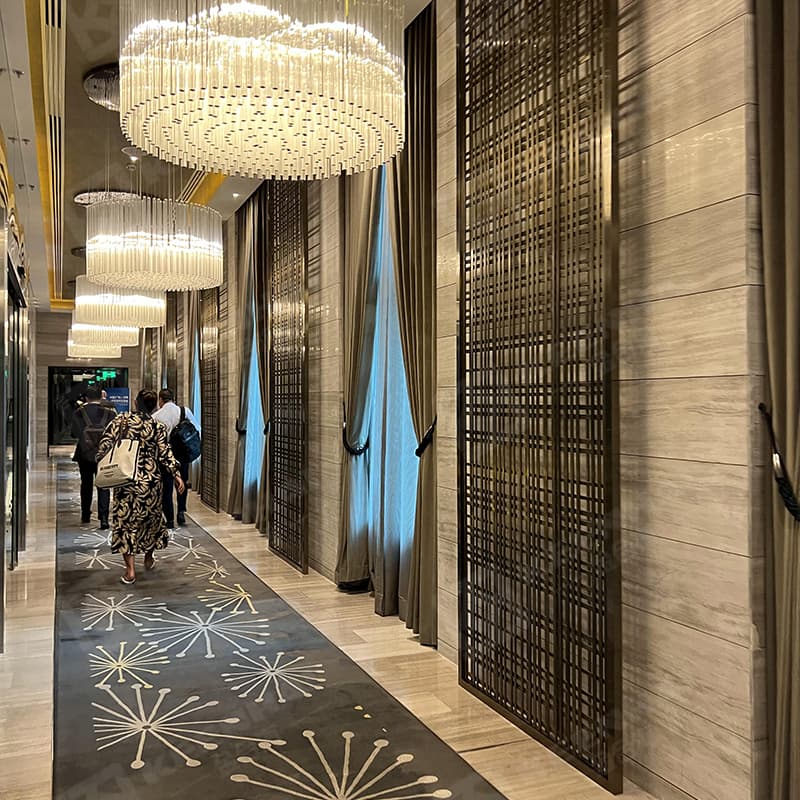
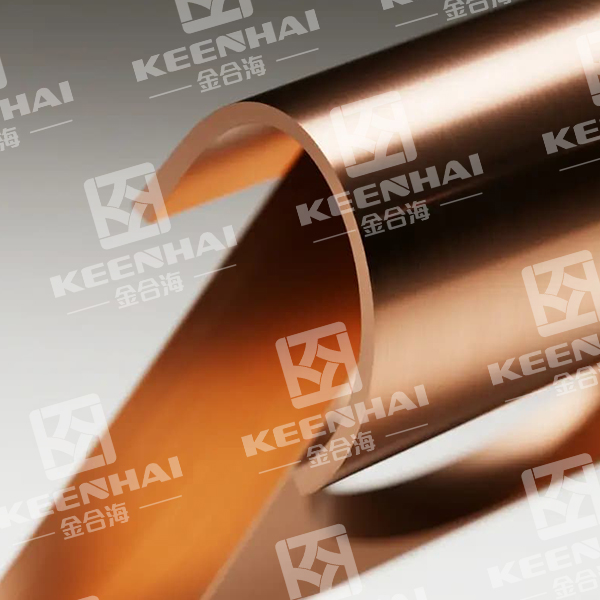
পিভিডি আৱৰণ, সংক্ষিপ্ত ৰূপ ভৌতিক বাষ্প নিক্ষেপ, হৈছে এটা ভেকুৱাম ভিত্তিক প্ৰযুক্তি যিয়ে ষ্টেইনলেছ ষ্টীল, এলুমিনিয়াম বা টাইটানিয়ামৰ দৰে সামগ্ৰীৰ পৃষ্ঠত এটা পাতল, টেকসই ধাতুৰ ফিল্ম জমা কৰে। এই প্ৰক্ৰিয়াই ৰূপ আৰু কাৰ্য্যক্ষমতা দুয়োটাকে বৃদ্ধি কৰে, যাৰ ফলত ধাতুটোক ব্যতিক্ৰমী কঠিনতা আৰু জাৰণ প্ৰতিৰোধৰ সৈতে এটা পৰিশোধিত ফিনিচিং দিয়া হয়। আধুনিক স্থাপত্য আৰু অভ্যন্তৰীণ প্ৰকল্পত ডিজাইনাৰসকলে প্ৰায়ে বাছি লয় PVD-coated stainless steel products ৰং বা ৰাসায়নিক পদাৰ্থৰ ওপৰত নিৰ্ভৰ নকৰাকৈ চিকচিকিয়া নান্দনিকতা আৰু দীৰ্ঘস্থায়ী স্থায়িত্ব লাভ কৰিবলৈ। আপুনি বিলাসী লিফ্ট, হোটেলৰ লবী, আৰু বিল্ডিঙৰ মুখমণ্ডলত দেখা পাব য'ত সময়ৰ লগে লগে পৃষ্ঠভাগ উজ্জ্বল আৰু পৰিষ্কাৰ হৈ থাকিব লাগিব।
১.২পিভিডি (ভৌতিক বাষ্প নিক্ষেপ) কেনেকৈ কাম কৰে
পিভিডি আৱৰণ কোনো ৰাসায়নিক চিকিৎসা নহয় — ই এটা... শাৰীৰিক প্ৰক্ৰিয়া যিটো উচ্চ শূন্যতাযুক্ত কক্ষত ঘটে। ইয়াত ই সাধাৰণতে কেনেকৈ কাম কৰে:
-
পৃষ্ঠ প্ৰস্তুতি – ষ্টেইনলেছ ষ্টীলৰ শ্বীটখন পলিচ কৰি পৰিষ্কাৰ কৰি তেল, ধূলি, আৰু অক্সিডেচন আঁতৰাই পেলোৱা হয়।
-
উত্তাপ আৰু বাষ্পীভৱন – আৱৰণৰ পদাৰ্থ (যেনে টাইটানিয়াম নাইট্ৰাইড বা জিৰকনিয়াম নাইট্ৰাইড) বাষ্পলৈ পৰিণত নোহোৱালৈকে গৰম কৰা হয়।
-
নিক্ষেপ – বাষ্পীভৱন কৰা কণাবোৰে পাৰমাণৱিক স্তৰত পৃষ্ঠৰ লগত বান্ধ খাই এটা পাতল অথচ অতি শক্তিশালী স্তৰ গঠন কৰে।
-
শীতল আৰু সমাপ্তি – আৱৰণযুক্ত পৃষ্ঠভাগ ঠাণ্ডা আৰু কঠিন হৈ পৰে, যাৰ ফলত মসৃণ, সজ্জাগত, আৰু পৰিধান-প্ৰতিৰোধী ফিনিচিং হয়।
এই প্ৰক্ৰিয়াই ৰং সমৃদ্ধ ধাতুৰ ফিল্ম সৃষ্টি কৰে যিটো কেৱল ওপৰত বহি থকাৰ পৰিৱৰ্তে পৃষ্ঠৰ অংশ হৈ পৰে, যাৰ বাবে ইয়াৰ কাৰণ বুজা যায় পিভিডি-আৱৰণযুক্ত ফিনিচিং বাহিৰৰ পৰিস্থিতিতো আঁচোৰ আৰু ম্লান হোৱাৰ প্ৰতিৰোধ কৰিব পাৰে।
| প্ৰক্ৰিয়াৰ পৰ্যায় | বিৱৰণ | সাধাৰণ তাপমাত্ৰা |
|---|---|---|
| পৃষ্ঠ প্ৰস্তুতি | পলিচিং, চাফাই, ডিগ্ৰিজিং | কোঠাৰ উষ্ণতা |
| বাষ্পীভৱন | আৱৰণৰ সামগ্ৰী বাষ্পলৈ গৰম কৰা | ৪০০–৬০০ ডিগ্ৰী চেলছিয়াছ |
| নিক্ষেপ | বাষ্প ঘনীভূত হয় আৰু ধাতুৰ ওপৰত বন্ধন হয় | 400–500°C |
| শীতল কৰা | কঠিনকৰণ আৰু স্থিতিশীলতা | এম্বিয়েণ্ট |
১.৩পিভিডি আৱৰণত ব্যৱহৃত সাধাৰণ সামগ্ৰী
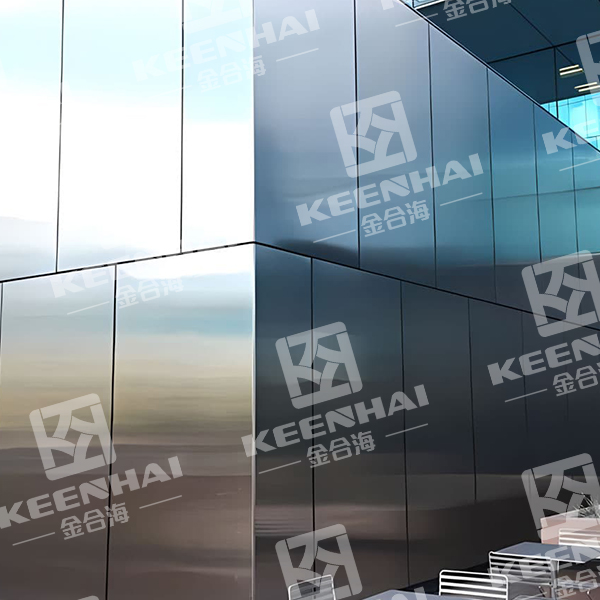
পিভিডি আৱৰণে উচ্চ গ্ৰেডৰ ধাতুত সৰ্বোত্তম কাম কৰে। আটাইতকৈ জনপ্ৰিয় ভিত্তিটো হ’ল... stainless steel sheet ইয়াৰ উৎকৃষ্ট গঠন ক্ষমতা আৰু পৃষ্ঠৰ স্থায়িত্বৰ বাবে। আন সামগ্ৰীসমূহৰ ভিতৰত টাইটানিয়াম আৰু এলুমিনিয়াম আদি অন্তৰ্ভুক্ত যেতিয়া নিৰ্দিষ্ট ওজন বা কঠিনতাৰ ধৰ্মৰ প্ৰয়োজন হয়। স্থাপত্য প্ৰয়োগৰ ভিতৰত পিভিডি ফিনিচিং সাধাৰণতে ব্যৱহাৰ কৰা হয় stainless steel exterior wall panels বাণিজ্যিক ভৱন, বিলাসী খুচুৰা বিপণী, আৰু হোটেলৰ মুখাৱয়বৰ বাবে। এই আৱৰণযুক্ত পেনেলসমূহ কেৱল প্ৰিমিয়াম দেখাই নহয় বৰষুণ, UV পোহৰ, আৰু প্ৰদূষণৰ সন্মুখীন হ'ব পাৰে — সৌন্দৰ্য্য আৰু ব্যৱহাৰিকতাৰ এক নিখুঁত মিশ্ৰণ প্ৰদান কৰে।
মুঠতে, পিভিডি আৱৰণে মানক ধাতুক উচ্চ-কাৰ্যক্ষম পৃষ্ঠলৈ ৰূপান্তৰিত কৰে যিয়ে আধুনিক, প্ৰতিফলিত ফিনিচিং বজাই ৰাখি জাৰণ, আঁচোৰ আৰু পৰিধান প্ৰতিৰোধ কৰে।
২) পিভিডি আৱৰণৰ মূল বৈশিষ্ট্য
২.১ বেধ আৰু পৃষ্ঠৰ গঠন
পিভিডি আৱৰণ অবিশ্বাস্যভাৱে পাতল যদিও উল্লেখযোগ্যভাৱে শক্তিশালী। সাধাৰণ বেধৰ ভিতৰত... ০.২৫ৰ পৰা ৫ মাইক্ৰন, যিটোৰ বিষয়ে মানুহৰ চুলিতকৈ ৫০ গুণ পাতল. ইমান পাতল হোৱাৰ পিছতো আৱৰণটোৱে এটা ঘন স্ফটিকীয় স্তৰ গঠন কৰে যিয়ে ধাতুৰ পৃষ্ঠভাগ সম্পূৰ্ণৰূপে বন্ধ কৰি দিয়ে। অণুগাঁথনিটো মসৃণ, একেধৰণৰ আৰু পিনহ'লমুক্ত — ইয়াৰ এটা মূল কাৰণ পিভিডি আৱৰণযুক্ত ষ্টেইনলেছ ষ্টীল ৰং কৰা বা ইলেক্ট্ৰ'প্লেটেড পৃষ্ঠতকৈ বহু ভালদৰে জাৰণ প্ৰতিৰোধ কৰে।
নিক্ষেপৰ সময়ত ছাবষ্ট্ৰেটৰ উষ্ণতা আৰু ভেকুৱামৰ চাপ সযতনে নিয়ন্ত্ৰণ কৰা হয় ৪০০ ডিগ্ৰী চেলছিয়াছ আৰু ৬০০ ডিগ্ৰী চেলছিয়াছ, প্ৰতিটো ধাতুৰ পৰমাণু ভিত্তি স্তৰৰ সৈতে টানকৈ বান্ধ খাই থকাটো নিশ্চিত কৰে। এই পাৰমাণৱিক স্তৰৰ বন্ধনে পৃষ্ঠভাগক a দিয়ে দাপোনৰ দৰে প্ৰতিফলনশীলতা আৰু এটা কঠিনতাৰ স্তৰ পৰ্যন্ত ২৫০০ এইচ পি (ভিকাৰছ হাৰ্ডনেছ), প্ৰচলিত ক্ৰ'ম আৱৰণক আউটপাৰ্ফৰ্ম কৰে যিবোৰ সাধাৰণতে মাত্ৰ ৮০০–১,০০০ এইচভিহে পোৱা যায়।
| Property | পিভিডি আৱৰণ | ইলেক্ট্ৰ’প্লেটিং |
|---|---|---|
| সাধাৰণ বেধ | ০.২৫–৫ মাইক্ৰ’মিটাৰ | ১০–২০ মাইক্ৰ’মিটাৰ |
| পৃষ্ঠৰ ৰুক্ষতা (Ra) | ≤ ০.০২ মাইক্ৰ’মিটাৰ | ≥ ০.১৫ মাইক্ৰ’মিটাৰ |
| কঠিনতা (Vickers HV) | ২,০০০–২,৫০০ | ৮০০–১,০০০ |
| জাৰণ প্ৰতিৰোধ ক্ষমতা | Excellent | Moderate |
২.২ আঠা আৰু স্থায়িত্ব
পিভিডি আৱৰণৰ এটা সংজ্ঞায়িত শক্তি হ’ল ইয়াৰ... ব্যতিক্ৰমী আঠাযুক্ততা. ৰাসায়নিক আঠা বা প্ৰাইমাৰৰ ওপৰত নিৰ্ভৰ কৰাৰ পৰিৱৰ্তে বাষ্পীভৱন কৰা আৱৰণ পৰমাণুবোৰে ভিত্তি ধাতুৰ সৈতে পোনপটীয়াকৈ সংযোগ স্থাপন কৰে কঠিন অৱস্থাৰ প্ৰসাৰণ. ই এটা স্থায়ী আন্তঃপৃষ্ঠ সৃষ্টি কৰে যি বছৰ বছৰ ধৰি ব্যৱহাৰ কৰাৰ পিছতো খোলা, চিপ, বা ফ্লেক নহয়।
স্বতন্ত্ৰ ঘৰ্ষণ পৰীক্ষাই সেই কথা দেখুৱাইছে পিভিডি-আৱৰণযুক্ত পেনেল সহ্য কৰিব পাৰে ১ মিলিয়ন ৱেৰ চাইকেল ৰঙৰ যথেষ্ট পৰিৱৰ্তন বা আৱৰণৰ ক্ষতি নোহোৱাকৈ। এই স্থায়িত্বৰ বাবেই বিলাসী অট্টালিকা আৰু ৰাজহুৱা সুবিধাসমূহে ক্ৰমান্বয়ে বাছি লয় pvdstainlesssteel’s ৰ উচ্চ যান-জঁটৰ পৰিৱেশৰ বাবে সামগ্ৰী যেনে হোটেলৰ লিফ্ট, দেৱাল ক্লেডিং, আৰু এস্কেলেটৰ পেনেল। কঠোৰ বতৰতো এই আৱৰণে ব্যতিক্ৰমীভাৱে কাম কৰে — UV সংস্পৰ্শ, আৰ্দ্ৰতা আৰু এচিড বৰষুণ প্ৰতিৰোধ কৰে — আয়ুস অতিক্ৰম কৰি ২০ বছৰ স্বাভাৱিক অৱস্থাত।
2.3 ৰং আৰু সমাপ্ত বিকল্পসমূহ
পিভিডি প্ৰযুক্তিয়ে ধাতুৰ টোনৰ এক আকৰ্ষণীয় বৰ্ণালীৰ অনুমতি দিয়ে — ৰং কৰা ৰং নহয়, কিন্তু প্ৰকৃত ধাতুৰ যৌগ যিবোৰে ইহঁতৰ গঠনৰ ওপৰত ভিত্তি কৰি পোহৰক বেলেগ ধৰণে বিবৰ্তন কৰে। জনপ্ৰিয় ৰংসমূহৰ ভিতৰত আছে সোণ (TiN), গোলাপ সোণ (ZrN), ক'লা (CrN), আৰু ব্ৰঞ্জ (TiCN). প্ৰতিটো শ্বেডে এক সমৃদ্ধ গভীৰতা আৰু প্ৰাকৃতিক ধাতুৰ প্ৰতিফলন প্ৰদান কৰে যিটো পৰম্পৰাগত প্লেটিঙ বা পাউদাৰ আৱৰণে প্ৰতিলিপি কৰিব নোৱাৰে।
ছাৰ্ফেচ ফিনিচিংৰ পৰা সামঞ্জস্য কৰিব পাৰি চুপাৰ মিৰ'ৰ (Ra ≤ 0.02 μm) লৈ চেটিন, চুলিৰ ৰেখা, অথবা কম্পন টেক্সচাৰ, প্ৰকল্পটোৰ নান্দনিক লক্ষ্যৰ ওপৰত নিৰ্ভৰ কৰি। স্থাপত্য ডিজাইনাৰসকলৰ বাবে, stainless steel sheets পিভিডি ফিনিচিঙৰ সৈতে প্ৰায়ে সংযুক্ত কৰা হয় stainless steel exterior wall panels মুখমণ্ডল আৰু অভ্যন্তৰীণ অংশৰ মাজেৰে দৃশ্যমান ধাৰাবাহিকতা সৃষ্টি কৰিবলৈ। আৱৰণে কেৱল ৰূপ বৃদ্ধি কৰাই নহয় কিন্তু বৃহৎ সংস্থাপনসমূহত সামঞ্জস্যপূৰ্ণ ৰঙৰ টোন বজাই ৰাখে — প্ৰিমিয়াম নিৰ্মাণ আৰু অভ্যন্তৰীণ প্ৰয়োগত এটা জটিল কাৰক।
৩/ পিভিডি আৱৰণৰ মূল সুবিধা
৩.১ উচ্চমানৰ জাৰণ আৰু পৰিধান প্ৰতিৰোধ ক্ষমতা
পিভিডি আৱৰণৰ এটা সংজ্ঞায়িত সুবিধা হ’ল ইয়াৰ... জাৰণ আৰু পৃষ্ঠৰ পৰিধানৰ বিৰুদ্ধে অতুলনীয় সুৰক্ষা. পৰম্পৰাগত ষ্টেইনলেছ ষ্টীলত দীৰ্ঘদিন ধৰি আৰ্দ্ৰতা বা নিমখীয়া বায়ুৰ সংস্পৰ্শলৈ অহাৰ পিছত বিশেষকৈ উপকূলীয় বা ঔদ্যোগিক অঞ্চলত অক্সিডেচনৰ লক্ষণ দেখাবলৈ আৰম্ভ কৰে। ইয়াৰ বিপৰীতে ক পিভিডি-আৱৰণযুক্ত ষ্টেইনলেছ ষ্টীলৰ পৃষ্ঠ ইয়াৰ অখণ্ডতা অভাৰৰ বাবে বজাই ৰাখে ২০ বছৰ, আনকি আক্ৰমণাত্মক বাহিৰৰ পৰিৱেশতো।
চাবিকাঠি নিহিত হৈ আছে ইয়াৰ... ঘন, অ-ছিদ্ৰযুক্ত ফিল্ম গঠন যিয়ে অক্সিজেন আৰু আৰ্দ্ৰতাক ধাতুৰ ছাবষ্ট্ৰেটত উপনীত হোৱাত বাধা দিয়ে। নিমখ-স্প্ৰে পৰীক্ষাত অতিক্ৰম কৰা ১০০০ ঘণ্টা (ASTM B117), পিভিডি-আৱৰণযুক্ত পেনেল দেখুৱাইছে শূন্য মৰিছা গঠন, আনহাতে ইলেক্ট্ৰ’প্লেটেড নমুনাত ১২০ ঘণ্টাৰ ভিতৰত দৃশ্যমান জাৰণ বিকশিত হয়। ৰ উচ্চ পৃষ্ঠ কঠিনতা 2,000–2,500 HV ইয়াৰ অৰ্থ হ'ল আৱৰণে মাইক্ৰ'-এব্ৰেচন প্ৰতিৰোধ কৰে, যাৰ ফলত সঁজুলি বা বালিৰ কণা পৰিষ্কাৰ কৰা আঁচোৰ ৰোধ হয়।
| পৰীক্ষা প্ৰাচল | PVD-Coated Stainless Steel | গতানুগতিক প্লেটিং |
|---|---|---|
| নিমখ স্প্ৰে পৰীক্ষাৰ সময়সীমা | > ১০০০ ঘণ্টা (মৰিছা নাই) | ১২০ ঘণ্টা (দৃশ্যমান জাৰণ) |
| পৃষ্ঠৰ কঠিনতা (Vickers HV) | ২,০০০–২,৫০০ | ৮০০–১,০০০ |
| সেৱা জীৱন (বাহিৰৰ) | ২০+ বছৰ | ৫–৮ বছৰ |
| ৰক্ষণাবেক্ষণৰ কম্পাঙ্ক | অতি কম | Moderate |
এই কাৰণেই বহু স্থপতিবিদ আৰু ঠিকাদাৰে নিৰ্দিষ্ট কৰি দিয়ে পিভিডি ষ্টেইনলেছ ষ্টীলৰ সামগ্ৰী উচ্চ আৰ্দ্ৰতা অঞ্চলত বাহিৰৰ মুখাৱয়ব, হেণ্ডৰেল, আৰু লিফ্টৰ ক্লেডিঙৰ বাবে। ষ্টেইনলেছ ষ্টীলৰ দৰে কাম কৰে যদিও বয়স বহুত বেছি ৰূপৱতী।
৩.২ বৰ্ধিত নান্দনিক আবেদন
PVD coating doesn’t just protect — it transforms the appearance of metal. The process produces deep metallic colors that change subtly under light, giving architecture and interiors a luxurious visual texture. Each finish—whether gold, rose, black, bronze, or champagne—is the result of atomic-level adjustments in gas composition and deposition temperature.
Unlike painted coatings, PVD finishes don’t fade or peel. The color is embedded within the crystal lattice of the coating itself, meaning the surface retains its brilliance after years of cleaning, sunlight, or public contact. Designers favor PVD stainless steel sheets for wall panels, ceiling trims, and decorative columns because of their reflective depth and consistency across large installations.
To maintain design harmony, some projects combine mirror-finish panels with satin or hairline textures, allowing light reflection to shift subtly throughout the day. This layered effect creates visual richness — a reason why luxury hotels, airports, and retail interiors often integrate PVD-finished metals into their core design language.
3.3 Eco-Friendly and Non-Toxic Process
Another major strength of PVD coating is that it’s environmentally clean and non-toxic. The process uses no harmful chemicals, acids, or cyanides, unlike traditional electroplating or painting. Everything happens in a sealed vacuum chamber, meaning zero wastewater and minimal airborne emissions.
Each cycle consumes around 60–70% less energy than conventional thermal coating methods and generates no hazardous sludge. This makes it compliant with global environmental standards such as RoHS, REACH, আৰু ISO 14001. Because the coating is applied physically rather than chemically, it leaves no residue or chemical smell, making it suitable for indoor applications like kitchen appliances, furniture trim, and elevator interiors.
Many manufacturers — including pvdstainlesssteel — have invested heavily in clean PVD technology to reduce carbon footprint while maintaining superior coating performance. The result is a sustainable, long-lasting surface that delivers both beauty and responsibility — a combination increasingly valued in modern architecture and design.
4. Applications of PVD Coating in Different Industries
4.1 Architecture and Interior Design
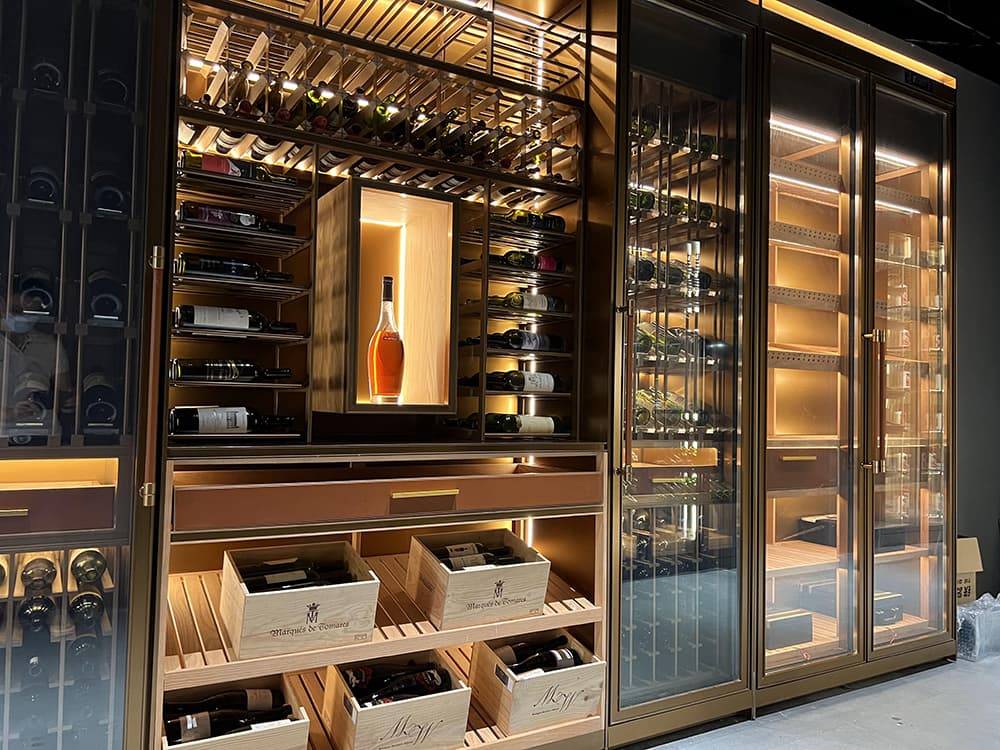
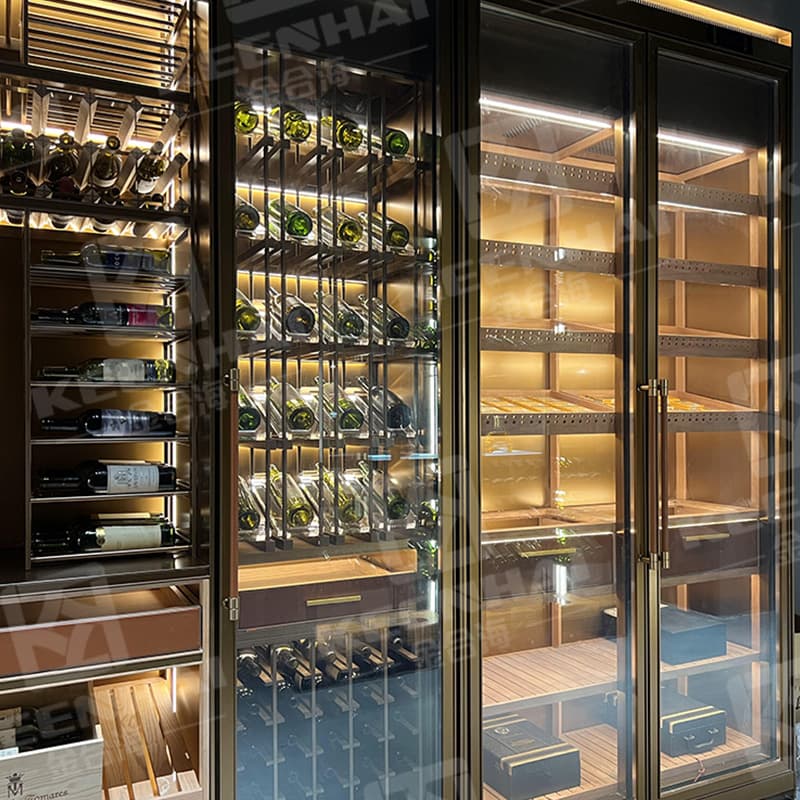
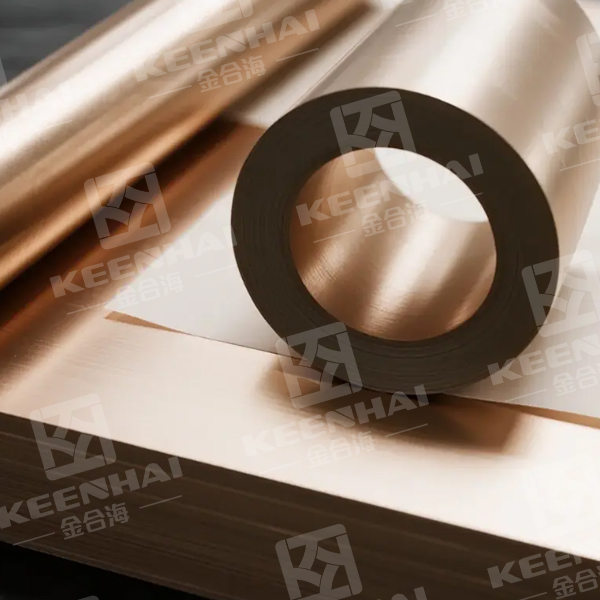
PVD coating has become a cornerstone of modern architectural finishes, particularly in stainless steel cladding, elevator door panels, decorative screens, and furniture hardware. Its ultra-thin yet durable layer—typically ০.২৫ৰ পৰা ৫ মাইক্ৰন—adds remarkable wear resistance while maintaining a luxurious finish that can last over 20 years indoors আৰু 10–15 years in outdoor environments. In premium hotels, airports, and commercial buildings, architects specify পিভিডি আৱৰণযুক্ত ষ্টেইনলেছ ষ্টীল for its uniform color consistency and 300% greater hardness compared to untreated surfaces. Unlike paint or electroplating, PVD does not chip or fade even under UV exposure or 60°C humidity cycles, making it ideal for exterior facades, signage, and elevator interiors where long-term aesthetics matter.
4.2 Automotive and Aerospace
In the automotive and aerospace sectors, PVD coating plays a critical role in protecting performance components from corrosion and friction. Major automotive brands apply TiN and CrN-based PVD coatings on engine valves, piston rings, and exhaust tips, achieving up to 5× longer lifespan than conventional hard chrome plating. The coating’s hardness level of 2000–3000 HV significantly reduces wear under high temperatures exceeding 500°C, improving both efficiency and durability. In aerospace applications, PVD-coated turbine blades and landing gear components exhibit lower friction coefficients (around 0.2–0.3) and enhanced oxidation resistance, helping aircraft operate efficiently in extreme conditions. The use of PVD-coated decorative trims and emblems in luxury car interiors also aligns with the industry’s push for sustainable, non-toxic surface finishing methods that replace hazardous electroplating.
4.3 Hardware, Tools, and Consumer Products
For industrial tools and consumer hardware, PVD coating is widely used to enhance functional longevity and design appeal. Cutting tools coated with TiAlN or ZrN layers show 2–8× higher cutting performance and maintain sharpness even after prolonged high-speed machining. In household and commercial hardware, door handles, faucets, and kitchen fittings coated with PVD resist fingerprints, corrosion, and acid cleaning agents, sustaining a polished look after over 1000 hours of salt spray testing. Luxury consumer brands also use gold, rose gold, or black PVD finishes on watches, smartphones, and eyewear frames, achieving both high scratch resistance (up to 2500 HV) and a deep, reflective aesthetic. Compared to electroplated finishes that may fade in months, PVD-coated surfaces maintain color stability for 10–15 years, making them the preferred choice in premium product manufacturing across various industries.
5. Comparison with Other Coating Methods
5.1 PVD vs Electroplating
While both PVD and electroplating aim to enhance surface protection and aesthetics, their performance and environmental impact differ drastically. ইলেক্ট্ৰ’প্লেটিং relies on chemical baths containing heavy metals like chromium or nickel, producing hazardous waste that must be neutralized. PVD coating, on the other hand, is a vacuum-based physical process using metal vapor deposition—no liquid chemicals, no toxic residues. In terms of hardness, PVD coatings reach 2000–3000 HV, nearly four times harder than electroplated layers, which average 400–700 HV. Adhesion strength is also superior; PVD achieves bonding energy above 60 N/mm², while electroplating often peels after 300–500 salt spray hours. Moreover, color consistency under UV exposure is significantly better—less than 2% color deviation after 500 hours of testing—whereas electroplated finishes typically show discoloration and microcracking. For high-end architecture and automotive applications, this durability and eco-safety make PVD the clear upgrade over traditional plating.
5.2 PVD vs Powder Coating
Powder coating forms a thick polymer layer, usually 60–120 microns, যেতিয়া পিভিডি আৱৰণ are ultra-thin—typically 0.25–5 microns—yet harder and more wear-resistant. The difference lies in function: powder coating primarily protects against corrosion through barrier thickness, while PVD provides a metallic bond with molecular precision, offering both decorative brilliance and superior hardness. Powder-coated parts may start showing wear or chalking after 2–3 years of outdoor exposure, whereas PVD maintains gloss and structural integrity for over 10 years, even in high-humidity or coastal environments. Thermal endurance is another major distinction: PVD can withstand up to 600°C, while powder coatings degrade above 200°C, making PVD ideal for engine components, hardware, and kitchen appliances exposed to heat. Additionally, color saturation and reflectivity in PVD finishes—especially in gold, bronze, and black tones—exceed powder coating’s matte limitations, giving a more refined, metallic appearance suited for luxury-grade applications.
5.3 Why PVD Is Preferred in Modern Manufacturing
Modern industries increasingly choose PVD coating because it combines aesthetic precision, performance endurance, and sustainability. Unlike traditional coatings that rely on solvents or chemicals, PVD operates in a closed vacuum chamber, consuming 30–50% less energy per square meter of coating and generating zero liquid waste. Manufacturers report maintenance savings up to 40% over a 5-year period, since PVD-coated parts require minimal polishing and resist corrosion longer. The ability to deposit materials like TiN, ZrN, and CrN also allows for precise control of color tone and hardness, meeting diverse industrial standards—from architectural panels with Ra < 0.2 µm smoothness লৈ tool coatings sustaining 2000+ cutting cycles. In global supply chains, where durability and eco-compliance are top priorities, PVD has become the standard surface technology for automotive trims, consumer electronics, building hardware, and aerospace components—a blend of longevity, precision, and environmental responsibility that traditional coatings simply can’t match.