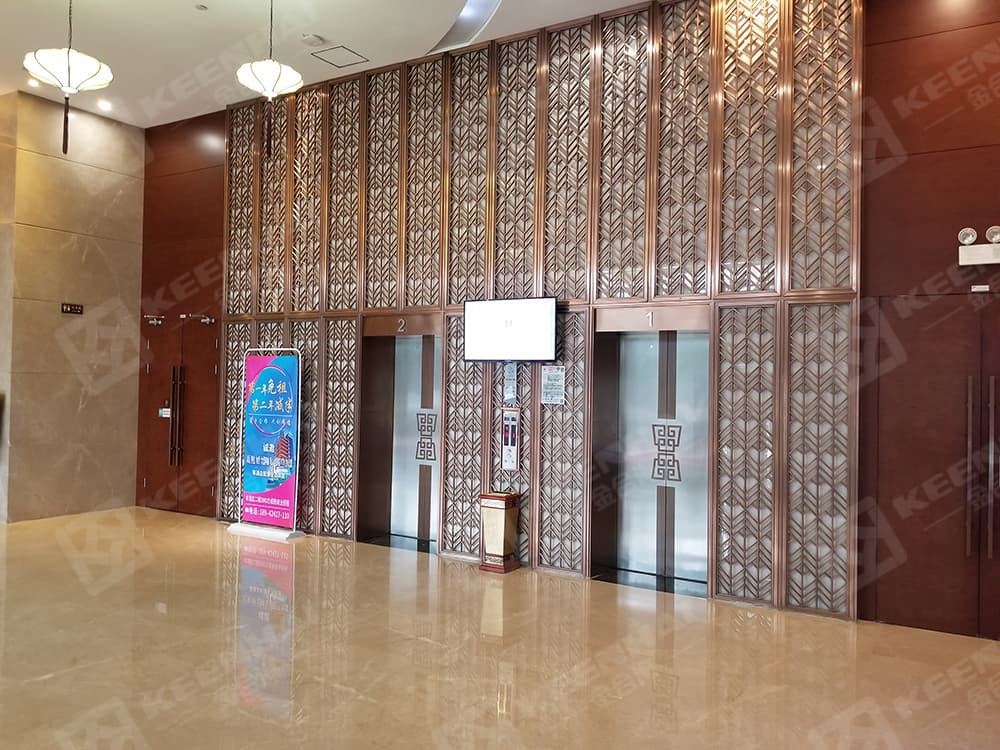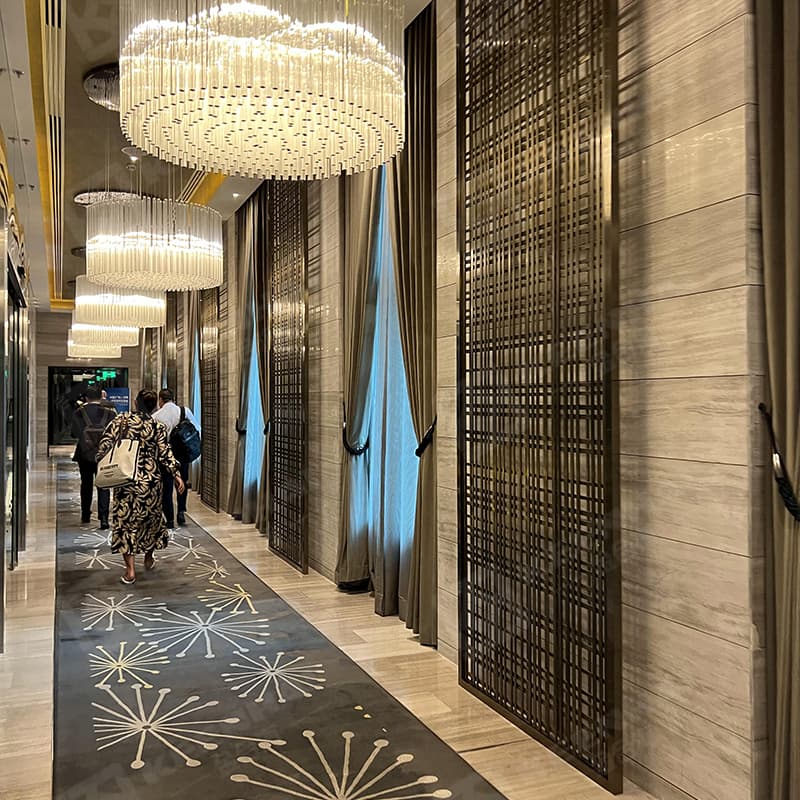
In the modern architectural landscape, elevators are no longer just functional transport units; they are central design elements. Physical Vapor Deposition (PVD) coating has revolutionized elevator door panels by providing unmatched durability and a limitless color palette. This guide provides B2B buyers, architects, and manufacturers with a comprehensive analysis of PVD Coated Elevator Door Panels, covering technical specifications, aesthetic options, and cost modeling.
1. Understanding PVD Coating for Elevators
What is PVD?
Physical Vapor Deposition (PVD) is a vacuum coating process that produces a brilliant decorative and functional finish. Unlike traditional electroplating or painting, PVD involves atomizing a solid metal source into a plasma, which then bonds with the neoksidebla ŝtalo substrate at a molecular level.
Why PVD Coated Elevator Door Panels?
-
Extreme Durability: Highly resistant to scratches, wear, and corrosion—essential for high-traffic elevator environments.
-
Eco-Friendly: The process is dry and clean, producing no hazardous waste, aligning with global green building standards (LEED/BREEAM).
-
Color Consistency: Offers superior color uniformity across large batches, ensuring the cabin and hall doors match perfectly.
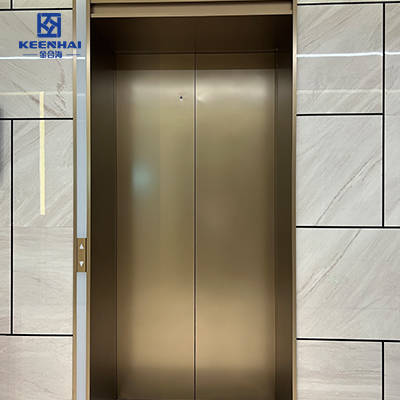
2. Popular Finishes and Textures
The base finish of the stainless steel determines the final visual effect of the PVD coating.
| Finish | Visual Effect | Plej bona Uza Kazo |
|---|---|---|
| Mirror (8K) | Highly reflective, chrome-like. | Luxury hotels, high-end commercial lobbies. |
| Hairline (HL) | Fine, continuous linear texture. | Modern offices, residential elevators (hides fingerprints). |
| Etched | Intricate patterns chemically engraved. | Themed buildings, luxury interior design. |
| Vibration | Non-directional, multi-directional scratches. | High-traffic areas, heavy-duty industrial use. |
| Embossed | 3D raised patterns (Linen, Leather). | Heavy-duty cargo elevators, public infrastructure. |
3. The Custom Color Palette
PVD technology allows for a wide spectrum of metallic shades.
- Gold & Champagne Gold: The gold standard for luxury. Adds warmth and prestige to hospitality projects.
- Rose Gold / Copper: Trending in high-end residential and boutique retail environments.
- Black Ti (Obsidian): Sleek, minimalist, and modern. Often paired with hairline textures for a premium “tech” feel.
- Bronze / Brass: Ideal for heritage restorations or neoclassical designs.
- Blue & Emerald: Specialized custom colors for unique architectural statements.
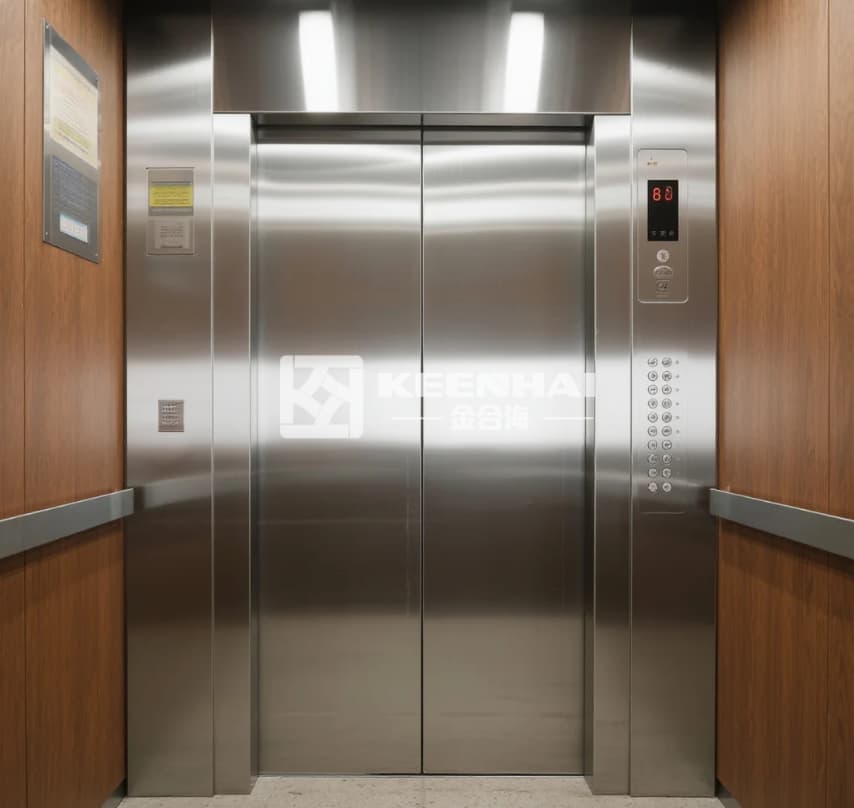
4. B2B Sourcing: The Cost Modeling
Pricing for PVD Coated Elevator Door Panels is dynamic. As a professional buyer, you must account for the following “Cost Layers.”
Pro Tip: Always calculate the Total Landed Cost. Shipping 2.5m sheets requires reinforced wooden crates (50−80 each) to prevent bending during sea freight.
5. Quality Standards & Compliance
For international projects, ensure your supplier meets these P1 requirements:
- ASTM A240/A480: Standard for stainless steel plate/sheet.
- Fire Rating: Stainless steel is naturally non-combustible (Class A1), but check the adhesive used in honeycomb-backed panels.
- PVD Adhesion Test (Cross-hatch): Ensures the color won’t peel under stress.
- Salt Spray Testing: 200+ hours for indoor use; 500+ hours for coastal projects.
6. How to Optimize Your Sourcing Strategy
-
Sample Verification: Digital photos are never accurate. Request a physical “Control Sample” before mass production.
-
Batch Control: Order all panels for one project in a single batch to avoid slight color deviations between PVD furnace runs.
-
MOQ vs. Price: PVD furnaces have fixed costs. Coating 10 sheets often costs nearly as much as 30 sheets in terms of gas and setup.
Konkludo
Investing in high-quality PVD Coated Elevator Door Panels increases property value and reduces long-term maintenance costs. Whether you are aiming for the timeless luxury of Mirror Gold or the industrial chic of Hairline Black, understanding the interplay between finish, color, and thickness is the key to a successful procurement.