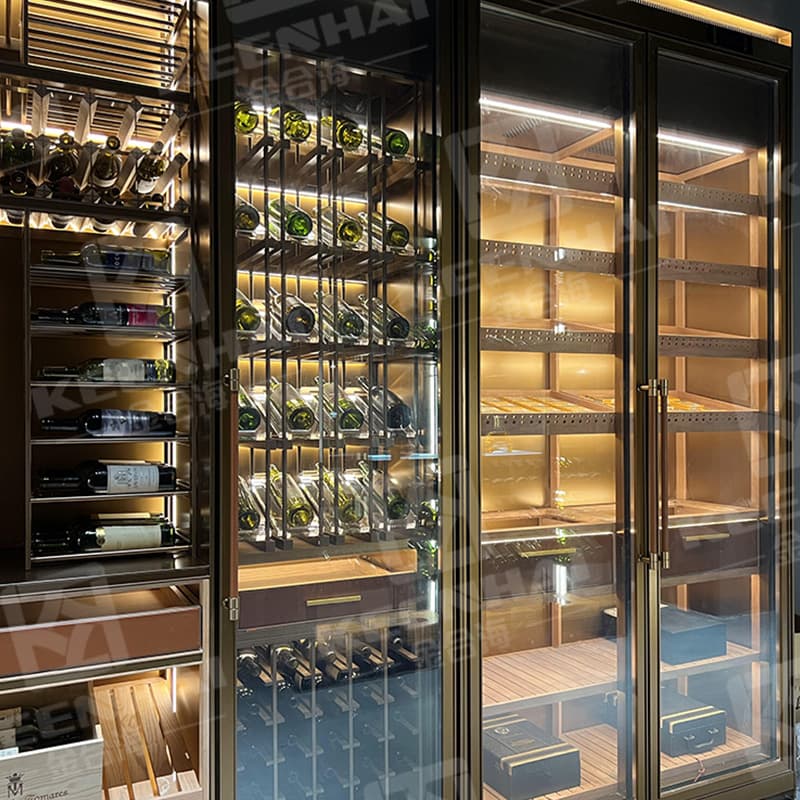
To obtain factory-priced stainless steel wine cabinets for projects, begin by defining storage capacity, bottle types, and installation space. Provide suppliers with detailed measurements, preferred materials, and internal layouts. Accurate drawings and specifications allow factories to generate precise quotes that reflect true costs, ensuring you get reliable pricing and avoid unexpected charges while maintaining durability and design quality.
1. Assess Project Requirements for Stainless Steel Wine Cabinets
Accurately assessing your project requirements is the foundation for getting factory-priced vinske vitrine od nehrđajućeg čelika that fit perfectly and perform reliably. This step ensures that suppliers can quote precisely and helps prevent costly revisions later.
1.1 Determine Storage Capacity and Bottle Types
Start by defining how many bottles you plan to store and which types. Not all wine cabinets handle the same bottle dimensions, so specifying the mix of standard 750 ml bottles, magnums, or specialty bottles is critical.
-
Count your total bottles and categorize them by size.
-
Consider future expansion—most commercial or residential collectors add 10–20% capacity over initial inventory.
-
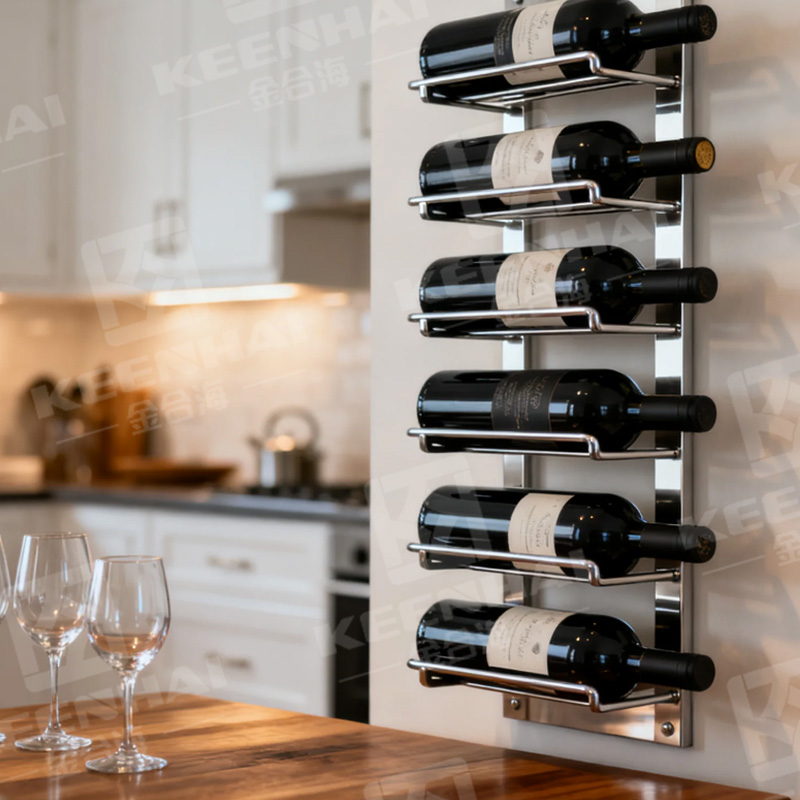
For racks or modular units, stalci za vino od nehrđajućeg čelika offer flexible layouts for different bottle sizes without wasting space.
A typical allocation table helps visualize requirements:
| Bottle Type | Quantity | Suggested Rack Layout |
|---|---|---|
| Standard 750ml | 150 | Single-tier racks |
| Magnum 1.5L | 30 | Horizontal shelves |
| Champagne | 20 | Angled display racks |
This ensures that both supplier and project planner understand exact capacity needs before quoting.
1.2 Define Installation Environment and Space Constraints
Next, evaluate the physical environment where the wine cabinet will sit. This includes room dimensions, ceiling height, wall clearance, and proximity to heat sources.
Key considerations:
-
Measure the width, depth, and height, including any offsets for molding or baseboards.
-
Note if the cabinet will be freestanding or built-in. Built-in units often require stainless steel wine rack cabinets for precision fit.
-
Assess floor load capacity for larger units; full stainless steel cabinets can weigh hundreds of kilograms when fully stocked.
By specifying these constraints early, you reduce the risk of selecting cabinets that do not physically fit or require costly modifications.
1.3 Identify Temperature and Humidity Needs
Temperature and humidity control directly affect wine preservation. Stainless steel cabinets have excellent thermal properties, but improper environmental planning can lead to cork shrinkage or premature oxidation.
Steps to define requirements:
-
Determine if the wine will be stored at room temperature or require active cooling. Room-temperature models are available as stainless steel room temperature wine cabinets.
-
Identify preferred storage range (usually 12–16°C for reds, 7–12°C for whites) and humidity (55–70%).
-
Check for nearby heat sources like radiators, ovens, or sunlight exposure that may require additional insulation.
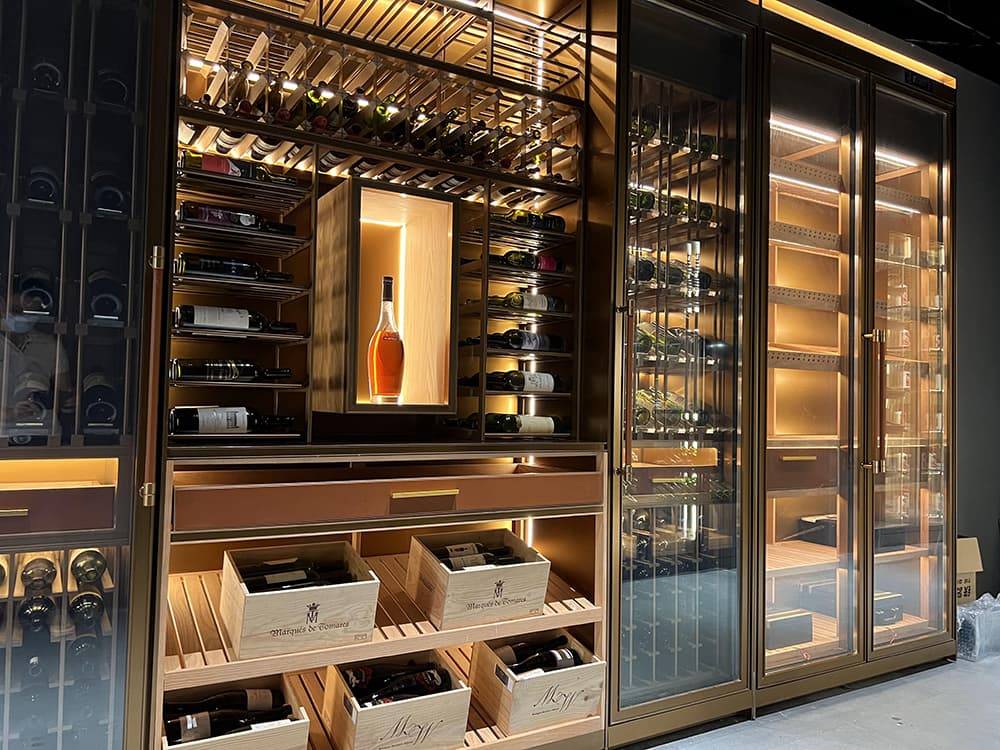
For larger installations, such as a commercial collection or private stainless steel wine cellar, zoning for temperature and humidity ensures each section maintains ideal conditions without overloading the cooling system.
2. Select Cabinet Specifications and Material Options
Choosing the right specifications and materials ensures your vinske vitrine od nehrđajućeg čelika deliver durability, style, and optimal performance. Early decisions about steel grade, finishes, doors, and interior layout directly influence cost, maintenance, and usability.
2.1 Choose Stainless Steel Grade and Finish
Selecting the appropriate stainless steel grade is crucial for strength, corrosion resistance, and aesthetic appeal. For most commercial and residential wine cabinets, Nehrđajući čelik klase 304 provides excellent durability and a polished look, while 316-grade offers higher corrosion resistance for humid or coastal environments.
Steps to choose steel and finish:
-
Evaluate exposure conditions: indoor dry, high humidity, or occasional moisture contact.
-
Decide on finish: brushed, mirror, or matte finishes alter visual impact and maintenance ease.
-
Consider factory standard vs. custom finishes, balancing cost and visual requirements.
Korištenje vinske vitrine od nehrđajućeg čelika with the right grade ensures long-lasting performance with minimal upkeep.
2.2 Decide on Door Type, Glass, and Hardware
Doors and glass selection affect both wine preservation and cabinet aesthetics. Tempered glass panels reduce UV exposure, while fully stainless steel doors provide maximum insulation and durability.
Key decisions:
-
Choose door style: swing, sliding, or bi-fold depending on space constraints.
-
Select glass type: UV-protective, low-iron, or tinted for display cabinets.
-
Determine hardware: soft-close hinges, magnetic latches, or locking systems for security.
Properly selected doors and hardware maintain cabinet efficiency and protect wine integrity without compromising design.
2.3 Define Internal Layout: Racks, Shelves, and Lighting
Internal components determine usability and storage density. A well-planned layout ensures bottle accessibility and even load distribution.
Steps to define layout:
-
Decide rack type: modular stalci za vino od nehrđajućeg čelika, fixed slots, or mixed configurations.
-
Determine shelf spacing to accommodate bottle heights.
-
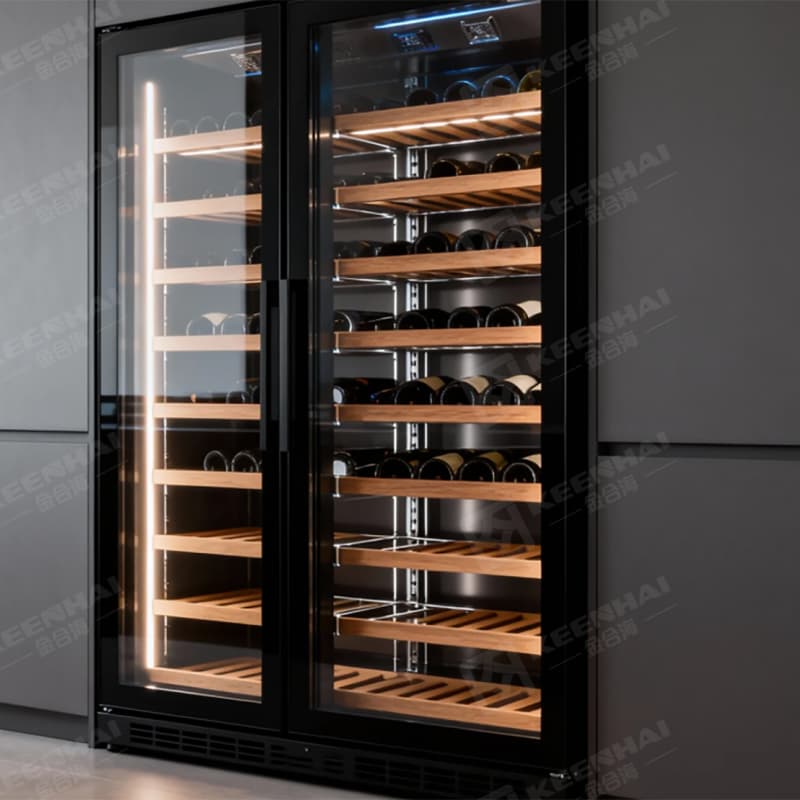
Add integrated lighting: LED strips or spotlights enhance visibility and display appeal.
-
Ensure load-bearing calculations: larger cabinets may require reinforced support frames.
For example, a 200-bottle cabinet can combine single-tier racks for standard bottles with slanted shelves for display, optimizing storage while maintaining easy access.

3. Understand Factory Pricing Components
Understanding how factory pricing works for stainless steel wine cabinets allows you to make informed decisions and secure the best value for your project. Factory quotes reflect a combination of material choices, manufacturing complexity, and added features.
3.1 Material Costs and Grade Differences
Material selection heavily influences pricing. Nehrđajući čelik klase 304 is standard for durability and finish, while 316-grade increases cost due to higher corrosion resistance. Additional finishes, such as brushed or mirror-polished surfaces, also affect pricing.
Consider the following factors:
-
Steel thickness and sheet size required for cabinet panels.
-
Grade-specific cost per square meter.
-
Quantity discounts when ordering multiple units.
| Stainless Steel Grade | Typical Use | Cost Impact |
|---|---|---|
| 304 | Standard cabinets | Base cost |
| 316 | High humidity/coastal | +15–25% |
| Custom Finish | Mirror, Brushed | +5–10% |
By understanding material costs, you can balance durability, aesthetics, and factory pricing effectively.
3.2 Fabrication Complexity and Size Impact
The size and complexity of fabrication directly influence factory pricing. Larger cabinets or custom shapes require more labor, precise cutting, welding, and finishing.
Key points to consider:
-
Standard modular sizes reduce fabrication time and cost.
-
Complex shapes, built-in units, or multi-zone designs increase labor hours.
-
Incorporating reinforced frames, adjustable racks, or integrated supports also adds cost.
Being specific about your size and layout requirements upfront prevents surprise charges and ensures that suppliers quote accurately.
3.3 Additional Features: Cooling, Lighting, and Accessories
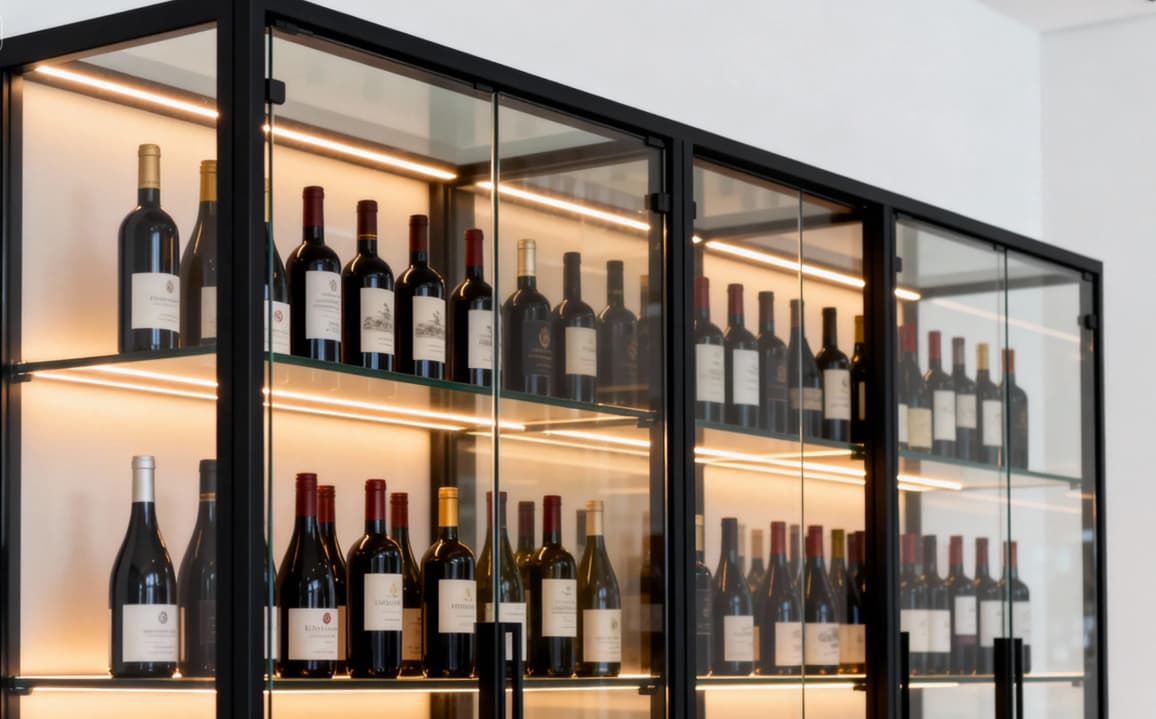
Additional features significantly affect the final quote. Active cooling, built-in LED lighting, and accessory options like lockable doors or display racks increase both material and labor costs.
Steps to consider feature pricing:
-
Specify cooling type: thermoelectric, compressor-based, or multi-zone.
-
Determine lighting options: LED strips, display spotlights, or accent lighting.
-
Decide on extra accessories: removable shelves, modular stainless steel wine rack cabinets, or built-in humidity controls.
Accurately listing desired features ensures the factory quote reflects the true cost of the cabinet and prevents underestimation or hidden fees.
4. Prepare Detailed Information for Accurate Factory Quotes
Providing detailed, precise information ensures that factory quotes for stainless steel wine cabinets are accurate, realistic, and tailored to your project requirements. The more specific the information, the fewer surprises during production and delivery.
4.1 Provide Precise Measurements and Drawings
Accurate measurements are critical for fitting the cabinet in the intended space and for correct fabrication.
Steps to prepare measurements:
-
Measure width, depth, and height including baseboards, moldings, and clearances.
-
Include wall offsets, ceiling constraints, and any protrusions such as pipes or vents.
-
Provide scaled drawings or CAD files if available to avoid misinterpretation.
-
Specify modular preferences, such as adjustable shelves or integrated racks.
For multi-unit installations, drawings help suppliers understand alignment and spacing. Units like stainless steel wine rack cabinets can be precisely customized based on these measurements.
4.2 Specify Project Quantity and Bulk Requirements
Quantity affects unit cost and factory pricing. Bulk orders often qualify for discounts, but precise numbers are essential to prevent overproduction or underestimation.
Steps to specify quantity:
-
List the exact number of cabinets required.
-
Note if multiple sizes or styles are needed.
-
Clarify whether all units are for a single location or multiple sites.
-
Include any future expansion plans if you want modular units that can integrate later.
Specifying quantities upfront allows factories to calculate material needs, labor allocation, and pricing more accurately, ensuring you get true factory pricing.
4.3 Outline Delivery Timeline and Budget Constraints
Timeline and budget constraints influence production scheduling and quotation accuracy.
Steps to communicate constraints:
-
Provide target delivery dates and any milestone deadlines.
-
State your budget range to help the factory recommend material grades or optional features.
-
Clarify shipping preferences: partial shipments, full container loads, or on-site assembly.
A clear timeline ensures the factory can plan production efficiently, and specifying budget boundaries allows them to suggest alternatives like vinske vitrine od nehrđajućeg čelika that match cost expectations without compromising quality.
5. Request, Evaluate, and Compare Factory Quotes
Effectively requesting and analyzing quotes ensures you secure the best factory price for stainless steel wine cabinets while avoiding hidden costs or misunderstandings. Clear communication and structured evaluation are essential.
5.1 Key Items to Include in the Quote
A thorough quote should cover all aspects of the cabinet to avoid surprises during production or delivery.
Essential items to request:
-
Material grade and finish of all panels and components.
-
Detailed list of internal features, including racks, shelves, lighting, and cooling if applicable.
-
Production lead time and shipping costs to your site.
-
Warranty and post-delivery service terms.
-
Any customization or optional accessories with individual pricing.
Including these items ensures the quote reflects exactly what you expect, making it easier to compare multiple suppliers accurately.
5.2 How to Compare Prices Beyond Base Cost
Price comparison should go beyond the initial number. The cheapest quote may not be the best if it compromises quality or functionality.
Steps for comprehensive comparison:
-
Evaluate material specifications and finish quality.
-
Check included features versus optional add-ons—sometimes “extras” are hidden in the total cost.
-
Consider labor, shipping, and installation costs if the factory offers these services.
-
Review warranty coverage and service commitments.
By analyzing these factors, you ensure the total value of the investment is clear rather than focusing solely on the upfront price.
5.3 Negotiating Bulk Discounts and Terms
Negotiation can significantly reduce per-unit costs, especially for large projects or repeat orders.
Effective negotiation tips:
-
Ask for tiered pricing based on quantity—factories often provide discounts for multiple units.
-
Clarify payment terms, including deposits, milestone payments, or full upfront.
-
Discuss potential customization flexibility without additional charges, such as adjustable racks or modular layouts.
-
Consider combining multiple orders or collaborating with other projects to leverage volume discounts.
Strong negotiation skills combined with detailed project requirements ensure you secure high-quality cabinets at the best possible factory price.
Securing factory price stainless steel wine cabinets starts with clear project requirements, precise specifications, and detailed communication with suppliers. By assessing storage needs, selecting appropriate materials and finishes, understanding factory pricing components, and preparing accurate information for quotes, you reduce surprises and ensure the cabinets meet your functional and aesthetic goals. Careful evaluation and comparison of quotes empower you to get high-quality, customized cabinets at the best possible factory price.