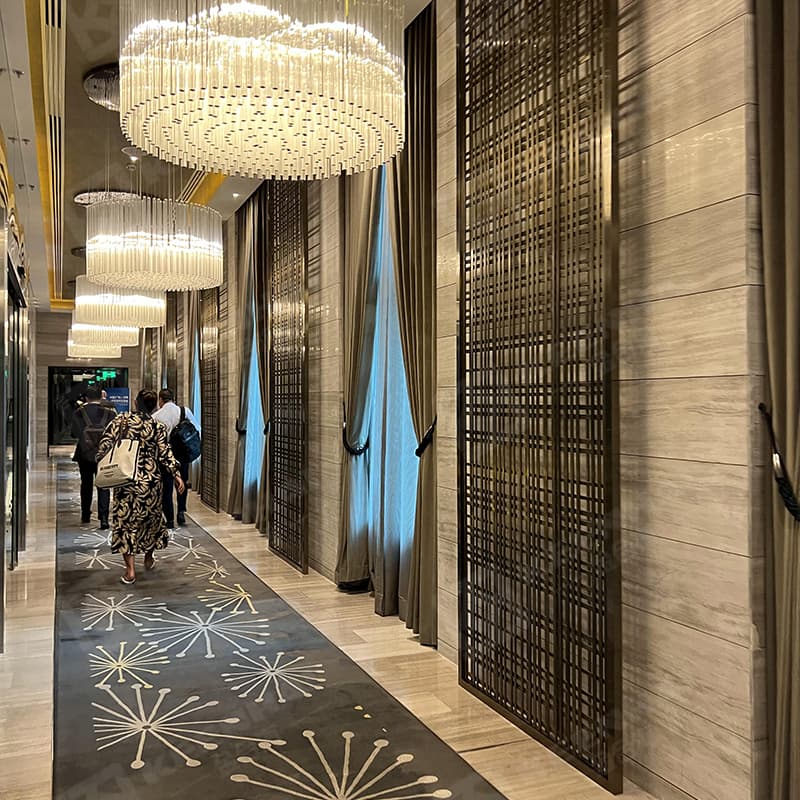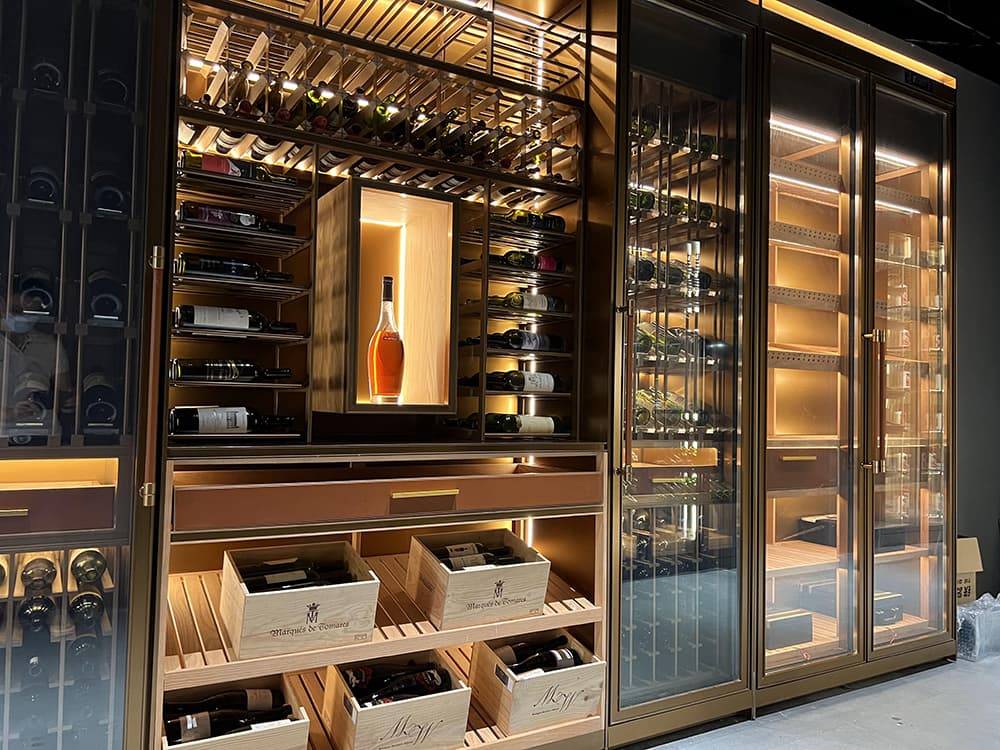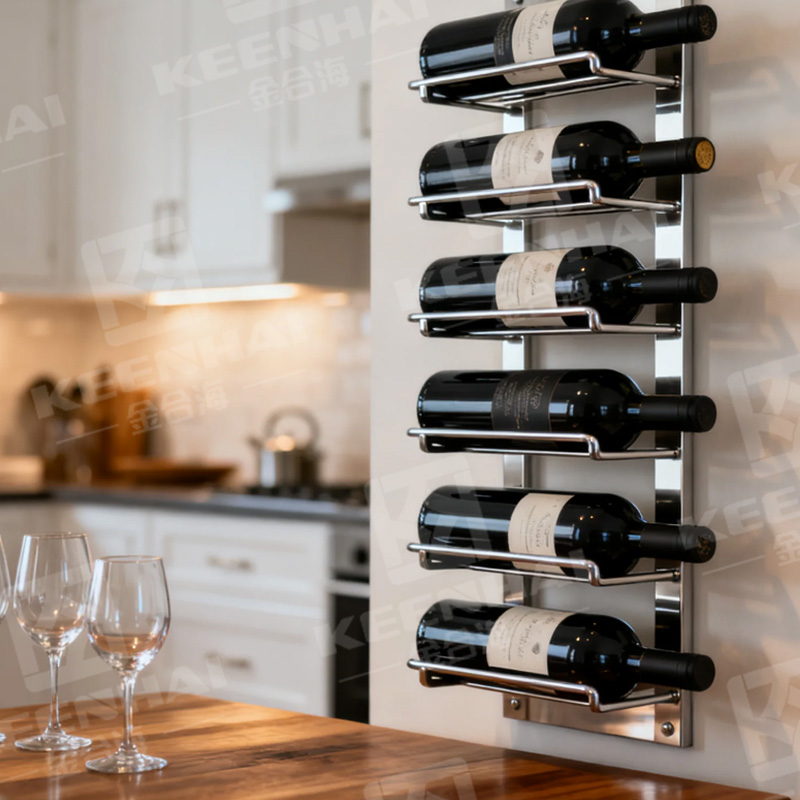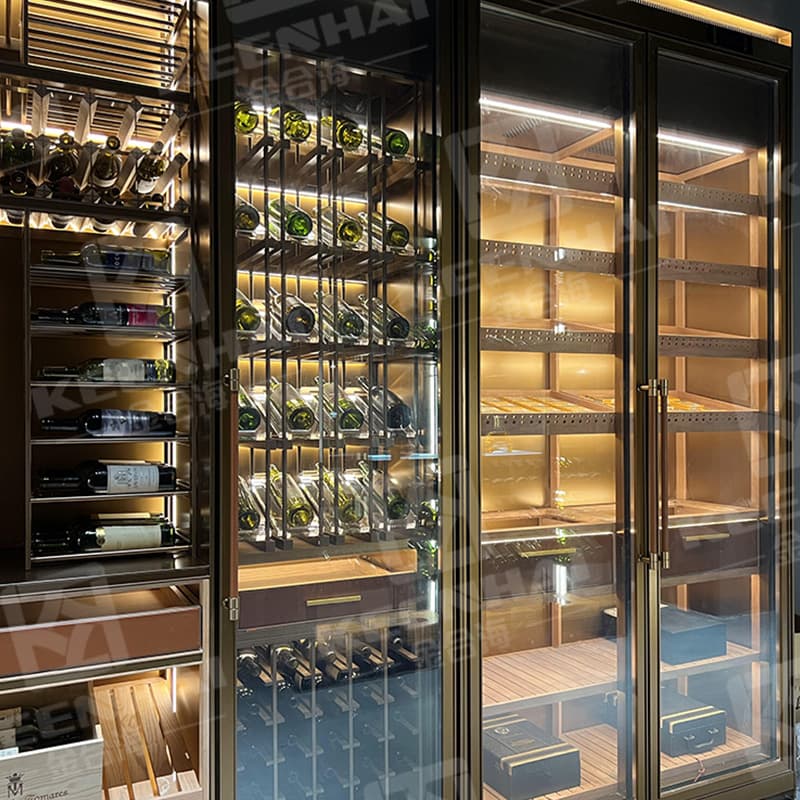
PVD stainless steel cladding இது ஒரு உயர் செயல்திறன் கொண்ட பொருளாகும், அங்கு ஒரு மெல்லிய உலோக அடுக்கு அணு மட்டத்தில் துருப்பிடிக்காத எஃகுடன் பிணைக்கப்படுகிறது. இந்த செயல்முறை கடினத்தன்மை, அரிப்பு எதிர்ப்பு மற்றும் வண்ண நிலைத்தன்மையை மேம்படுத்துகிறது. commercial facades, columns, and elevator interiors, குறைந்தபட்ச பராமரிப்பு தேவைப்படும் அதே வேளையில், இது ஒரு தசாப்தத்திற்கும் மேலாக அதன் பூச்சு துடிப்பானதாக வைத்திருக்கிறது. வடிவமைப்பாளர்கள் நீண்டகால அழகியல் மற்றும் கட்டமைப்பு நம்பகத்தன்மைக்காக இதை விரும்புகிறார்கள்.
1.வரையறை மற்றும் அடிப்படைக் கருத்து
1.2 துருப்பிடிக்காத எஃகில் "PVD" என்றால் என்ன?
நாம் பேசும்போது பிவிடி, we’re talking about Physical Vapor Deposition — a vacuum-based technology that bonds a thin metallic layer onto stainless steel. Unlike spray coatings or electroplating, this process doesn’t rely on chemicals or paint. Instead, it works at the atomic level. Inside a sealed vacuum chamber, metals like titanium or zirconium are vaporized, and those vapor particles are drawn toward the steel surface. As they condense, they create a dense, hard film that’s just a few microns thick yet incredibly durable.
செயல்திறனை தியாகம் செய்யாமல் ஆக்கப்பூர்வமான கட்டுப்பாட்டை வழங்குவதால் கட்டிடக் கலைஞர்கள் இந்த தொழில்நுட்பத்தை விரும்புகிறார்கள். உதாரணமாக, PVD-coated stainless cladding panels நவீன விமான நிலையங்கள் அல்லது ஹோட்டல் லாபிகளில் பயன்படுத்தப்படும் இந்த உலோகம், பல வருடங்களாக UV கதிர்வீச்சுக்கு ஆளாகி சுத்தம் செய்யும் சுழற்சிகளுக்குப் பிறகும் கூட மங்காது அல்லது உரிக்கப்படுவதில்லை. ஏனென்றால், PVD அடுக்கு உலோகத்தின் ஒரு பகுதியாக மாறுகிறது - அதன் மேல் அமர்ந்திருக்கும் ஒன்று மட்டுமல்ல. பிரஷ் செய்யப்பட்டாலும், கண்ணாடி பாலிஷ் செய்யப்பட்டாலும் அல்லது வடிவமைக்கப்பட்டாலும் பூச்சு சீராக இருக்கும்.
இந்த செயல்முறையை மூன்று துல்லியமான நிலைகளாக சுருக்கமாகக் கூறலாம்:
-
மேற்பரப்பு தயாரிப்பு – The stainless steel is cleaned with plasma to remove every trace of oil and dust.
-
Metal Vaporization - இலக்கு உலோகங்கள் அறைக்குள் ஆவியாகும் வரை சூடேற்றப்படுகின்றன.
-
Deposition and Bonding – நீராவி எஃகு மேற்பரப்பில் படிந்து உருகி, ஒரு திடமான உலோக அடுக்கை உருவாக்குகிறது.
அது எப்படி modern architectural stainless panels தங்கம், வெண்கலம் அல்லது ஷாம்பெயின் நிறங்களைப் பெறுங்கள் - வண்ணப்பூச்சிலிருந்து அல்ல, ஆனால் மேற்பரப்பில் உடல் ரீதியாக பிணைக்கப்பட்ட உண்மையான உலோக கலவைகளிலிருந்து. நிறம் மங்காது, மேலும் அடியில் உள்ள உலோகம் அதன் முழு அரிப்பு எதிர்ப்பையும் தக்க வைத்துக் கொள்ளும்.
Designers often combine this technique with stainless steel sheets உருவாக்கும் போது வெளிப்புற சுவர் முகப்புகள் or லிஃப்ட் உட்புறங்கள், ஏனெனில் இது அழகியல் மற்றும் செயல்திறன் இரண்டையும் ஒரே தீர்வில் வழங்குகிறது.
1.3 உறைப்பூச்சுக்கும் பூச்சுக்கும் உள்ள வேறுபாடு
மக்கள் பெரும்பாலும் "கிளாடிங்" மற்றும் "கோட்டிங்" ஆகியவற்றைக் குழப்புகிறார்கள், ஆனால் அவை ஒன்றல்ல. உறைப்பூச்சு பாதுகாப்பு மற்றும் தோற்றம் இரண்டிற்கும் ஒரு பொருளை மற்றொரு அடுக்குடன் மூடுவது பற்றியது. Coatingமறுபுறம், பொதுவாக மேற்பரப்பில் ஒரு படலம் அல்லது வேதியியல் பூச்சு பயன்படுத்துவதைக் குறிக்கிறது. வேறுபாடு நுட்பமானது ஆனால் முக்கியமானது - உறைப்பூச்சு adds structure, பூச்சு செய்யும் போது adds finish.
Here’s how they compare in real-world use:
| அம்சம் | Coating | உறைப்பூச்சு |
|---|---|---|
| பொருள் தடிமன் | 0.05–0.1 mm | 0.3–1.0 மி.மீ. |
| பிணைப்பு முறை | பெயிண்ட், கெமிக்கல் அல்லது எலக்ட்ரோபிளேட்டிங் | உடல் இணைப்பு அல்லது PVD பிணைப்பு |
| ஆயுள் | Moderate | High — Ideal for Exterior Panels |
| காட்சி ஆழம் | Flat Finish | உலோக ஆழம் & பிரதிபலிப்பு |
| பராமரிப்பு தேவை | Regular Cleaning | குறைந்த பராமரிப்பு |
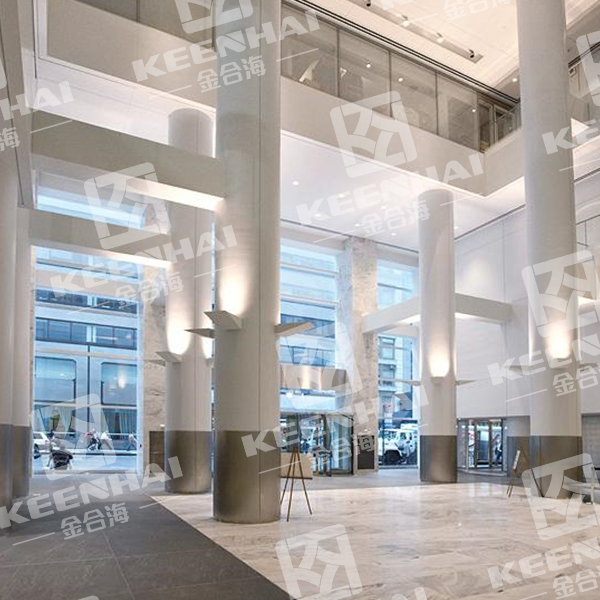
In commercial buildings, துருப்பிடிக்காத எஃகு உறைப்பூச்சு பொதுவாகப் பயன்படுத்தப்படுகிறது தூண்கள், முகப்புகள் மற்றும் சுவர் அமைப்புகள், உட்புற அலங்கார பாகங்களுக்கு பூச்சுகள் அதிகம். உதாரணமாக, துருப்பிடிக்காத எஃகு வெளிப்புற சுவர் ஷாப்பிங் மால்கள் அல்லது விமான நிலையங்களில் நீங்கள் காணும் பேனல்கள் பூச்சு அல்ல, உறைப்பூச்சுடன் செய்யப்படுகின்றன. அதனால்தான் அவை பல வருடங்களாக மழை மற்றும் ஈரப்பதத்திற்கு ஆளான பிறகும் தங்கள் பிரகாசத்தைத் தக்கவைத்துக்கொள்கின்றன.
சுருக்கமாகச் சொன்னால், உறைப்பூச்சு பொருளுக்குள் நீடித்து உழைக்கும் தன்மையை உருவாக்குகிறது, அதே நேரத்தில் பூச்சு ஒரு மேற்பரப்பு அடுக்கை மட்டுமே சேர்க்கிறது. நீங்கள் வேறுபாட்டை நெருக்கமாகப் பார்த்தவுடன் - உண்மையான பொருளின் ஆழம், பிரதிபலிப்பு மற்றும் செழுமை PVD stainless steel cladding — நவீன கட்டமைப்புகளுக்கு கட்டிடக் கலைஞர்கள் ஏன் அதை நம்பியிருக்கிறார்கள் என்பதை நீங்கள் உடனடியாகப் புரிந்துகொள்வீர்கள்.
2. PVD உறைப்பூச்சு உற்பத்தி செயல்முறை
2.1 Steps of Physical Vapor Deposition (PVD)
The இயற்பியல் ஆவி படிவு (PVD) process is a high-precision coating technology used to enhance both the look and performance of stainless steel. It’s done inside a vacuum chamber, பொதுவாக இடையில் இயங்கும் 5×10⁻⁴ முதல் 5×10⁻⁶ வரையிலான டோர், which eliminates contamination and allows the coating material to bond perfectly to the steel surface. The temperature inside usually ranges from 200°C முதல் 500°C வரை, depending on the substrate and the desired finish.
முழு செயல்முறை பல விரிவான படிகளை உள்ளடக்கியது:
-
மேற்பரப்பு முன் சிகிச்சை - துருப்பிடிக்காத எஃகு முதலில் மெருகூட்டப்பட்டு, இதைப் பயன்படுத்தி சுத்தம் செய்யப்படுகிறது ஆர்கான் பிளாஸ்மா. இந்தப் படிநிலை அனைத்து நுண்ணிய எண்ணெய், ஆக்சைடு மற்றும் தூசியையும் நீக்குகிறது. கூட ஒரு 0.1 µm மாசுபாடு can cause bonding failure, so precision here is critical.
-
வெப்பமாக்கல் மற்றும் வெற்றிடமாக்கல் – The cleaned stainless panel is placed in a vacuum furnace, where air and moisture are evacuated. The metal surface reaches about 400°C வெப்பநிலை to ensure proper adhesion.
-
Metal Target Vaporization – டைட்டானியம், சிர்கோனியம் அல்லது குரோமியம் "இலக்குகள்" உயர் ஆற்றல் அயனிகளால் தாக்கப்படுகின்றன. இந்த அணுக்கள் உடனடியாக ஆவியாகி, ஒரு உலோக பிளாஸ்மா மேகத்தை உருவாக்குகின்றன.
-
Deposition Phase - ஆவியாக்கப்பட்ட அணுக்கள் துருப்பிடிக்காத மேற்பரப்பில் ஒடுங்கி, ஒரு அடர்த்தியான, 0.3–0.5 µm PVD அடுக்கு. வண்ண விளைவு (தங்கம், வெண்கலம், கருப்பு அல்லது ரோஜா) உலோக வகை மற்றும் வாயு கலவையை (நைட்ரஜன், ஆர்கான் அல்லது ஆக்ஸிஜன்) சார்ந்துள்ளது.
-
குளிர்வித்தல் மற்றும் முடித்தல் – பூச்சு முடிந்ததும், ஆக்சிஜனேற்றத்தைத் தடுக்க பேனல்கள் வெற்றிடத்தின் கீழ் குளிர்விக்கப்படுகின்றன. இதன் விளைவாக ஒரு மேற்பரப்பு உருவாகிறது, அது three to five times harder than untreated stainless steel.
இதுதான் பிரீமியம் PVD stainless steel cladding achieves its deep metallic finish and unmatched durability. You’ll find it used in commercial buildings, such as விமான நிலைய தூண்கள், ஹோட்டல் லாபிகள் மற்றும் சில்லறை விற்பனை முகப்புகள், இதில் காட்சி முறையீடு மற்றும் அரிப்பு எதிர்ப்பு இரண்டும் சமமாக முக்கியமானவை.
For large-scale applications, manufacturers often combine the PVD coating process with precision-cut stainless steel sheets கட்டிடக்கலை பேனல்கள் அல்லது லிஃப்ட் கதவுகளாக அவற்றை வடிவமைப்பதற்கு முன். இந்த அணுகுமுறை ஒவ்வொரு பகுதியும் சீரான தொனியையும் செயல்திறனையும் பராமரிப்பதை உறுதி செய்கிறது, பெரிய மேற்பரப்பு பகுதிகளில் கூட.
2.2 How PVD Bonds with Stainless Steel Surfaces
PVD அடுக்குக்கும் துருப்பிடிக்காத எஃகு அடித்தளத்திற்கும் இடையிலான பிணைப்பு வெறும் இயற்பியல் சார்ந்தது மட்டுமல்ல - அது அணு சார்ந்தது. இந்த செயல்முறை ஒரு metallic bond, meaning the coating atoms literally share electrons with the stainless substrate. This type of fusion gives PVD cladding its signature கீறல் மற்றும் தேய்மான எதிர்ப்பு, with hardness values reaching 2,000–2,400 HV விக்கர்ஸ் அளவில் (நிலையான துருப்பிடிக்காத எஃகுக்கு ~200 HV உடன் ஒப்பிடும்போது).
படிவின் போது, துருப்பிடிக்காத மேற்பரப்பு உயர் மின்னழுத்த புலத்தால் அயனியாக்கம் செய்யப்படுகிறது, இது ஆவியாக்கப்பட்ட உலோக அணுக்களை ஈர்க்கிறது. இந்த அணுக்கள் மேற்பரப்பை அதிக வேகத்தில் தாக்குகின்றன 1 km/s, தங்களை உட்பொதித்து ஒரு படிக நுண் அமைப்பை உருவாக்குகின்றன. இதன் விளைவாக ஒரு uniform, pore-free coating பல வருடங்களாக வெளியில் வைத்திருந்தாலும் கூட, அது உரிக்கவோ, விரிசல் அடையவோ, உரிக்கவோ இல்லை.
Here’s how PVD compares to a traditional chemical coating:
| Property | வேதியியல் பூச்சு | PVD Cladding System |
|---|---|---|
| Bonding Strength (MPa) | 15–25 | >100 |
| Coating Thickness (µm) | 2–5 | 0.3–0.5 |
| கடினத்தன்மை (விக்கர்ஸ் HV) | 200–300 | 2000–2400 |
| Adhesion Type | இயந்திரவியல் | Metallic Bonding |
| Color Stability | Moderate | சிறந்தது (10+ ஆண்டுகள்) |
படல அமைப்பு உலோகமாக இருப்பதால், வெப்பநிலை மாற்றங்களின் கீழ் விரிசல் இல்லாமல் அடிப்படை எஃகுடன் விரிவடைந்து சுருங்குகிறது. அதனால்தான் துருப்பிடிக்காத எஃகு வெளிப்புற சுவர் panels made with this process perform flawlessly in humid coastal cities or high-altitude buildings.
கட்டிடக்கலை திட்டங்களுக்கு, இது போன்ற பிராண்டுகள் pvdstainlesssteel specialize in producing custom finishes — from mirror-polished gold for luxury hotels to matte bronze for minimalist office facades. Their control over deposition rate, gas flow, and ion energy ensures consistent tone, texture, and adhesion quality on every batch.
சாராம்சத்தில், PVD bonding transforms stainless steel from a functional material into a design statement — combining molecular-level strength with timeless aesthetics that simply can’t be replicated by paint or electroplating.
3. பொருள் கலவை மற்றும் மேற்பரப்பு பூச்சுகள்
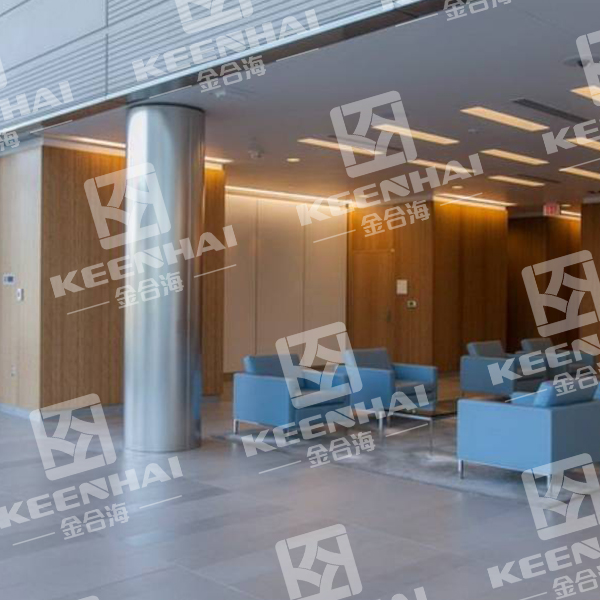
When it comes to PVD stainless steel cladding, பொருளின் கலவை மற்றும் பூச்சு அதன் தோற்றத்தை மட்டுமல்ல, அதன் செயல்திறன் மற்றும் நீண்ட ஆயுளையும் தீர்மானிக்கிறது. அடிப்படை உலோகம், பூச்சு பொருள் மற்றும் மேற்பரப்பு சிகிச்சையின் தேர்வு அரிப்பு எதிர்ப்பு, பிரதிபலிப்பு மற்றும் வண்ண நிலைத்தன்மையை நேரடியாக பாதிக்கிறது - கட்டிடக்கலை மற்றும் வணிக பயன்பாடுகளில் முக்கிய காரணிகள்.
3.1 Types of Stainless Steel Used for Cladding
பெரும்பாலானவை PVD உறைப்பூச்சு பேனல்கள் are fabricated using ஆஸ்டெனிடிக் துருப்பிடிக்காத எஃகு, primarily 304 மற்றும் 316 தரங்கள்.
-
தரம் 304 (18% chromium, 8% nickel) is the standard choice for interior walls, ceilings, and elevator trims due to its good corrosion resistance and smooth surface for uniform coating adhesion.
-
Grade 316, கொண்டது 2–3% molybdenum, உப்பு மற்றும் அமில அரிப்புக்கு சிறந்த எதிர்ப்பை வழங்குகிறது, இது சிறந்ததாக அமைகிறது coastal buildings, facades, and outdoor columns.
For high-impact environments such as airports or commercial towers, தடிமனான அளவீடுகள் (1.2–2.0 மிமீ) are often used to prevent denting, while மெல்லிய உறைப்பூச்சுகள் (0.6–0.8 மிமீ) suffice for decorative indoor panels. The steel’s surface finish before coating—பொதுவாக mirror No.8, satin No.4, அல்லது முடியின் உச்சம்—also influences how evenly the PVD அடுக்கு பிணைப்புகள் மற்றும் இறுதி தயாரிப்பிலிருந்து ஒளி எவ்வாறு பிரதிபலிக்கிறது.
இயந்திர பண்புகளைப் பொறுத்தவரை, 304 துருப்பிடிக்காத எஃகு உறைப்பூச்சு has a typical 520–720 MPa இழுவிசை வலிமை மற்றும் elongation of 45–50%, வளைத்தல் மற்றும் உற்பத்தியின் போது நெகிழ்வுத்தன்மையை வழங்குகிறது. 316 துருப்பிடிக்காத எஃகு, meanwhile, performs slightly stronger with 515–760 MPa tensile strength மற்றும் குளோரைடு குழிகளுக்கு அதிக எதிர்ப்பு. இந்த எண்கள் சிறந்த கட்டமைப்பு நிலைத்தன்மை மற்றும் வெளிப்புற வெப்ப அழுத்தத்தின் கீழ் விரிசல் ஏற்படும் அபாயத்தைக் குறைக்கின்றன.
3.2 Available Colors and Texture Options
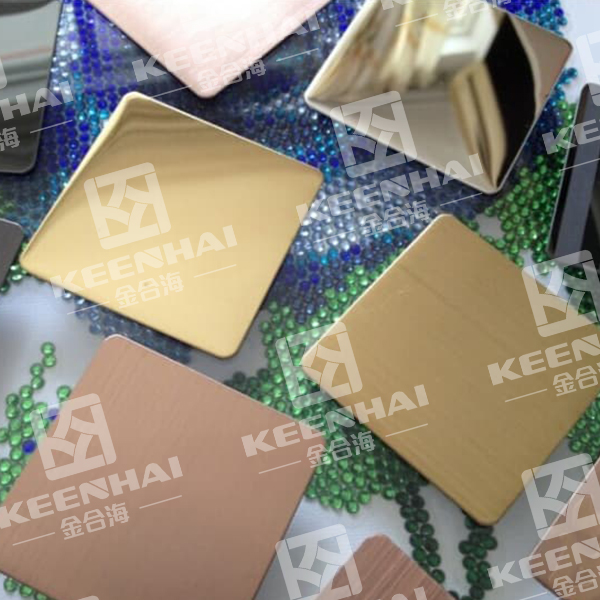
The PVD coating இந்த செயல்முறை துருப்பிடிக்காத எஃகு இயற்கை உலோகங்களைப் பிரதிபலிக்கவும், பாரம்பரிய ஓவியம் அல்லது மின்முலாம் பூசுதல் பொருந்தாத தனிப்பயன் அழகியலை அடையவும் அனுமதிக்கிறது. வழக்கமான color options அடங்கும்:
| Finish Type | பொதுவான நிறங்கள் | Reflectivity | பயன்பாட்டு பயன்பாடு |
|---|---|---|---|
| Mirror | Gold, Silver, Rose Gold | அதிக (85–95%) | Lobby walls, elevator interiors |
| Hairline | வெண்கலம், கருப்பு, ஷாம்பெயின் | மிதமான (60–70%) | Exterior panels, columns |
| பொறிக்கப்பட்டது | Custom patterns, Dual-tone | மாறி | அலங்கார முகப்புகள், அடையாளங்கள் |
| Bead-Blasted | டைட்டானியம் சாம்பல், அடர் வெண்கலம் | Low (40–55%) | தொழில்துறை அல்லது மேட்-பாணி கட்டிடக்கலை |
ஒவ்வொரு பூச்சுக்கும் ஒரு தேவை குறிப்பிட்ட அடிப்படை தயாரிப்பு — உதாரணமாக, கண்ணாடி-பாலிஷ் செய்யப்பட்ட மேற்பரப்புகள் தெளிவான, உயர்-பளபளப்பான வண்ணங்களை அளிக்கிறது, அதே நேரத்தில் hairline finishes மென்மையான, துலக்கப்பட்ட தொனியை உருவாக்குங்கள்.
In high-end projects, designers often combine finishes — for example, கண்ணாடி தங்க மையப் பலகைகளுடன் கூடிய முடிவரிசை வெண்கல எல்லைகள் — to create ஆழம் மற்றும் காட்சி மாறுபாடு. சில உற்பத்தியாளர்கள் மேலும் வழங்குகிறார்கள் கைரேகை எதிர்ப்பு அல்லது சுய சுத்தம் செய்யும் பூச்சுகள், இது பராமரிப்பு அதிர்வெண்ணைக் குறைக்கிறது 40% பூசப்படாத உறைப்பூச்சுகளுடன் ஒப்பிடும்போது.
இறுதியாக, வண்ண நிலைத்தன்மை சார்ந்துள்ளது chamber temperature (180–500°C) மற்றும் படிவு நேரம், both of which influence the atomic layer thickness. Thicker coatings (above 0.5 μm) செழுமையான டோன்களையும் மேம்பட்ட நீடித்துழைப்பையும் வழங்குகின்றன, ஆனால் நீட்டிக்கப்பட்ட வெற்றிட சுழற்சிகள் காரணமாக சற்று அதிக விலை கொண்டவை.
4. Key Benefits of PVD Stainless Steel Cladding
4.1 ஆயுள் மற்றும் அரிப்பு எதிர்ப்பு
One of the main reasons architects choose PVD-coated stainless cladding panels என்பது ஒப்பிடமுடியாத நீடித்து உழைக்கும் தன்மை. வர்ணம் பூசப்பட்ட மேற்பரப்புகள் அல்லது தூள் பூசப்பட்ட உலோகங்களைப் போலன்றி, PVD அடுக்குகள் அணு மட்டத்தில் பிணைக்கப்பட்டுள்ளன, இதனால் அவை நிலையான துருப்பிடிக்காத எஃகு மேற்பரப்புகளை விட 3–5 மடங்கு கடினமானது. போன்ற வணிகத் திட்டங்களில் விமான நிலைய தூண்கள், ஹோட்டல் லாபிகள் மற்றும் அதிக போக்குவரத்து கொண்ட ஷாப்பிங் மால் முகப்புகள், இந்த கடினத்தன்மை கீறல் எதிர்ப்பு, பள்ளம் தடுப்பு மற்றும் நீண்டகால கட்டமைப்பு ஒருமைப்பாடு.
அரிப்பு எதிர்ப்பு மற்றொரு முக்கிய நன்மை. PVD அடுக்குகள் பின்வருவனவற்றிலிருந்து பாதுகாக்கின்றன:
-
குளோரைடு தாக்குதல் in coastal environments, which normally accelerates pitting.
-
அமில மழைக்கு ஆளாகுதல், common in urban areas.
-
புற ஊதா சிதைவு, பல வருட சூரிய ஒளிக்குப் பிறகும் வண்ண நிலைத்தன்மையை உறுதி செய்கிறது.
For example, துருப்பிடிக்காத எஃகு வெளிப்புற சுவர் panels coated with PVD in seaside commercial towers show virtually zero signs of oxidation after 10+ years, வழக்கமான துருப்பிடிக்காத பூச்சுகளுக்கு பெரும்பாலும் வழக்கமான பராமரிப்பு அல்லது மாற்றீடு தேவைப்படுகிறது.
Here’s a simple performance comparison for context:
| Property | நிலையான துருப்பிடிக்காத எஃகு | PVD துருப்பிடிக்காத எஃகு உறைப்பூச்சு |
|---|---|---|
| கடினத்தன்மை (விக்கர்ஸ் HV) | 200–250 | 2000–2400 |
| அரிப்பு எதிர்ப்பு | Moderate | அதிக குளோரைடு மற்றும் அமில எதிர்ப்பு |
| Scratch Resistance | Low–Medium | High |
| புற ஊதா/மங்கல் எதிர்ப்பு | Low | சிறந்தது (10+ ஆண்டுகள்) |
| Maintenance Frequency | 12–24 months | 5–7 years |
This is why architects rely on modern architectural stainless panels அதிக போக்குவரத்து அல்லது திறந்தவெளி இடங்களுக்கு — long-term performance saves both repair costs and downtime.
4.2 அழகியல் மற்றும் பராமரிப்பு நன்மைகள்
நீடித்து உழைக்கும் தன்மையைத் தாண்டி, PVD stainless steel cladding சலுகைகள் அழகியல் நெகிழ்வுத்தன்மை that traditional coatings can’t match. It provides consistent, vibrant metallic colors such as வெண்கலம், ஷாம்பெயின், கருப்பு அல்லது ரோஜா தங்கம், which காலப்போக்கில் நிலையாக இருக்கும். பூச்சு கண்ணாடி-பாலிஷ் செய்யப்பட்டதாகவோ, முடியின் கோடு அல்லது வடிவமாகவோ இருக்கலாம், வடிவமைப்பாளர்கள் உருவாக்க அனுமதிக்கிறது கண்ணைக் கவரும் ஹோட்டல் லாபிகள், லிஃப்ட் உட்புறங்கள் அல்லது வணிக முகப்பு அமைப்புகள் பிரீமியம் மற்றும் நவீன உணர்வை ஏற்படுத்தும்.
மற்ற அலங்கார உலோகங்களுடன் ஒப்பிடும்போது பராமரிப்பு குறிப்பிடத்தக்க வகையில் எளிது. உதாரணமாக:
-
Daily cleaning is usually limited to soft microfiber wiping — harsh chemicals are unnecessary.
-
Fingerprint and smudge resistance is built into the coating itself, reducing visual wear in high-touch areas.
-
நீண்ட ஆயுள்: The PVD layer stays vibrant for more than a decade, even in outdoor climates.
Some projects combine stainless steel sheets with PVD panels to cover large façades seamlessly. This not only ensures uniform appearance but also minimizes joints and potential water infiltration points, which further improves the building’s durability.
In short, the combination of color richness, low-maintenance upkeep, and consistent visual appeal is why designers continue to choose PVD cladding for both interior and exterior architectural projects. It’s a long-term investment in performance and aesthetics, rather than just a surface treatment.
5. Applications in Architecture and Interior Design
5.1 Building Facades and Columns
PVD stainless steel cladding has become a top choice for commercial and public building facades. Its atomic-level bonding gives panels high corrosion resistance and color stability, which is critical for exterior surfaces exposed to sun, rain, and urban pollution.
Architects often use stainless steel column cladding panels to cover structural supports in airports, hotels, and shopping centers. The panels are typically 0.8–1.2 mm thick, cut precisely to match column dimensions, and mirror or hairline finishes are selected depending on aesthetic needs.
In coastal buildings, Grade 316 stainless steel sheets are combined with PVD layers to resist chloride-induced corrosion, which dramatically increases the façade’s lifespan. For instance, a seaside hotel used bronze PVD cladding on exterior columns, maintaining color and gloss for over 10 years with minimal maintenance.
Key advantages for façades and columns include:
-
Uniform metallic finish across large surfaces, even for multi-story buildings.
-
Scratch and dent resistance, reducing repair frequency in high-traffic zones.
-
Seamless integration with glass, concrete, and stone elements.
This makes PVD panels ideal for modern architectural façades that demand both longevity and a premium visual impact.
5.2 Elevators, Wall Panels, and Decorative Uses
Inside buildings, PVD-coated stainless steel cladding transforms ordinary spaces into luxurious, functional environments. Elevator interiors, wall panels, and decorative trims benefit from both durability and style.
For elevators, designers select mirror-polished or hairline finishes, ensuring the surfaces resist fingerprints and scuffs in high-use areas. Large office complexes and luxury hotels often install துருப்பிடிக்காத எஃகு வெளிப்புற சுவர் panels for interior accent walls, combining aesthetics with குறைந்த பராமரிப்பு.
Decorative uses extend to:
-
Reception desk panels and wall accents in hotel lobbies.
-
Retail display backdrops where reflective surfaces enhance product visibility.
-
Architectural art installations, where PVD’s color options allow for bronze, champagne, or rose-gold hues that stay vivid for years.
Combining stainless steel sheets with PVD-coated panels ensures uniform coverage and eliminates unsightly gaps, even for custom-shaped walls. Projects like airport lounges and upscale shopping arcades often deploy these panels, achieving a consistent, high-end look with minimal long-term upkeep.
In short, PVD stainless steel cladding combines strength, corrosion resistance, and lasting visual appeal. From airport columns to hotel lobbies, this technology transforms ordinary stainless steel into a premium architectural material. With precise atomic bonding and a variety of finishes, it’s a long-term solution that delivers both performance and style without heavy maintenance.