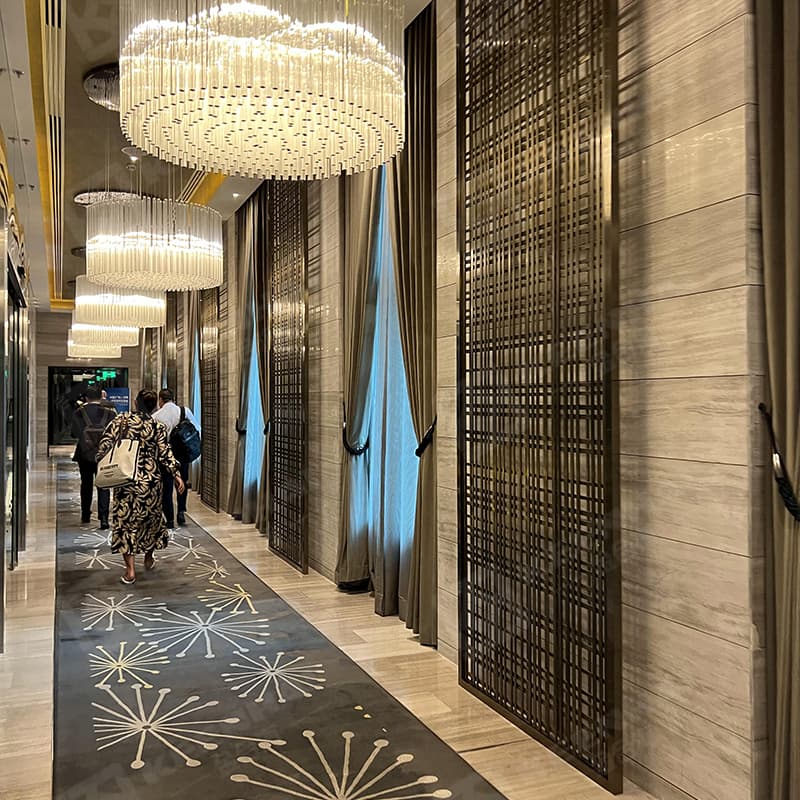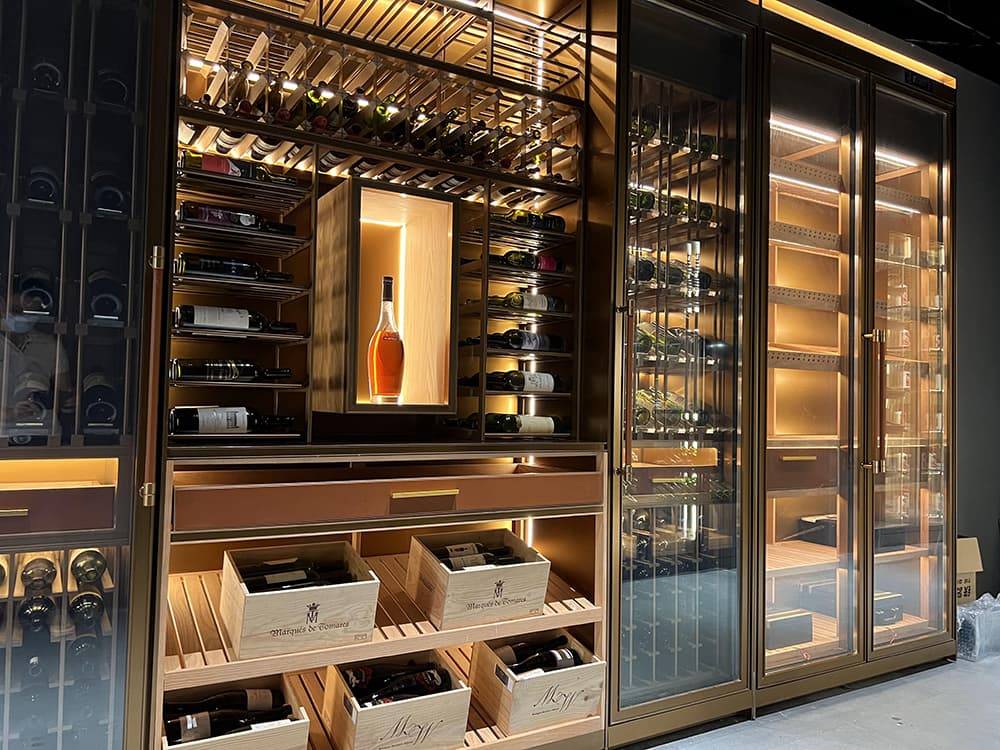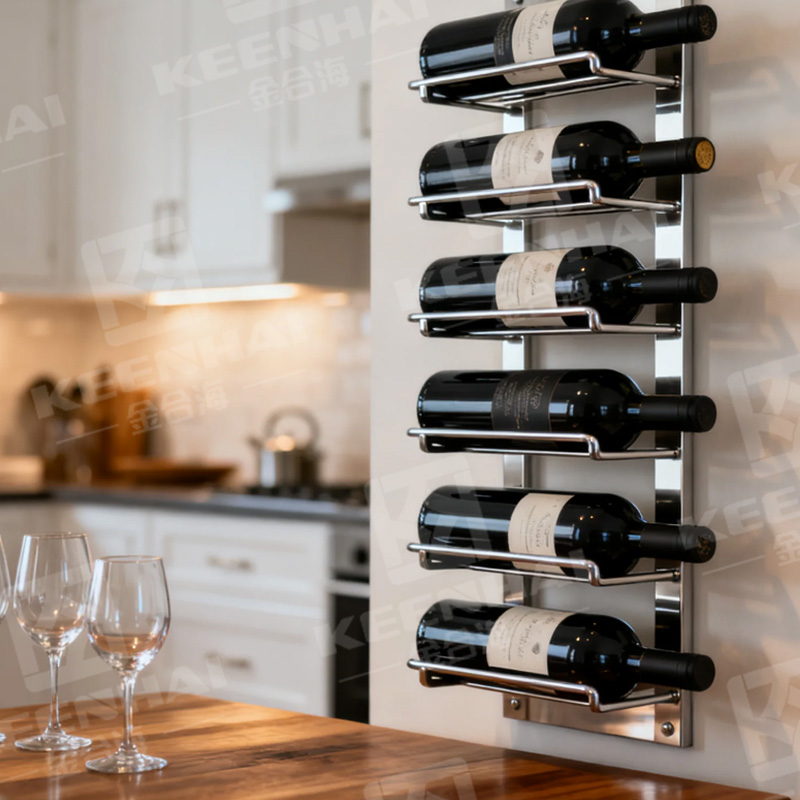
Engineers select Inox over conventional stainless steel when consistent material language and performance are critical. In projects like international airports or large-scale commercial buildings, using Inox grades ensures that architects, fabricators, and inspectors all follow the same specifications, which reduces delays and prevents costly errors, while maintaining high durability and corrosion resistance throughout the lifecycle of the project.
1. Engineering Contexts Where “Inox” Becomes the Preferred Term
In professional engineering environments, “Inox” is not a branding shortcut—it is a working term chosen to reduce ambiguity. Engineers tend to adopt it in contexts where material performance, regulatory alignment, and cross-border coordination matter more than consumer-facing clarity. This preference emerges consistently in European-led projects, multinational specifications, and technically dense documentation where naming precision directly affects fabrication outcomes.
1.1 Regional Engineering Standards and Terminology Usage
Across much of Europe, engineers use “Inox” as a default technical reference rather than spelling out “stainless steel” in full. The reason is practical: regional standards such as EN 10088 and EN 10204 already frame corrosion-resistant steel within an “inox” context, so the term carries implicit assumptions about composition, durability, and compliance.
For example, when a façade engineer in France specifies exterior cladding panels, “Inox” immediately signals corrosion resistance suitable for long-term outdoor exposure, especially when panels are fabricated from stainless steel sheet materials used in coastal or urban environments. This shared understanding shortens specification text and reduces clarification requests between designers and fabricators.
| Region | Common Term in Engineering Docs | Primary Reason |
|---|---|---|
| France / Benelux | 이녹스 | Alignment with EN standards |
| Germany / Austria | Edelstahl / Inox | Technical precision |
| UK / US | 스테인리스 스틸 | Market-facing terminology |
Engineers select the term that best fits the regulatory and working context, not the marketing audience.
1.2 Specification Documents and Cross-Border Project Communication
On cross-border projects, terminology consistency directly affects cost, lead time, and error rates. Engineers often standardize on “Inox” in master specifications to maintain continuity when multiple languages and standards intersect.
A typical workflow illustrates why the term matters:
-
The lead engineer defines material requirements using “Inox” tied to EN grades in the core specification.
-
Procurement teams map those requirements to equivalent ASTM or AISI grades for non-EU suppliers.
-
Fabricators verify thickness, finish, and tolerances before cutting or forming panels and components.
In large infrastructure or hospitality projects—such as hotel atrium railings or transit-station wall panels—this approach avoids misunderstandings when different teams interpret “stainless steel” too broadly. “Inox” narrows the scope to performance-driven expectations, which engineers value.
1.3 Alignment with European Norms in Technical Drawings and BOMs
Technical drawings and bills of materials demand absolute clarity. Engineers frequently label components as “Inox” directly in CAD files and BOMs to match European norms and reduce interpretation at the fabrication stage.
Consider a mixed-use commercial building with exposed metal elements—handrails, façade trims, and interior partitions. When drawings call out “Inox” for these parts, fabricators immediately associate the term with corrosion resistance, surface durability, and EN-compliant material sourcing. This practice prevents assumptions about decorative versus structural use and keeps shop-floor decisions aligned with design intent.
In these engineering contexts, “Inox” functions as a precision tool, not a synonym—helping teams translate design requirements into buildable, compliant metal components without friction.
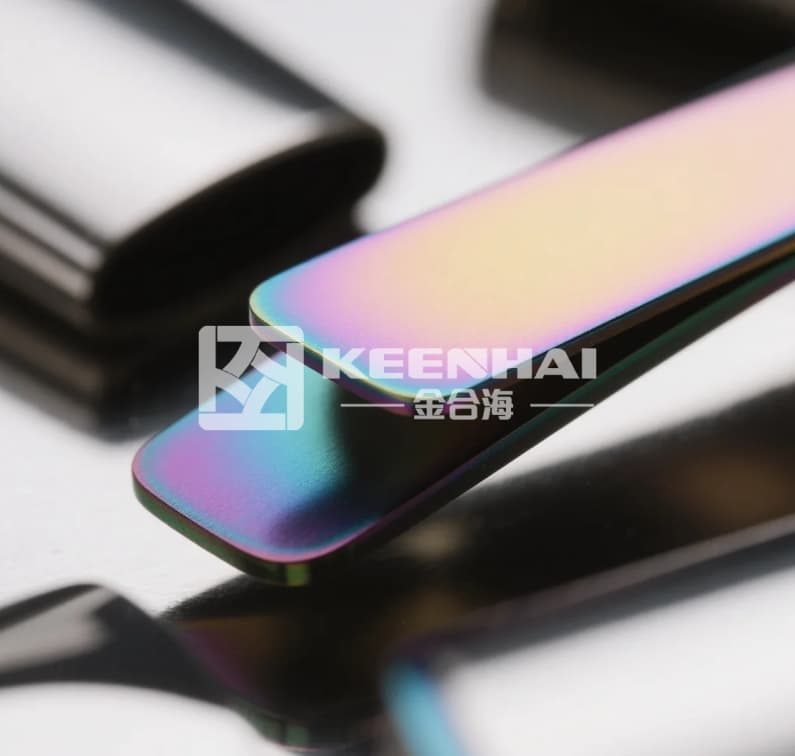
2. Material Performance Criteria Driving the Choice of Inox
When engineers deliberately choose 이녹스, they focus on measurable performance under real operating conditions, not terminology preference. The decision usually comes from how the material behaves in aggressive environments, how it carries loads over time, and how it responds to repeated temperature changes. These criteria directly affect service life, maintenance cycles, and long-term structural reliability.
2.1 Corrosion Resistance Requirements in Aggressive Environments
Inox becomes the default choice when corrosion risk moves from “possible” to “structurally critical.” Engineers specify it in environments exposed to chlorides, industrial pollutants, or constant humidity—such as coastal buildings, wastewater facilities, and food-processing plants.
In practical terms, architects designing seaside balconies or exterior staircases often rely on Inox-grade stainless steel sheets for cladding and guard panels because the chromium-rich oxide layer actively resists pitting and surface degradation. Carbon steel coatings may delay corrosion, but once the coating fails, structural deterioration accelerates. Engineers choose Inox to eliminate that failure point rather than manage it later.
2.2 Mechanical Strength and Load-Bearing Expectations
Beyond corrosion resistance, engineers evaluate yield strength, tensile performance, and fatigue behavior. Inox materials offer a predictable strength-to-thickness ratio, which allows slimmer profiles without sacrificing safety margins.
A typical load-driven selection process looks like this:
-
Engineers calculate static and dynamic loads for elements such as railings, suspended panels, or façade subframes.
-
They match those loads to material yield strength and deflection limits.
-
They select an Inox grade that maintains mechanical stability without excessive thickness or reinforcement.
In projects like public transit stations or commercial atriums, this approach reduces visual bulk while preserving structural confidence—a key reason Inox often replaces painted carbon steel or aluminum in load-sensitive zones.
2.3 Thermal Stability and Performance Under Temperature Cycles
Temperature fluctuation introduces expansion, contraction, and long-term stress. Engineers favor Inox in applications where thermal cycling occurs daily or seasonally, such as exterior façades, industrial enclosures, and mechanical housings near heat sources.
Inox materials maintain dimensional stability across repeated heating and cooling cycles, which helps engineers control joint movement and prevent distortion. For example, in façade systems that experience direct sunlight during the day and rapid cooling at night, Inox panels and fixings retain alignment, reducing noise, stress cracking, and fastener fatigue over time.
From an engineering standpoint, Inox is selected because it behaves consistently when conditions stop being ideal—and that predictability is what protects both structure and budget.
3. Surface Finish and Tolerance Considerations in Engineering Design
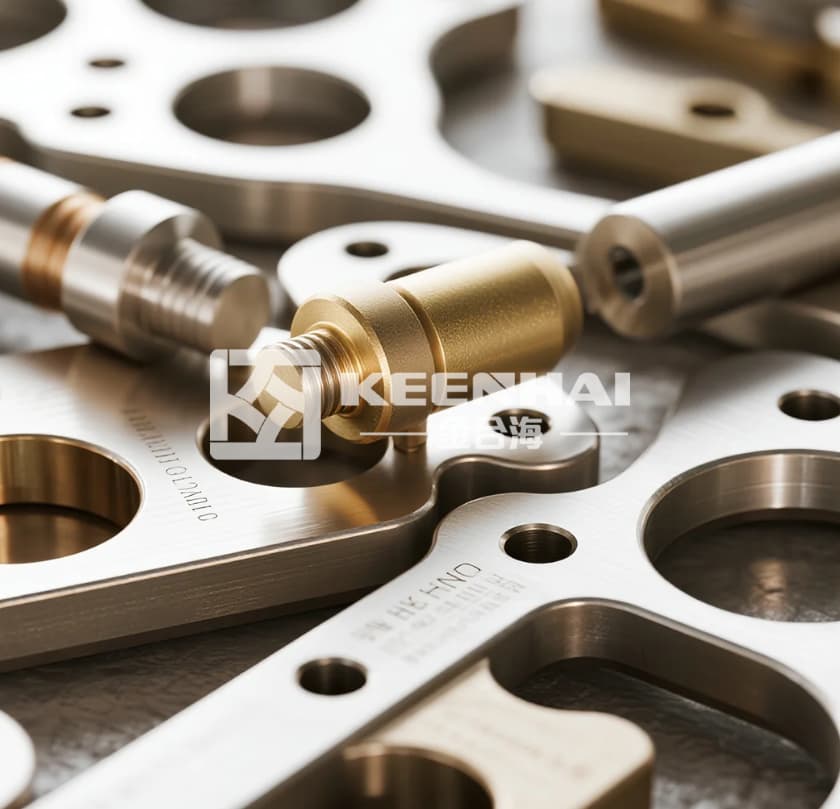
When engineers specify Inox, surface finish and dimensional tolerance stop being aesthetic details and become functional design parameters. In real projects, finish quality affects visual consistency, hygiene, friction, and corrosion behavior, while tolerance control determines whether components install smoothly or trigger costly on-site adjustments.
3.1 Precision Finish Requirements for Architectural and Interior Applications
In architectural and interior engineering, surface finish directly shapes user perception and long-term usability. Engineers often specify brushed, satin, or fine-polished Inox finishes for elevator interiors, wall panels, and feature ceilings because surface uniformity controls light reflection and visual continuity across large areas.
For example, in hotel lobbies or retail atriums, designers frequently choose custom stainless steel panels and sheets manufactured with controlled grain direction to avoid patchy reflections once lighting installs. A mismatch of finish across panels becomes obvious the moment spotlights turn on, which is why engineers insist on documented finish standards rather than visual samples alone.
3.2 Dimensional Consistency and Fabrication Tolerance Control
Tolerance control determines whether a design works on paper or fails during installation. Engineers focus on flatness, thickness variation, and edge accuracy, especially when multiple panels align within tight joints.
A typical engineering workflow includes:
-
Defining allowable thickness deviation based on load and fastening method.
-
Setting flatness tolerances to prevent oil-canning or panel shadowing.
-
Coordinating fabrication tolerances with mounting systems before production starts.
In projects using precision-cut metal stainless steel sheet components for wall cladding or equipment enclosures, tight tolerances reduce cumulative error across long runs. Engineers choose Inox suppliers who can hold consistency batch after batch, not just meet nominal dimensions once.
3.3 Impact of Surface Quality on Long-Term Maintenance
Surface quality directly influences how Inox performs over years of use. Smooth, well-controlled finishes reduce dirt adhesion, simplify cleaning, and limit micro-crevices where corrosion can initiate.
In high-traffic environments—such as transit stations or hospital corridors—engineers specify finishes that balance durability and maintenance efficiency. A properly finished Inox surface resists staining and wear without requiring aggressive cleaning methods, which protects both appearance and material integrity. Over time, this translates into fewer service interruptions and lower lifecycle maintenance costs—an outcome engineers prioritize as much as initial performance.
From an engineering perspective, surface finish and tolerance are not cosmetic choices; they are design controls that determine how reliably Inox performs once the project leaves the drawing board.
4. Cost Predictability and Specification Accuracy in Engineering Projects
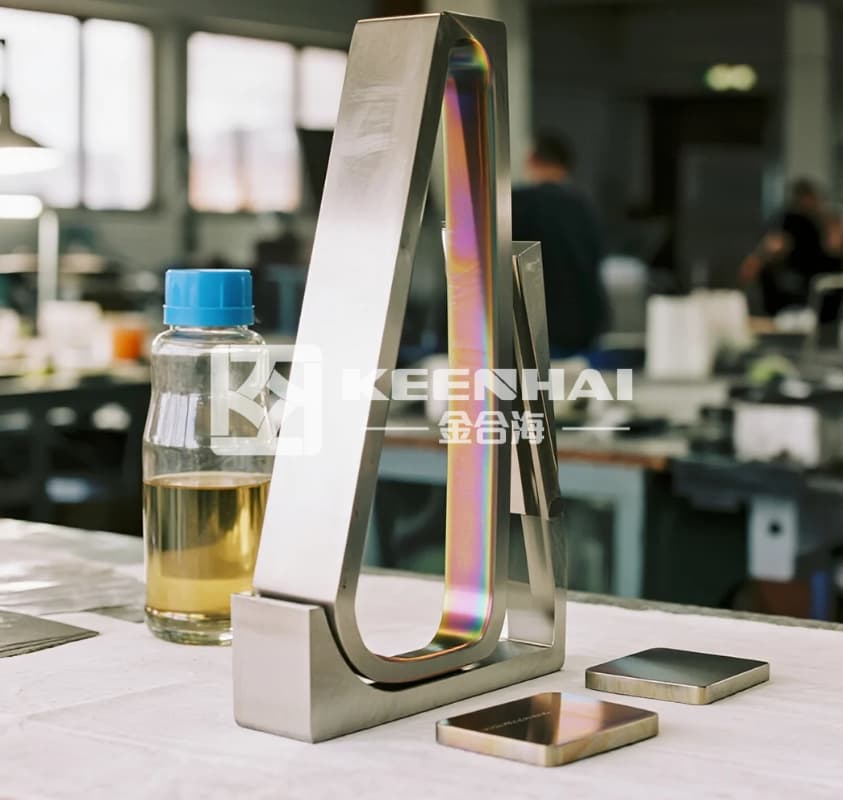
Engineers rely on clear specifications to control costs and avoid costly surprises. Inox’s consistent quality and predictable behavior make it a preferred choice when projects demand both performance and budget reliability. Accurate specification minimizes material substitution errors and prevents expensive rework in later stages.
4.1 Reducing Ambiguity in Material Grades and Standards
Clear, precise definitions of material grades prevent confusion between stainless steel types and ensure suppliers deliver exactly what the project requires. In cross-border projects, using Inox with well-defined European or ISO grade equivalents eliminates misinterpretation in RFQs, technical drawings, and BOMs.
For instance, when engineers specify custom stainless steel sheets for a hospital interior or laboratory environment, they document exact corrosion resistance, mechanical strength, and finish requirements. This ensures the delivered materials meet both aesthetic and functional needs without back-and-forth clarifications.
4.2 Consistency in Supply Chain and Material Certification
Maintaining cost predictability demands a stable supply of certified materials. Engineers often require documentation such as mill test certificates, batch traceability, and ISO or EN certifications before approving Inox deliveries.
Steps to ensure consistency include:
-
Confirming supplier can maintain batch-to-batch uniformity in dimensions and finish.
-
Verifying mill test reports and compliance certificates for each shipment.
-
Coordinating lead times to avoid project delays while minimizing storage costs.
For projects using high-precision stainless steel metal plates, this approach avoids unexpected cost escalations due to material substitutions or inconsistent quality.
4.3 Lifecycle Cost Evaluation from an Engineering Perspective
Long-term costs are as critical as upfront expenses. Engineers analyze installation effort, maintenance frequency, and expected service life. Inox often reduces total lifecycle costs due to low maintenance, corrosion resistance, and dimensional stability under operational stresses.
For example, in outdoor facades or high-traffic interiors, using well-finished Inox panels ensures the surface resists staining and maintains visual quality over decades, lowering cleaning and repair budgets. By integrating specification accuracy with supplier consistency, engineers can forecast expenses reliably and make data-driven material choices that protect both performance and bottom line.
5. Project Execution Scenarios Favoring Inox Specifications
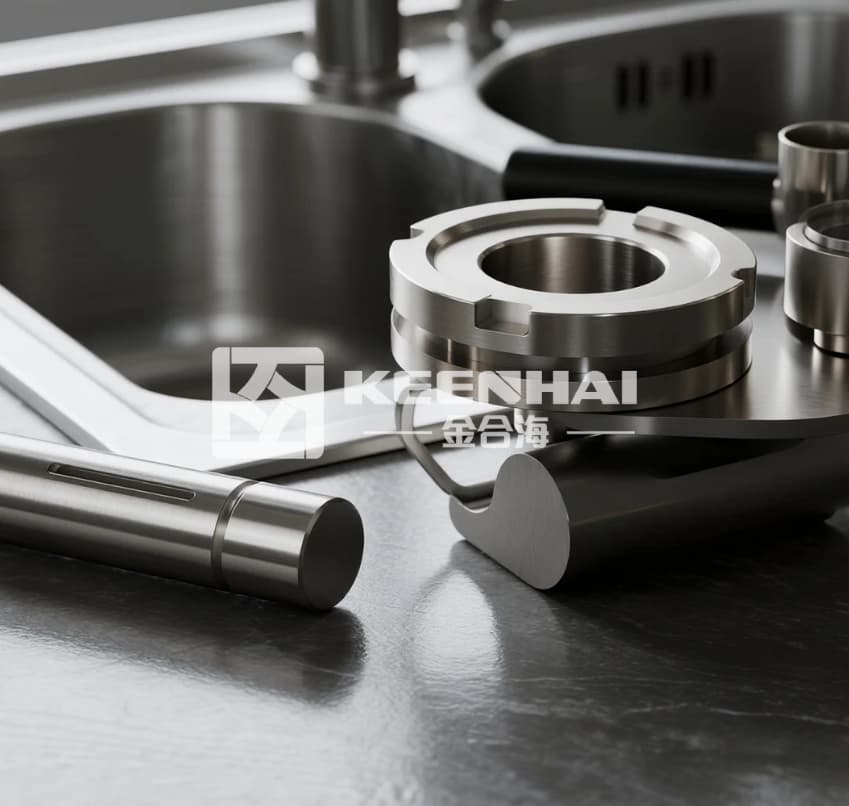
Selecting Inox over generic stainless steel becomes especially advantageous in projects that demand precise communication, seamless collaboration, and minimized risk of misinterpretation. Its standardized terminology and predictable performance simplify complex engineering workflows and support consistent quality across multinational teams.
5.1 Multinational Projects Requiring Standardized Material Language
For global projects, engineers must ensure that material specifications are universally understood across borders. Using Inox in RFQs, technical drawings, and BOMs reduces confusion caused by regional variations in terminology, such as “stainless steel 304” versus “Inox 304”.
Key steps for clarity include:
-
Specify the exact grade and surface finish in supplier documentation.
-
Use internationally recognized codes like EN 10088 or ISO standards.
-
Include precise dimensions and tolerances in drawings to avoid interpretation errors.
In large-scale infrastructure, such as airport interiors or international office complexes, this standardization ensures all contractors and fabricators interpret requirements identically, preventing costly delays.
5.2 Collaboration Between Engineers, Fabricators, and Inspectors
Successful execution relies on smooth coordination between all stakeholders. Inox’s clearly defined properties allow engineers, fabricators, and site inspectors to make consistent decisions regarding material handling, assembly, and quality checks.
Typical collaborative workflow:
-
Engineers provide detailed specification sheets for custom stainless steel sheets or metal panels.
-
Fabricators confirm compliance with specified tolerances and surface finishes.
-
Inspectors verify deliveries against certifications and drawings before installation.
This process reduces rework and ensures first-time installation accuracy, which is crucial for high-profile projects like luxury hotels, hospitals, or public transport terminals.
5.3 Avoiding Misinterpretation in Technical Approval and Procurement
Miscommunication in procurement can cause budget overruns and material mismatches. By specifying Inox with exact grades, thickness, and finishes, engineers can streamline approval processes and maintain control over supply chain decisions.
-
Include all necessary certifications and test reports with RFQs.
-
Confirm that suppliers understand the required metal stainless steel sheet standards.
-
Document acceptance criteria for each delivery to avoid discrepancies.
Inox specifications eliminate ambiguity, allowing procurement teams to confidently order materials, track shipments, and maintain project timelines, especially for complex architectural or industrial applications.
Engineers choose Inox over generic stainless steel because it provides predictable performance, standardized terminology, and reliable specifications across global projects. Whether in high-rise building facades, industrial machinery, or precision architectural interiors, specifying Inox ensures material clarity, reduces risk of misinterpretation, and aligns with European norms and international standards, making project execution smoother and quality outcomes more consistent.